
Mercedes-Benz is bringing a driver-assist system to the United States that lets drivers take their hands off the wheel both on the highway and in city traffic. California owners get it first, and a much wider rollout is planned for 2027. Here is what the system does, which cars get it and how it handled a real-world test.
Read next on Morning Overview: The Justice Department asked courts to undo approvals for three offshore wind farms, one already making power
Mercedes-Benz CLA: Even the Entry-Level Model Qualifies
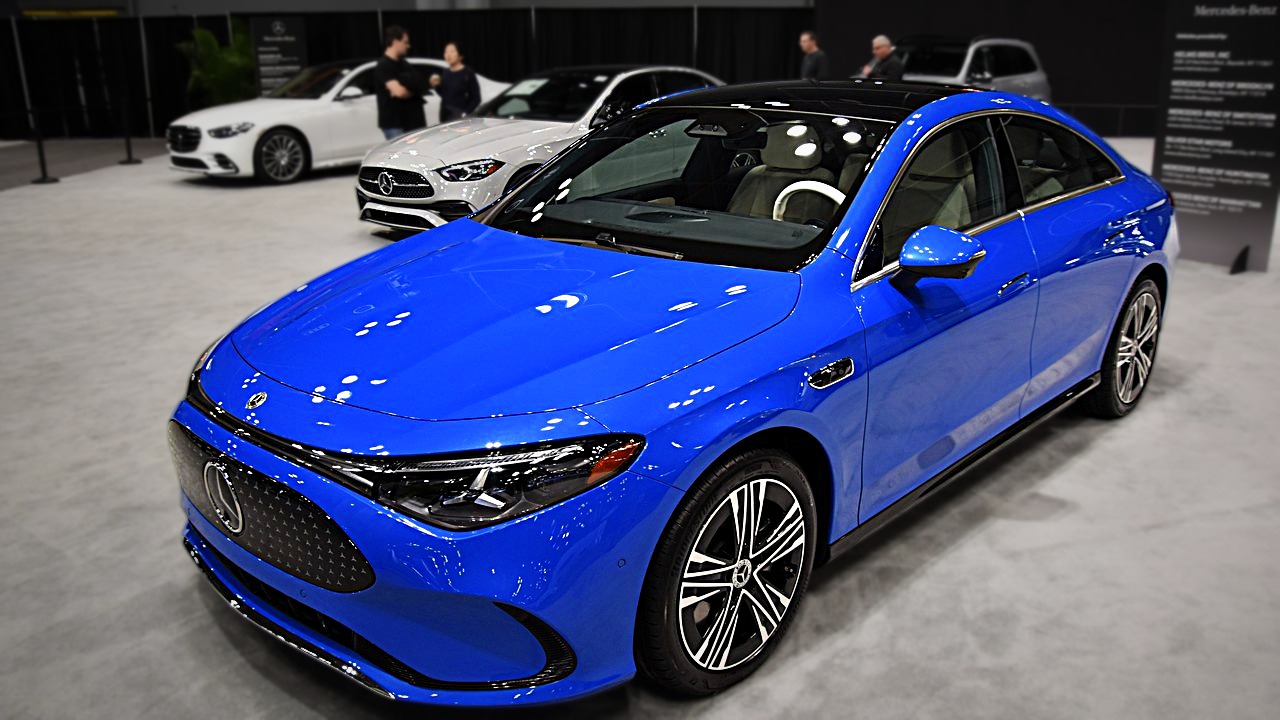
Mercedes’ new hands-free system will be available across its US lineup, and that includes the entry-level CLA, according to Carscoops. Late this year, customers in California will get access to what the automaker calls MB.DRIVE ASSIST PRO, downloaded over the air to cars with compatible hardware.
Carscoops reports that it appears only 2027 model-year cars will be able to use the technology, with one exception: the 2026 CLA electric sedan already has the necessary hardware. Customers will need to pay a subscription for the feature set. The system is set to go live for many models across the country in early 2027, putting advanced driver assistance into one of the brand’s most affordable cars.
City-street assist: Help Beyond the Highway
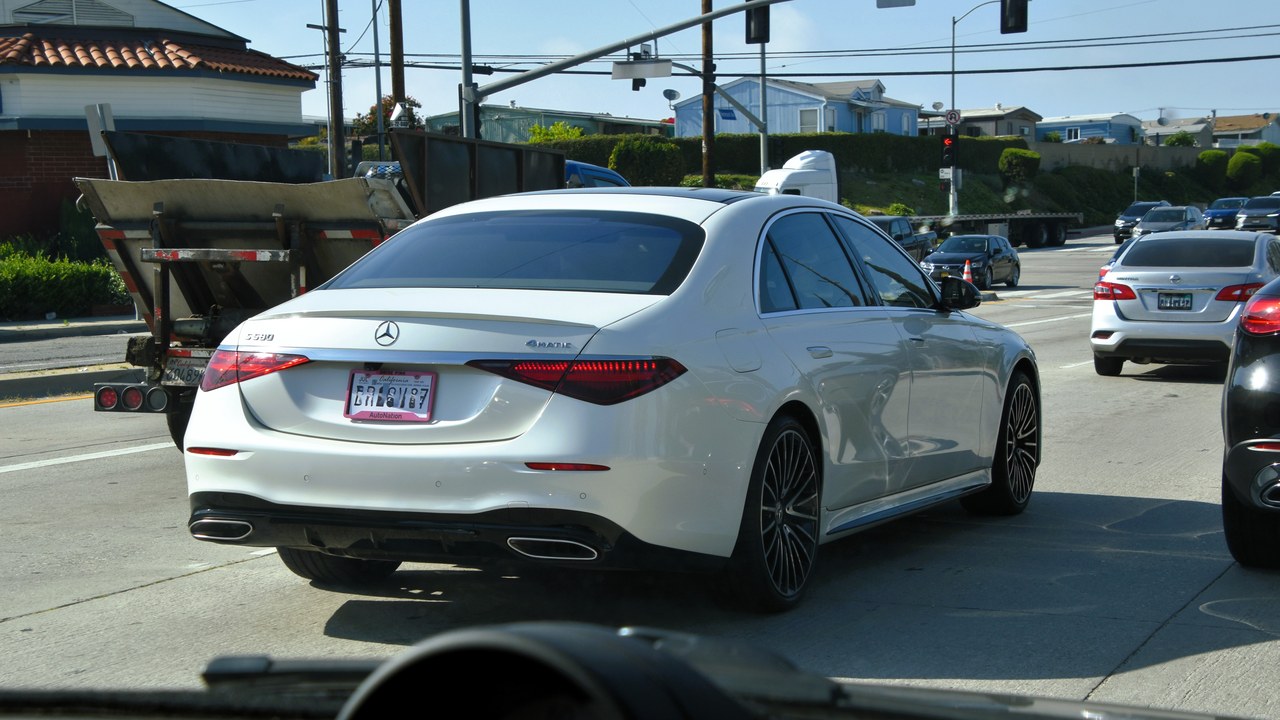
Most hands-free systems stop working when a car leaves the freeway. Mercedes says its new system keeps helping, with exiting the highway, changing lanes, merging into the correct lane, turning at intersections and braking or pulling away at traffic lights, according to Carscoops’ report.
That is a key difference from systems such as GM’s Super Cruise and Ford’s BlueCruise, which do not work in everyday urban traffic. Ars Technica describes the approach as point-to-point assisted driving, with the human still responsible for supervising. The system is still classified as partially automated, meaning the driver must stay alert and ready to take over at any moment.
Hands-free at 85 mph: Hands Off at Highway Speed
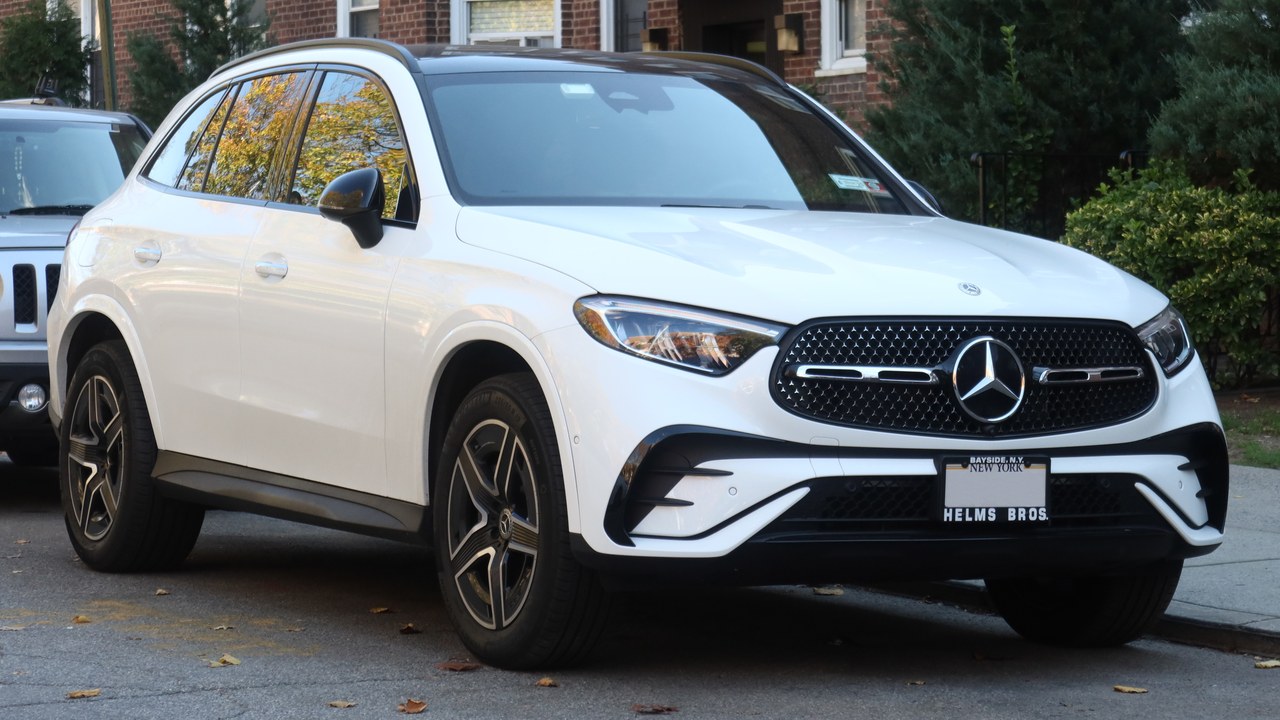
Drivers in California can take their hands off the wheel on eligible controlled-access highways at speeds up to 85 mph, according to The Drive’s hands-on test. The highway portion is called Hands-Free Highway Assist, and it works alongside the city-street system called MB Drive Assist Pro.
That speed is far higher than the limits on Mercedes’ earlier Level 3 system, which was heavily regulated and could be used only at much lower speeds in specific conditions. In The Drive’s test, though, the highway mode felt less confident than the city mode. Lane changes took longer than expected, and the system seemed more hesitant on the open road.
San Francisco test: Tested on San Francisco’s Steepest Streets
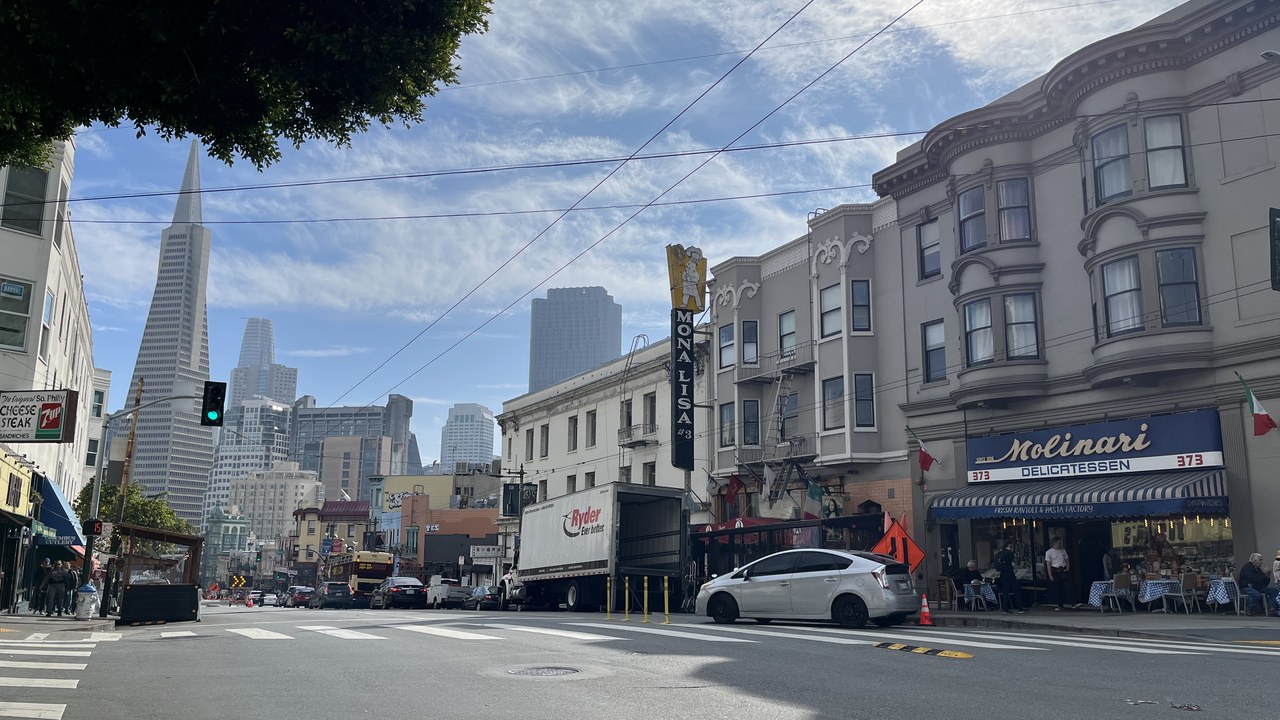
The Drive tested the system in a 2027 GLC 400 Electric through San Francisco traffic, including double-parked cars, road construction, cyclists and crowds of pedestrians, according to the outlet’s review. The reviewer said the most impressive part was the system’s confidence and fluidity in its decisions on busy city streets.
San Francisco is a demanding place for any driver-assist system, with steep hills, tight lanes and unpredictable traffic. The city portion of the route went smoothly, the reviewer reported, while the highway segment left a little to be desired. The test showed how far partially automated driving has come, and where it still falls short.
Germany and the US: Rolling Out in Germany and the US
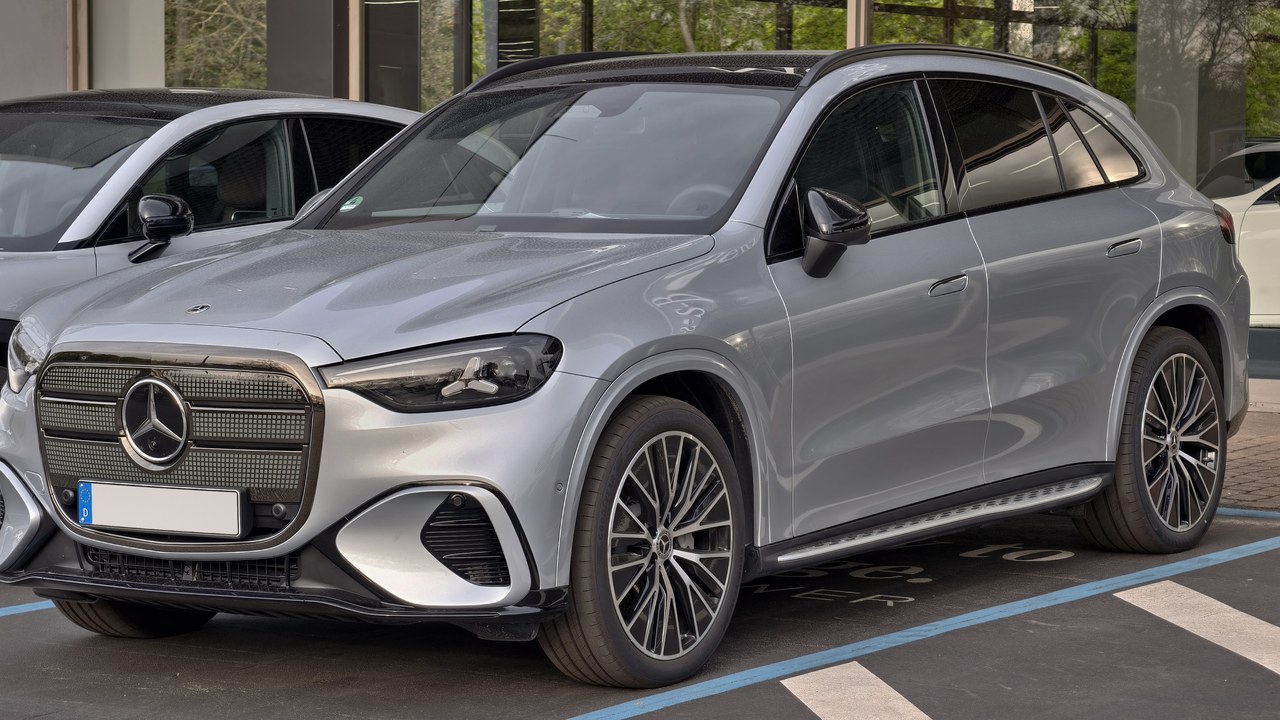
Mercedes is rolling Drive Assist Pro out to cars running its MB.OS operating system in the United States and Germany. Some customers in both countries will join an early access program, with a wider rollout in the first half of 2027, according to Ars Technica.
The system combines 10 cameras, five radars and 12 ultrasonic sensors, linked by a computer running Nvidia’s Orin processors. Driving decisions come from Nvidia’s end-to-end software stack, with a rules-based system running alongside as a safety check, and Ars reports the stack has been certified by Germany’s TUV. Models covered include the CLA, GLC Electric, GLE, GLS and S-Class.
More from Morning Overview
- Neanderthals in Spain carved a wooden object that matches nothing archaeologists have ever found
- The FAA wants $2.39 million from a flight school it says flew a Cessna about 280 times with an unapproved part
- A $1 billion gas plant planned for Superior, Wisconsin, has been abandoned
- Shaq spent $1.3 million on three Rolls-Royce Phantoms to prove a point to a salesman
