
Pickup stickers keep climbing, and the trucks that once did the dirty work now sit under auction lights instead of in barns. Early four-wheel-drive haulers with simple mechanicals, removable roofs and short production runs have quietly become collector currency. Here are nine vintage trucks trading in territory that used to belong to new pickups.
1. Ford Bronco: The Generation Buyers Chase
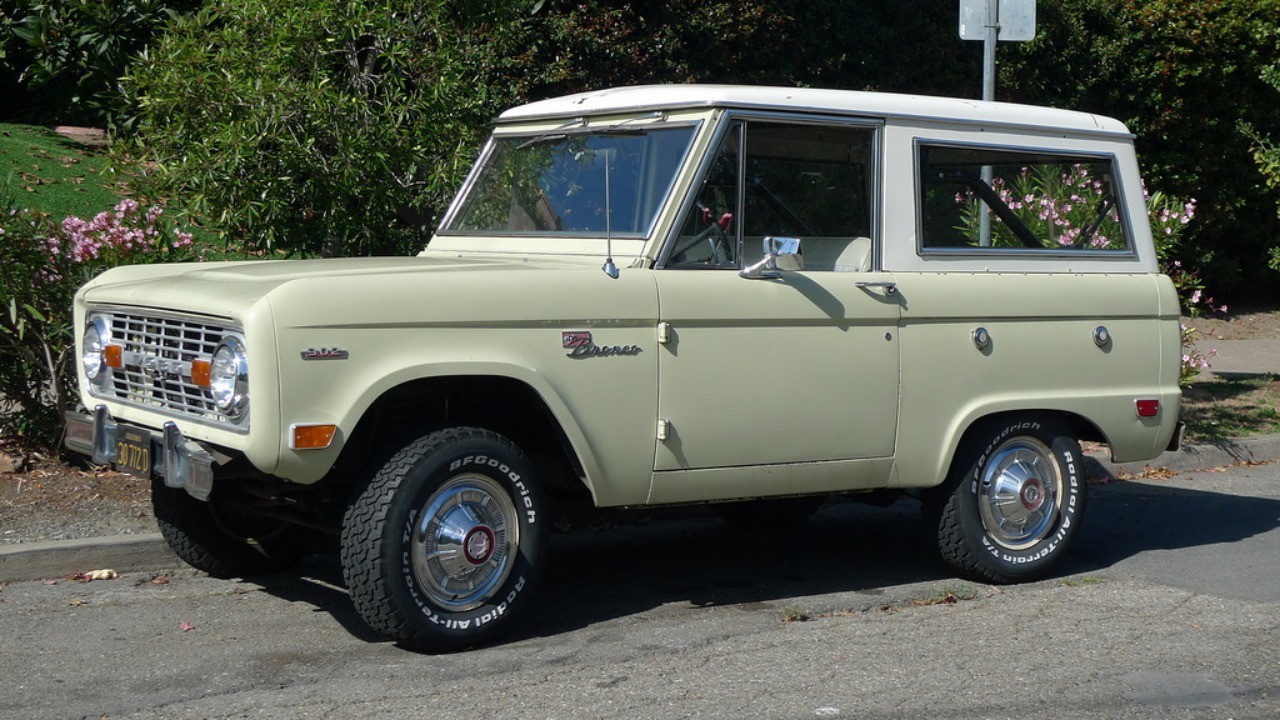
Ford launched the Bronco for 1966 on a purpose-built 92-inch wheelbase, offering it as an open roadster, a half-cab pickup and a closed wagon rather than as a shortened version of an existing truck. That first generation ran through 1977 before the nameplate moved onto full-size F-Series underpinnings, and it is the original short-wheelbase Bronco that collectors pursue hardest today.
Scarcity does most of the work. The roadster body lasted only a few seasons, and the trucks that followed were used hard in salt and mud, so intact survivors are thin on the ground. Restored examples now change hands as collector vehicles rather than work trucks, which is how the strongest ones reach new-truck money.
2. Chevrolet K5 Blazer: The Full-Size Convertible Four-Wheel-Drive
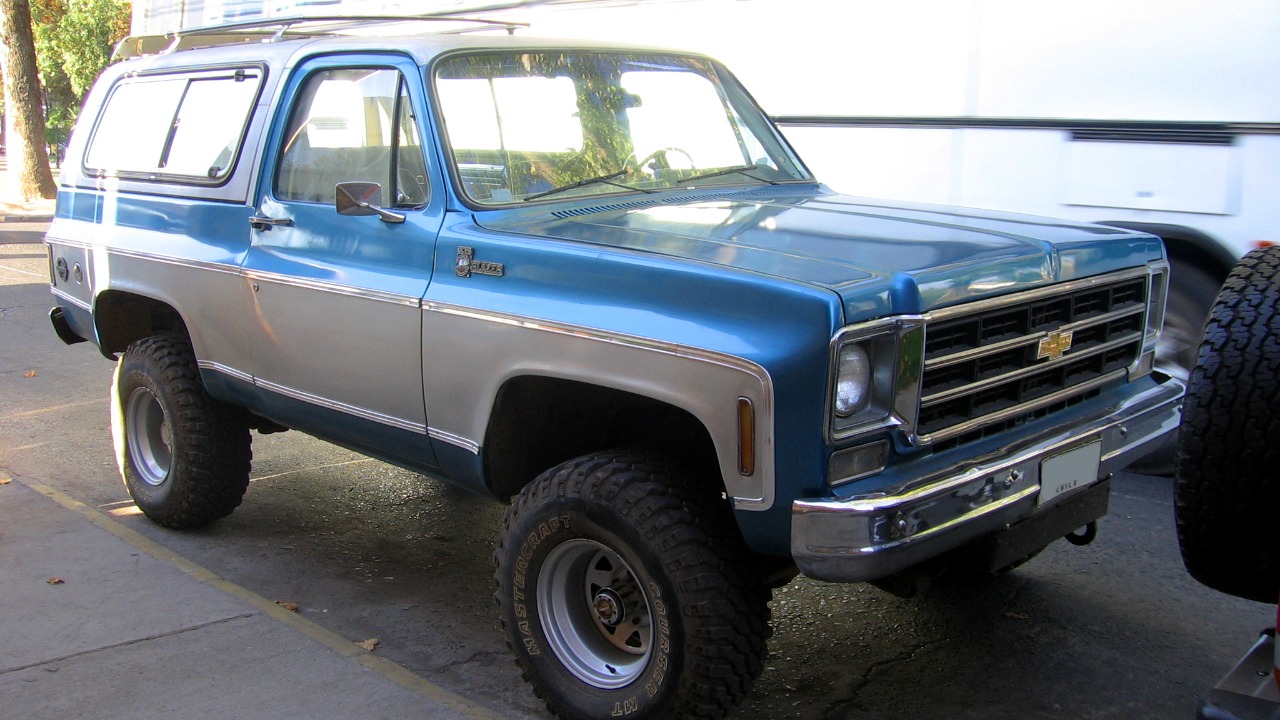
Chevrolet answered the compact off-roaders in 1969 by shortening its own C/K pickup chassis, which gave the full-size K5 Blazer more cabin, more payload and more engine than its rivals carried. The earliest trucks used a removable roof spanning the entire passenger compartment, effectively a full-size convertible, an arrangement that survived only into the mid-1970s before a fixed half-cab top replaced it.
That narrow window is exactly what the market prices against. Full-convertible trucks sit at the top of the K5 hierarchy while later half-cab versions trade for noticeably less, and rust in the rear body, tailgate and rocker panels keeps thinning the pool of candidates worth restoring at all.
3. Toyota Land Cruiser: The FJ40 Effect
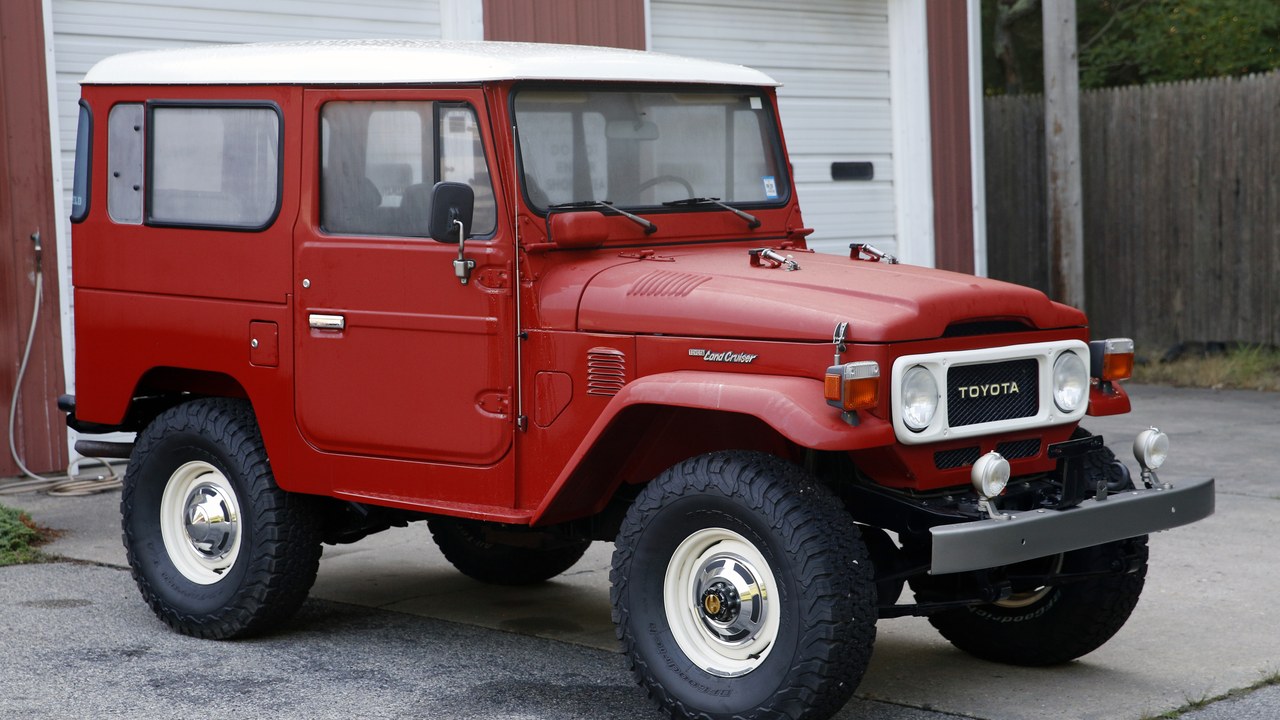
Between 1960 and 1984 Toyota built the J40-series Land Cruiser, the flat-fendered FJ40 that carried the Land Cruiser nameplate into mining camps, aid convoys and back roads on nearly every continent. Its appeal is mechanical honesty: a leaf-sprung ladder frame, a torquey inline six, and body panels bolted to a machine meant to be repaired far from any dealer.
Global distribution cuts both ways here. Enormous numbers were built, but most were consumed by the work they were bought for, so unmolested or properly restored FJ40s command serious collector money while rough project trucks still trade cheaply. Provenance and originality, not mileage, decide which category a given truck falls into.
4. Ford F-Series: The F-100 Premium

The F-100 badge arrived in 1953 with the second generation of Ford’s F-Series line and stayed on the light-duty trucks into the early 1980s. Two runs draw the most attention: the mid-1950s trucks for their rounded postwar shapes and jet-age detailing, and the 1967-to-1972 generation for its clean-sided styling and small-block V8 availability.
Volume creates the paradox. The F-Series has been the best-selling truck line in the United States for decades, yet that ubiquity meant most examples were worked until they were scrap. Correct trim, an unpatched cab floor and solid bed sides now separate a truck worth restoring from one worth parting out.
5. Dodge Power Wagon: The Military Truck That Stayed Civilian
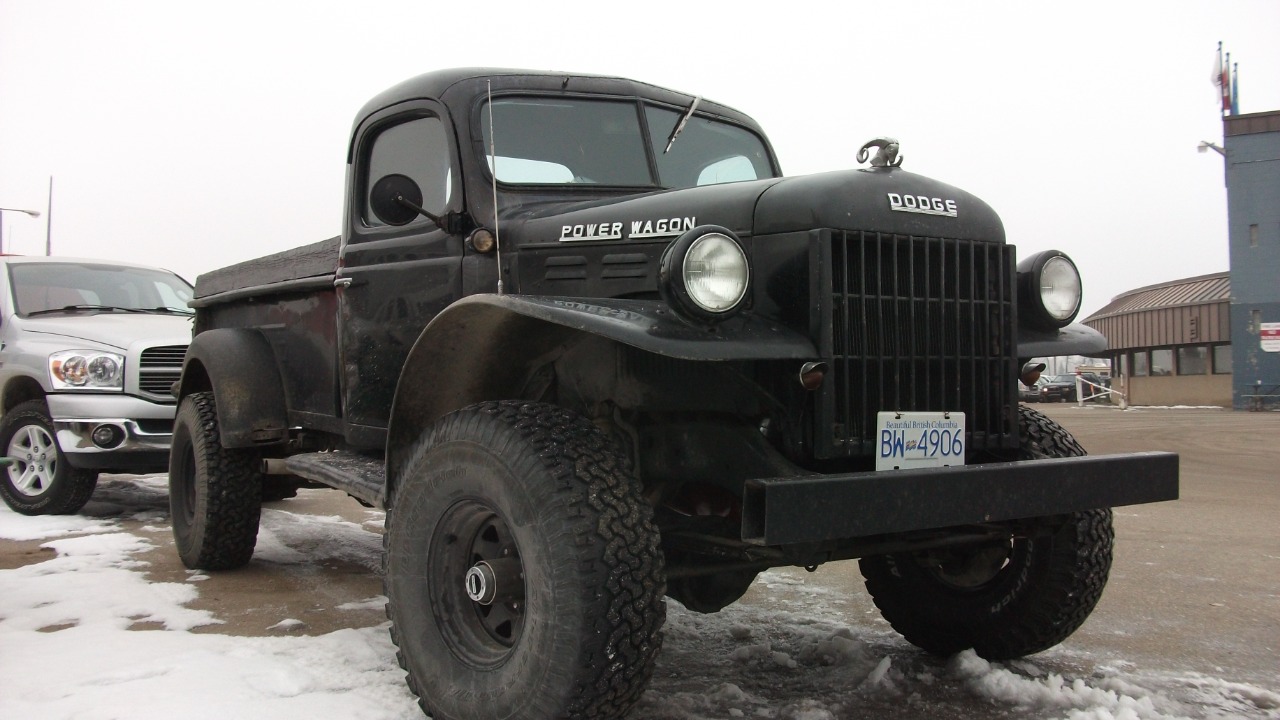
Dodge converted its wartime WC-series three-quarter-ton chassis into a civilian machine after 1945, and the original Power Wagon went on sale as a one-ton four-wheel-drive aimed at farms, utilities and fire departments rather than families. Civilian sales in the United States continued to 1968, with export production running well past that on essentially unchanged bodywork.
None of it was comfortable, and that is now part of the draw. Flat-fendered trucks get treated as rolling sculpture, restoration work is specialist labor rather than parts-store maintenance, and a finished example is priced as the sum of that work instead of as second-hand farm equipment.
6. International Harvester Scout: The Cult Four-Wheel-Drive With No Successor
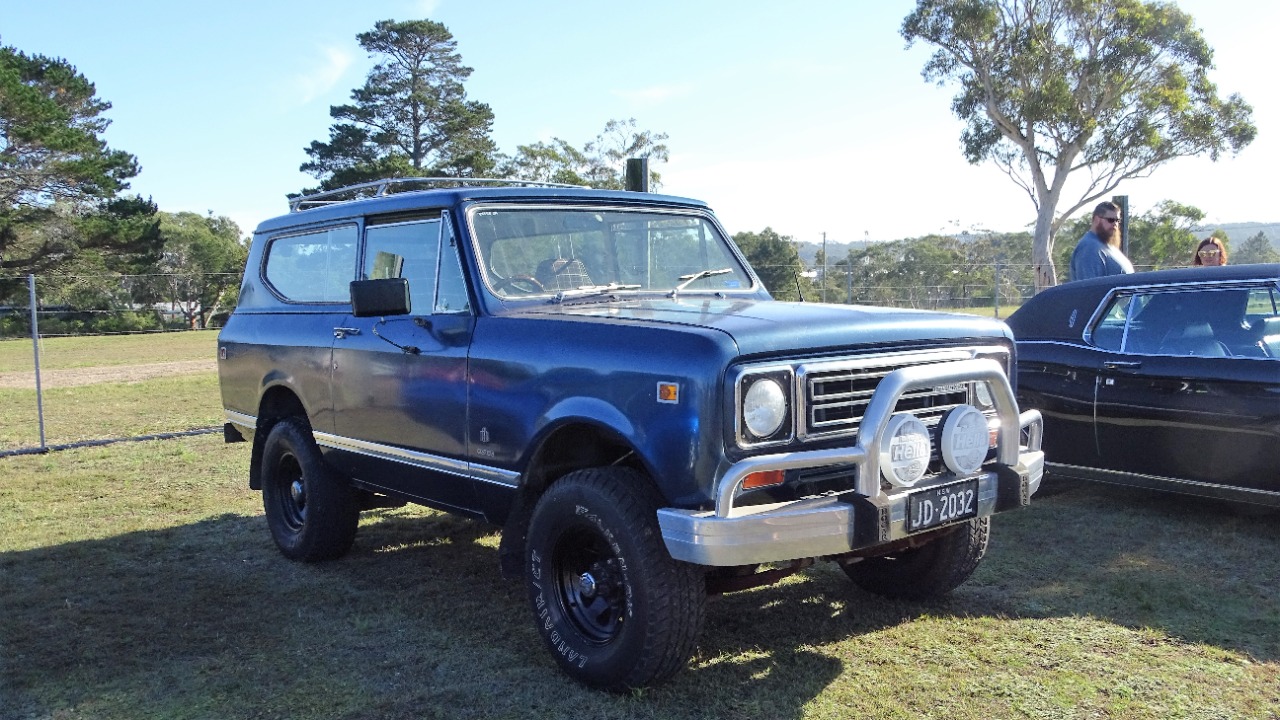
International Harvester built the Scout utility vehicle from 1961 until 1980, moving from the slab-sided Scout 80 through the 800 and on to the larger Scout II, all of them with removable tops and a squared, agricultural directness. When the company left the light-truck business in 1980, the line simply stopped, leaving no modern descendant to dilute it.
A closed production run concentrates demand. Support comes from specialists and reproduction parts rather than a manufacturer, restorations take longer as a result, and completed trucks trade inside a small, well-informed market. Clean Scout IIs bring the strongest numbers, while early Scout 80s appeal to a narrower group of originality-minded buyers.
7. Jeep Wagoneer: The Original Luxury Off-Roader
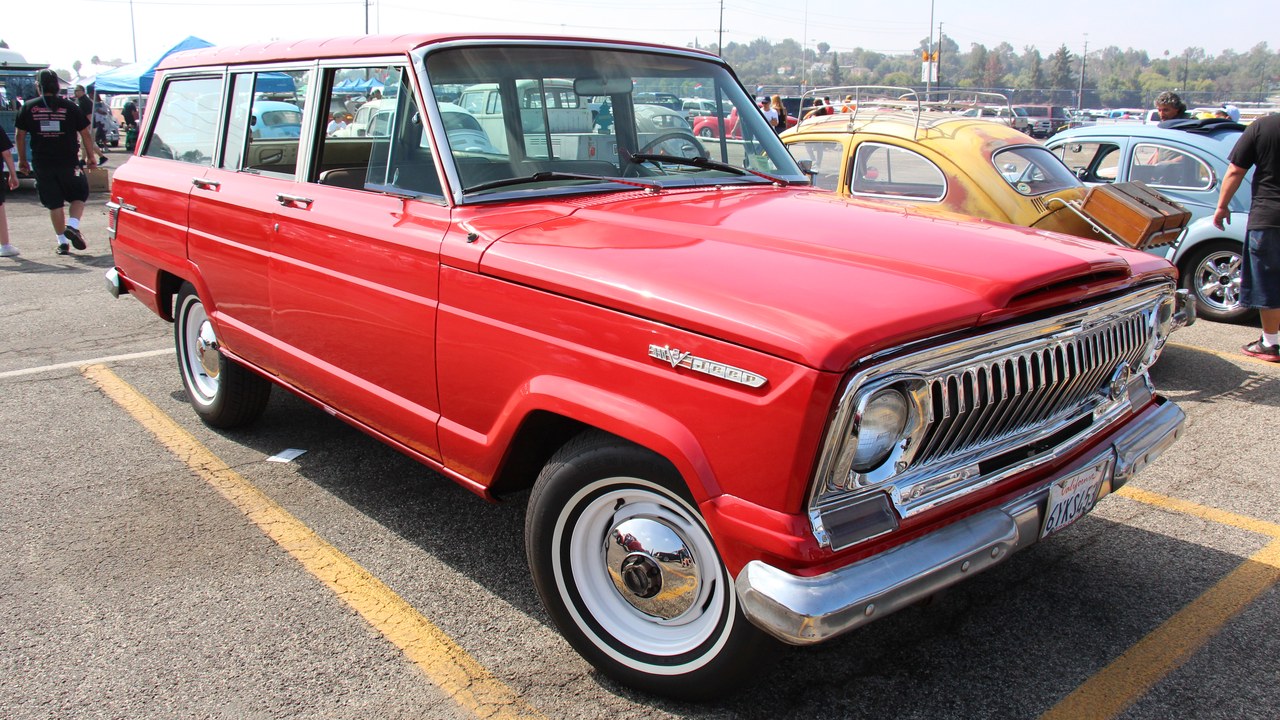
Introduced for 1963, the full-size Wagoneer paired genuine four-wheel-drive hardware with an automatic transmission and passenger-car fittings years before that combination became ordinary, and the basic architecture stayed in production until 1991. Later Grand Wagoneers layered on leather, wood-look side trim and standard V8 power without changing the underlying frame.
The woodgrain is what buyers chase. Intact vinyl trim, uncracked headliners and rust-free rear quarters are the genuinely scarce commodities, since replacing them properly costs more than most of these trucks were worth a decade ago. A restored Grand Wagoneer is bought as a period statement, not as transportation.
8. Chevrolet Suburban: The Longest-Running Name on the Lot
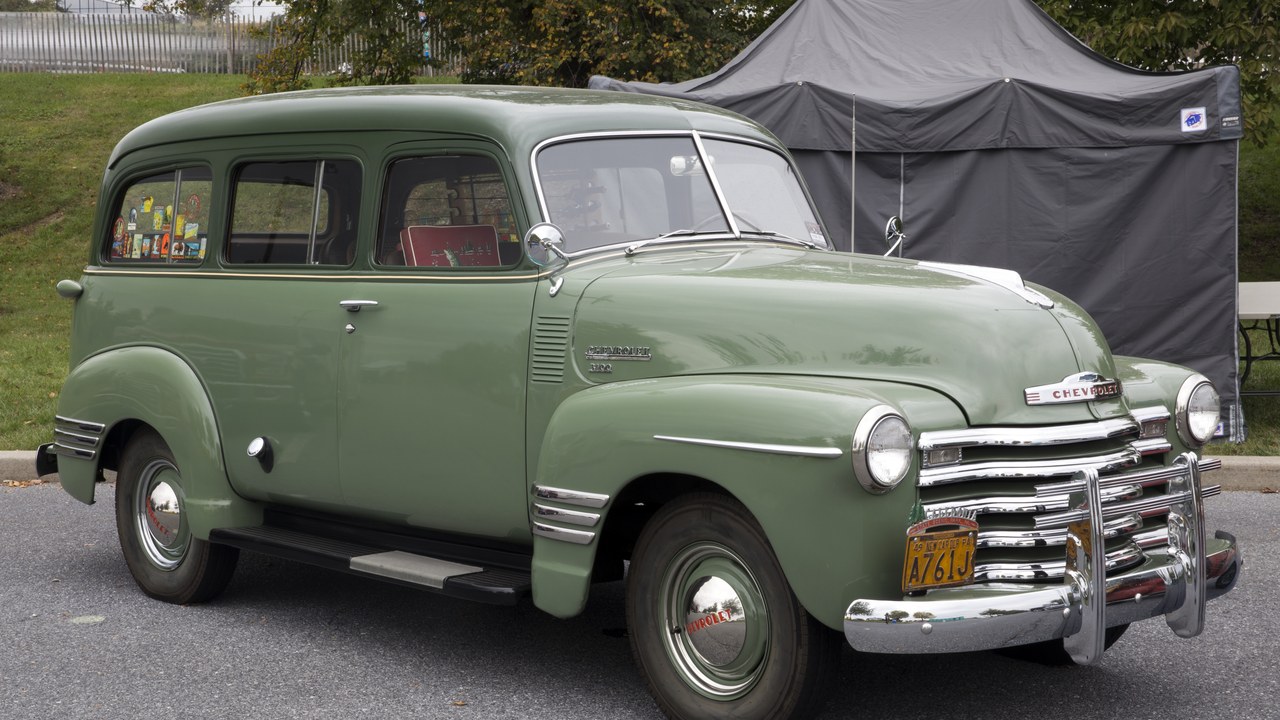
Chevrolet has used the Suburban nameplate continuously since 1935, longer than any other automobile name in the United States, and the early versions were steel-bodied haulers built on truck chassis for contractors, ambulance operators and the military. Prewar trucks and the 1950s-era models are the ones the collector market treats seriously.
Rarity here is a survivorship question rather than a production question. These were fleet tools that got rebodied, rusted through or scrapped once their working life ended, so original examples face demand from classic-truck buyers and family-hauler nostalgia at the same time, which is an unusually wide bidding pool for an old wagon.
9. Toyota Hilux: The Import Legend Coming Of Age

Toyota launched the Hilux in 1968 and sold it in the United States until 1995, when the Tacoma took over the compact-pickup slot, leaving a long tail of compact Hilux pickups with a durability reputation competitors never quite matched. Both the early rear-drive trucks and the later solid-axle four-wheel-drive versions attract attention.
Rust sets the ceiling, not mechanical failure. Frames, bed sides and cab corners dissolve long before the engines give up, so intact trucks are unusually scarce for something built in the millions. Clean four-wheel-drive examples are now priced as collectibles rather than as old compact pickups, and straight bodies carry most of that premium.
More from Morning Overview
