
Few nameplates have lasted as long as Ford’s F-Series, which has changed shape, engines and even power source across generations. Along the way it picked up new badges, bold trims and technical firsts that shaped the pickup market. Here are twelve landmark stops on the road from the first postwar truck to the electric era.
1. 1948 Ford F-1: Where the Name Began
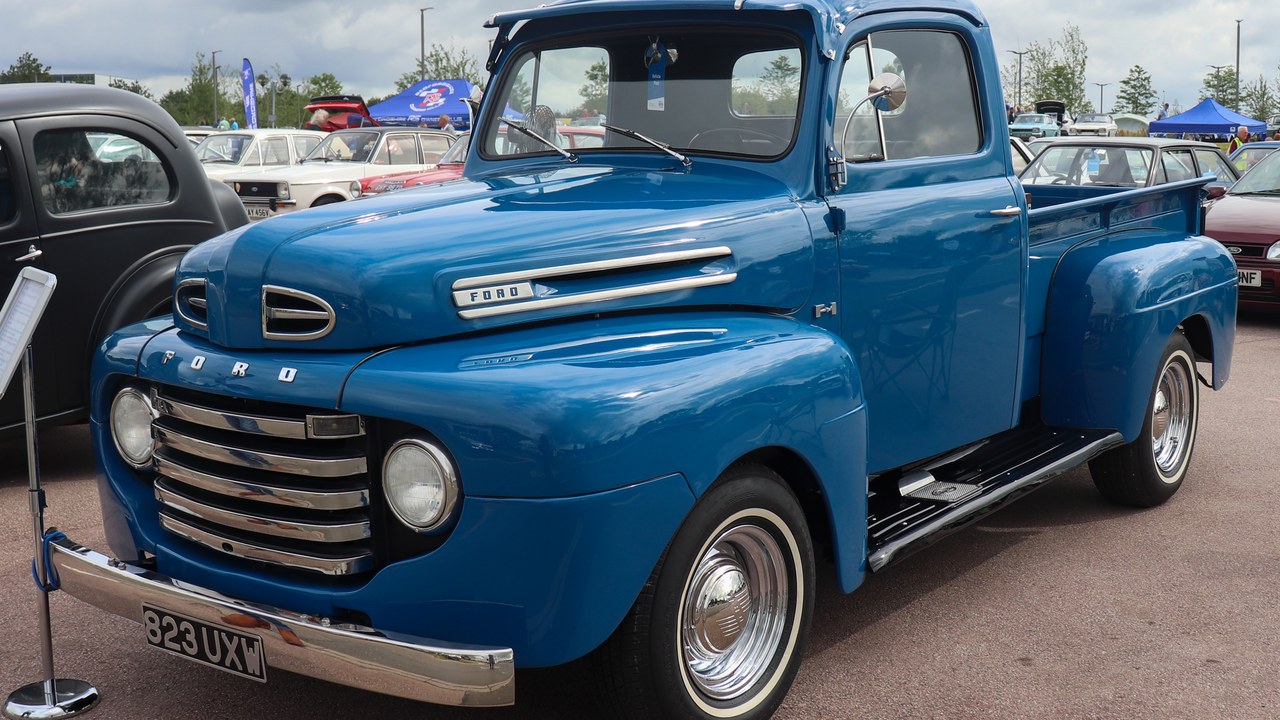
The F-Series name first appeared on Ford’s all-new 1948 trucks, with the half-ton called the F-1, and Hagerty notes it was built at all 16 U.S. Ford car assembly plants.
The F-1 is the starting point of a family tree that grew into a sales giant. Collectors of early pickups prize the first-generation trucks as the origin of a name that still sits on showroom floors across the country. That long history is part of why the F-Series carries so much weight with truck fans and general readers alike.
2. 1953 Ford F-100: A New Badge in 1953
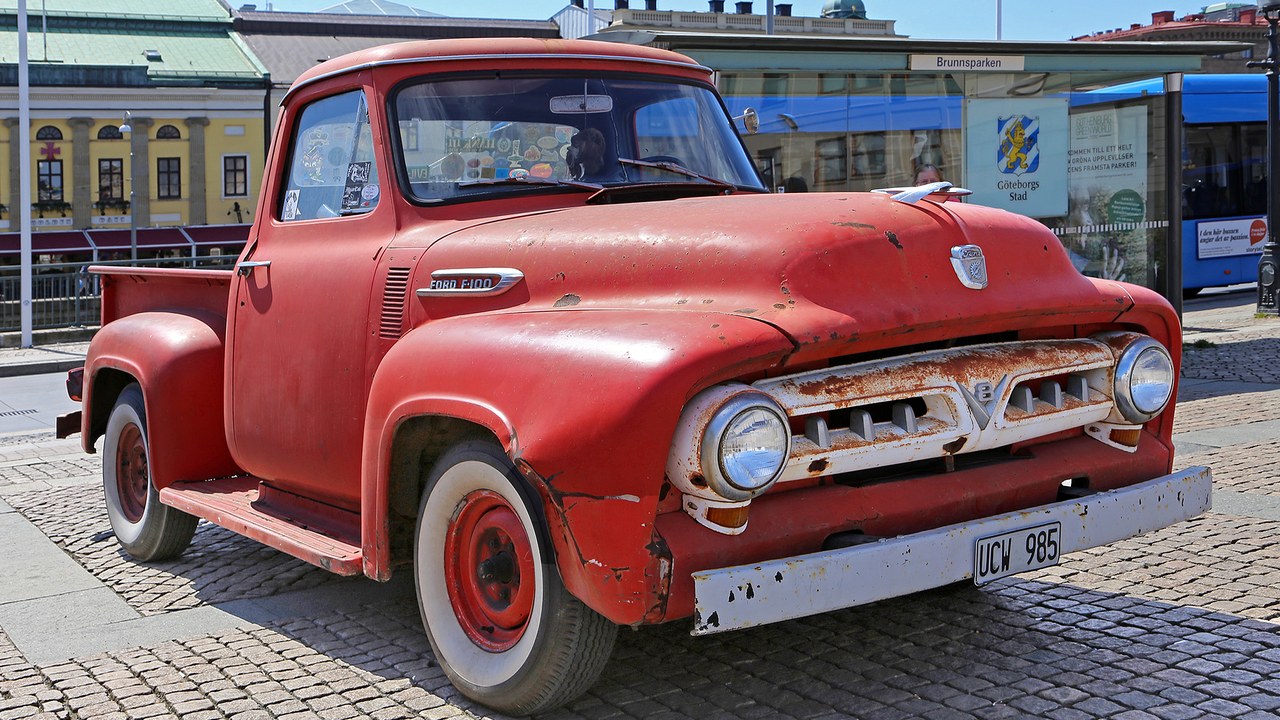
Ford moved its half-ton pickup to the F-100 name in 1953, a badge that lasted until the final F-100 model year of 1983, according to Hagerty.
The F-100 label stayed on the half-ton for three decades, long enough to become shorthand for the whole class of light Ford pickups. Fans of classic trucks still use the number as a common search term when hunting for one. For shoppers browsing classifieds, knowing the badge history makes it easier to tell the different eras of Ford half-ton apart.
3. 1961 Ford F-Series unibody: The Unibody Experiment
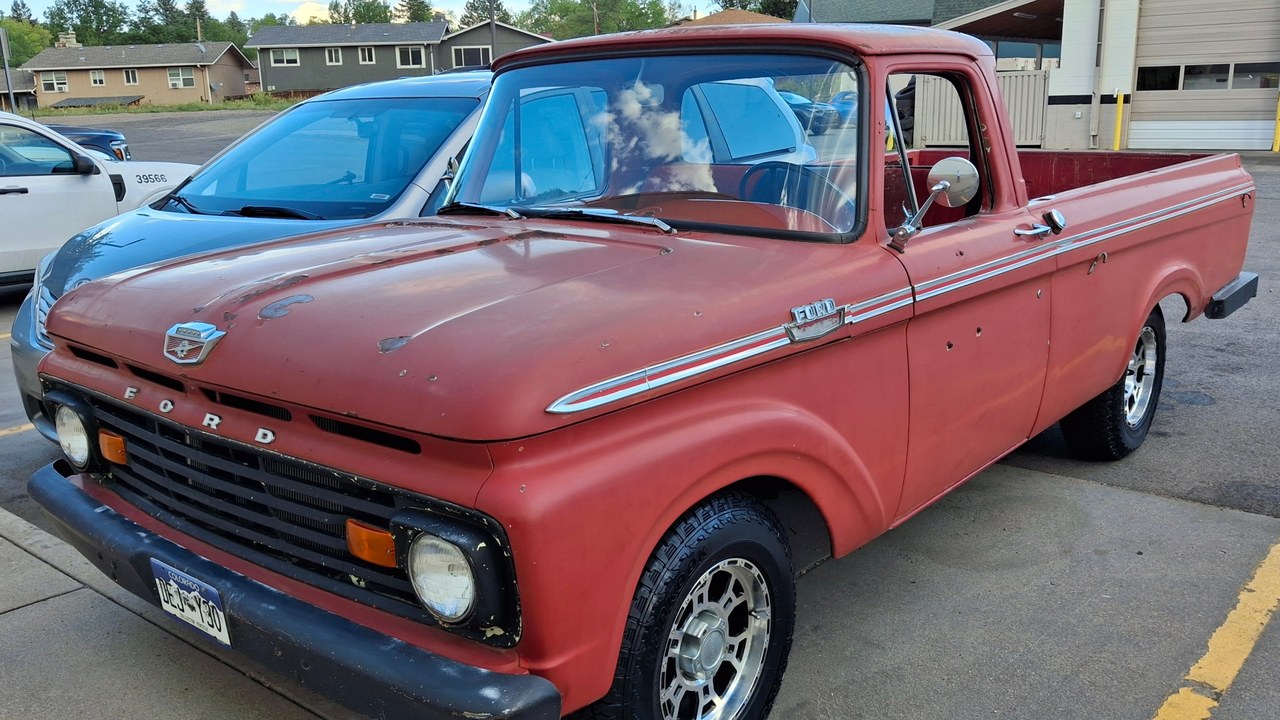
The fourth generation offered an integrated unibody cab-and-bed for 1961 through 1963, but the unibody proved unpopular with buyers and was dropped.
The experiment stands out as an unusual detour in a line known for conventional body-on-frame construction. Its short run makes the unibody trucks a curiosity for collectors and a useful reminder that even a market leader can misjudge buyers. Buyers in the early 1960s clearly preferred the traditional approach, a verdict that shaped Ford truck design for years afterward.
4. 1967 Ford F-Series: Ranger XLT and Explorer
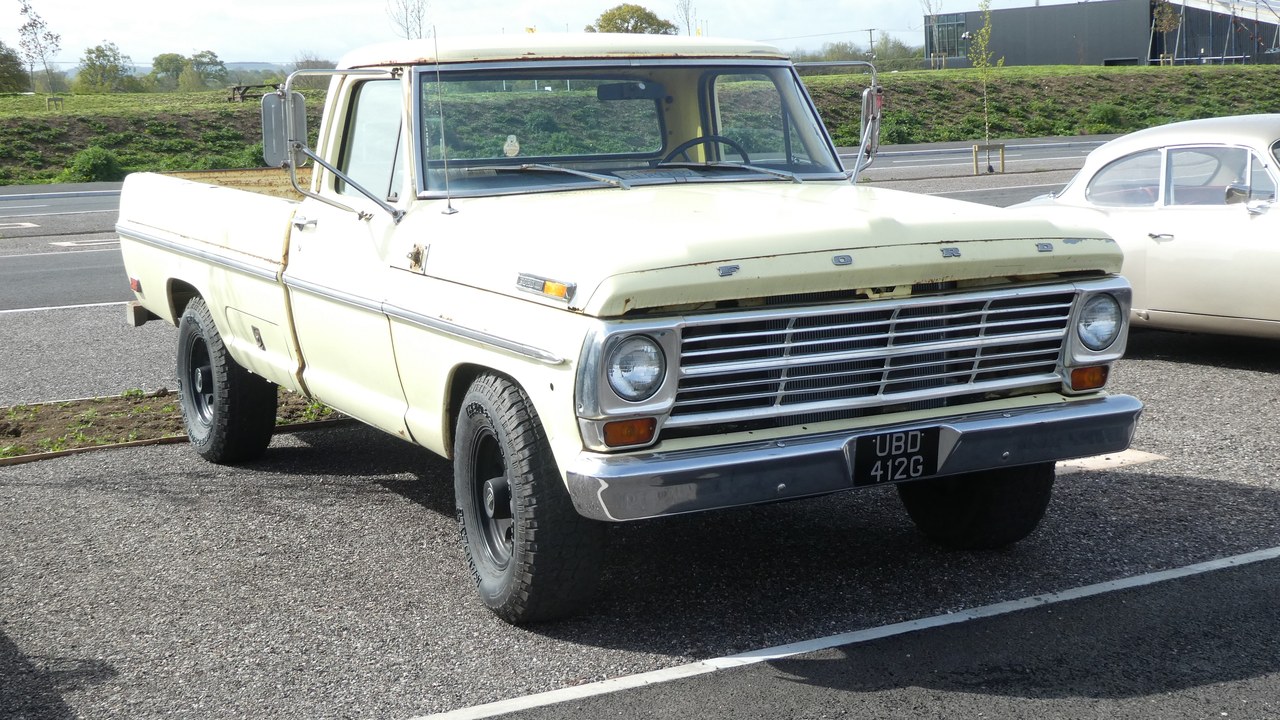
The 1967-72 generation added the plusher Ranger XLT trim in 1970 and made Explorer the top trim badge for 1972, Hagerty notes.
Trucks were starting to move beyond pure work duty, and Ford used trim names to show it. The Explorer badge, later famous on an SUV, first signaled a more comfortable pickup for buyers who wanted extra features. Trim ladders like this became a template that the whole industry copied as pickups grew more comfortable and more expensive.
5. 1973-79 Ford F-Series ‘Dentside’: Dentside Sales Crown
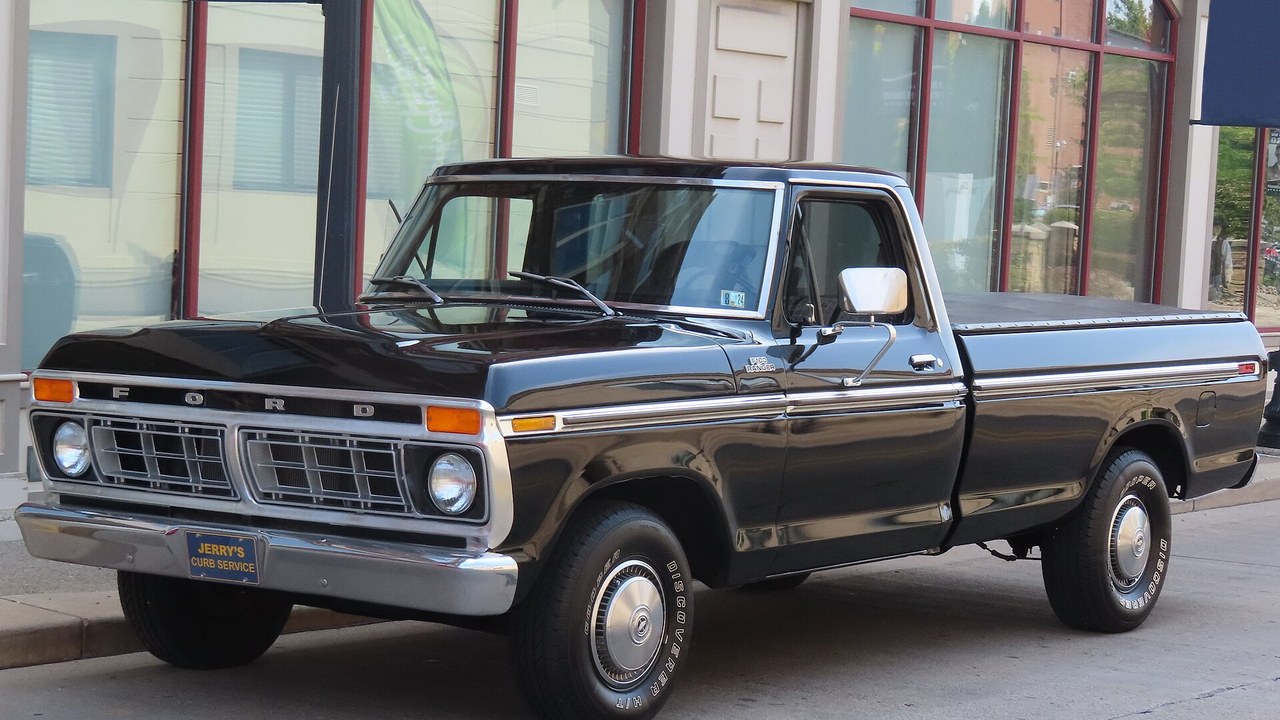
The ‘Dentside’ generation used extensive galvanized steel against rust, introduced the F-150 in 1975 and took the pickup sales crown for Ford in 1977.
The trucks have a strong following among collectors, who value the sturdy styling and the F-150 name that arrived midway through the run. Rust resistance from the galvanized steel helps explain why a good share have survived. Anyone shopping for one today should still inspect the body carefully, since age affects even well-protected steel.
6. 1980 Ford F-Series: The First Fresh Start
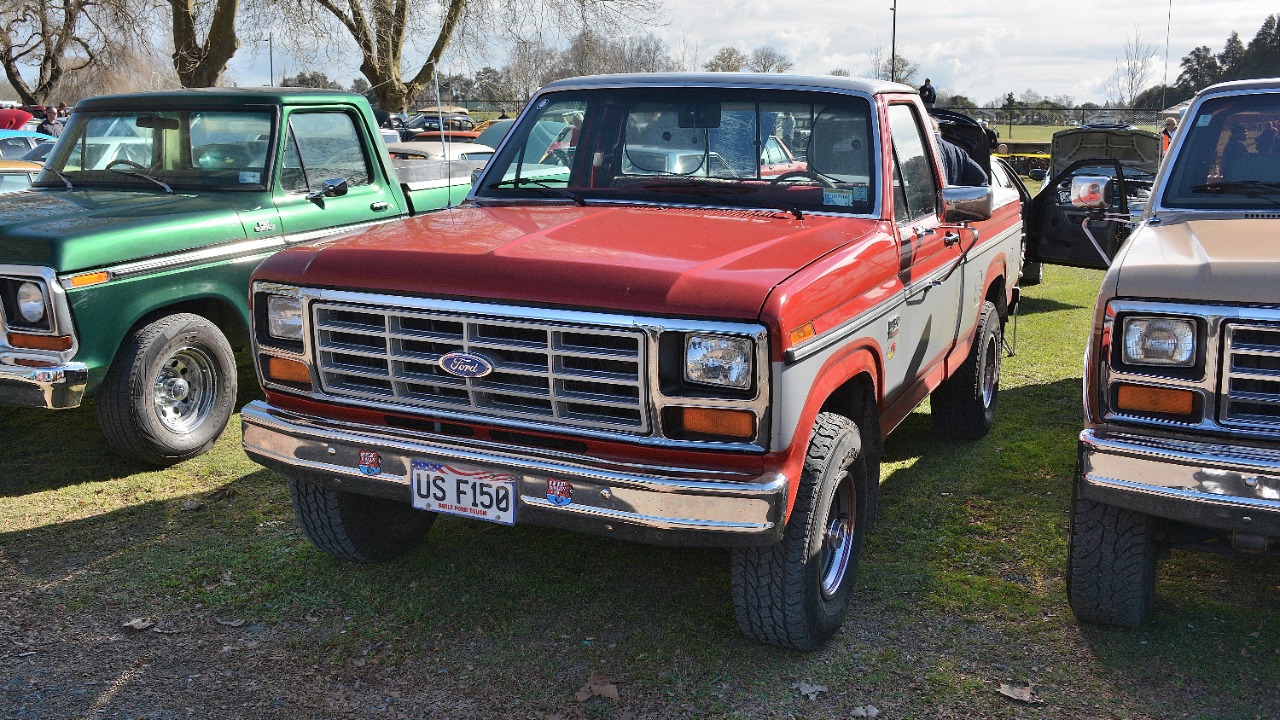
The 1980-86 trucks were the first ground-up redesign of the line since 1965, and the long-running F-100 badge was dropped after 1983.
The redesign showed Ford willing to rethink a successful formula after fifteen years of tweaks. With the F-100 gone, the F-150 name took over as the light-duty workhorse, a status it has kept ever since the early 1980s. Readers comparing eras can treat this redesign as a clean dividing line between the old-school trucks and the more modern ones.
7. 1987 Ford F-Series: Composite Headlights, Fuel Injection
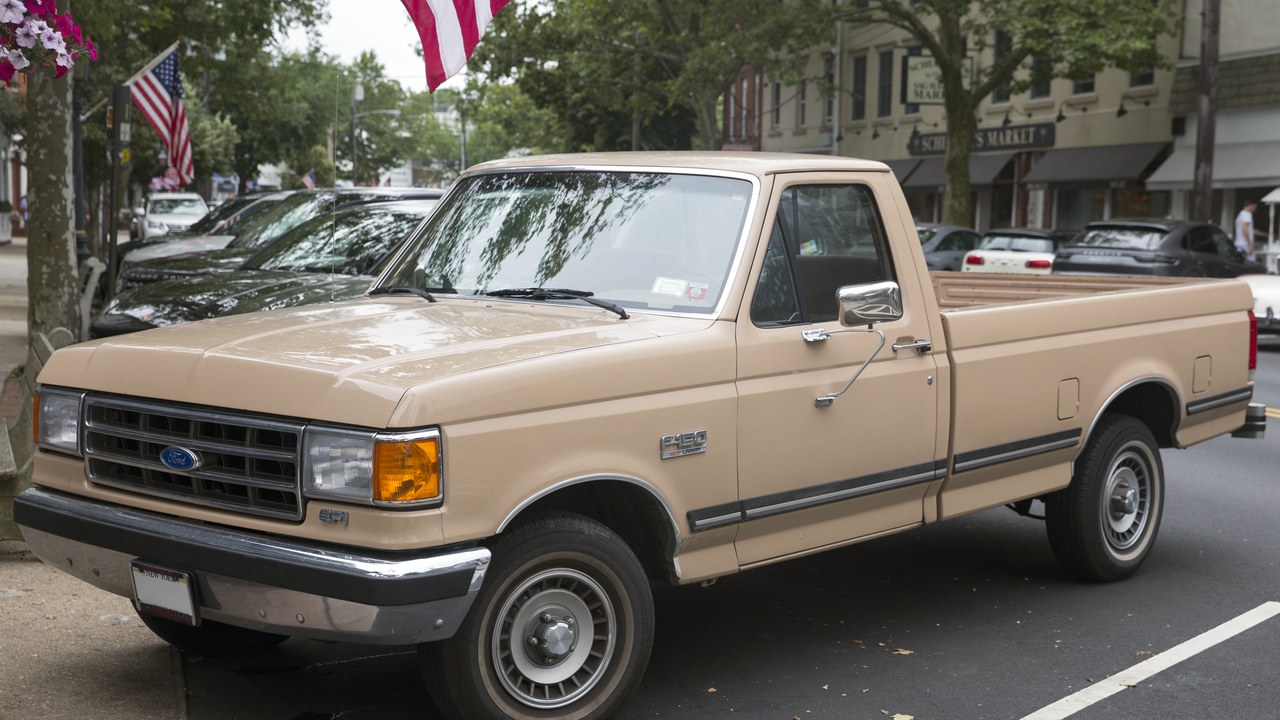
The 1987-91 F-Series became the first full-size American truck with composite headlights and the first American pickup sold without a carbureted engine option.
Both changes pointed to a more modern truck, with sleeker lighting and fuel injection across the lineup. The generation marks the point where the traditional workhorse began adopting passenger-car technology on a mass scale. Such features seem routine now, which is exactly why this generation is a useful marker of how fast truck design was changing.
8. 1993 Ford SVT Lightning: Chasing the 454SS
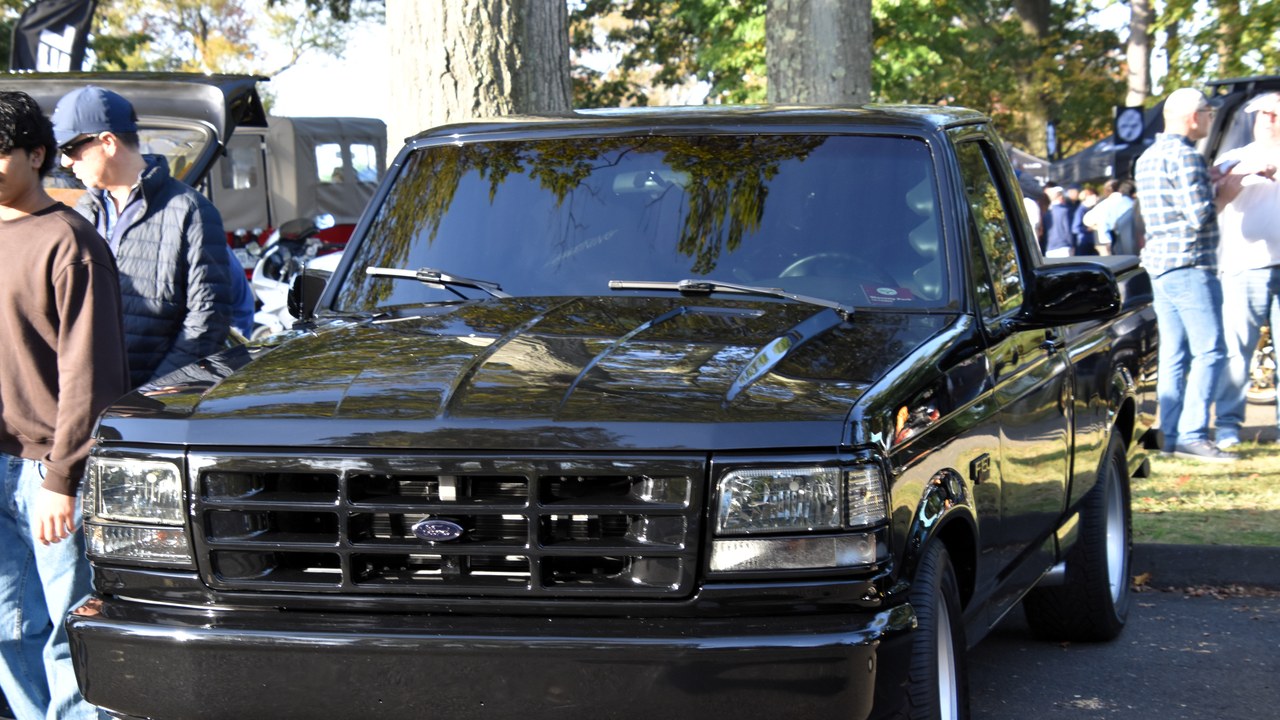
Ford’s SVT built this high-performance F-150 to take on the Chevrolet 454SS, powering it with a 240-hp version of the 5.8-liter V8.
The Lightning proved that a pickup could be a performance machine as well as a hauler. Its reputation has made it a sought-after modern classic, and the name later returned on a very different electric truck. Collectors tend to value low-mileage examples highly, and clean ones rarely change hands cheaply when they do come to market.
9. 1997 Ford F-150: The Jellybean Arrives
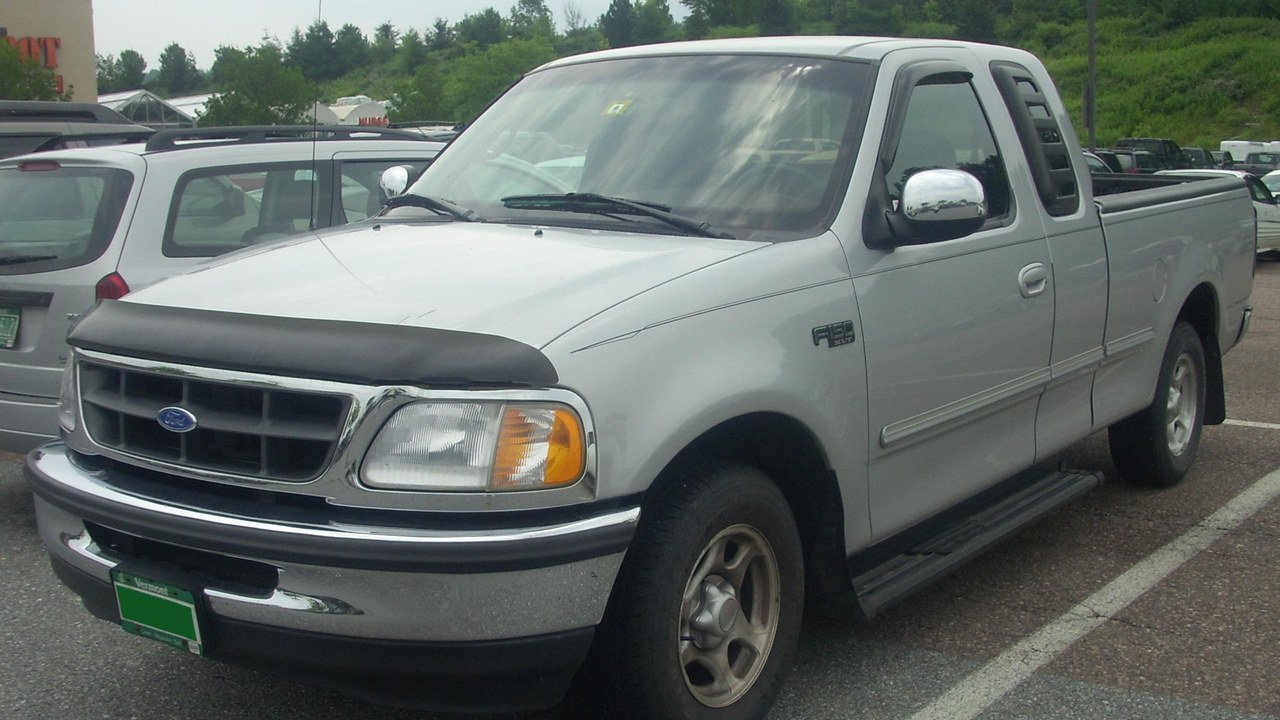
The all-new 1997 F-150 brought the rounded ‘jellybean’ aero look and overhead-cam V-8 engines to Ford’s half-ton pickup, Hagerty recounts.
The soft, aerodynamic shape divided opinion at first, but it set a new tone for the whole class. The overhead-cam engines also marked a technical step forward for a truck line that had long relied on simpler, older designs. The design later aged into nostalgia, and examples in good condition now draw attention at shows and in online listings.
10. 2009 Ford F-150: EcoBoost and Raptor
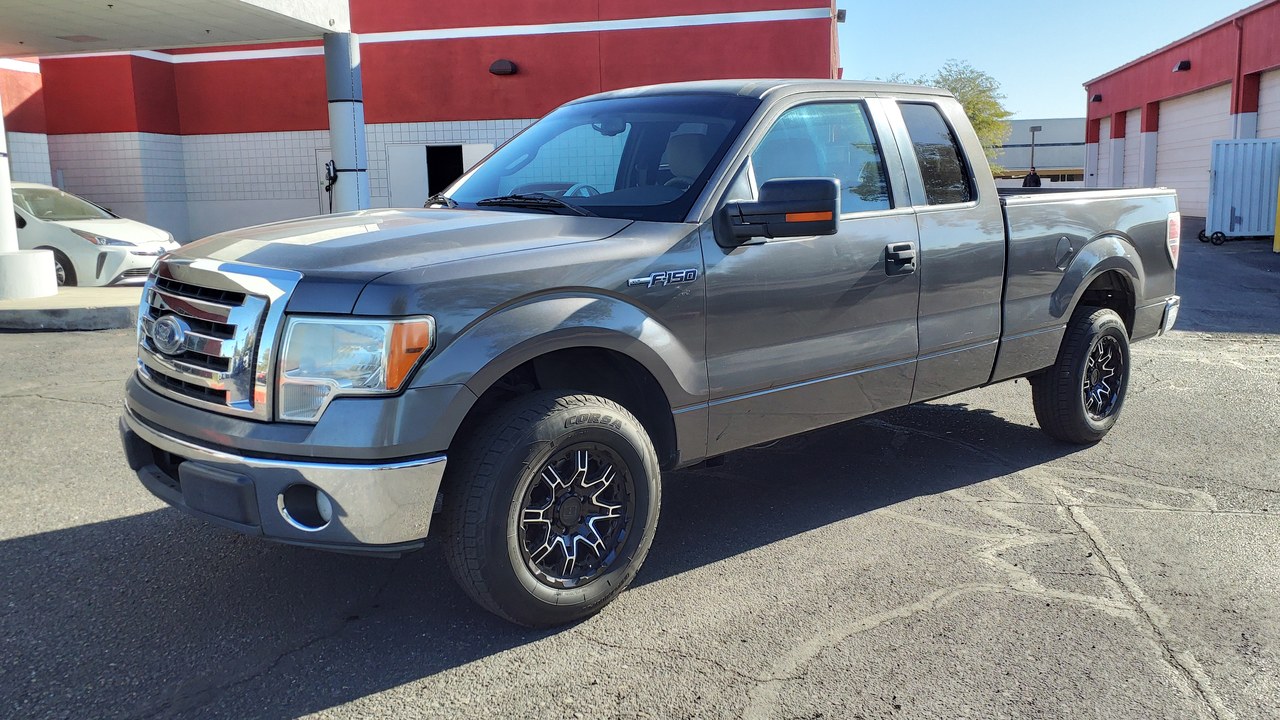
The 12th-generation F-150 arrived for 2009, and by 2011 offered a 365-hp twin-turbo EcoBoost V6 and the 411-hp off-road Raptor.
Turbocharged power in a mainstream pickup was a major shift, and the Raptor added a desert-running halo. Together they showed that Ford was willing to widen the F-150 range well beyond the traditional work truck. For buyers, that meant a clearer choice between a quiet commuter, a tow-ready workhorse and a desert-capable performance truck.
11. 2015 Ford F-150: The Aluminum Gamble
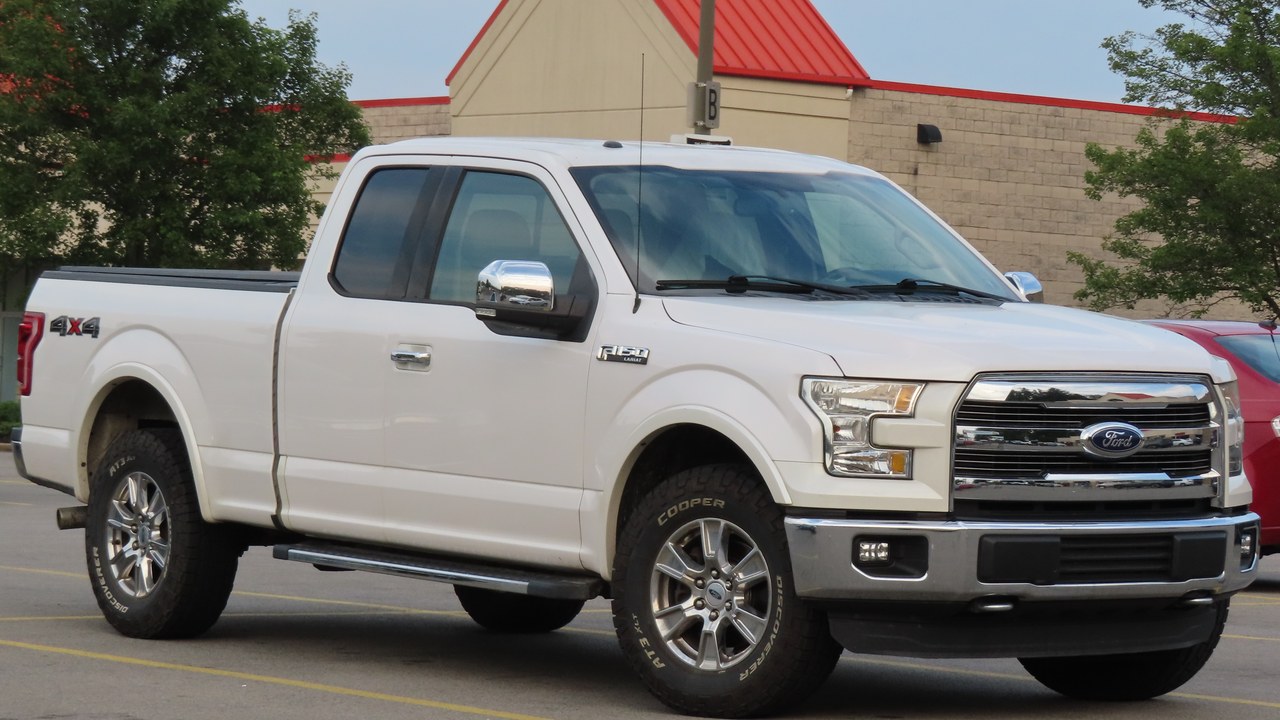
The 2015 F-150 became the first pickup with an aluminum body, shedding about 700 pounds while riding on a high-strength steel chassis.
Swapping steel for aluminum was a bold bet on America’s best-selling truck line. Weight savings can help efficiency and capability, and the move pushed rivals to think harder about materials in their own pickups. Used shoppers should weigh repair considerations, since aluminum panels can be handled differently from steel by body shops.
12. Ford F-150 Lightning: Lightning Goes Electric
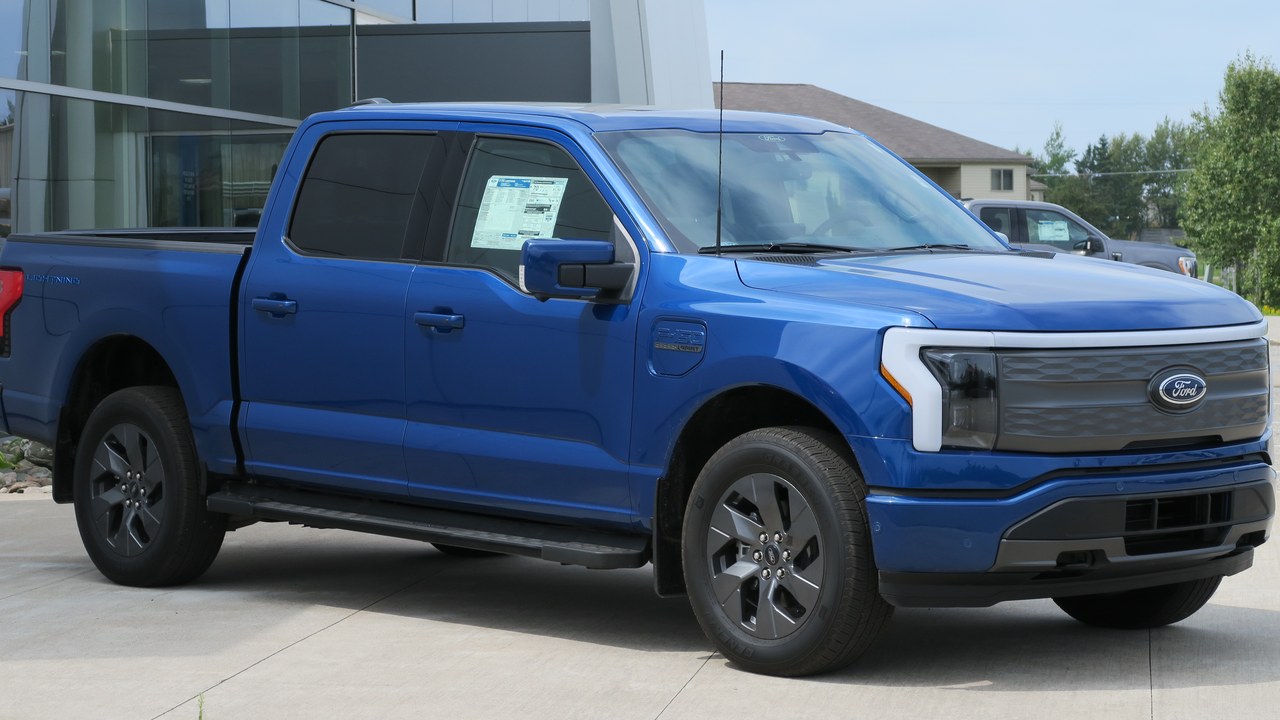
Ford unveiled the all-electric F-150 Lightning on May 19, 2021, then announced in December 2025 it would stop manufacturing the truck, citing no profit.
The electric Lightning carried a famous name into a new era, but the business case proved difficult. Its short run leaves it as both a technical milestone and a reminder that new powertrains can struggle to pay for themselves. Anyone considering a used example should check current availability, support and pricing, since the product’s future is now uncertain.
More from Morning Overview
- Lake Powell sank to a record 3,517 feet, nearing the level that stops Glen Canyon Dam’s turbines
- Seven of Earth’s nine planetary boundaries are breached, and all seven are worsening
- The NSA says three phone features should be off whenever you aren’t using them
- Hurricane Hunter radar shows four warning signs that a tropical cyclone is about to strengthen, a University of Miami study found
