
Auto insurance rates track repair bills, crash-test results, and how often a model shows up in claims data rather than sticker price alone. Insurers reward vehicles built from common parts, fitted with proven crash structures, and typically driven by cautious owners. Here are nine vehicles that consistently land near the bottom of the premium tables.
1. Subaru Outback: Safety Ratings Do The Heavy Lifting
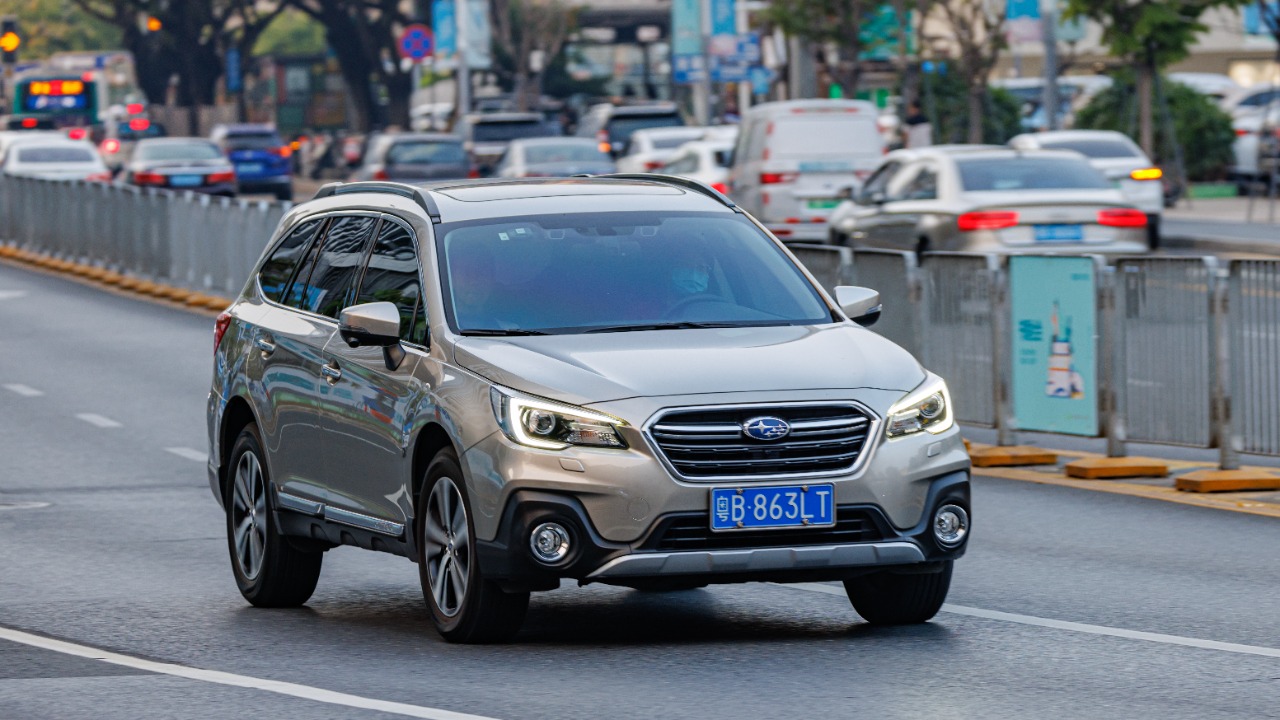
The Outback is a raised wagon rather than a truck-based SUV, and that unibody structure is a large part of why it prices cheaply. Insurers weigh crashworthiness and injury-claim history heavily, and the Subaru Outback has spent generations collecting strong crash-test results and standard driver-assist hardware across most trims. Fewer severe injury claims translate directly into a smaller bodily-injury component on the bill.
The caveat is that all-wheel drive and the boxer engine layout make some repairs pricier than a front-drive rival’s, so collision coverage is not always the cheapest line. Rural and suburban owners, who file fewer urban claims, tend to see the friendliest quotes.
2. Honda CR-V: Parts Bin Economics
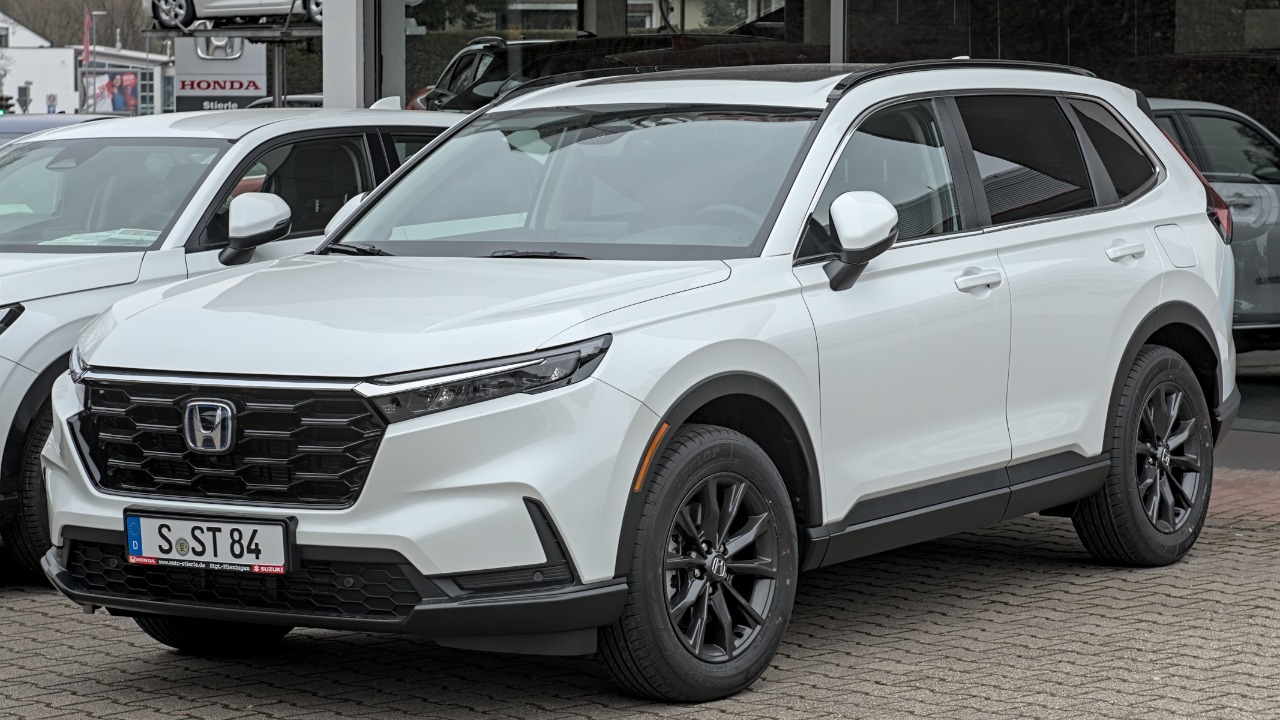
Volume is the quiet advantage here. Millions of units on the road mean body panels, headlights, and bumper covers are stocked everywhere, and independent shops know the car cold. Because the Honda CR-V shares its platform and much of its hardware with the Civic, replacement components come from an enormous parts pool rather than a low-volume supply chain. Cheaper repairs mean smaller collision payouts, and collision is where premiums swell.
Buyers should note that trim level still moves the number. Hybrid variants carry costlier battery and inverter hardware, and higher trims add radar and camera modules behind glass that turn a routine windshield replacement into a calibration job.
3. Toyota RAV4: Best Seller, Boring Claims File
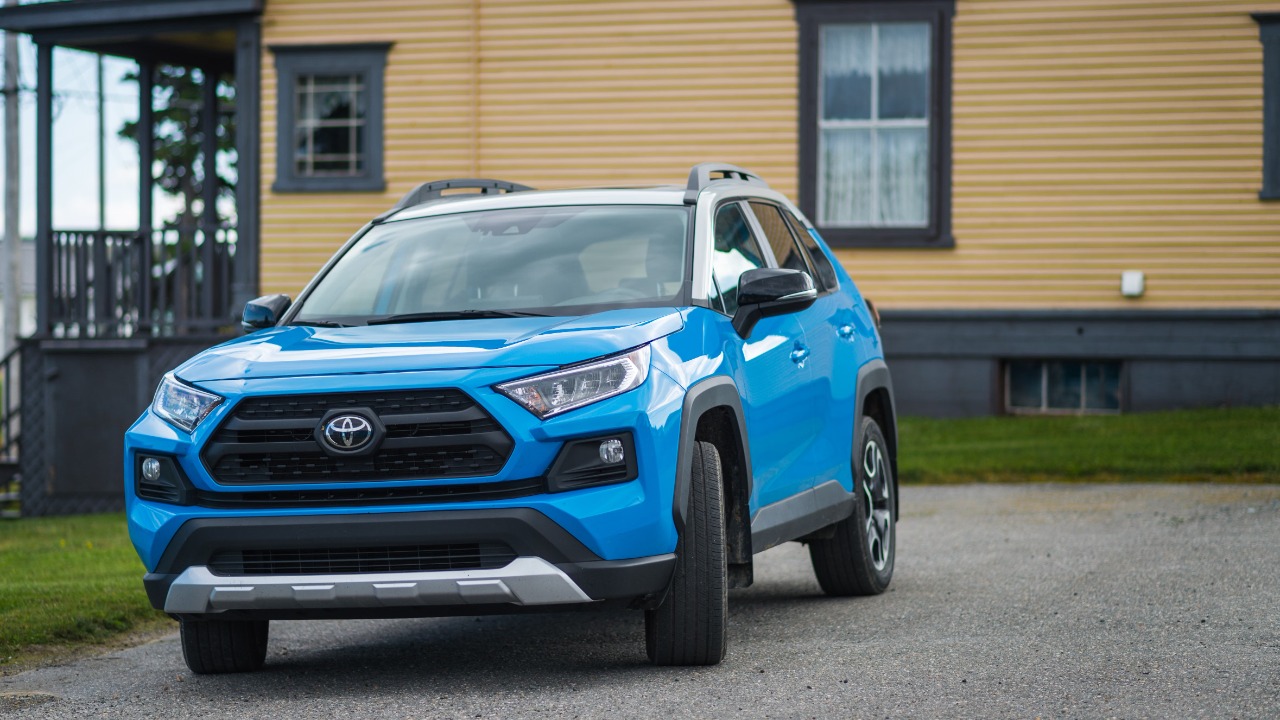
Sales volume works the same way for Toyota’s compact crossover, but the driver profile matters just as much. Rate tables are built from who buys a model, not only what it costs to fix, and the Toyota RAV4 skews toward family and commuter households rather than young performance shoppers. That demographic files fewer at-fault and speed-related claims, and the discount shows up at renewal.
Repair economics reinforce it: the crossover uses a shared modular architecture, so structural parts and glass are widely available. Owners who choose the plug-in variant should quote separately, since its far higher replacement value pushes comprehensive and collision back up.
4. Honda Odyssey: The Minivan Discount Is Real
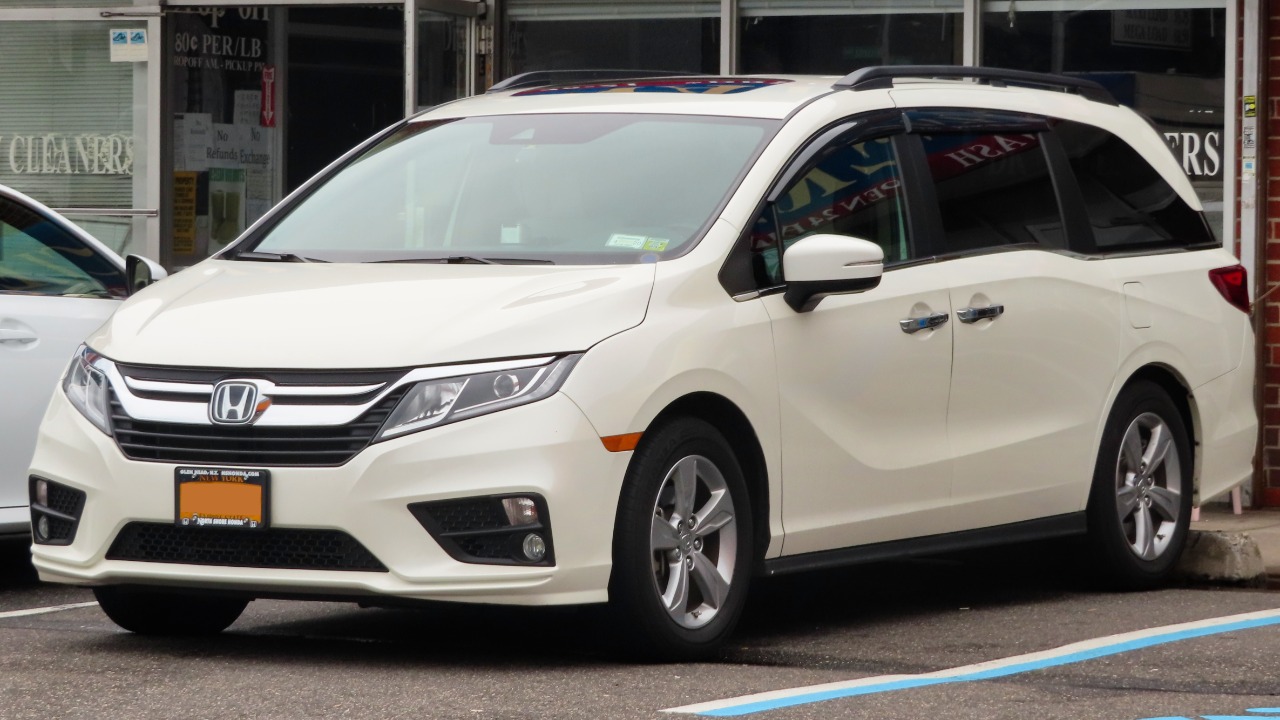
Minivans occupy a persistent low corner of the rate tables, and the reason is behavioral before it is mechanical. A three-row box with sliding doors is bought almost exclusively by households carrying children, and the Honda Odyssey is a textbook example of that buyer pool. Drivers with kids aboard speed less, drive fewer late-night miles, and generate lighter claim severity than the average motorist.
The engineering helps too, since a long unibody with generous crumple zones absorbs impacts well. Against that, the power sliding doors and rear entertainment hardware are expensive to replace, so a minor parking-lot scrape can still produce a surprisingly large estimate.
5. Subaru Forester: Crash Structure Sells Itself

Crashworthiness is the single lever an automaker can pull that insurers price immediately, and Subaru has leaned on it for years. Standard all-wheel drive and a stereo-camera driver-assist system come on nearly every Subaru Forester, and automatic emergency braking measurably reduces the low-speed front-to-rear collisions that dominate claim counts. Fewer filed claims per insured year is what a low premium actually measures.
Visibility is an underrated factor as well; the tall glasshouse and thin pillars cut the blind-spot incidents that generate cheap but frequent claims. Owners in hail-prone or high-theft regions will still see comprehensive costs dominate, regardless of how well the vehicle crashes.
6. Jeep Wrangler: Bolt-On Panels Keep Repairs Cheap
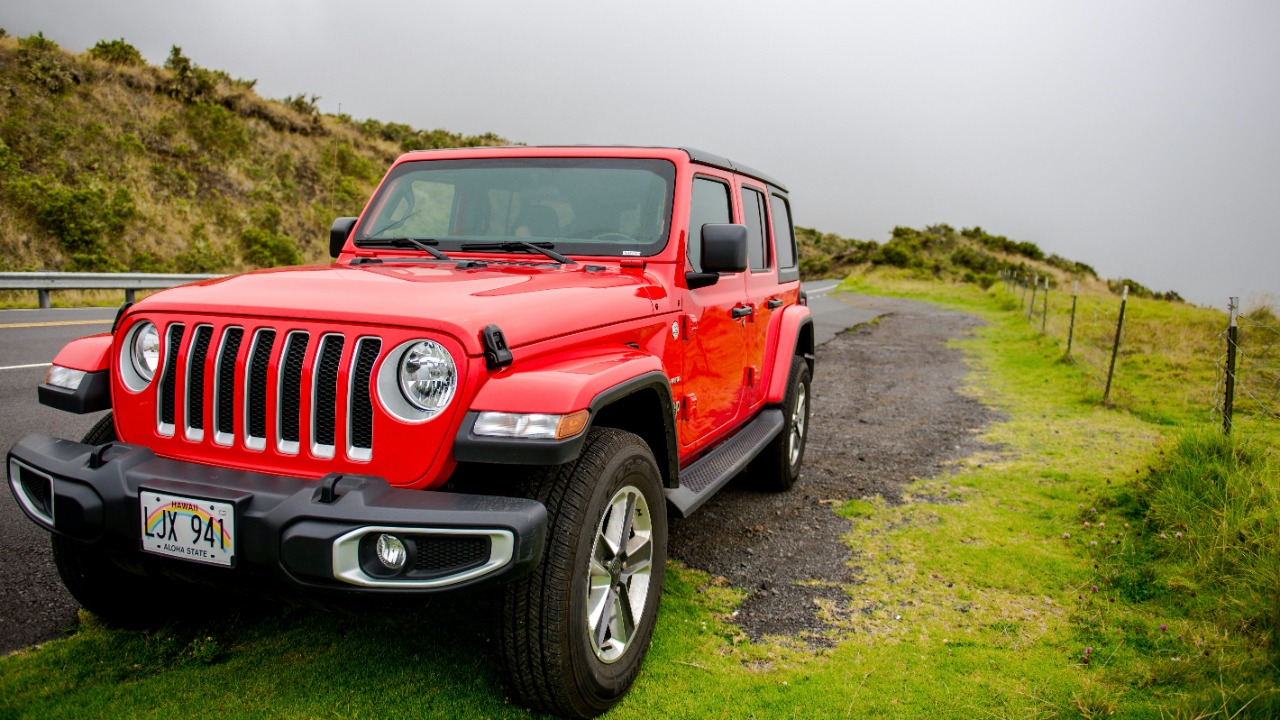
Almost nothing on the outside of a Wrangler is structural. Fenders, doors, roof panels, and the windshield frame unbolt, so a fender-bender that would total a modern crossover’s front clip becomes a parts swap here. Body-on-frame construction gives the Jeep Wrangler a rugged shell whose damaged pieces can be replaced individually, and the aftermarket supply for them is enormous.
Liability exposure runs low as well, because the vehicle’s short wheelbase, tall gearing, and open-air character discourage the kind of high-speed highway driving that produces catastrophic claims. Comprehensive is the weak spot, since removable doors and soft tops invite theft and vandalism claims.
7. Honda Pilot: Three Rows, Modest Rates
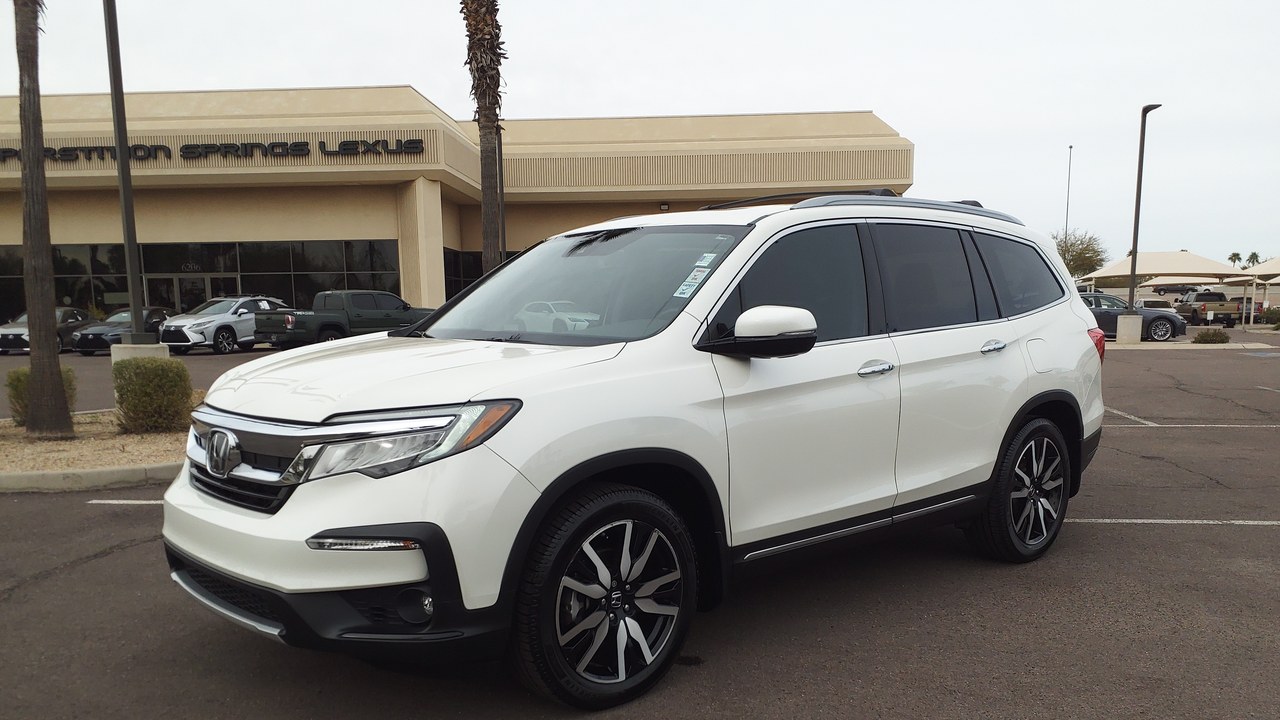
Size cuts both ways in a rate calculation, and the three-row crossover lands on the favorable side. Heavier vehicles inflict more damage but protect occupants better, which lowers the medical side of a claim, and the Honda Pilot pairs that mass with a unibody built for car-like impact behavior rather than truck-style rigidity. Its buyers also mirror the minivan crowd almost exactly.
Mileage patterns tilt the same direction, as school runs and errands accrue slower, lower-speed miles than a long freeway commute. The offset is replacement cost: a loaded three-row trim carries a high enough value that comprehensive and collision premiums scale up with it.
8. Ford Escape: A Global Platform Keeps Bills Small
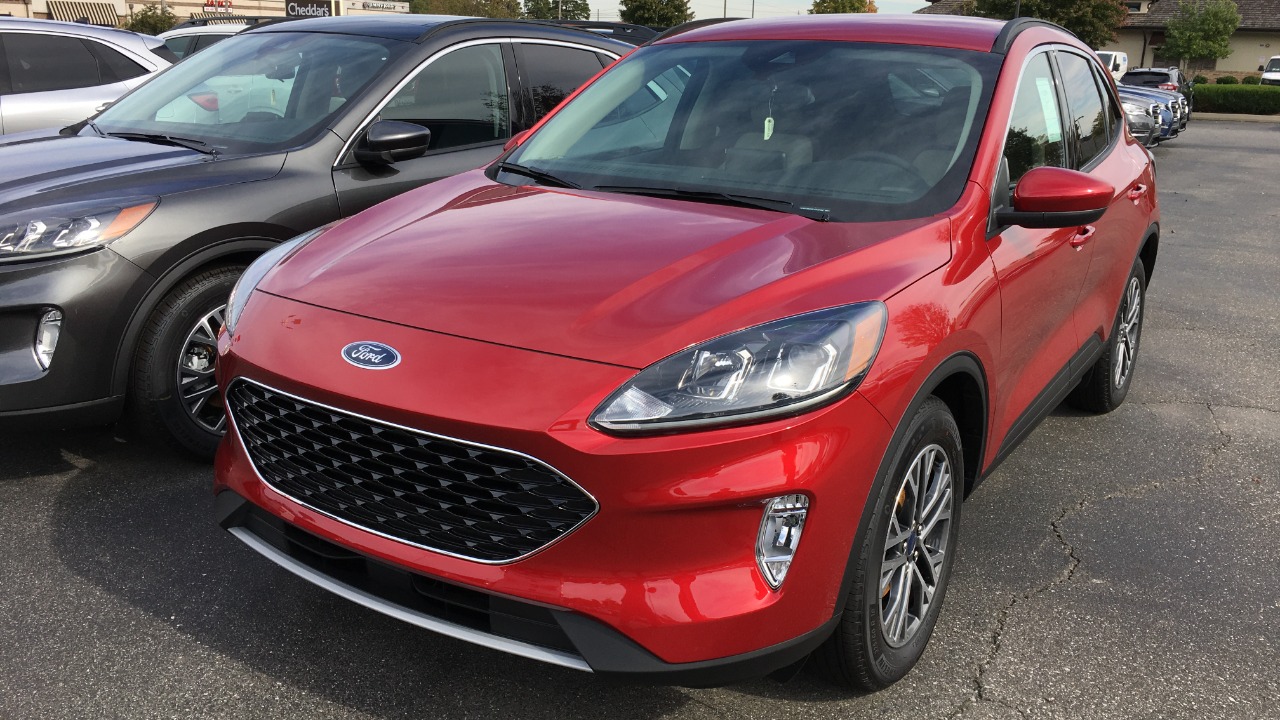
Sharing a platform across continents is an insurance advantage disguised as a manufacturing decision. Sold in overlapping form as the Kuga in Europe, the Ford Escape draws on a global parts catalogue, which keeps body panels, lamps, and suspension components abundant and competitively priced. Salvage yards are equally well stocked, and used parts are what hold a repair estimate below a total-loss threshold.
Modest transaction prices matter just as much, since a lower insured value caps the maximum payout on comprehensive and collision alike. Plug-in hybrid versions break the pattern, carrying high-voltage components that specialist shops must handle and that push labor rates well above the norm.
9. Mazda CX-5: Steel Choices That Repair Cleanly
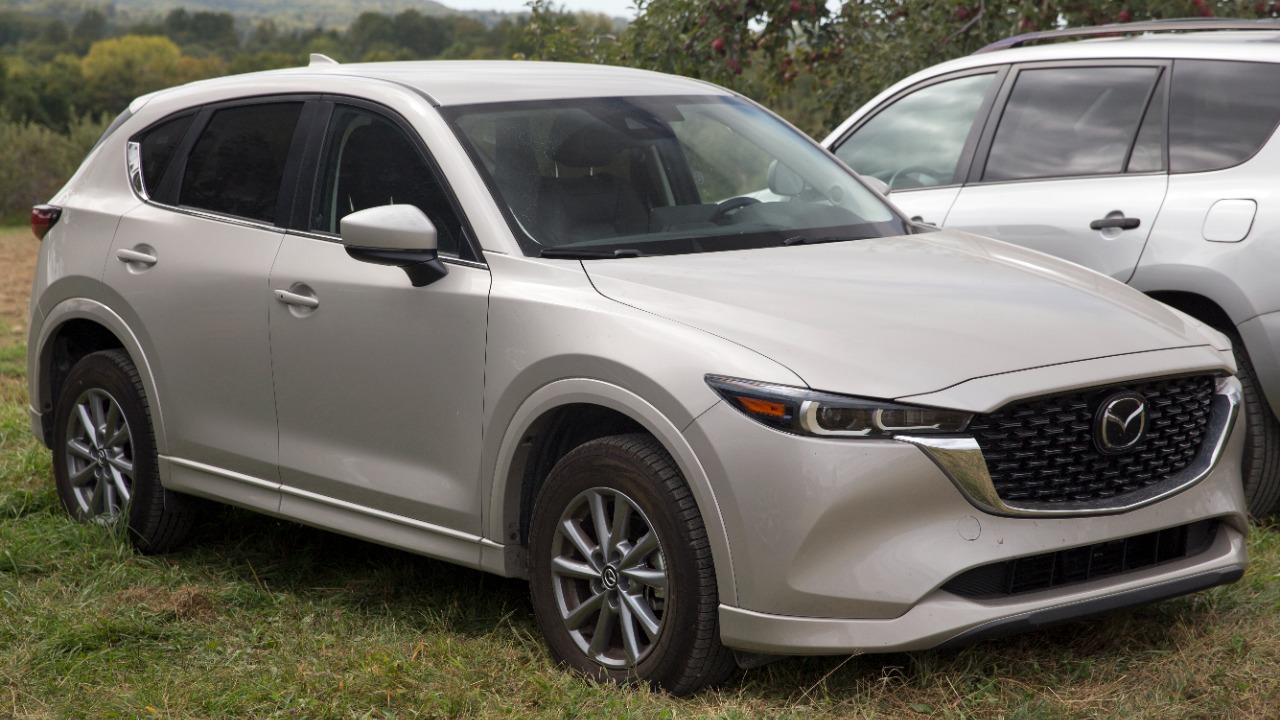
Mazda’s approach to structure explains a lot of this one. Extensive use of high-strength steel in a conventional unibody gives the Mazda CX-5 strong occupant protection without the exotic aluminum or carbon sections that force specialist repair procedures. A shop can straighten and section conventional steel with standard equipment, which keeps labor hours, and therefore collision claims, contained.
The compact crossover also sits in a mainstream price bracket, so insured values stay moderate across the range. Higher turbocharged trims are the exception worth checking, since the extra output nudges a model into a slightly worse rating band with some carriers.
More from Morning Overview
