
America’s national parks preserve some of the continent’s most breathtaking scenery, yet that same wild grandeur carries genuine danger for anyone who underestimates it. Predators, sheer drops, scalding hot springs, fast cold rivers, and punishing desert heat claim lives across the park system every year, often catching unprepared visitors far from help. These nine parks rank among the places where natural beauty and lethal risk sit closest together.
1. Wrangell-St. Elias National Park: Bigger Than Switzerland
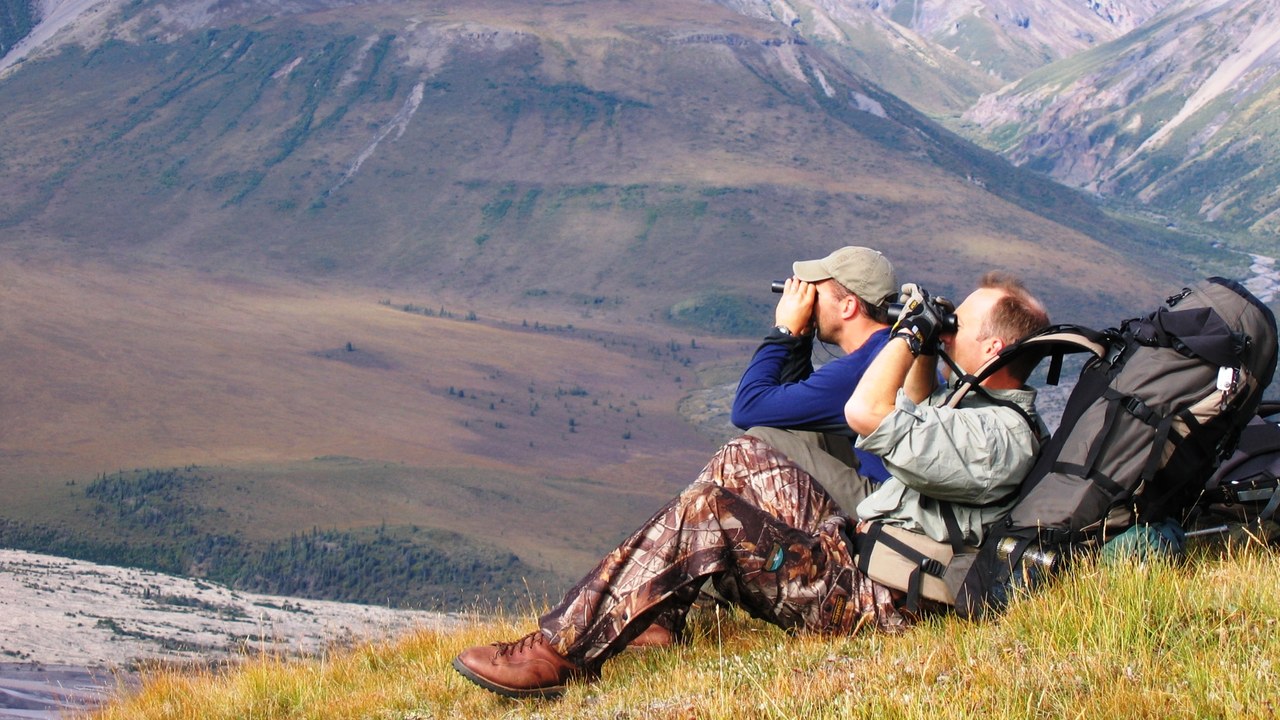
Sprawling across roughly 13.2 million acres, Wrangell-St. Elias is the largest national park in the country, larger than Switzerland and dwarfing Yellowstone. Only two rough roads penetrate its interior, so most of this glacier-laced wilderness of the Alaskan interior lies days from the nearest ranger. That extreme remoteness is exactly what earns it a place on rankings of dangerous parks, where a twisted ankle can become life-threatening.
Visitors face river crossings, unpredictable weather, grizzly bears, and terrain that swallows a rescue timeline. When something goes wrong here, help is not minutes away but often hours or days, and the vast scale leaves little margin for a single mistake.
2. Grand Canyon National Park: Deadliest In Total
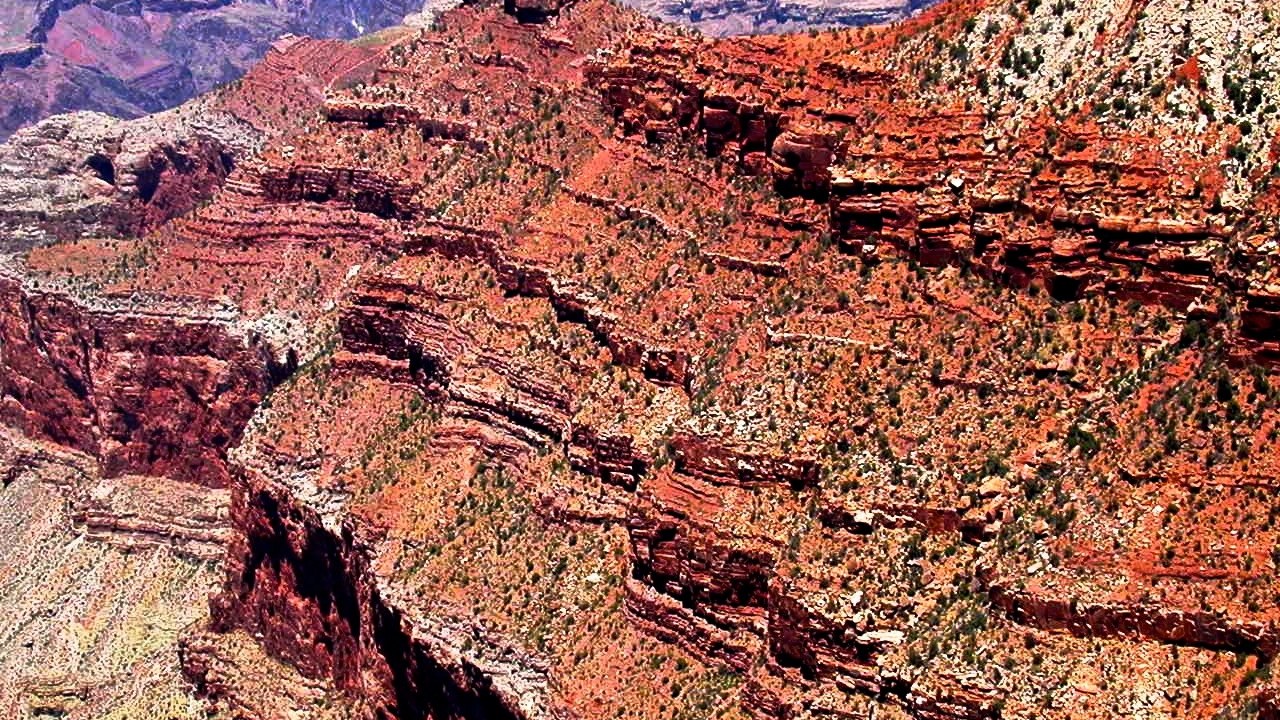
Grand Canyon draws around six million visitors a year to its mile-deep chasm, and it consistently leads the national parks in cumulative fatalities. People die here from falls over unfenced rim edges, from heat exhaustion on inner-canyon trails where summer temperatures soar past 100 degrees, and from drowning in the cold, powerful Colorado River. Safety guides that track the deadliest US parks repeatedly place it at or near the top.
The danger is amplified by a deceptive layout: hiking down feels easy, but the grueling climb back out in brutal heat is where many get into trouble. Rangers stress that gravity and dehydration, not wildlife, drive most of the tragedies.
3. Yellowstone National Park: Bears And Boiling Springs
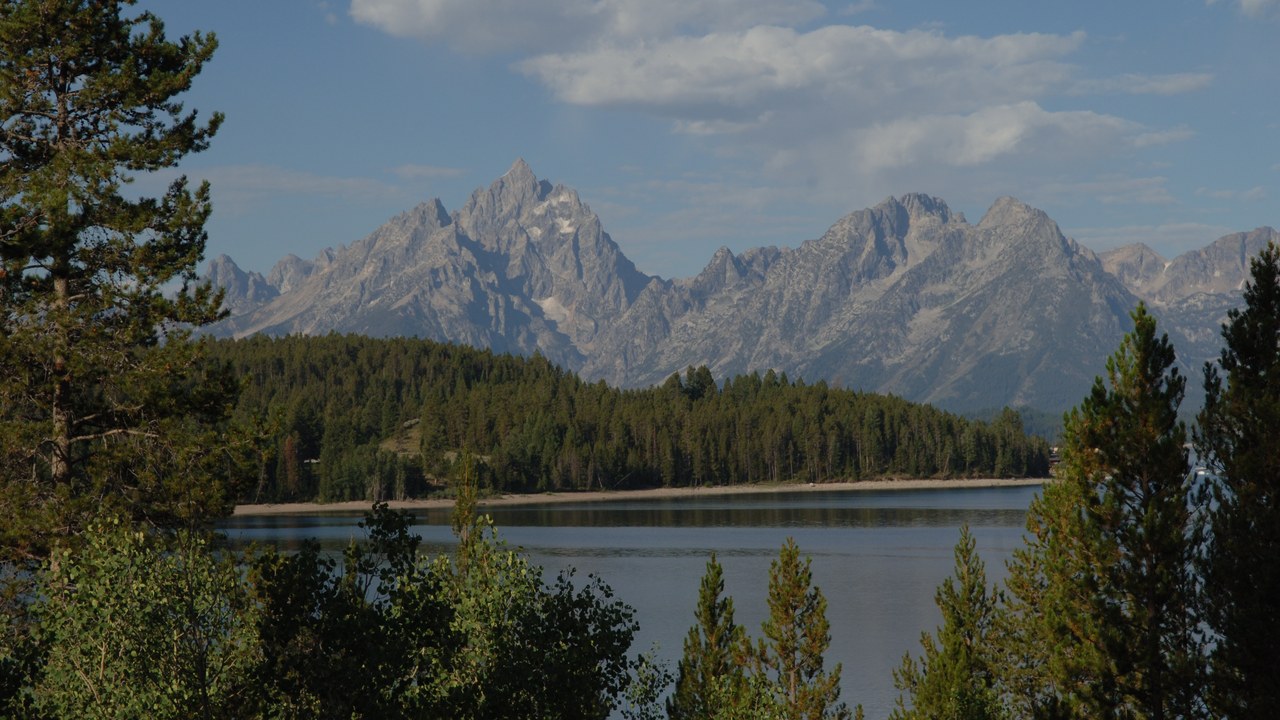
Yellowstone pairs two very different killers: grizzly bears and geothermal water hot enough to be lethal. Its hot springs can exceed the boiling point, and visitors who have strayed from boardwalks onto the fragile crust have fallen through and died in acidic, scalding pools. Accounts of the most dangerous parks note that bison actually injure more people than bears, goring tourists who approach for photographs.
The park’s beauty lulls people into a false sense of safety around animals that weigh a ton and terrain that looks solid but is not. Staying on marked paths and keeping a wide distance from wildlife are the simple rules that keep the fatality count low.
4. Yosemite National Park: Falls And Fast Water
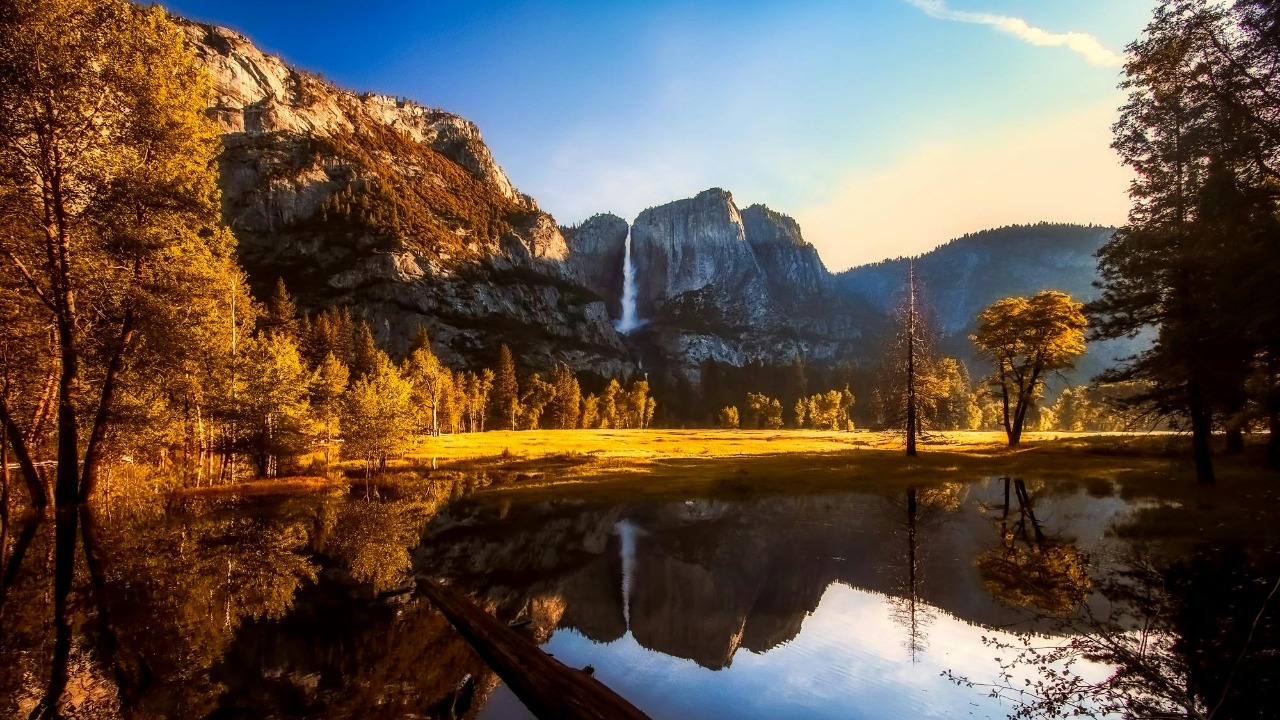
Yosemite’s granite cliffs and thundering waterfalls make it one of the most dangerous parks in the system. Every year, hikers slip on wet rock above waterfalls, lose their footing on the exposed Half Dome cables, or are swept away by the deceptively strong, snowmelt-fed Merced River. Backpacker’s roundup of the country’s most dangerous parks highlights how quickly a scenic overlook can turn fatal here.
Cold water and sheer height are the recurring themes: a photograph taken one step too close to a cascade, or a swim in a calm-looking pool just upstream of a drop, has repeatedly ended in disaster. Guardrails cover only a fraction of the exposure.
5. Denali National Park: Grizzlies And Brutal Ground
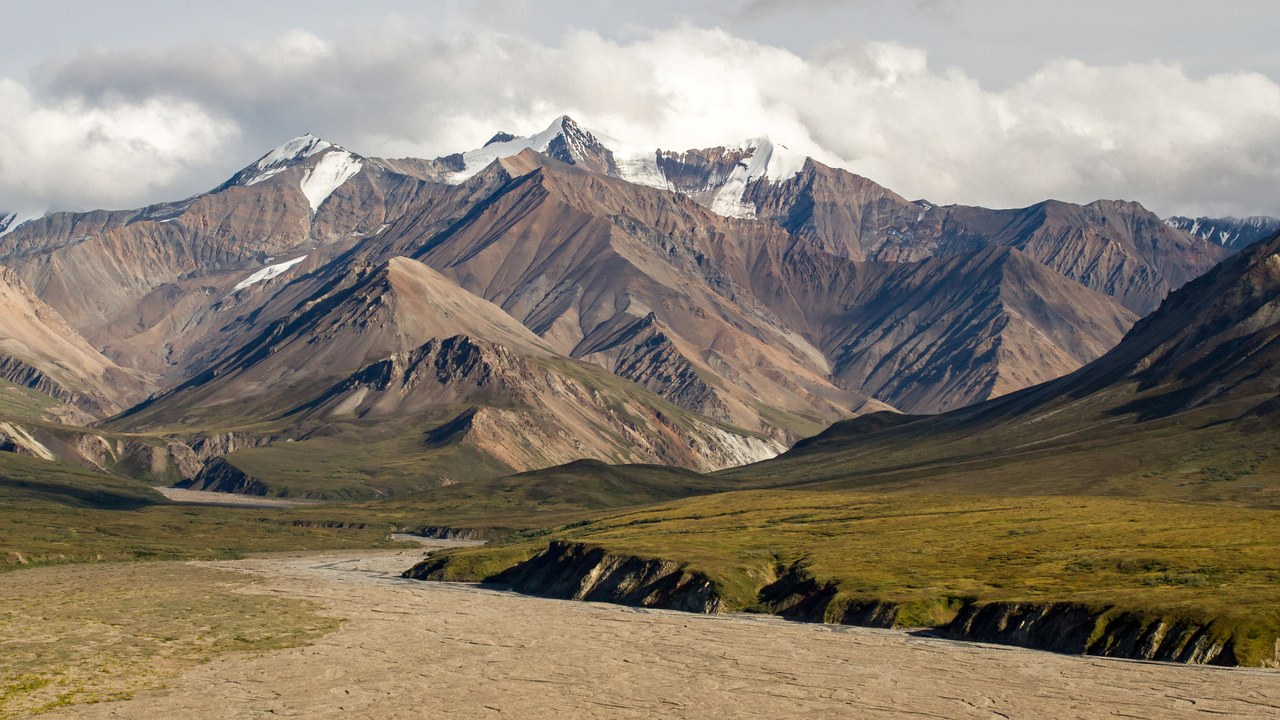
Denali surrounds North America’s tallest peak, which rises to 20,310 feet, with six million acres of subarctic wilderness that is genuinely unforgiving. Grizzlies roam widely, glacial rivers run high and cold, and the weather can shift from clear to whiteout within hours. The park safety rankings flag it for a combination of dangerous wildlife and terrain that offers hikers almost no easy escape route.
Much of the park has no maintained trails at all, so travelers navigate open tundra and braided rivers on their own judgment. That freedom is the draw, but it also means hypothermia, a fall, or a bear encounter unfolds far beyond quick reach of rescuers.
6. Great Smoky Mountains National Park: Crowds Meet Bears
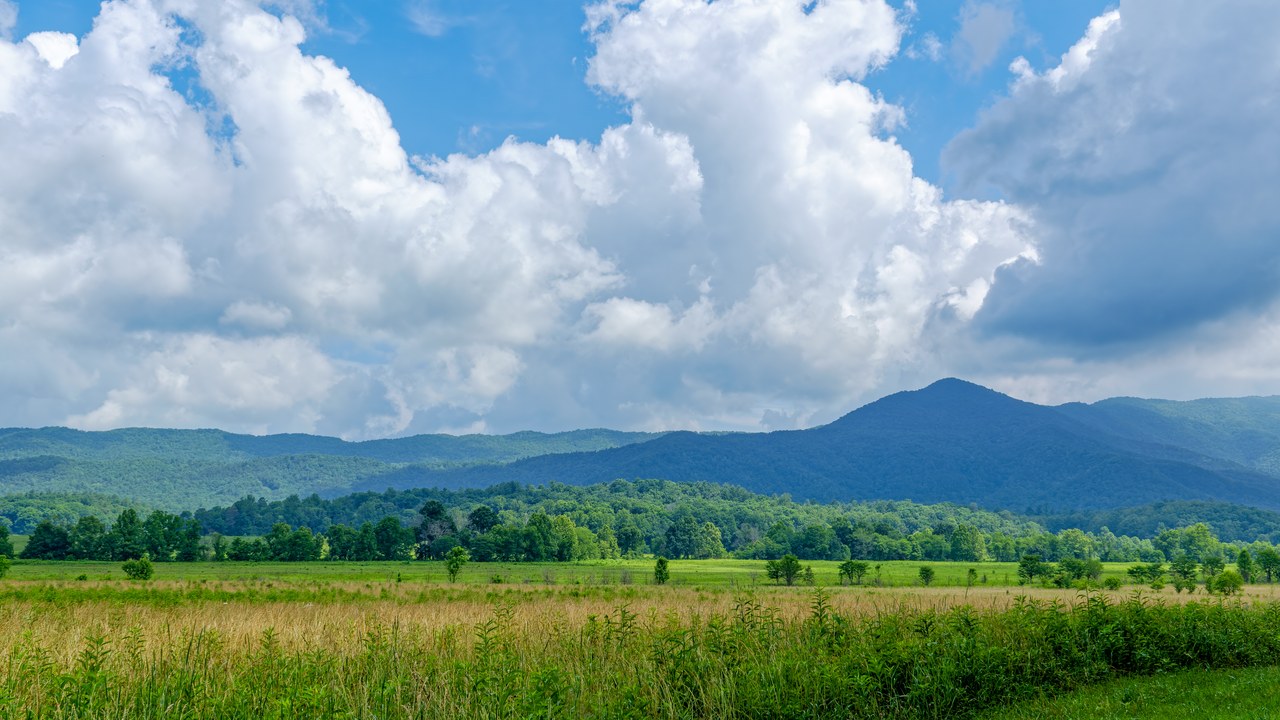
As the most-visited national park in the United States, drawing well over twelve million people a year, Great Smoky Mountains funnels enormous crowds into black-bear country. Encounters are common, and the park’s steep, rain-soaked terrain produces flash floods that turn placid creeks into killers within minutes. Coverage of the deadliest national parks notes that drowning and vehicle wrecks, not bears, cause many of the deaths.
Sheer visitation is part of the hazard: more visitors means more people wading swollen streams, hiking in storms, or driving fog-bound mountain roads. The bears rarely attack, but a startled sow with cubs, combined with sudden weather, keeps the park firmly on danger lists.
7. Glacier National Park: Cliffs And Grizzlies
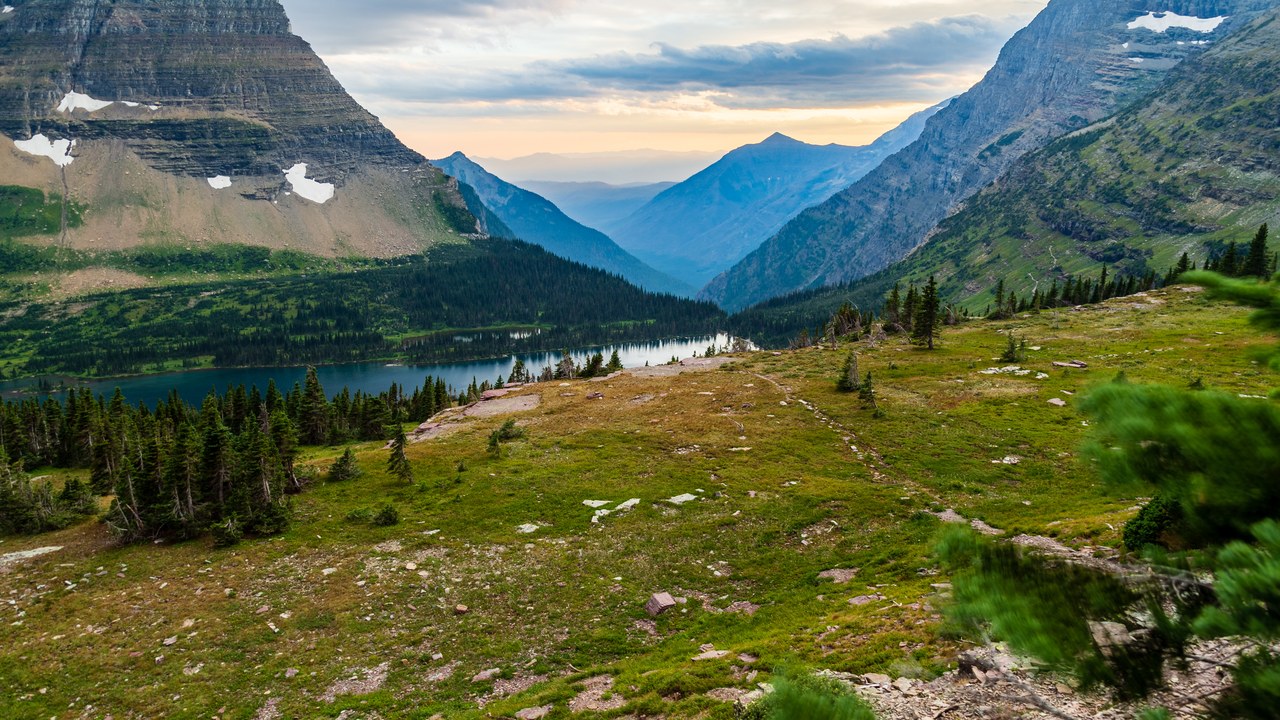
Glacier National Park packs grizzly bears, sheer alpine cliffs, and one of the country’s most vertigo-inducing roads into a single Montana landscape. Hikers have fallen from narrow ledges along trails like the Highline, and the park sits in some of the densest grizzly habitat in the lower 48. Backpacker’s list of America’s riskiest parks cites both the exposure and the predators as reasons to respect it.
Frigid, fast streams fed by melting ice add drowning to the roster of hazards. The scenery along Going-to-the-Sun Road is spectacular precisely because the drop-offs are enormous, and a moment of inattention near an edge or a bear leaves little room for recovery.
8. Big Bend National Park: Desert Heat And Lions
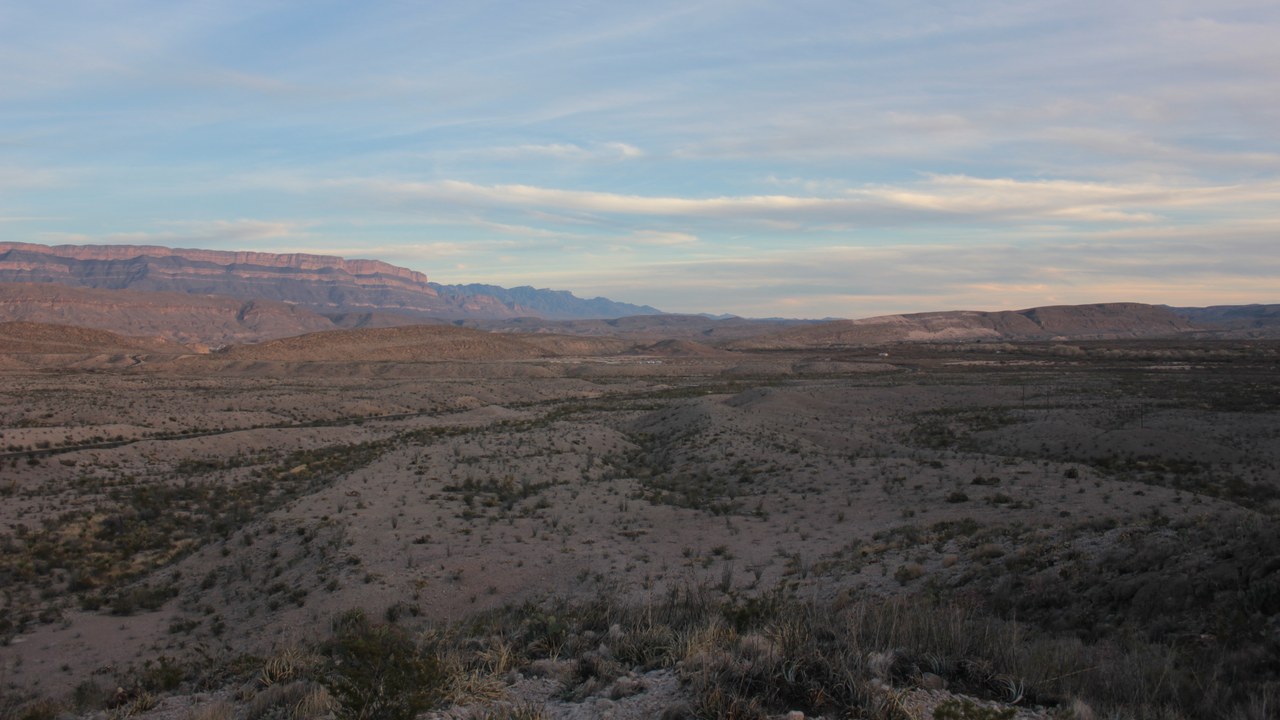
Big Bend spreads across a remote stretch of the Chihuahuan Desert in far West Texas, where summer temperatures routinely climb past 100 degrees and water sources are scarce. Dehydration and heatstroke are the leading dangers, compounded by cell-signal dead zones and long distances to help. The deadliest-parks safety guide also flags resident mountain lions and black bears that patrol the higher Chisos Mountains.
Its isolation cuts both ways: the emptiness that makes Big Bend feel pristine also means a stranded or injured hiker may wait a very long time for rescue. Carrying far more water than seems necessary is the single most repeated piece of advice for surviving the park.
9. Everglades National Park: Gators And Pythons
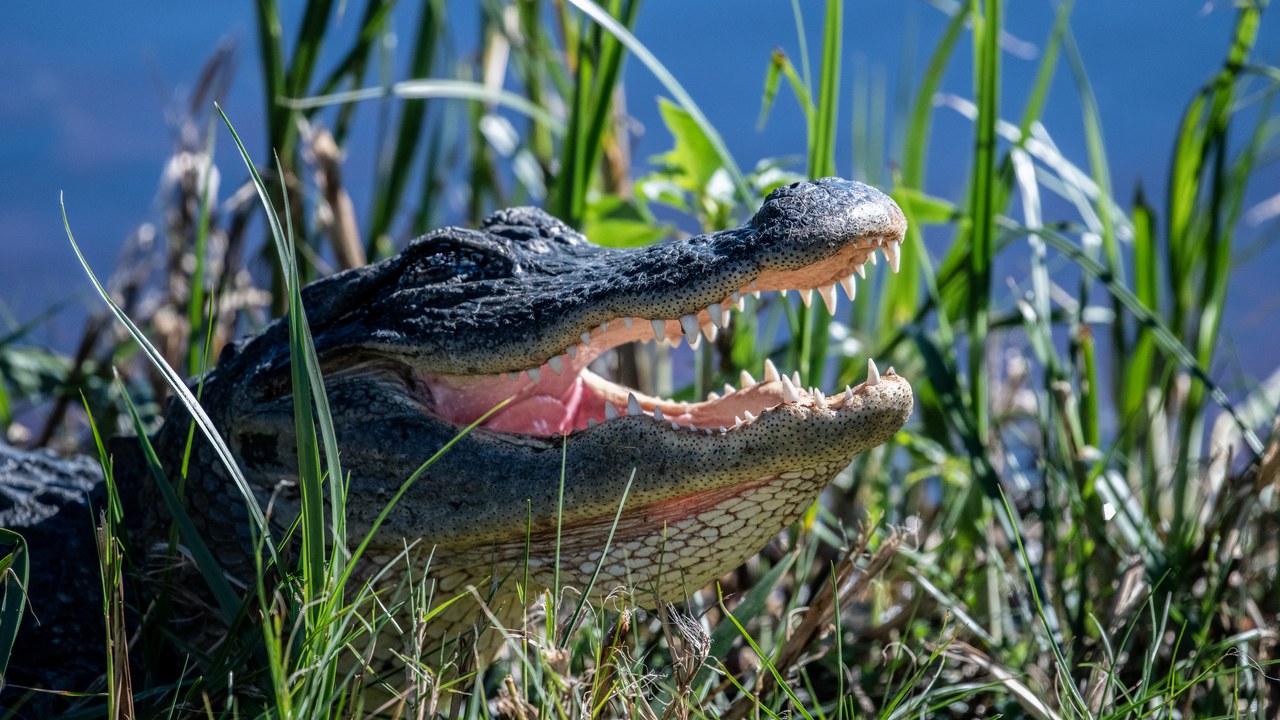
Everglades National Park protects a vast subtropical wetland where American alligators are a constant presence and, increasingly, invasive Burmese pythons prowl the sawgrass. Add crocodiles in the coastal fringes, venomous snakes, biting insects, and a maze of look-alike waterways easy to get lost in, and the risks stack up fast. Reporting on the most dangerous US parks singles out the tangle of predators as its signature threat.
The flat, watery landscape is disorienting, and heat and dehydration compound the wildlife danger for paddlers and hikers alike. While attacks on humans remain rare, the exploding python population has reshaped the ecosystem and become the park’s most talked-about hazard.
More from Morning Overview
