
Police fleets are built from ordinary showroom metal that has been re-engineered for a shift that never really ends. The changes are rarely dramatic to look at: heavier cooling, stronger brakes, a bigger alternator, and a column shifter that frees the console for a radio stack and a mounted laptop. Here are nine trucks and utilities that agencies keep coming back to.
1. Ford Police Interceptor Utility: The Default Patrol Vehicle
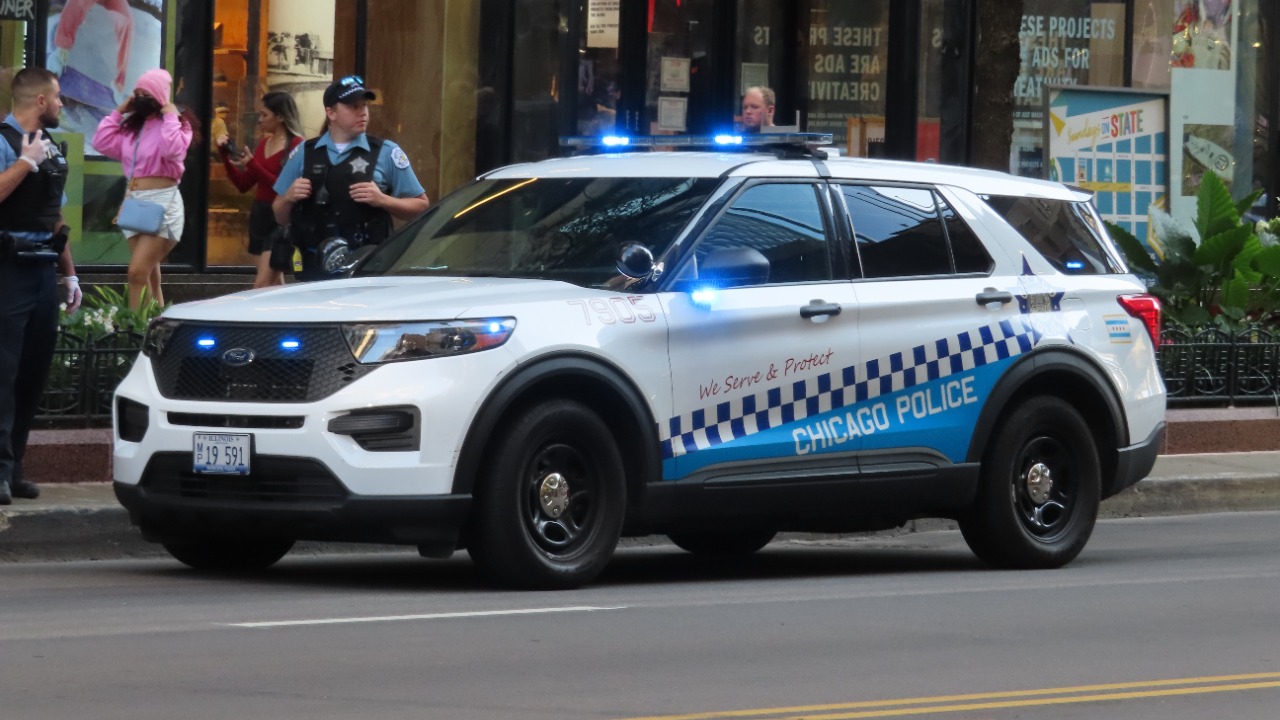
Ford assembles the Police Interceptor Utility on the same line as its family crossover, then rebuilds the parts a cruiser punishes: heavy-duty cooling for hours of idling, upgraded brakes, a high-output alternator to carry lights and computers, and a column shifter that clears the center console. It has become the most common patrol SUV in America.
The badge on the tailgate hides how little of the driving experience is shared with the civilian version. Officers spend most of a shift parked with the engine running, and that duty cycle, not top speed, is what the police package is engineered around.
2. Chevrolet Tahoe PPV: Room For The Whole Kit
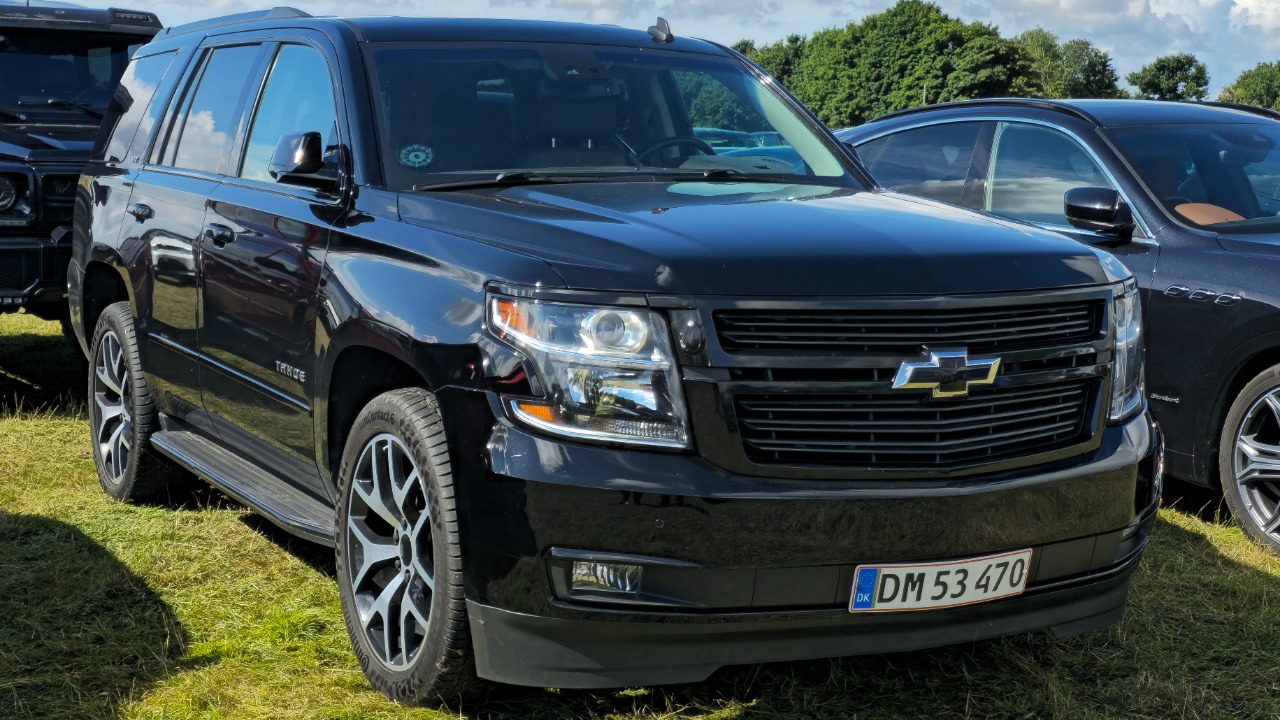
Size is the argument for the pursuit-rated full-size Tahoe: body-on-frame construction, a V8, and enough space behind the seats for a rifle rack, medical gear and flares. Chevrolet’s fleet build adds cooling and electrical capacity for the equipment load, plus steel wheels that survive curbs better than cast aluminum.
Departments accept the fuel bill because the truck does jobs no sedan can manage, from towing a trailer to carrying a K9 insert through a snowstorm. Rural agencies in particular buy it for ground clearance rather than speed.
3. Dodge Durango Pursuit: The V8 Alternative
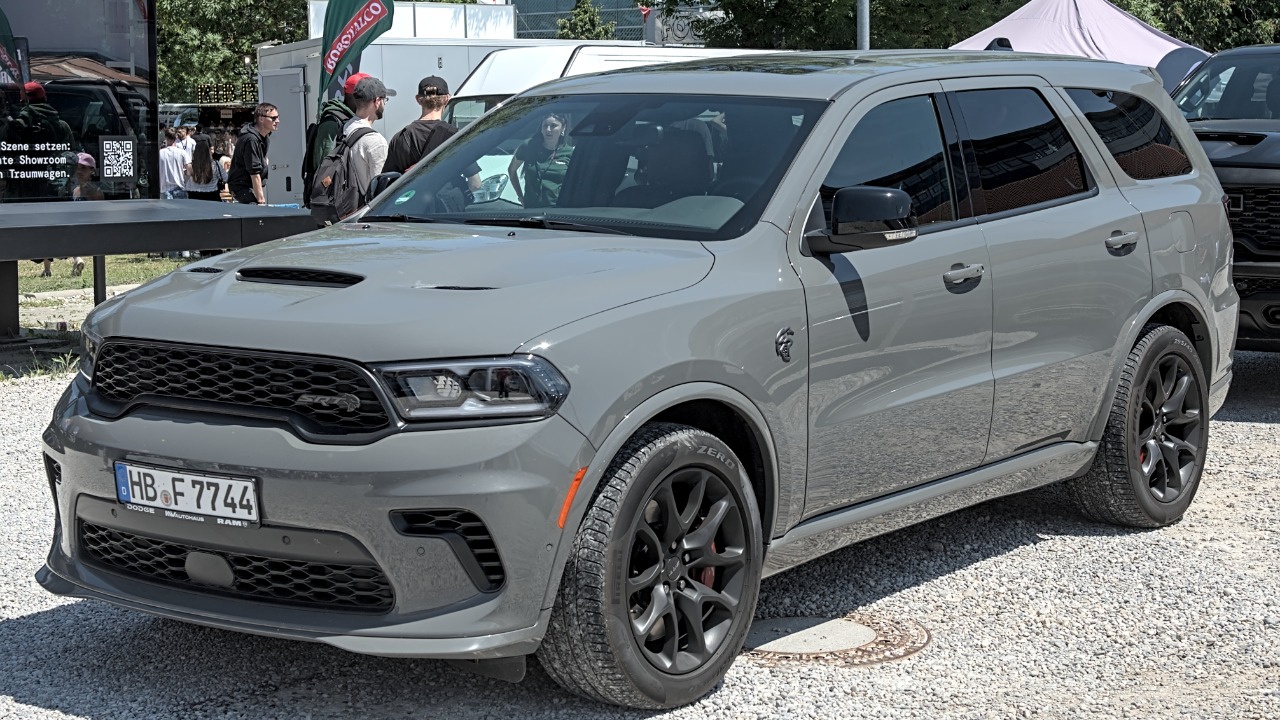
Dodge kept a V8 on the police menu after much of the market moved to turbocharged sixes, and the pursuit build of the three-row Durango is where that engine landed. The package pairs the pursuit rating with brake and cooling upgrades and a suspension retuned for hard cornering with a loaded rear.
The draw is a utility that accelerates like a cruiser while still offering a third row and all-wheel drive, which suits supervisors and transport duty. The trade is the appetite of a large engine on a shift spent mostly stationary.
4. Ford F-150 Police Responder: Pursuit Rating In A Pickup
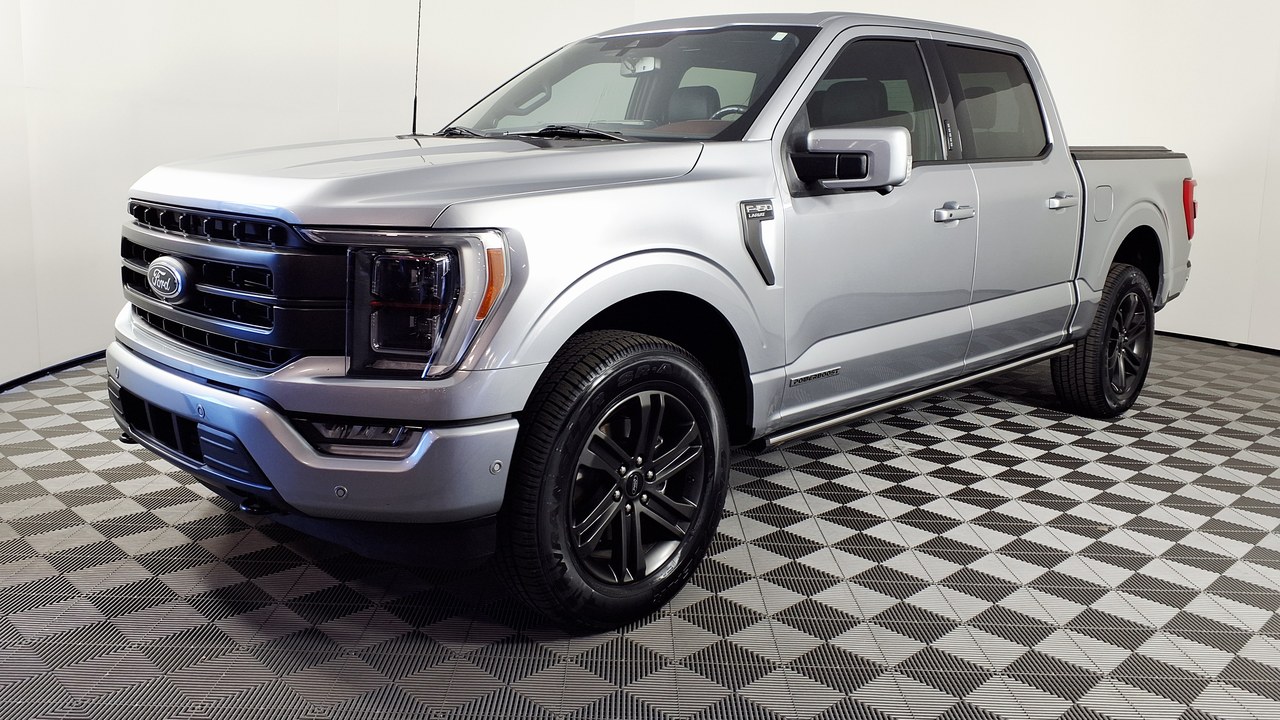
Turning the half-ton F-150 into the first pursuit-rated pickup meant proving a truck could sustain high-speed driving, not merely tow. That required cooling and brake upgrades, electrical capacity for the equipment, and a suspension calibrated for the way an empty bed behaves at speed.
For departments patrolling gravel roads, flood plains and open country, the rating erased the old choice between a vehicle that could reach the call and one that could chase. The bed still carries barriers, cones, spare tires and recovery gear, and the cab keeps the console clear for the same radio and computer mounts a cruiser uses.
5. Chevrolet Silverado: The Department Work Truck
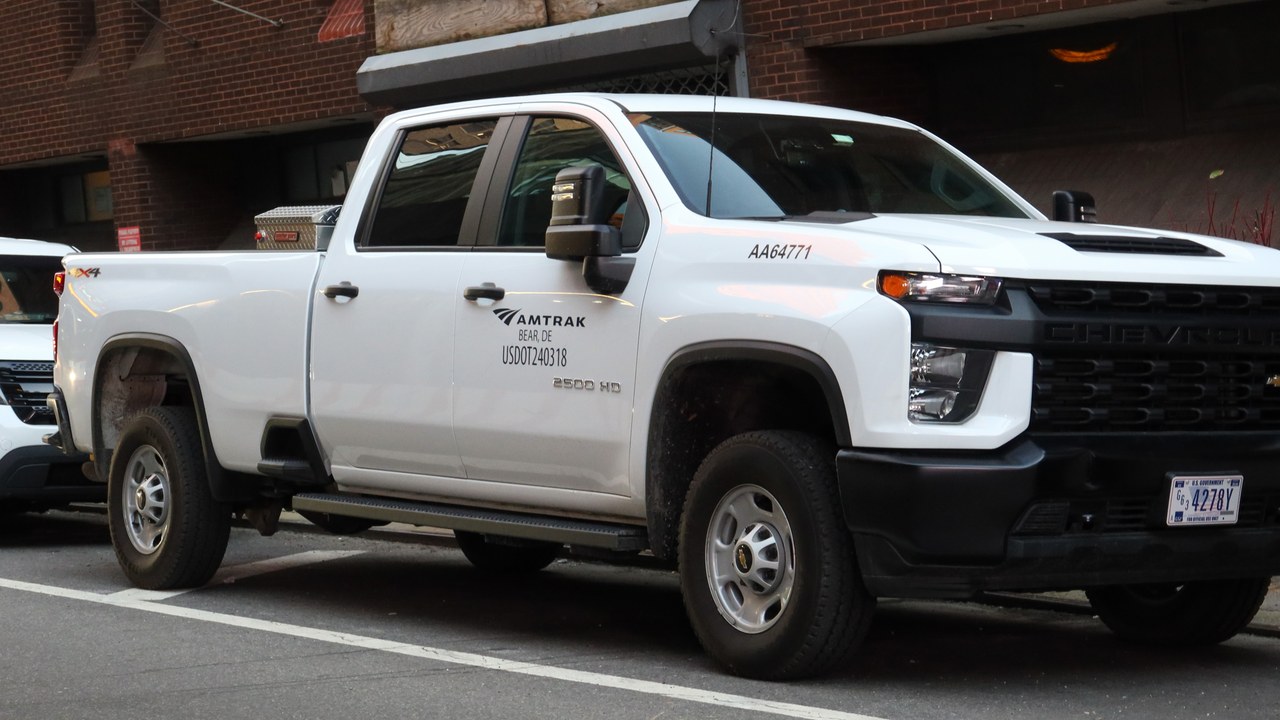
Not every police vehicle is a cruiser, and the Silverado line covers the rest: animal control, evidence transport, dive teams, barricade hauling and the trailers a department drags to a disaster. Most are ordered in plain heavy-duty work-truck trim rather than pursuit spec, with steel wheels and hard interior surfaces that shrug off a hose.
The economics are ordinary municipal economics. The same trucks already serve public works and utilities in most towns, so parts, service and drivers are on hand and a specialized garage is never required.
6. Dodge Charger Pursuit: The Rear-Drive Holdout
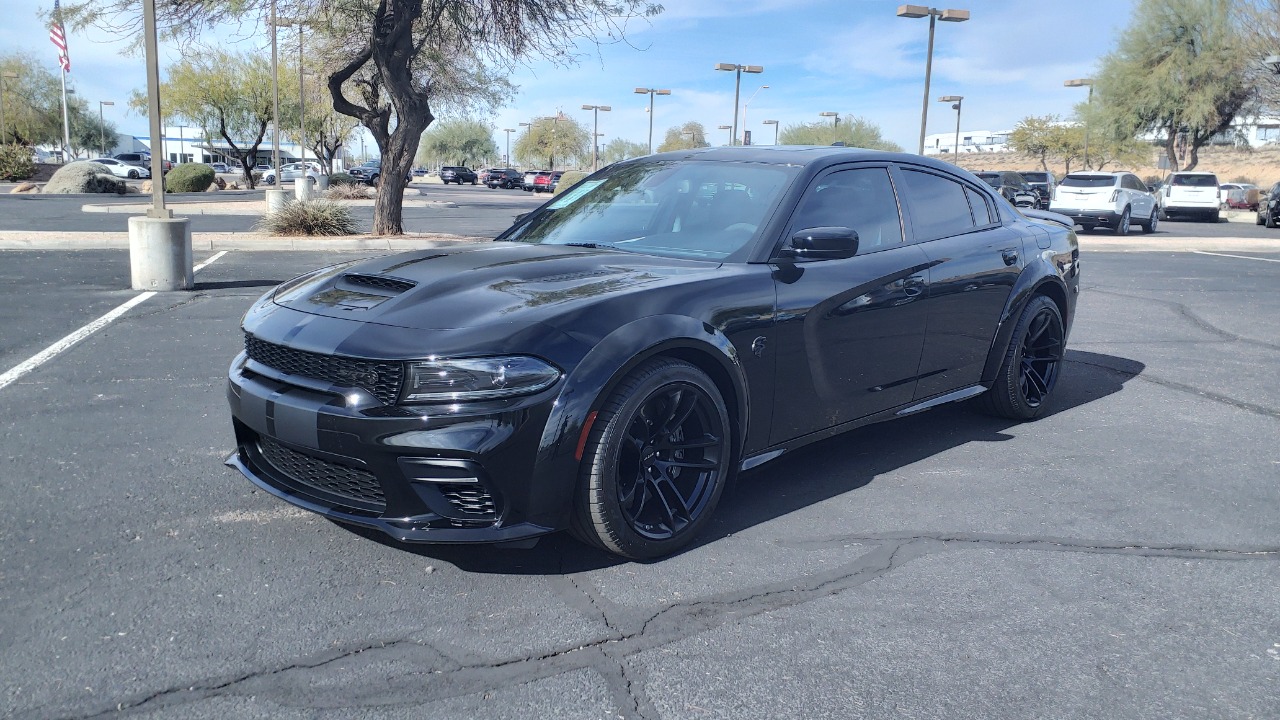
Rear-wheel drive and a wide stance kept the Dodge Charger on patrol long after most sedans left the segment, and the pursuit version is a meaningfully different car from the showroom one. Fleet spec brings the reinforced electrical system, steel wheels and a column shifter that opens the console for mounted equipment.
Agencies still running sedans cite the low center of gravity and the simplicity of getting out of a seat while wearing a duty belt. The cabin is tighter than a utility, which is why sedans now tend to be a portion of a fleet rather than all of it.
7. Ford Explorer: The Civilian Twin
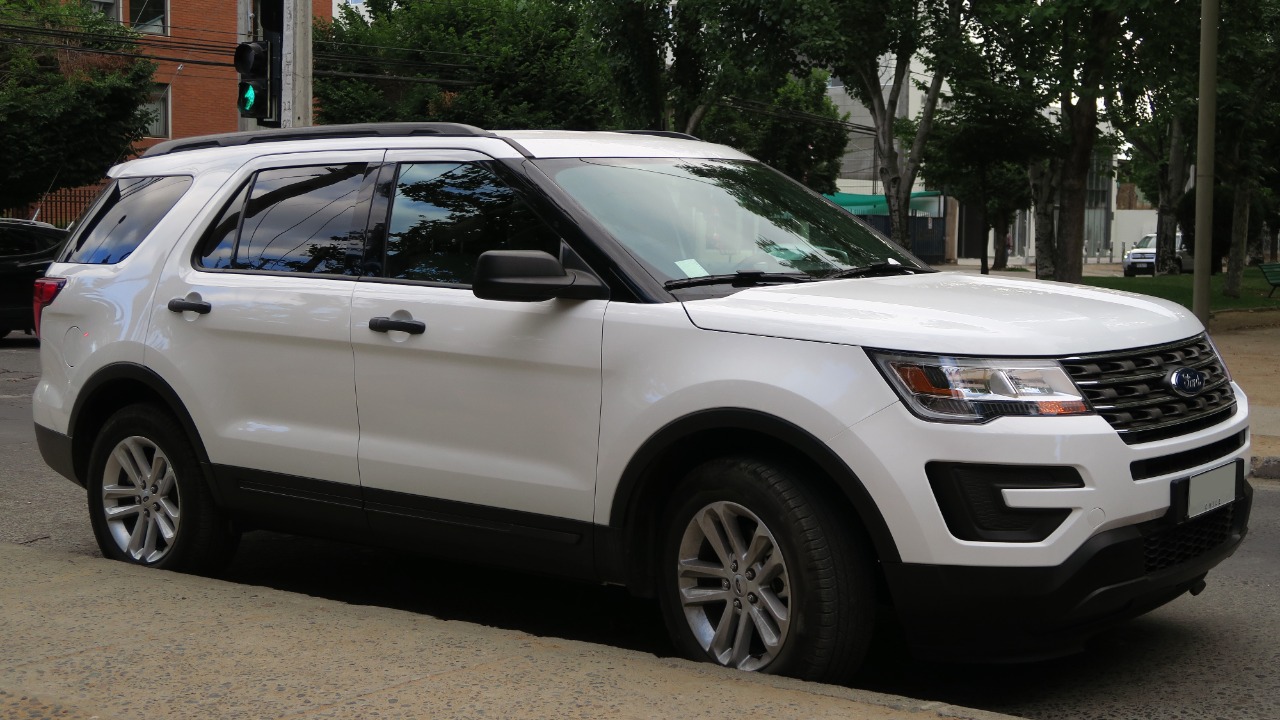
Every Ford patrol utility begins as a civilian Ford Explorer, sharing the platform, the engine family and the factory before the police equipment is fitted. That common origin is why tires, glass and body panels are easy to source in any town with a dealership.
Unmarked cars and administrative fleets often skip the pursuit build and run standard Explorers, which is why the two are hard to separate in a mirror. The distinction sits in the cooling, the brakes, the alternator and the wheels, not in the sheet metal that everyone actually looks at.
8. Chevrolet Caprice PPV: The Fleet-Only Cruiser
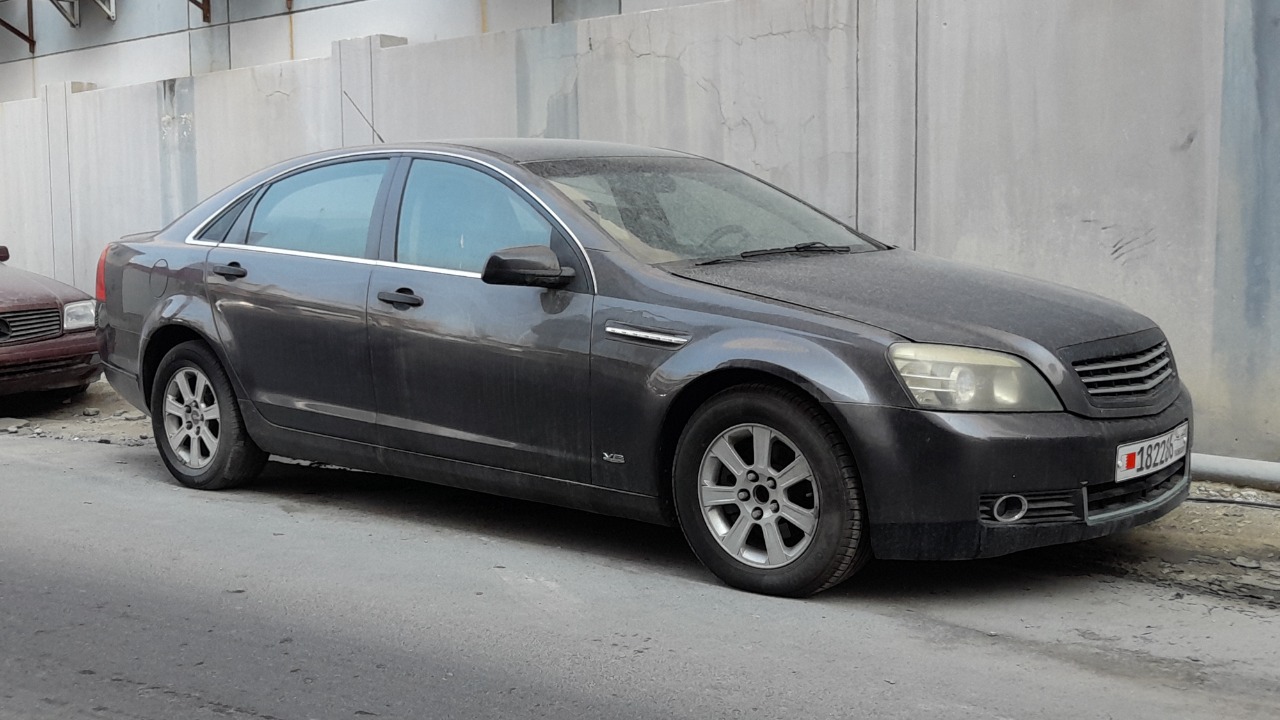
Built on a rear-drive sedan platform imported from Australia, the pursuit version of the Chevrolet Caprice handed agencies a V8 with a long wheelbase and a rear seat sized for a prisoner partition. Its police build ran the familiar list, down to the steel wheels and the column shifter.
Because it was sold to fleets rather than to the public, most drivers only ever saw one in a rear-view mirror. Departments that bought them valued the balance and the room; the model has since left the lineup, and those cruisers are aging out of service.
9. GMC Yukon: Hauling Duty In Full Size
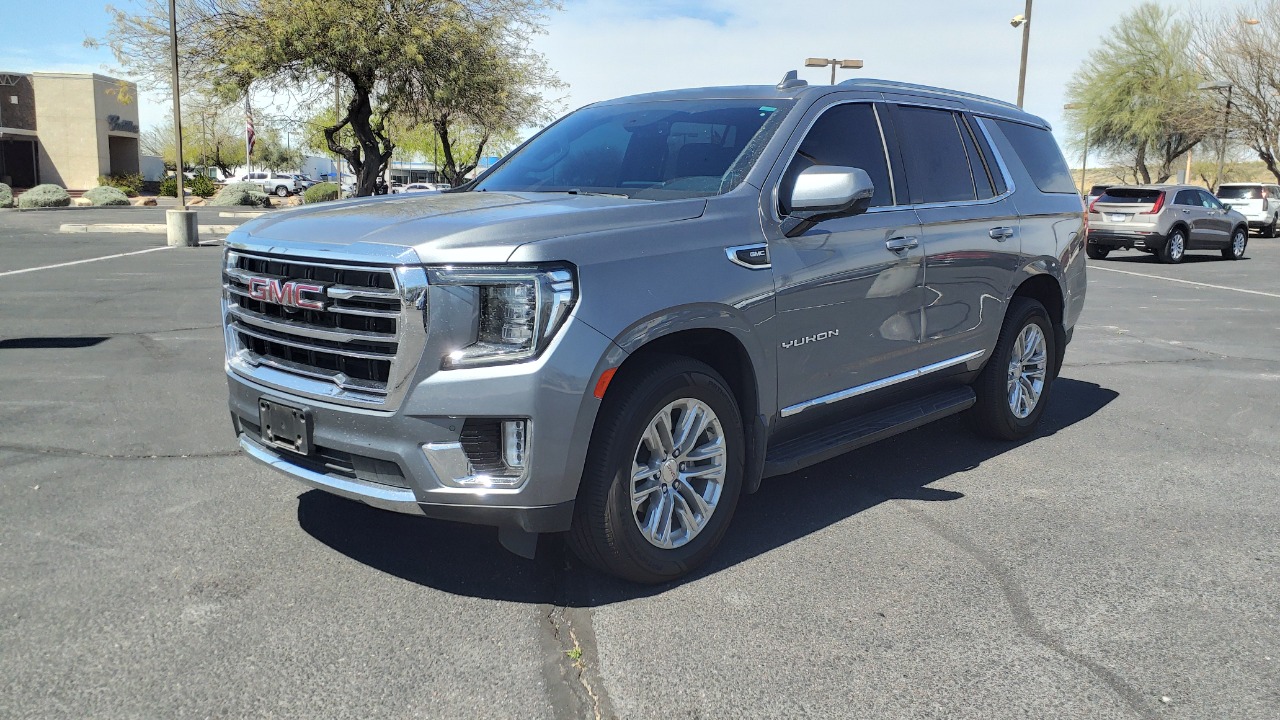
The GMC Yukon covers the same full-size ground as its Chevrolet sibling under a different badge, and agencies buy it for supervisor units, command posts and anything expected to tow. Body-on-frame construction and a V8 carry a loaded roof rack, a cage and a full cargo bay without strain.
Special-operations and emergency-management units value the interior volume, which can be fitted out as a rolling office. The compromise is bulk, since a full-size utility is harder to thread through tight urban traffic than a mid-size one.
More from Morning Overview
