
Ground clearance decides which trails an SUV can actually cross, since extra inches under the frame keep rocks, ruts, and washouts from tearing into vital components. Automakers now build dedicated trail trims with lifted suspensions, reinforced skid plates, and specialized tires just to stretch that gap between road and chassis. These nine SUVs post some of the tallest clearance figures in the segment, from compact crossovers to full-size, truck-based haulers.
1. Jeep Wrangler: Solid Axle Standout
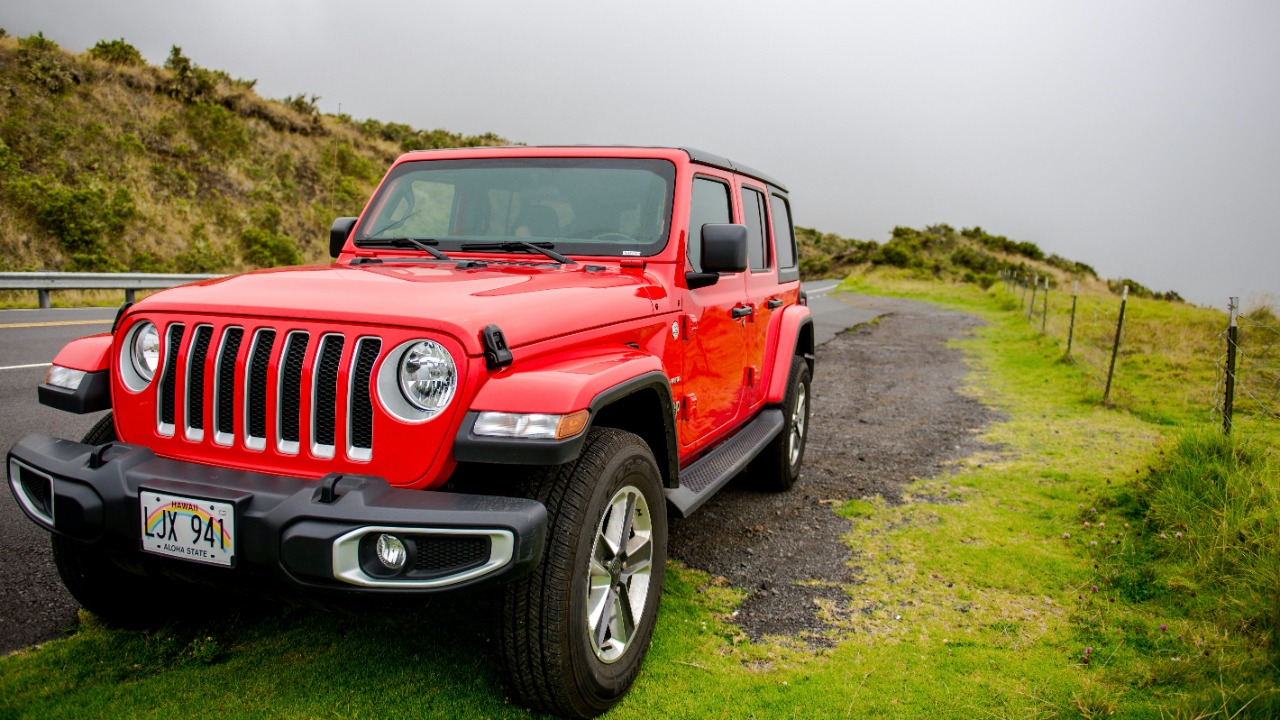
The Jeep Wrangler Rubicon rides on solid front and rear axles with heavy-duty suspension components that push ground clearance well above ten inches on most trims, and the higher Rubicon X package adds even more room under the frame. Standard skid plates protect the fuel tank, transfer case, and oil pan, letting the SUV roll over boulders and deep ruts that would tear into a lower vehicle’s underbody.
That height comes with a tradeoff, since a taller stance raises the center of gravity and makes the Wrangler feel less planted during fast highway lane changes than a typical crossover.
2. Ford Bronco: Sasquatch Package Lift
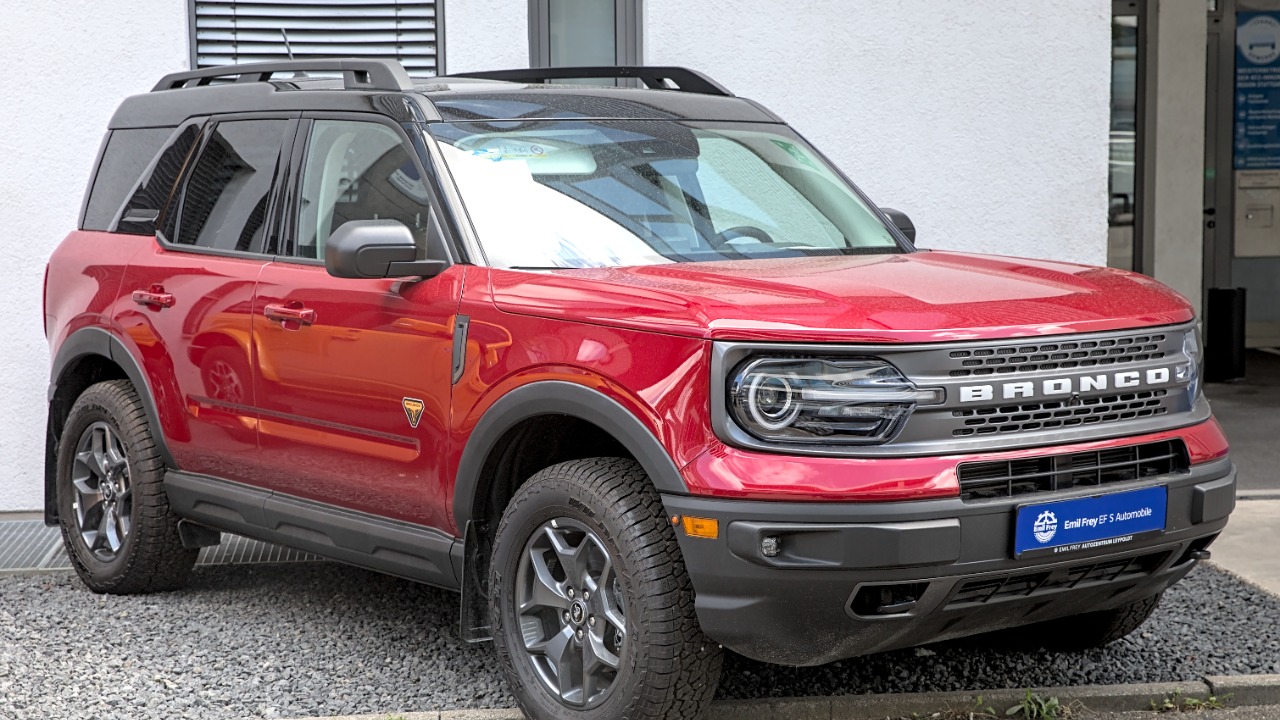
Ford’s off-road-focused Bronco Sasquatch package pairs 35-inch tires with a stiffer suspension lift and wider fender flares, pushing ground clearance to some of the highest figures Ford has offered on a mainstream SUV. The setup also improves approach and departure angles, so the front and rear bumpers clear steep ledges instead of scraping on the way up or down.
Buyers who skip the Sasquatch option get a noticeably lower stance, so the clearance advantage depends heavily on which trim and tire package actually sits in the driveway.
3. Toyota 4Runner: Body-On-Frame Holdout
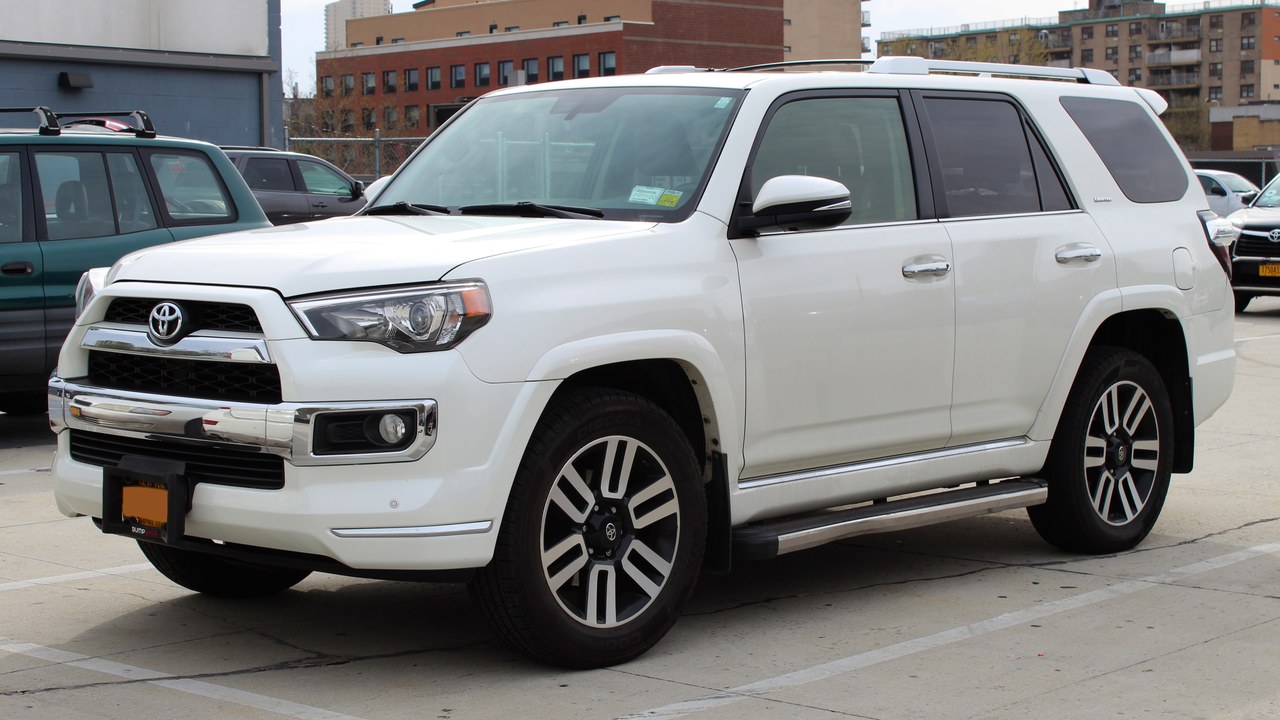
The Toyota 4Runner keeps its traditional body-on-frame layout long after most rivals switched to unibody crossover platforms, and that separate ladder frame lets engineers mount the body noticeably higher above the front and rear axles than a typical car-based SUV allows. TRD Pro and Trailhunter trims stack on additional suspension lift, beefier off-road tires, and reinforced skid plates on top of an already tall factory ride height, which keeps the underbody clear of rocks that would otherwise catch a lower crossover.
The higher frame does raise the load floor and step-in height noticeably, a real annoyance for anyone loading heavy cargo or lifting small kids into the back seat on a daily commute rather than a weekend trail run.
4. Land Rover Defender: Air Suspension Lift
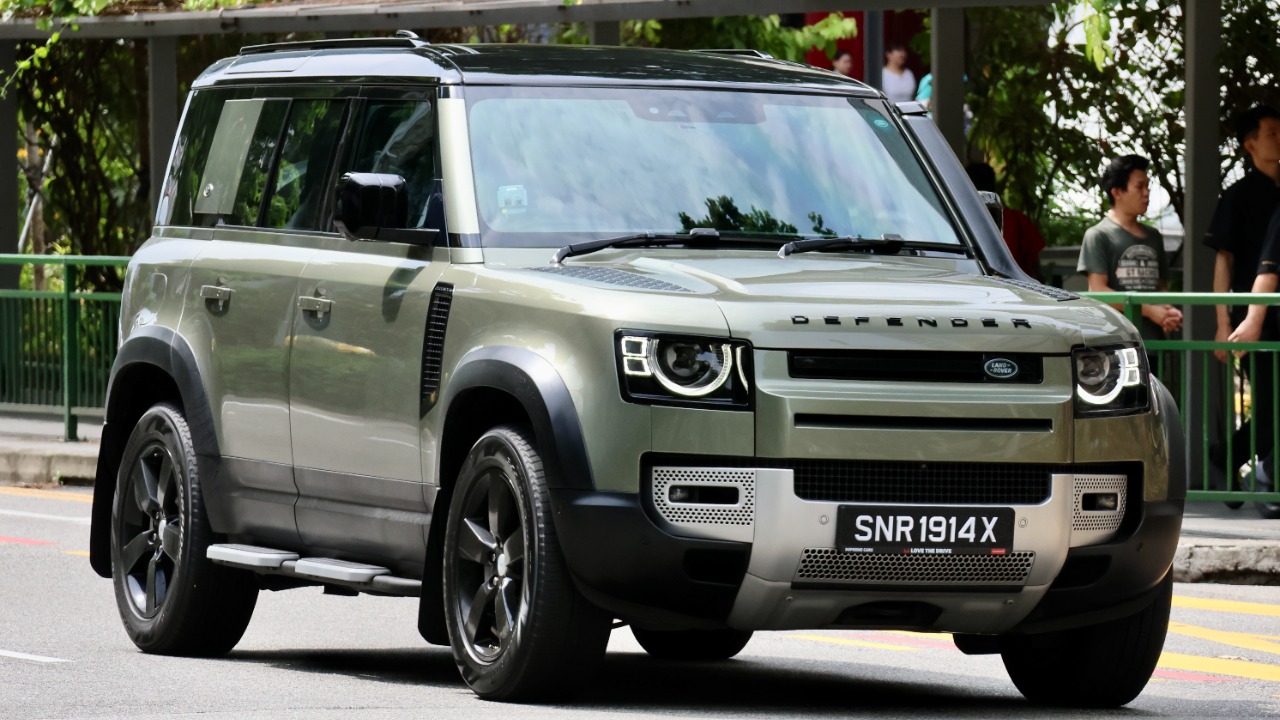
The Land Rover Defender uses an adjustable air suspension system that can raise the body several inches beyond its normal ride height at the push of a button, giving it some of the deepest wheel articulation and clearance figures in its class for crossing deep ruts, loose rock steps, and washed-out trail sections that would otherwise scrape a fixed-height suspension. Drivers can also lower the body again for easier loading or a smoother highway ride once the trail ends.
Air springs also mean a costly repair bill if a component fails years down the road, a known weak point on earlier Land Rover air-suspension models that owners frequently flag in long-term reliability surveys.
5. Jeep Grand Cherokee: Trailhawk Air Lift
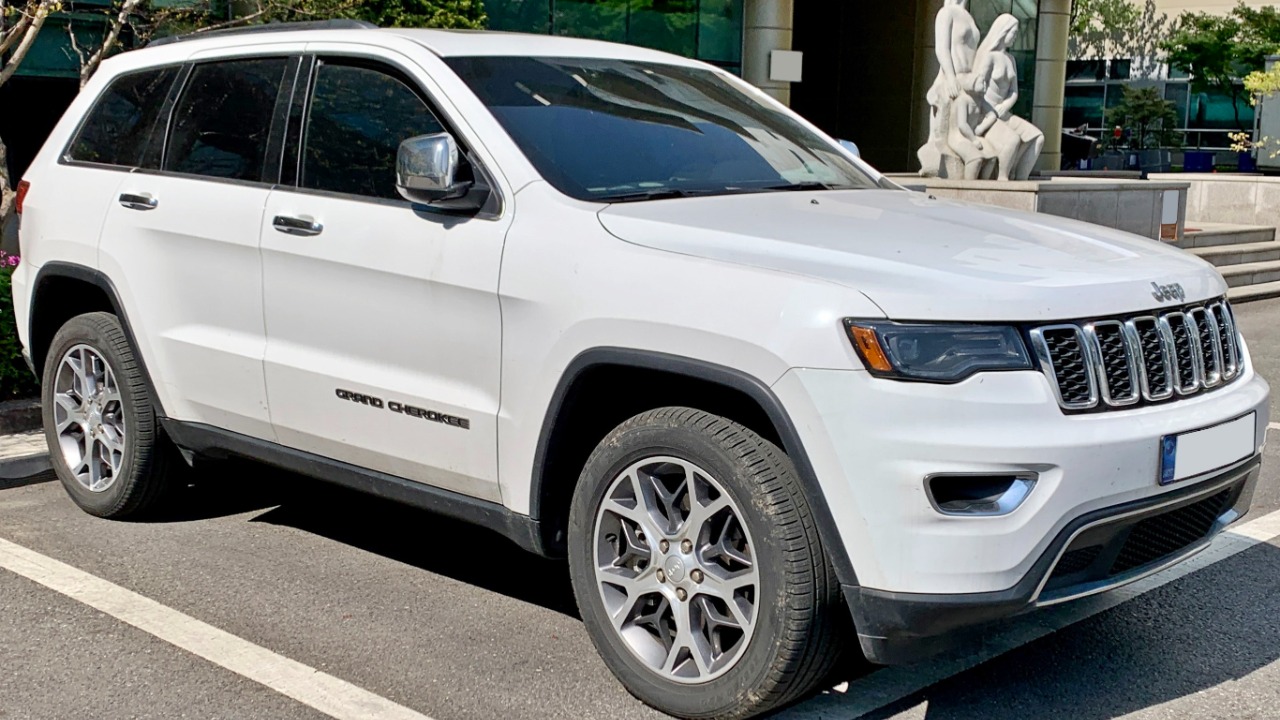
The Jeep Grand Cherokee Trailhawk trim adds Quadra-Lift air suspension, unique off-road tuning, additional underbody skid plates, and specific all-terrain tires that raise clearance well past the standard model’s figures, giving the mid-size SUV genuine trail credentials rather than just rugged styling borrowed from a marketing brochure. The raised setting also improves the approach and departure angles enough to handle moderate rock ledges and steep driveway transitions without dragging a bumper.
Stepping down to a base Laredo or Limited trim erases most of that advantage, since the taller air suspension and reinforced underbody armor remain exclusive to the Trailhawk package and are not offered elsewhere in the lineup.
6. Toyota Land Cruiser: Expedition Bred Legend
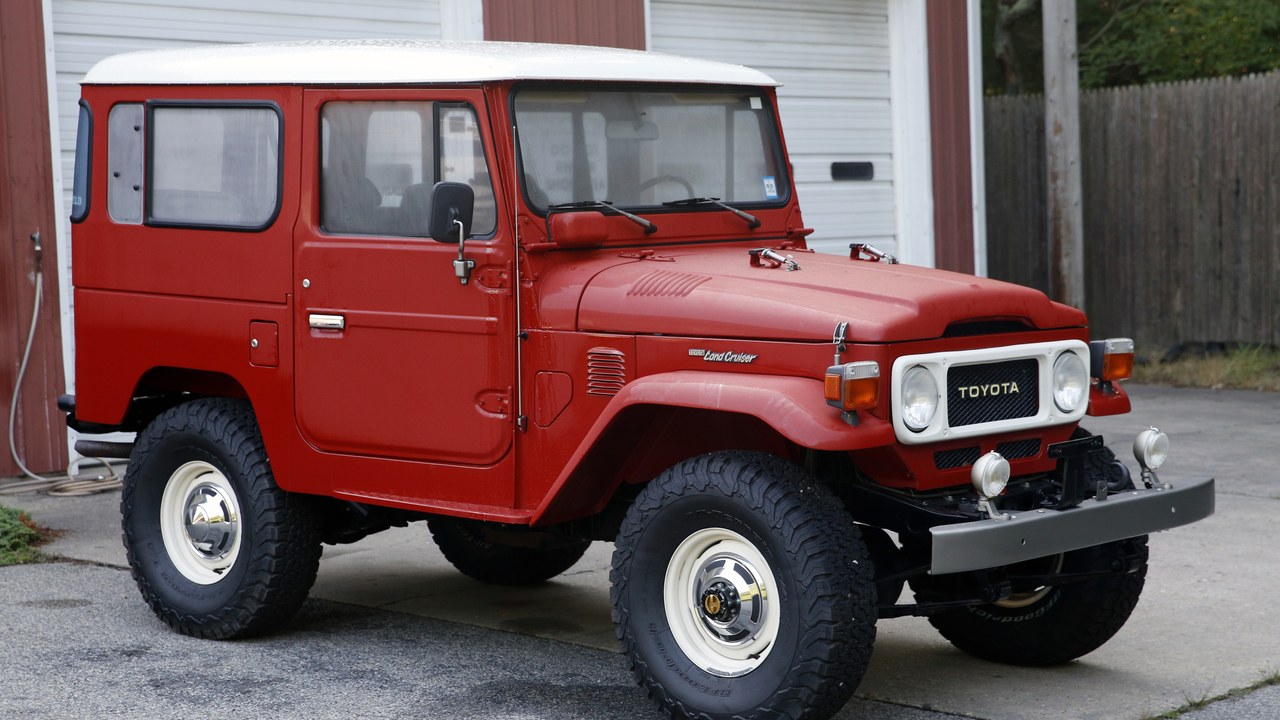
The Toyota Land Cruiser has spent decades building a reputation on expedition routes across Africa, Australia, and the Middle East, and its tall ride height paired with durable four-wheel-drive hardware remains central to that reputation on the current generation sold in the United States. A locking rear differential and low-range transfer case give it the mechanical depth to match the clearance, so the SUV can crawl over obstacles that would strand a taller but less capable competitor.
That heritage carries a premium price tag, positioning the Land Cruiser well above mainstream mid-size SUVs that offer similar seating capacity and cargo room without the same off-road pedigree or resale value.
7. Nissan Xterra: Discontinued Trail Favorite
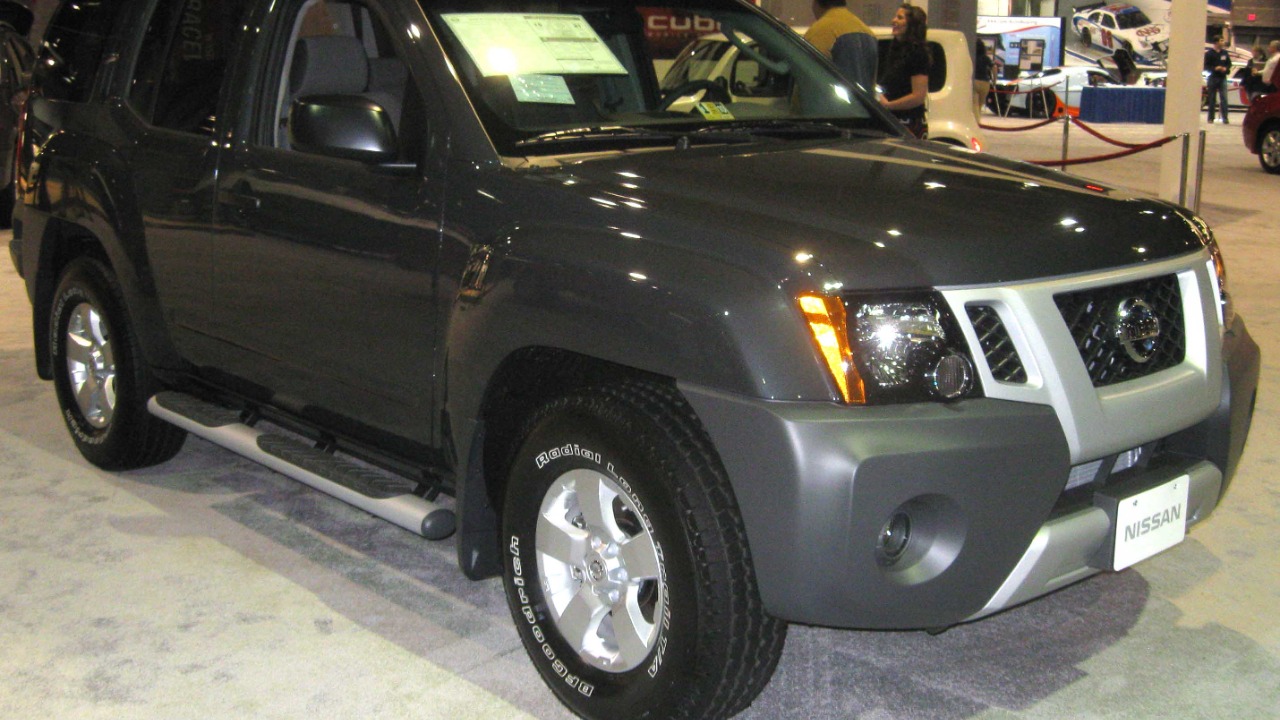
The Nissan Xterra built its identity around a boxy, body-on-frame design with a raised ride height, standard skid plating, and an available locking rear differential, traits that made it a favorite among budget-minded off-roaders long before Nissan discontinued the model in North America. Its stepped roofline and utilitarian cargo area were designed around trail use rather than pavement comfort, reinforcing why enthusiasts still seek out clean examples today.
Because production ended years ago, most of the tall-riding examples left on the road today are aging used vehicles, so buyers need to check suspension bushings and frame rust carefully before trusting one on rough trails.
8. Subaru Outback: Wilderness Trim Boost
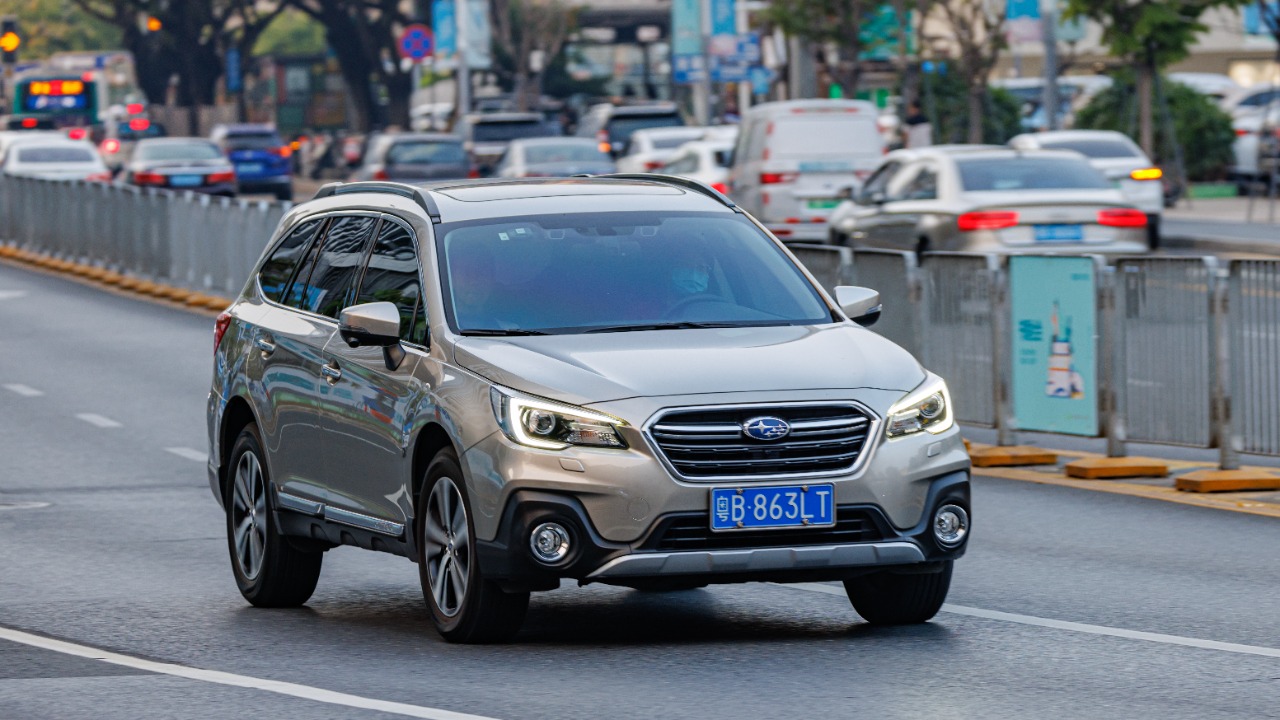
The Subaru Outback Wilderness trim raises ground clearance well beyond a typical wagon-based crossover and pairs the taller stance with all-terrain tires, unique front and rear bumpers, and standard symmetrical all-wheel drive, giving light trail use a genuine boost without the size, weight, or price tag of a body-on-frame SUV. Revised gearing and hill-descent control help it manage loose gravel and muddy forest roads that would challenge a standard Outback.
It still lacks the low-range gearing, solid axles, and locking differentials found on the truck-based entries elsewhere on this list, so its capability tops out well short of serious rock crawling or deep water crossings.
9. Toyota Sequoia: Full-Size Truck Frame
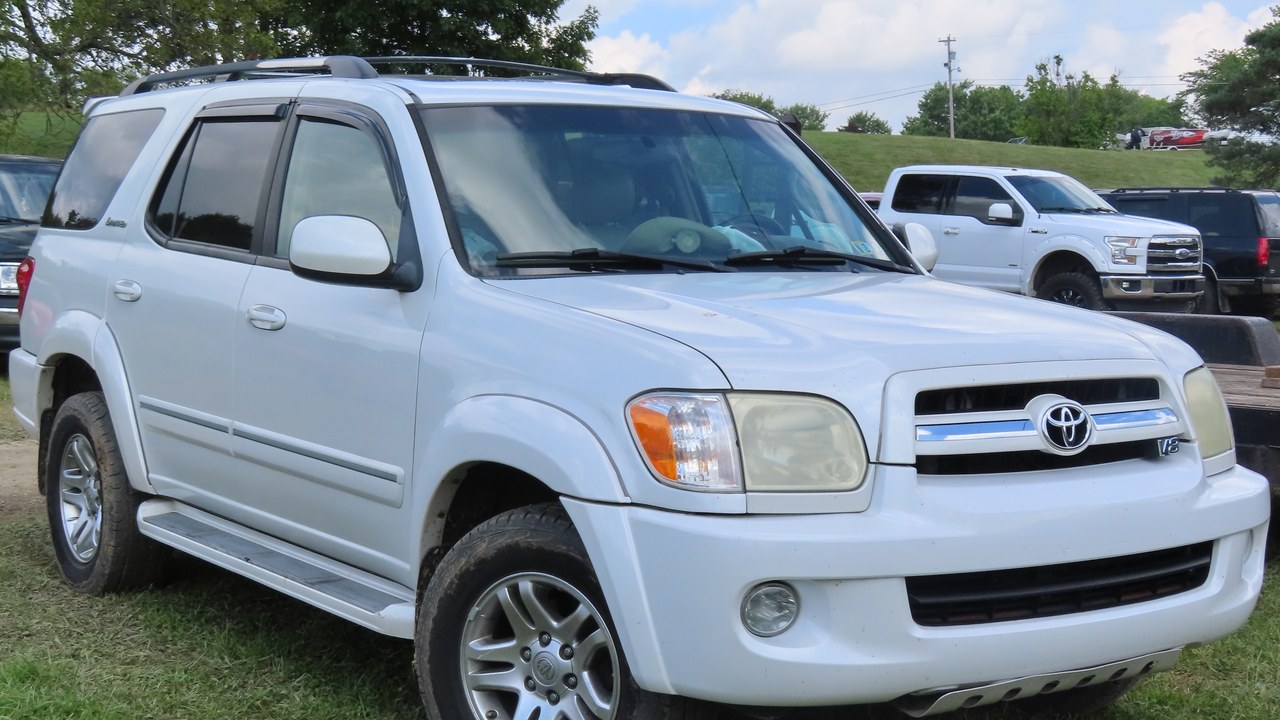
The full-size Toyota Sequoia shares its truck-derived frame with the Tundra pickup, and that shared architecture keeps the body riding high above the front and rear axles even in a three-row family hauler built to seat up to eight people. Available TRD Pro trim adds further suspension lift and specialized off-road dampers, extending the clearance advantage beyond what the standard trims already offer buyers who tow or camp off-pavement.
The tall stance and long wheelbase make it genuinely capable off pavement, but they also make tight parking garages, narrow trail switchbacks, and everyday grocery-run parking spots more of a challenge to navigate.
More from Morning Overview
