
Some SUVs earn their reputation in the service bay rather than the showroom. Mechanics tend to see the same nameplates for oil changes and brake pads, and almost never for a failed transmission or a rebuilt engine. Here are nine SUVs that shop owners point to when asked which ones almost never need major repairs.
1. Toyota 4Runner: Body-On-Frame By Design
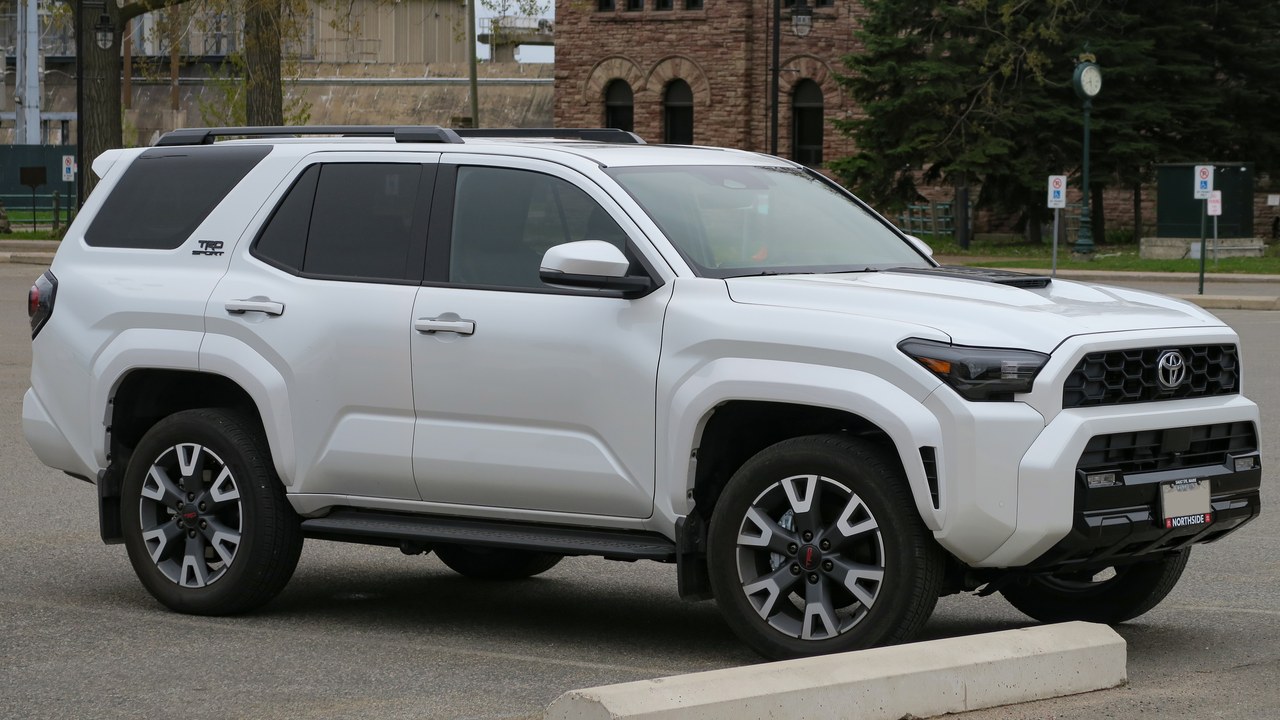
The 4Runner keeps an architecture most crossovers dropped decades ago: a separate ladder frame, a longitudinally mounted engine, and a torque-converter automatic rather than a belt-driven CVT. Toyota also let the fifth-generation 4Runner run from 2009 deep into the 2020s with only cosmetic refreshes, so the 4.0-liter V6 and five-speed automatic under it had more than a decade to have their weak points engineered out.
Nothing about that is free. Fuel economy trails every unibody rival, the ride is truckish, and the cabin technology aged in public. What owners get in exchange is a driveline whose expensive components rarely turn into shop invoices.
2. Lexus GX: A Land Cruiser In A Tuxedo
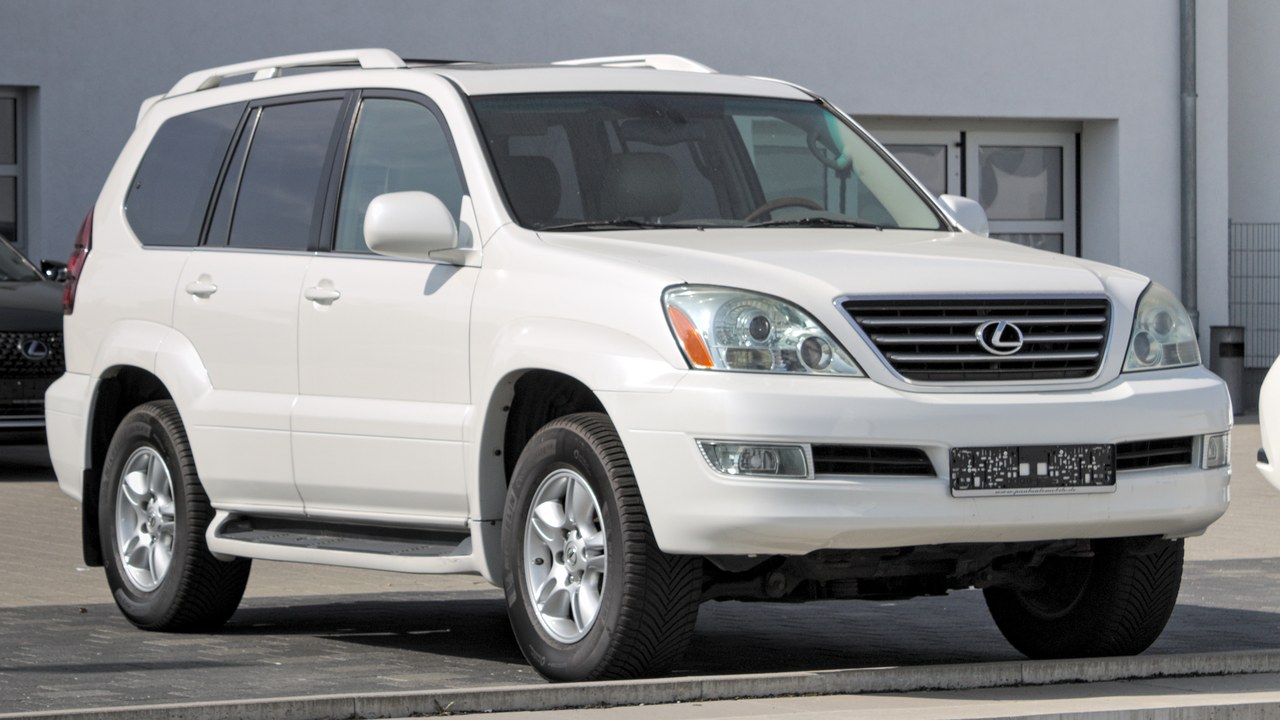
Underneath the leather, the Lexus GX is a Land Cruiser Prado: body-on-frame, full-time four-wheel drive, and for two decades a naturally aspirated V8 doing far less work than its displacement allowed. The 4.7-liter and later 4.6-liter engines were tuned for torque rather than output numbers, which keeps combustion pressures and thermal stress low.
The bill arrives at the pump instead of the service desk, and a heavy off-road chassis wears through tires and brakes faster than a crossover would. Those are consumables, though, and consumables are the line between routine maintenance and a major repair.
3. Toyota Land Cruiser: Built For Places Without Dealers
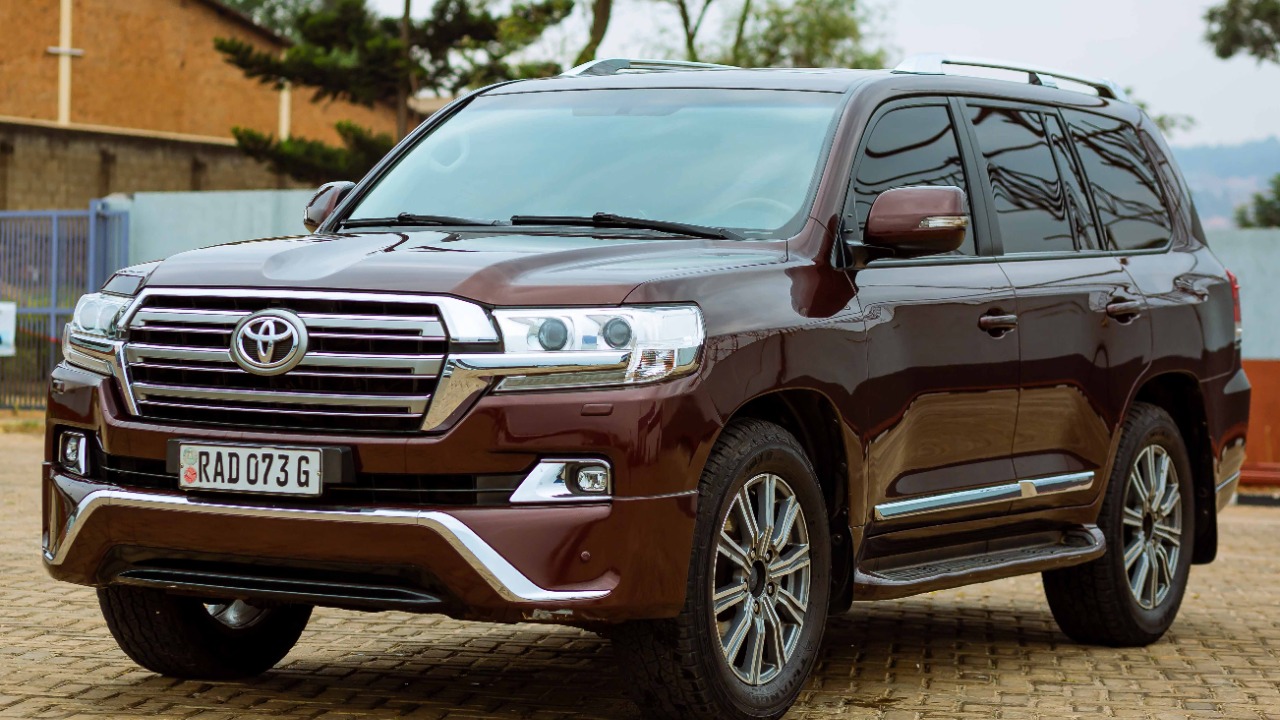
Continuous production since 1951 makes the Land Cruiser line Toyota’s longest-running model, and the design brief never really changed: it has to work where there is no dealer, no diagnostic scan tool and no parts counter. That mandate produced deliberately unstressed engines, mechanical rather than electronic hardware wherever possible, and a global parts supply that keeps common components in stock on five continents.
Aid agencies and remote mining operations buy them for exactly that reason. The catch for ordinary buyers is price: durability engineered to that standard costs full-size luxury money up front, and resale values stay high enough that used examples never get cheap either.
4. Toyota RAV4: Boring Hardware, Enormous Sample Size
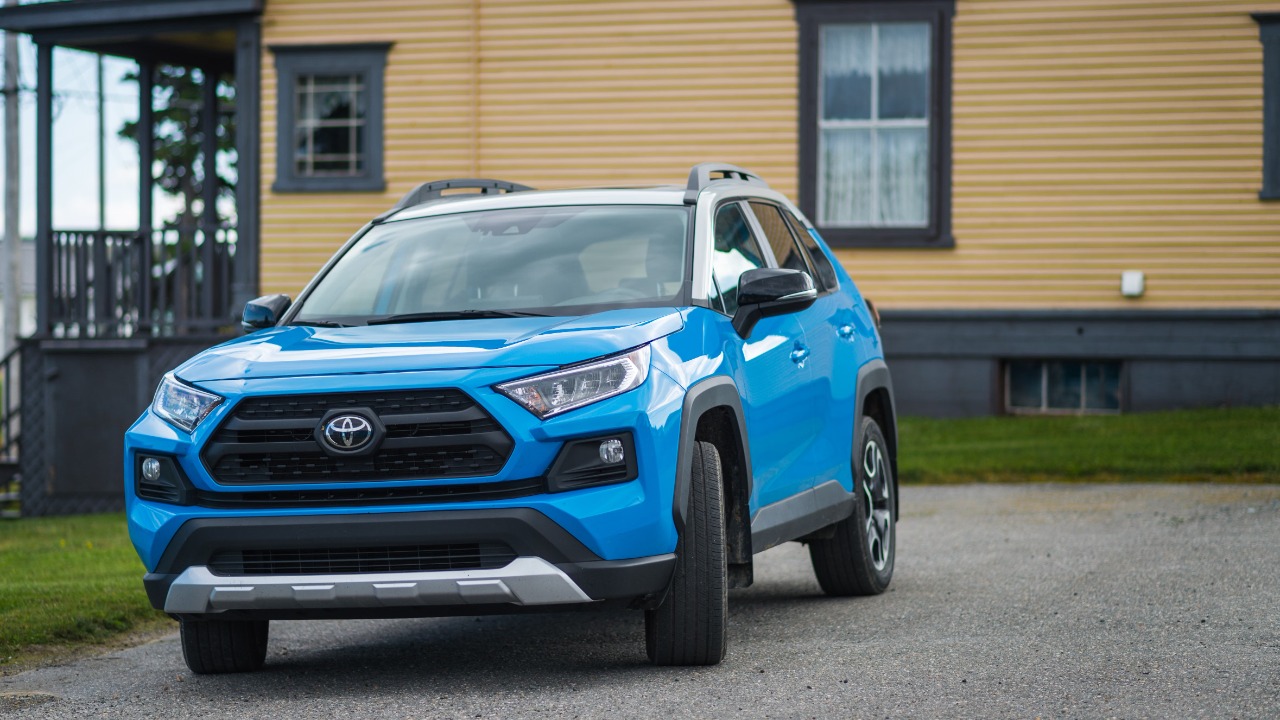
Volume is its own quality-control program. Toyota’s RAV4 has been the best-selling non-pickup in the United States for years, and the current gasoline version pairs a naturally aspirated 2.5-liter four with a conventional eight-speed automatic, skipping both turbochargers and the dual-clutch gearboxes that generate warranty claims elsewhere. Millions of units mean any weakness surfaces early and gets revised in production.
The hybrid swaps in a planetary transmission with no clutches or belts to wear, removing another common failure point. Buyers give up steering feel and cabin quiet, and the ride is firm on the rougher trims.
5. Honda CR-V: Civic Mechanicals In A Taller Body
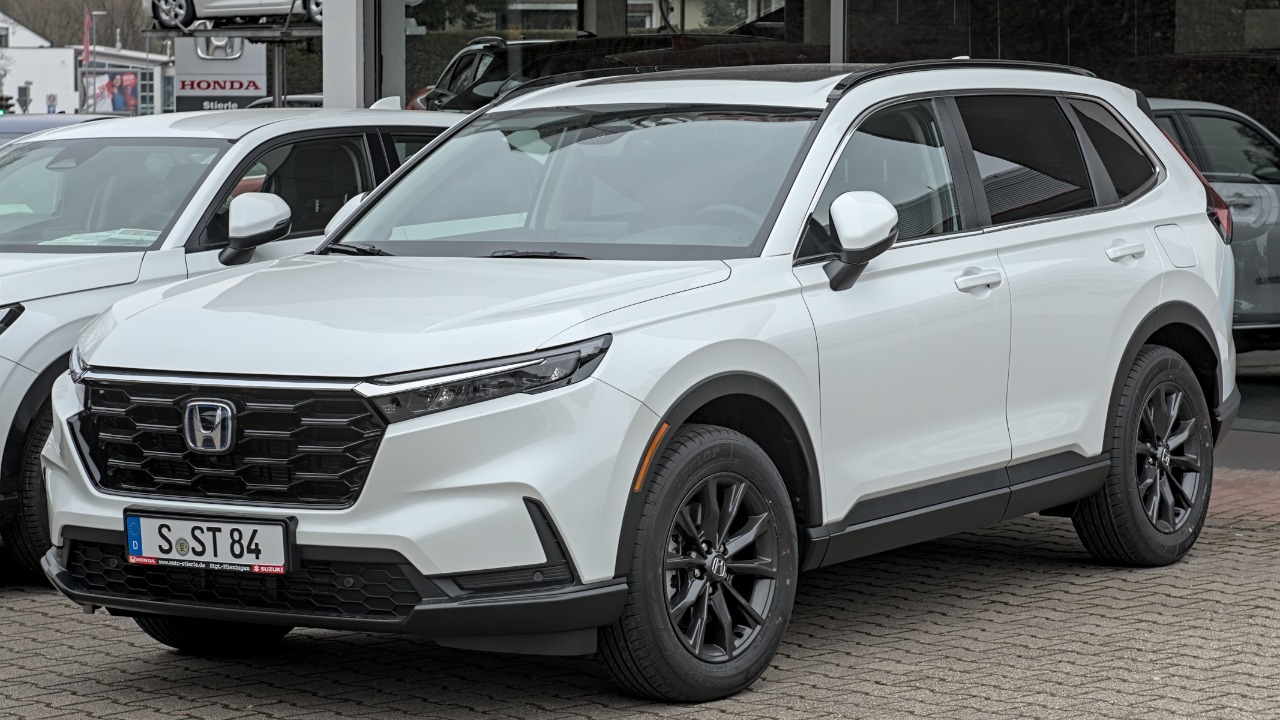
Almost nothing in the Honda CR-V is unique to it. The platform, engines and suspension architecture come from the Civic, a car built in the tens of millions, so the parts have already been validated across a far larger fleet than any SUV alone would provide. Independent shops stock the filters, mounts and sensors without ordering, and labor times are short because the layout is familiar.
Cheap, available parts change the arithmetic of a repair: the same failure that totals the value of an obscure crossover stays a modest bill here. Turbocharged versions do add plumbing that the older naturally aspirated engines did without.
6. Toyota Highlander: The V6 Toyota Reused Everywhere
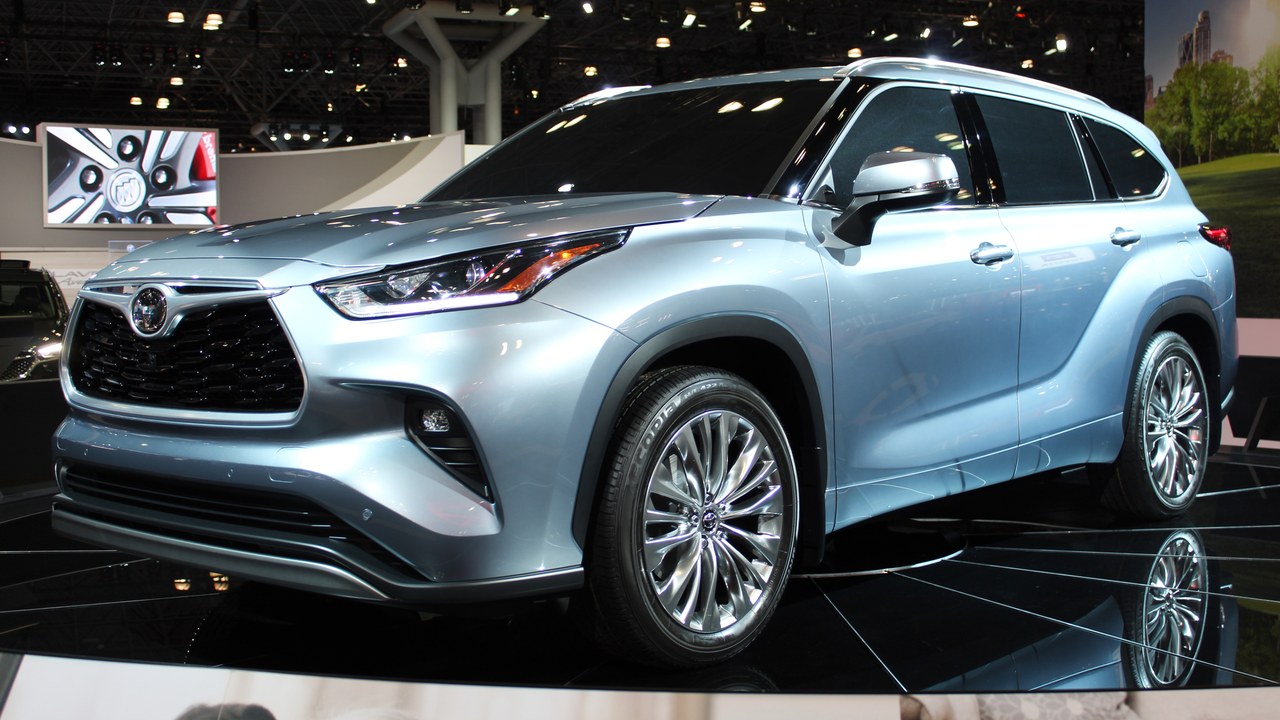
For most of its life the Highlander ran a 3.5-liter V6 shared with the Camry, Sienna and Lexus RX, an engine family with an unusually long development runway and no forced induction to complicate it. The Highlander’s drivetrain is also mounted transversely in a unibody, which keeps the vehicle lighter and its suspension loads lower than a body-on-frame equivalent carrying the same passengers.
Three rows of seats in a midsize footprint means the back bench is tight for adults, and the V6 was eventually replaced by a turbocharged four in newer cars. Shops still see the older ones mainly for fluids, belts and brakes.
7. Lexus RX: Luxury Without The Complexity Tax
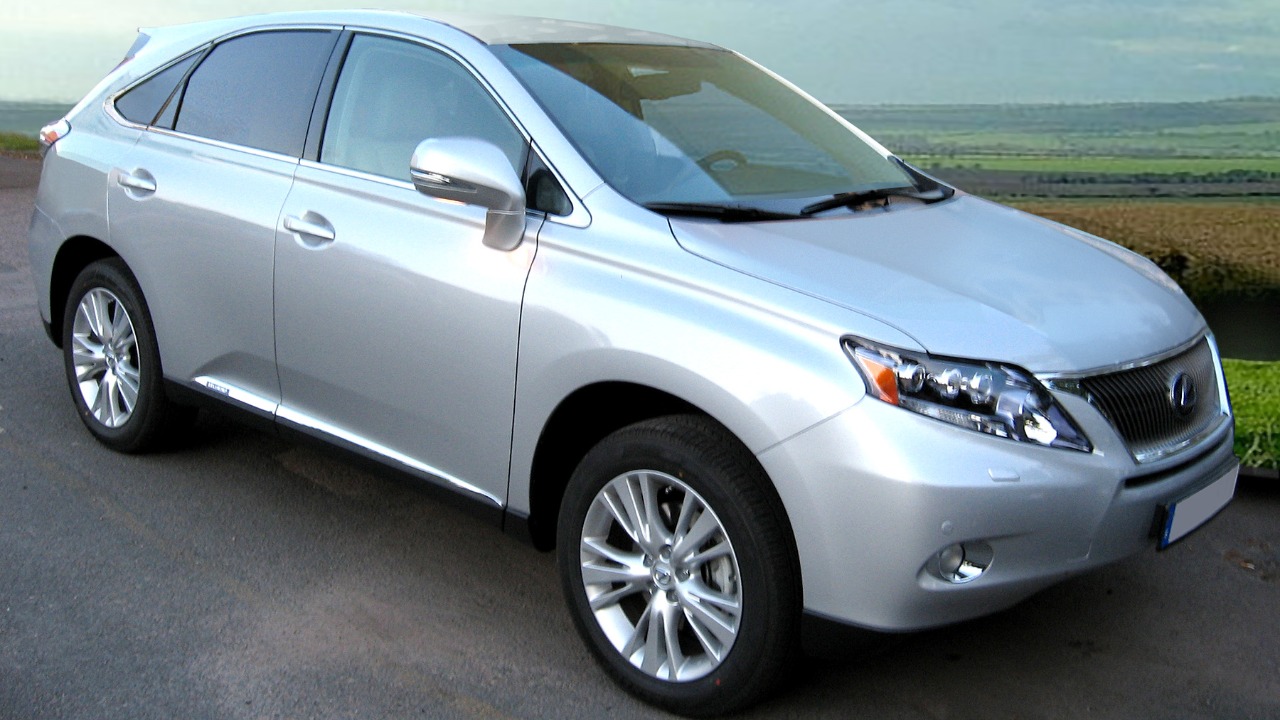
European luxury SUVs bury air suspension, twin-turbo V8s and adaptive everything in places that cost four figures to reach. The Lexus RX took the opposite route from its 1998 debut, borrowing Camry and Highlander mechanicals and dressing them in a quiet, well-trimmed body. The result is a premium vehicle whose service schedule reads like a mainstream sedan’s.
Enthusiasts read that as blandness, and the RX has never been the sharpest thing to drive in its class. Depreciation is unusually slow for a luxury badge, which is itself a signal about what second and third owners expect to spend.
8. Subaru Outback: Flat Engine, Permanent All-Wheel Drive
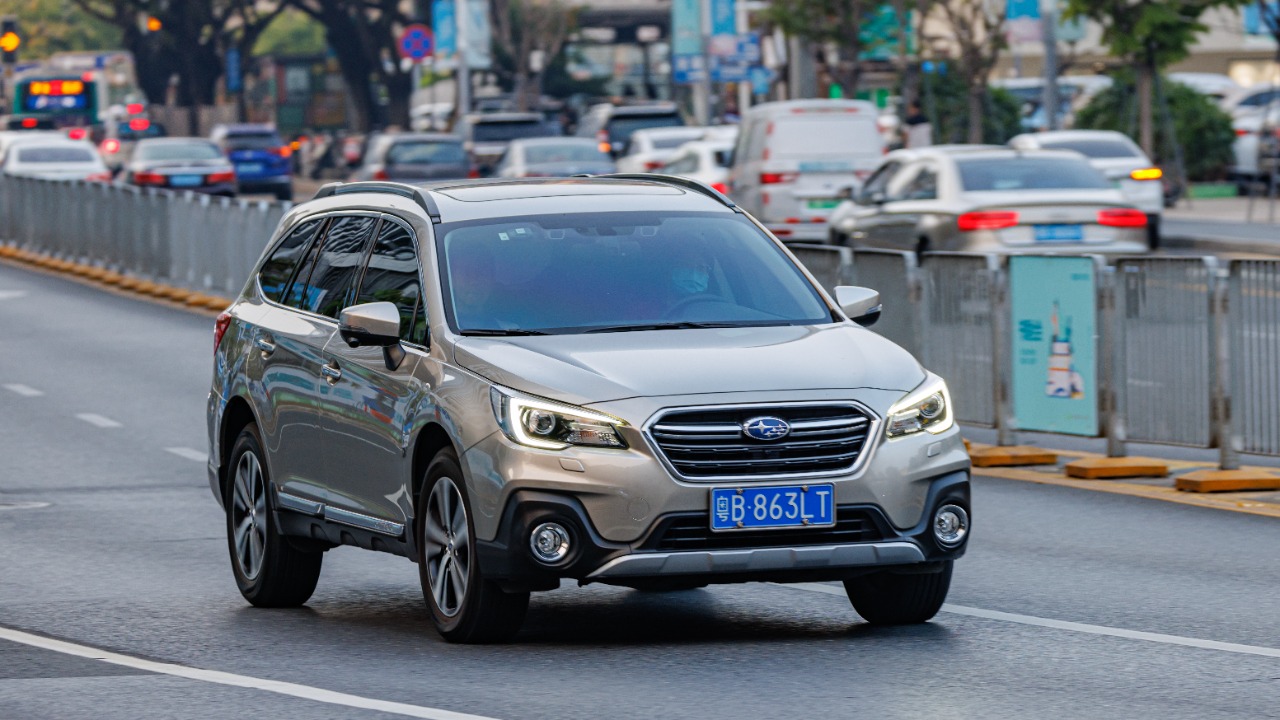
Subaru’s answer to weather is mechanical rather than electronic: a horizontally opposed engine sitting low and centered, feeding a symmetrical all-wheel-drive layout that runs all the time instead of clutching in when a wheel slips. The Subaru Outback has used that arrangement since the 1990s, and the absence of a transfer case or an on-demand coupling removes a whole category of driveline hardware that can fail.
The record is not spotless. Older 2.5-liter boxers earned a reputation for head-gasket work, and the continuously variable transmission fitted since 2010 is the component to ask about on any used example.
9. Mazda CX-5: The Last Of The Simple Crossovers
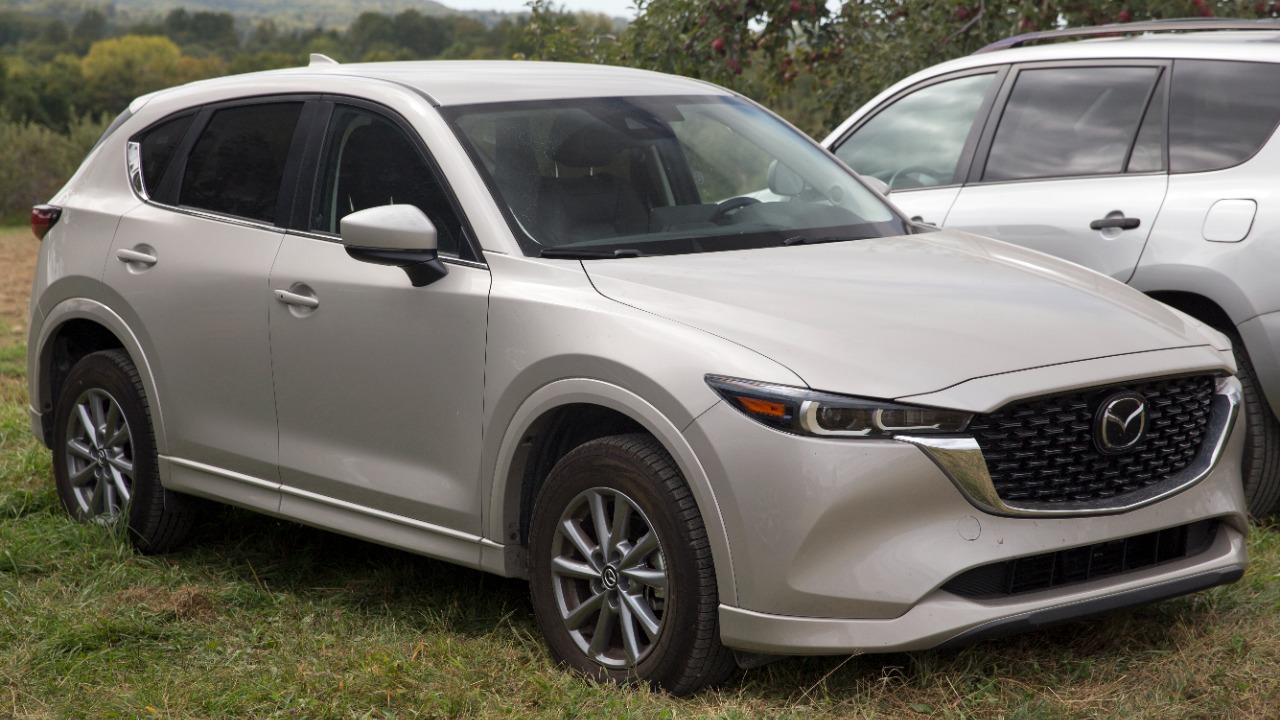
While rivals moved to small turbocharged engines and continuously variable transmissions, Mazda kept the CX-5’s Skyactiv-G four naturally aspirated and bolted it to a conventional six-speed torque-converter automatic. Both choices trade a little fuel economy for hardware with decades of accumulated engineering behind it, and neither adds a turbo, a belt or a wet clutch pack to the list of things that can wear out.
Cargo space is smaller than the class average and the rear seat is snug, so families sometimes shop elsewhere. What the design buys instead is predictability, which is the quality a mechanic notices when the same car keeps arriving for nothing worse than tires.
More from Morning Overview
- Long-term use of common heartburn pills is tied to kidney and dementia risk
- A California supervolcano has bulged upward about two and a half feet since 1978
- The FTC is warning about a scam quietly draining thousands from victims
- The NSA is again telling phone owners to switch off one location setting
