
Partial driving automation can steer, brake and hold a lane, but it only stays safe if the person behind the wheel keeps watching the road. IIHS tested 14 systems on nine vehicles and found 1 Acceptable, 2 Marginal and 11 Poor, with nothing rated Good. Here are nine cars that show how far the safeguards still have to go.
1. Lexus LS: Teammate Tops a Weak Field
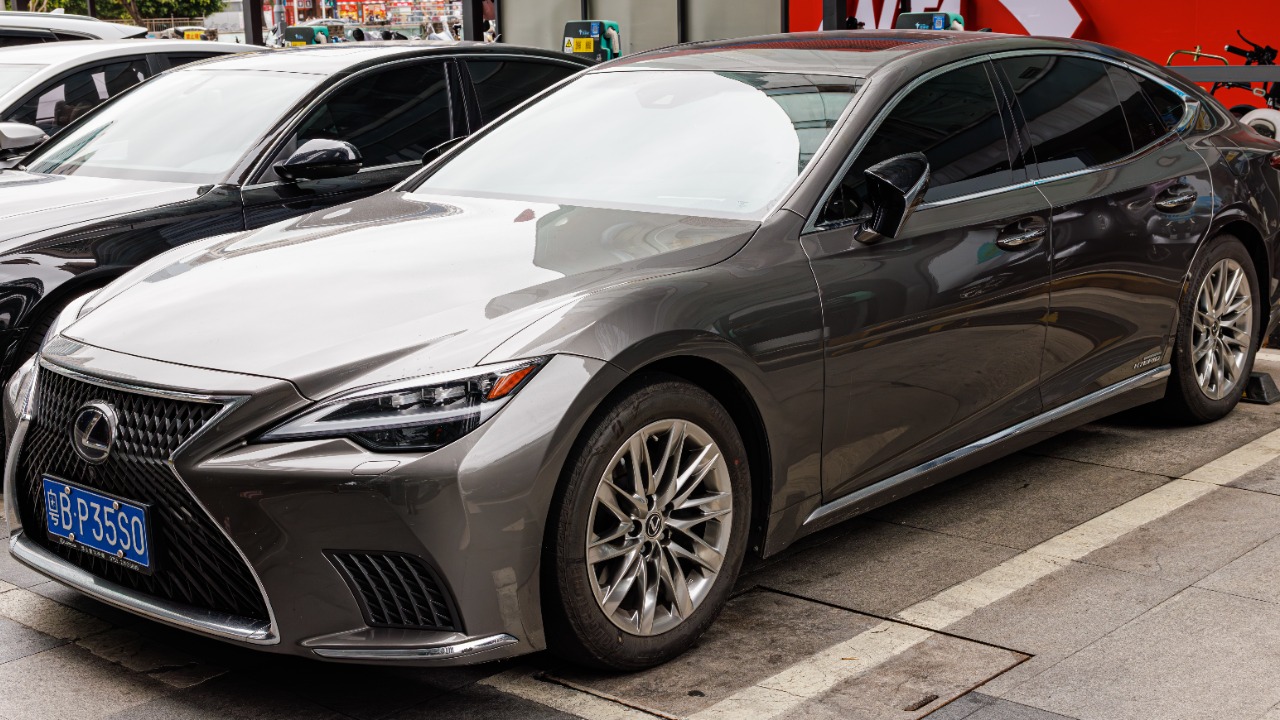
The Lexus LS carries two partial-automation systems, and its Teammate setup is, in the Institute’s words, ‘the only system tested that earns an acceptable rating’. The IIHS ratings summary put the LS’s other system at Poor, so a single car spans both ends of the results.
Even the best score in the round was only Acceptable, not Good. Owners of an LS need to know which of the two systems is engaged, because the safeguards differ sharply between them. That split also shows why the rating applies to a specific system rather than to a whole car or brand.
2. Mercedes-Benz C-Class: No Camera Watching the Driver
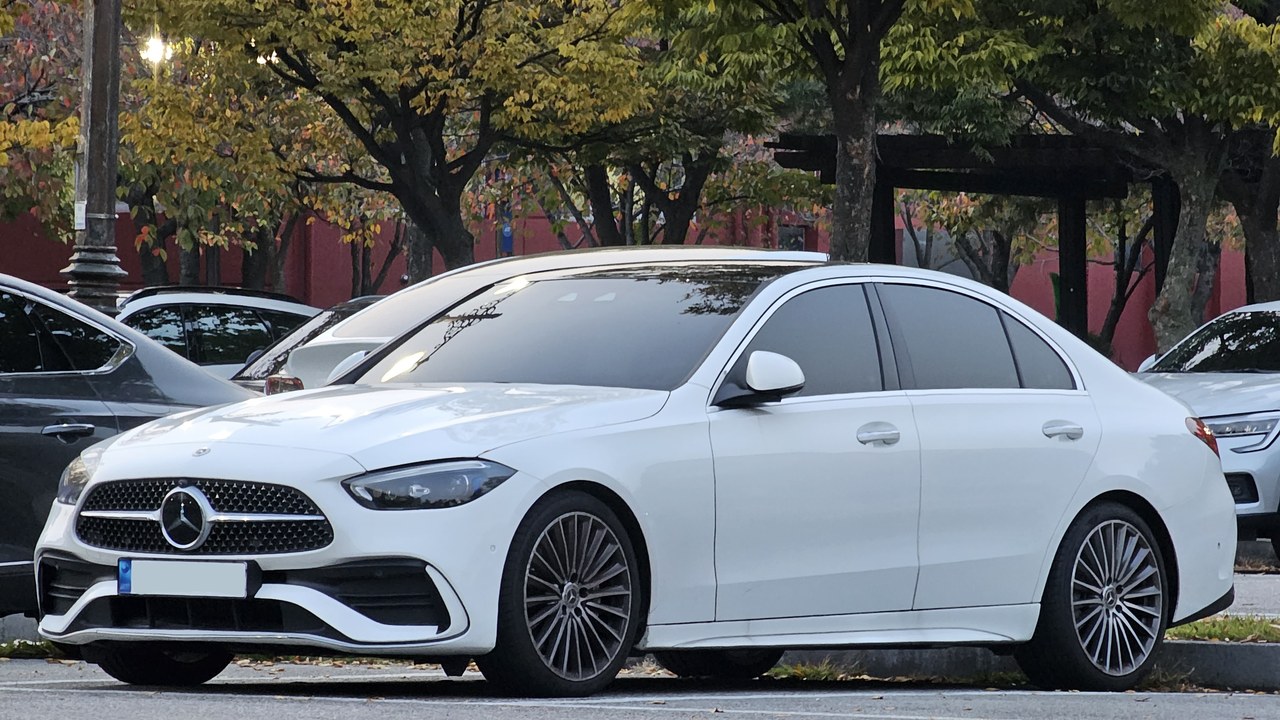
IIHS rated the C-Class Poor and said ‘the Mercedes-Benz system lacks a driver-monitoring camera altogether’, as reported in the IIHS announcement. Without a camera, the car has no direct way to see where a driver is looking.
Drivers who lean on the system during long highway stretches get less protection against drifting attention than the test is designed to reward. Hands on the wheel and eyes ahead remain the only real safeguard. The finding also explains why the Institute treats monitoring hardware as central to any partial-automation safeguard.
3. Volvo S90: Unbuckling Goes Unnoticed
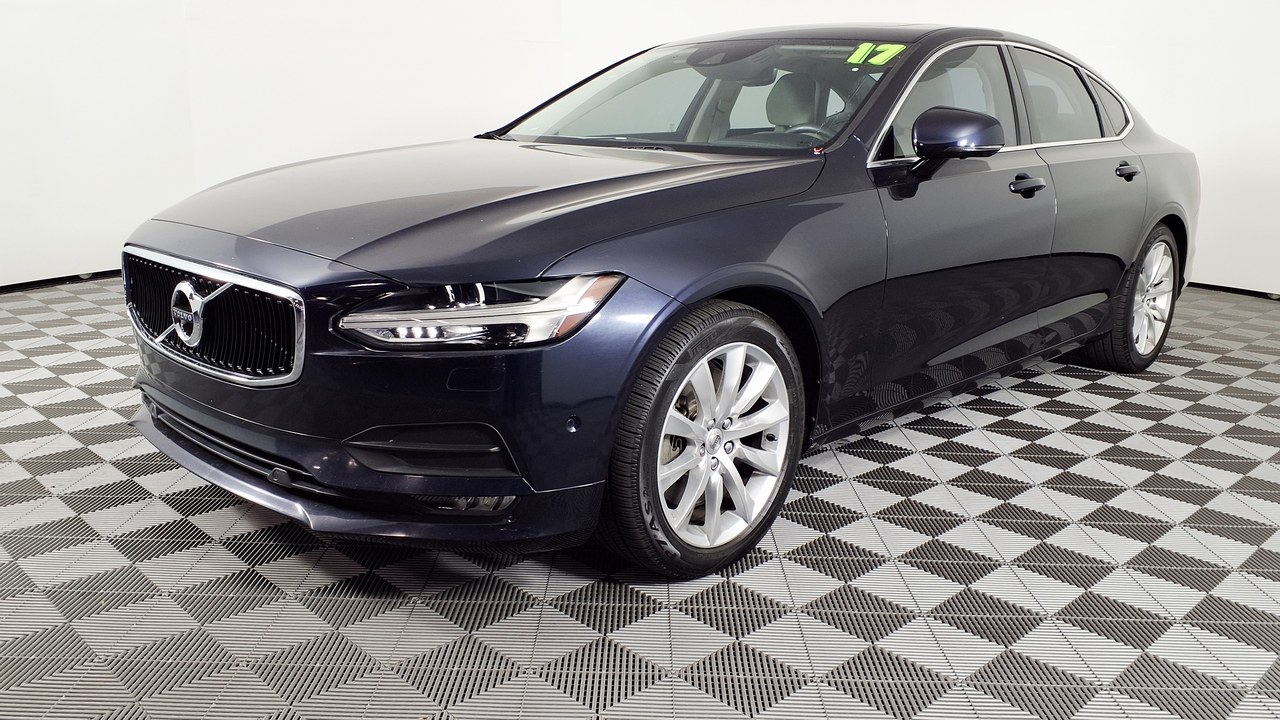
Volvo’s Pilot Assist earned a Poor rating because it ‘deactivates without an alert when the driver unbuckles’, according to the IIHS first ratings. A seat belt coming undone is a strong sign that a driver has stopped paying attention, yet the system stays silent.
For S90 owners, the lesson is that a premium badge does not guarantee strict monitoring. The system should be treated as a convenience for steady driving, never as permission to stop supervising the road. The gap is notable because buckle status is one of the simplest signals a carmaker can use to detect a driver who has left the seat or stopped engaging.
4. GMC Sierra: Marginal Beats Poor
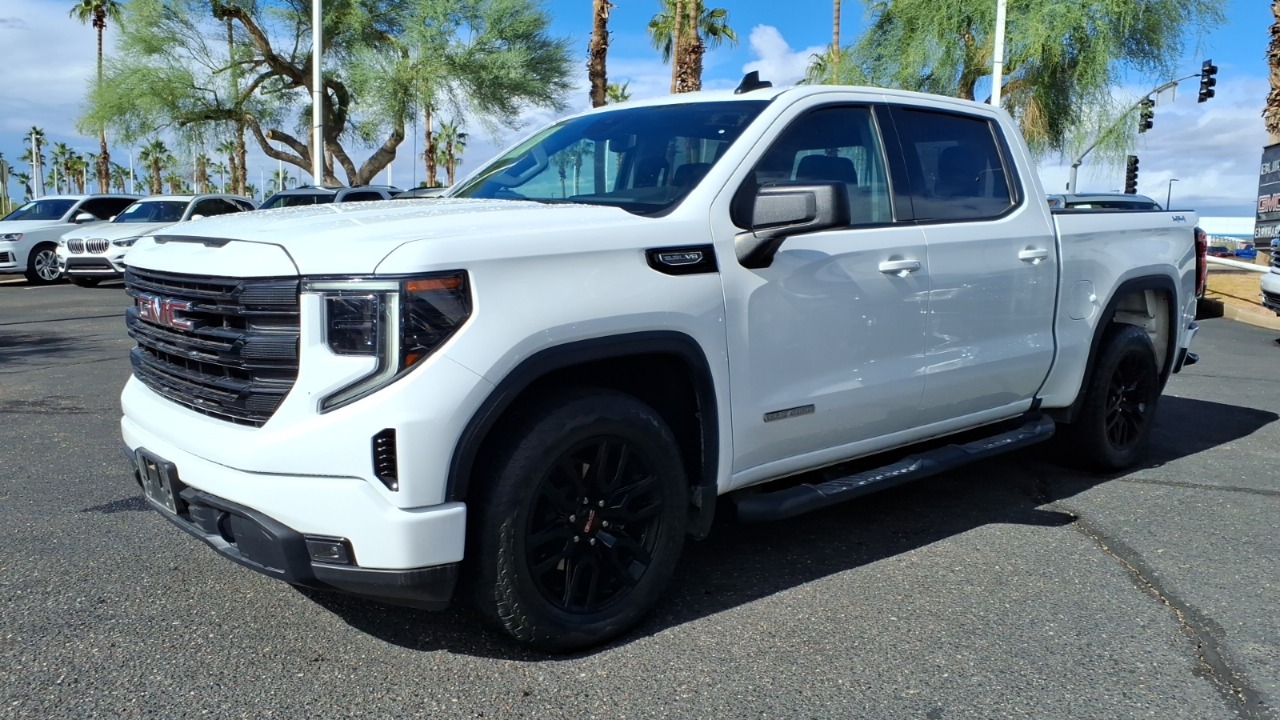
The Sierra landed a Marginal rating, which put it second only to the Lexus LS’s Teammate system, rated Acceptable, according to Automotive Fleet’s coverage. In a field dominated by Poor scores, Marginal was the next-best result available.
That ranking says more about how weak the field was than about the truck. A Marginal grade still means notable gaps in how the system detects a distracted driver and escalates its warnings. The comparison also shows that a full-size pickup from a mainstream brand can outscore several luxury sedans in this particular test.
5. Ford Mustang Mach-E: Poor in the First Round
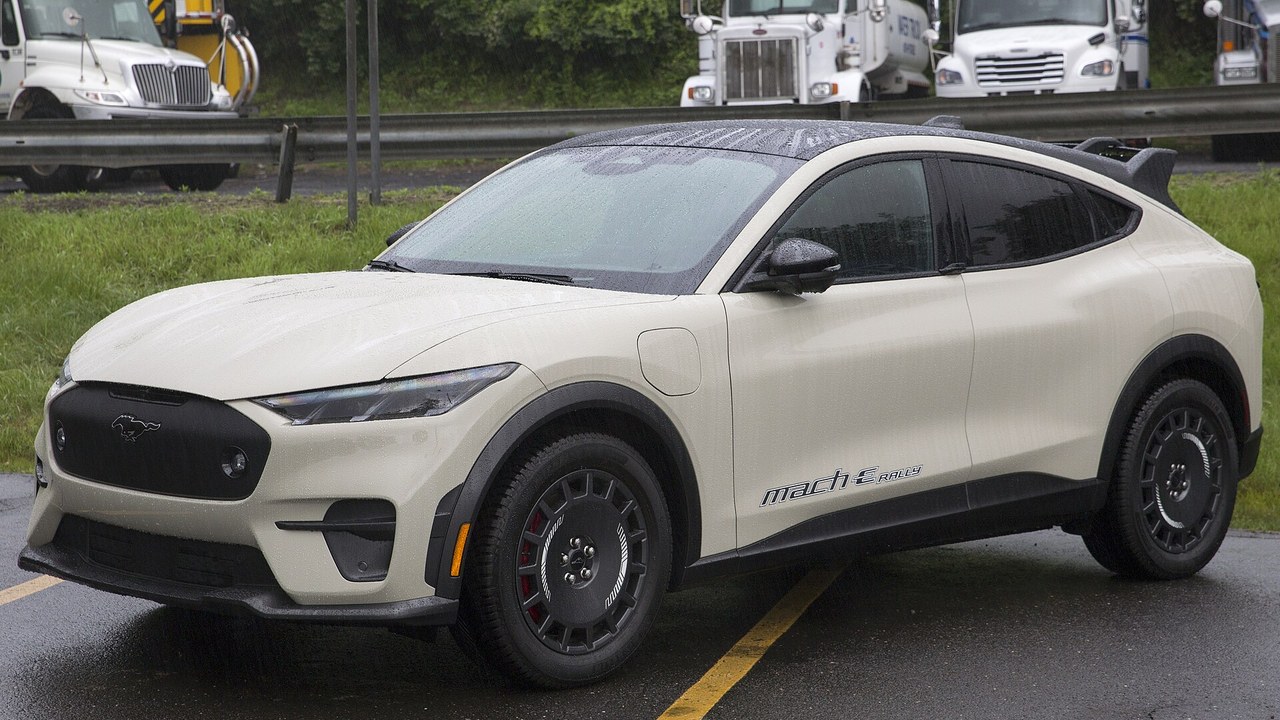
The Mach-E earned a Poor rating in IIHS’s first round of partial-automation safeguard tests, as noted in this fleet-industry report. The score reflects how the car handles an inattentive driver rather than how well it holds a lane.
Shoppers drawn to an electric crossover with hands-free-style assistance should read the rating as a warning about monitoring. The marketing name of a feature says little about how it reacts when eyes leave the road. The ratings covered how systems respond to lapses in attention, so the grade speaks to safeguards rather than to crash protection.
6. Genesis G90: Luxury Flagship, Poor Grade
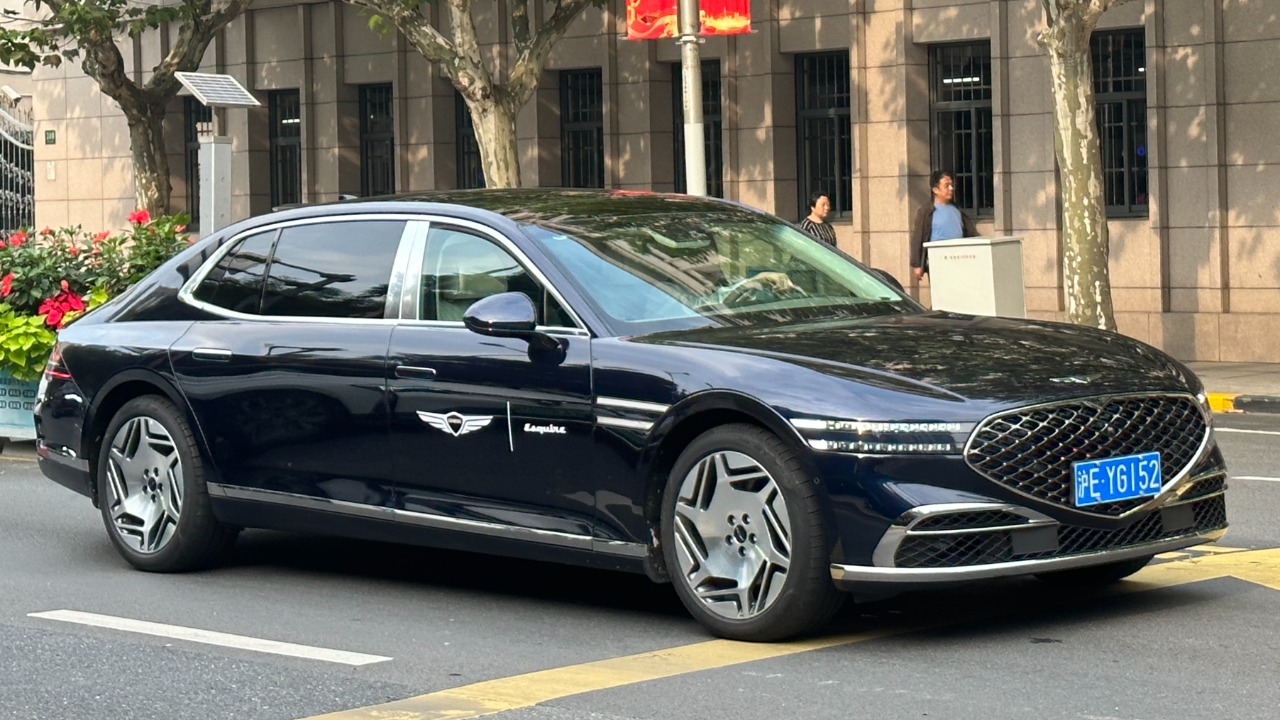
The G90 earned a Poor rating, joining the Mach-E, C-Class, Model 3 and S90 in IIHS’s first safeguard ratings, per a trade-press summary. Price and flagship status did not translate into better protection against inattention.
Buyers at the top of the market often assume the newest assistance suite is also the most careful. This result shows that expectation can fail, and that a rating is worth checking before relying on a system. The result is a reminder that IIHS grades the safeguards themselves, not the badge, the price or the general level of equipment.
7. Nissan Ariya: Two Systems, Two Grades
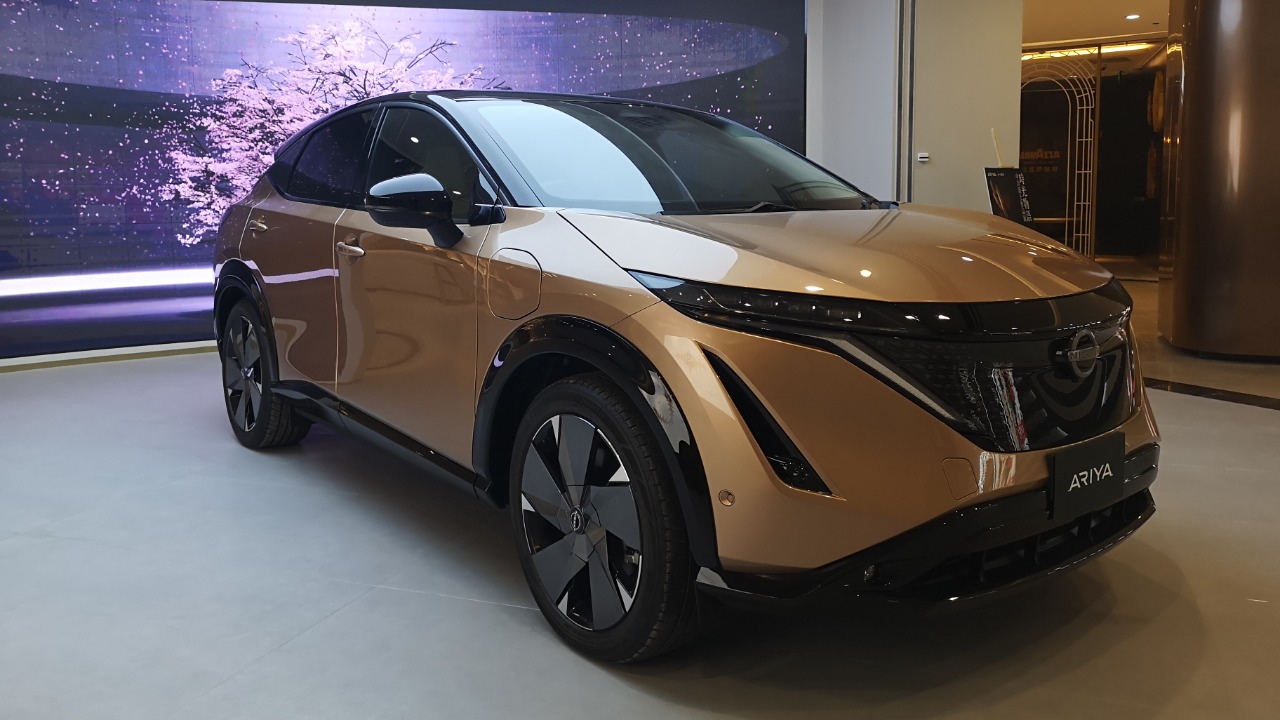
The Ariya shows how much software version matters: ProPILOT Assist with Navi-link rated Marginal, but ProPILOT Assist 2.0 rated Poor, based on IIHS’s full ratings table. Both systems came from the same carmaker and sat in the same vehicle.
Trim and package choices can decide which system an Ariya owner actually gets. Checking the exact feature name on a window sticker matters more than the model name alone. The split inside one model line makes the Ariya a clear example of why IIHS rates individual systems rather than entire vehicles.
8. BMW X1: Round Without a Good
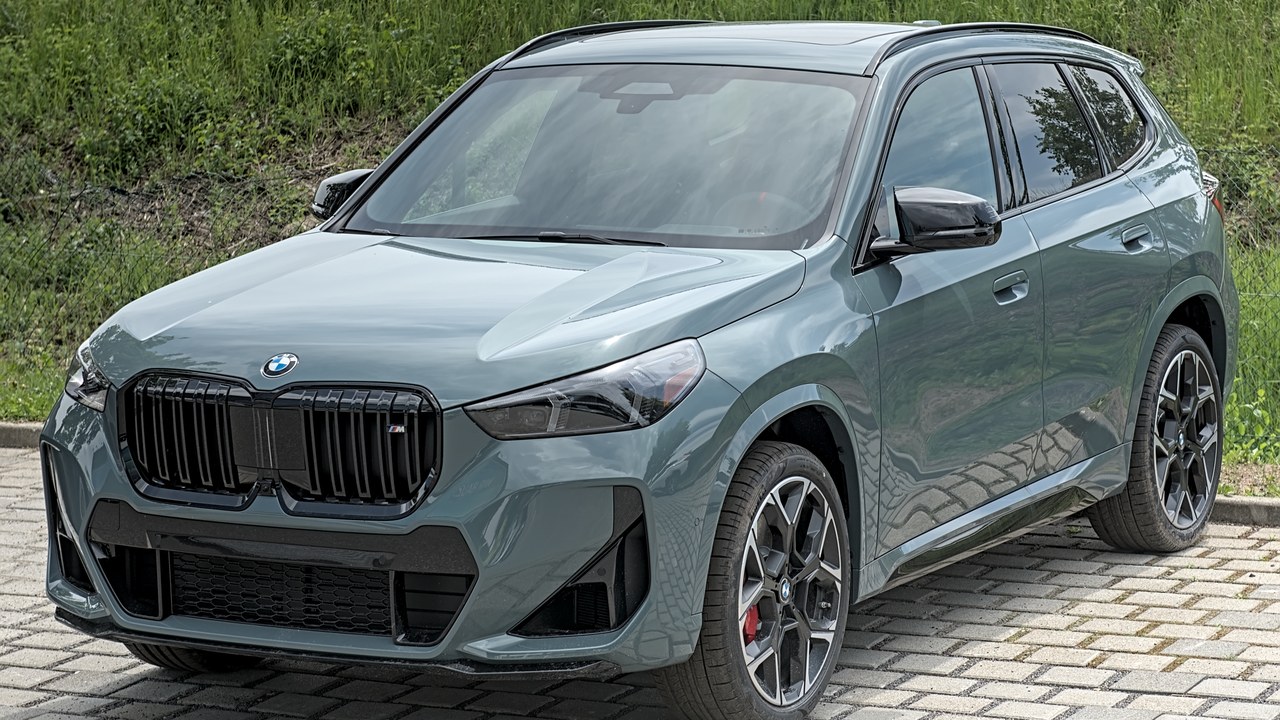
Active Driving Assistant Pro on the 2023-24 X1 rated Poor, in a round where no system was rated Good, as listed in the complete safeguard table. The X1 is the smallest and least expensive vehicle in this group.
Compact-SUV shoppers should not expect safeguards to be better or worse because of size. The result suggests that attention monitoring was uneven across the whole industry, not just in a few models. The score also stands apart from the 2023-24 model years named by IIHS, so earlier or later X1 vehicles may carry different software.
9. Tesla Model 3: Autopilot and FSD Both Poor
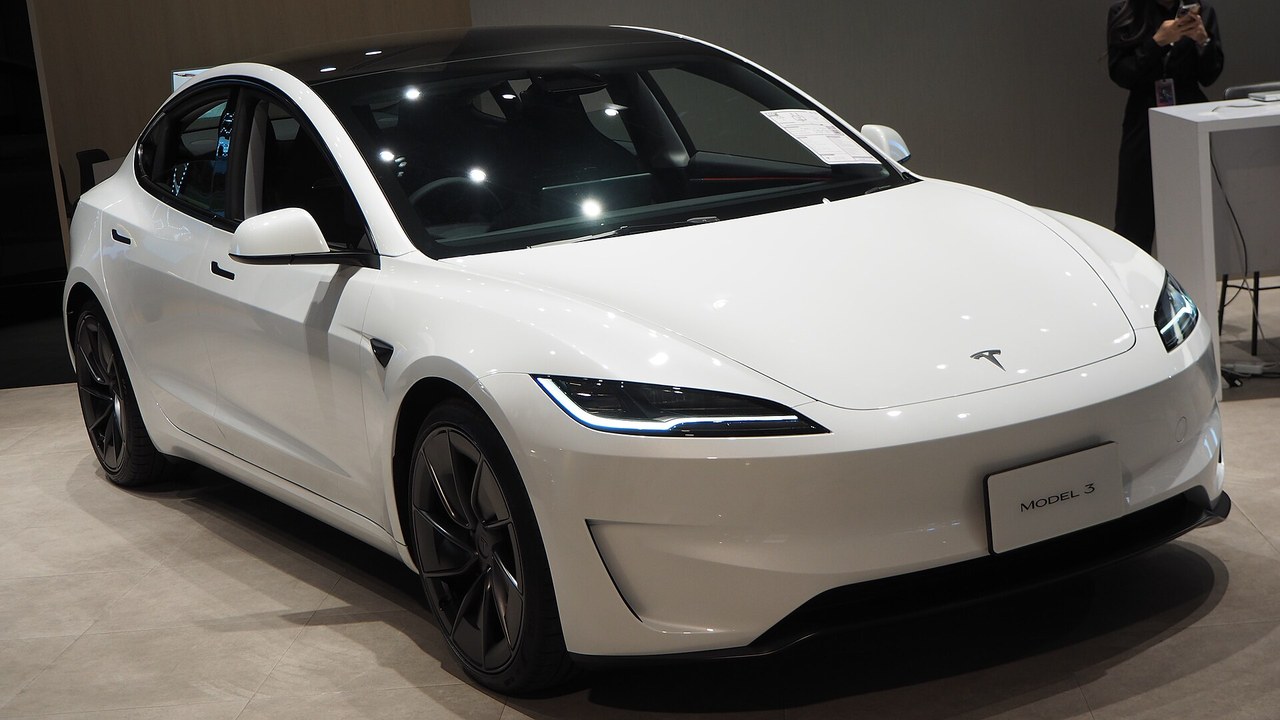
Both Autopilot and Full Self-Driving (Beta), version 2023.7.10, rated Poor, according to the IIHS table. The two Tesla systems were tested separately, and neither cleared the bar for keeping a driver engaged.
The name Full Self-Driving does not mean the car drives itself; the driver stays responsible at all times. Owners should treat both systems as hands-on aids and keep attention on the road. The version number matters too, because software updates can change how a system behaves after the tested release. That caveat applies equally to both systems tested.
More from Morning Overview
- Lake Powell sank to a record 3,517 feet, nearing the level that stops Glen Canyon Dam’s turbines
- Seven of Earth’s nine planetary boundaries are breached, and all seven are worsening
- The NSA says three phone features should be off whenever you aren’t using them
- Hurricane Hunter radar shows four warning signs that a tropical cyclone is about to strengthen, a University of Miami study found
