
Diesel engines built a loyal following in SUVs by trading a little horsepower for real gains in range and towing confidence. Automakers offered them everywhere from budget-friendly family haulers to full-blown luxury flagships, chasing buyers who valued fuel economy over quick acceleration. Tightening emissions rules and cooling demand have since pushed most of these nine SUVs toward gasoline and hybrid engines instead.
1. Chevrolet Tahoe: Diesel Duramax Six
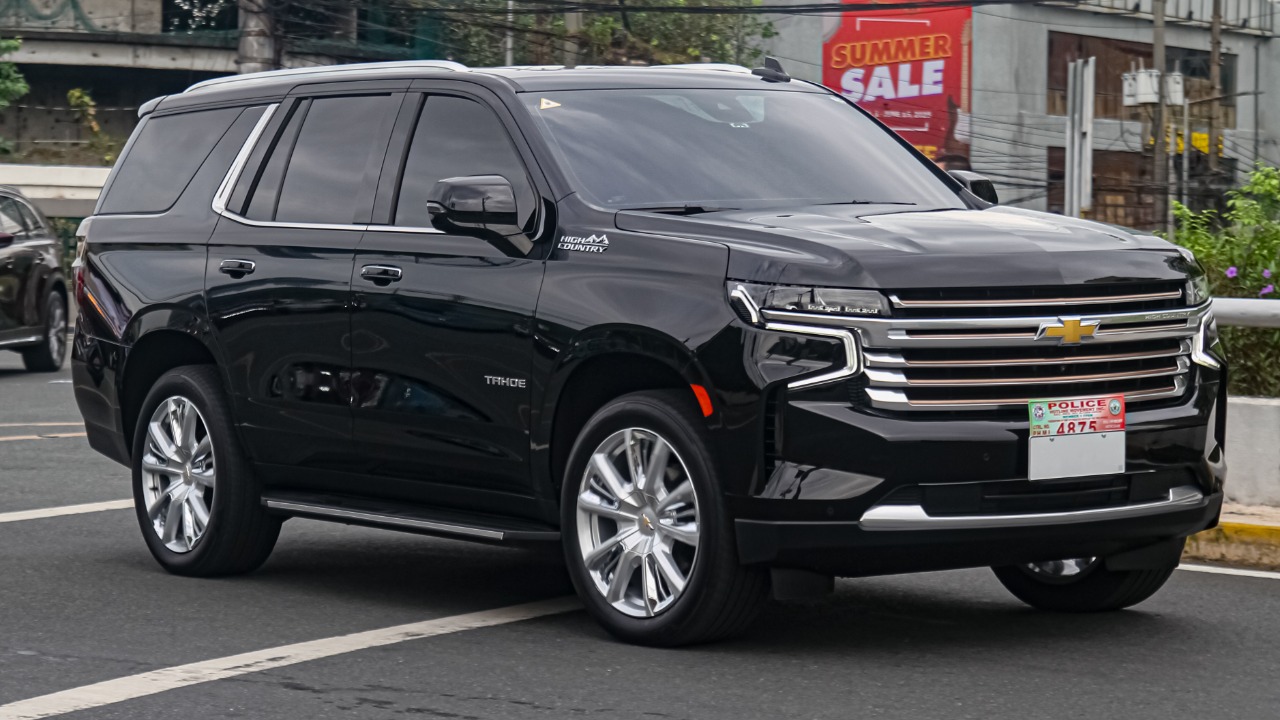
General Motors added a 3.0-liter Duramax inline-six to the full-size Tahoe for the 2021 model year, a diesel built to stretch highway range on a truck-based SUV that otherwise burned fuel quickly under its standard gas V8.
The diesel Tahoe towed and hauled like the rest of the lineup, but its real appeal was covering long interstate stretches on far fewer fill-ups, a trait road-trip and tow-heavy owners noticed almost immediately. GM eventually dropped the option as diesel take rates stayed low next to the base V8 and turbocharged gas engines that closed much of the efficiency gap.
2. GMC Yukon: Frugal Inline-Six
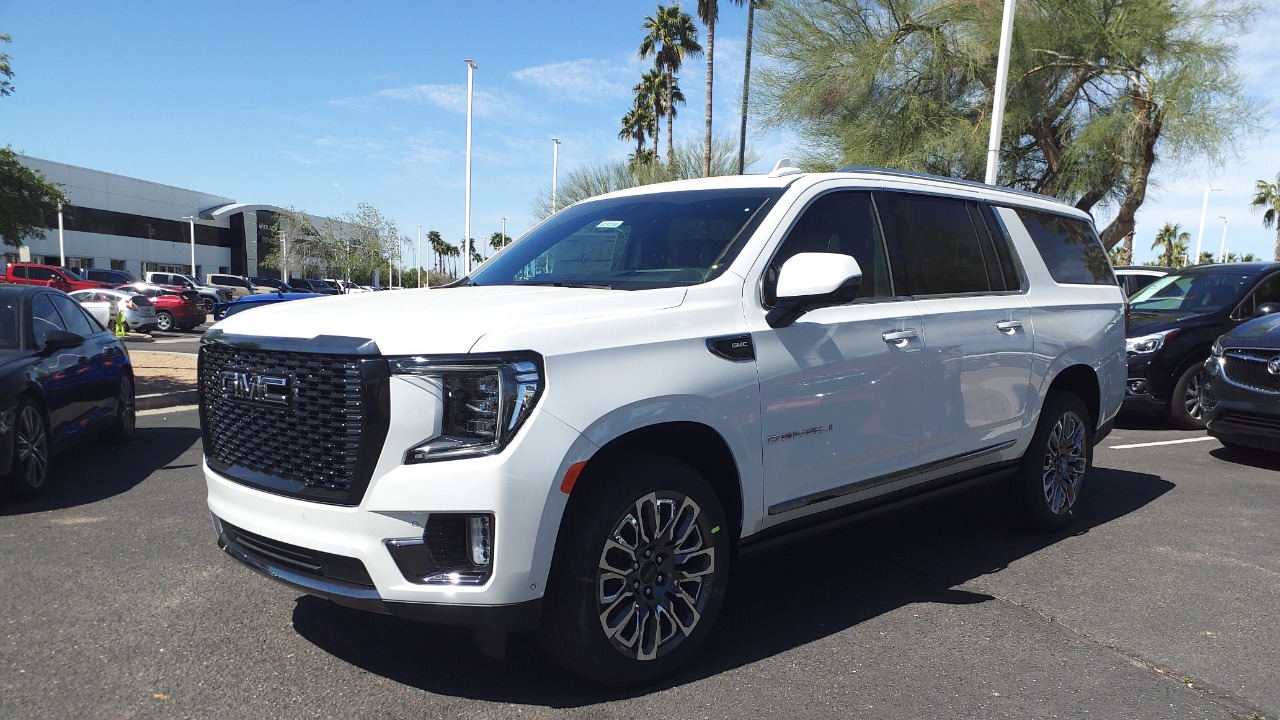
The GMC Yukon borrowed the same 3.0-liter Duramax six-cylinder as its Chevrolet sibling, giving Denali-trim buyers a diesel that could tow a trailer and still return notably better fuel economy than the standard 5.3-liter V8.
Yukon shoppers who covered serious highway miles for work or long family trips gravitated toward it, even though GMC ultimately positioned the diesel as a niche option rather than a volume seller across the lineup. Take rates stayed modest compared with the gas V8, and GM eventually let the engine option lapse as tightening emissions rules and slow demand made it harder to justify keeping a third powertrain in production.
3. Chevrolet Suburban: Extended Range Diesel
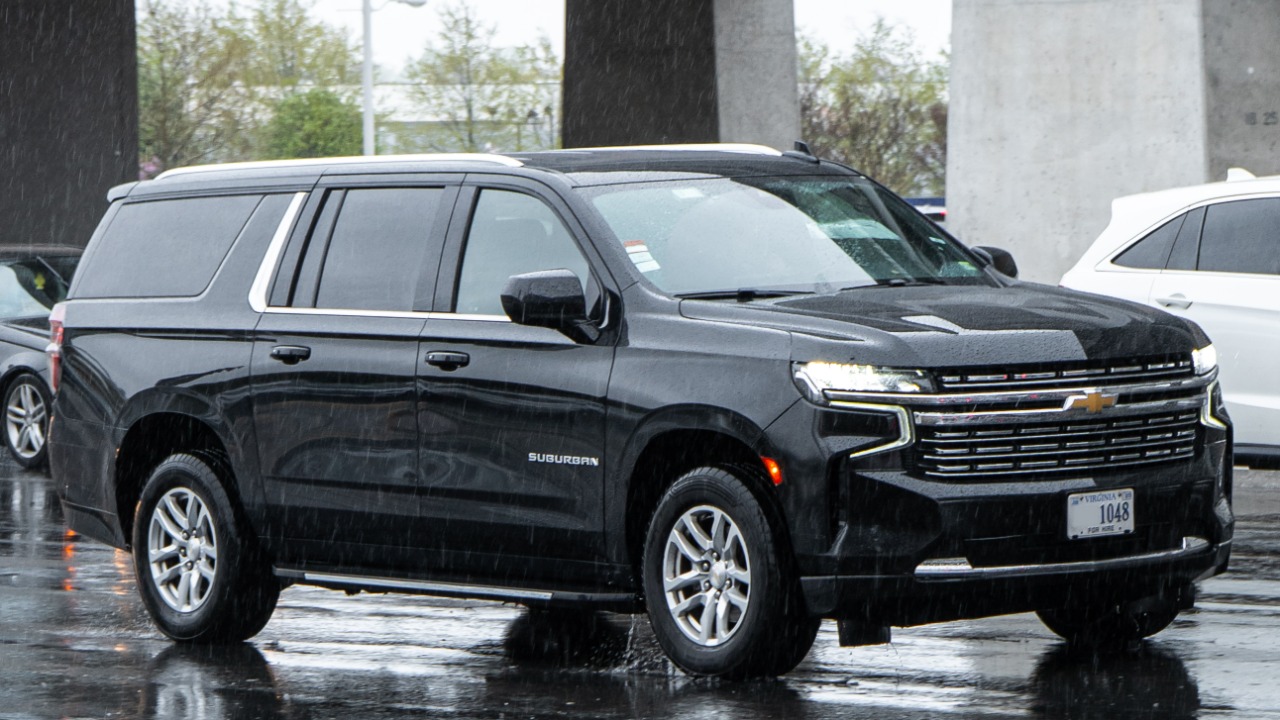
Stretching the Tahoe’s platform, the extended Suburban also offered the Duramax diesel, and its added length made the fuel savings matter even more since the gas V8 already worked harder to move the bigger body.
Owners who used the Suburban for long-distance towing or cross-country driving reported meaningfully longer stretches between fill-ups, a real advantage on a vehicle whose size otherwise pushed fuel costs higher than a typical SUV. The extra range mattered most to families and fleet buyers logging serious annual mileage, even though the diesel added cost upfront and never became the Suburban’s best-selling engine choice.
4. Cadillac Escalade: Luxury Flagship Diesel
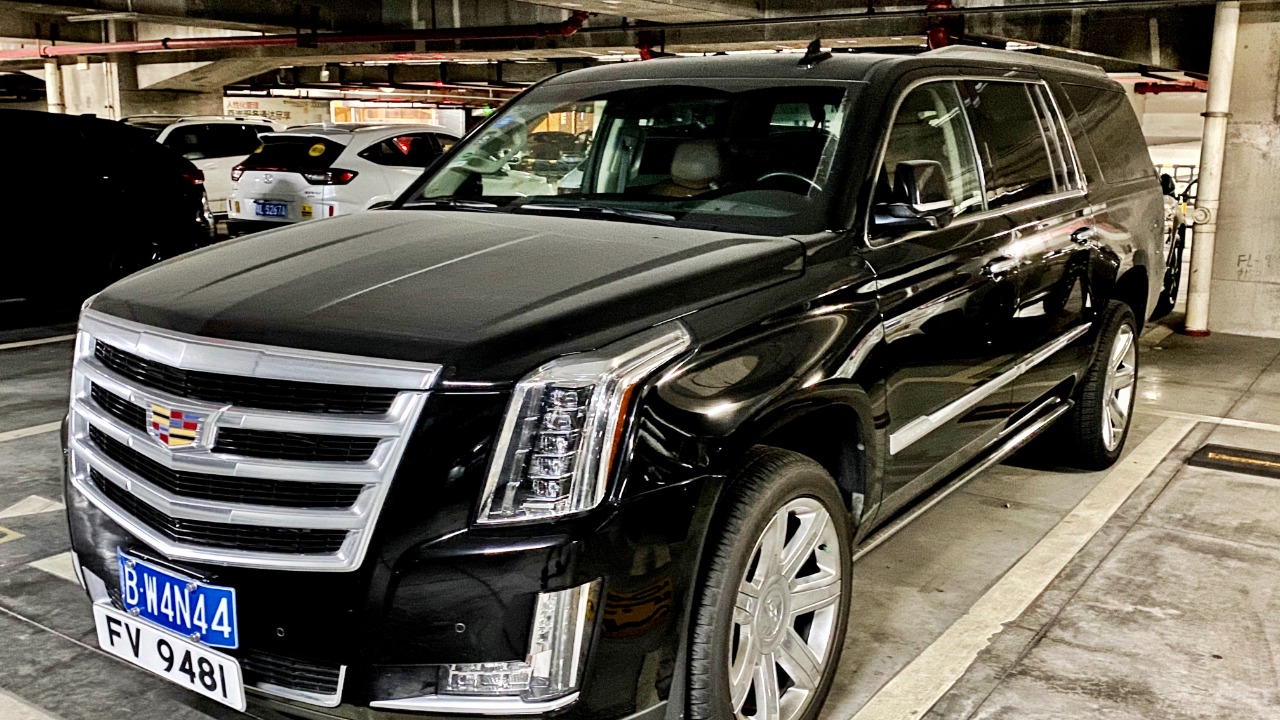
Cadillac extended the diesel option to its flagship Escalade, proving GM was willing to put the Duramax six even in its most luxurious, highest-trim SUV rather than reserving it for work-focused models.
The diesel Escalade let buyers keep the brand’s full leather-and-tech package while trading some V8 soundtrack for a meaningful bump in range, a trade-off that appealed most to owners who drove long distances often. It remained a small slice of Escalade sales overall, since most buyers in the segment prioritized the V8’s power and sound over incremental fuel savings on a vehicle rarely driven to its efficiency limits.
5. Jeep Wrangler: EcoDiesel Torque
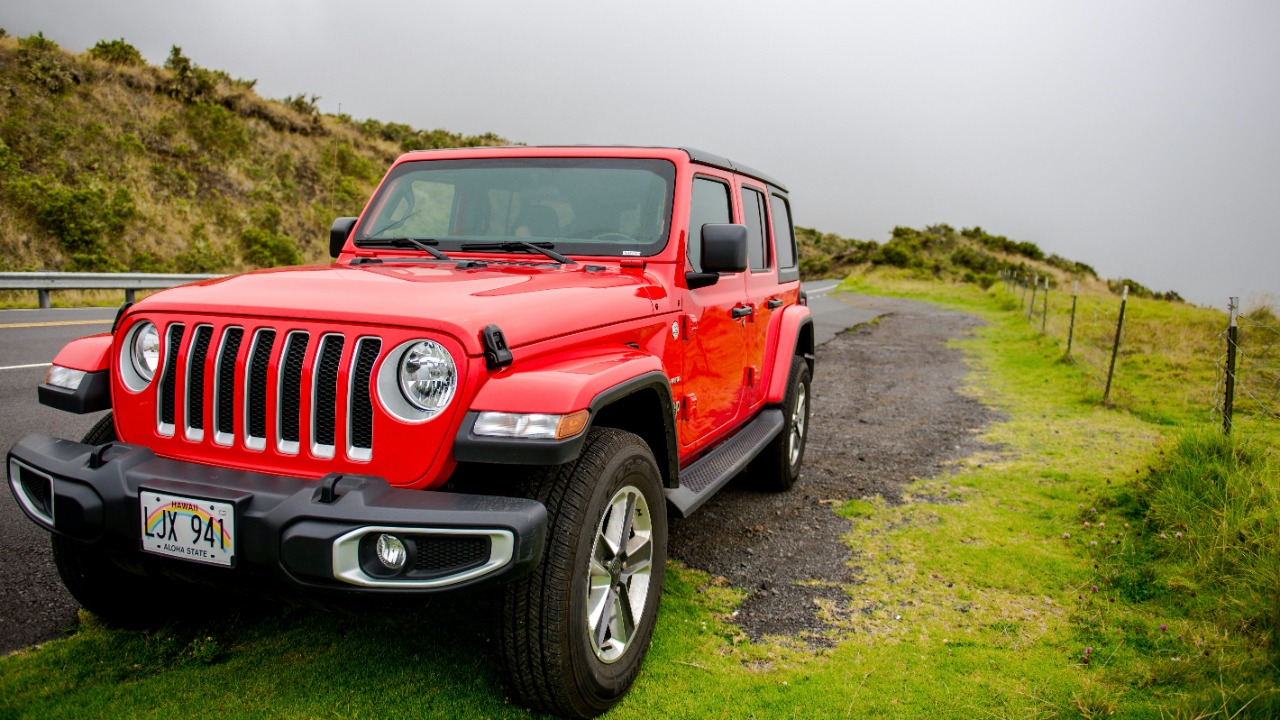
Jeep’s EcoDiesel-equipped Wrangler paired a 3.0-liter V6 diesel with extra low-end torque, a trait that mattered directly for off-roading, towing, and crawling over terrain where instant pulling power beats outright horsepower.
The diesel Wrangler also stretched highway range well past the gas V6, which mattered on remote trail trips where the next fuel stop could be a long, uncertain drive away from pavement. Its extra torque made towing a small trailer or crawling up steep grades noticeably less strained, and Jeep marketed it directly at overlanders who valued range and pulling power over outright speed.
6. Jeep Grand Cherokee: Refined EcoDiesel V6
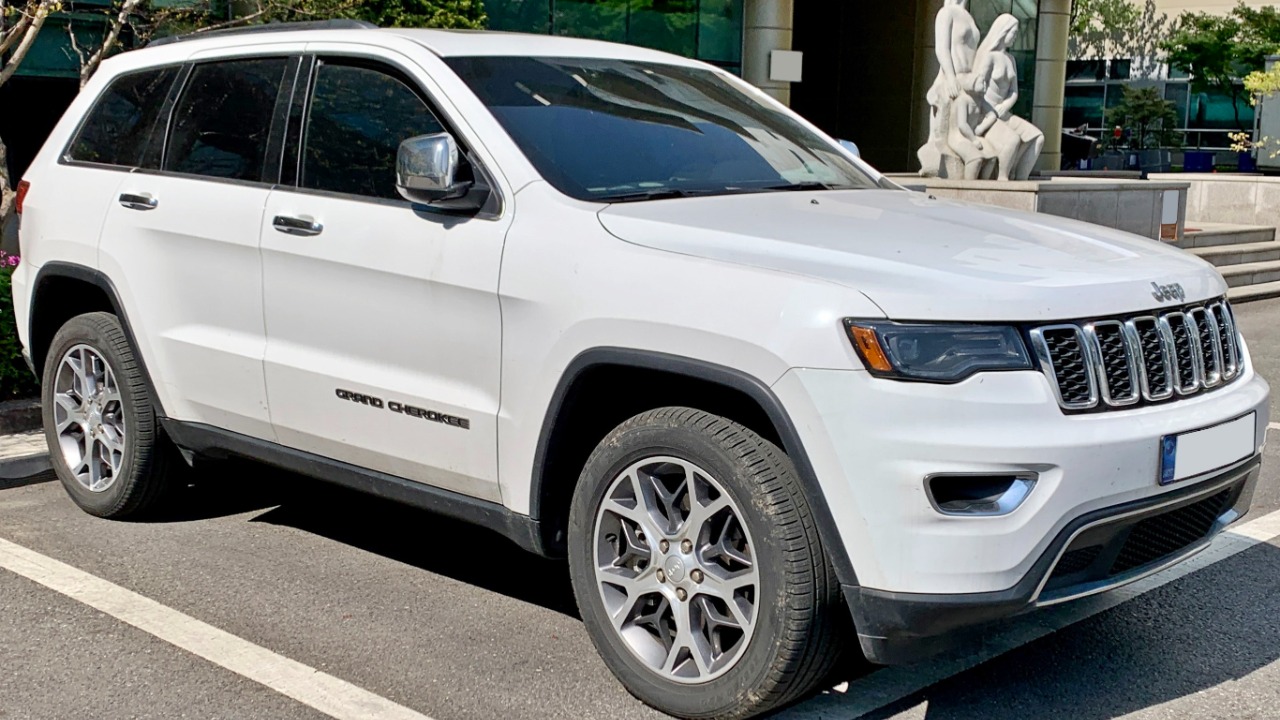
The Grand Cherokee’s EcoDiesel V6 earned a reputation among owners for strong torque and genuinely competitive highway fuel economy, closing much of the mileage gap that normally separates a midsize SUV from a sedan.
Reviewers regularly singled it out as one of the more refined diesel options in its class, smooth enough for daily driving while still delivering the low-end pull that towing owners specifically wanted from it. Even so, the EcoDiesel eventually stepped aside as Jeep leaned on updated gasoline engines and hybrid technology to meet tightening fuel economy and emissions targets across the lineup.
7. Land Rover Range Rover: Global Diesel Default
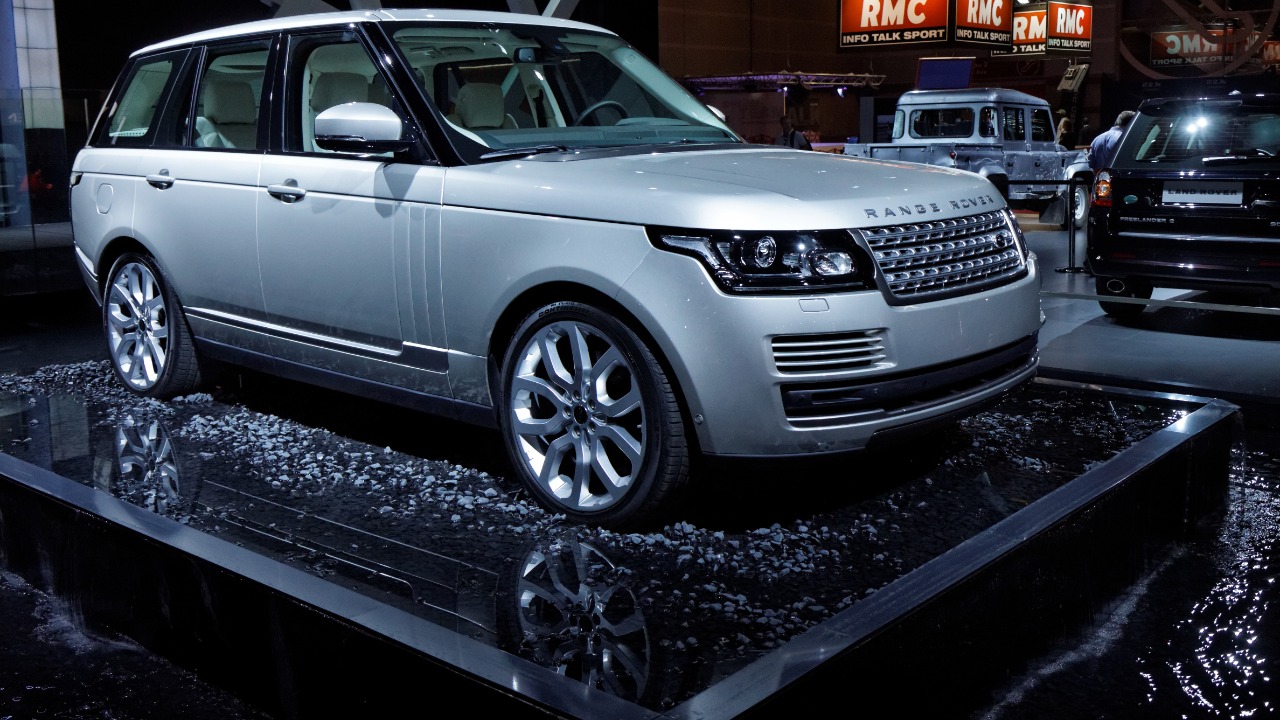
Land Rover sold diesel Range Rover variants across many international markets, where diesel fuel pricing and efficiency rules made the engine the practical default for buyers rather than a niche choice.
American Range Rover diesels arrived later and in smaller numbers, but they gave luxury SUV buyers here a rare chance to combine off-road capability with fuel economy figures gas V8 models could not match. Regulatory scrutiny of diesel engines eventually pushed Land Rover toward gasoline and plug-in hybrid options instead, ending the diesel’s run in the U.S. lineup after a relatively short stretch.
8. BMW X5: Refined Diesel Six
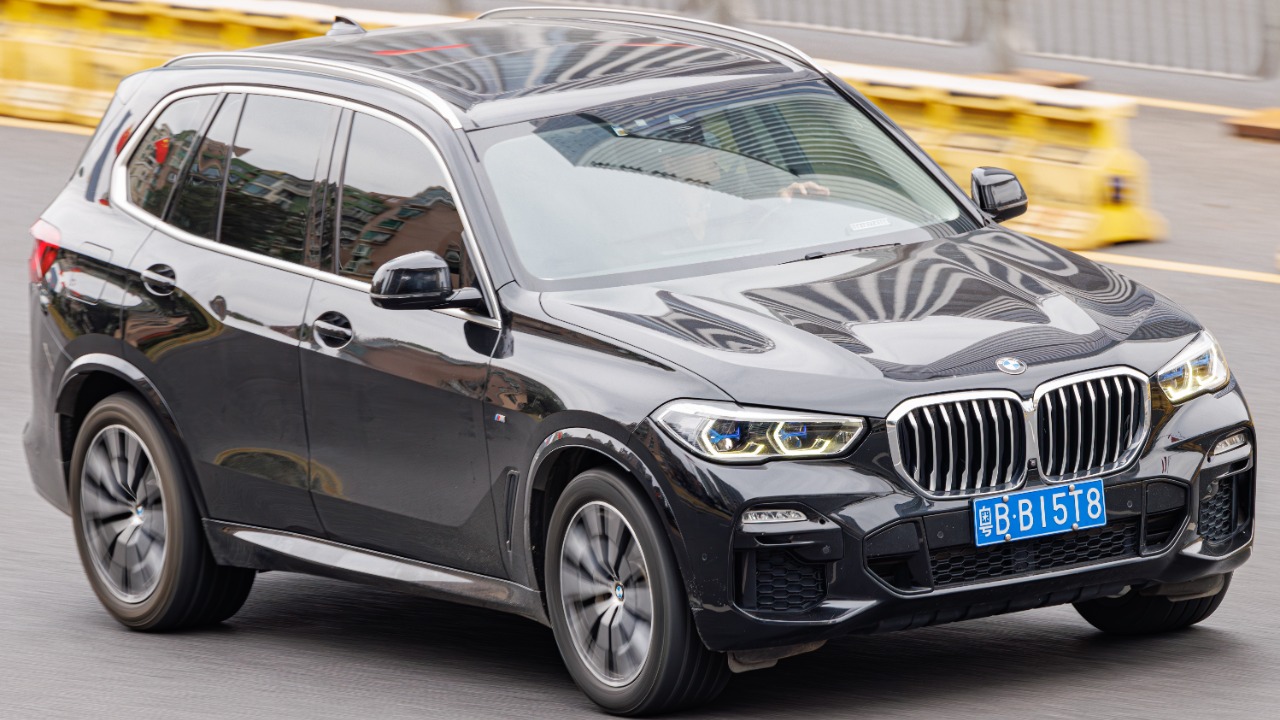
BMW’s diesel X5 combined a smooth inline-six with strong torque delivery, giving drivers brisk real-world acceleration alongside highway mileage figures that undercut the equivalent gasoline six-cylinder by a clear margin.
Enthusiast reviewers praised how quiet and refined the diesel felt for daily driving, a contrast to older, clattery diesel stereotypes, which helped it earn a loyal following among long-distance commuters. BMW eventually pulled diesel X5 variants from the U.S. market as tightening emissions rules and softening demand made the engine harder to justify next to efficient turbocharged gasoline options.
9. Mercedes-Benz GLE: Highway Mileage Leader
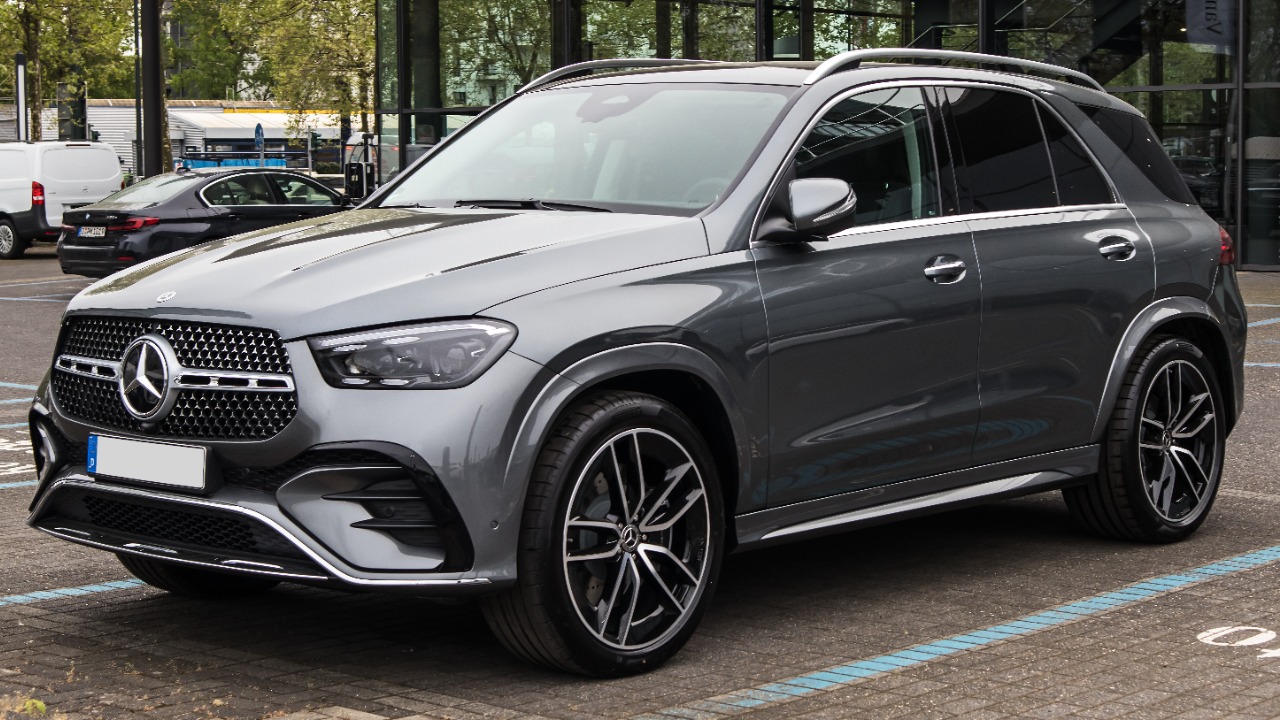
Mercedes-Benz built diesel versions of the GLE that delivered some of the best highway fuel economy in the segment, a selling point for owners who regularly drove long distances between cities.
The GLE diesel’s efficiency advantage narrowed as later gasoline and hybrid options improved, but it still stands as one of the more fuel-conscious three-row luxury SUVs offered during the diesel era. Mercedes-Benz eventually scaled back diesel offerings in the U.S. following industry-wide scrutiny of diesel emissions, shifting its efficiency push toward hybrid and electric SUVs instead.
More from Morning Overview
