
Most connected gadgets earn their place by removing small frictions, and the trade is a steady trickle of data about what happens inside a house. Manufacturers disclose much of it in privacy documentation, and the controls are usually buried a few screens deep in an app. Here are nine common household devices that quietly build a record of ordinary domestic life.
1. Amazon Echo: The Wake-Word Buffer
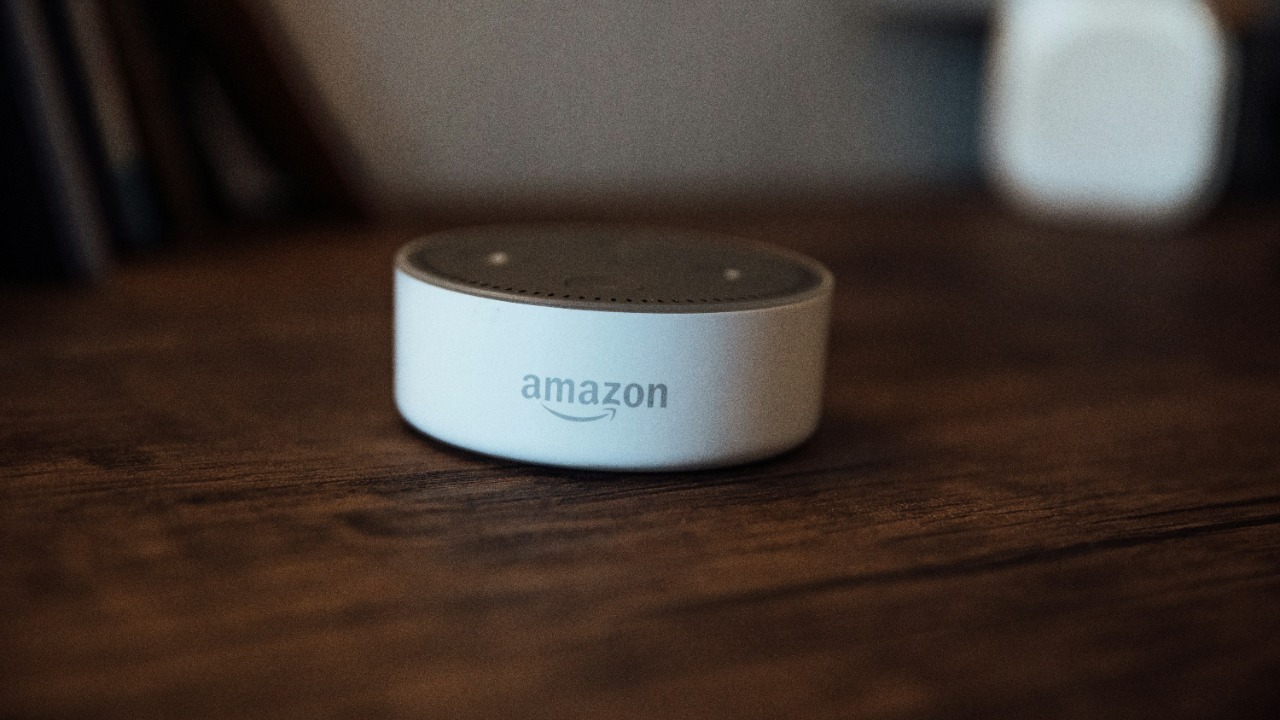
An Echo speaker holds its microphones open only far enough to catch a wake word, buffering a few seconds of sound locally and discarding the rest. Once the trigger is recognized, the request is streamed to Amazon servers for processing, which is how the Echo product line answers questions at all. Misfires are part of the design: a phrase that merely rhymes with the wake word can start an unintended recording.
Every captured clip lands in a voice history that can be played back and deleted from the Alexa app, and settings allow recordings to be erased automatically or never saved. A hardware mute button cuts power to the microphone array rather than relying on software.
2. Google Nest: One Account, Every Room
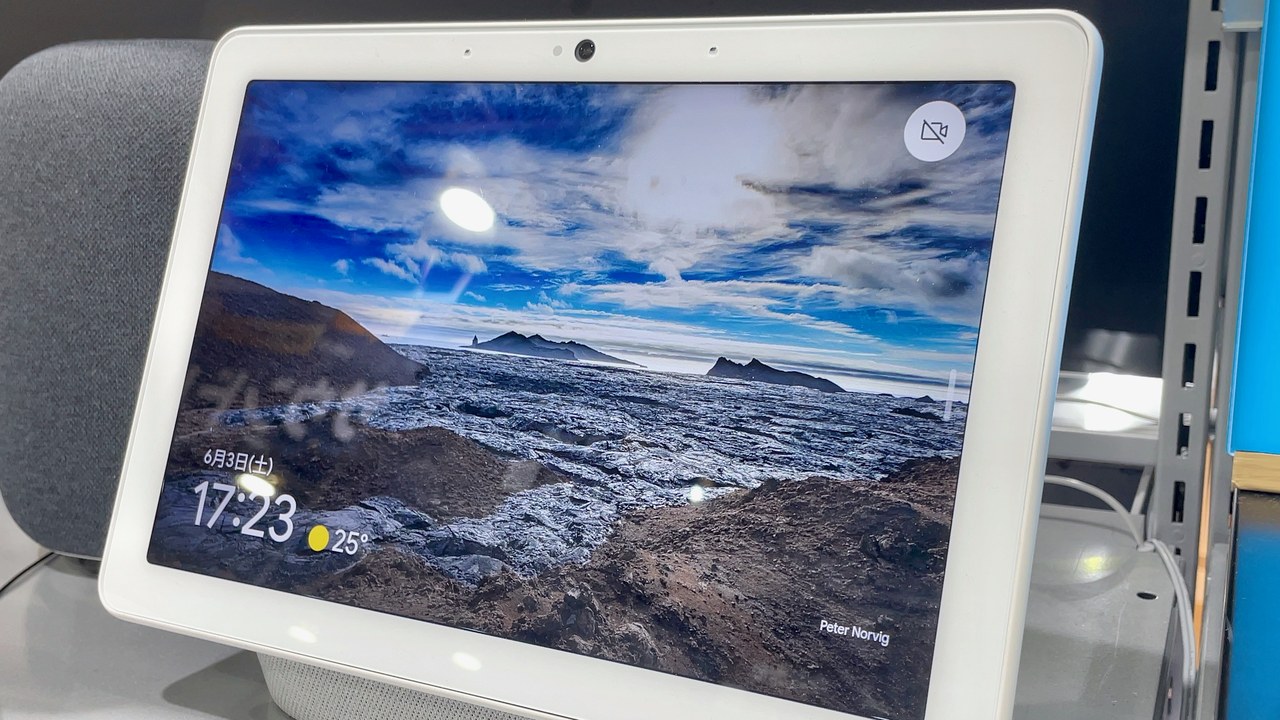
Nest is not one product but a family of speakers, displays, cameras, thermostats and doorbells reporting into a single Google account, so activity in separate rooms is stitched into one timeline. Google publishes a per-device data disclosure for its Nest hardware line, listing what each model senses and what leaves the house.
What makes the ecosystem useful is exactly what makes it revealing: a thermostat’s occupancy reading, a doorbell’s arrival and a speaker’s morning alarm describe a household’s rhythm more precisely than any one gadget could. Home and activity history can be reviewed and cleared in the Google Home app, and sensing features can be switched off device by device.
3. Ring video doorbell: A Timestamped Log Of Arrivals
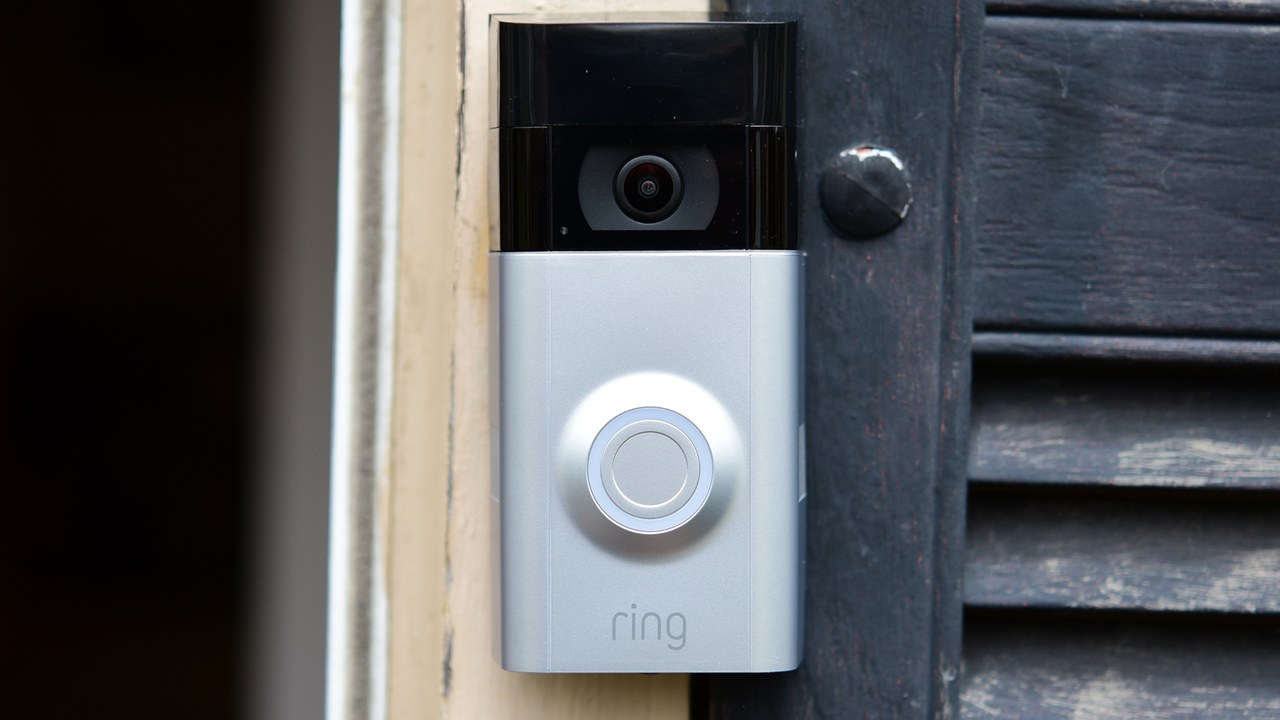
A Ring doorbell does not roll tape around the clock. It wakes on motion or a button press, records a short clip and uploads it, so what accumulates is a timestamped log of arrivals: deliveries, visitors and household members heading out. Because Ring’s connected doorbells sit at the threshold, the view usually takes in a sidewalk or shared hallway too.
Clip storage sits behind a subscription, which means footage is retained on remote servers rather than on the unit itself, and end-to-end encryption is offered as an option rather than the default. Motion zones can be narrowed to exclude public ground and audio capture switched off, shrinking how much of a street the camera documents.
4. Roomba: A Floor Plan Of The House
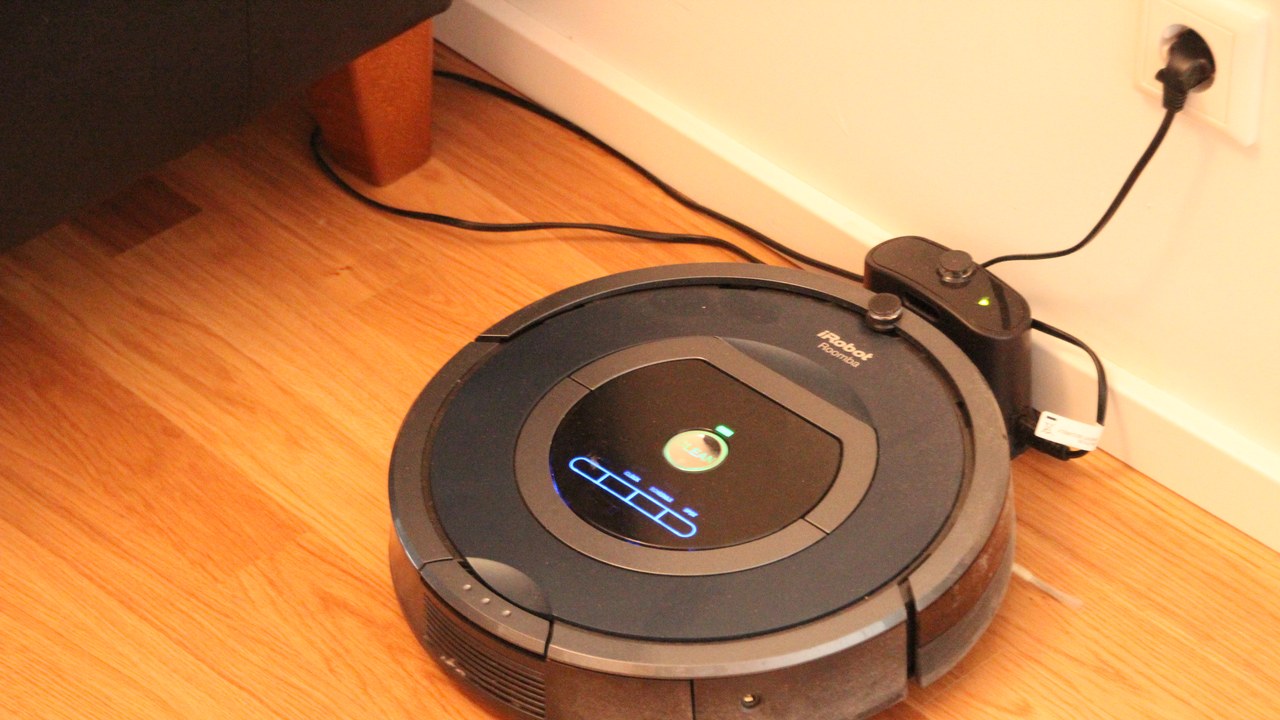
Higher-end Roomba models navigate by building a persistent floor plan instead of bouncing off furniture at random, using cameras or laser sensors to recognize rooms and remember where the sofa sits. That map is what makes an instruction like “clean the kitchen” workable on iRobot’s cleaning robots, and it is stored in the companion app so it survives between runs.
A floor plan is unusually descriptive: square footage, room count, furniture layout and which spaces see enough traffic to need cleaning. iRobot has said mapping data runs the service and is shared with outside parties only with permission, and saved maps can be deleted from the app. Older models without smart mapping sidestep the question entirely.
5. Fitbit: Skin Contact, All Day
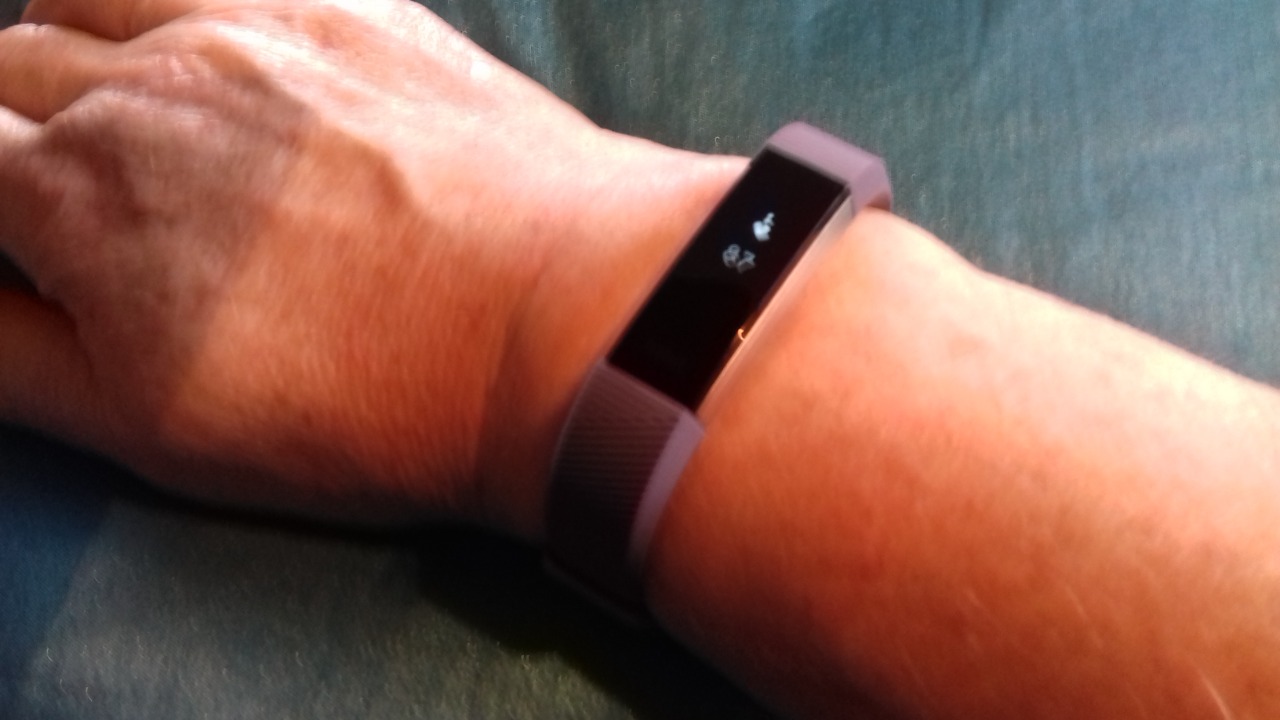
A wrist tracker is the one device here that stays against skin around the clock, sampling heart rate optically at intervals and inferring sleep stages overnight from movement and pulse patterns. Fitbit’s activity trackers sync that record to a cloud account, where months of resting heart rate, bedtimes and step counts sit as a continuous series rather than a snapshot.
Data of that shape describes working hours, travel, illness and stress, because a routine is legible from timestamps alone. Fitbit accounts are administered by Google, which publishes handling terms and provides export and deletion tools. Switching off automatic syncing keeps the record on the wrist, at the cost of most of the product’s usefulness.
6. Apple AirTag: A Borrowed Network Of Phones
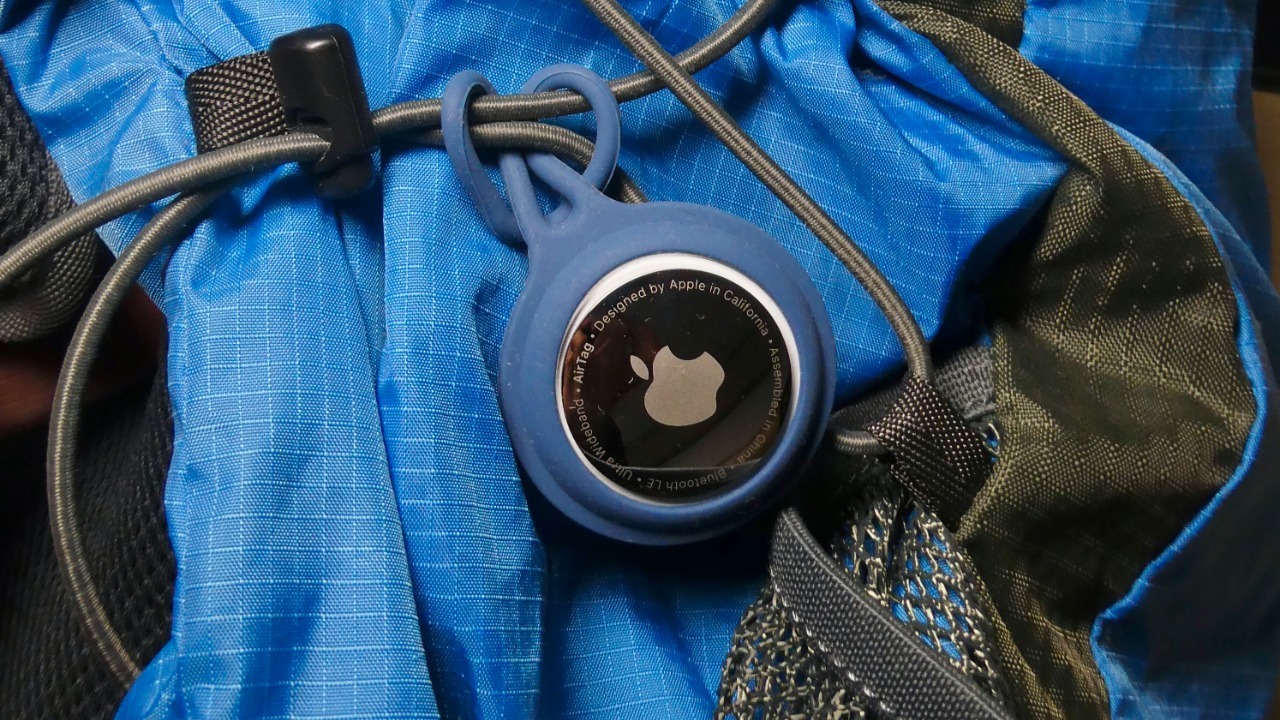
An AirTag carries no location hardware of its own. It emits a Bluetooth signal that passing Apple devices relay anonymously, so a coin-sized disc inherits the reach of an enormous base of phones. That relay is why Apple’s item trackers can locate a bag in a distant airport, and equally why a tag slipped into a coat pocket keeps reporting its position.
Apple built countermeasures into the platform: an unknown tag traveling with someone can trigger an alert on a nearby iPhone, and the tag plays a sound after a stretch away from its owner. Android gained comparable warnings later. The location data is encrypted, which protects the relaying strangers rather than the person being followed.
7. Tile tracker: Coverage Depends On Other Users
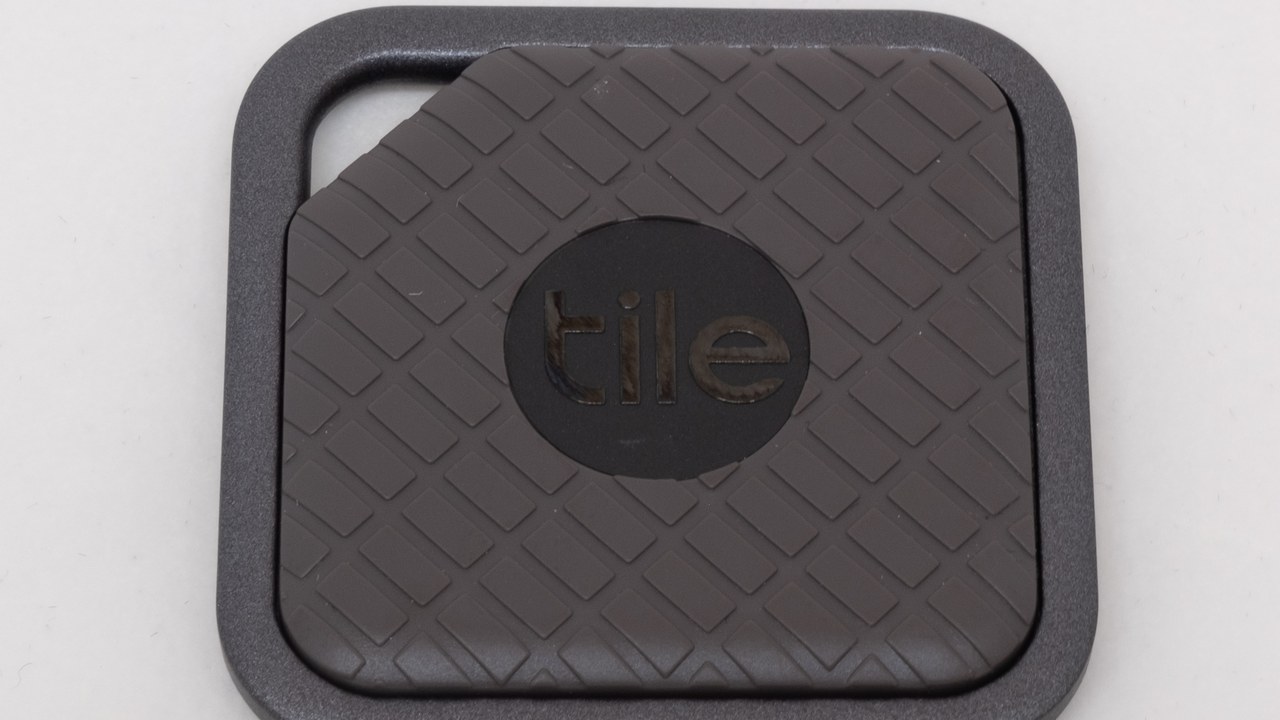
Tile runs on the same borrowed-network principle as its Apple rival, except the relay is other people running the Tile app rather than every nearby iPhone, which makes coverage dense in cities and thin in the countryside. the Tile tag lineup range from card-shaped tags for wallets to loud key fobs, and each reports a last-seen point with a time attached.
Tile belongs to Life360, a family-location company, so the pings feed a business already organized around whereabouts. The app includes a scan feature for finding unfamiliar tags nearby, though detection depends on someone choosing to run it. Paid tiers unlock a longer location history, the feature that turns a lost-keys gadget into a record of movement.
8. Nest Learning Thermostat: It Learns When The House Empties
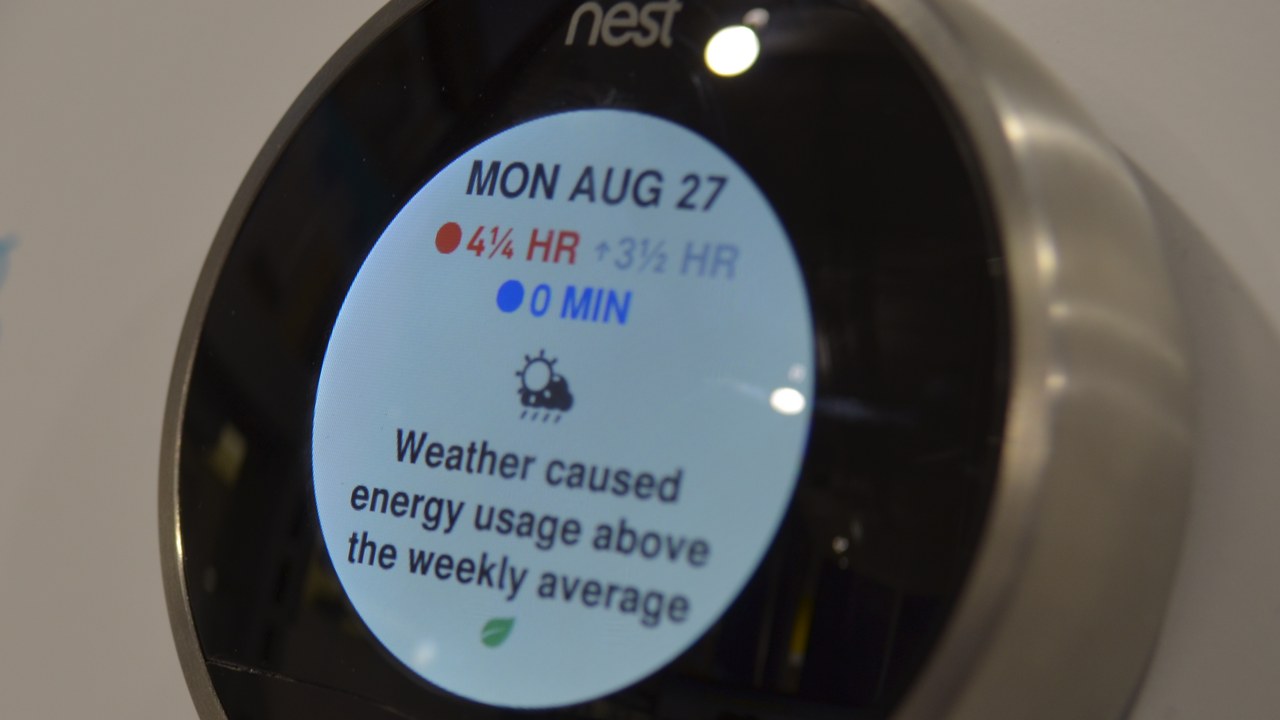
The Learning Thermostat earned its name by watching. Motion sensors on the face register anyone walking past, and after a week or two the schedule it builds reflects the actual household rather than a factory default. Nest’s learning thermostat also drops to an away setting when the rooms read as empty, a decision that requires a running judgment about occupancy.
Occupancy inference is a compact proxy for a routine: wake-up, departure, return, the week nobody was around. That history surfaces in the app as energy reports. Sensor-based away detection can be disabled in favor of a fixed schedule, and Google’s data disclosure lists what the unit collects. A thermostat with no sense of presence simply saves less.
9. Amazon Kindle: The Page-Turn Telemetry
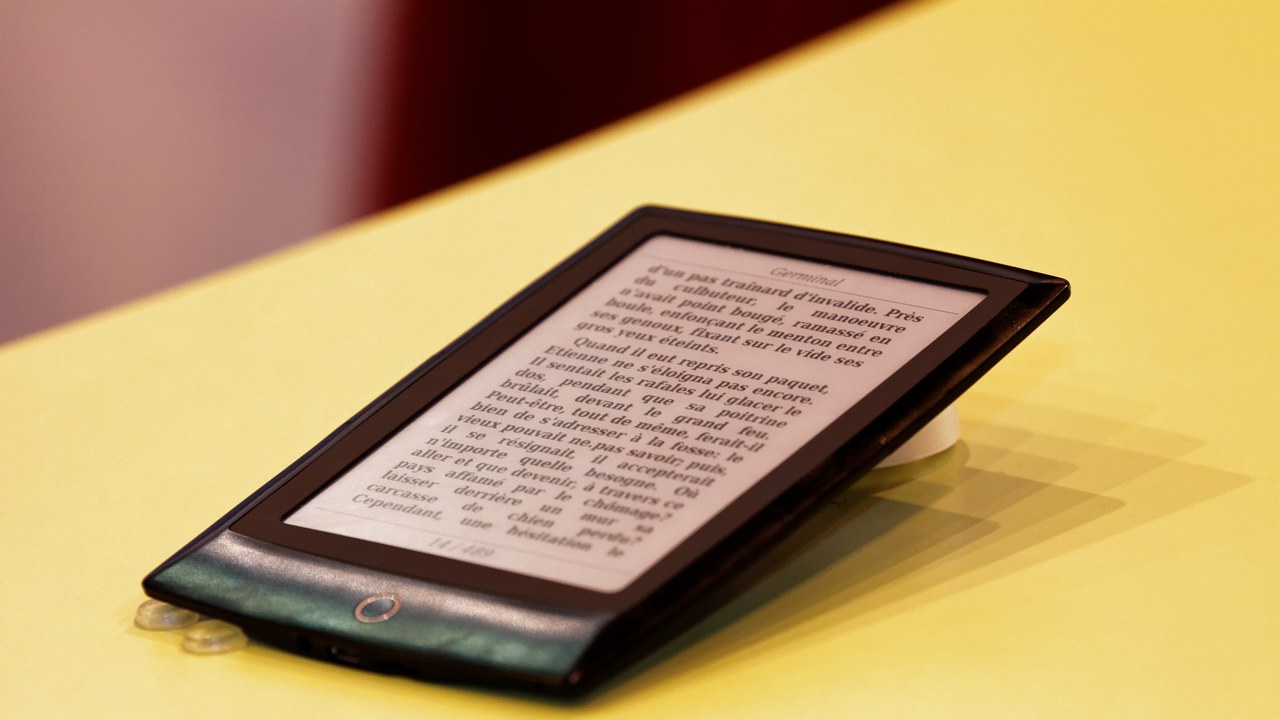
Whispersync exists so a book opened on a phone resumes where a tablet left off, and the mechanism behind it is a stream of position data returned to Amazon: furthest page reached, timestamps, highlighted passages. That is also why the Kindle reading platform can show which lines other readers underlined most often, a feature assembled from highlights across many accounts.
Reading behaviour is more revealing than it looks, since a title, a finishing pace and underlined sentences together sketch an interest profile. Amazon’s device privacy notice describes the collection, and annotations and reading progress can be removed from a device or an account. Keeping the reader offline blocks the reporting, at the cost of syncing.
More from Morning Overview
- The NSA is again telling phone owners to switch off one location setting
- A handful of car transmissions are so tough mechanics say they almost never fail
- A handful of SUVs keep hitting 300,000 miles, and they share one engine trait
- Supplements now rank as the fifth-leading cause of death from liver disease.
