
Automakers routinely retire SUVs and trucks that once had loyal fans, whether to chase softer crossovers, dodge fuel-economy pressure, or trim slow-selling niches. Some of those discontinued rigs have aged into cult favorites, their rugged, body-on-frame character now hard to replace on a modern showroom lot. Here are nine SUVs and trucks that automakers stopped building.
1. Toyota FJ Cruiser: Retro Icon That Refused To Fade
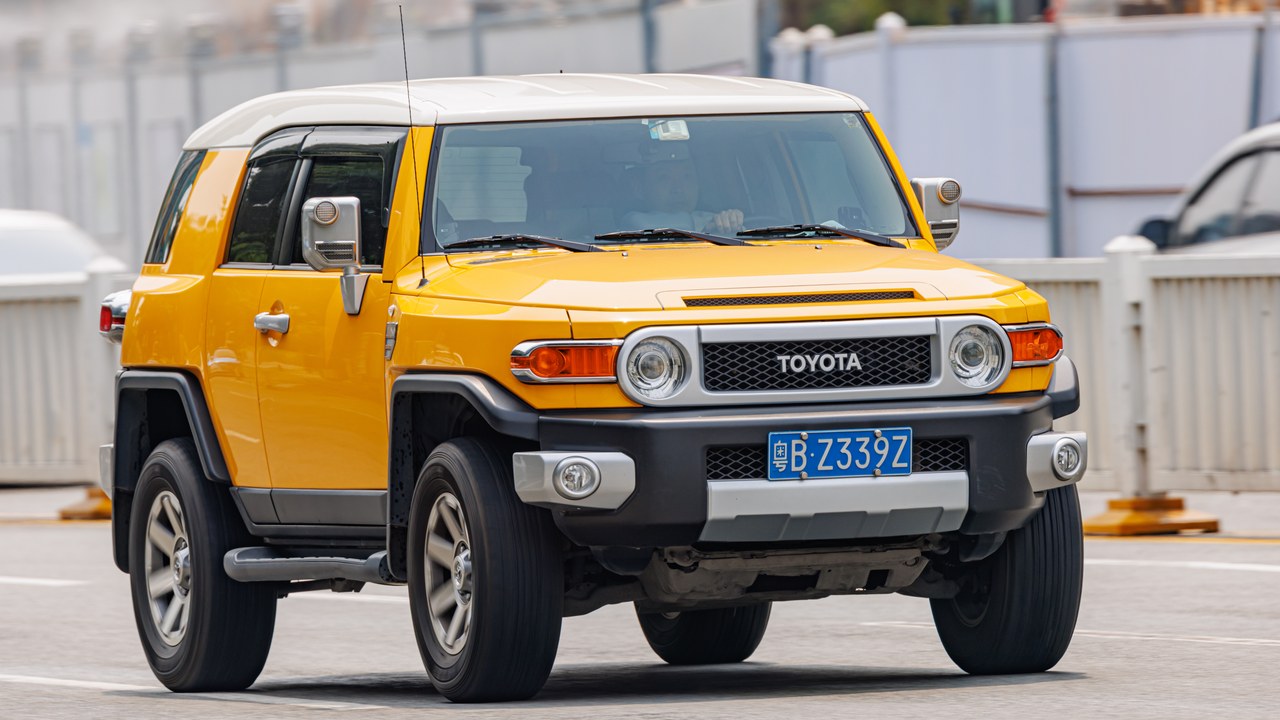
Toyota’s FJ Cruiser arrived in 2006 as a deliberate throwback to the boxy FJ40 Land Cruiser, pairing round headlamps and a white roof with genuine body-on-frame toughness. US sales ended after the 2014 model year, yet the retro hauler still commands loyal demand. An iSeeCars study of vehicles that resist depreciation has repeatedly flagged it among the slowest to lose value.
That staying power reflects limited supply and a niche of buyers who want a rugged, distinctive shape crossovers no longer offer. Clean, low-mileage examples now trade well above typical depreciation curves, rewarding owners who held on.
2. Nissan Xterra: Boxy SUV Traded For Crossovers
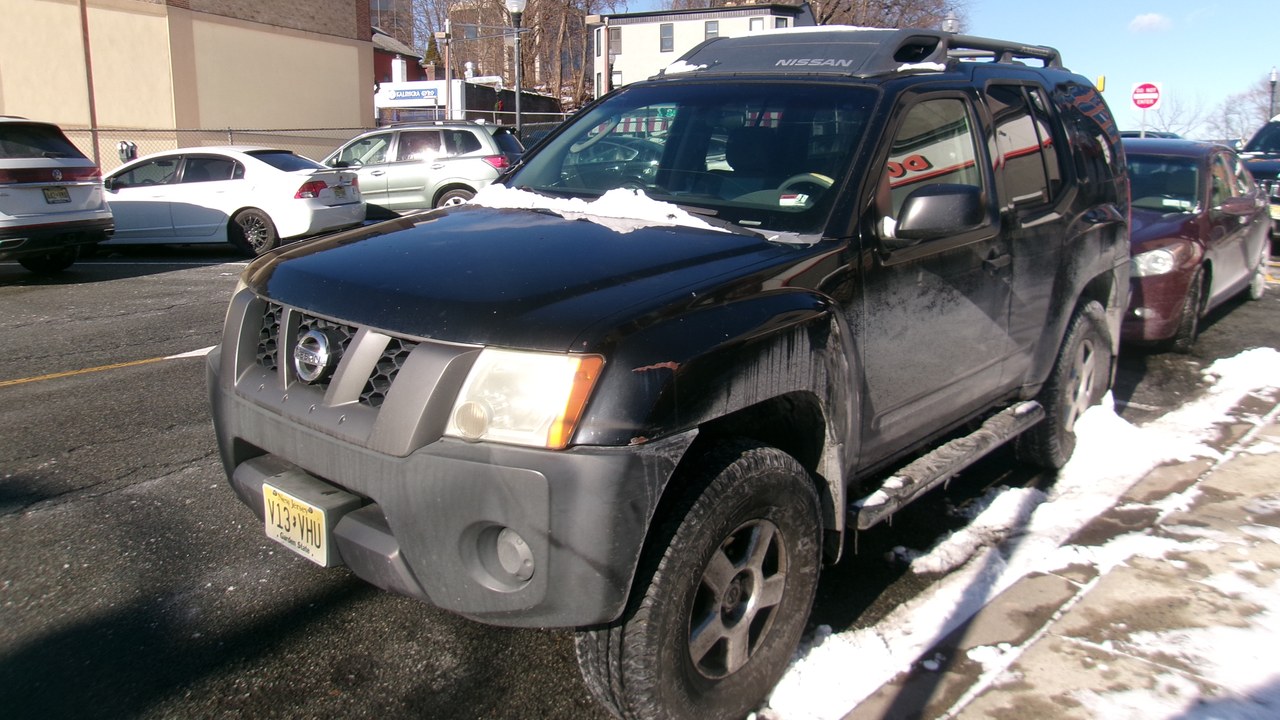
Nissan launched the Xterra in 1999 as an affordable, no-frills SUV built on the Frontier pickup platform, complete with a roof-rack basket and a stepped tailgate. The second generation soldiered on with body-on-frame ruggedness until the automaker discontinued it after the 2015 model year. Its production history traces a steady drift toward car-based crossovers.
Rather than reengineer a low-volume truck to meet tighter safety and emissions rules, Nissan poured resources into the softer, thriftier Rogue and Pathfinder. Enthusiasts still hunt used Xterras for their simplicity and trail capability, keeping resale surprisingly firm.
3. Hummer H2: Excess Axed As Fuel Prices Bit
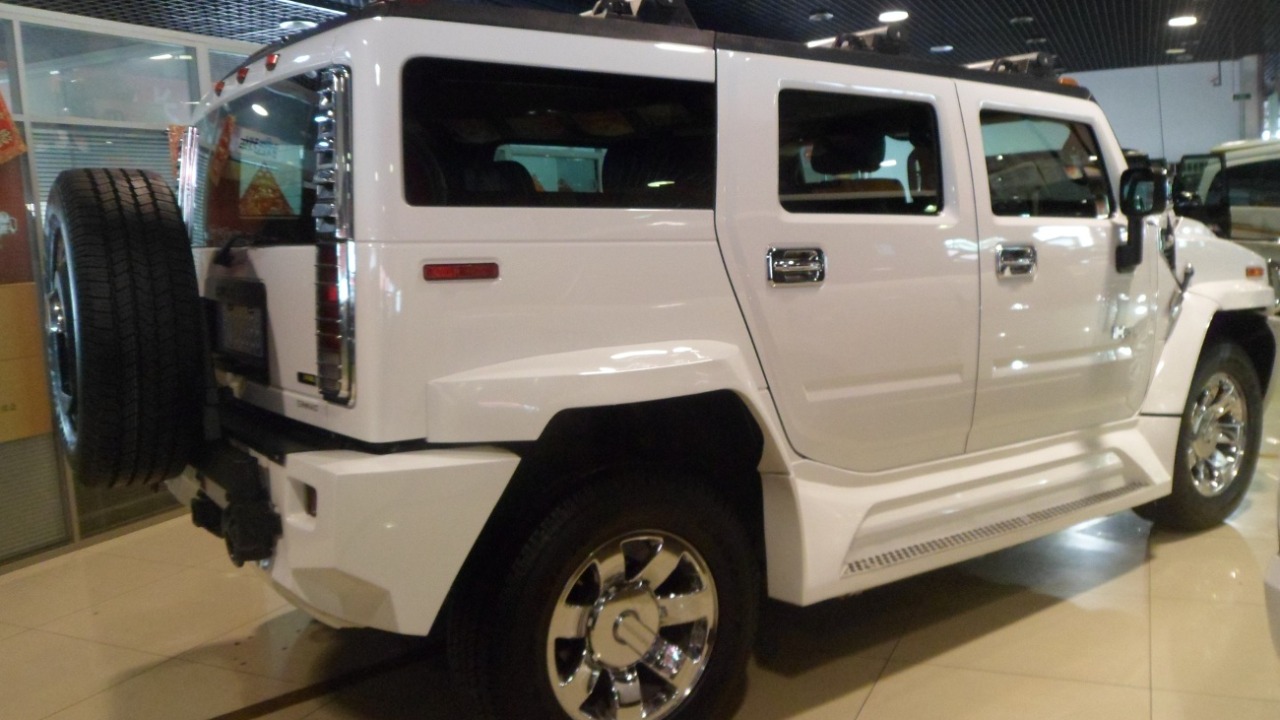
Built from 2002, the Hummer H2 shrank the military-derived look onto a Chevrolet Tahoe-based chassis, becoming cultural shorthand for excess. Its appetite for fuel turned it into a target as gas prices climbed and public attitudes shifted. General Motors halted H2 production in 2009 amid its bankruptcy and a failed effort to sell the Hummer brand.
The nameplate later returned as an electric GMC pickup, a pointed reversal of the original’s reputation. Surviving H2s remain polarizing, prized by some collectors and mocked by critics who saw them as symbols of a bygone era.
4. Chevrolet Avalanche: The Truck-SUV Hybrid GM Dropped
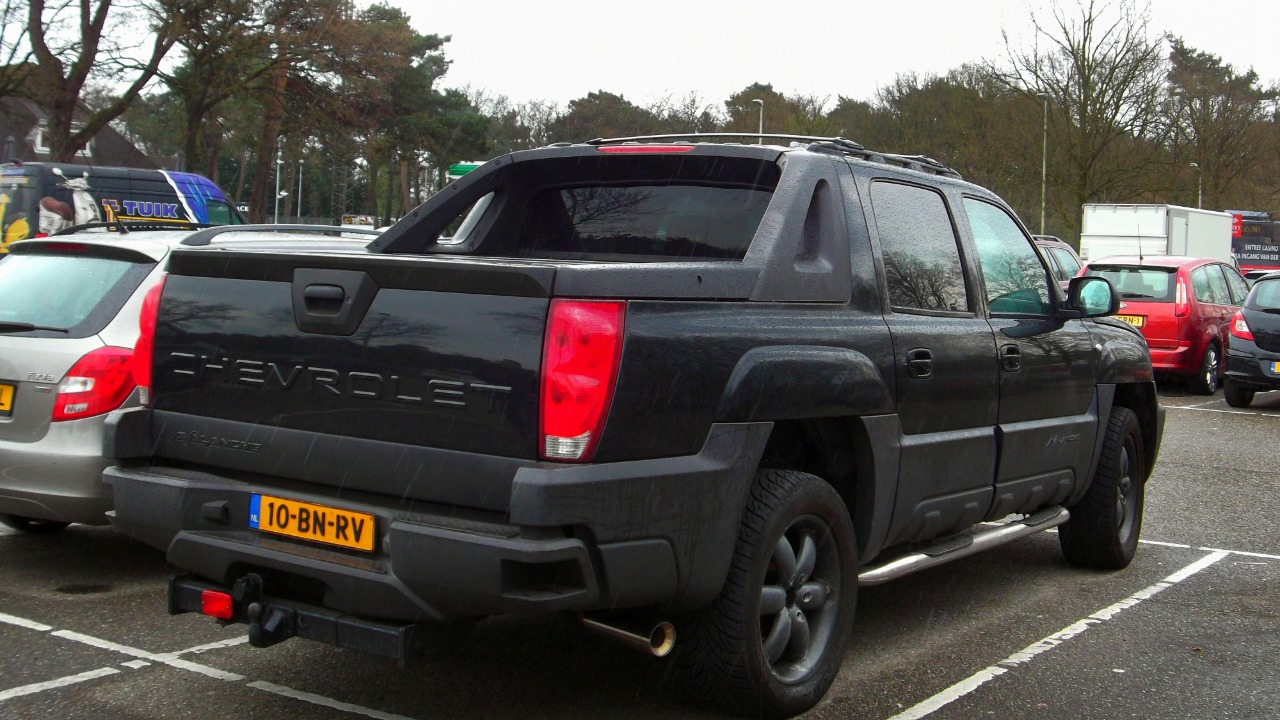
The Chevrolet Avalanche blended a crew-cab pickup with an SUV through its signature Midgate, a fold-down panel that extended the bed into the cabin. Introduced for 2002 and sharing underpinnings with the Suburban, it offered clever versatility that never quite found a mass audience. Chevrolet ended Avalanche production in 2013 after a limited Black Diamond farewell edition.
Buyers increasingly preferred either a conventional pickup or a three-row SUV, squeezing the hybrid concept from both sides. The Midgate idea has since resurfaced on electric trucks, suggesting the Avalanche was simply ahead of its moment.
5. Ford Excursion: Ford’s Biggest SUV Ever
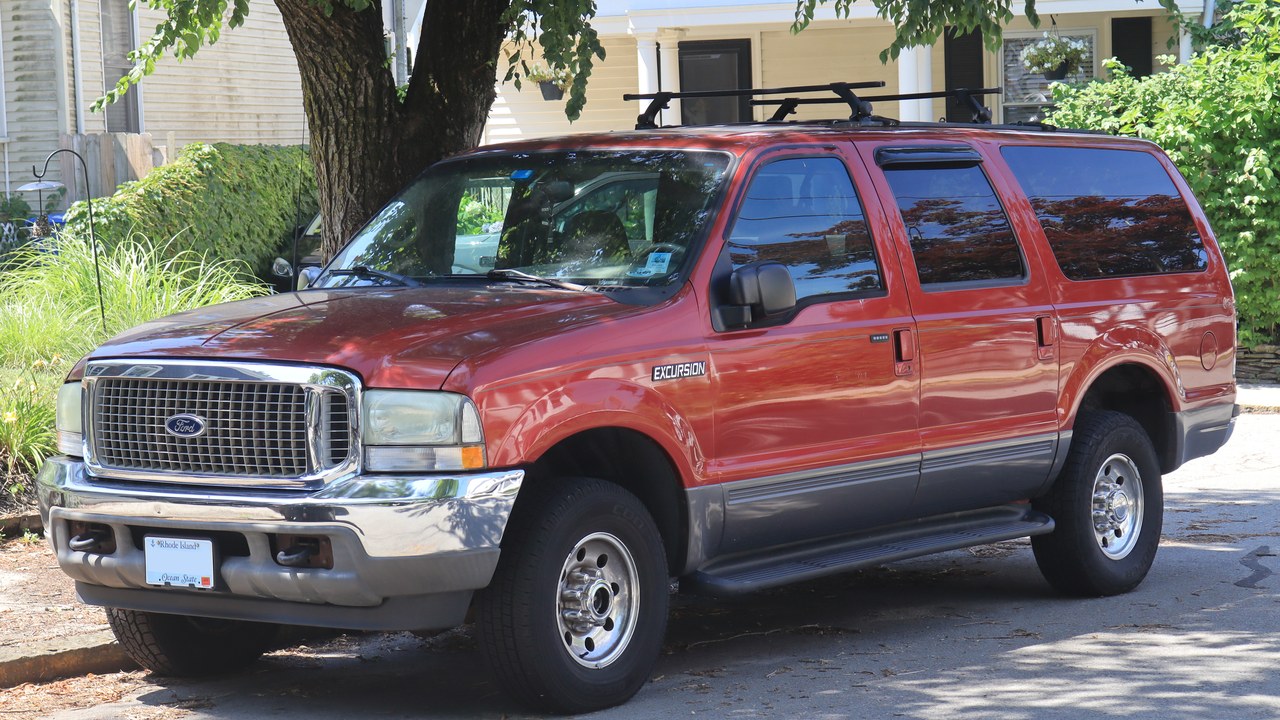
Ford’s Excursion held the title of the largest and heaviest SUV the company ever built, riding on the Super Duty truck frame and stretching beyond 19 feet. Sold from 2000, it could seat nine and tow massive loads, but its size drew fierce criticism as fuel concerns mounted. Ford retired the Excursion after 2005, a short run of just a few years.
The Expedition and its extended variants absorbed demand for a big Ford SUV without the Excursion’s extreme footprint. Well-kept diesel examples now attract towing enthusiasts, giving the discontinued giant a durable second-hand following.
6. Mitsubishi Montero: Rally-Bred And Retired Early
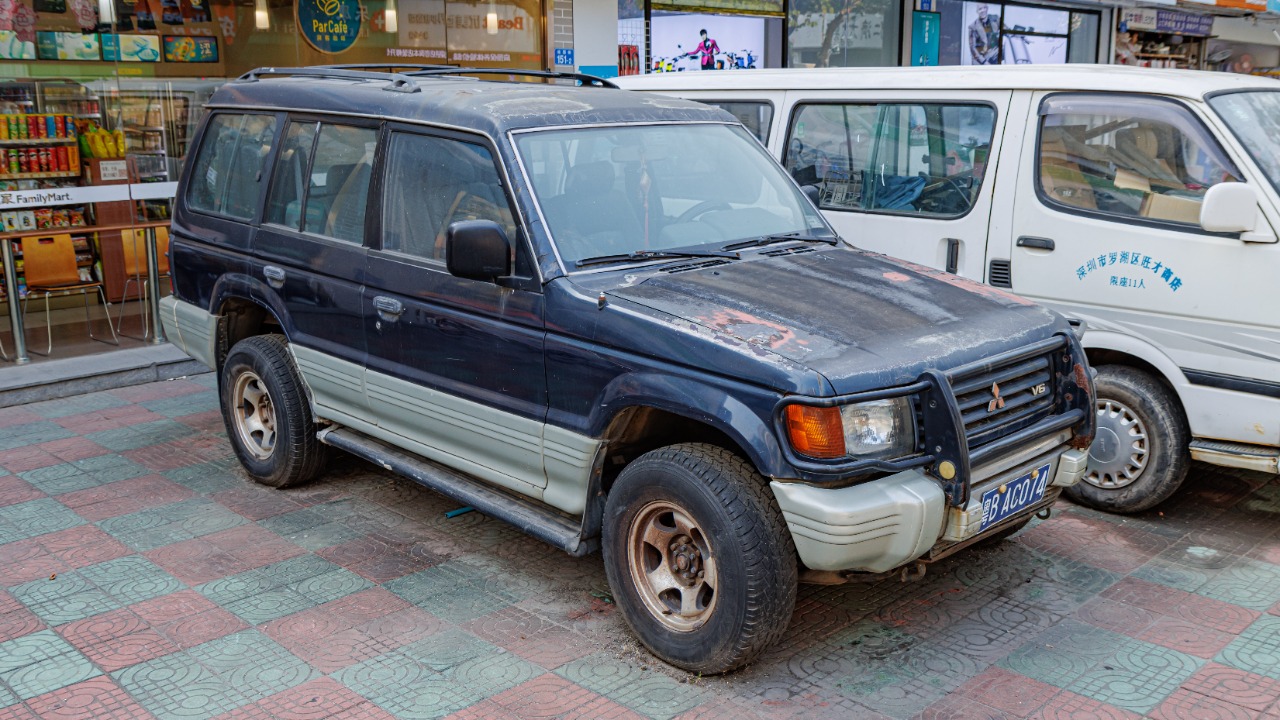
Sold in the United States as the Montero, Mitsubishi’s Pajero was a body-on-frame SUV with genuine off-road pedigree, forged through repeated Dakar Rally victories. American sales ended after 2006 as the brand’s US presence shrank, though the Pajero lineage continued overseas until 2021. Its reputation for durability outlasted its showroom run.
At home, Mitsubishi pivoted toward smaller, cheaper crossovers that sold in higher volumes. Elsewhere the Pajero remained a trusted expedition tool, and clean Montero examples still command respect among overlanders who value proven mechanical toughness.
7. Isuzu Trooper: Tough Rig Gone With Isuzu
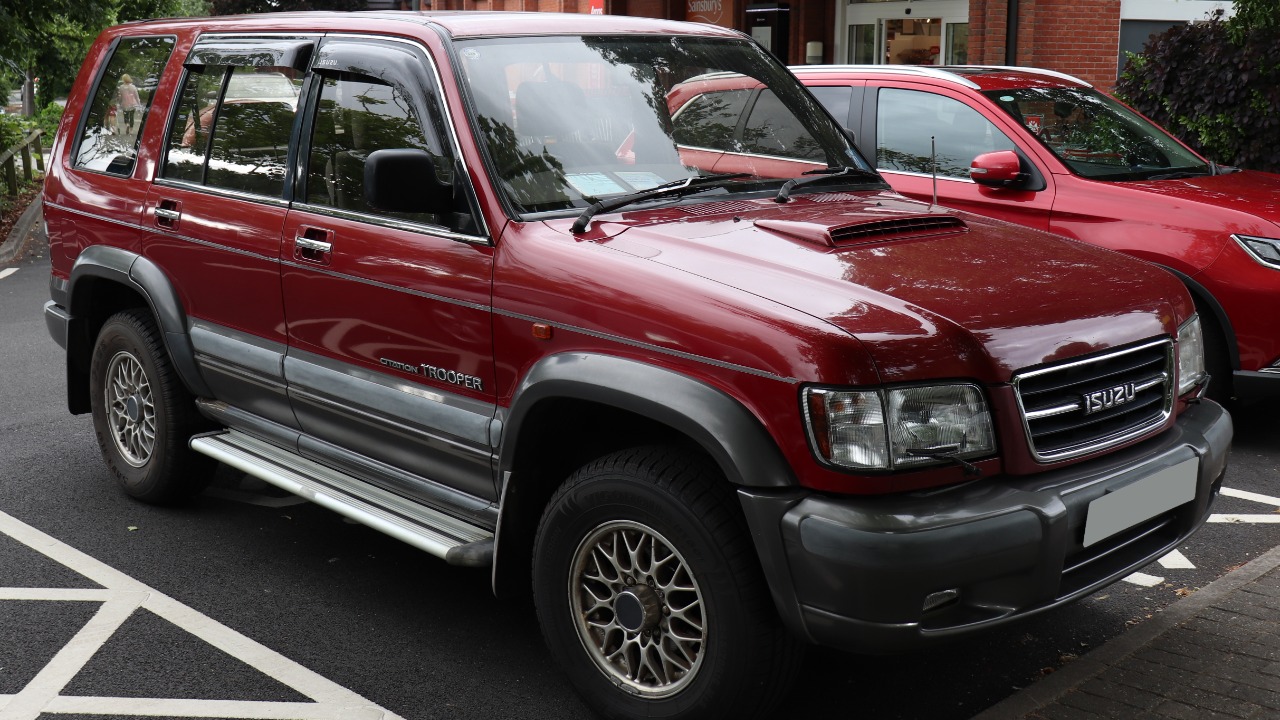
The Isuzu Trooper earned a reputation as a rugged, boxy SUV capable of serious off-road work, sold in the US through the early 2000s and even rebadged as the Acura SLX. It disappeared from American showrooms after 2002, and Isuzu withdrew from the US passenger-vehicle market entirely by 2009.
Isuzu refocused on commercial trucks and diesel engines, abandoning the light-SUV segment it once helped popularize. Loyalists still praise the Trooper’s simple, tough drivetrain, and surviving examples change hands among off-road hobbyists seeking an affordable, durable rig.
8. Dodge Dakota: Midsize Pickup Dropped Too Soon
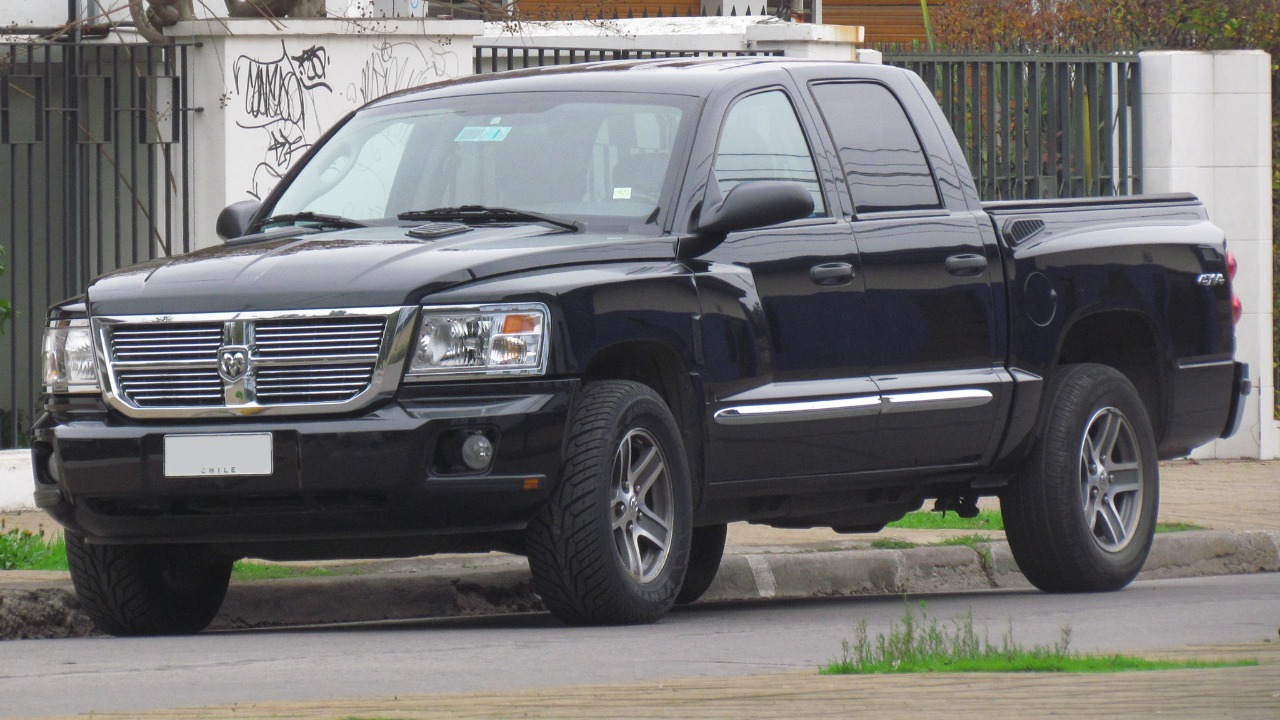
The Dodge Dakota carved out a niche as a midsize pickup slotted between compact trucks and full-size haulers, notably offering optional V8 power that rivals lacked. Produced from 1987, it was dropped after 2011 as buyers gravitated to full-size trucks and the midsize category briefly withered. Its final generation ended just before demand returned.
Within a few years, rivals revived the class with the Chevrolet Colorado and Ford Ranger, a segment Ram left without an entry. Enthusiasts note the timing, and V8-equipped Dakotas remain sought after for their unusual blend of size and grunt.
9. Suzuki Samurai: Featherweight Now Chased By Collectors
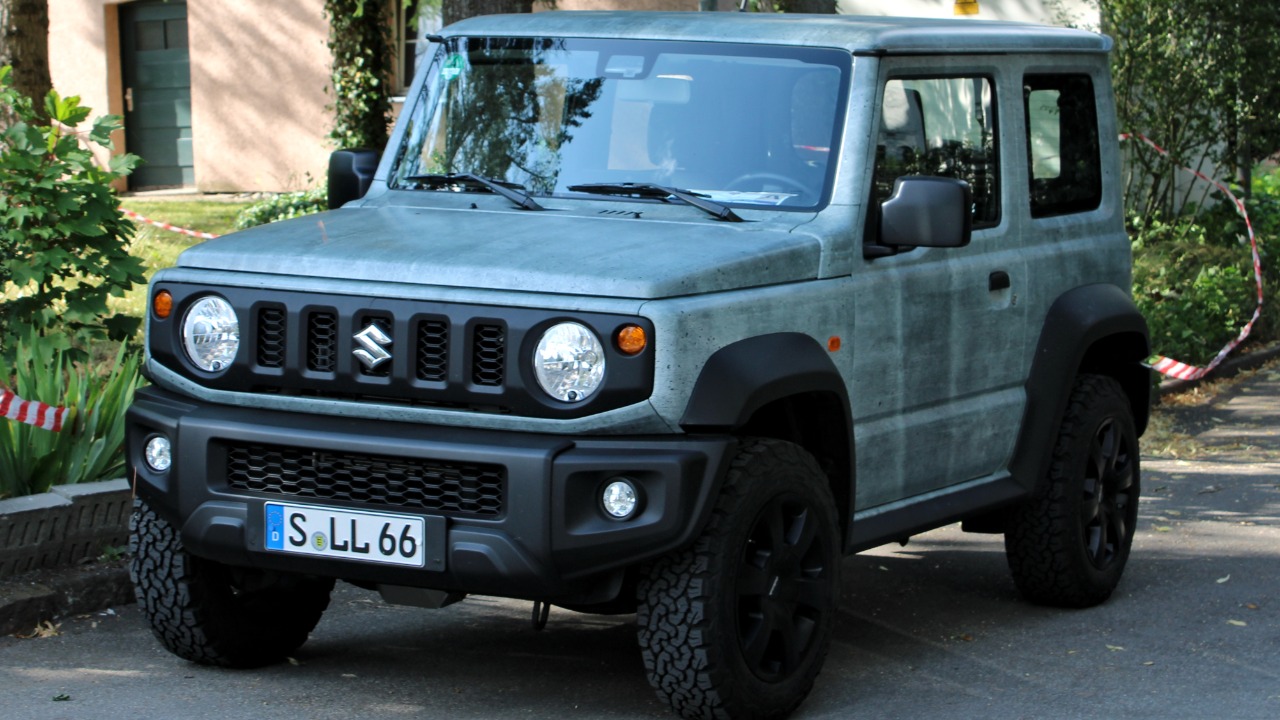
The Suzuki Samurai was a featherweight, body-on-frame off-roader that reached the US in the mid-1980s and quickly built a devoted following for its go-anywhere agility. A disputed 1988 rollover report bruised its image, and Suzuki eventually left the US auto market in 2013. Today the strong resale of collectible off-roaders mirrors the Samurai’s rising appeal.
Its modern successor, the Jimny pictured here, is not sold new in America, sharpening collector interest in the original. Clean Samurais now fetch prices that would have stunned buyers who once dismissed them as budget curiosities.
More from Morning Overview
- A California supervolcano has bulged upward about two and a half feet since 1978
- The FTC is warning about a scam quietly draining thousands from victims
- The NSA is again telling phone owners to switch off one location setting
- A handful of car transmissions are so tough mechanics say they almost never fail
