
Pickup buyers who haul people as often as cargo tend to shop the back seat first. Crew-cab configurations turned the half-ton truck into a rolling family room, with four full doors and a bench that rivals a large sedan for stretch-out space. Nine trucks stand out for what happens behind the front seats.
1. Ram 1500: Class-Leading Rear Room
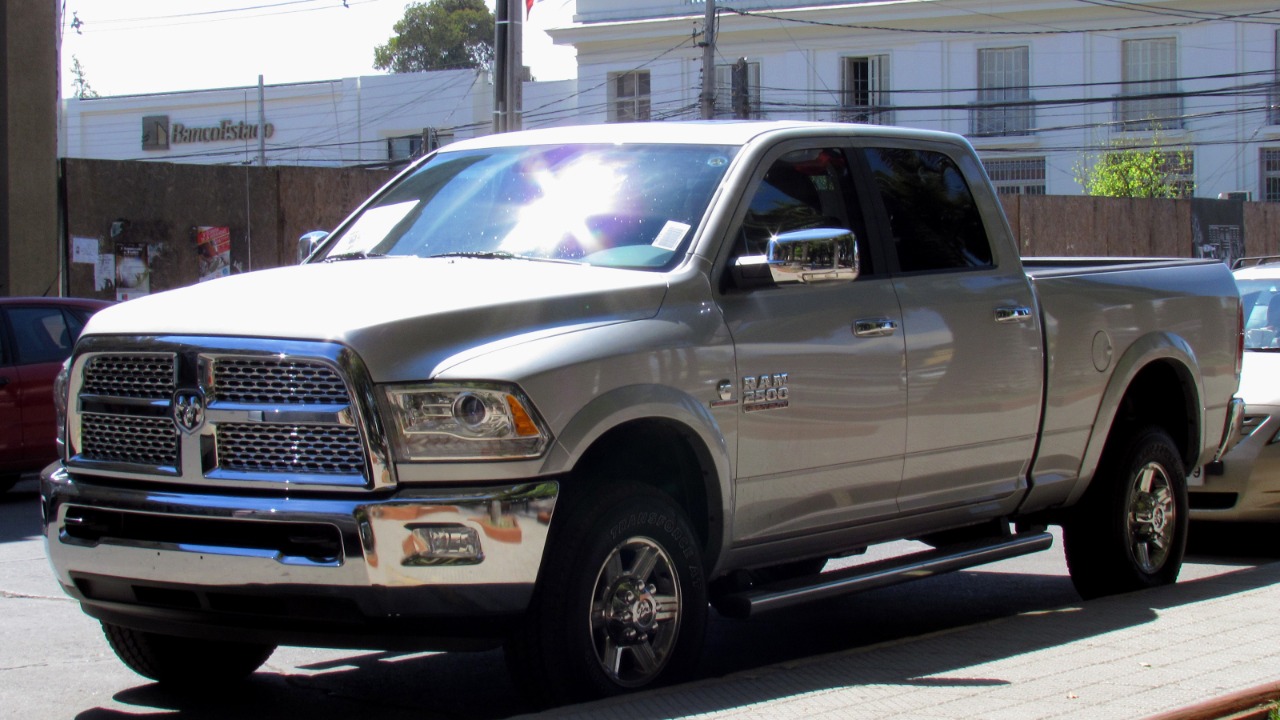
The Ram 1500 Crew Cab is the body style that turned rear-seat comfort into a half-ton selling point. Ram’s full-size pickup is sold in both a short-door Quad Cab and the longer four-door Crew Cab, and only the latter carries the stretched compartment behind the B-pillar. Reclining seatbacks, a flat floor and deep under-seat bins round out a cabin routinely described as the roomiest in the segment.
That space is borrowed from the bed. Crew Cab versions pair the longer cabin with the shorter of the two available boxes, so long lumber rides at an angle with the tailgate down. Shoppers hauling passengers more often than plywood tend to call that a fair swap.
2. Ford F-150 SuperCrew: Four Full Doors, Sedan Space
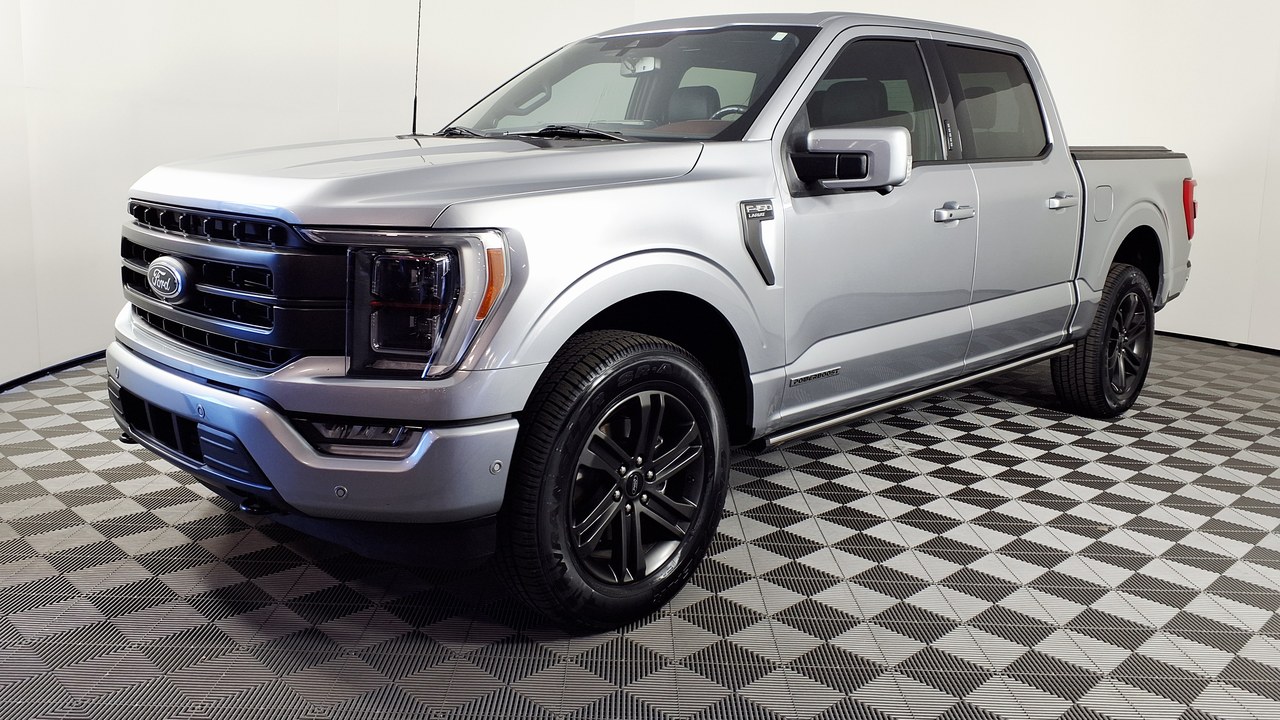
SuperCrew is Ford’s name for the four-full-door F-150, and it is the version families should shop. Ford’s best-selling pickup also comes as a two-door Regular Cab and a rear-hinged SuperCab, neither of which delivers the same rear bench. SuperCrew doors open conventionally, the bench sits high enough for a clear view forward, and the seat bottoms fold up against the back wall to open a tall cargo well.
Ford offers the SuperCrew with either bed length, which is unusual in the class and lets a buyer keep passenger room without surrendering the longer box. The penalty is overall length: a SuperCrew paired with the bigger bed stretches past many garage bays and complicates tight parking lots.
3. Chevrolet Silverado 1500: Family Hauler In Truck Clothing
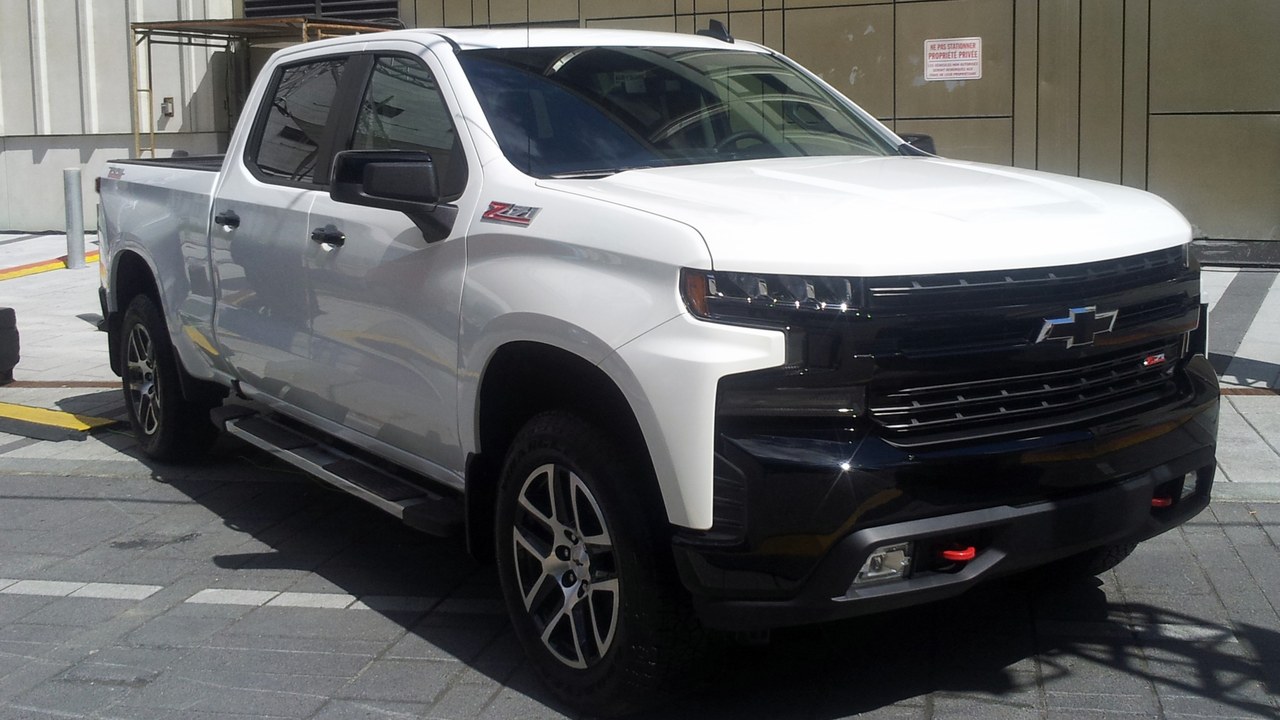
Silverado Crew Cab models arrived as Chevrolet’s answer to the Ford and Ram four-doors, and they now carry the volume. Chevrolet’s full-size pickup is also built as a Regular Cab and a Double Cab, but only the Crew Cab devotes real body length to the rear compartment. Seat bottoms flip up, the floor sits nearly flat, and the doors open wide enough that a child seat goes in without contortion.
Wide-open rear space arrives with a footprint to match. A Crew Cab Silverado rides on a long wheelbase, and owners who navigate older parking structures learn its turning circle quickly. Fuel economy drifts down as cab size and curb weight climb.
4. GMC Sierra 1500: The Same Cab, Dressed Up
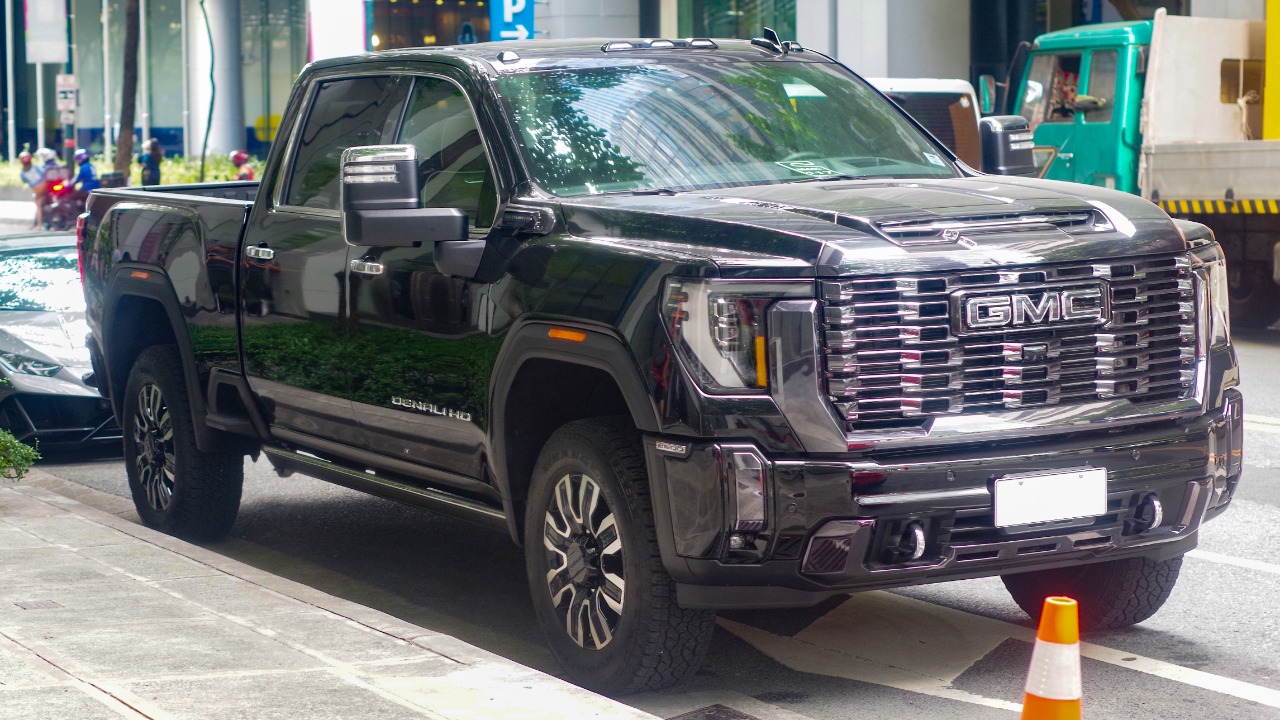
Platform, cab structures and rear-seat packaging carry over wholesale from the Silverado, so the Sierra Crew Cab back seat is effectively the same place to sit. GMC’s full-size truck separates itself above the beltline instead, with distinct sheetmetal, its own grille treatment and interiors that climb into genuinely luxurious territory at the Denali end of the range.
Paying for the badge is the catch. A comparably equipped Sierra typically lists above the Silverado while offering identical passenger volume, so the premium buys trim and presentation rather than room. The multi-position tailgate and Denali-specific cabin materials are the tangible reasons owners cite for the walk-up.
5. Toyota Tundra CrewMax: Cavernous By Design
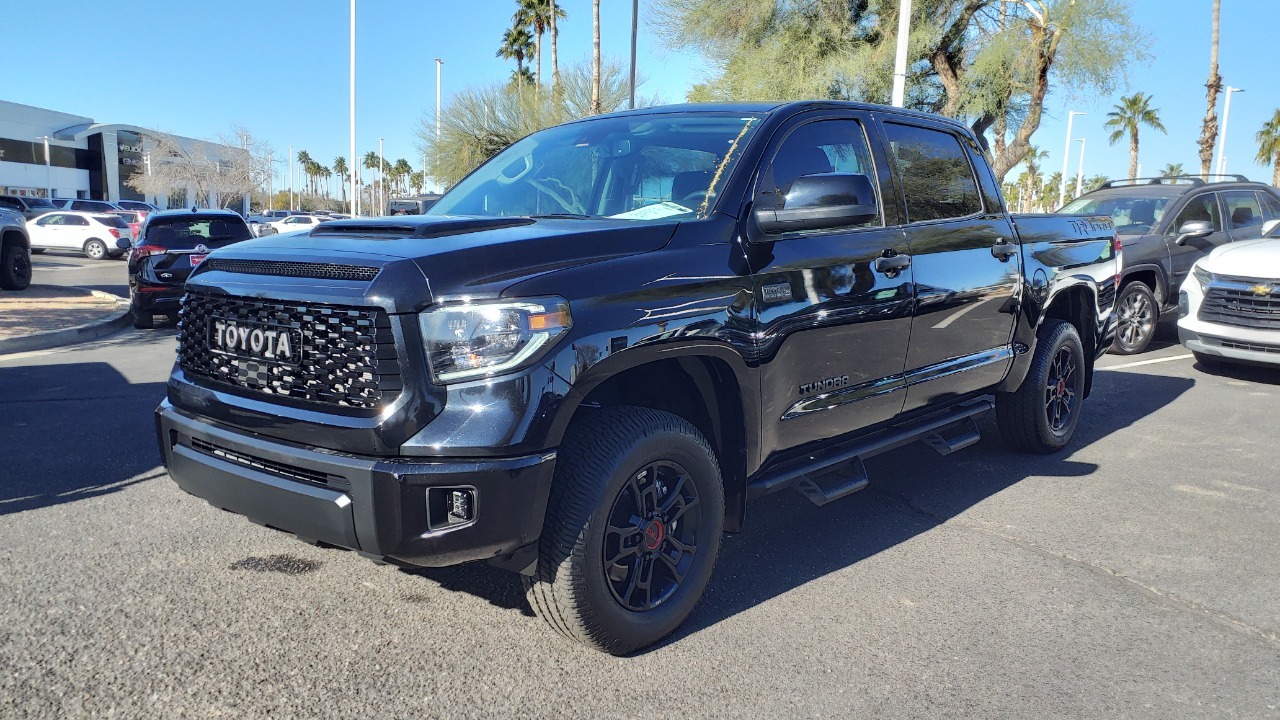
CrewMax is the largest Tundra cab, and it prioritizes rear passengers more aggressively than most rivals. Toyota’s full-size pickup also sells in Double Cab form, but the CrewMax spends its extra body length on the compartment behind the front seats, producing a bench with reclining seatbacks and room for three across. A fully retracting rear window on earlier generations was a feature few competitors offered.
Generosity toward passengers is paid for at the tailgate. CrewMax trucks historically carried the shortest box in the Tundra lineup, which pushed contractors toward the Double Cab while families took the CrewMax. Later generations broadened the bed choices, yet the basic bargain of cab length over cargo length still defines the configuration.
6. Ford Super Duty: Heavy-Duty, Heavily Roomy
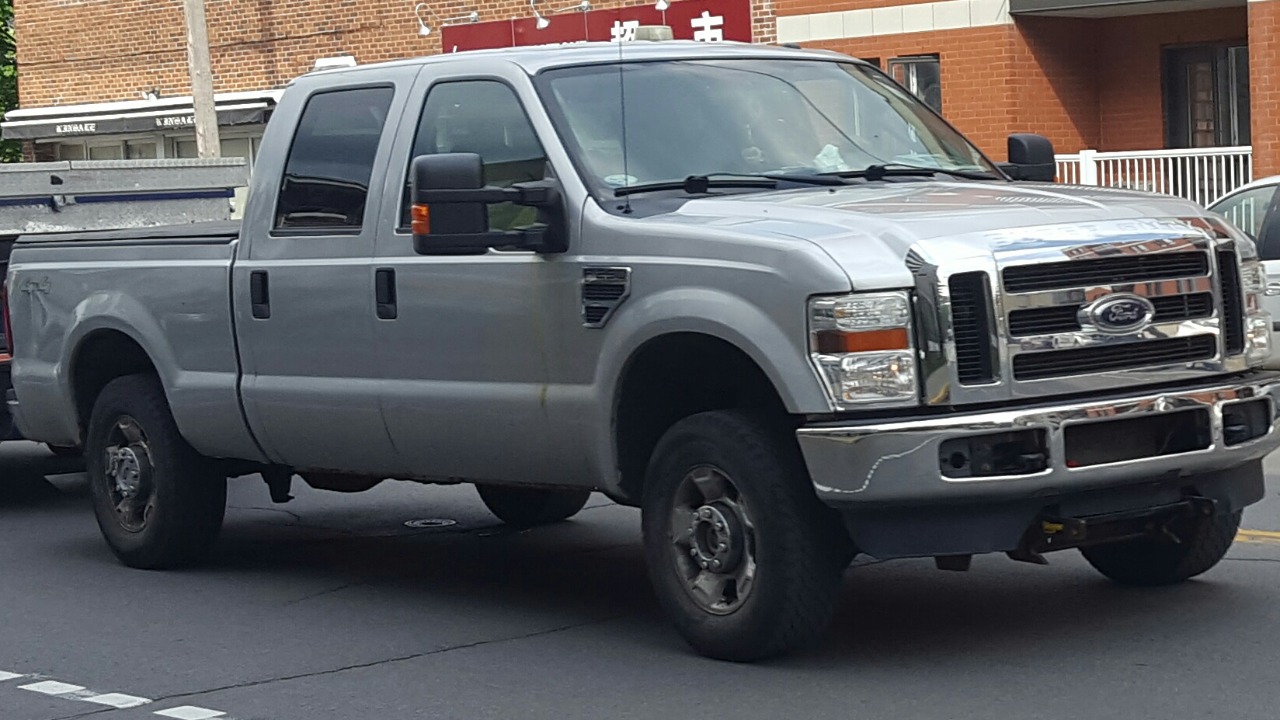
Ford applies the same crew-cab logic to trucks built for towing rather than commuting. The F-250 and F-350 offer a four-door Crew Cab whose rear compartment ranks among the largest in any pickup, with a bench tall enough that adults sit upright instead of knees-up. Work crews treat it as a rolling office, and the flat floor swallows toolboxes between job sites.
Scale is the obvious cost. A Crew Cab Super Duty wearing a long bed becomes a genuinely large vehicle, awkward in urban settings and often too tall for a standard garage door. Ride quality on an unladen heavy-duty chassis also stays firmer than a half-ton’s, something rear passengers notice on broken pavement.
7. Nissan Titan: The Overlooked Four-Door
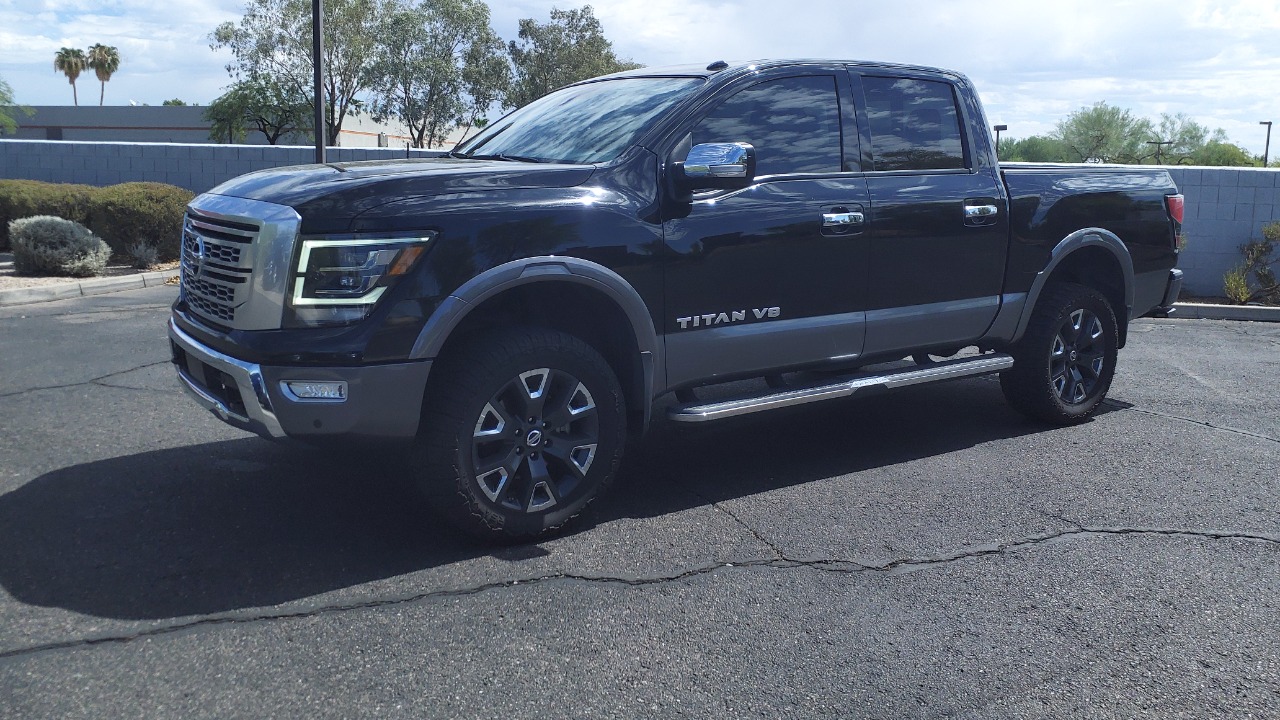
Sales charts never favored the Titan, yet its Crew Cab delivered competitive rear-seat space for anyone willing to shop outside Detroit. Nissan’s full-size pickup came in King Cab and Crew Cab forms, with the four-door version carrying a wide bench, a fold-flat seat bottom and rear doors sized for adults. Later trucks leaned into equipment, bundling comfort features that rivals reserved for pricier trims.
The catch is the aftermath. Nissan wound down Titan production, which narrows the search to used examples and raises long-term parts and resale questions. For a shopper measuring rear-seat room per dollar, that softer market can quietly work in their favor.
8. Honda Ridgeline: Flat Floor, Clever Storage
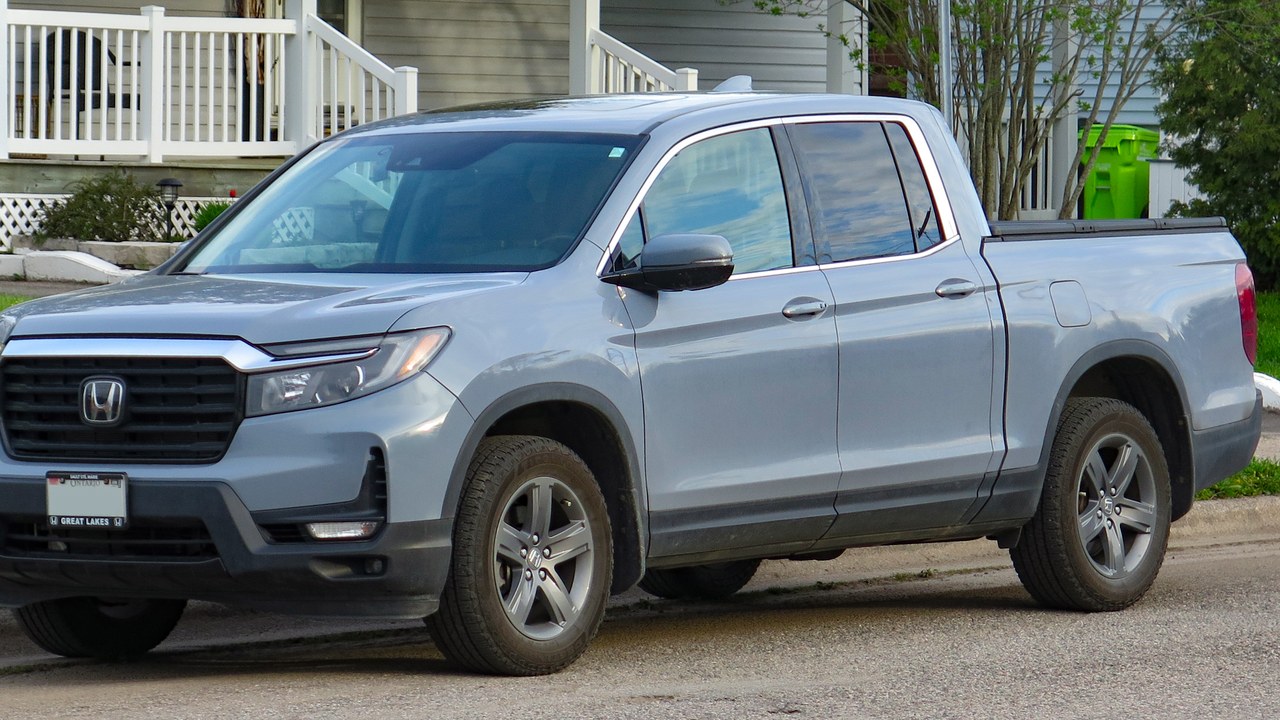
Alone among pickups, the Ridgeline is built only as a crew cab, so every example has four full doors and a usable rear bench. Honda’s unibody pickup borrows its architecture from a three-row crossover, which erases the driveshaft tunnel and leaves a flat rear floor. Seat bottoms flip up against the bulkhead to create a tall, boxy load area protected from weather.
Purists object to what that platform gives up. Towing and payload figures trail body-on-frame midsize rivals, and hard off-road use was never the design brief. In exchange, rear passengers get car-like ride quality and an easy step-in height, precisely the trade many suburban families were after.
9. Chevrolet Colorado: Midsize With Full-Size Manners
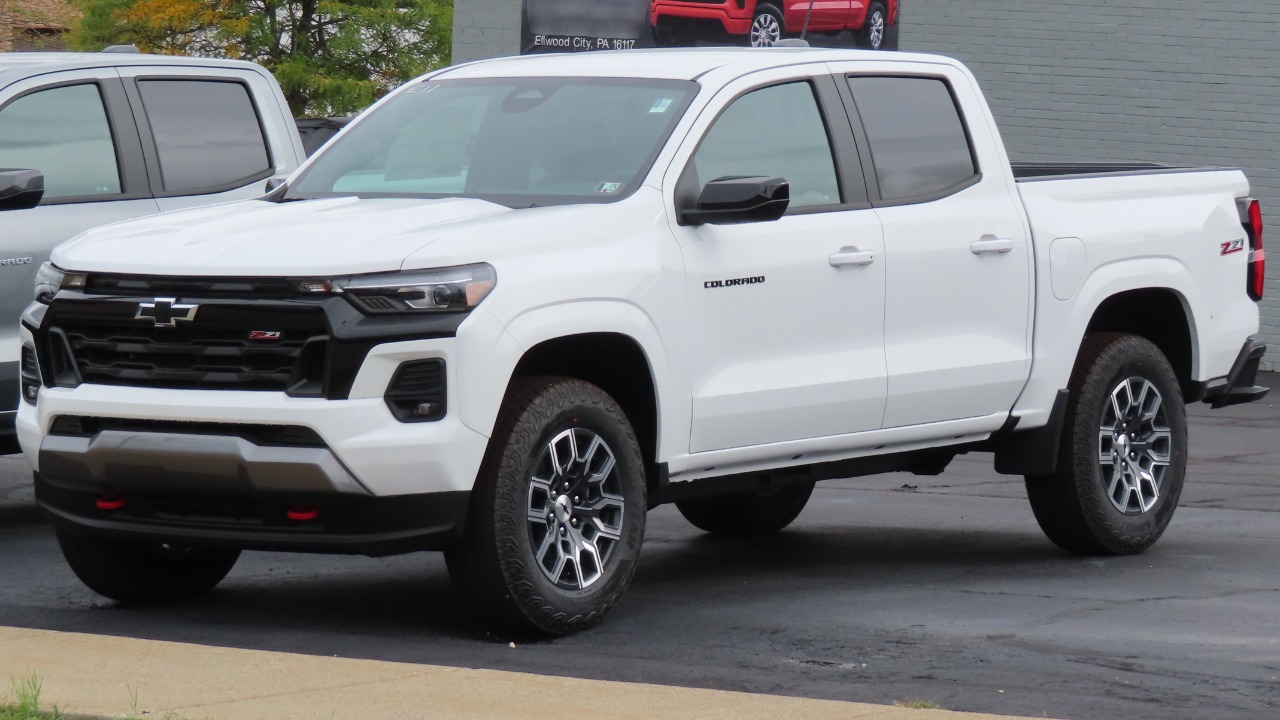
Midsize trucks usually ask rear passengers to suffer, but the Colorado Crew Cab keeps that compromise manageable. Chevrolet’s midsize pickup narrowed its lineup toward the four-door body as buyers made clear which configuration they wanted, and the current generation is sold exclusively in crew-cab form. The bench seats three in a pinch and two comfortably, inside a footprint that threads through a parking garage.
Expectations still need calibrating. A midsize crew cab cannot match the stretch-out room of a half-ton, and taller passengers register the difference on long trips. What the Colorado offers instead is enough back-seat space for daily family duty in a truck that fits an ordinary driveway.
More from Morning Overview
- Long-term use of common heartburn pills is tied to kidney and dementia risk
- A California supervolcano has bulged upward about two and a half feet since 1978
- The FTC is warning about a scam quietly draining thousands from victims
- The NSA is again telling phone owners to switch off one location setting
