
Ground clearance and knobby tires sell an image, but a genuinely trail-worthy SUV is decided by hardware most crossovers never received. Low-range gearing, a frame that tolerates flex, and axles that keep rubber on dirt separate the capable from the merely rugged-looking. Here are nine off-road SUVs whose engineering actually backs the marketing.
1. Jeep Wrangler: Solid Axles At Both Ends
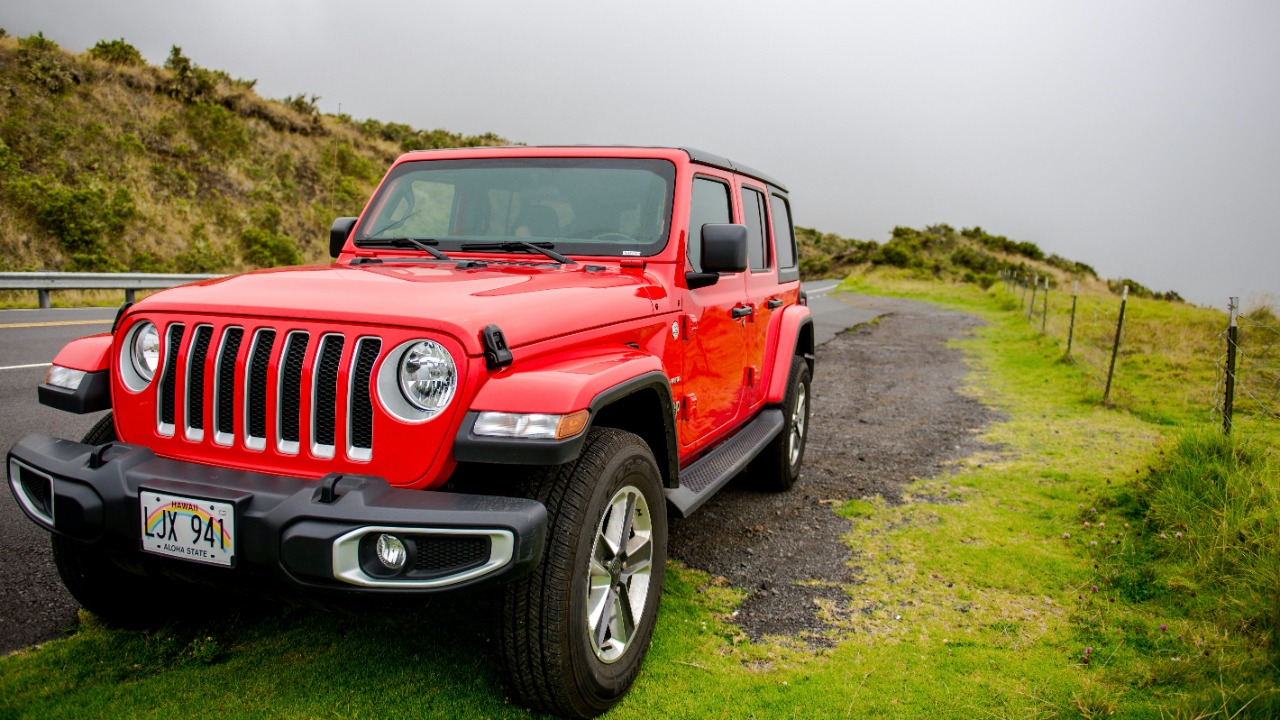
Almost every rival abandoned the solid front axle decades ago for ride comfort, and the Jeep Wrangler is the holdout that kept it, inheriting the layout from the wartime Willys and the CJ line it replaced. A rigid axle lets one wheel drop into a rut while its partner stays loaded, and a two-speed transfer case gears the drivetrain low enough to creep over an obstacle rather than charge it.
That geometry exacts a price on pavement, where the short wheelbase and vague steering make highway miles tiring. Removable doors and a folding windshield are the compensation, which is why the Wrangler tends to be a second vehicle rather than a commuter.
2. Toyota 4Runner: Body-On-Frame Held The Line

While the mid-size class migrated to car-derived unibodies, the Toyota 4Runner stayed bolted to a separate ladder frame shared with Toyota’s pickups and its Land Cruiser Prado relatives. The payoff is a structure that shrugs off repeated impacts and twisting loads, plus part-time four-wheel drive with a locking center differential on the more serious trims.
Owners trade fuel economy and cabin refinement for that toughness, and the model has long been slow to adopt new engines or interiors. The reward shows up in resale value and in the willingness of specialists to keep older examples running well past two hundred thousand miles.
3. Ford Bronco: A Nameplate Brought Back For Dirt
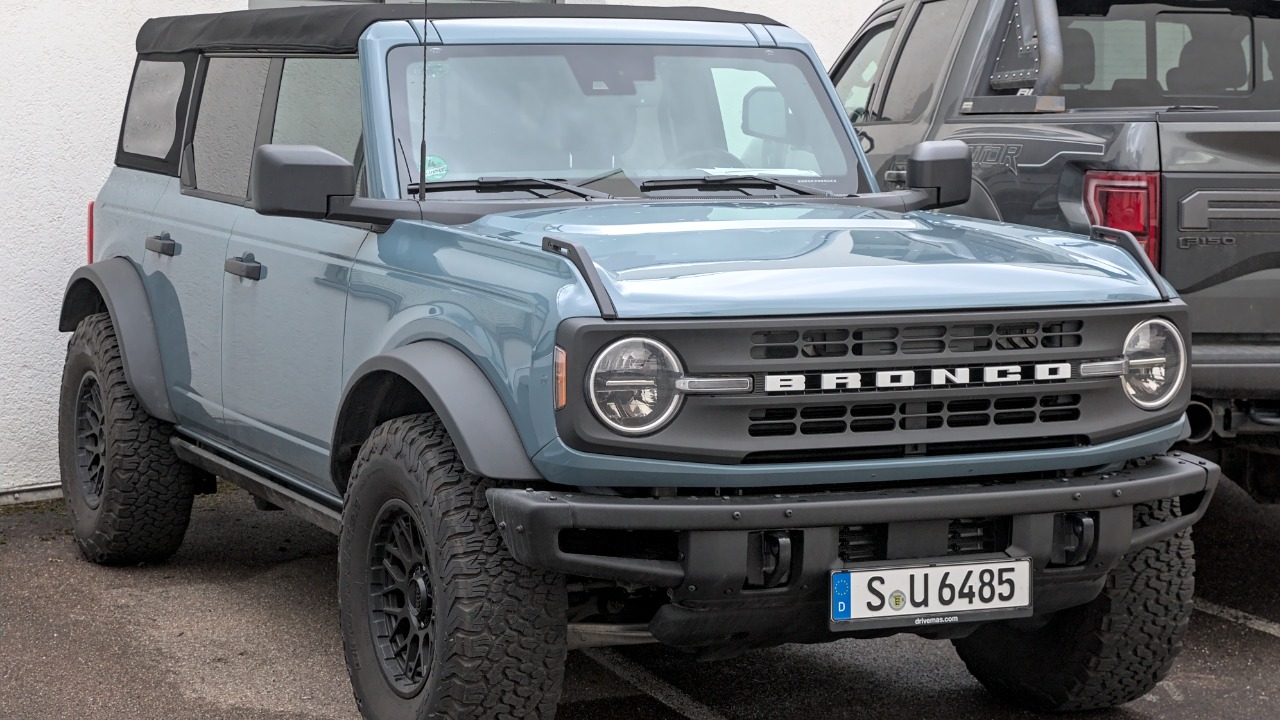
Revived in 2021 after a quarter-century gap, the Ford Bronco borrowed the styling cues of its 1960s ancestor and then engineered around them, pairing an independent front end with a live rear axle, selectable drive modes, and an available front sway-bar disconnect that frees up wheel articulation.
The Sasquatch package adds thirty-five-inch tires and locking differentials straight from the factory, which removes the usual aftermarket detour. Shoppers should note that the similarly named Bronco Sport is an unrelated unibody crossover, a distinction dealer advertising does not always make loudly.
4. Toyota Land Cruiser: Seven Decades Of Remote-Country Work
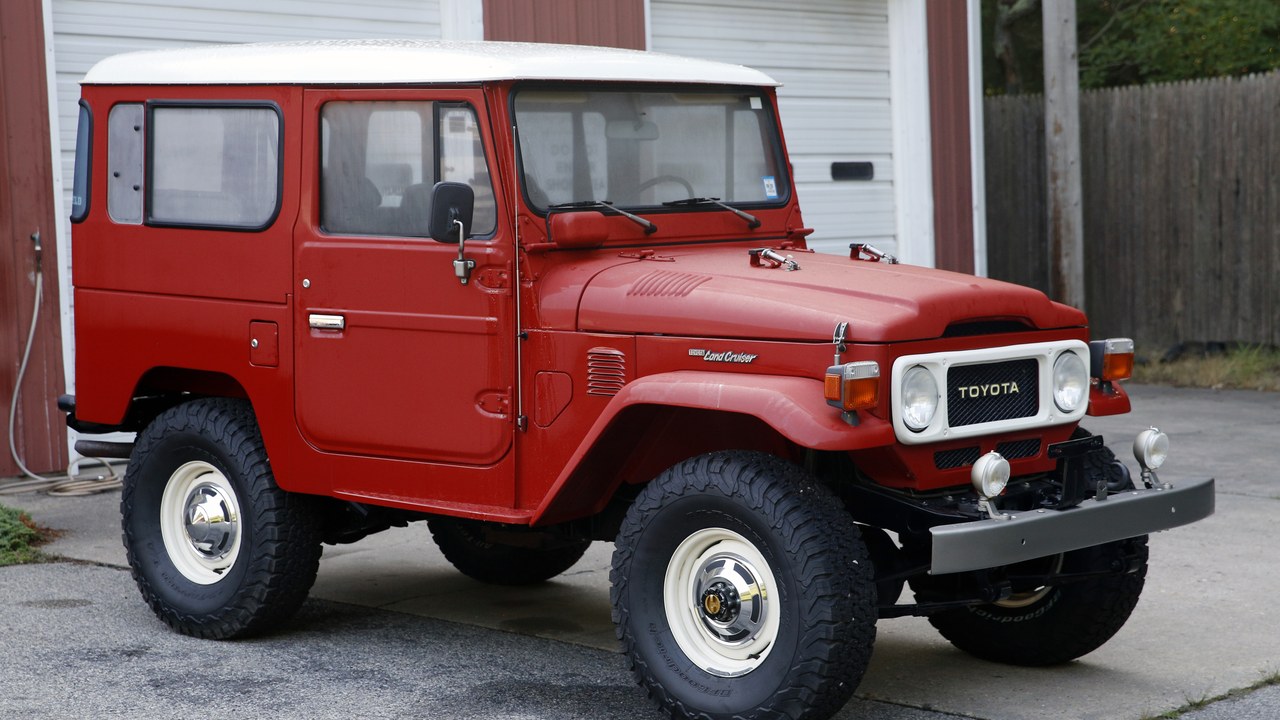
Continuously produced since the 1950s, the Toyota Land Cruiser is the company’s longest-running series and a default choice for aid convoys, mining crews, and cattle stations where recovery is days away rather than minutes. Its reputation rests less on any single feature than on drivetrains engineered to be simple, repairable, and tolerant of poor fuel.
Parts availability across Africa, Australia, and the Middle East compounds that advantage, because a common component can be sourced in a village workshop. The catch for American shoppers is a long absence from showrooms and pricing that treats the nameplate as a luxury item.
5. Land Rover Defender: Designed Around The Job
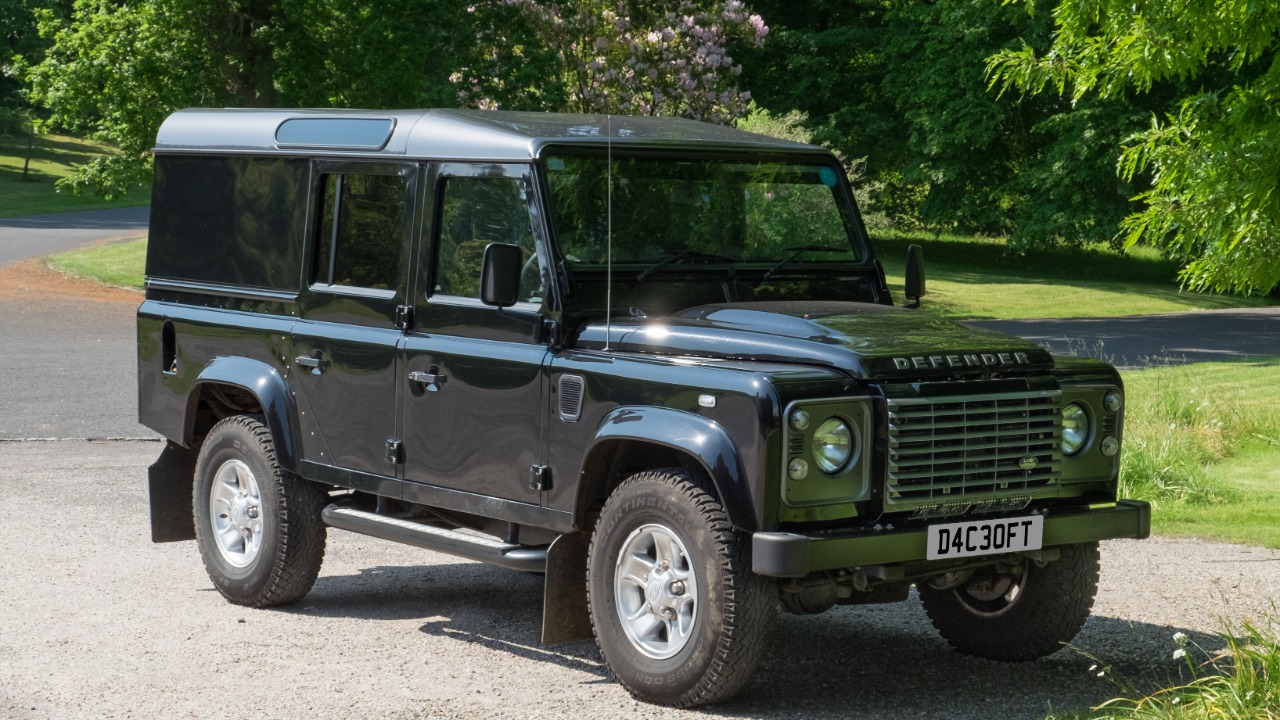
Descended from the aluminium-bodied Series I of 1948, the Land Rover Defender spent most of its life as a working tool for farms, militaries, and expedition outfitters, with flat panels that could be hammered straight in the field and a boxed chassis built around permanent four-wheel drive.
Production of the original ended in 2016, and the 2020 replacement swapped the ladder frame for a stiff monocoque with air suspension and electronic terrain modes. Purists argue the new truck is harder to fix far from help; the counterargument is that far fewer owners now carry a toolbox.
6. Lexus GX: A Land Cruiser Under The Leather

Beneath the wood trim and the quiet cabin, the Lexus GX is a Land Cruiser Prado in a tailored suit, riding on the same body-on-frame architecture with full-time four-wheel drive, a locking center differential, and low-range gearing that rival luxury SUVs deleted years ago.
Toyota’s kinetic suspension hardware lets the anti-roll bars slacken off-road and firm up again on tarmac, a rare attempt to serve both duties honestly. The compromise is fuel consumption and a tall, narrow body that feels dated in a parking garage long before it feels dated on a trail.
7. Jeep Grand Cherokee: Trailhawk Trim Changes The Argument
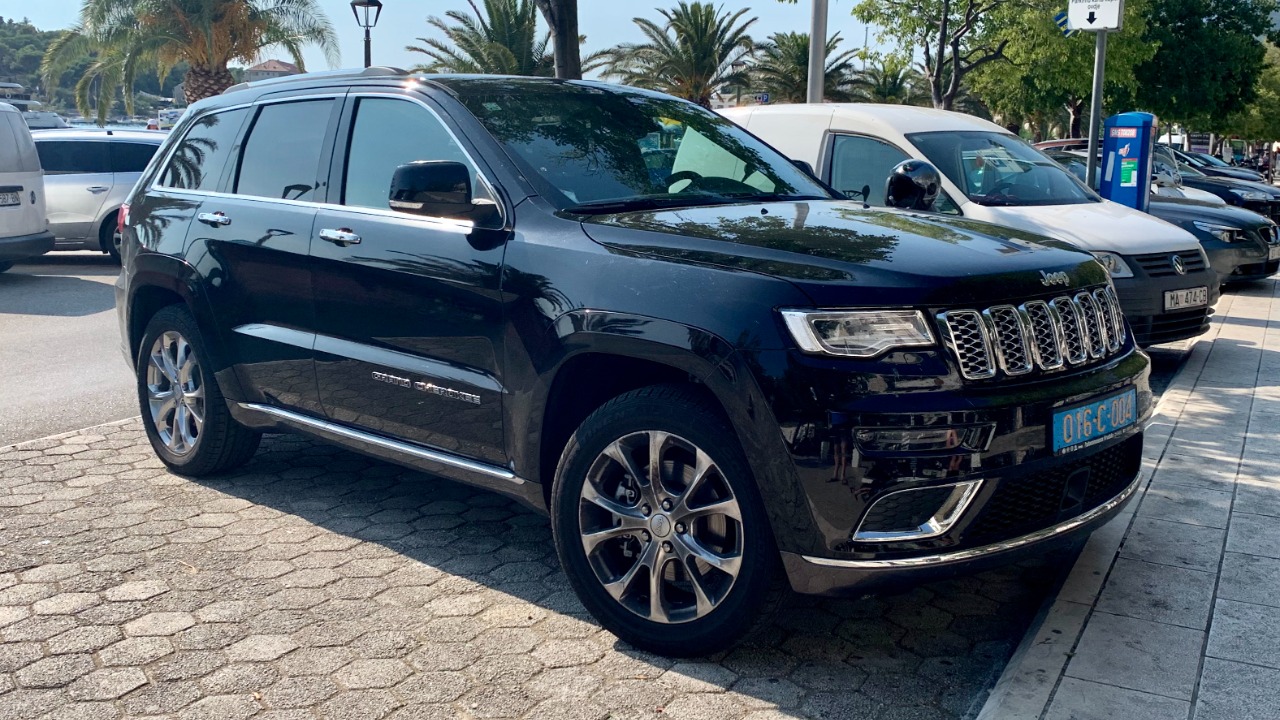
Most examples of the Jeep Grand Cherokee spend their lives on school runs, yet the Trailhawk specification adds a rear locking differential, underbody skid plates, and air suspension that lifts the body several inches for approach and departure angles no family crossover can match.
Terrain-select programming manages throttle and braking on loose surfaces, which flatters an inexperienced driver. Anyone shopping used should confirm which four-wheel-drive system a given car actually carries, because the base arrangement is considerably less capable than the badge on the tailgate implies.
8. Nissan Xterra: Discontinued And Still Hunted

Built on the same frame as the Frontier pickup and sold with almost no pretension, the Nissan Xterra offered a rear locking differential, hill descent control, and a boxy cargo bay with a washable floor, aimed squarely at people who came back muddy.
Nissan retired it after the 2015 model year as tightening efficiency rules and soft-roader demand squeezed the segment out of the lineup. That ending turned clean examples into sought-after used buys, though certain earlier V6 cars carry a well-documented radiator coolant fault worth inspecting before money changes hands.
9. Subaru Outback: Wilderness Trim, Wagon Bones
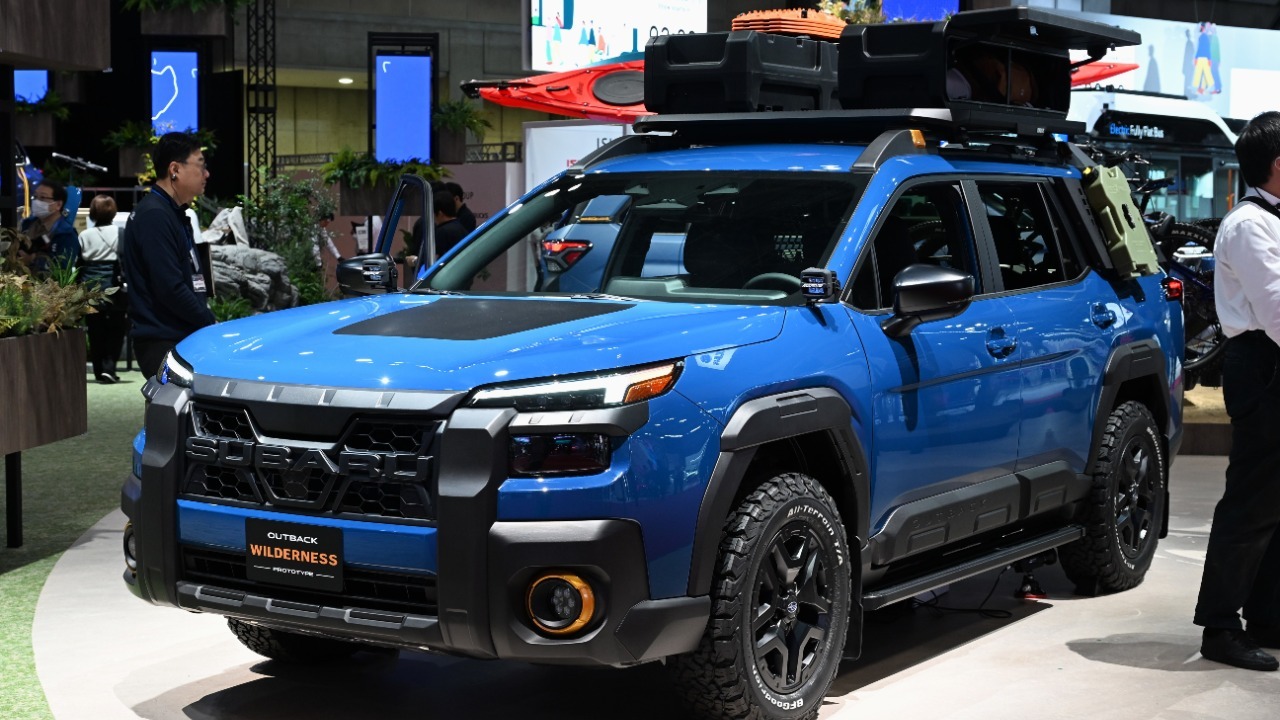
The odd entry here is the Subaru Outback, a raised wagon rather than a truck, though the Wilderness trim narrows the gap with taller ride height, all-terrain tires, a shorter final drive, and reshaped bumpers that improve the angles at which it meets a rock.
There is no low range and no locking differential, so steep technical climbs stay off the menu. What this trim does deliver is symmetrical all-wheel drive and modest weight, a combination that carries it along washboard forest roads many heavier rigs cross far more slowly.
More from Morning Overview
