
Big engines and heavy curb weights come with a real cost at the pump, and a handful of new SUVs and trucks make that cost impossible to ignore. Automakers keep building these models because buyers want the size, towing muscle, or off-road capability they deliver, fuel economy be damned. Here are nine of the thirstiest new SUVs and trucks on sale right now.
1. Cadillac Escalade: Full-Size Luxury Excess
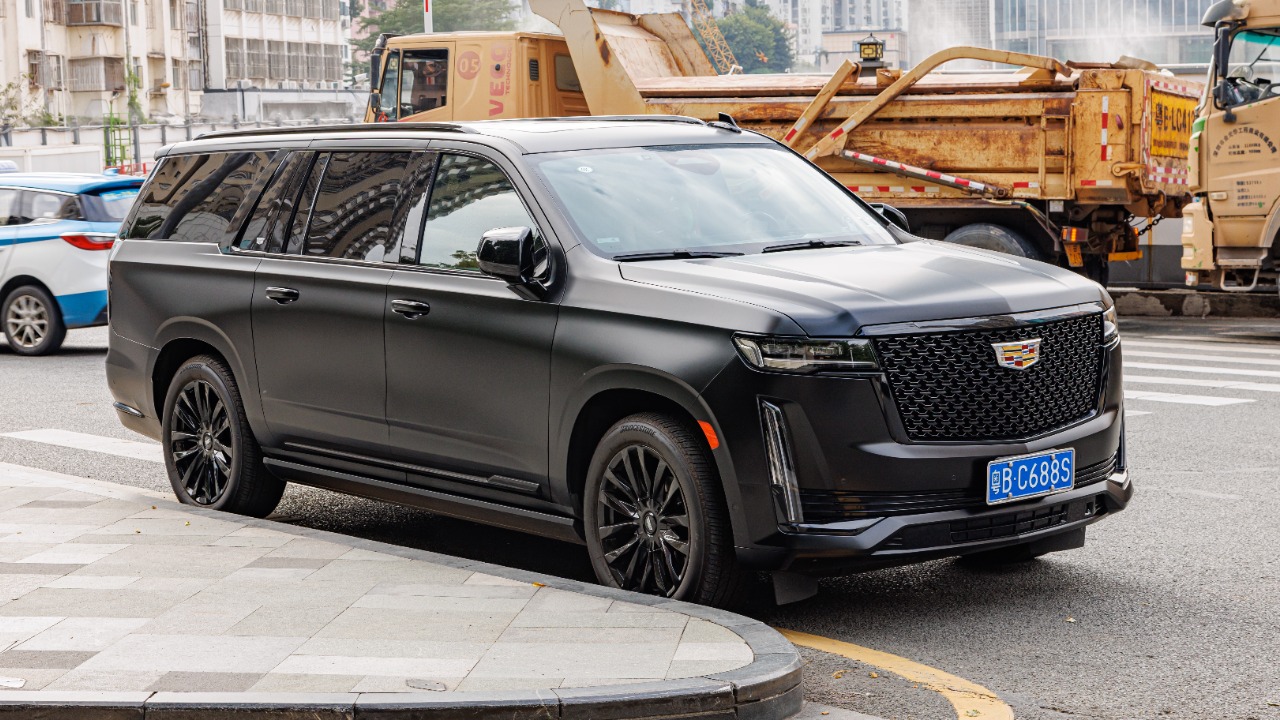
The Cadillac Escalade pairs a full-size body-on-frame platform with a large V8, a combination that keeps it among the least fuel-efficient SUVs sold in the United States. Four-wheel-drive versions post EPA combined ratings well below most three-row crossovers, and the added mass of the standard V8 setup only widens that gap once real-world driving enters the picture.
Buyers generally accept the tradeoff because the Escalade delivers seating for up to eight, a substantial towing rating, and a cabin built around comfort rather than efficiency. Fuel costs climb fast on long highway trips, and owners who split time between city traffic and interstate driving tend to see the steepest gas bills of any full-size luxury SUV on the market.
2. Chevrolet Suburban: Nine Seats, Big Thirst
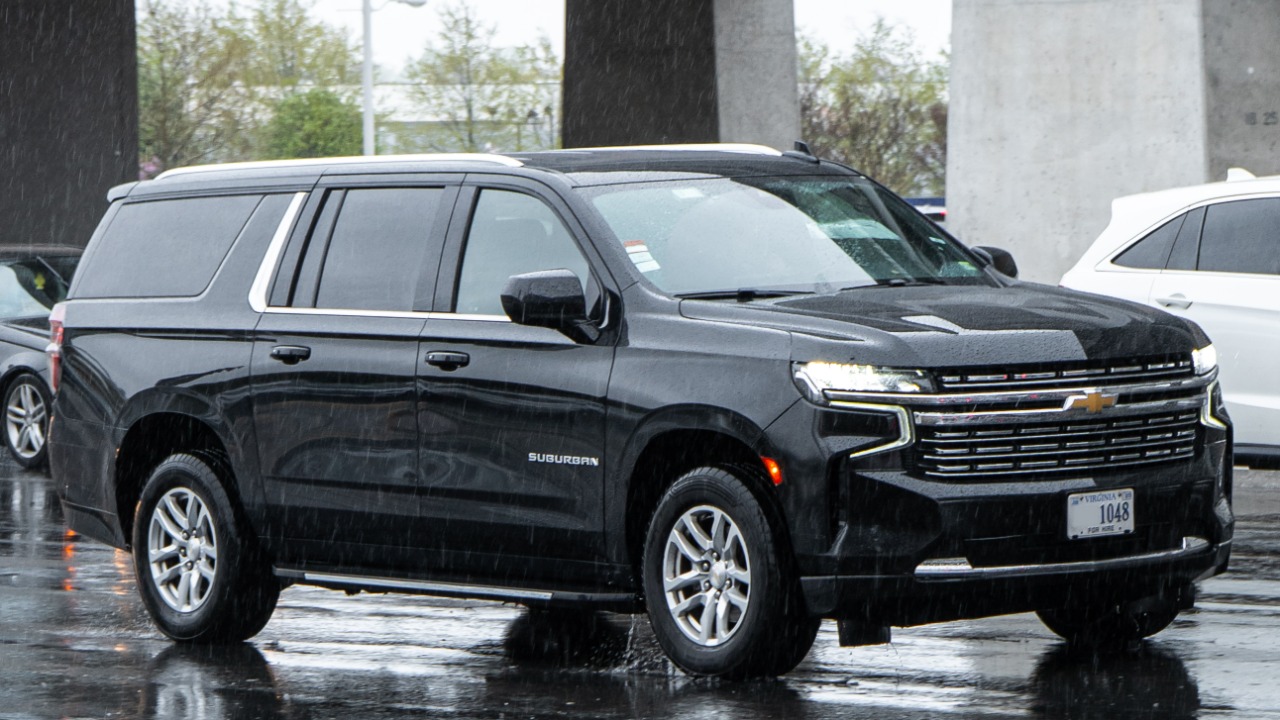
Stretching well beyond 18 feet, the Chevrolet Suburban is one of the longest and heaviest SUVs on the road, and its size shows up directly at the gas station. The standard V8 engine has to move a frame built for towing and cargo, and that job keeps combined fuel economy stuck well behind smaller three-row rivals.
Families choose the Suburban for its cavernous third row and cargo area behind it, plus a towing capacity that rivals some pickup trucks. That capability comes bundled with frequent fill-ups, and drivers who tow trailers or haul heavy loads regularly will see fuel economy drop even further below its already modest window sticker numbers.
3. Ram 1500 TRX: Supercharged Fuel Burn
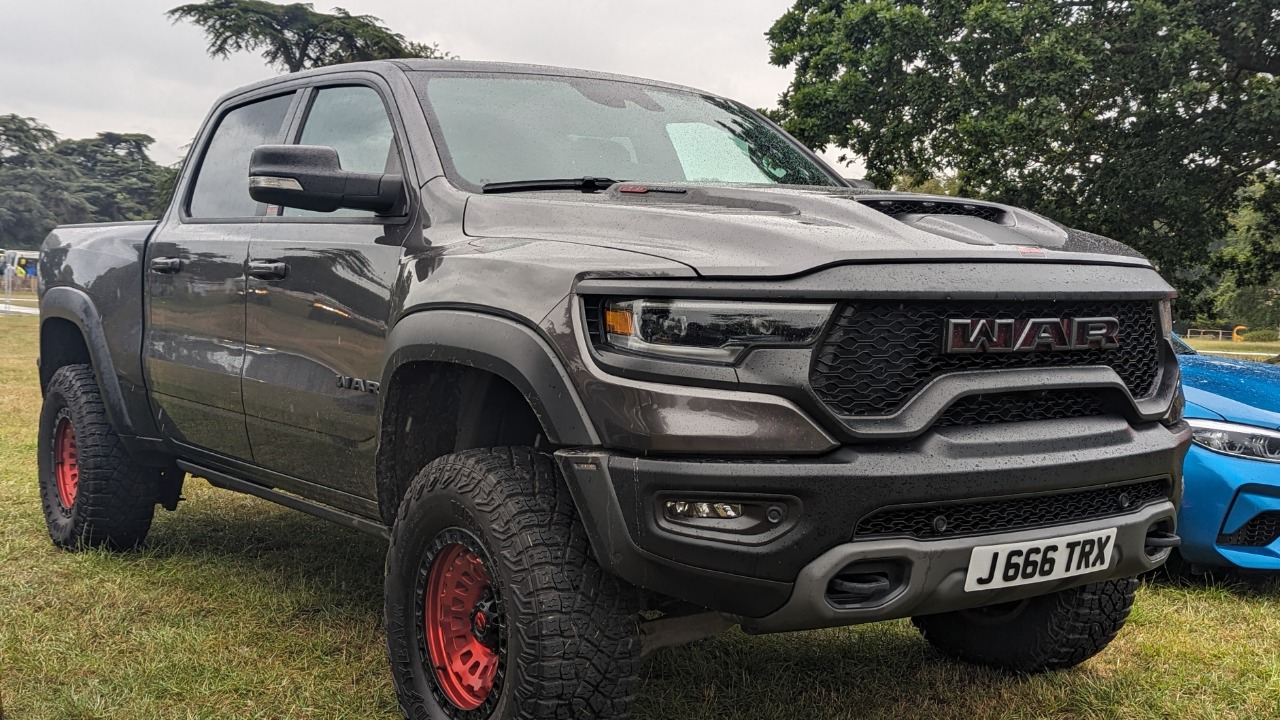
Built around a supercharged V8 borrowed from Dodge’s Hellcat lineup, the Ram 1500 TRX trades efficiency for raw desert-running power. The forced-induction engine and wide off-road stance push its EPA combined rating down near the bottom of the full-size pickup class, making it one of the thirstiest trucks a shopper can put in a driveway.
The TRX exists to chase high-speed off-road performance, not commuting economy, and its buyers generally know that going in. Aggressive throttle use and the supercharger’s constant boost demand only widen the gap between window-sticker estimates and what owners actually see, especially on trips that mix highway cruising with spirited off-pavement driving.
4. Dodge Durango: Muscular SUV, Heavy Bill
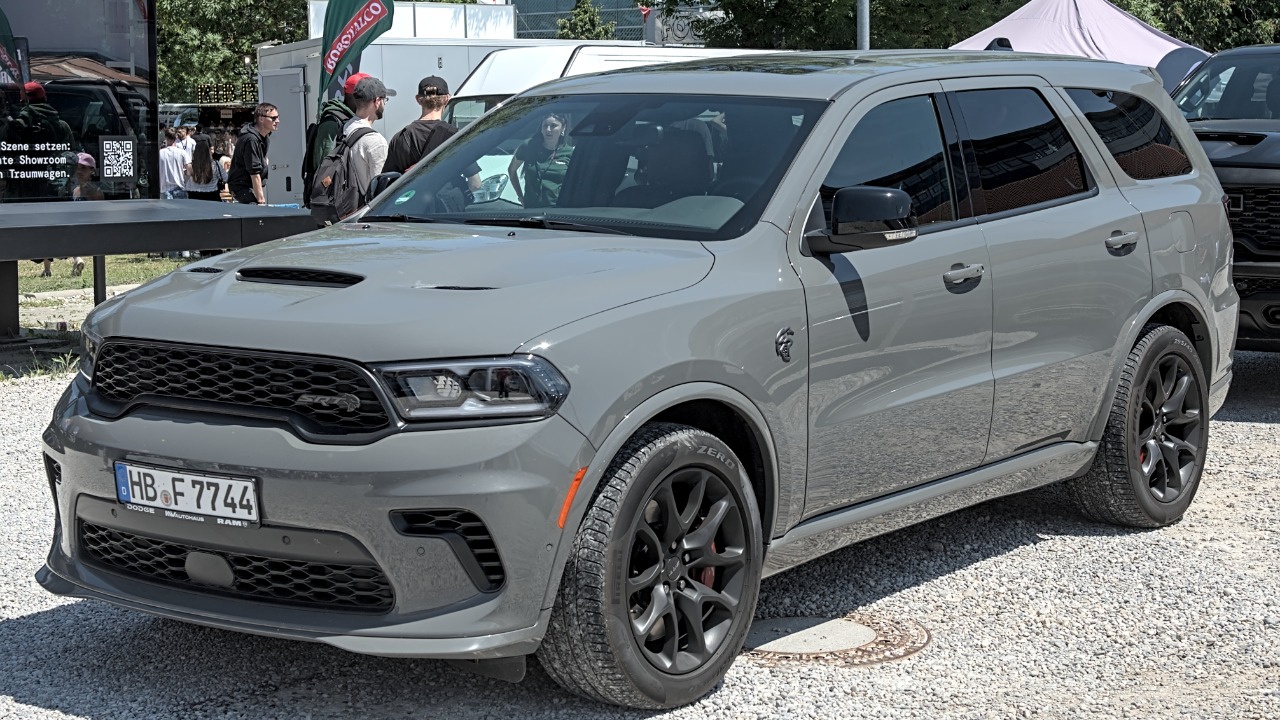
The Dodge Durango leans into performance branding with available V8 power, and that muscle-car heritage carries a fuel penalty. Even the standard V6 trims sit behind most three-row competitors, while the high-output V8 variants push combined ratings into territory more typical of a full-size pickup than a mid-size SUV.
Shoppers drawn to the Durango’s quick acceleration and available all-wheel drive are trading efficiency for a genuinely quick three-row SUV, one of the few left with a true performance option. Around-town driving and frequent hard acceleration erode fuel economy further, and V8 buyers in particular should expect regular stops at the pump.
5. Jeep Grand Wagoneer: Luxury Bulk, Big Gulp
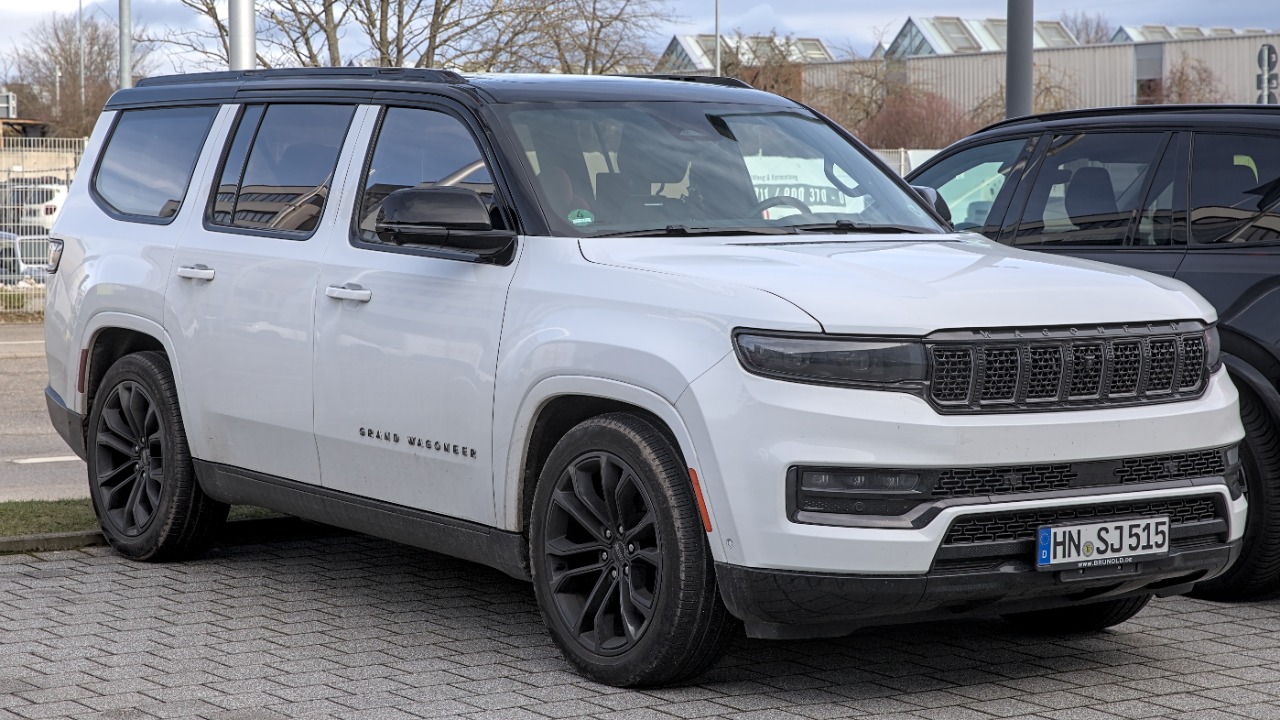
The Jeep Grand Wagoneer is Jeep’s largest and heaviest SUV, built on a body-on-frame platform with a standard V8 and a curb weight that regularly tops three tons. That combination puts its EPA combined figures near the bottom of the full-size luxury SUV field, trailing rivals that offer hybrid or six-cylinder alternatives.
Buyers get a three-row cabin loaded with premium materials, a strong towing rating, and genuine off-road hardware underneath the luxury trim. None of that comes cheap at the pump, and owners who use the Grand Wagoneer for long family road trips or towing duty will notice fuel costs stacking up quickly.
6. Ford F-150 Raptor: Desert Runner’s Fuel Cost
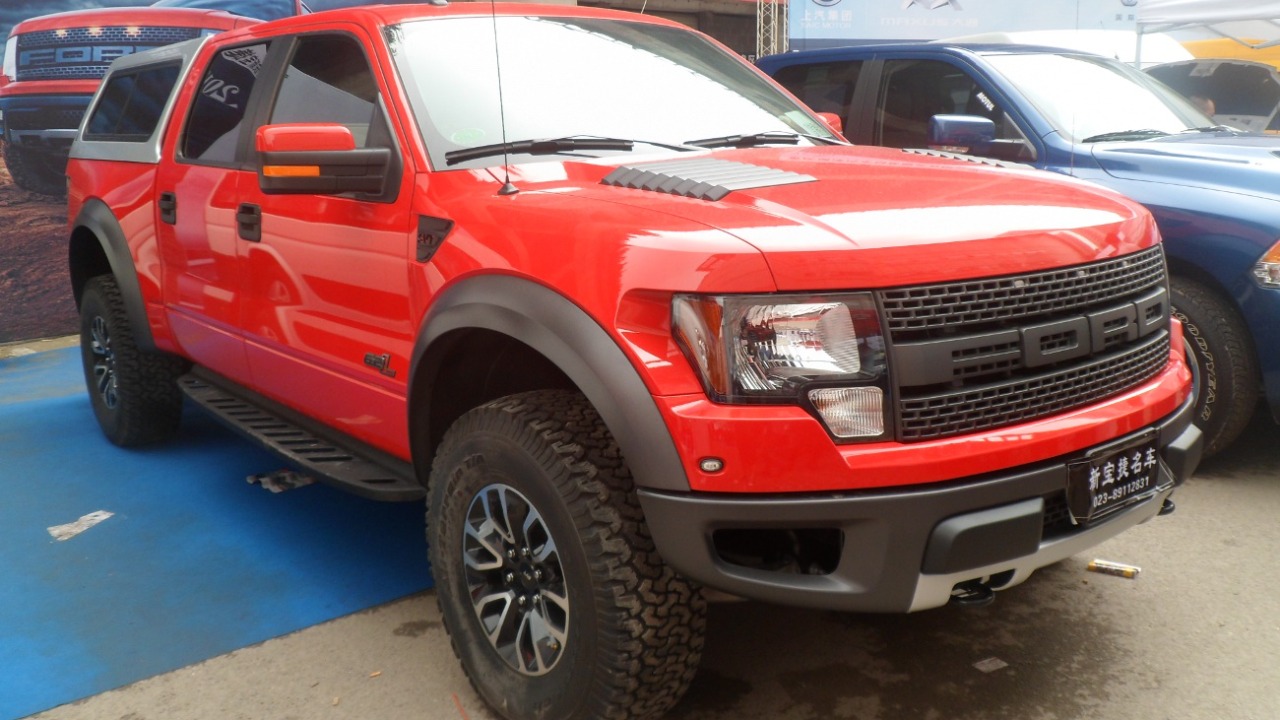
Ford built the F-150 Raptor to survive high-speed desert running, and the wide-body suspension, all-terrain tires, and twin-turbo V6 needed to do that job come with a real fuel penalty. Its EPA combined rating lags well behind a standard F-150, and the range-topping Raptor R’s supercharged V8 pushes economy even lower.
Off-road capability like this simply isn’t cheap to run, and most Raptor owners accept that tradeoff for the truck’s suspension travel and high-speed durability over rough terrain. Daily highway commuting exposes the gap most clearly, since the Raptor’s aerodynamics and extra weight work against it outside of the terrain it was designed for.
7. GMC Yukon: Full-Size Hauler’s Appetite
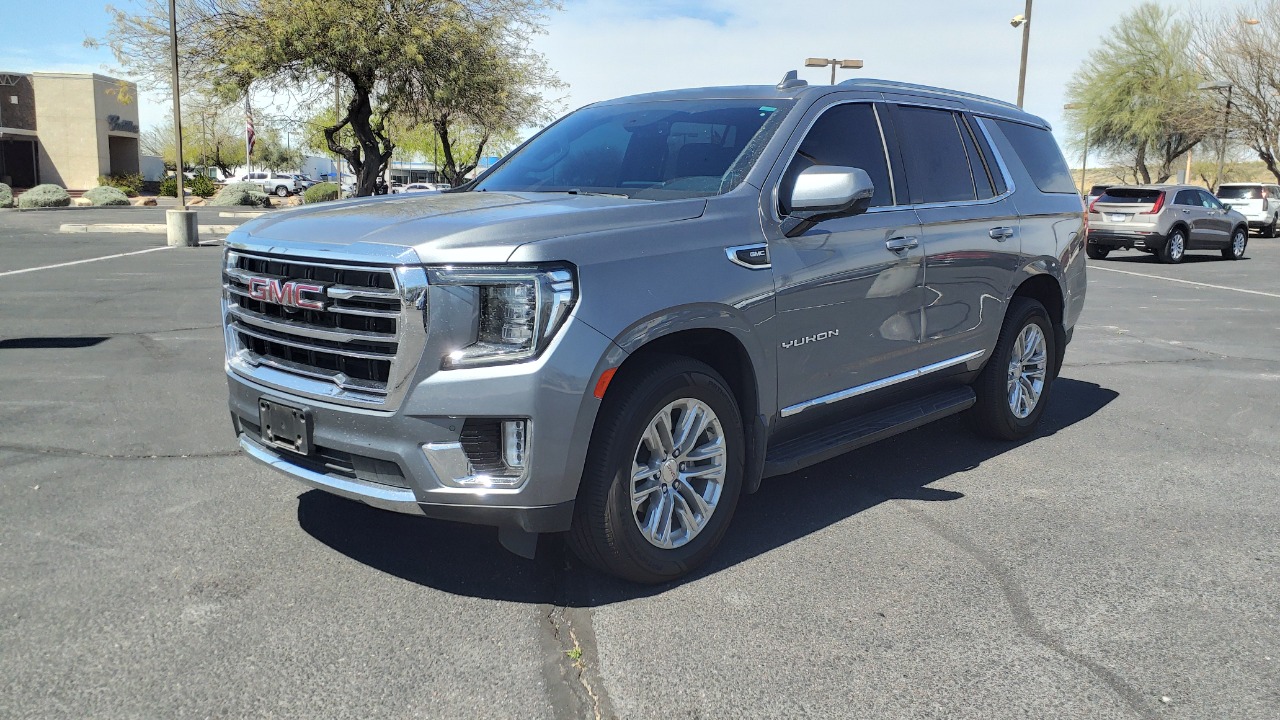
Built on the same full-size platform as the Suburban, the GMC Yukon carries a standard V8 and a body-on-frame structure that keeps combined fuel economy near the bottom of the three-row SUV segment. Four-wheel-drive Denali models, the line’s most popular trim, add further weight that pulls efficiency down even more.
The Yukon’s appeal rests on genuine towing capability, a spacious cabin, and a truck-based ride that feels planted at highway speeds. That capability is inseparable from its fuel use, and owners who tow campers or boats regularly will see mileage fall noticeably below the EPA’s already modest combined estimate.
8. Mercedes-Benz G-Class: Boxy Icon, Poor Economy
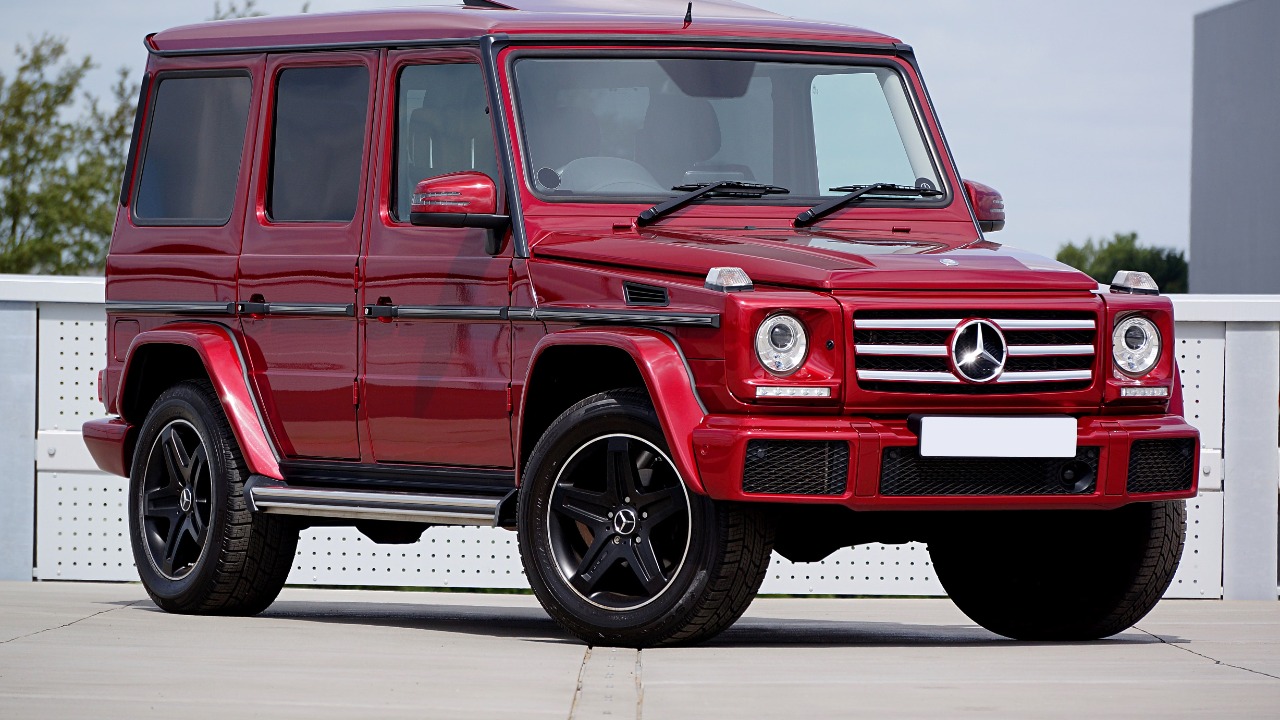
The Mercedes-Benz G-Class has barely changed its slab-sided shape in decades, and that boxy profile fights the wind at every highway speed. Combined with a heavy body-on-frame chassis and, on AMG models, a twin-turbo V8, the G-Class posts some of the worst EPA combined ratings of any luxury SUV sold today.
Owners pay a premium for the G-Class’s off-road pedigree, portal axles on some trims, and unmistakable street presence, not for efficiency. The upright windshield and flat panels that give it that boxy look also make it aerodynamically inefficient, a tradeoff that shows up directly in how often the tank needs refilling.
9. Nissan Armada: Heavyweight’s Empty Tank
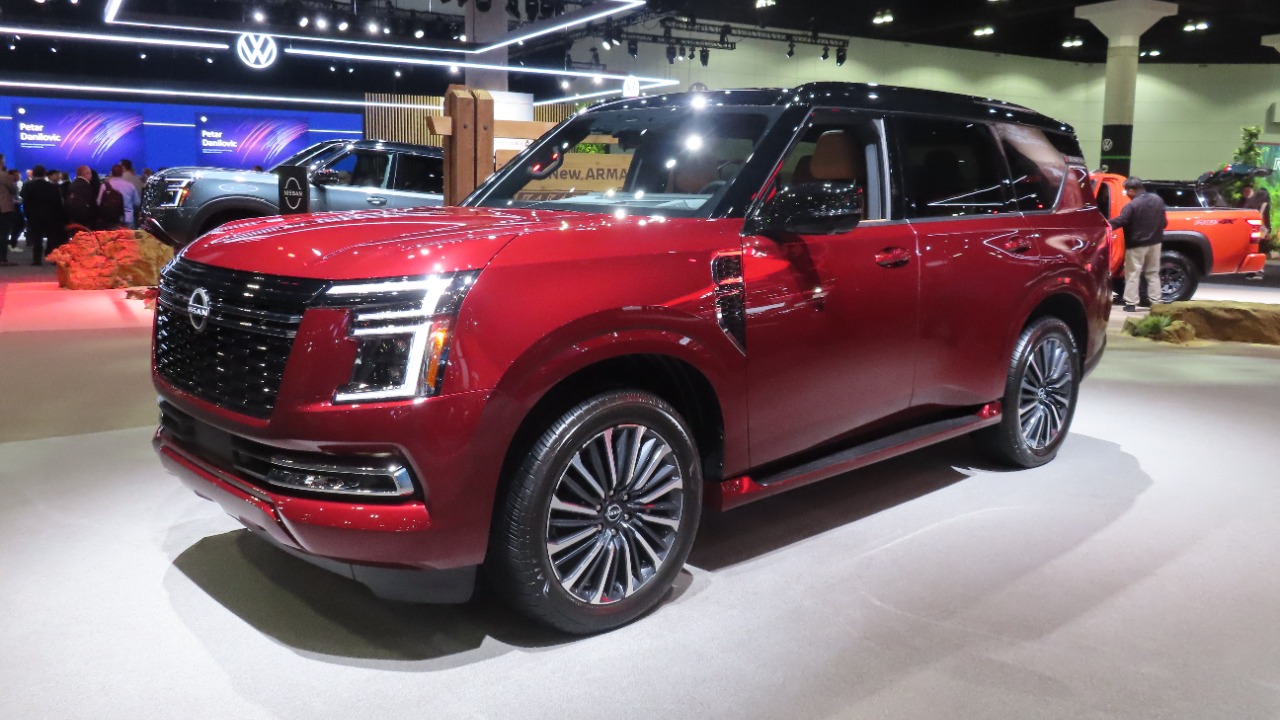
The Nissan Armada is a full-size, body-on-frame SUV built on the same platform as Nissan’s heavy-duty pickup, and it carries that truck’s fuel appetite along with its towing capability. Its standard V8 and considerable curb weight put combined fuel economy near the back of the full-size SUV pack.
Shoppers pick the Armada for its strong towing numbers, three-row seating, and traditional truck-based ride, features that come at the cost of frequent gas stops. Families who use it for long-distance travel or regular towing will find the tank emptying noticeably faster than in most rival three-row SUVs.
More from Morning Overview
- More than 60,000 people flee the Spokane area as complex fires overrun 600 structures
- 11 engines built to run well past 200,000 miles
- Card skimmers hidden on gas pumps and ATMs are draining accounts, and here’s the tell
- The FBI says hackers are hijacking outdated home routers, and it named the models to check
