
Venom evolved as a hunting tool, not as a weapon aimed at people, yet a handful of land species carry chemistry potent enough to shut down a human body. Snakes, scorpions, spiders and one stout desert lizard all deliver it through fangs, stingers or grooved teeth. What follows are nine of them, and the mechanisms that make each one dangerous.
1. Inland taipan: The Most Toxic Snake Venom Measured
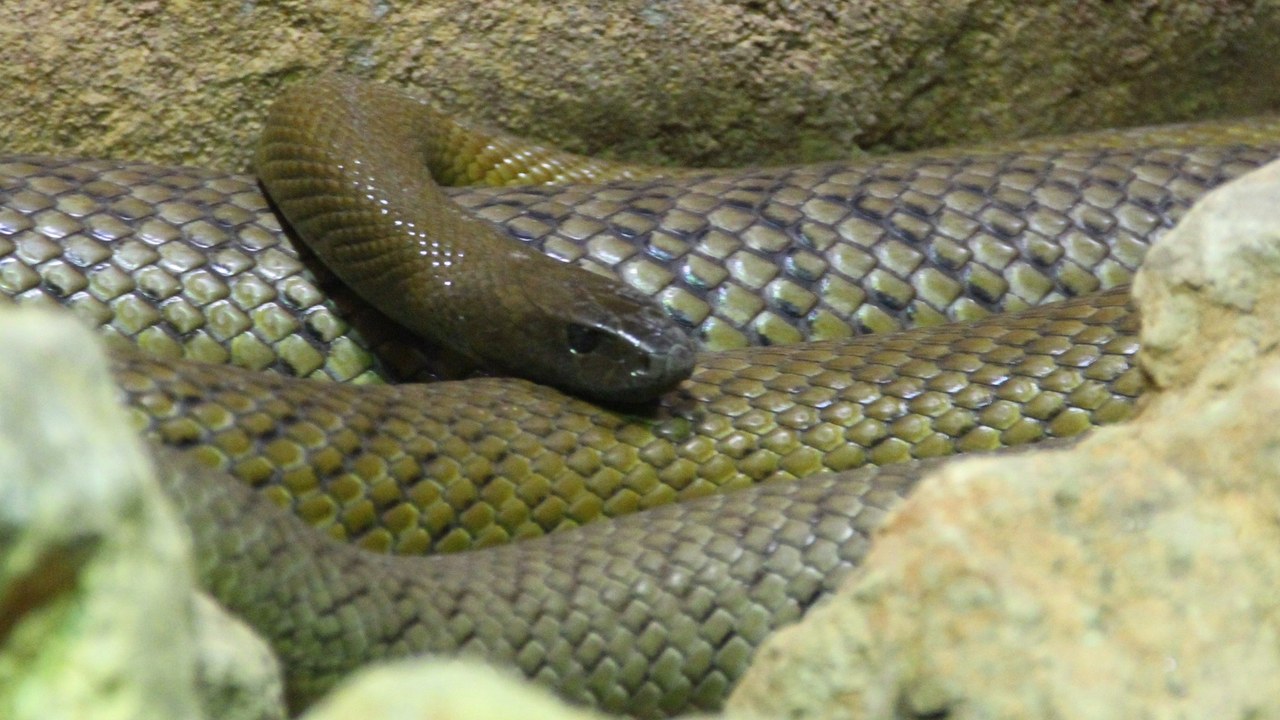
Australia’s inland taipan produces the most toxic snake venom ever measured in standard laboratory tests on mice, a mix of neurotoxins, procoagulants and myotoxins that strikes nerves, blood and muscle at the same time. Those rodent dosage figures are not a human lethality ranking, though extrapolations from them suggest a single bite carries enough venom to kill dozens of adults.
Reputation and real risk diverge sharply here. The snake is reclusive and lives in remote cracked-clay floodplains of central Australia, where almost nobody meets it, and the few recorded bites have involved herpetologists and keepers. All were survived after treatment with taipan antivenom, which makes envenomation a medical emergency rather than a death sentence.
2. King cobra: Size Turns Venom Into Volume
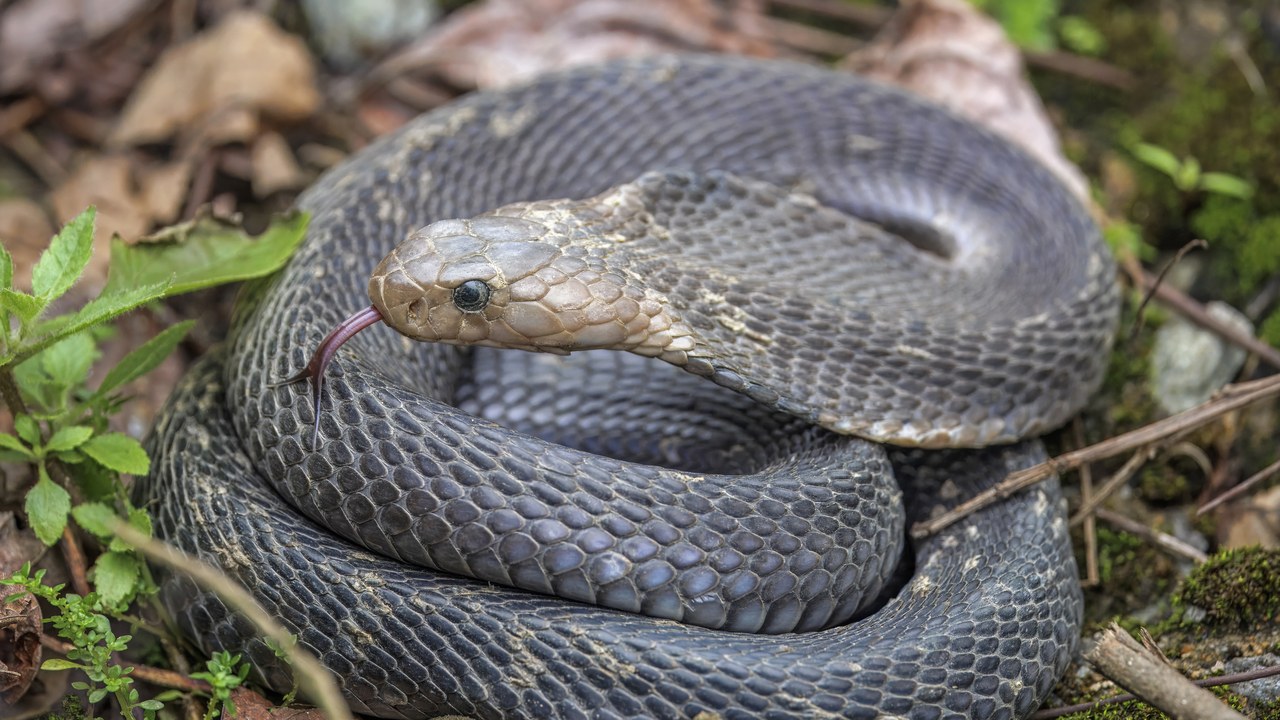
Stretching beyond five metres, the king cobra is the longest venomous snake on Earth, and its size matters as much as its chemistry. The largely neurotoxic venom is not the most potent drop for drop, but the animal can inject an enormous dose in one bite, and accounts from Asia describe elephants dying after being struck in the trunk.
Untreated envenomation can progress to paralysis and respiratory arrest within hours, so bites are handled as a first-order emergency across a range running from India to Indonesia. Antivenom is manufactured in India and Thailand, and hospital ventilation buys time while it takes effect. King cobras are also famously wary, and usually rear, hiss and retreat instead.
3. Black mamba: Speed Meets Fast-Acting Nerve Toxins
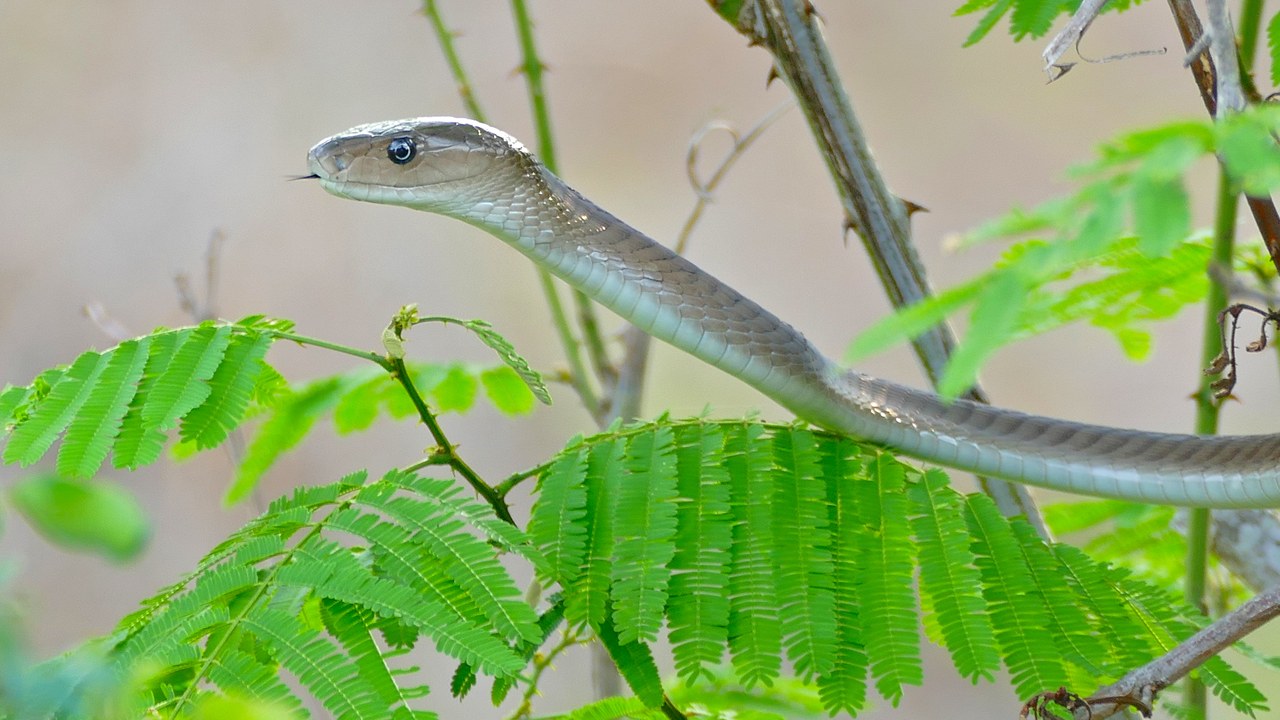
Africa’s black mamba pairs speed with fast-acting chemistry. It is the continent’s longest venomous snake and among the quickest on land, and its venom carries dendrotoxins and other neurotoxins that begin disrupting nerve signalling within minutes. The name refers to the ink-black lining of the mouth, gaped as a warning when the snake is cornered, not to its brownish-grey skin.
Before antivenom, bites were regarded as almost uniformly fatal; with prompt polyvalent antivenom and ventilator support, survival is now the expected outcome. The distance between those two outcomes is mostly a question of how fast a bitten person reaches a hospital, which remains the hard problem in rural Africa. The snake flees far more often than it strikes.
4. Russell’s viper: The Viper That Attacks the Kidneys
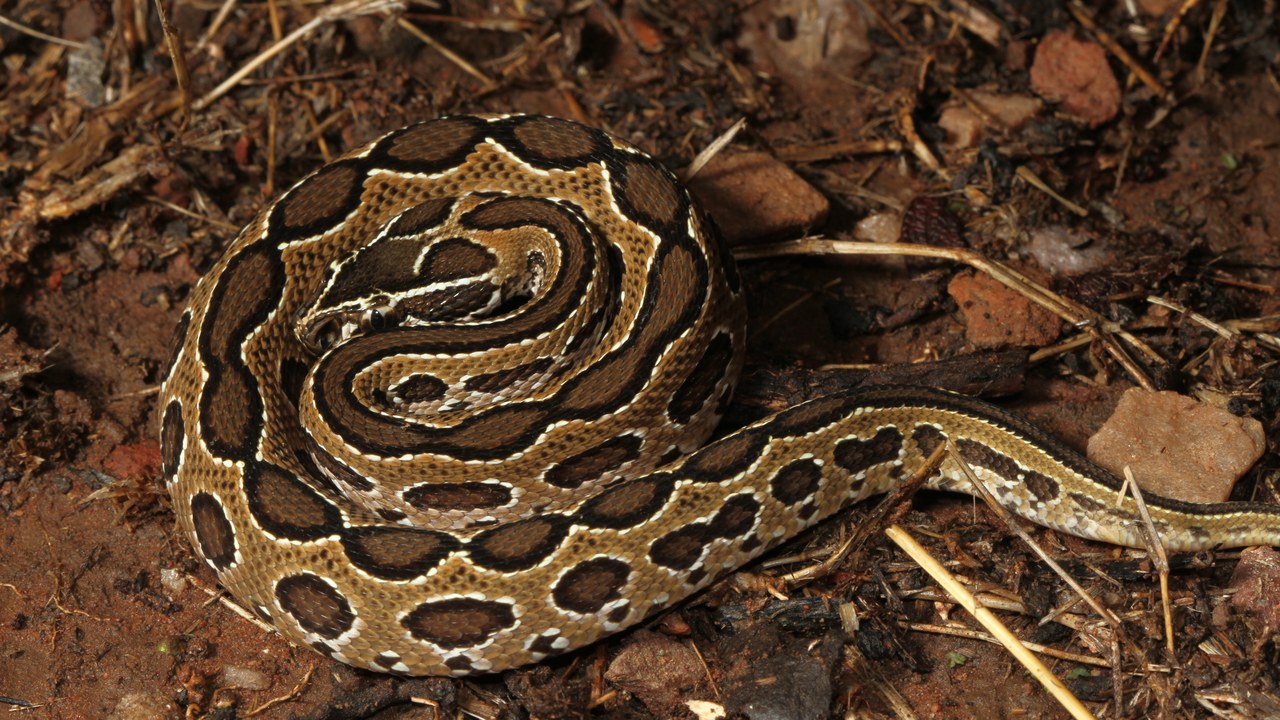
Russell’s viper belongs to India’s notorious big four, the quartet of snakes behind most of the subcontinent’s snakebite deaths. Its venom is haemotoxic rather than purely neurotoxic: it wrecks blood clotting, causes severe internal bleeding and swelling, and frequently triggers acute kidney injury. Some survivors also develop lasting pituitary damage, an unusual long-term consequence.
Encounters are common because the viper hunts rodents in farmland and around villages, putting it directly in the path of barefoot agricultural workers. It hisses loudly and strikes hard when disturbed. Polyvalent antivenom is stocked across the region, but kidney complications mean some survivors need dialysis long after the venom itself has been neutralised.
5. Indian cobra: A Raised Hood and Failing Breath
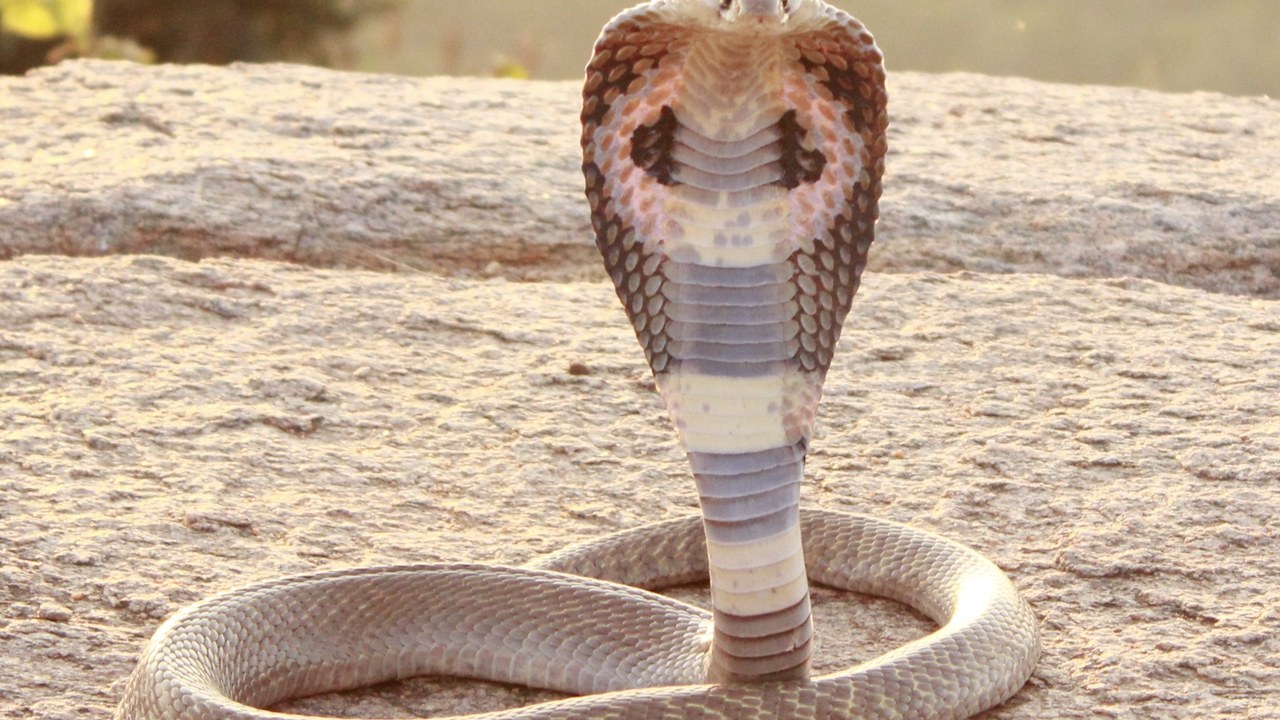
The Indian cobra completes that same big four, and its hooded threat display is one of the most recognisable warnings in the animal world. Venom from Naja naja is dominated by postsynaptic neurotoxins and cardiotoxins, a combination that blocks nerve signals to muscle and can lead to drooping eyelids, difficulty swallowing and eventual respiratory failure.
Rural south Asia carries nearly all of this burden, where fields, grain stores and rubbish heaps attract the rats that cobras hunt. Polyvalent antivenom raised against the big four is the standard treatment, and mechanical ventilation supports breathing until nerve function returns. Delay in reaching care, not potency alone, is what turns a treatable bite into a fatal one.
6. Deathstalker scorpion: Small Sting, Serious Neurotoxins
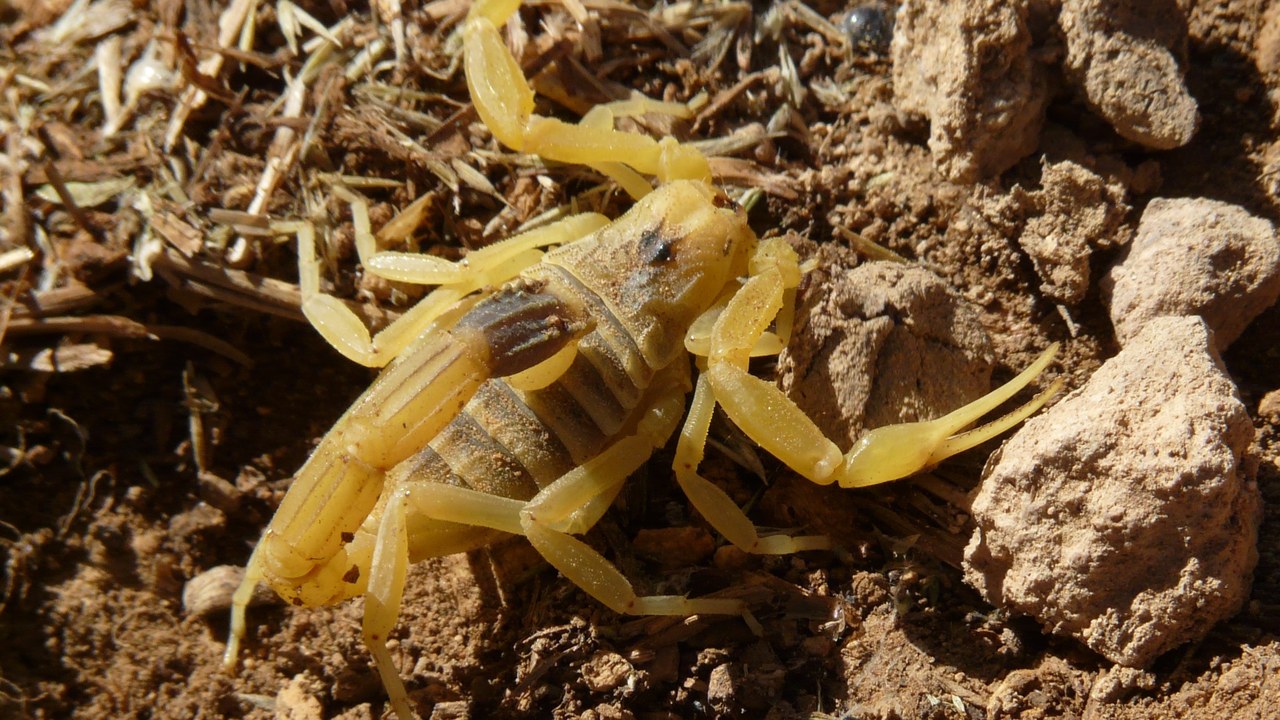
The deathstalker scorpion of North Africa and the Middle East carries venom loaded with small neurotoxins, chlorotoxin and agitoxin among them, that interfere with ion channels in nerve cells. A sting is intensely painful and can progress in serious cases to pancreatitis and fluid on the lungs. Healthy adults usually recover; children, older people and those with heart conditions face real danger.
Scorpion antivenom exists and is used where the species is common, though the sheer number of stings each year makes avoidance the bigger lever. The venom has a strange second life in medicine: chlorotoxin binds to certain tumour cells and has been developed into an imaging agent that helps surgeons see the edge of a brain tumour.
7. Sydney funnel-web spider: Thirteen Deaths, Then an Antivenom
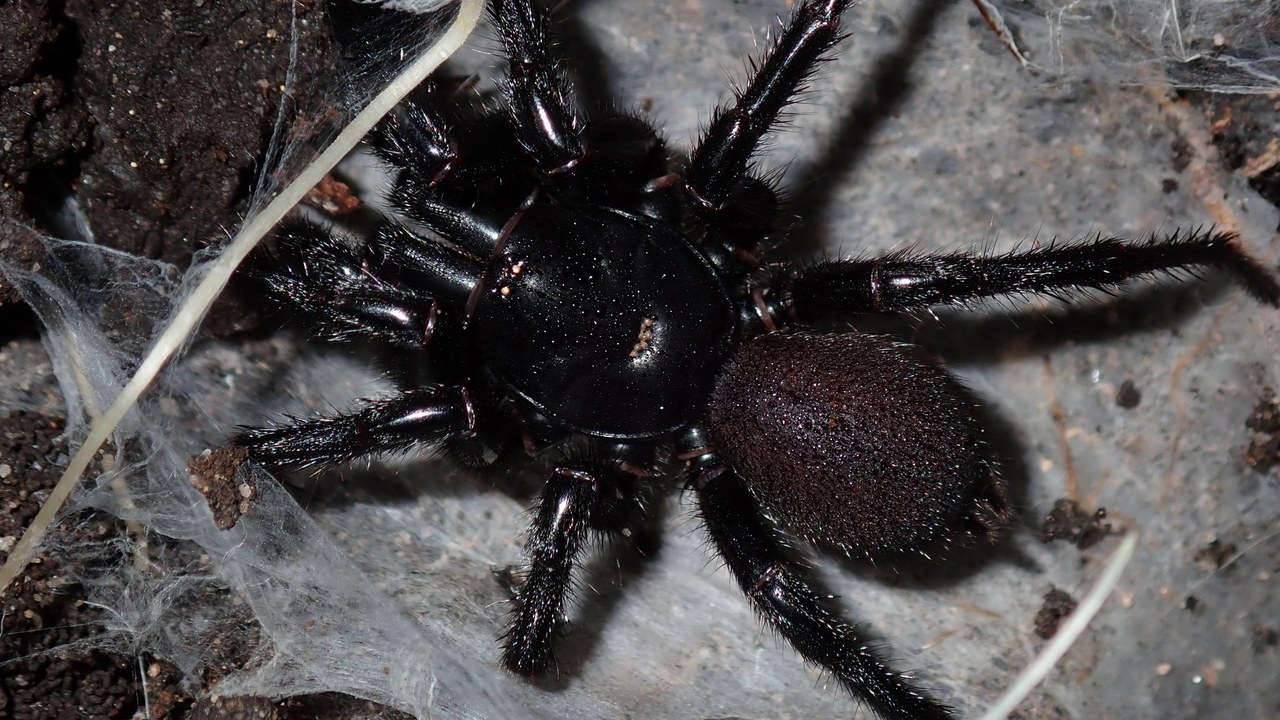
Male Sydney funnel-web spiders carry a toxin that jams nerve channels open, setting off sweating, muscle spasm, a racing heart and dangerous blood-pressure swings. Primates, humans included, are unusually sensitive to it while many other mammals shrug it off. The males are the wanderers, roaming after rain and occasionally turning up in garages and swimming pools around Sydney.
Thirteen deaths are on record, all of them before an antivenom became available in 1981, and none have been recorded since. A bite is still a genuine emergency demanding immediate hospital care. The antivenom programme depends on donated live spiders milked for venom, an odd public partnership that turned a reliably lethal bite into a survivable one.
8. Brazilian wandering spider: A Nighttime Hunter With Record Venom
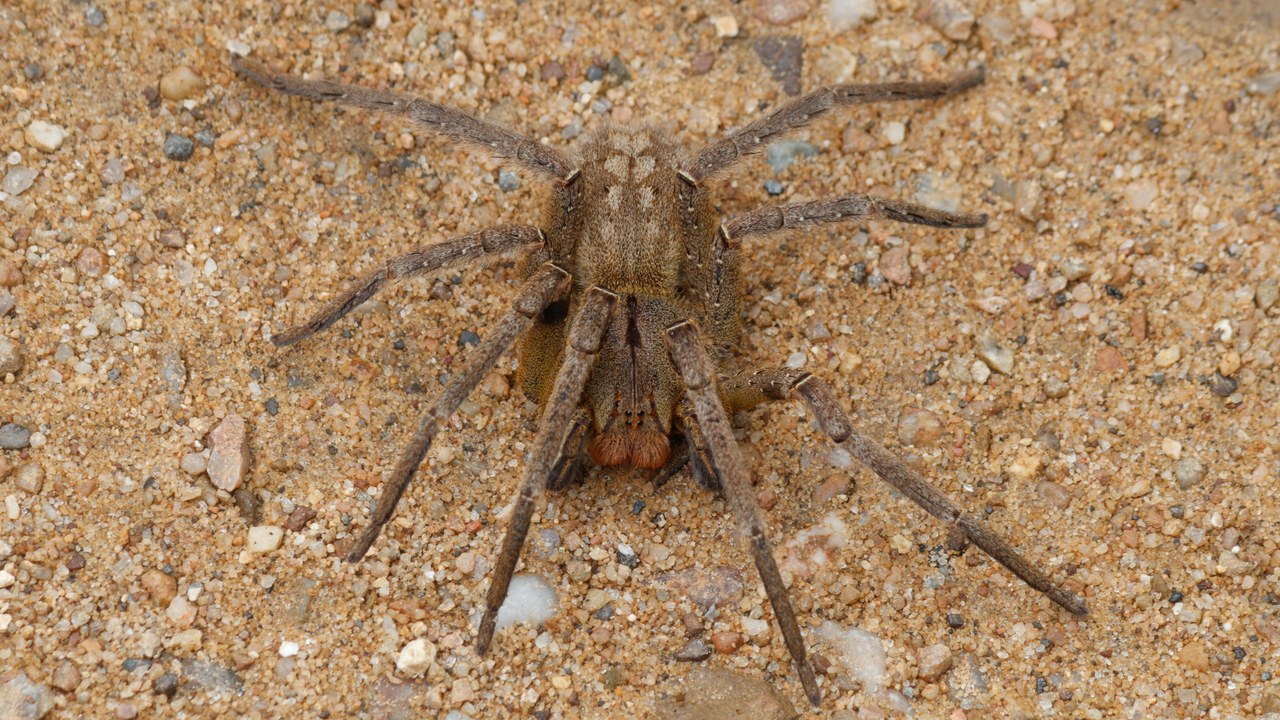
Spiders of the genus Phoneutria, better known as Brazilian wandering spiders, have held a Guinness record as the world’s most venomous spiders. Their venom contains neurotoxins that cause searing pain, sweating, irregular heartbeat and, distinctively, prolonged and painful erections in men. The wandering name comes from hunting across the forest floor at night rather than waiting in a web.
Most bites deliver little venom and settle with pain relief alone; serious cases are treated with antivenom in Brazil, and deaths are rare and concentrated among small children. The spiders turn up in banana shipments often enough to have earned a second nickname, and that erection-inducing toxin has been studied as a route to new erectile-dysfunction drugs.
9. Gila monster: The Lizard That Chews Its Venom In
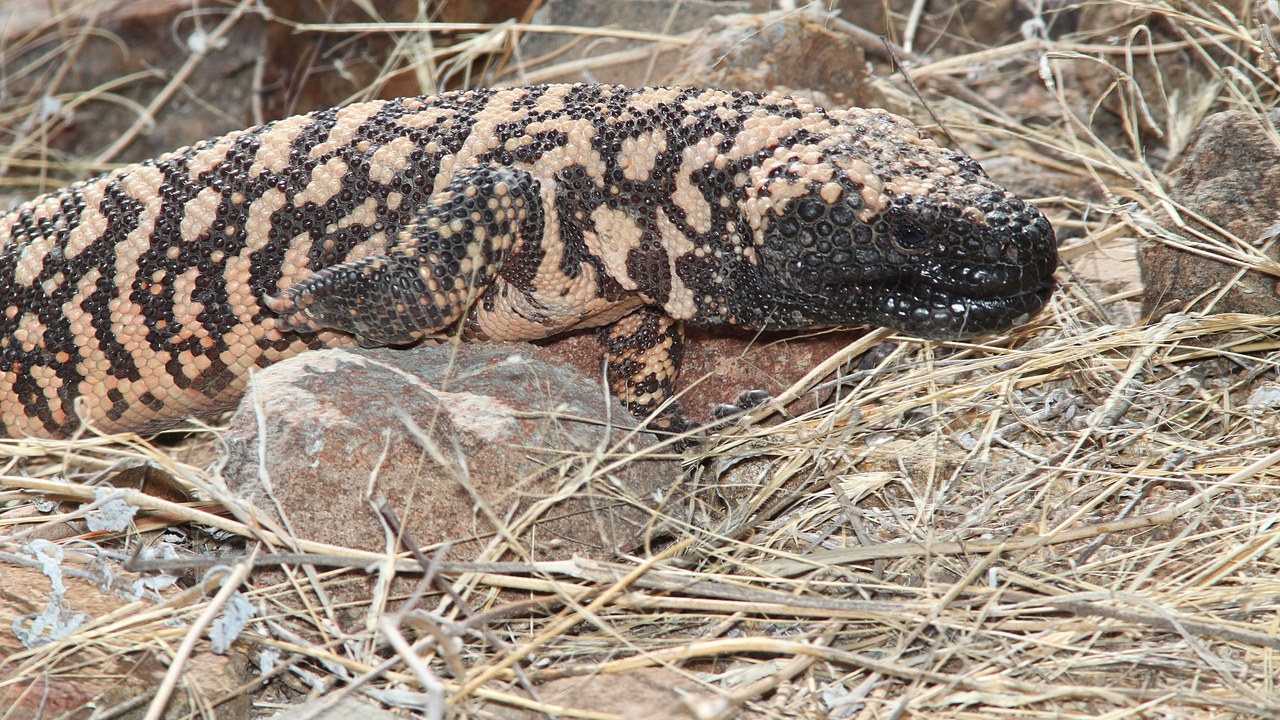
The Gila monster is one of the few venomous lizards, a heavy black-and-orange reptile of the southwestern United States and northern Mexico. It has no hollow fangs; venom seeps along grooved teeth in the lower jaw while the animal clamps down and chews, which is why bites are notoriously hard to break and produce agonising pain, swelling and a drop in blood pressure.
No antivenom is produced, and no verified modern record exists of a healthy adult dying from a wild Gila monster bite, though hospital treatment is still required. The venom has instead proved medically valuable: a hormone-like compound in it, exendin-4, became the basis for exenatide, a drug prescribed for type 2 diabetes.
More from Morning Overview
- A California supervolcano has bulged upward about two and a half feet since 1978
- The FTC is warning about a scam quietly draining thousands from victims
- The NSA is again telling phone owners to switch off one location setting
- A handful of car transmissions are so tough mechanics say they almost never fail
