
The ocean hides some of the planet’s most potent venoms inside animals that rarely look dangerous at first glance. A drifting bell, a patterned shell, or a rock-shaped fish can each deliver toxins powerful enough to send a person to the hospital. These nine creatures show how varied, and how quietly armed, marine venom can be.
1. Box jellyfish: Heart-Stopping Sting
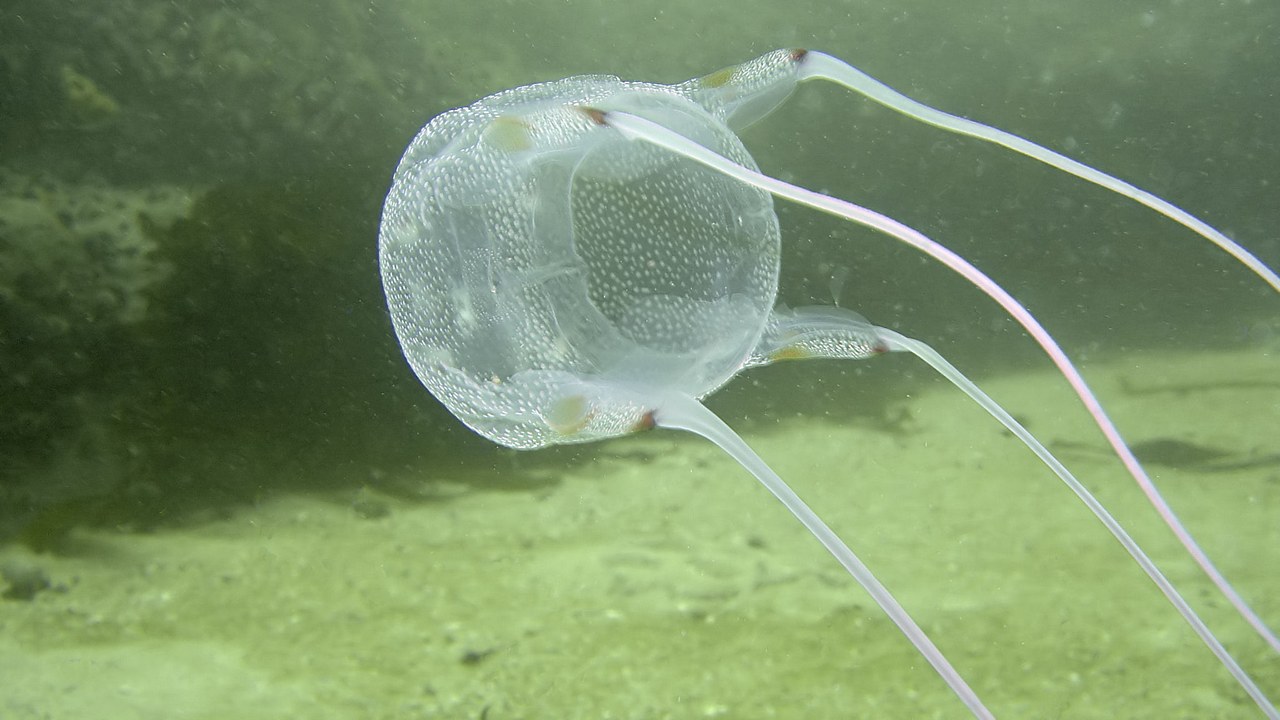
Drifting through warm coastal waters, the box jellyfish carries some of the fastest-acting venom known in the sea. Its trailing tentacles are lined with stinging cells that fire on contact, and a severe sting from the Australian species can trigger cardiac arrest within minutes if left untreated.
Survivors frequently describe overwhelming pain, and the near-transparent bell is nearly impossible to spot before contact. Antivenom exists, but rapid first aid and vinegar to neutralize unfired cells remain critical. Not every box jellyfish species is deadly to humans, yet the group as a whole earns its fearsome reputation.
2. Blue-ringed octopus: Tiny But Deadly
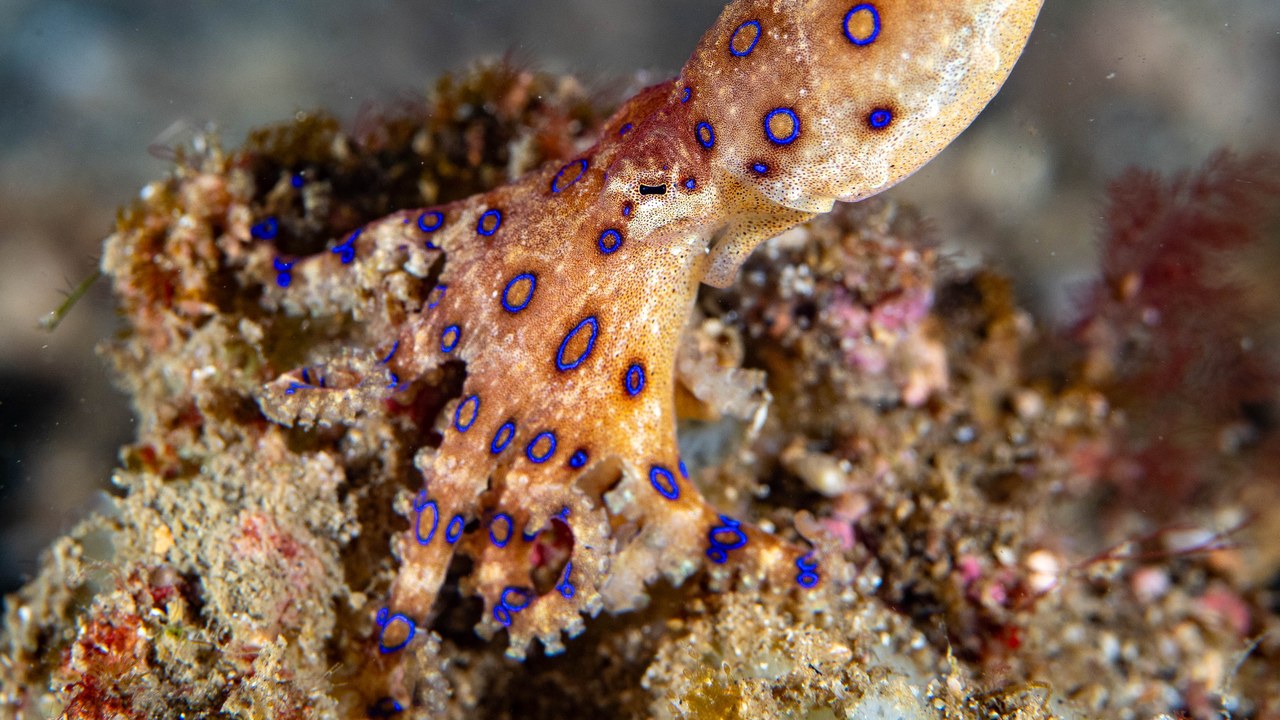
No larger than a golf ball, the blue-ringed octopus ranks among the most dangerous animals in tide pools across the Pacific and Indian oceans. Its saliva contains tetrodotoxin, the same paralytic toxin found in pufferfish, delivered through a bite that victims often barely feel. The vivid blue rings flash as a warning only when the animal feels threatened.
There is no antivenom, and the toxin can cause total paralysis and respiratory failure while the victim remains fully conscious. Prompt rescue breathing and hospital ventilation are the only reliable defenses. Most bites happen when someone handles an octopus they mistook for harmless.
3. Stonefish: The Rock That Stings
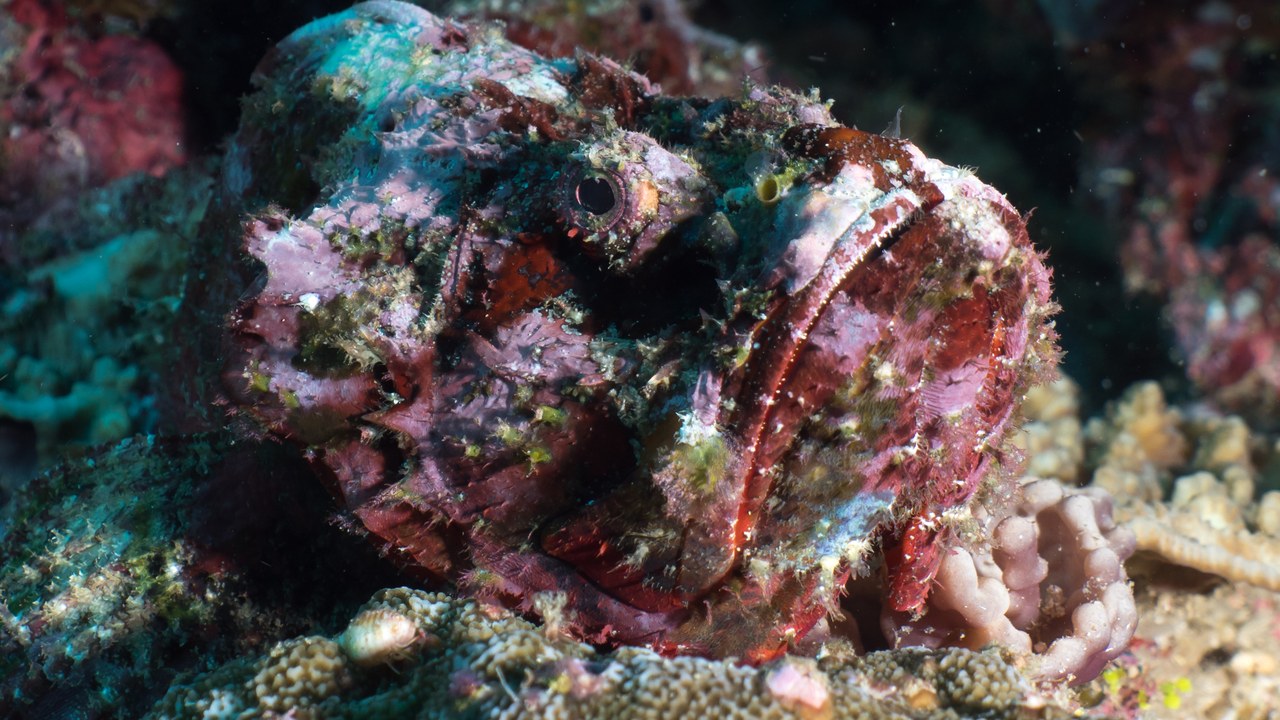
Widely regarded as the most venomous fish in the world, the stonefish lies motionless on reefs and seabeds where it looks exactly like an encrusted rock. Thirteen sharp dorsal spines each connect to venom glands that inject a potent toxin when the fish is stepped on. The camouflage is so effective that most stings happen by accident.
The venom causes excruciating pain, swelling, and tissue damage, and untreated stings can be fatal, though deaths are rare where antivenom is available. Stonefish are found across the Indo-Pacific, often in shallow water close to shore. Hot water and prompt medical care help break down the venom and ease the pain.
4. Cone snail: Harpoon In A Shell
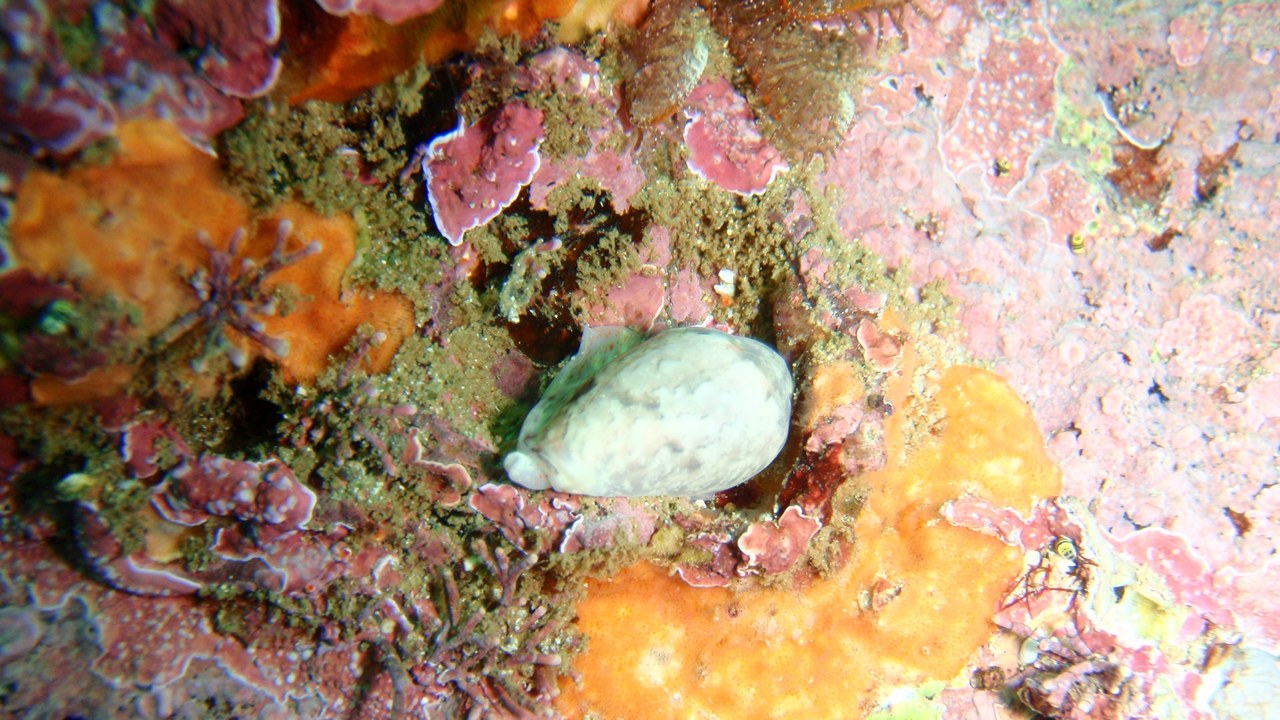
Beneath its beautiful shell, the cone snail hides one of the ocean’s most sophisticated weapons. This slow-moving mollusk hunts by firing a hollow, harpoon-like tooth loaded with a cocktail of paralyzing venom called conotoxins. Fish and worms are immobilized almost instantly, letting a creature that can barely crawl catch surprisingly fast prey.
Larger fish-hunting species carry venom potent enough to harm humans, and a few stings have proven fatal because no antivenom exists. Handling a live cone shell picked up from a reef is the usual cause of injury. Researchers also study conotoxins for medicine, since some components show promise as powerful pain relievers.
5. Sea snakes: Serpents Of The Sea
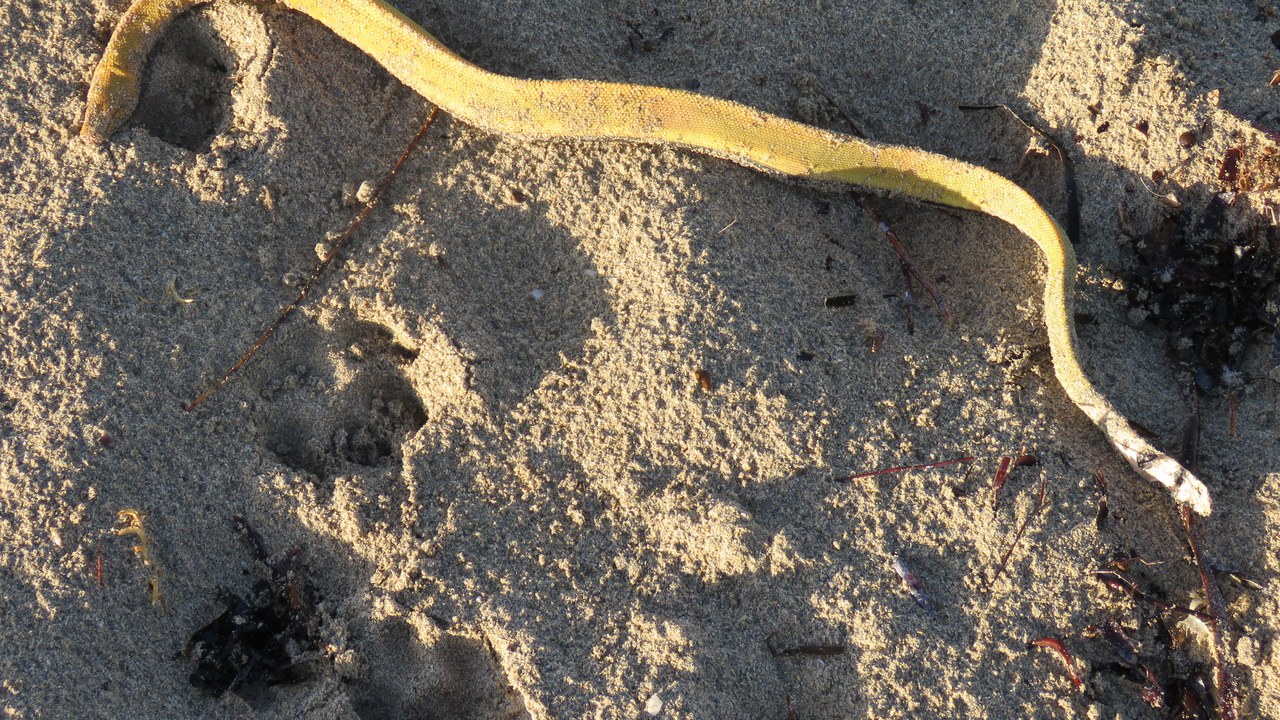
Fully adapted to life at sea, sea snakes glide through tropical waters with paddle-shaped tails and venom related to that of cobras and other elapids. Their neurotoxins rank among the strongest in the snake world, capable of causing muscle paralysis and kidney damage. Despite that potency, these serpents are generally docile and bite people only rarely.
Most encounters end without incident because the fangs are short and the animals seldom act aggressively unless roughly handled. Fishermen untangling nets account for many of the few serious bites recorded each year. Several species, including the yellow-bellied sea snake, roam vast stretches of open ocean far from any coastline.
6. Portuguese man o’ war: Not A Jellyfish
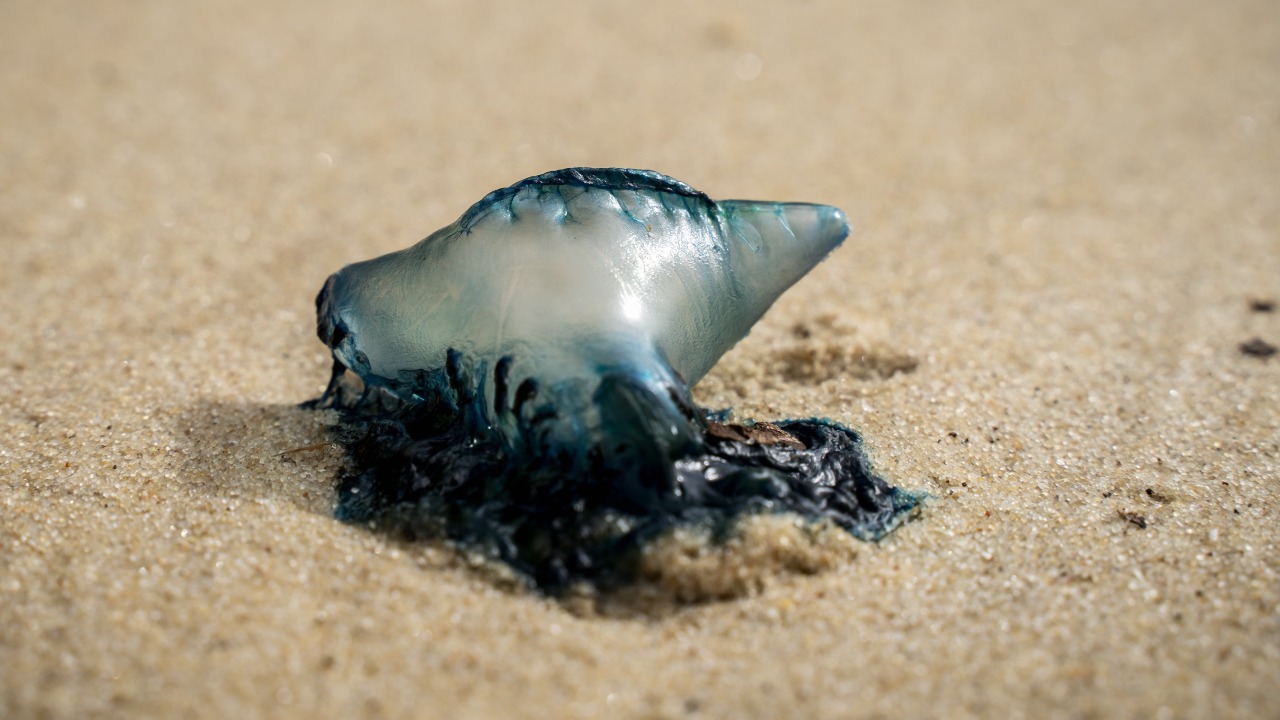
Often mistaken for a jellyfish, the Portuguese man o’ war is actually a floating colony of specialized organisms working together as one. A gas-filled float keeps it at the surface while tentacles trailing many feet below carry stinging cells that inject venom into prey. Wind and current push whole flotillas toward beaches, where they still sting after washing ashore.
The sting produces intense, whip-like pain and welts, and in rare cases can cause more serious reactions. Fatalities are very uncommon, but the venom remains active in detached tentacles long after the animal appears dead. Beachgoers are warned never to touch the striking blue floats stranded on the sand.
7. Lionfish: Beautiful And Armed
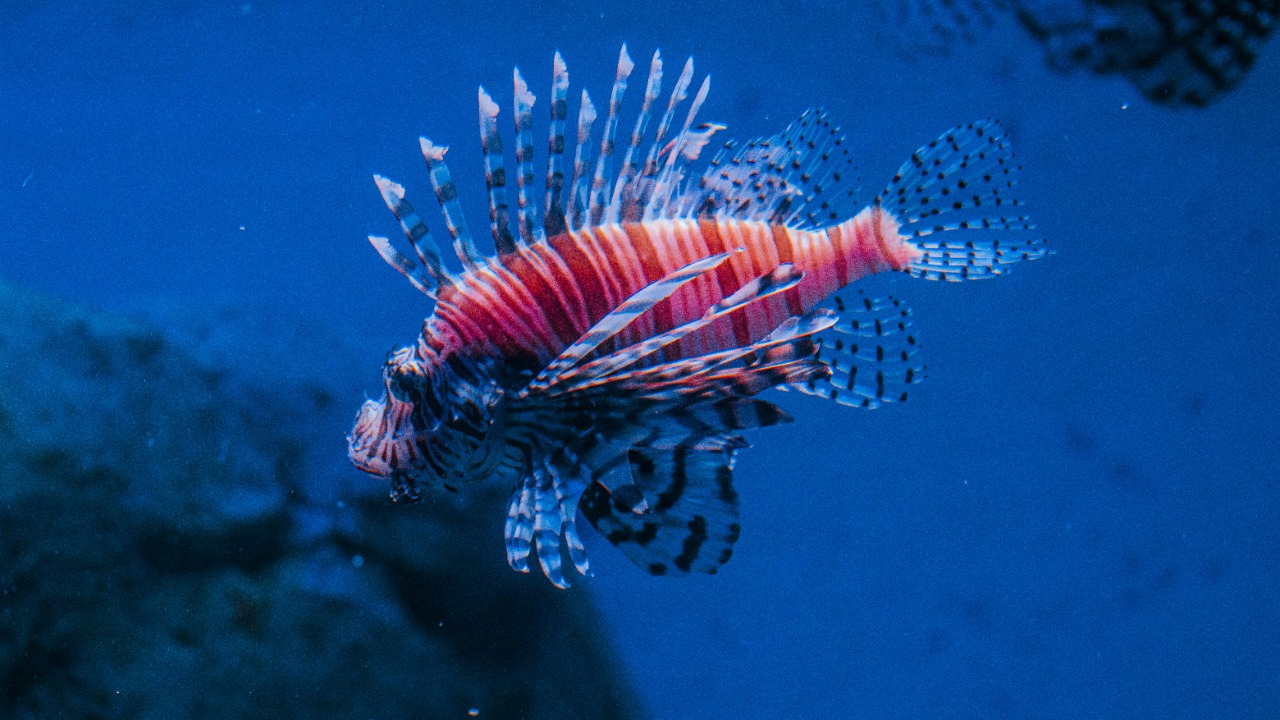
With its fan of striped fins and long feathery spines, the lionfish looks more ornamental than dangerous. Those spines, however, are tipped with venom glands that deliver a painful sting used purely for defense rather than hunting. Native to the Indo-Pacific, the fish has become a notorious invasive species across the western Atlantic and Caribbean.
A sting brings throbbing pain, swelling, and occasionally nausea, though it is rarely dangerous to a healthy adult. Hot water usually eases the discomfort, and serious complications are uncommon. Divers admire the animal’s bold appearance while keeping a respectful distance from those elegant but well-armed spines.
8. Stingray: The Buried Barb
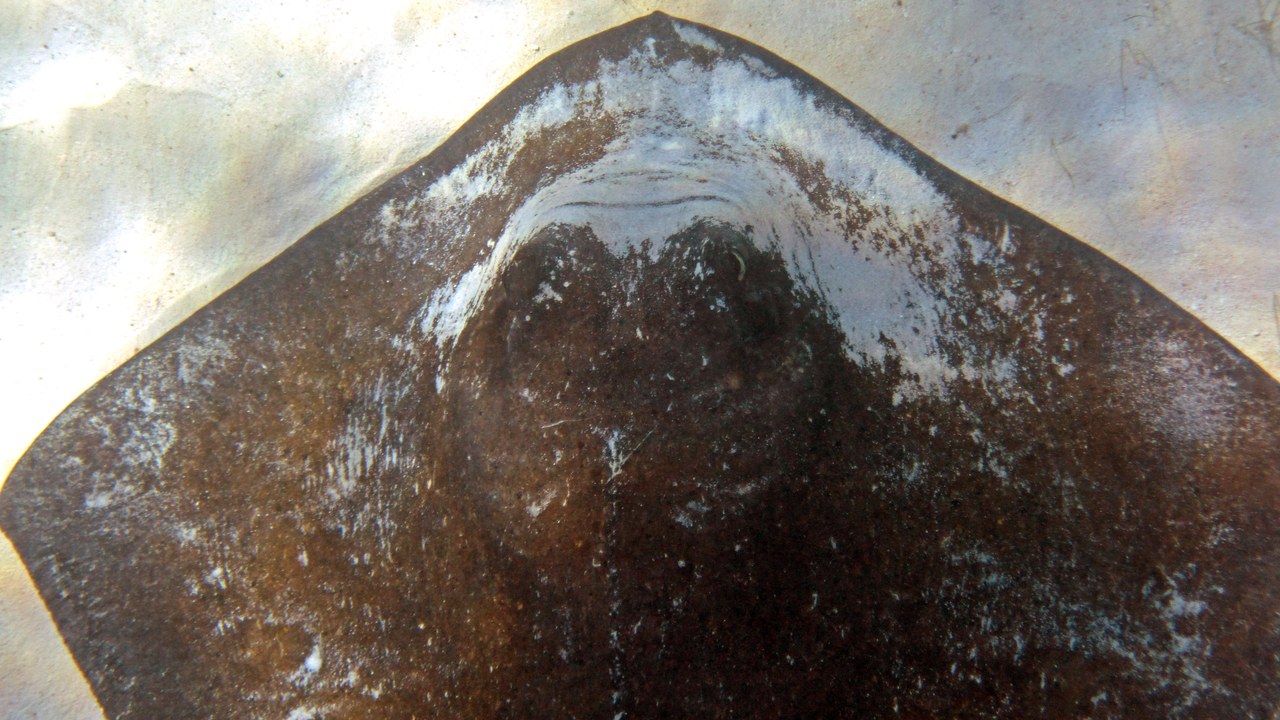
Gliding along sandy bottoms, the stingray relies on a venomous barb near the base of its whip-like tail for protection. The serrated spine is coated in venom-producing tissue and can inflict a deep, painful wound when the animal is stepped on or cornered. Stingrays are not aggressive and use the barb only as a last resort.
Most injuries occur when waders accidentally step on a ray buried in the sand, prompting a defensive strike to the leg or foot. The venom causes severe pain, and the wound itself can be serious, especially if the barb strikes the torso. Shuffling the feet while walking in shallow water helps warn rays and avoid contact.
9. Textile cone snail: Cloth Of Gold
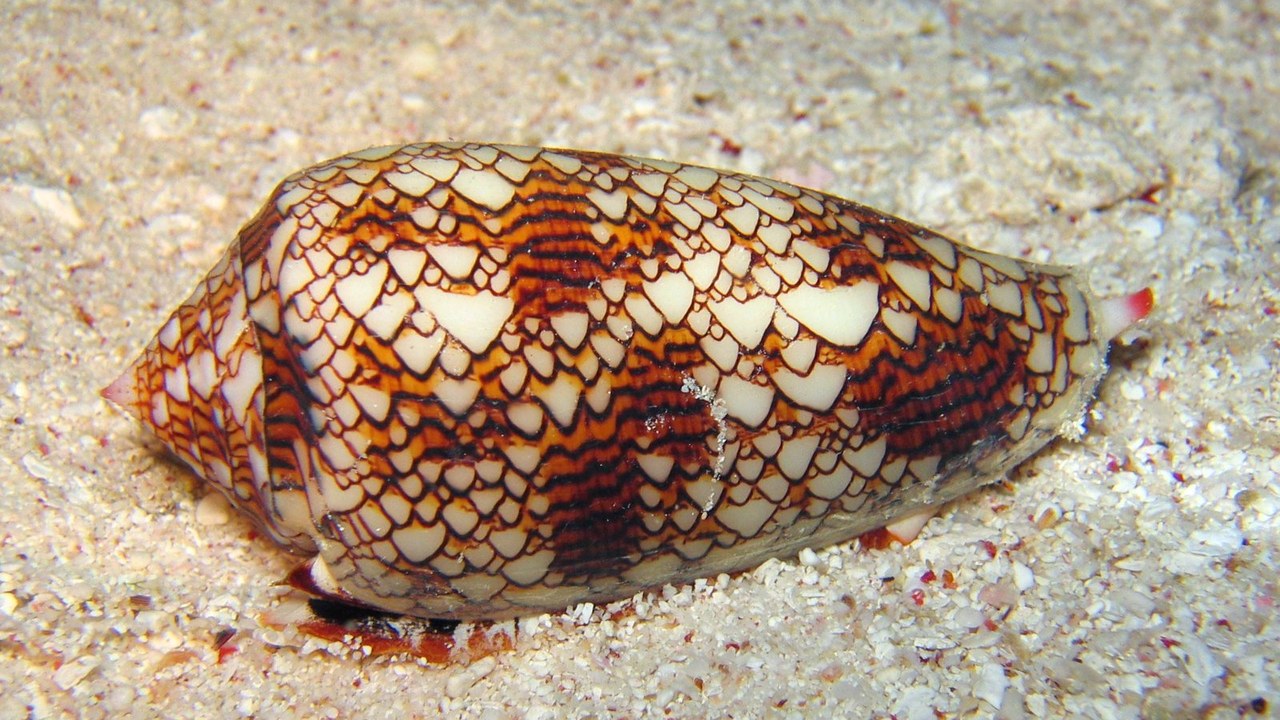
Wrapped in a golden, tent-patterned shell, the textile cone snail is one of the most venomous members of the cone snail family. Nicknamed the cloth of gold, it hunts by launching a hollow, dart-like tooth loaded with a fast-acting mix of neurotoxins. The strike immobilizes prey almost instantly despite the snail’s sluggish pace.
Its venom is potent enough to kill a human, and several deaths have been attributed to careless handling of the shell. No antivenom exists, so treatment focuses on supporting breathing until the toxins clear. Shell collectors are cautioned that a live cone hidden inside a beautiful shell can deliver a life-threatening sting.
More from Morning Overview
- The FTC is warning about a scam quietly draining thousands from victims
- The NSA is again telling phone owners to switch off one location setting
- A handful of car transmissions are so tough mechanics say they almost never fail
- A handful of SUVs keep hitting 300,000 miles, and they share one engine trait
