
Waterfalls turn simple physics into spectacle, using nothing more than gravity, rock and a drop in elevation to produce some of the loudest and most photographed places on Earth. Some are famous for raw volume, others for sheer height, and a few for the strange terraced lakes they carve into limestone. Here are nine waterfalls that show just how varied that spectacle can be.
1. Niagara Falls: Niagara’s Nonstop Roar
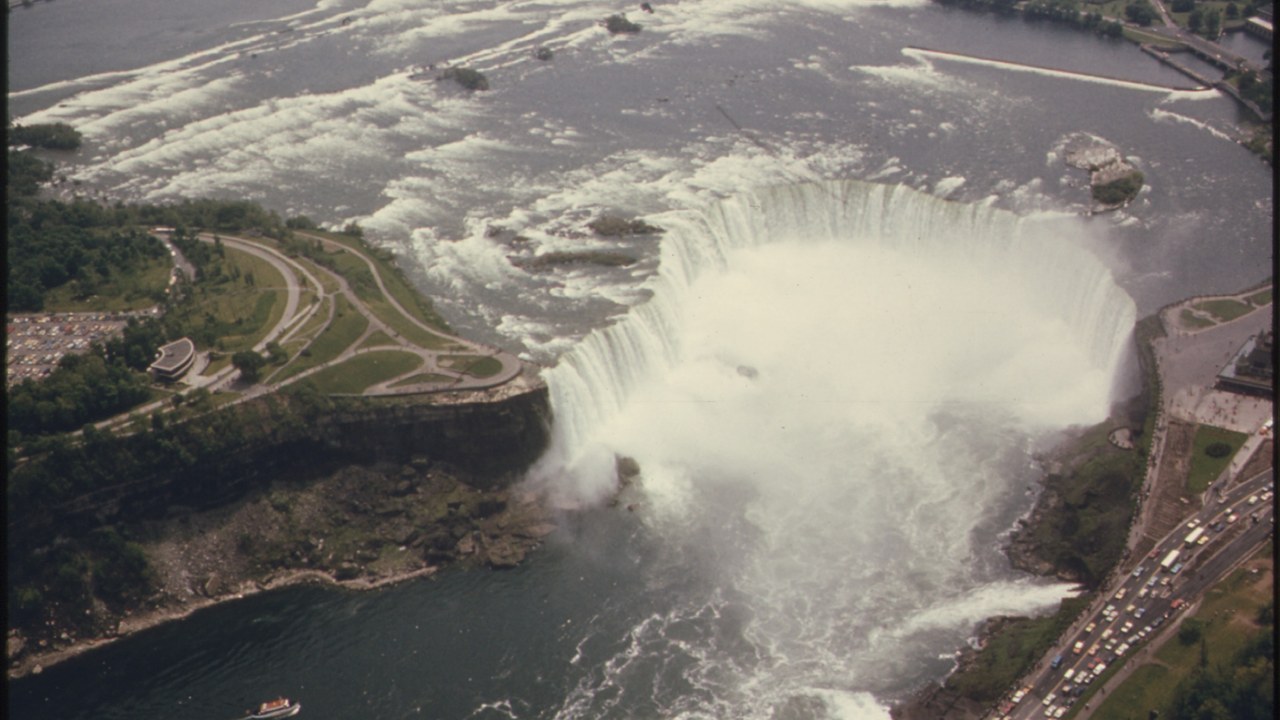
Straddling the border between New York and Ontario, Niagara Falls moves roughly 3,000 tons of water every second across its combined Horseshoe and American cataracts, a discharge tracked by ocean and atmospheric researchers rather than a single tourism claim.
Most of that volume is diverted through the Horseshoe side on the Canadian shore, which is why the classic postcard view looks across the gorge from Ontario rather than straight down from the American rim, and why cold snaps can visibly slow the flow without ever stopping it.
2. Victoria Falls: The Smoke That Thunders
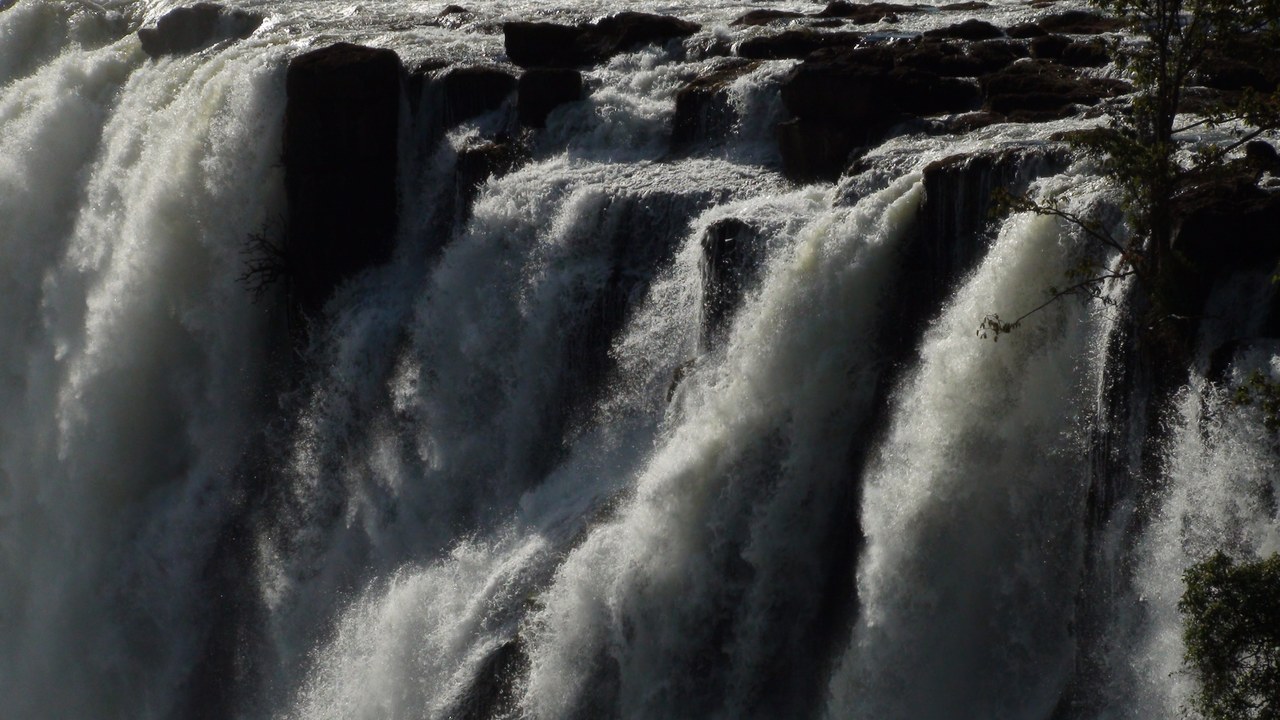
Victoria Falls, on the Zambezi River between Zambia and Zimbabwe, spans roughly a mile of unbroken curtain, wide enough that local tradition named it Mosi-oa-Tunya, the smoke that thunders, for the mist column visible for miles.
The spray plume can be seen and heard from several miles away during peak flood months, while the dry season strips the curtain back to a scatter of separate cascades, so the same site can look like two entirely different waterfalls depending on when a visitor arrives, sometimes within the same calendar year.
3. Iguazu Falls: Iguazu’s Jungle Chorus
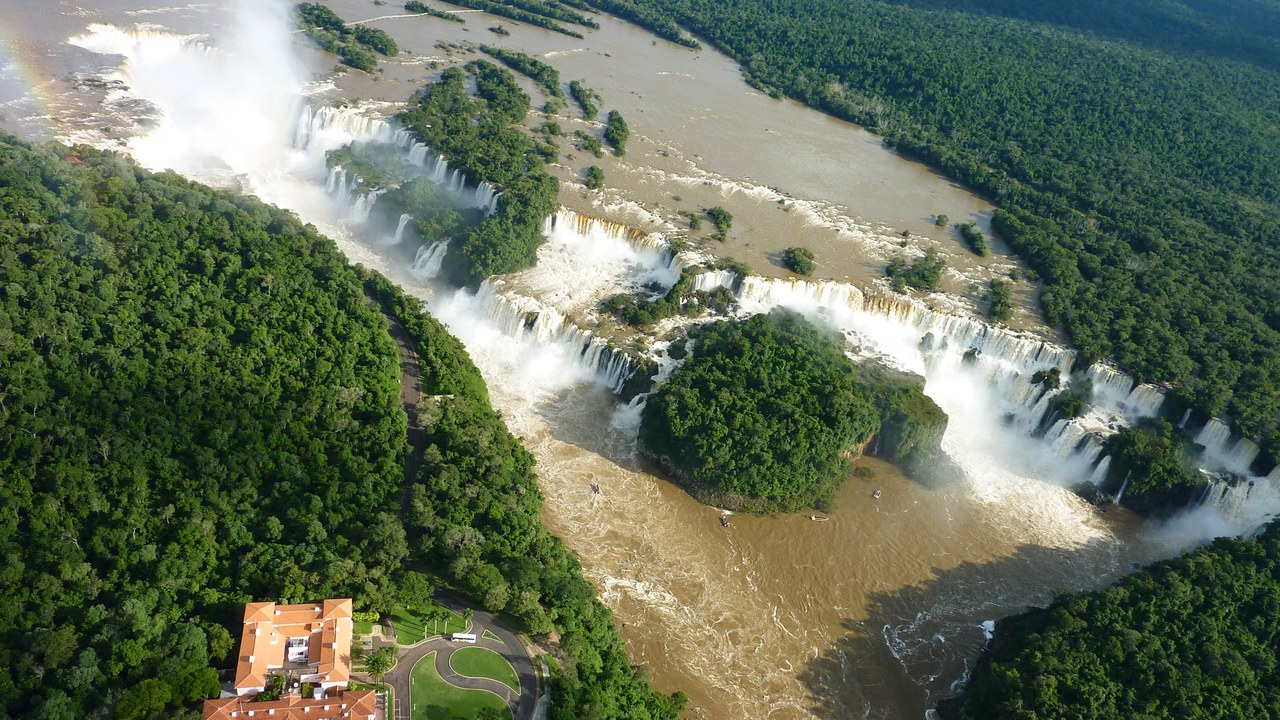
Iguazu Falls straddles the border of Argentina and Brazil as not one drop but a system of roughly 275 individual cascades strung along a curved gorge cut through subtropical rainforest, with the horseshoe-shaped Devil’s Throat carrying the heaviest single volume.
Walkways on both the Argentine and Brazilian sides put visitors at different distances from the spray, and rainfall upstream in the Iguazu River basin can swell or shrink the total number of visible cascades from one season to the next, occasionally merging several strands into one continuous sheet.
4. Angel Falls: The Tallest Uninterrupted Drop
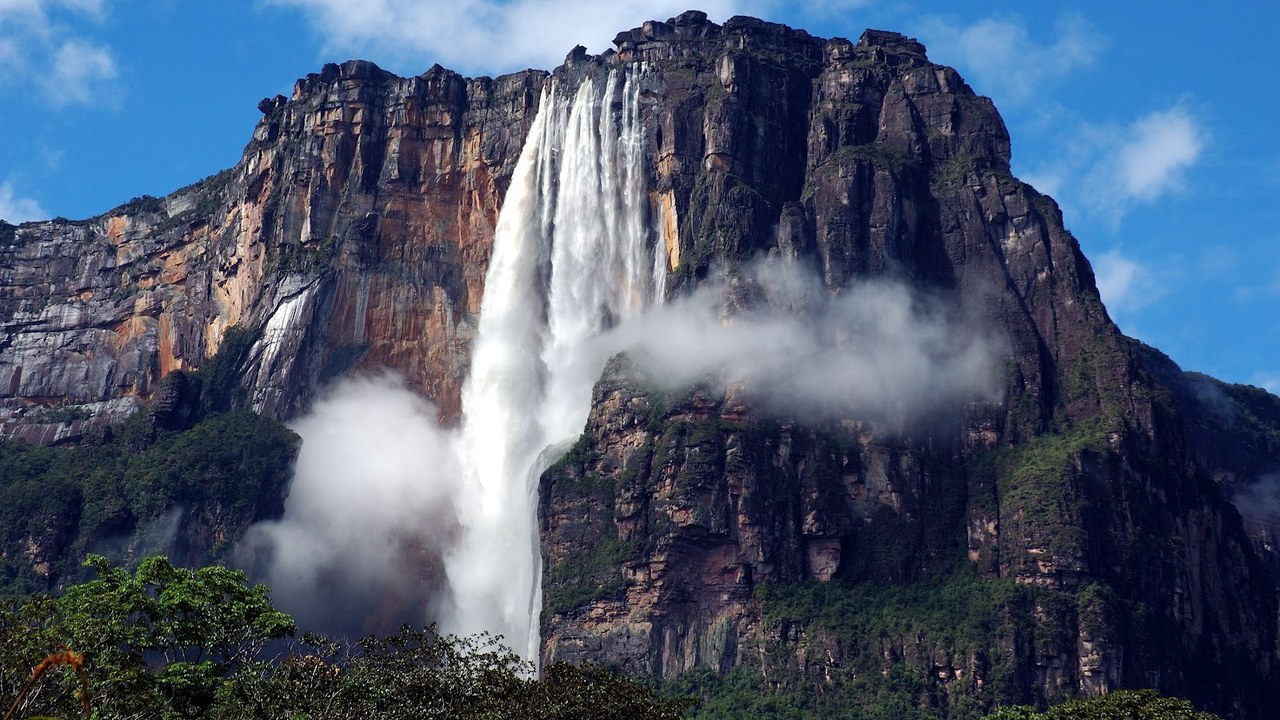
Angel Falls, dropping from a sandstone tabletop mountain in Venezuela’s Canaima National Park, holds the record for the tallest uninterrupted waterfall on Earth, its water falling so far that much of it disperses into mist before reaching the pool below.
The falls sit deep in roadless jungle, so most visitors reach the base only by a combination of light aircraft and river canoe, and the name itself honors an American aviator who first publicized the site rather than any Indigenous discoverer, even though local Pemon communities had known the cascade for generations.
5. Yosemite Falls: North America’s Tallest Cascade
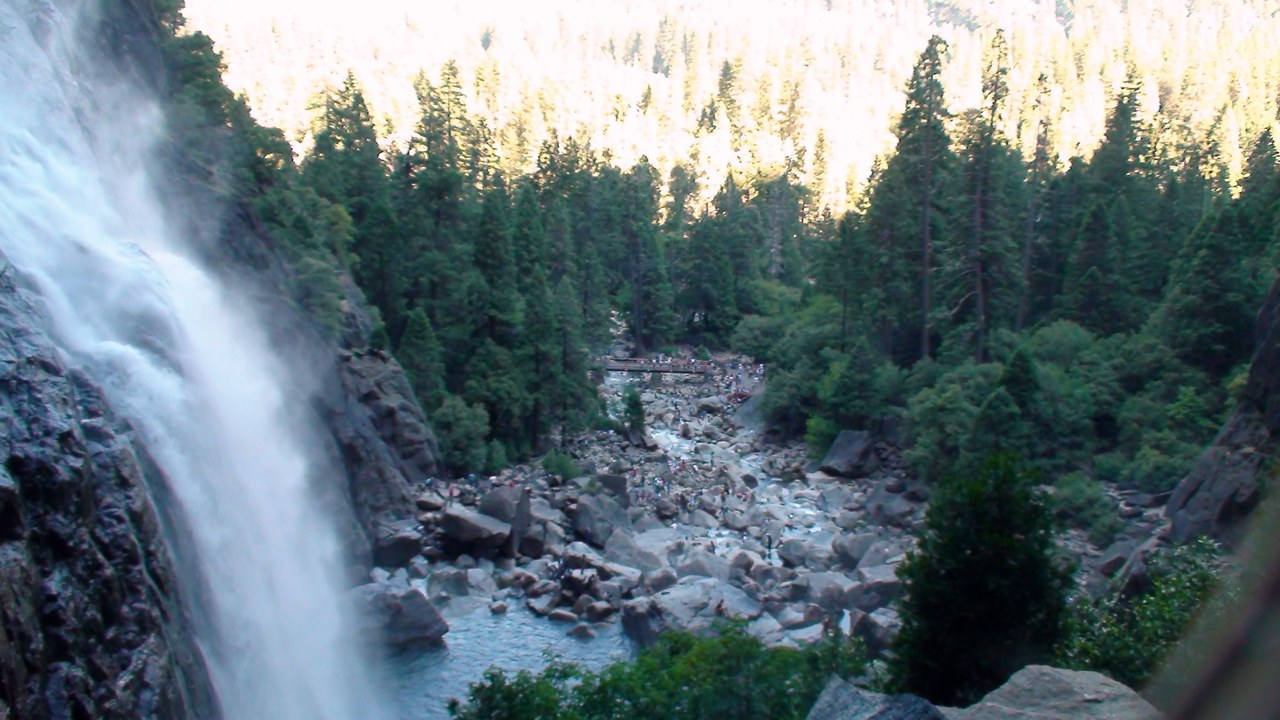
Yosemite Falls drops off a granite cliff in California’s Yosemite Valley in three distinct tiers, upper, middle and lower, making it the tallest waterfall in North America when all three sections are counted together, a configuration carved by glaciers that also shaped the sheer walls of the surrounding valley.
The flow is fed almost entirely by melting snowpack, so it thunders in spring and early summer and can shrink to a bare trickle or disappear completely by late summer and fall, a seasonal swing that catches many first-time visitors off guard.
6. Gullfoss: Iceland’s Golden Falls
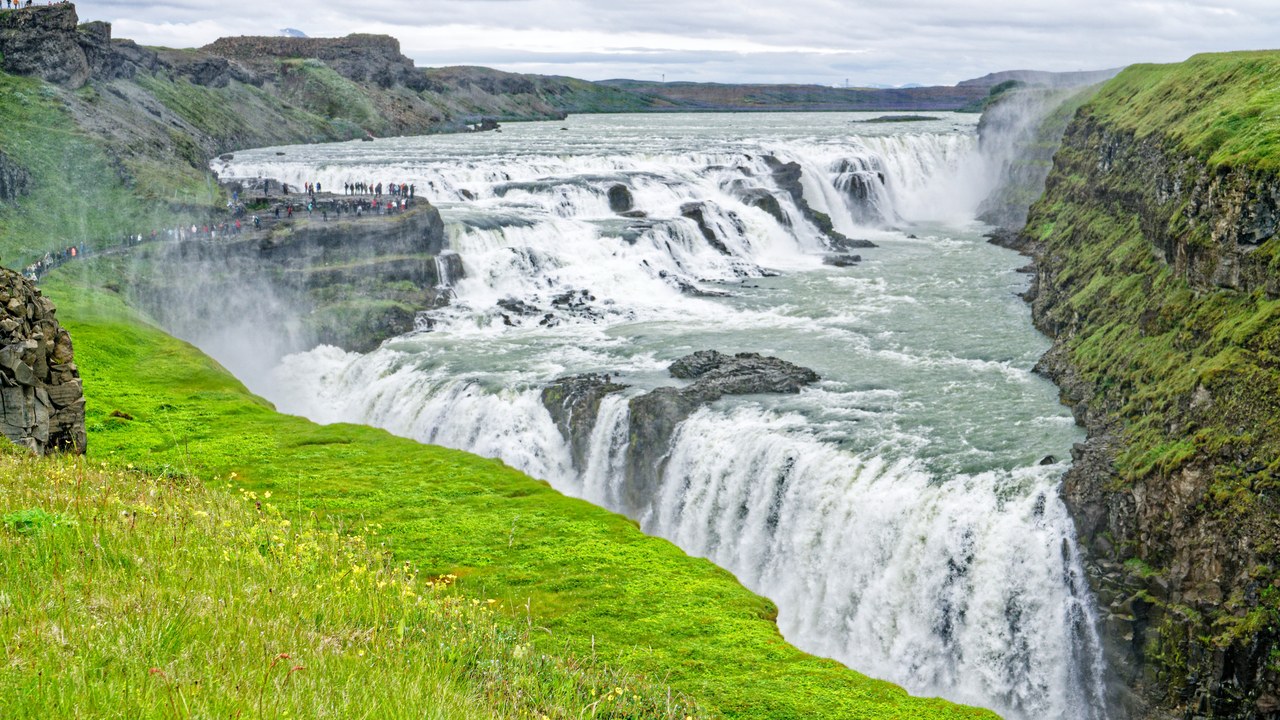
Iceland’s Gullfoss waterfall sends the glacial Hvitá River over two staggered steps before the water disappears into a narrow crevice, cut into basalt bedrock in the country’s southwest highlands, a two-stage drop that gives the falls their layered look from the main viewing path.
Sunlight refracting off the spray on clear days is one theory behind the golden name, though the more literal explanation traces it to gold reportedly hidden in the canyon by a farmer generations ago, and meltwater from the Langjökull glacier keeps the flow strongest in summer.
7. Kaieteur Falls: A Single Sheer Plunge
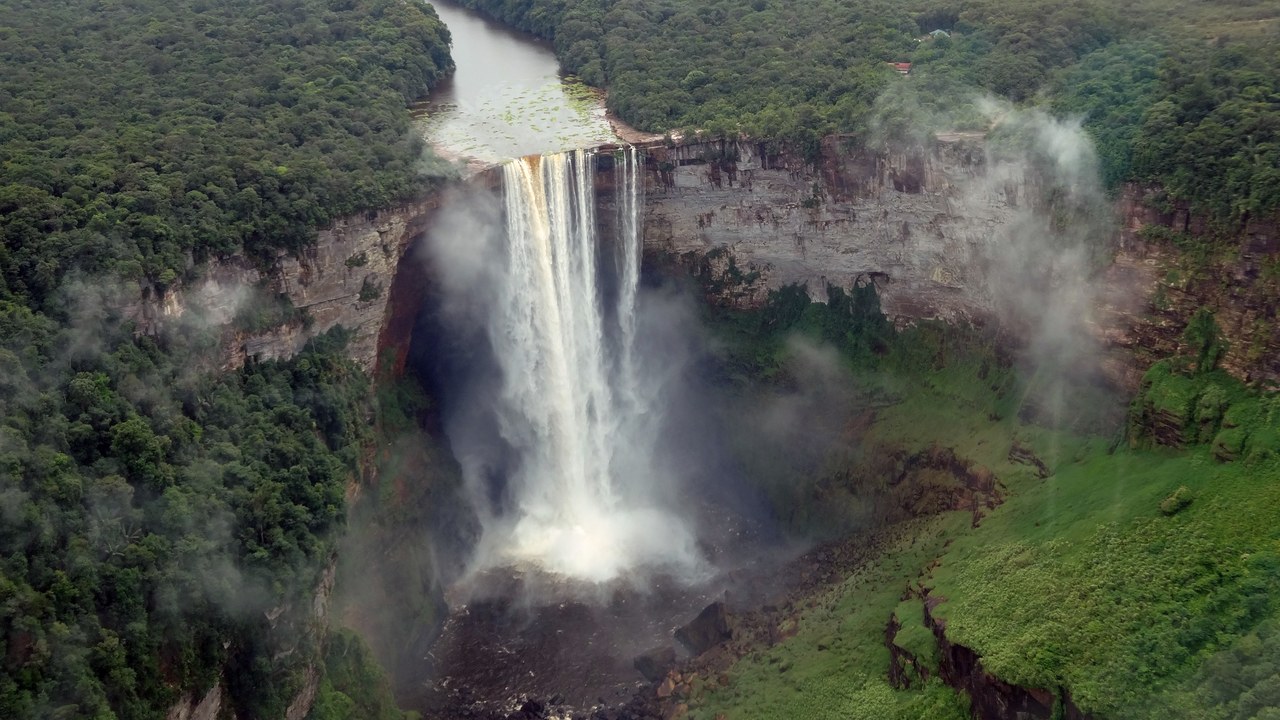
Kaieteur Falls sends the Potaro River over a single sheer drop deep in Guyana’s rainforest, a plunge several times the height of Niagara even though its total water volume is far smaller, making it one of the most powerful single-drop waterfalls by average flow anywhere in the world.
Reaching the site still requires a small aircraft or a multi-day trek through dense forest, which keeps visitor numbers low and leaves the surrounding gorge largely undeveloped, home to golden frogs found nowhere else and swifts that nest directly behind the curtain of falling water.
8. Sutherland Falls: Fiordland’s Triple Drop
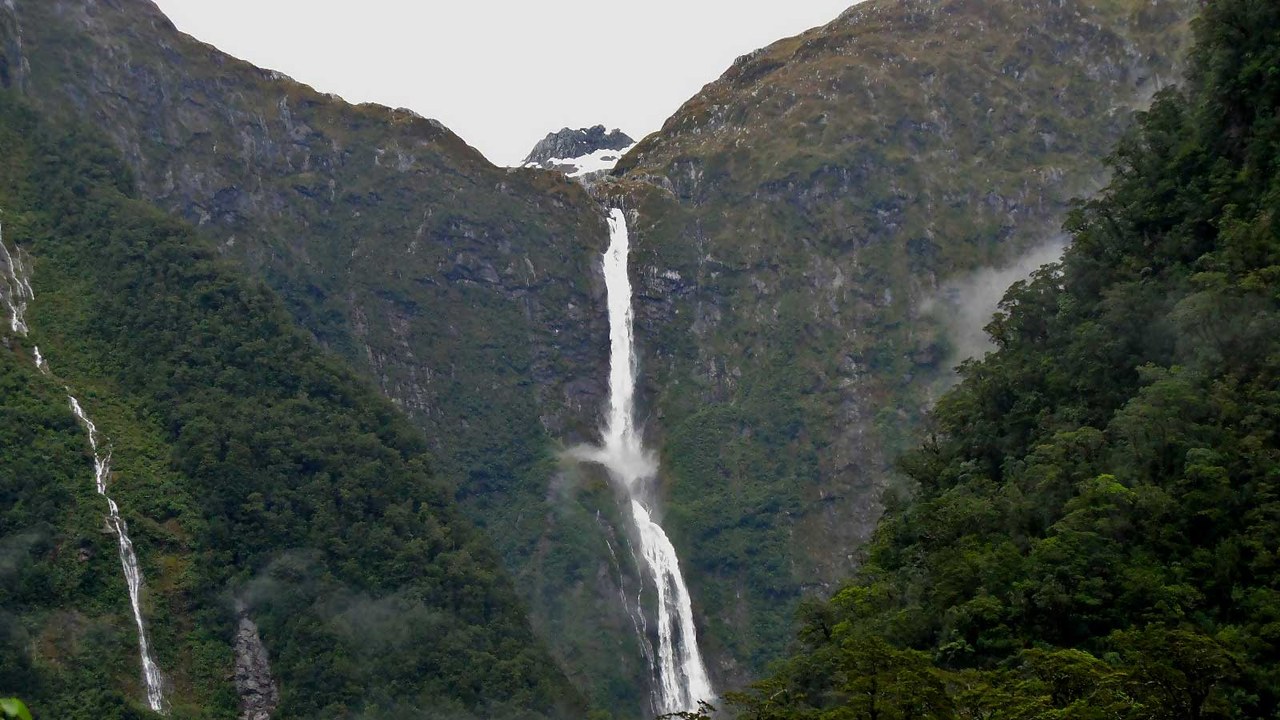
Sutherland Falls descends in three leaps down a mountainside in New Zealand’s Fiordland National Park, ranking among the tallest waterfalls in the country and fed by a lake perched high above the valley floor, a setting reachable only after days of hiking through temperate rainforest.
The only way in is on foot, along the multi-day Milford Track, so the falls reward hikers rather than roadside sightseers, and heavy Fiordland rainfall means the flow rarely drops to the trickle that afflicts more accessible, snow-fed waterfalls elsewhere.
9. Plitvice Lakes: Terraces Of Turquoise Water
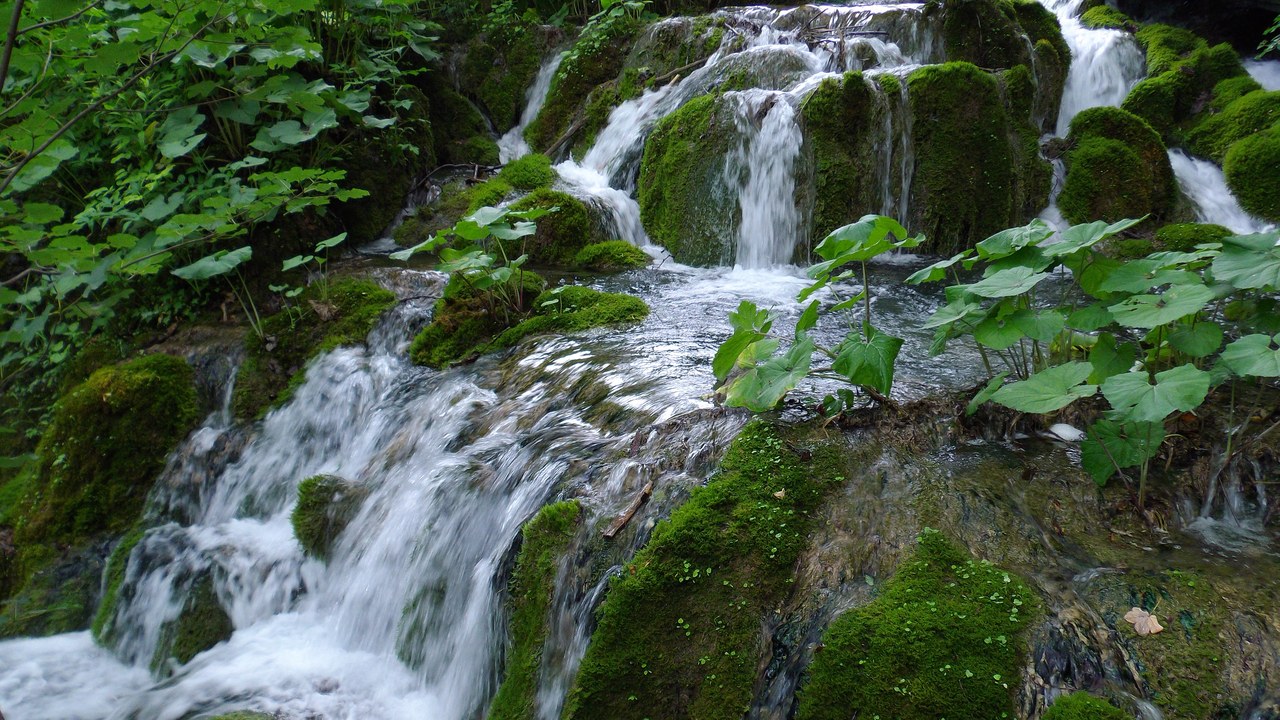
Plitvice Lakes National Park in Croatia links a chain of terraced lakes by dozens of smaller waterfalls, formed as dissolved minerals build natural travertine dams that slowly reshape the cascades over time, a process that has been reshaping this stretch of the Dinaric Alps for thousands of years.
Because those mineral dams keep growing and shifting, the exact number and shape of the falls changes gradually across decades, and the turquoise color of the water comes from suspended minerals and algae rather than any artificial dye or filter.
More from Morning Overview
