
Speed in the animal kingdom takes wildly different forms, from a horizontal sprint to a vertical dive to hours spent gliding on wind alone. Scientists measure it differently for a fish, a bird, a mammal and a bat, and the record for each is often decades old and hotly disputed. Here are eight animals that rank among the fastest creatures alive, on land, in water and in the air.
1. Sailfish: Fastest Fish Alive
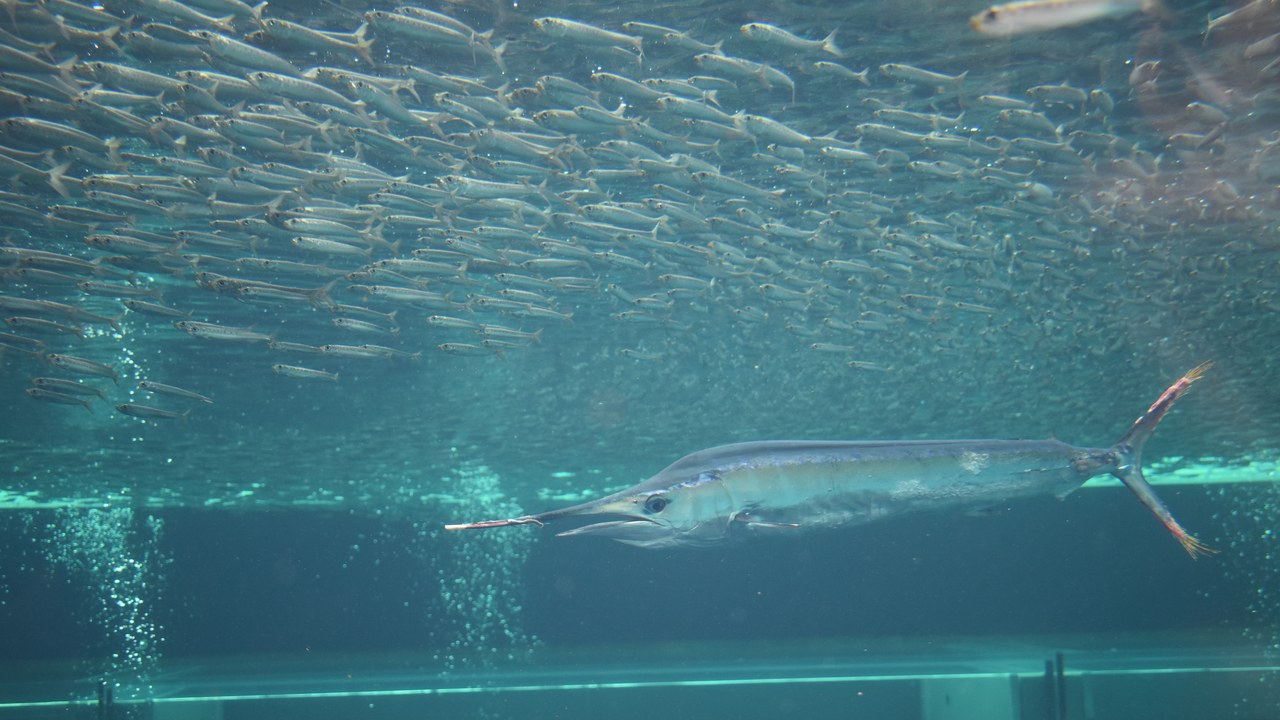
The sailfish is widely cited as the fastest fish in the ocean, with a burst speed above 60 miles per hour when it lunges through open water chasing prey. That figure comes from a NOAA ocean facts page and describes a short sprint, not a sustained cruising pace.
A sailfish’s build explains the burst: a streamlined, torpedo-shaped body, a retractable dorsal fin that folds flat to cut drag, and a bill it uses to slash through schools of smaller fish before feeding. Even marine biologists note the number is difficult to verify precisely, since it comes from calculations based on line-stripping speed rather than direct tracking.
2. Shortfin mako shark: The Ocean’s Fastest Shark
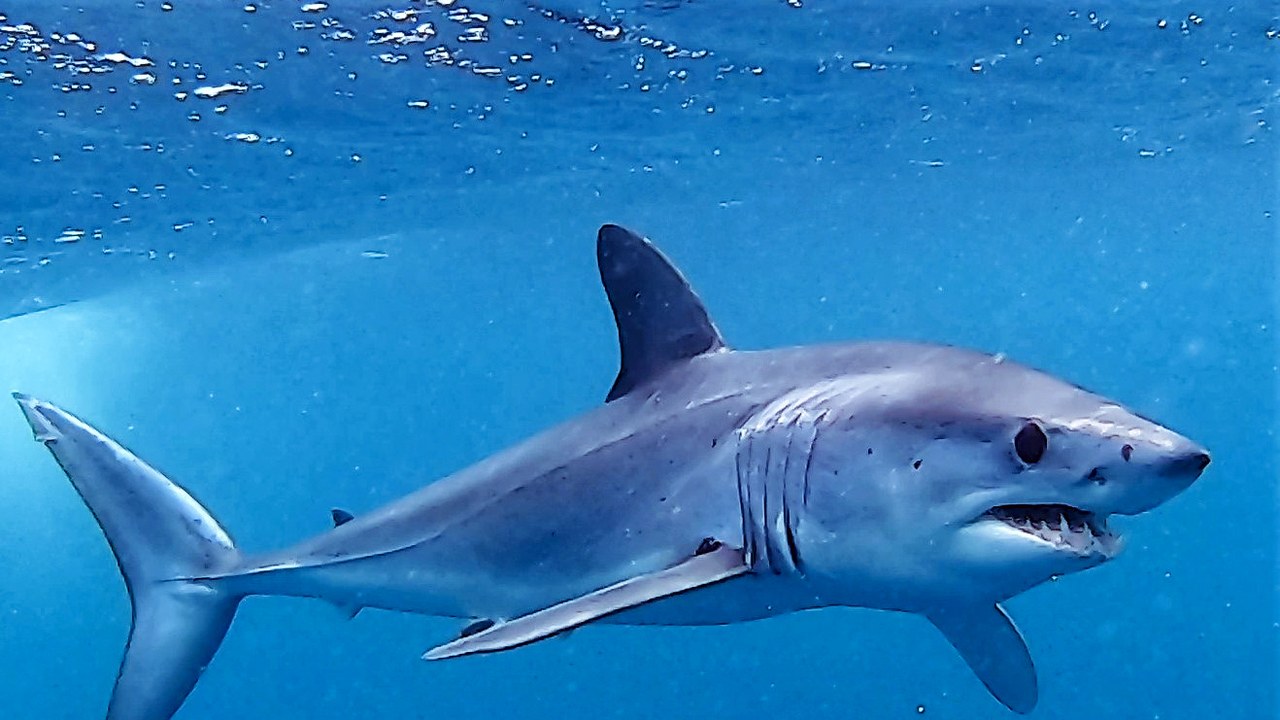
The shortfin mako shark holds the title of the fastest shark in the sea, capable of short bursts that outpace almost every other fish in open water. A federal marine research summary lists the mako among the ocean’s quickest predators, though the number reflects a brief chase rather than a steady cruising speed.
Its speed comes from a rigid, torpedo-like body, a crescent-shaped tail, and countercurrent heat exchangers that keep its swimming muscles warmer than the surrounding water, a rare trait among fish. That warmth lets the mako generate more power per stroke, which is why researchers still treat exact top-speed figures for the species as an estimate rather than a settled measurement.
3. Peregrine falcon: Fastest Animal In A Dive
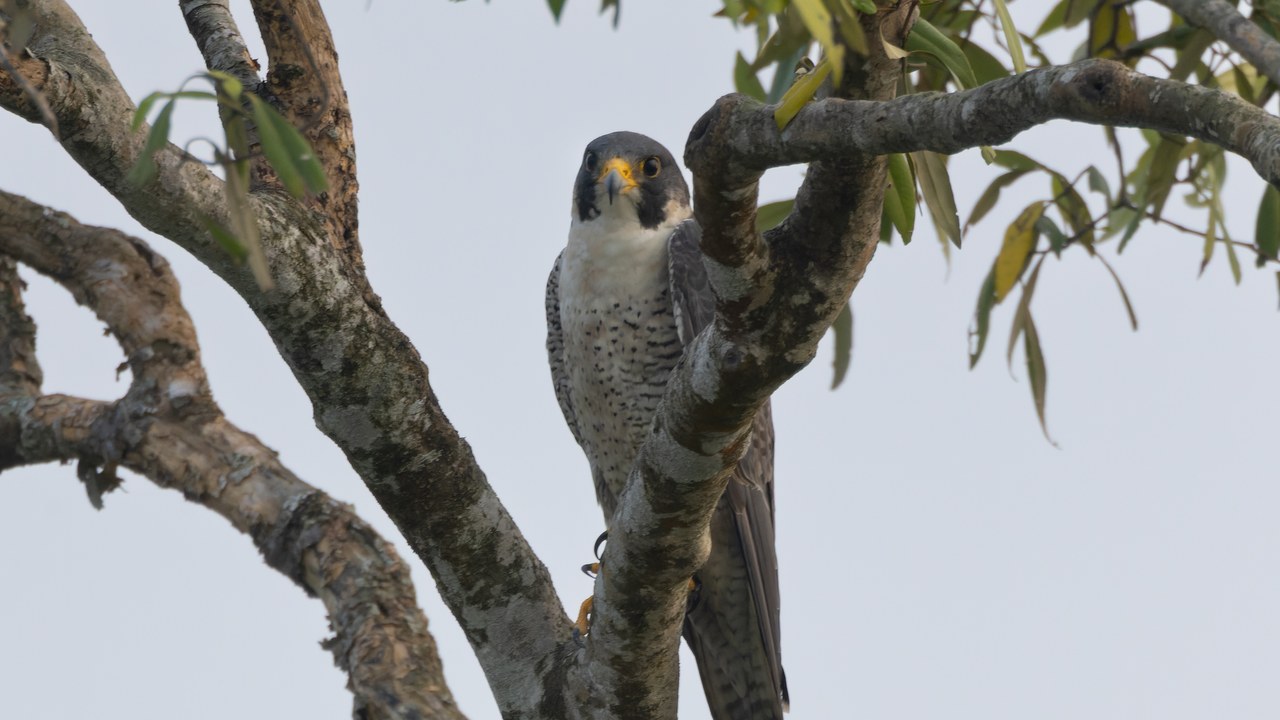
No animal on Earth is verified to move faster than a peregrine falcon in a hunting dive, known as a stoop, which has been clocked well past 200 miles per hour. The same ocean-life speed comparison that ranks marine animals also cites the falcon as the outright speed record holder, though only in that near-vertical dive, not level flight.
A peregrine tucks its wings and drops in a controlled fall toward prey below, using a streamlined shape and reinforced nostrils that let it breathe against the rushing air. In ordinary level flight the same bird slows to a fraction of that figure, a distinction researchers say gets lost whenever the dive number is repeated without context.
4. Cheetah: Fastest Land Sprinter
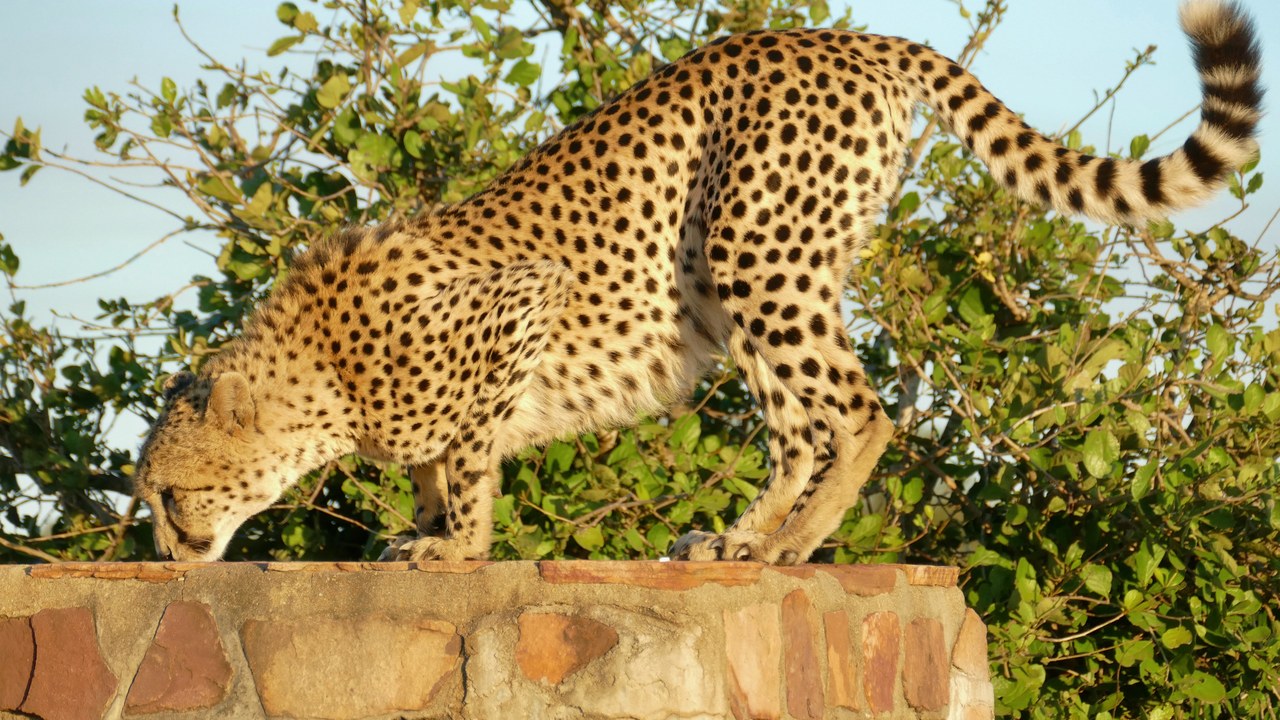
The cheetah is the fastest land sprinter alive, capable of accelerating from a standstill to roughly 60 miles per hour in only a few seconds across open ground. A Wikipedia entry on the species notes that the sprint typically lasts less than a minute before the animal has to stop and recover.
That limit comes from heat: a cheetah’s body temperature climbs so fast during a chase that it must abandon the pursuit or risk overheating, regardless of how close it is to prey. Its light frame, enlarged nasal passages, and non-retractable claws that grip like cleats are all built for that brief sprint, not for endurance.
5. Pronghorn: North America’s Endurance Champion
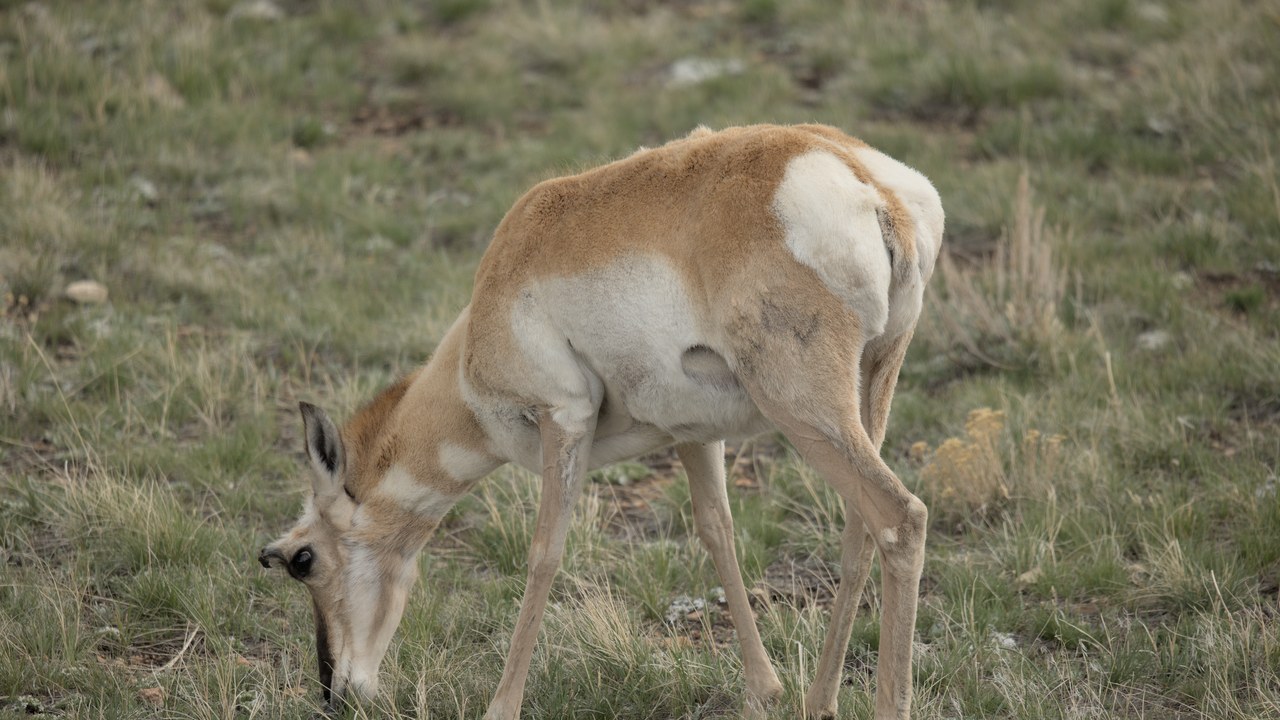
The pronghorn, native to the grasslands of North America, is considered the continent’s endurance speed champion, able to sustain a strong pace over distance that no living predator on the same landscape can match. A Wikipedia summary of the animal credits it with outlasting far faster sprinters simply by not tiring.
Unlike a cheetah’s short burst, a pronghorn can hold a strong pace for miles, a trait some biologists attribute to predators that vanished from the continent thousands of years ago yet still shaped its evolution. Oversized lungs, a large heart, and lightweight legs let it convert oxygen into sustained speed rather than a brief sprint.
6. Golden eagle: Highway-Speed Hunting Dive
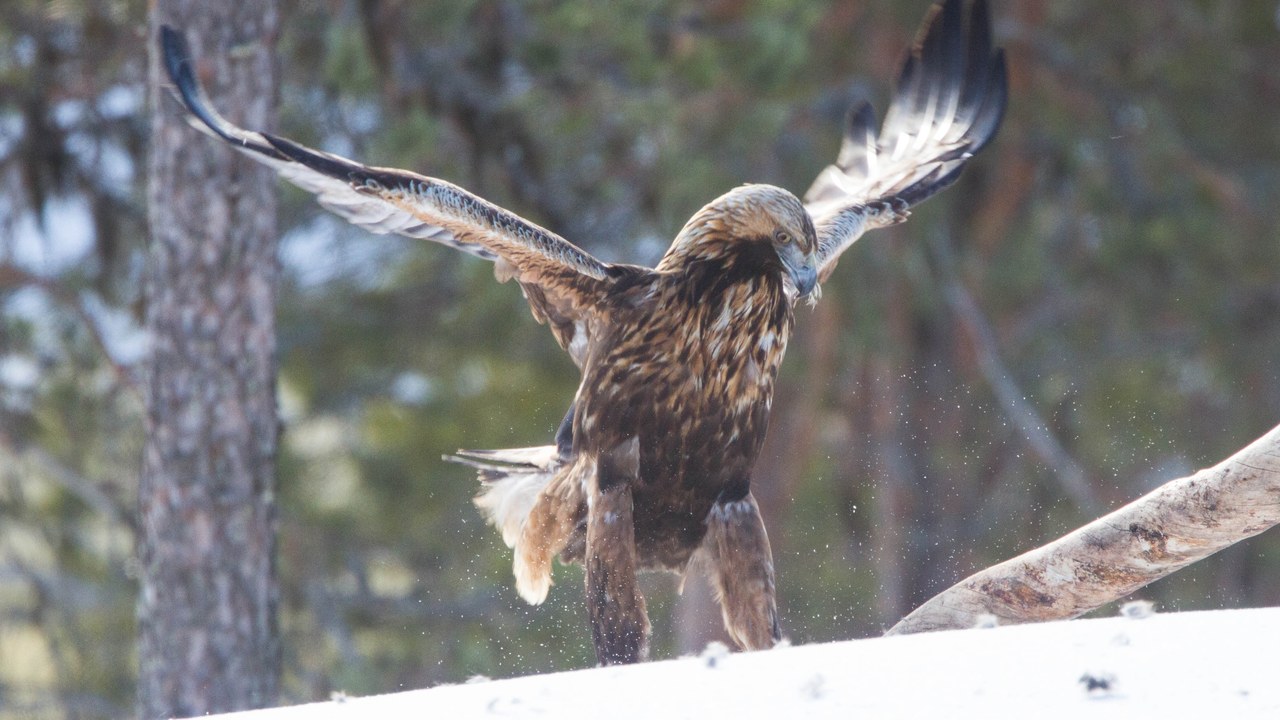
A golden eagle can stoop on prey at speeds regularly compared to highway traffic, folding into a steep dive from high altitude to strike rabbits, marmots, or other birds. A Wikipedia page on the raptor describes the dive as one of the fastest deliberate movements in the animal kingdom, though slower than a peregrine’s stoop.
The eagle relies on keen eyesight to spot prey from a great distance before committing to the dive, then uses powerful talons to strike with lethal force on impact. Its large wingspan, built for soaring on thermals, folds tight during the descent to cut drag and hold the steep angle.
7. Frigatebird: Weeks Aloft On Ocean Wind
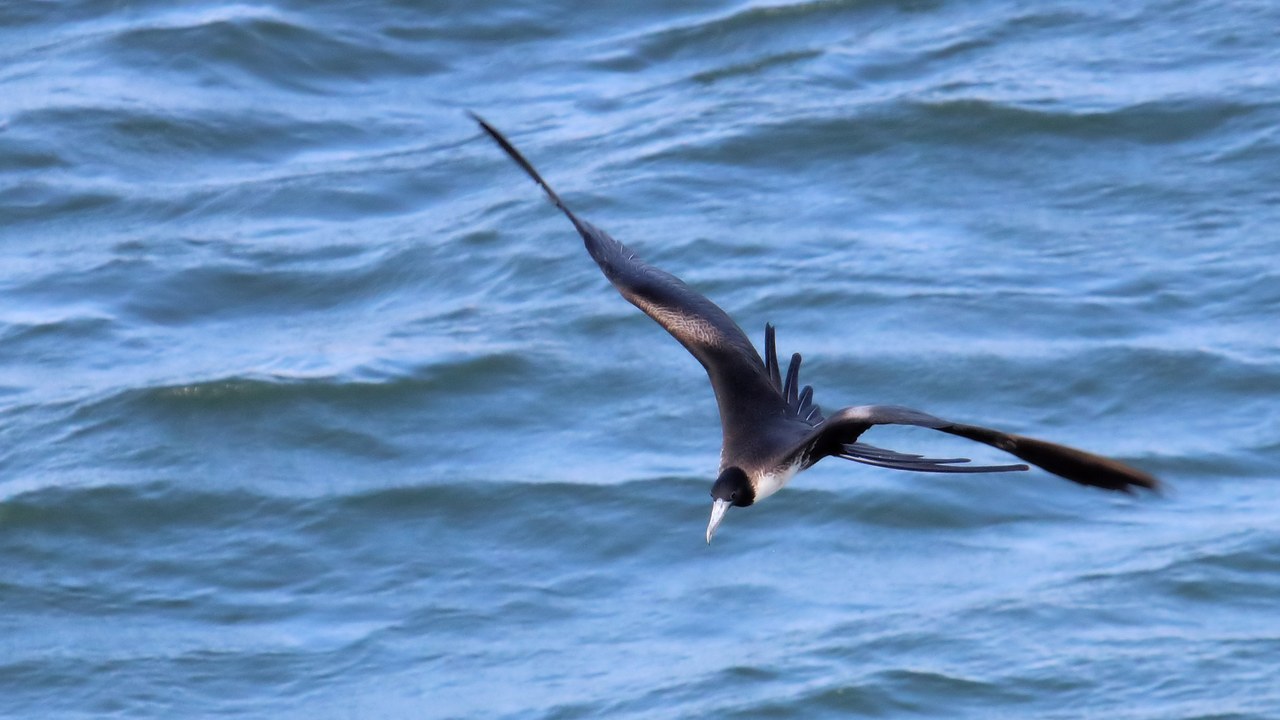
The frigatebird earns its place on a speed list differently than the others: it can stay aloft for weeks at a time, riding ocean winds without ever landing on water. A Wikipedia article on the seabird notes it rarely lands on the sea because its feathers are not waterproof.
Long, narrow wings and an extremely light skeleton relative to its wingspan let the frigatebird glide efficiently on rising air currents over tropical oceans for extended stretches. It supplements that endurance with sudden bursts of speed and agility to harass other seabirds midair and steal already-caught fish, a habit that gave it the nickname man-o’-war bird.
8. Brazilian free-tailed bat: Fastest Mammal In Flight
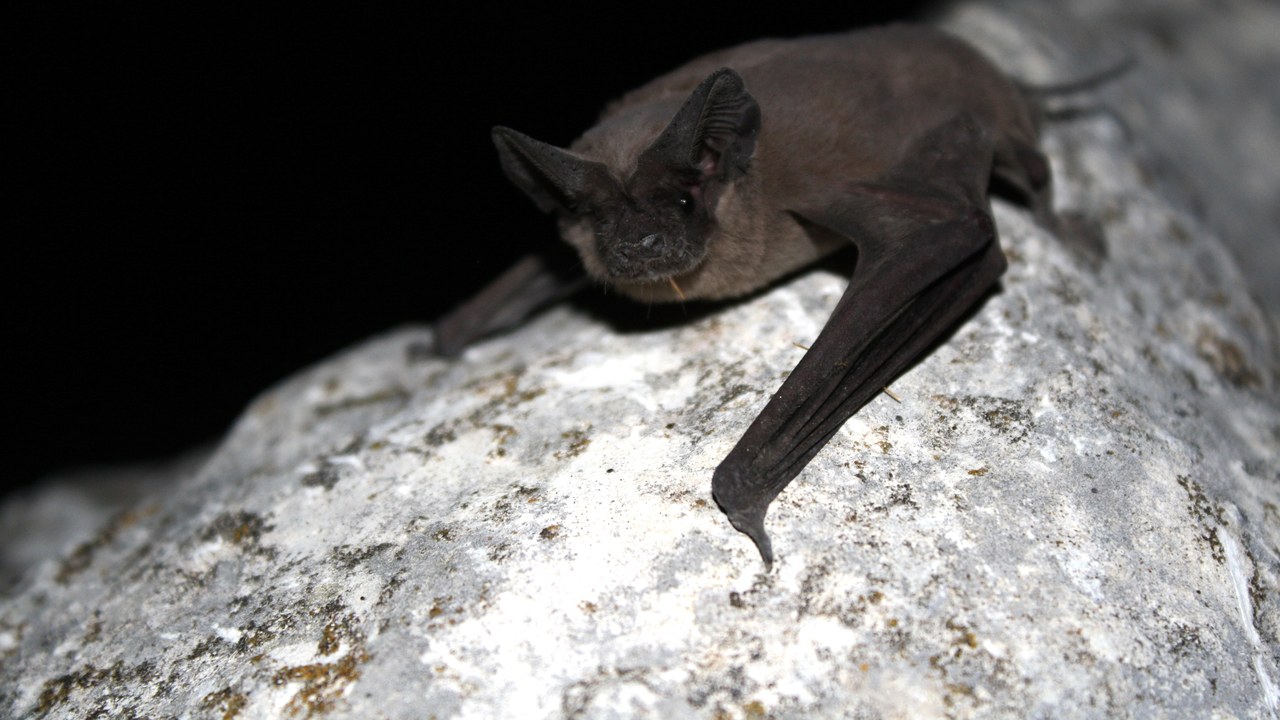
The Brazilian free-tailed bat, also known as the Mexican free-tailed bat, is regarded by some researchers as the fastest mammal in level flight, reaching speeds that rival many birds. A Wikipedia entry on the species notes the claim is drawn from a small number of tracking studies and remains debated among bat biologists.
Long, narrow wings built for fast, direct flight rather than the fluttering maneuverability of many other bats let it cover long distances at high altitude while foraging for insects each night. Some scientists argue tailwinds inflated the recorded speeds, which is why the title is often described as contested rather than confirmed.
More from Morning Overview
- A handful of car transmissions are so tough that mechanics say they almost never die
- Card skimmers hidden on gas pumps are draining accounts, and there’s a quick way to spot them
- The NSA warns one messaging setting can clone your texts to a stranger
- Security experts still urge phone owners to switch off one location-tracking setting
