
Size in the natural world takes forms that stretch the imagination, from ocean giants to forests that are secretly a single organism. Some champions are measured by weight, others by height, sheer footprint, or the ground a hidden network quietly occupies. Here are nine of the most staggering living things ever documented, each holding a record that reshapes what life on the planet can become.
1. Blue whale: The largest animal ever known
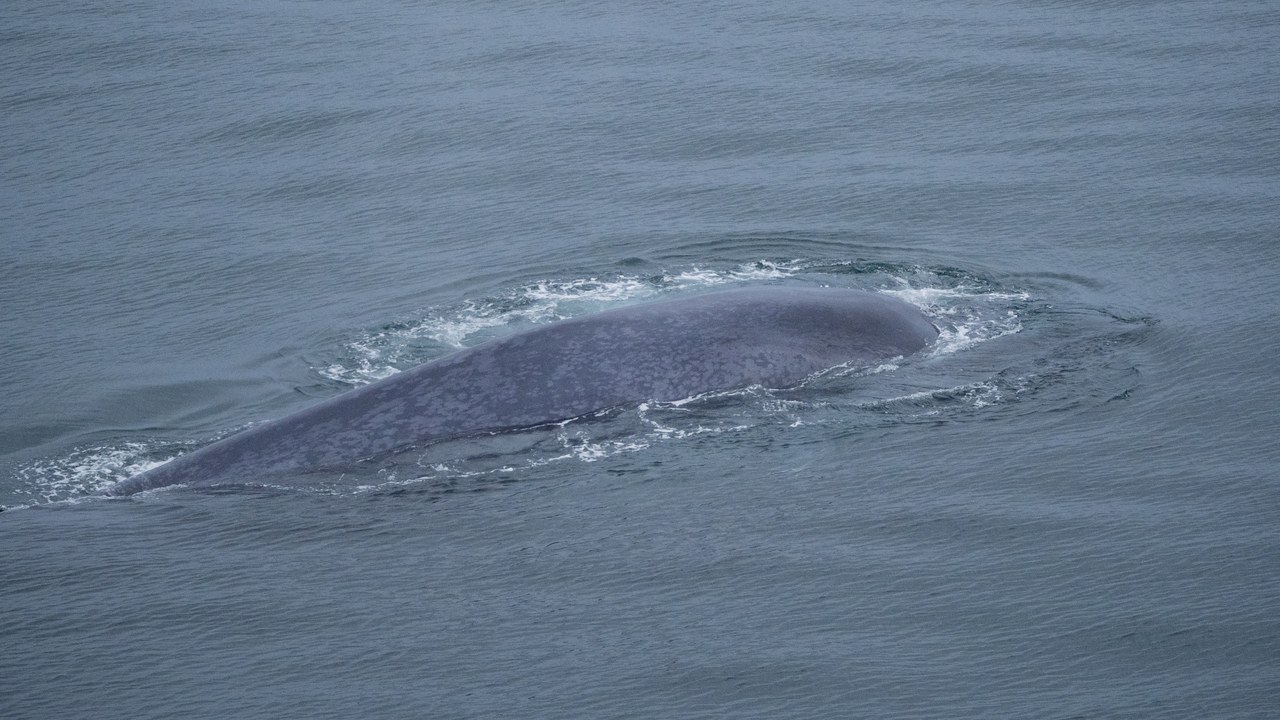
No creature that has ever existed rivals the blue whale for sheer mass, and that includes the largest dinosaurs. Individuals can reach around 30 meters long and weigh close to 200 tonnes, according to detailed measurements compiled by researchers. Its tongue alone can weigh as much as an elephant.
This marine mammal sustains its enormous body on a diet of tiny krill, straining vast swarms through baleen plates rather than teeth. A single adult may consume several tonnes of these shrimp-like animals each day during feeding season. Found across most of the world’s oceans, blue whales were driven to the brink by industrial whaling before protections allowed some populations to recover.
2. General Sherman (tree): The largest tree by volume
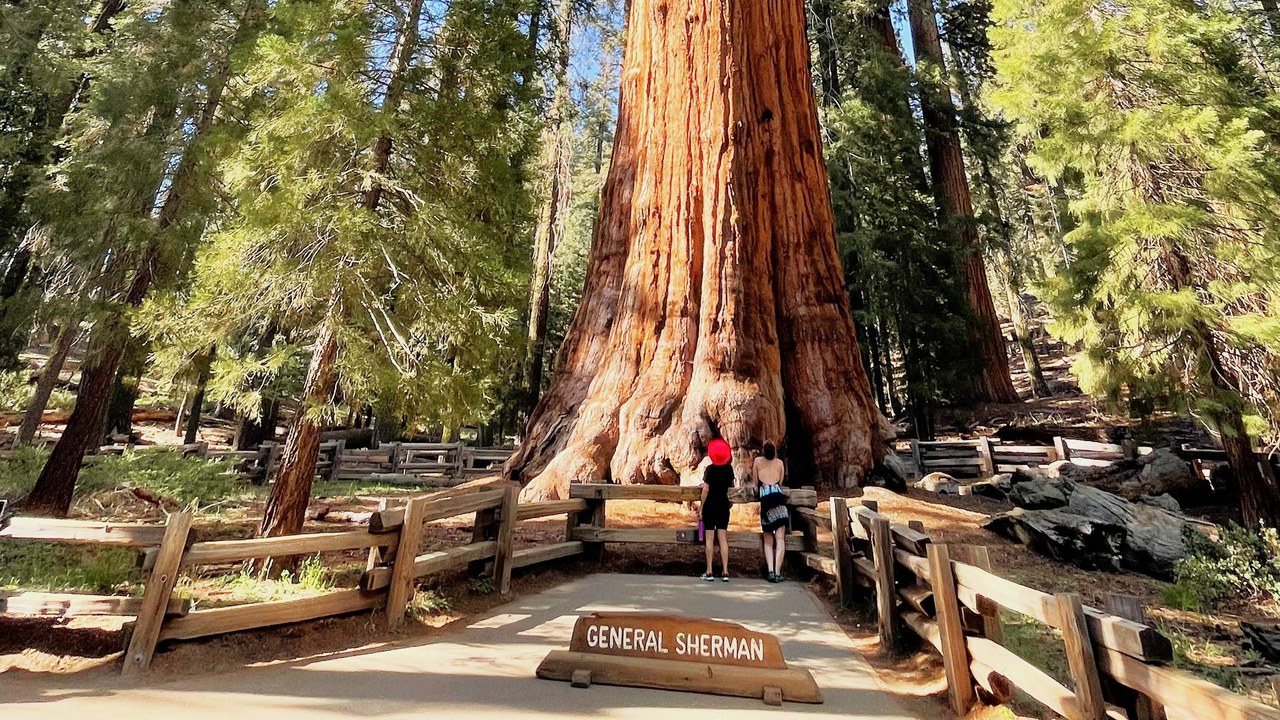
Standing in California’s Sequoia National Park, this giant sequoia is regarded as the largest single-stem tree on Earth by trunk volume. Its wood is estimated at roughly 1,487 cubic meters, and the trunk measures more than 11 meters across at the base, as park documentation records. The tree rises above 83 meters into the Sierra Nevada canopy.
Estimates place its age between 2,200 and 2,700 years, meaning it was already ancient when many empires rose and fell. Though taller trees and wider trees exist elsewhere, none combine height and girth to pack in as much living wood. Fire has scarred its base over the centuries, yet the sequoia keeps adding a modest layer of growth each year.
3. Pando (tree): A single aspen colony spanning 100+ acres
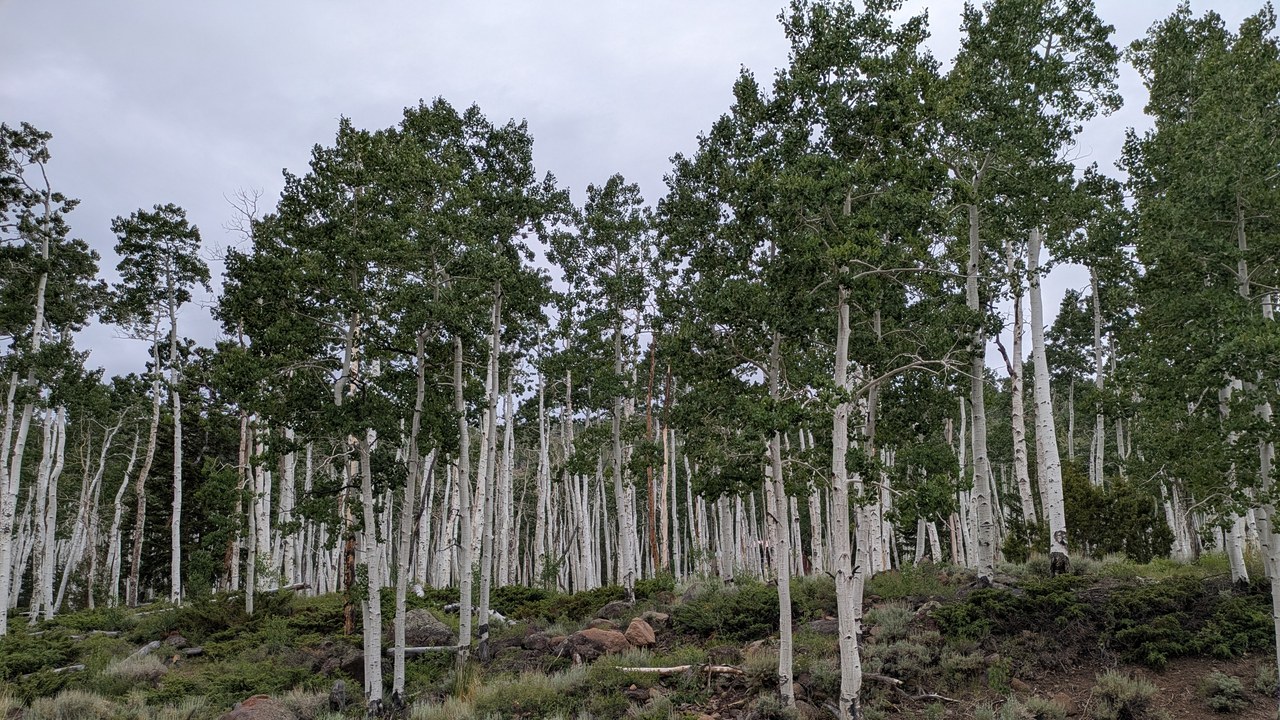
What looks like an ordinary Utah forest of quaking aspens is actually one organism. Pando is a clonal colony sharing a single root system, with tens of thousands of genetically identical stems, as botanists studying the grove explain. It covers more than 40 hectares and weighs an estimated 6,000 tonnes.
By mass, that makes Pando one of the heaviest living organisms ever identified, and possibly among the oldest, with age estimates ranging into the thousands of years. Each apparent tree is really a stem sprouting from the shared root network, all leafing out and turning gold in near-perfect unison. Grazing and drought now threaten its long-term survival, prompting conservation efforts to help the ancient colony regenerate healthy new stems.
4. Armillaria ostoyae: A fungus covering thousands of acres
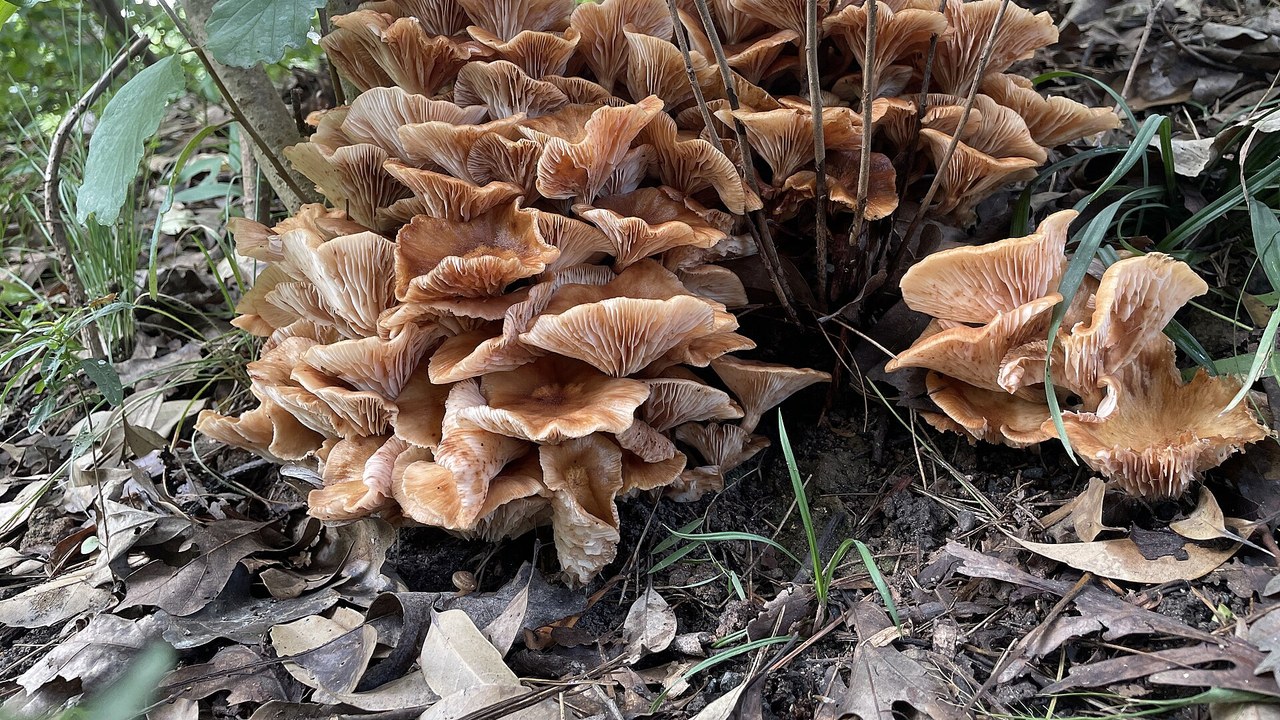
In Oregon’s Malheur National Forest grows a specimen so vast it may be the largest organism on the planet by area. This honey fungus spreads underground as a web of root-like filaments, and one individual is thought to sprawl across roughly 9 square kilometers, according to surveys of the site. That is well over 2,000 acres.
Most of the organism stays hidden, revealing itself only as clusters of honey-colored mushrooms that push up seasonally near infected trees. The fungus feeds by attacking and slowly killing conifers, expanding outward year after year through the soil. Its age is estimated in the thousands of years, a testament to how a mostly invisible network can quietly dominate a landscape.
5. Great Barrier Reef: The largest living structure on Earth
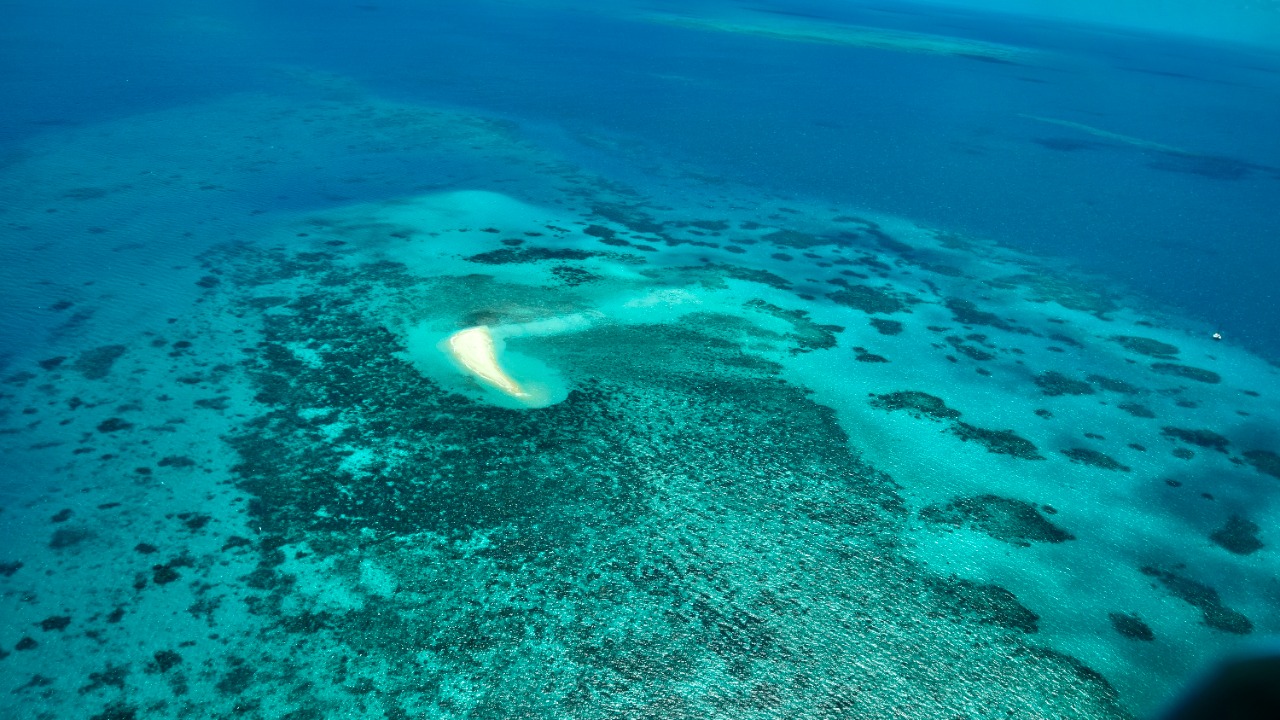
Stretching along Australia’s northeast coast, this reef system is the biggest structure built by living things anywhere on the planet. It extends for more than 2,300 kilometers and is composed of thousands of individual reefs and hundreds of islands, as the reef’s official surveys describe. It is even visible from space.
The reef is the collective work of billions of tiny coral polyps, whose limestone skeletons accumulate over millennia to form the underlying architecture. That framework shelters an astonishing range of marine life, from fish and turtles to sharks and mollusks. Warming seas and bleaching events now pose serious threats, making the world’s largest living structure also one of its most closely watched natural wonders under mounting environmental pressure.
6. African bush elephant: The largest living land animal
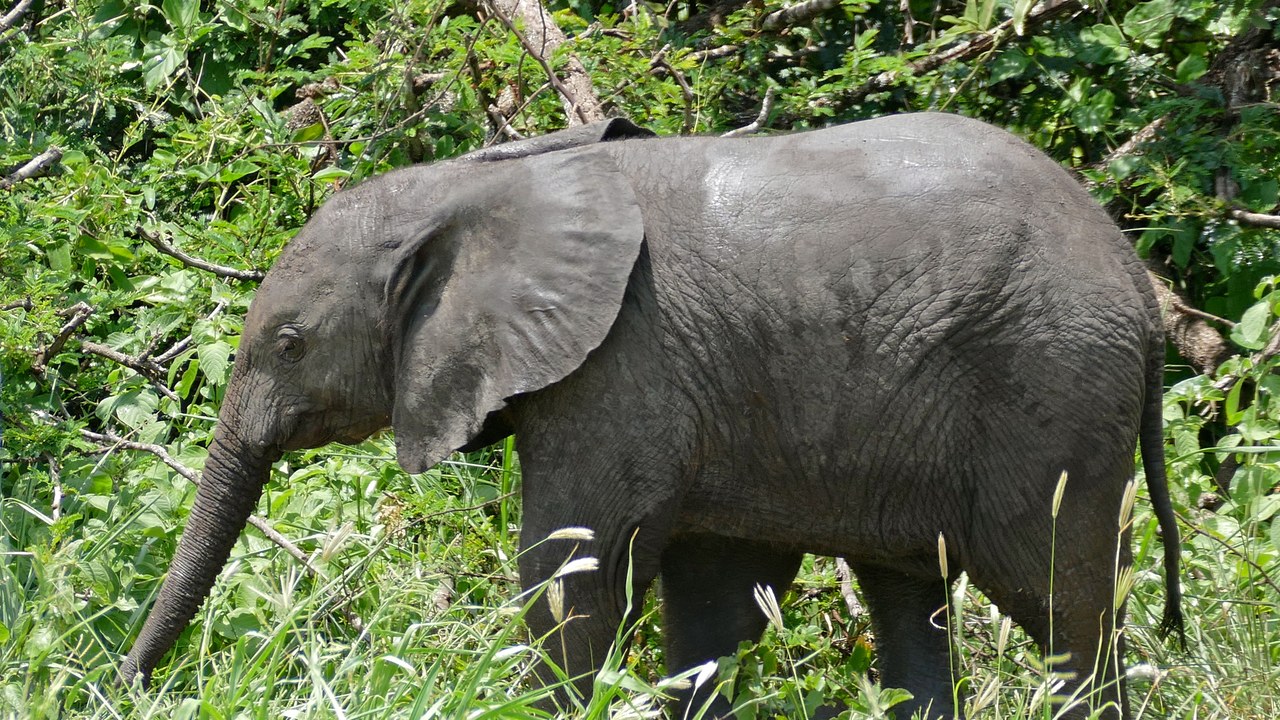
No land animal alive today grows larger than the African bush elephant. Big bulls can stand around 3.5 meters at the shoulder and weigh up to roughly 6 or even more tonnes, according to wildlife records for the species. Their tusks and muscular trunk are among the most recognizable features in nature.
These elephants roam savannas and woodlands across sub-Saharan Africa in tight family herds led by an experienced matriarch. Highly intelligent and deeply social, they communicate over long distances using low rumbles that travel through the ground. As they feed and move, they reshape entire landscapes, toppling trees and clearing paths that countless other species rely on. Poaching and habitat loss continue to endanger the largest walkers on land.
7. Giant sequoia: Among the most massive trees alive
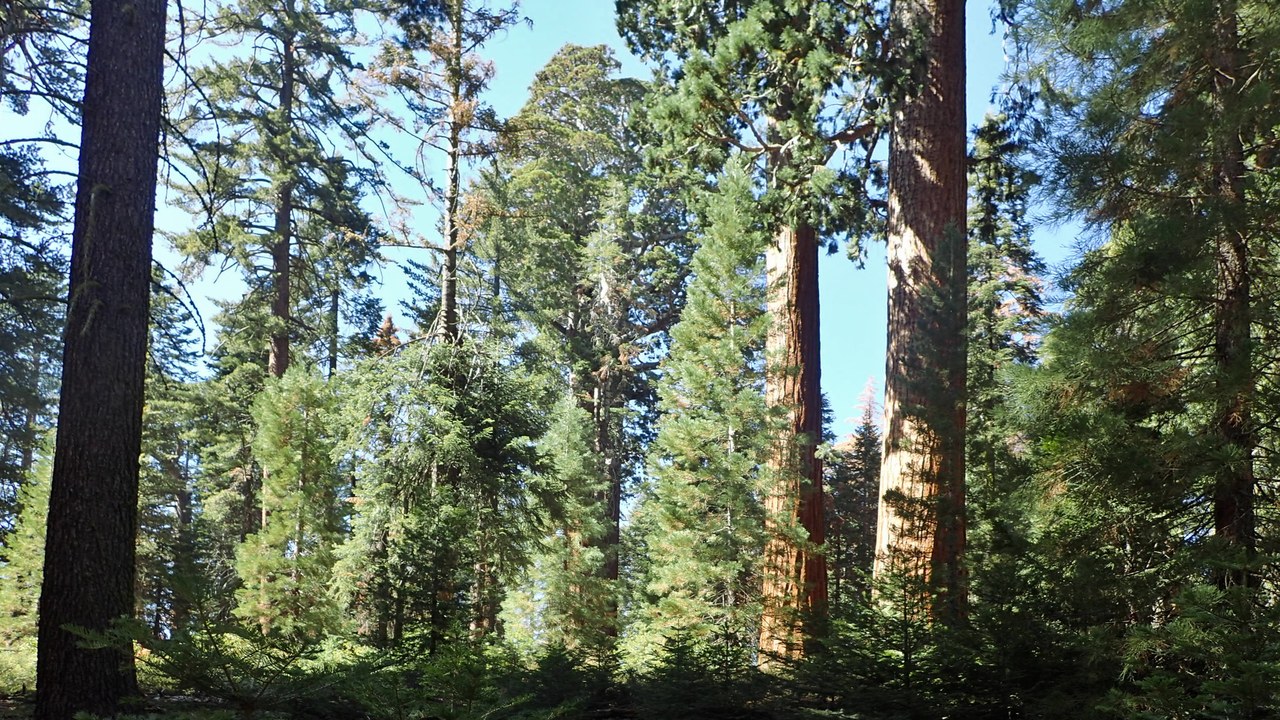
Beyond the single record holder, giant sequoias as a species rank among the most massive trees that have ever lived. Native to the western slopes of California’s Sierra Nevada, they routinely grow past 75 meters tall with trunks several meters thick, as botanical accounts of the genus note. Their cinnamon-colored bark can be a foot deep.
That thick, spongy bark helps mature trees survive the very fires that clear competition and open their cones to release seeds. Some individuals are believed to exceed 3,000 years of age, growing steadily across millennia. The species depends on a narrow band of mountain groves, and its future is increasingly tied to how well those forests are protected.
8. Coast redwood: The tallest living trees
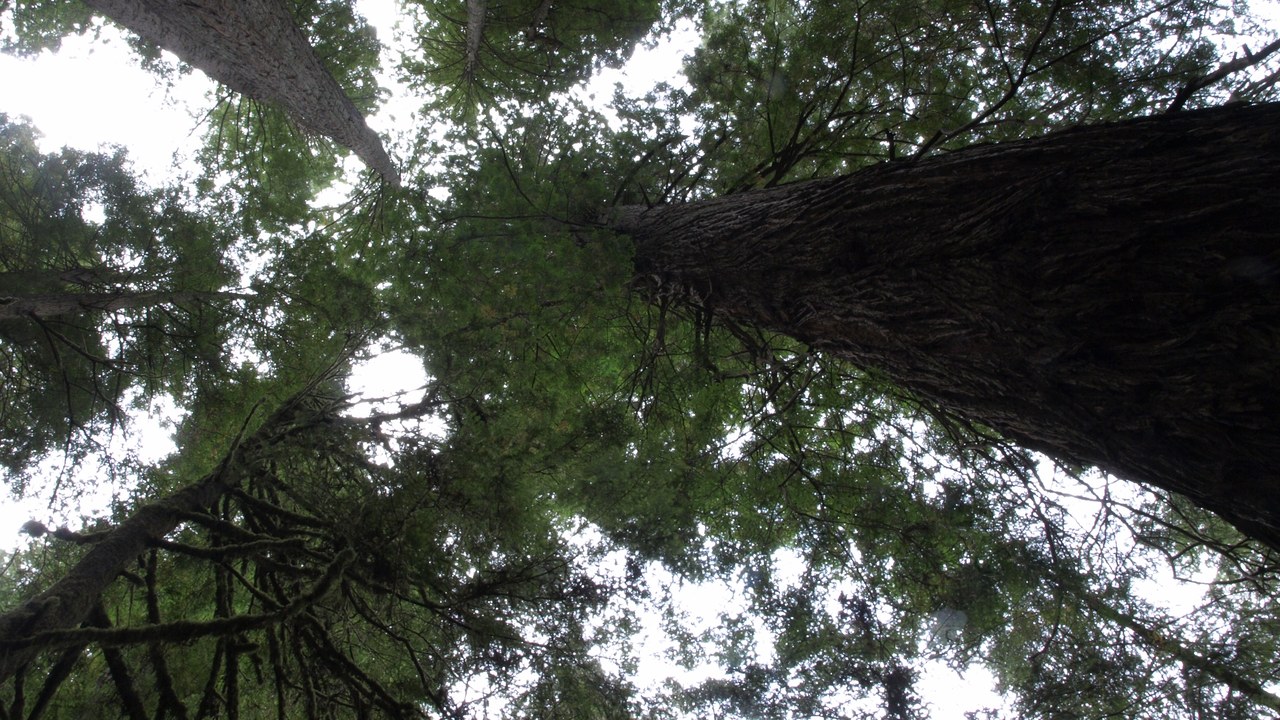
Where giant sequoias win on bulk, their cousins the coast redwoods claim the crown for height. These trees grow along the foggy coast of northern California and southern Oregon, and the tallest known individual rises above 115 meters, according to measurements of record specimens. That is taller than a 30-story building.
Coast redwoods draw a large share of their moisture straight from ocean fog, which drips down through their crowns and feeds the forest below. They can live well over 2,000 years, forming shaded groves that harbor their own specialized communities of plants and animals high in the canopy. Centuries of logging shrank the old-growth range dramatically, so the surviving giants are now largely concentrated in protected parks.
9. Lion’s mane jellyfish: A jellyfish with immense trailing tentacles
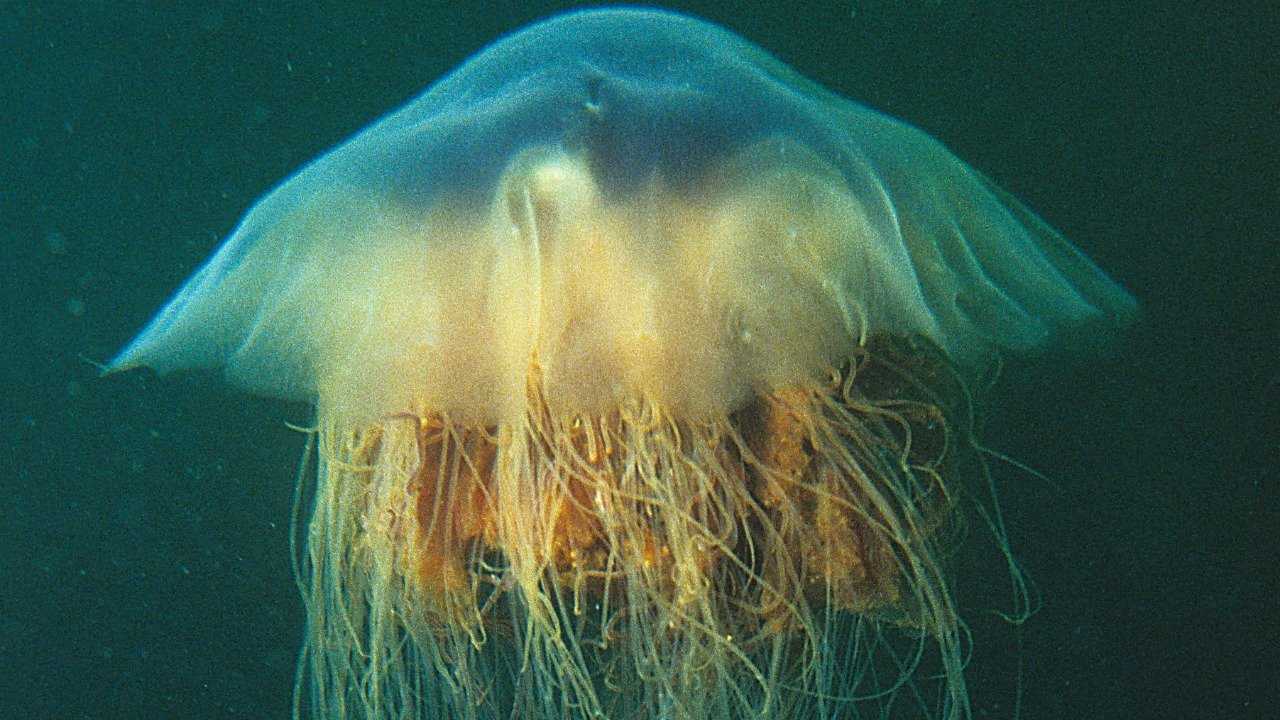
Measured by length rather than weight, the lion’s mane jellyfish is one of the most extended animals in the sea. Large specimens have a bell more than 2 meters across, with trailing tentacles that in exceptional cases stretch dozens of meters behind the animal, as records of the species report. Some rival a blue whale in reach.
Named for the dense, mane-like mass of fine tentacles hanging beneath its bell, this jellyfish drifts through the cold waters of the northern Atlantic, Pacific, and Arctic. Those trailing threads carry stinging cells used to capture small fish and plankton. Despite its intimidating span, the creature’s body is fragile and mostly water, pulsing slowly through the open ocean.
More from Morning Overview
