
The open ocean hides animals on a scale that dwarfs almost anything walking on land, yet most people will never glimpse them. From filter-feeders straining tiny plankton to warm-blooded hunters plunging into the crushing dark, these giants have evolved bodies built for a boundless, watery world where sheer size is their signature. Here are nine.
1. Blue whale: The Largest Animal Ever To Exist
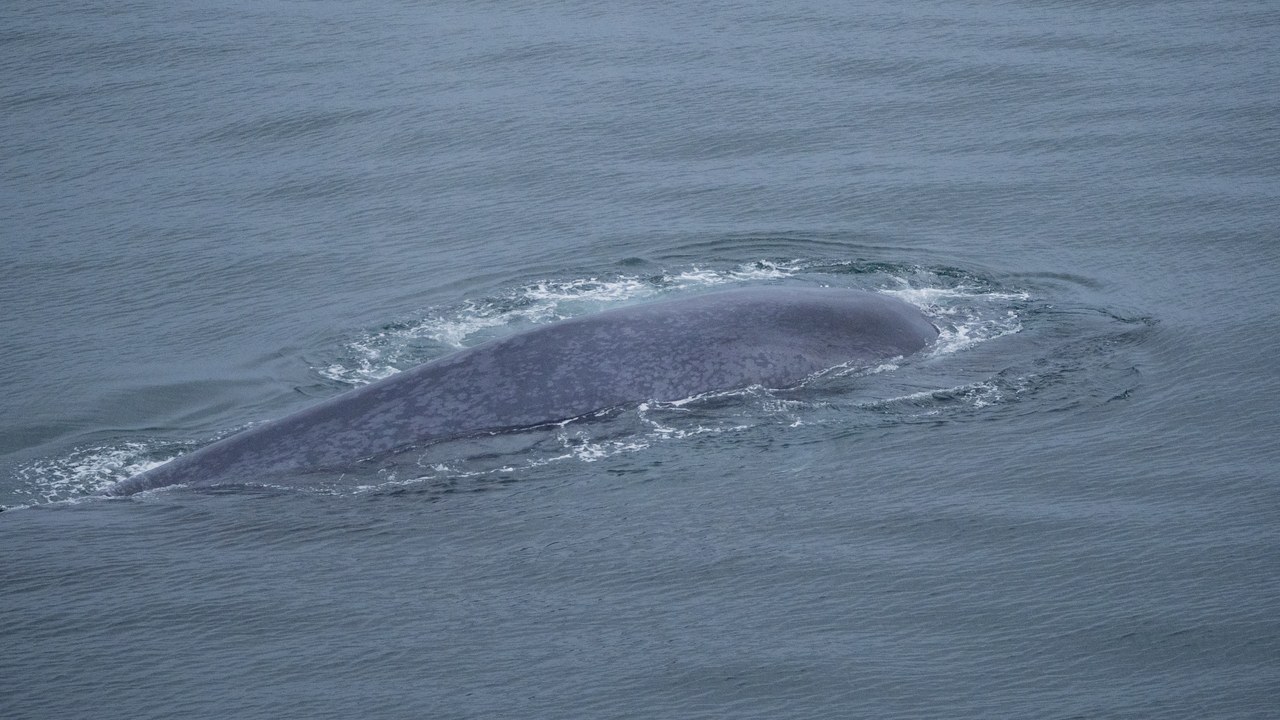
The blue whale stretches up to roughly 98 feet long and can weigh close to 200 tons, outweighing the biggest dinosaurs and every other creature in the fossil record. Its heart alone is the size of a small car, and its arteries are wide enough for a human to crawl through. A single adult blue whale holds the title of largest animal known to have ever lived.
Despite that bulk, it survives almost entirely on krill, gulping enormous mouthfuls of water and filtering out shrimp-like prey through baleen plates. Recovering slowly from whaling that nearly wiped it out, it remains a symbol of how much the ocean can sustain.
2. Whale shark: The Biggest Fish In The Sea
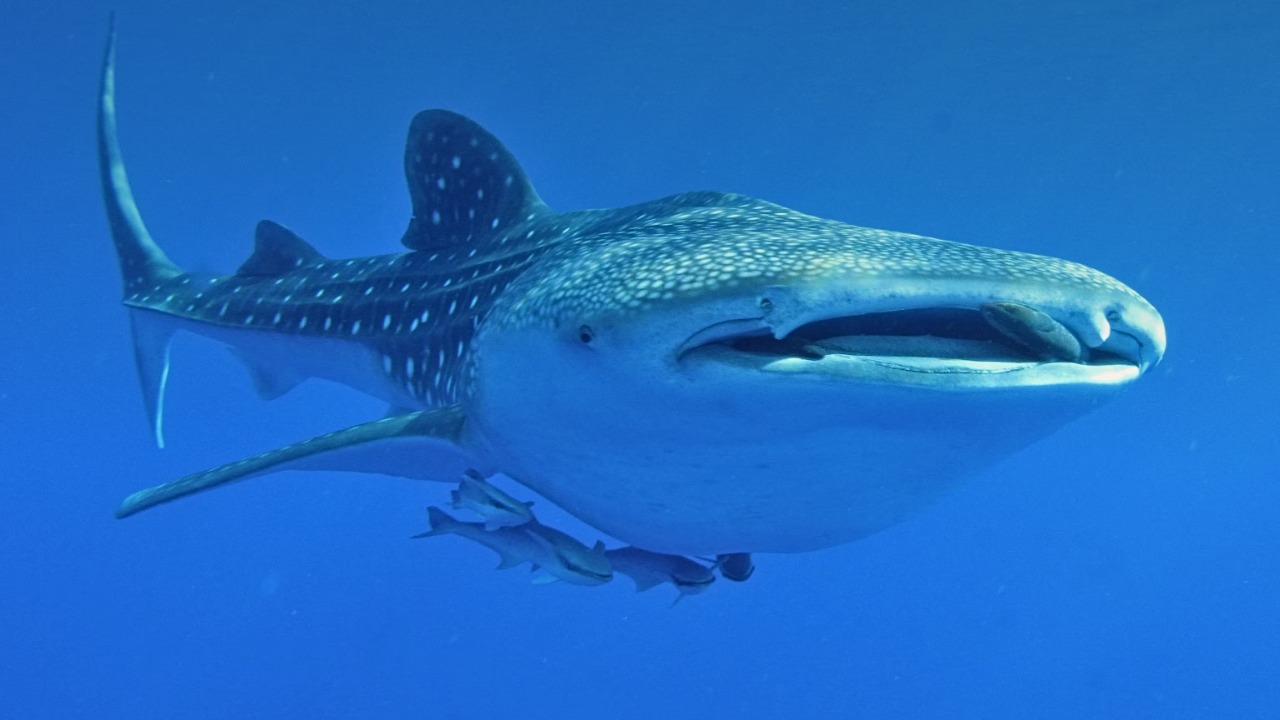
The whale shark can grow to around 40 feet, with the largest reliable measurements approaching 60 feet, making it the largest fish alive today. Its mouth spans up to five feet wide, yet it poses no threat to swimmers. The gentle whale shark feeds by filtering plankton, tiny fish, and eggs from the water.
Its skin, patterned with pale spots as unique as fingerprints, lets researchers identify individuals across years and oceans. Slow-moving and often curious around divers, it migrates thousands of miles following seasonal blooms of food. Overfishing and boat strikes have pushed the species onto the endangered list.
3. Sperm whale: The Largest Toothed Predator Alive
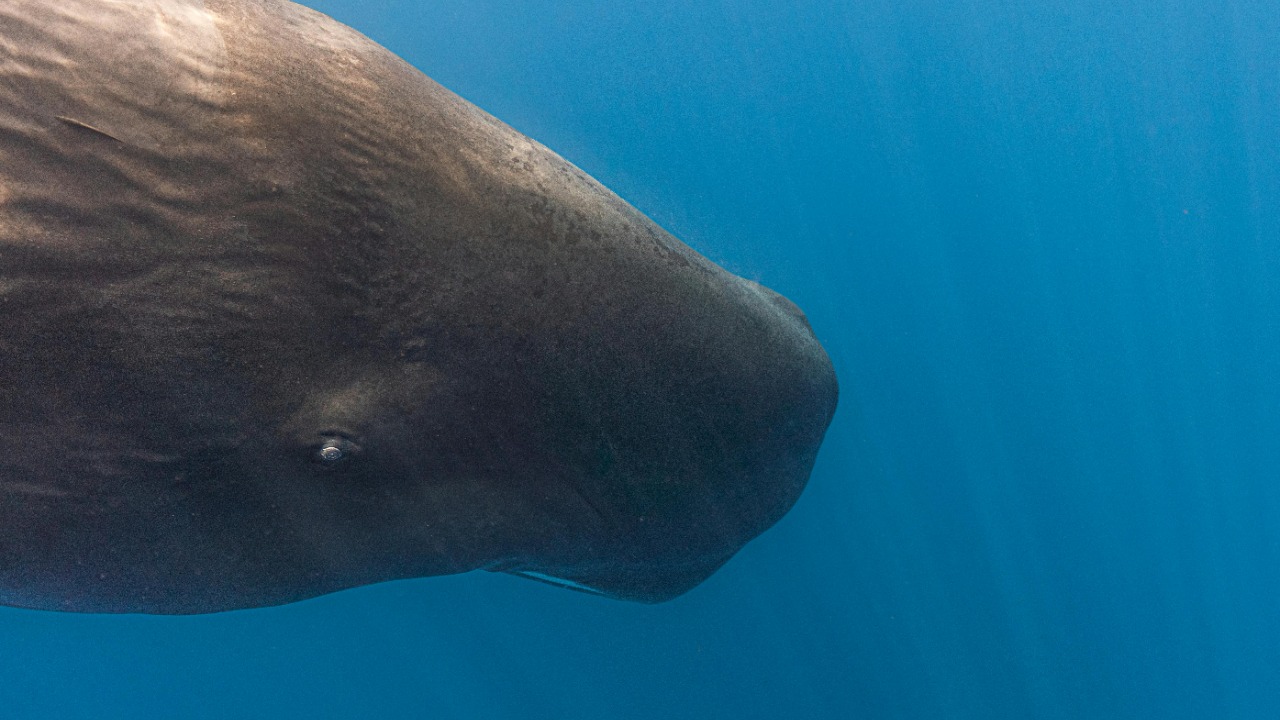
Male sperm whales reach about 52 feet and 50 tons, carrying the largest brain of any animal and a massive, oil-filled head that makes up nearly a third of their length. They dive more than 3,000 feet to hunt squid in near-total darkness. The deep-diving sperm whale ranks as the biggest toothed predator on Earth.
To find prey, it produces powerful clicks, among the loudest sounds any animal makes, and reads the echoes like sonar. Battle scars from giant squid mark the faces of older males. Once hunted relentlessly for the waxy spermaceti in their heads, the species is slowly rebuilding its numbers.
4. Basking shark: A Harmless Giant That Strains The Sea
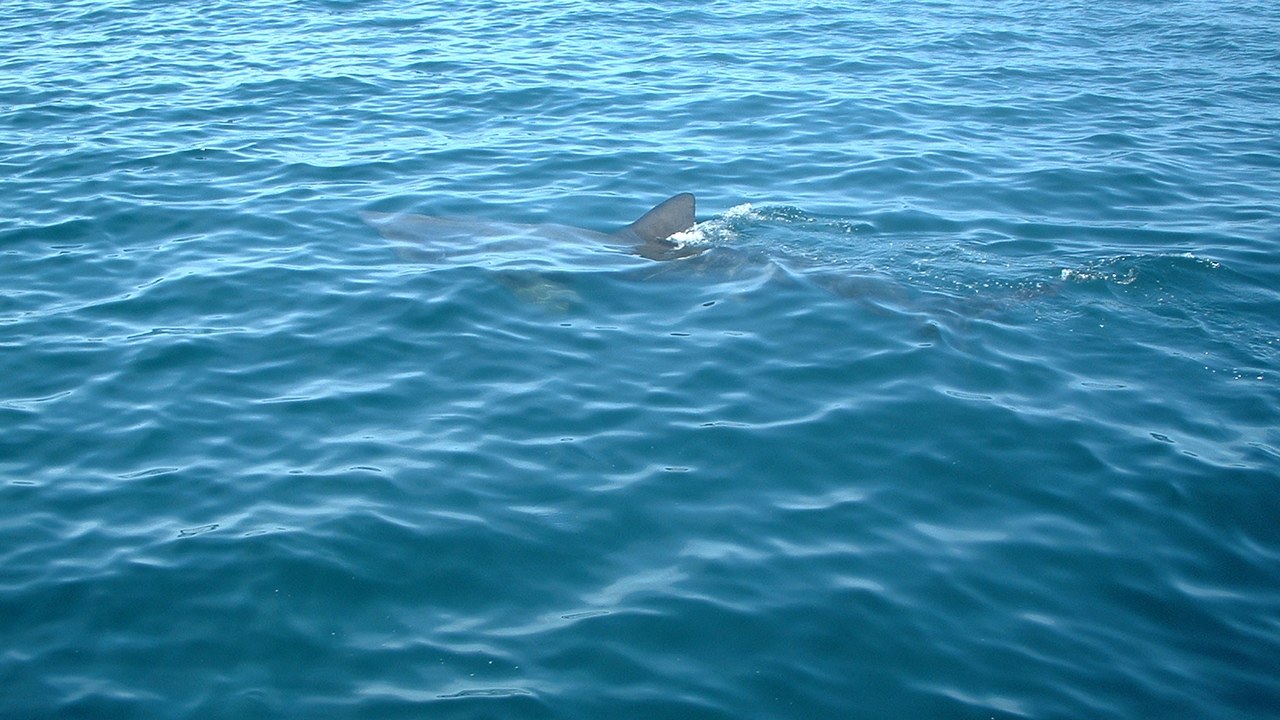
Second among fish only to the whale shark, the basking shark reaches about 26 feet and sometimes more than 30. It swims slowly at the surface with its cavernous mouth wide open, filtering plankton from thousands of tons of seawater every hour. Despite its size, the massive basking shark has tiny, harmless teeth.
Its name comes from its habit of appearing to bask in the sun near the surface, where boaters sometimes mistake its dark dorsal fin for something menacing. It gathers in feeding groups when plankton is thick, then vanishes into deeper water for months. Decades of hunting for its liver oil left populations badly depleted.
5. Giant Pacific octopus: The Largest Octopus On Earth
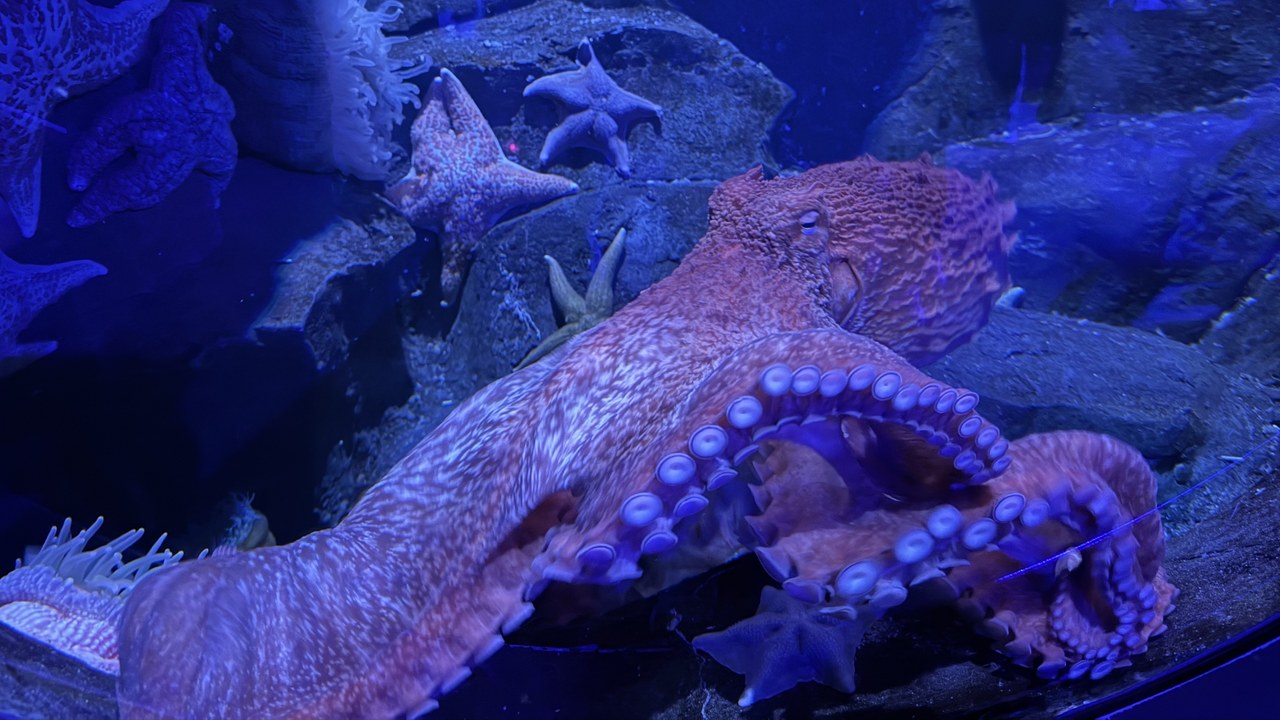
The giant Pacific octopus can stretch across roughly 14 feet from arm tip to arm tip, and exceptional individuals have weighed more than 150 pounds. That makes it the largest octopus species known. The enormous Pacific octopus carries around 2,000 suckers across its eight arms, each capable of tasting what it touches.
Remarkably intelligent, it can solve puzzles, open jars, and squeeze its boneless body through any gap larger than its beak. It changes color and texture in an instant to vanish against rock or kelp. Females guard tens of thousands of eggs until they hatch, then die, a single dramatic act of parenthood that ends their short lives.
6. Lion’s mane jellyfish: Tentacles Longer Than A Blue Whale
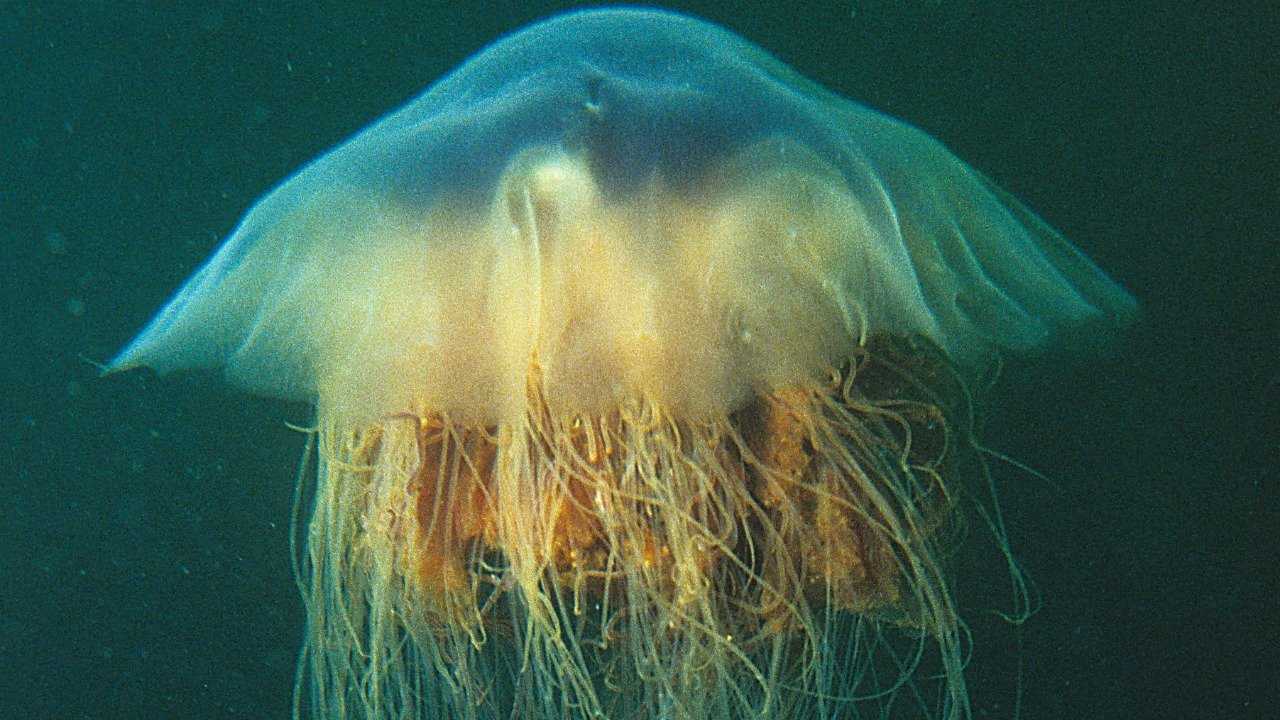
Trailing tentacles measured at over 100 feet, longer than a blue whale, make the lion’s mane jellyfish the largest known, its bell alone spanning more than seven feet. The giant lion’s mane drags hundreds of stinging threads through cold northern waters to snare prey.
Those tentacles, grouped in thick clusters resembling a lion’s mane, deliver a sting that can leave painful welts on swimmers. It drifts with the currents rather than swimming with purpose, pulsing its bell just enough to stay near the surface. Small fish sometimes shelter among its tentacles, immune to the venom that kills their neighbors.
7. Ocean sunfish: The Heaviest Bony Fish Alive
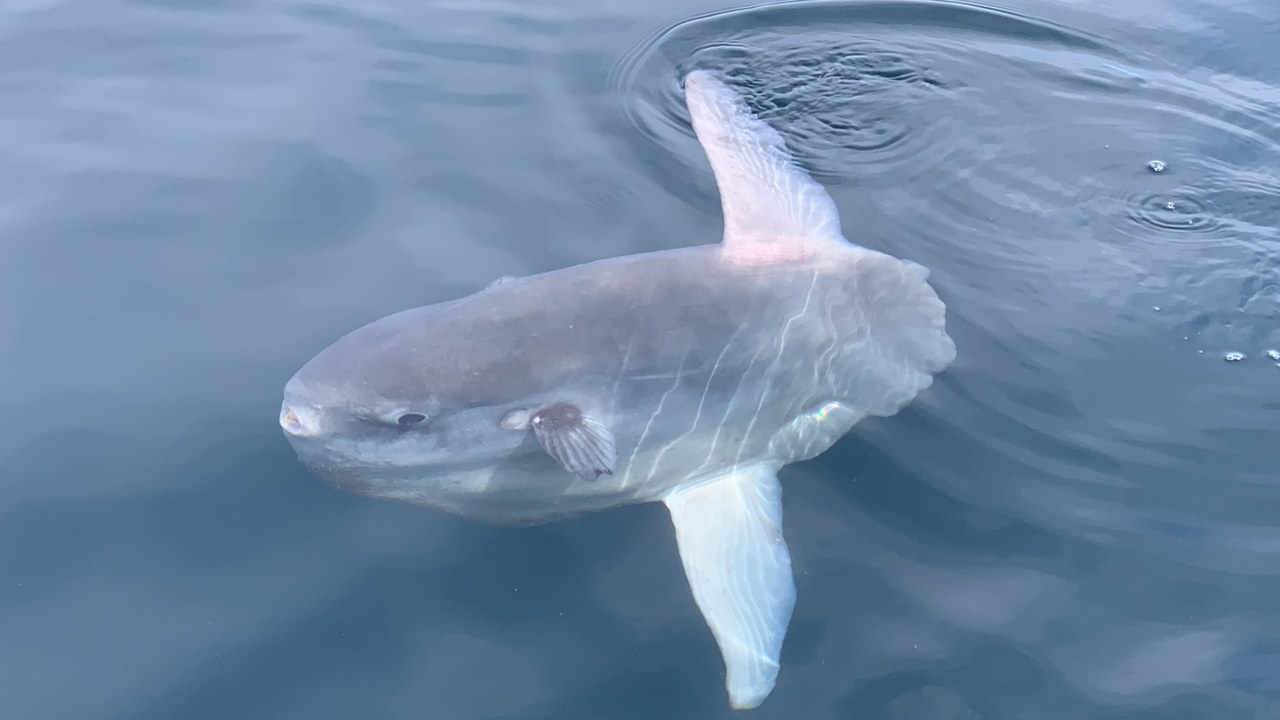
Heaviest of all bony fish, the ocean sunfish tops 5,000 pounds in its largest individuals and measures more than 10 feet from fin to fin. Its strange, flattened body looks like a swimming head that abruptly ends. The massive ocean sunfish often basks on its side at the surface to warm up.
A single female can carry hundreds of millions of eggs, more than almost any other vertebrate, though only a tiny fraction survive. It feeds heavily on jellyfish, drifting through open water and diving into cold depths between visits to the sun-warmed surface. Sunbathing gulls and even divers sometimes find it startlingly tame.
8. Giant manta ray: A Gentle Giant On Broad Wings
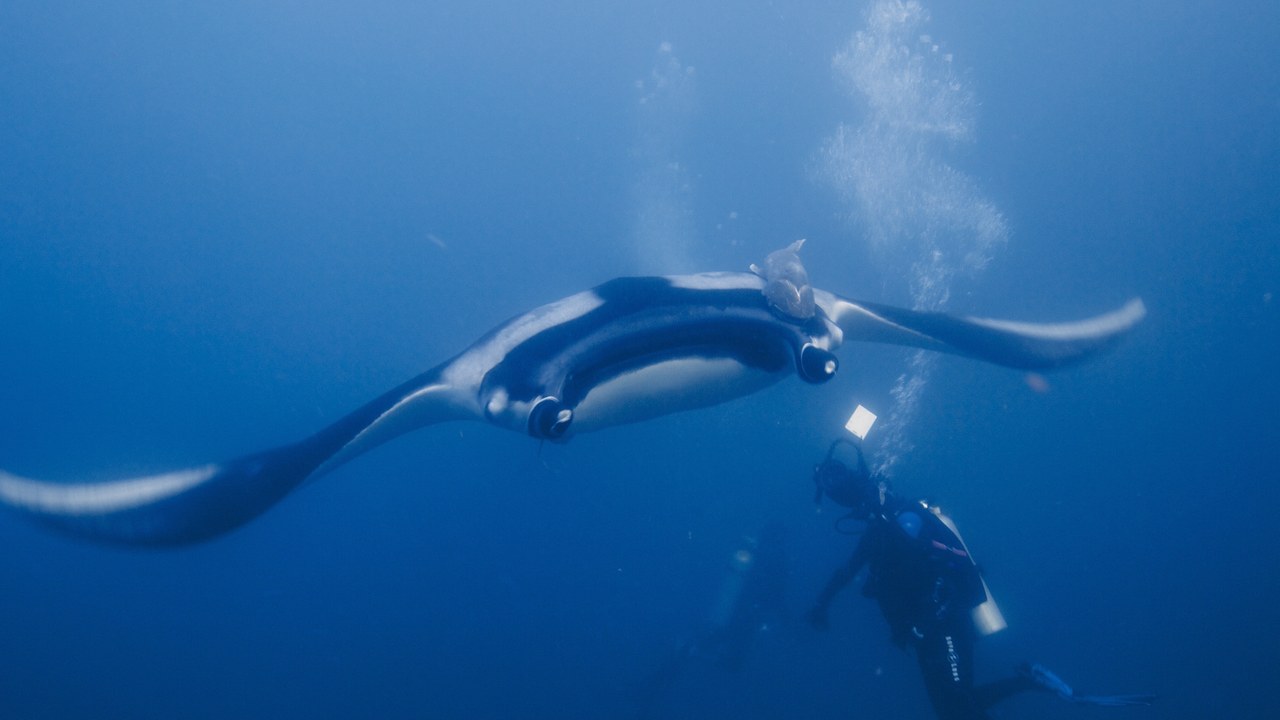
The giant oceanic manta ray has a wingspan that can exceed 20 feet, with the largest reaching around 23 feet across, making it the biggest ray in the ocean. It glides on wing-like pectoral fins, seeming to fly through open water. The enormous manta ray filters plankton as it swims, harmless to humans.
Among the smartest of all fish, it has the largest brain relative to body size of any cold-blooded ocean animal and appears to recognize itself in mirrors. It visits cleaning stations where small fish pick parasites from its skin. Slow to reproduce, giving birth to a single pup every few years, it is highly vulnerable to fishing pressure.
9. Leatherback sea turtle: The Largest Turtle In The World
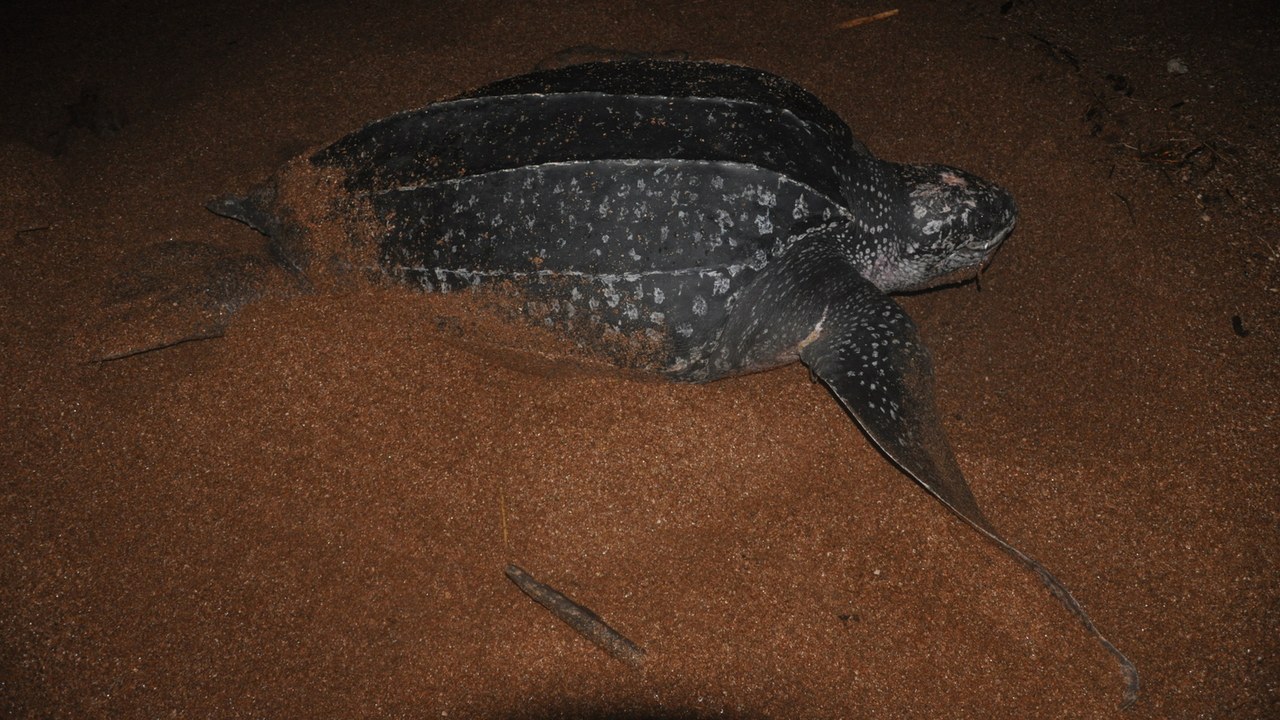
Growing to about seven feet long and up to 2,000 pounds, the leatherback sea turtle is the largest turtle alive. Unlike other sea turtles, it has no hard shell, instead a leathery, ridged back covers its body. The record-setting leatherback dives beyond 4,000 feet, deeper than most whales.
It survives almost entirely on jellyfish, and a special set of backward-pointing spines in its throat keeps the slippery prey from escaping. Warm-bodied for a reptile, it ranges from tropical beaches to near-Arctic waters. Mistaking floating plastic bags for jellyfish is a growing danger, alongside lost nesting beaches, for this ancient, wide-roaming species.
More from Morning Overview
- A California supervolcano has bulged upward about two and a half feet since 1978
- The FTC is warning about a scam quietly draining thousands from victims
- The NSA is again telling phone owners to switch off one location setting
- A handful of car transmissions are so tough mechanics say they almost never fail
