
Birds of prey come in wildly different sizes, but a handful of species stand out for sheer scale, whether measured by wingspan, weight, or raw hunting power. Some soar over the Andes and the American West, while others patrol Arctic coastlines, tropical rainforests, and the Australian outback. This list ranks nine of the largest raptors alive today.
1. Andean condor: Largest Wing Area
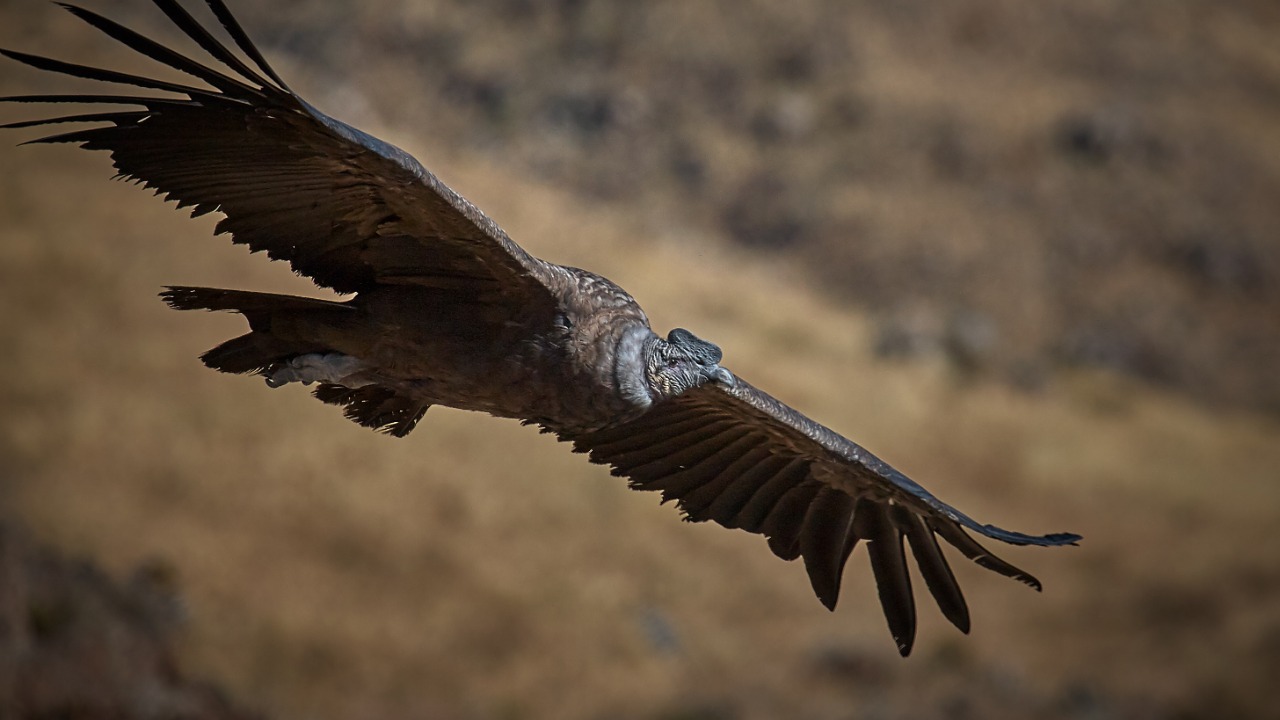
The Andean condor holds the record for the largest wing area among all raptors, with a wingspan that can exceed ten feet across its broad, soaring frame. It rides thermals and updrafts along the Andes for hours, using mountain ridge currents instead of flapping to cover vast distances.
Rather than hunting live prey, it scavenges carrion across high-altitude grassland and coastal cliffs in western South America, sometimes traveling well over a hundred miles in a single day. Lead poisoning from spent ammunition and habitat disruption have left the species classified as vulnerable, and breeding programs in Peru and Colombia now support its slow recovery.
2. California condor: Back From The Brink
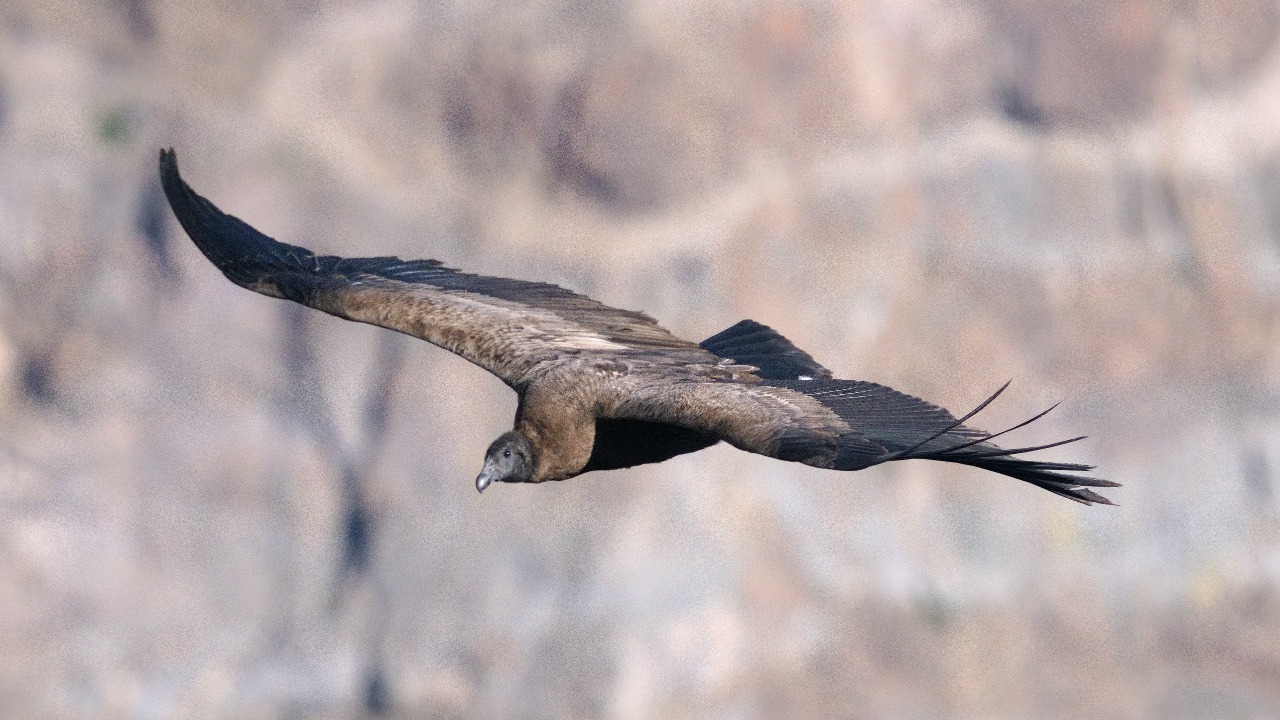
The California condor is North America’s largest land bird, with a wingspan approaching ten feet and a weight that can top twenty pounds. The species collapsed to just twenty-two birds in the wild during the 1980s before a captive-breeding program pulled it back from the edge of extinction.
Today several hundred condors fly free across California, Arizona, Utah, and Baja California, though lead poisoning from ammunition remains the leading cause of death. Wildlife agencies still track nearly every wild bird individually to monitor the recovery.
3. Harpy eagle: Bear-Claw Talons
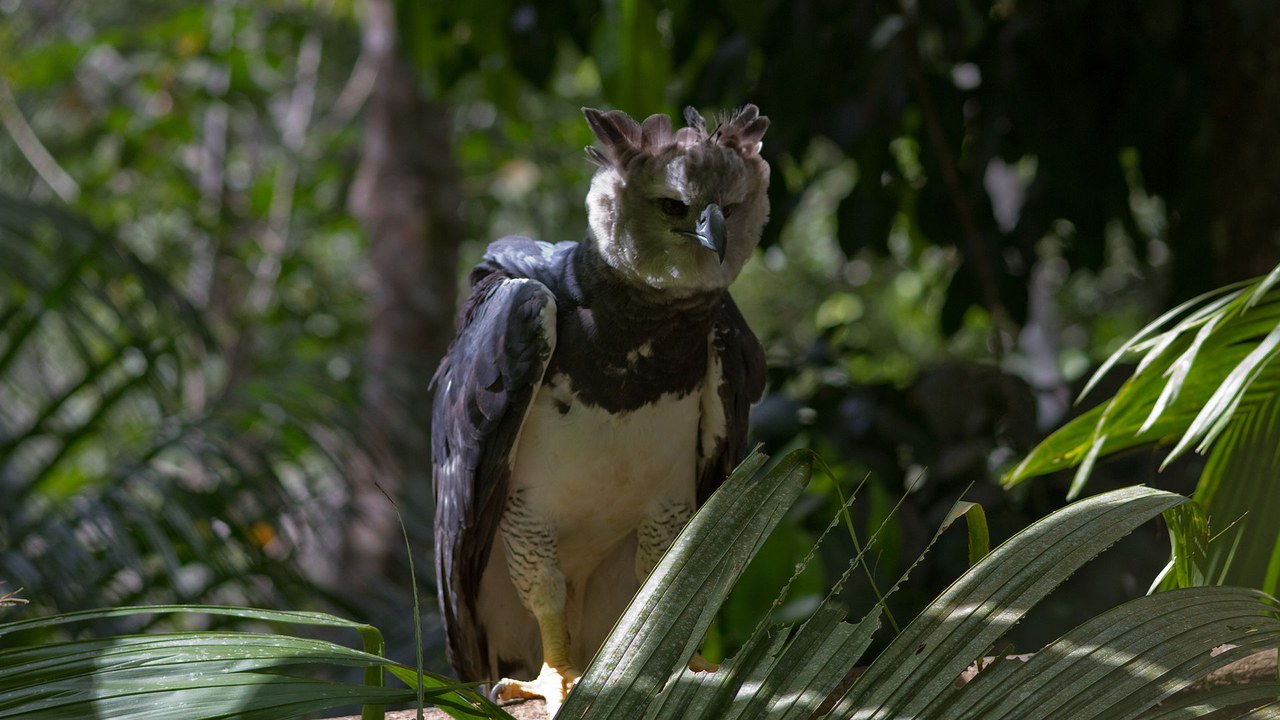
The harpy eagle is one of the most powerful raptors alive, with talons that can grow as long as a grizzly bear’s claws and a grip strong enough to crush bone. It hunts beneath the rainforest canopy of Central and South America, snatching sloths and monkeys straight from the branches using short bursts of speed.
Females can weigh nearly twice as much as males and are broad enough to rival a small child in size. Deforestation has made sightings increasingly rare across much of its former range.
4. Philippine eagle: Rare Forest Hunter

The Philippine eagle is a massive forest hunter found only in the Philippines, prized for its shaggy crown of feathers and a wingspan that lets it maneuver between dense canopy trees. It preys on flying lemurs, snakes, and other birds, striking with talons built for sudden aerial ambush.
Fewer than a thousand pairs are believed to remain, making it one of the rarest and most critically endangered eagles on the planet. Logging across its island forests continues to shrink the territory each breeding pair needs to survive.
5. Steller’s sea eagle: Heaviest Eagle Alive
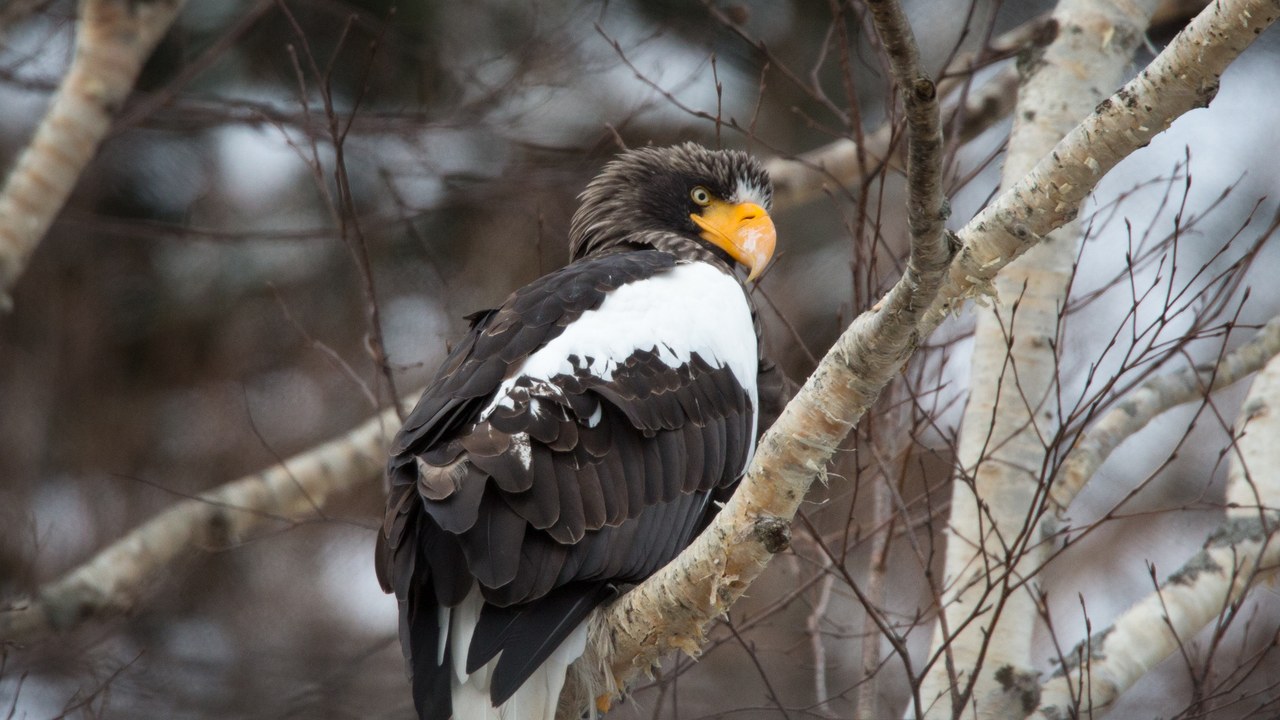
Steller’s sea eagle is the heaviest eagle alive, with females weighing up to twenty pounds and wielding a massive yellow beak built for tearing into fish and carrion. It breeds along the coasts and rivers of far-eastern Russia before some individuals migrate toward Japan’s northern coastline each winter.
Its dark plumage and white shoulder patches make it one of the most visually striking raptors in the world, and its wingspan can stretch beyond seven feet tip to tip. Fewer than five thousand are estimated to remain, and the species is considered vulnerable across its scattered coastal range.
6. Golden eagle: High-Speed Hunter
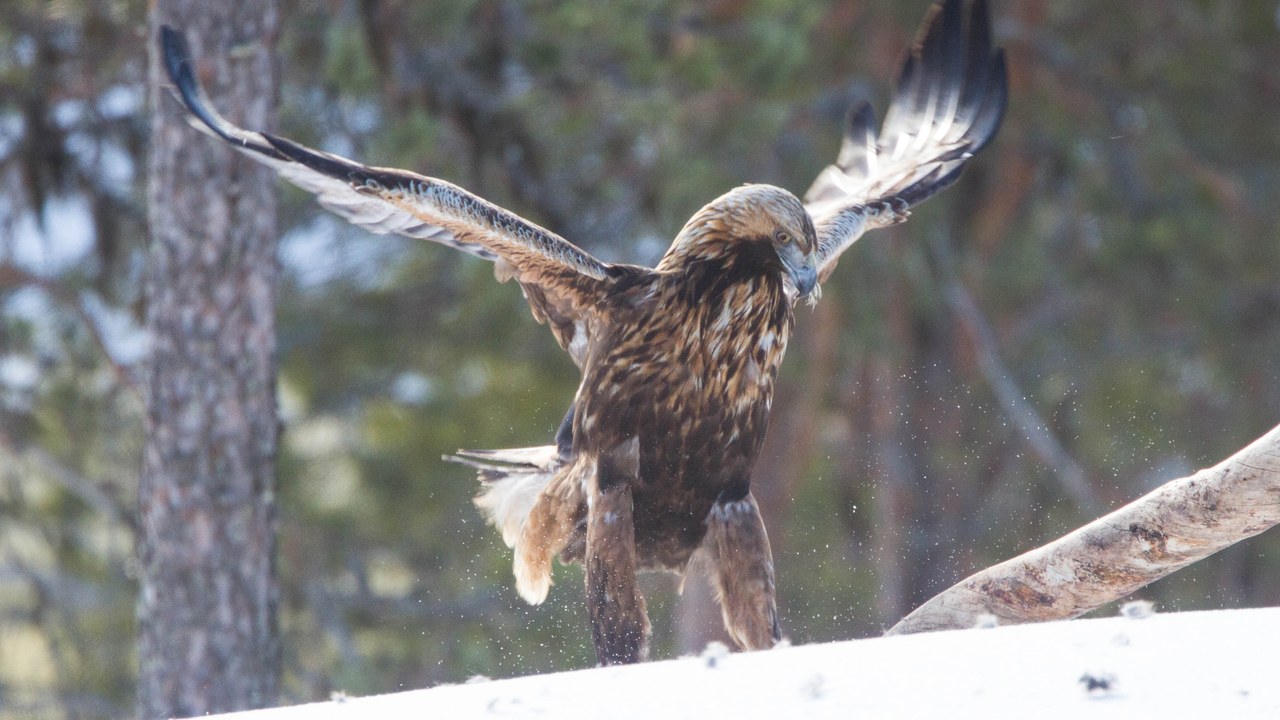
The golden eagle carries one of the widest wingspans of any eagle in the Northern Hemisphere, letting it hunt across open mountains, grassland, and tundra from North America to Asia. It can dive at tremendous speed to take down hares, marmots, and even young deer using a high-speed stoop.
Golden eagles mate for life and often reuse the same cliffside nest for generations, adding material each year until the structure grows enormous and heavy. They remain a protected species in the United States under federal law, and their keen eyesight lets them spot prey from more than a mile away.
7. Bald eagle: America’s Iconic Raptor
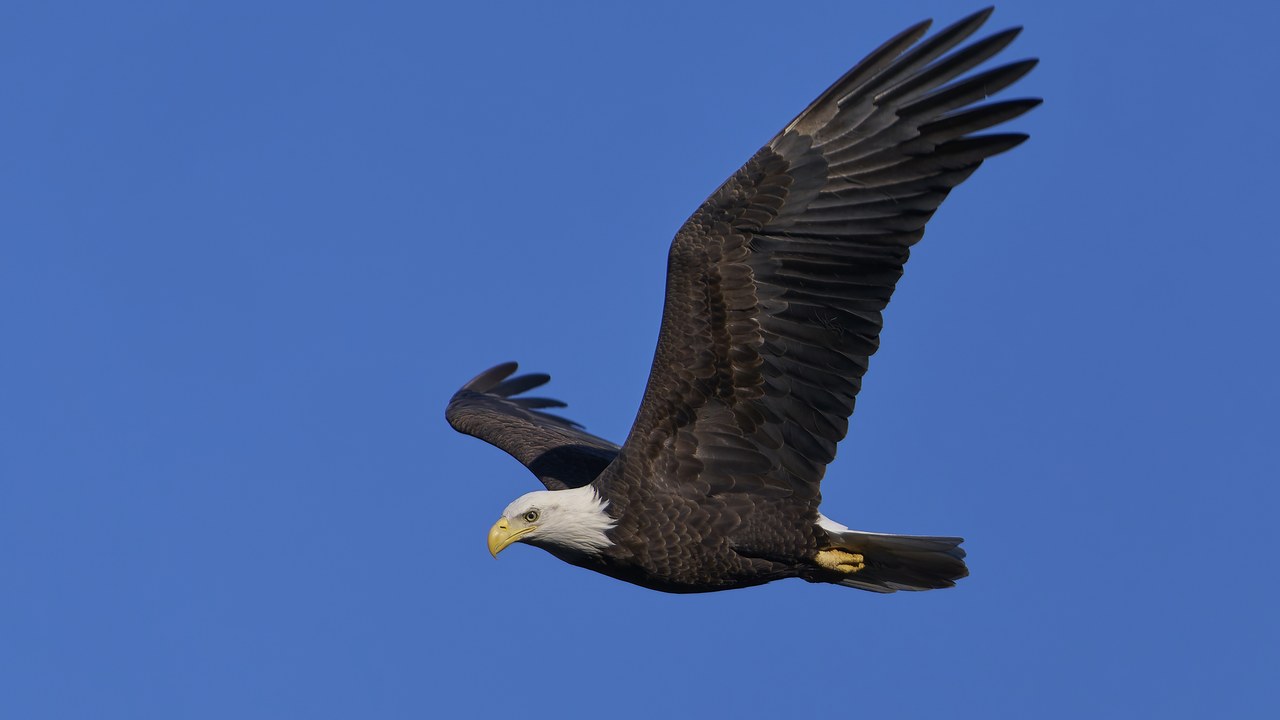
The bald eagle is the national bird of the United States and one of its largest raptors, with a wingspan that can stretch beyond seven feet over rivers, lakes, and coastlines. It hunts primarily by snatching fish from the water’s surface, though it will also steal meals through aerial piracy from other birds.
Its population had crashed to under a thousand nesting pairs by the 1960s due to the pesticide DDT before a decades-long recovery effort restored its numbers. It was removed from the U.S. endangered species list in 2007.
8. Cinereous vulture: Giant Old World Scavenger
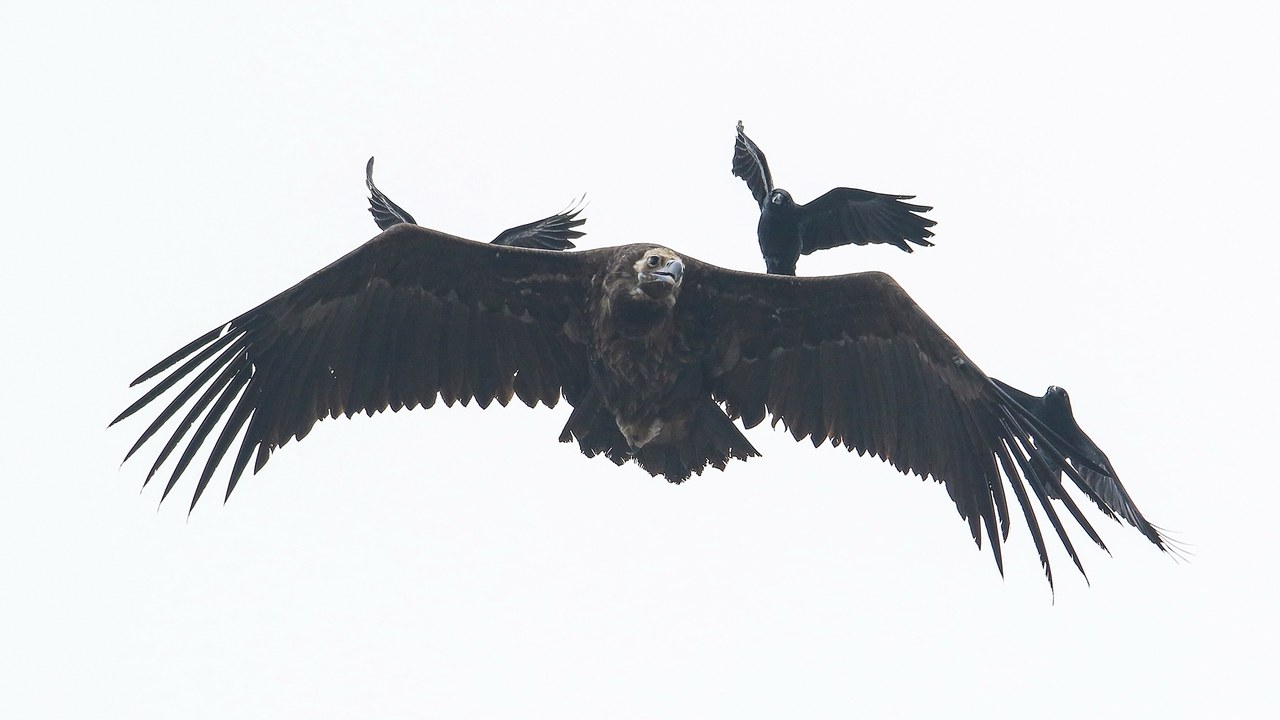
The cinereous vulture is among the largest birds of prey by wingspan, with some individuals stretching wings past nine feet across the skies of Europe and Asia. It scavenges on large carcasses in open steppe and mountain terrain, using its size to dominate smaller competing scavengers.
Its dark brown plumage and bare, wrinkled head help it stay clean while feeding deep inside a carcass for extended periods. Conservation efforts in Spain and reintroduction programs across the Balkans and France have helped stabilize a population that was once in steep decline.
9. Wedge-tailed eagle: Outback Apex Predator

The wedge-tailed eagle is Australia’s largest bird of prey, recognizable by its long, diamond-shaped tail and a wingspan that can approach nine feet. It hunts rabbits, small kangaroos, and other mammals across open outback terrain, sometimes hunting in pairs to bring down larger ground-based prey.
It also scavenges roadkill and livestock carcasses, which occasionally puts it in conflict with sheep farmers across rural Australia. Despite that friction, the species remains widespread across the continent and is not currently considered threatened, unlike many other large raptors worldwide.
More from Morning Overview
- A handful of SUVs keep hitting 300,000 miles, and they share one engine trait
- Supplements now rank as the fifth-leading cause of death from liver disease.
- A study names the one SUV most likely to reach 250,000 miles
- More than 60,000 people flee the Spokane area as complex fires overrun 600 structures
