
Speed shapes survival across the animal kingdom, and a handful of species have pushed it to almost unbelievable extremes. From plunging raptors to sprinting cats and streamlined ocean hunters, nature’s fastest movers dominate air, land, and water alike. Here are nine remarkable animals whose velocity sets them apart from everything else alive.
1. Peregrine falcon: The Fastest Animal Alive
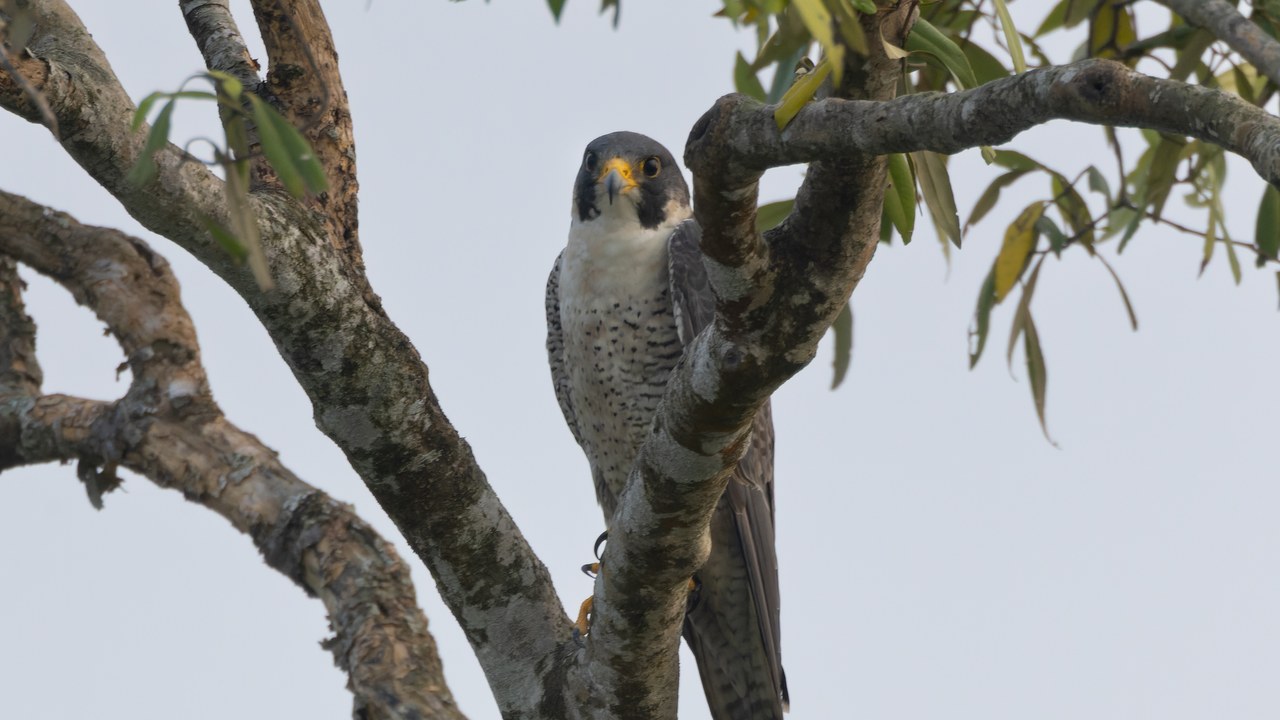
No creature on Earth moves faster than the peregrine falcon in a hunting stoop. Folding its wings into a teardrop shape, it plunges after prey at speeds recorded above 200 miles per hour. The peregrine falcon owes this to a compact, muscular body and specialized nostrils that manage the crushing airflow.
Found on every continent except Antarctica, this widespread raptor thrives in cities as readily as on remote cliffs. It preys mostly on other birds, striking them in midair with a stunning blow. Conservation efforts helped the species rebound after pesticide poisoning nearly wiped it out decades ago.
2. Cheetah: Built For The Sprint
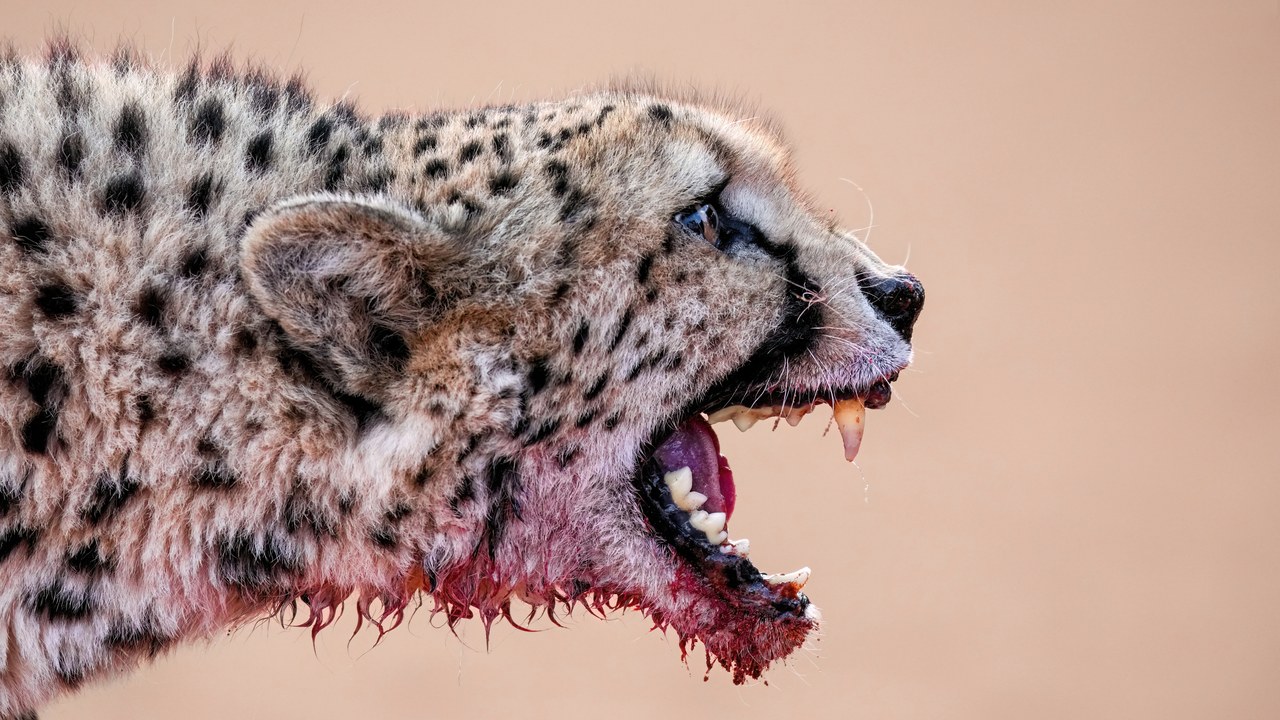
On open ground, nothing outruns a cheetah over a short distance. This lithe cheetah accelerates from a standstill to around 60 miles per hour in just a few seconds, faster than most sports cars. A flexible spine, oversized nostrils, and semi-retractable claws that grip like cleats power the sprint.
Such bursts come at a cost, since a chase lasts only seconds before the animal overheats and must rest. Cheetahs hunt gazelles and other small antelope across the grasslands of Africa and a small pocket of Iran. Their populations have dwindled sharply, making these sprinters a focus of urgent conservation work.
3. Sailfish: A Blur In Blue Water
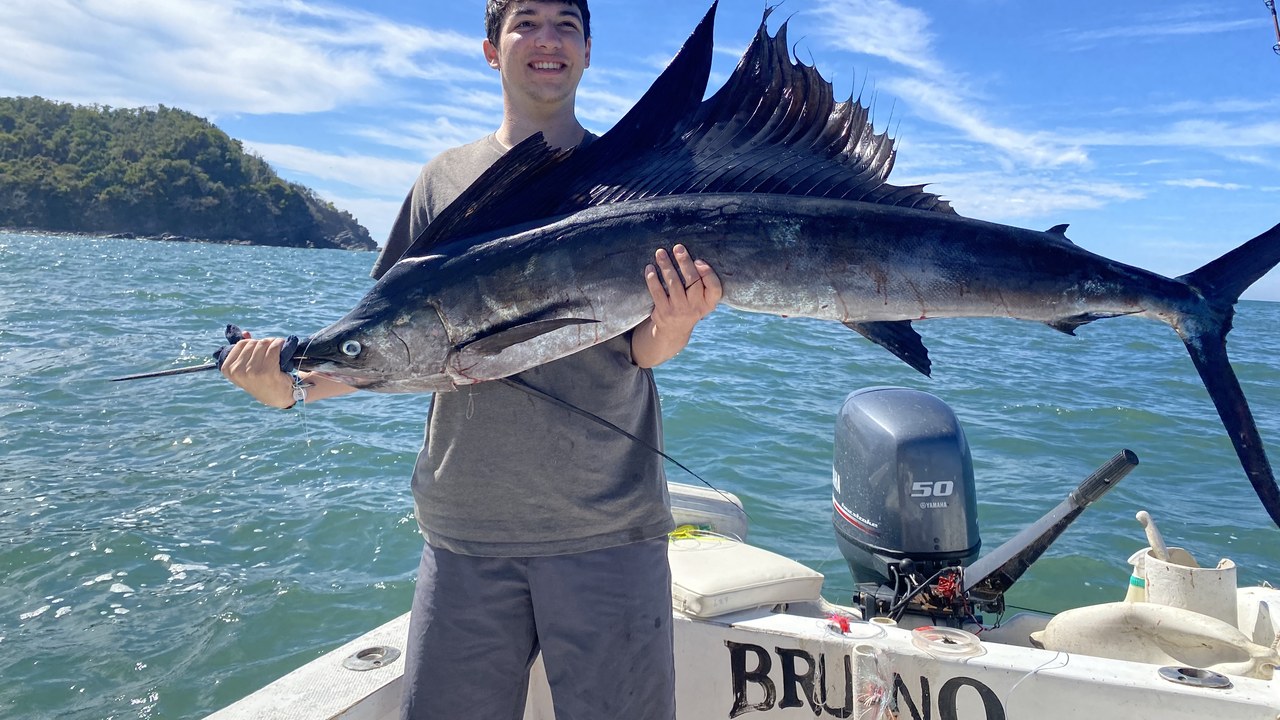
Few fish tear through the ocean like the sailfish, a slender predator with a towering dorsal fin. Often cited among the swiftest swimmers in the sea, this speedy sailfish can surge in rapid bursts while hunting. Its long bill slashes into tightly packed schools of smaller fish.
That tall fin, which gives the species its name, can fold flat into a groove to reduce drag at speed. Sailfish roam warm and temperate waters worldwide and often hunt cooperatively, herding prey into a bait ball. Prized by anglers, they are known for spectacular leaps once hooked, twisting high above the surface.
4. Pronghorn: Endurance Runner Of The Plains
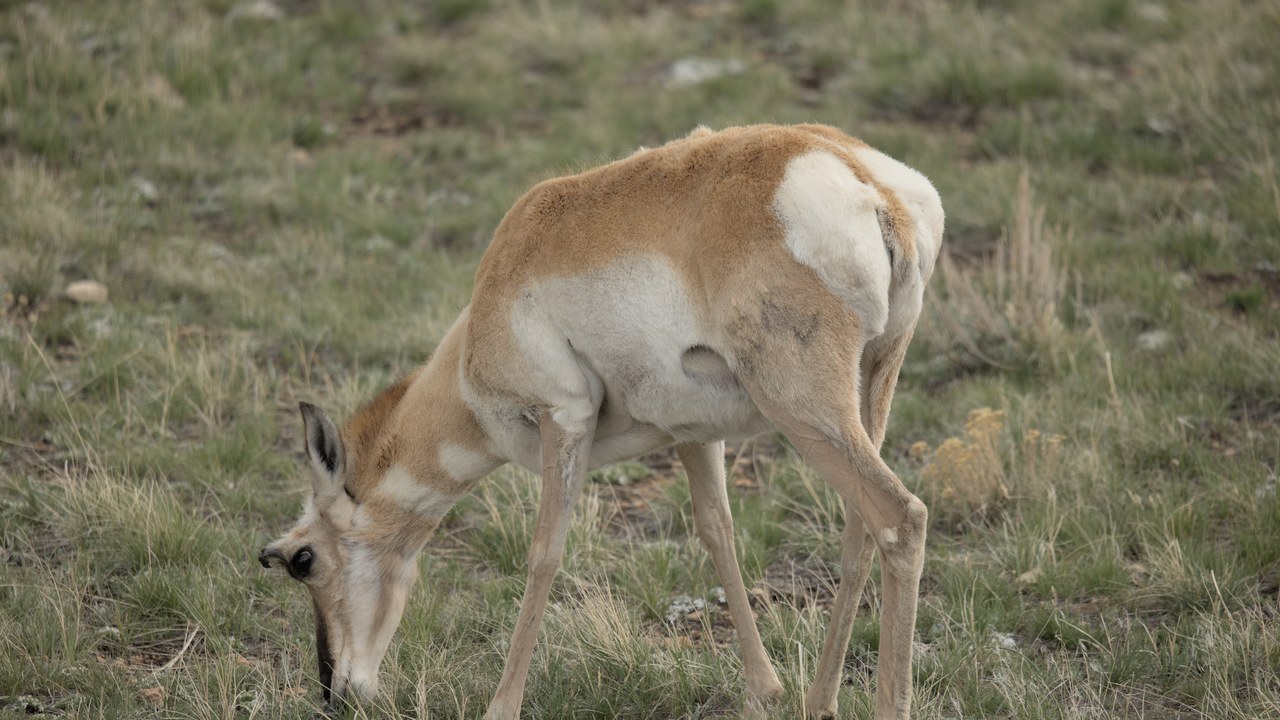
While the cheetah wins short sprints, the pronghorn dominates sustained speed across open country. Native to North America, the pronghorn can cruise at roughly 55 miles per hour and hold a fast pace for miles. Enormous lungs, an oversized heart, and lightweight, cushioned legs make such distance possible.
Scientists suspect this stamina evolved to outrun long-extinct American cheetahs that once stalked the same grasslands. Though often called an antelope, the pronghorn belongs to its own unique family with no close living relatives. Herds range across western prairies, where keen eyesight helps them spot danger far across the plains.
5. Golden eagle: Power Diver Of The Skies
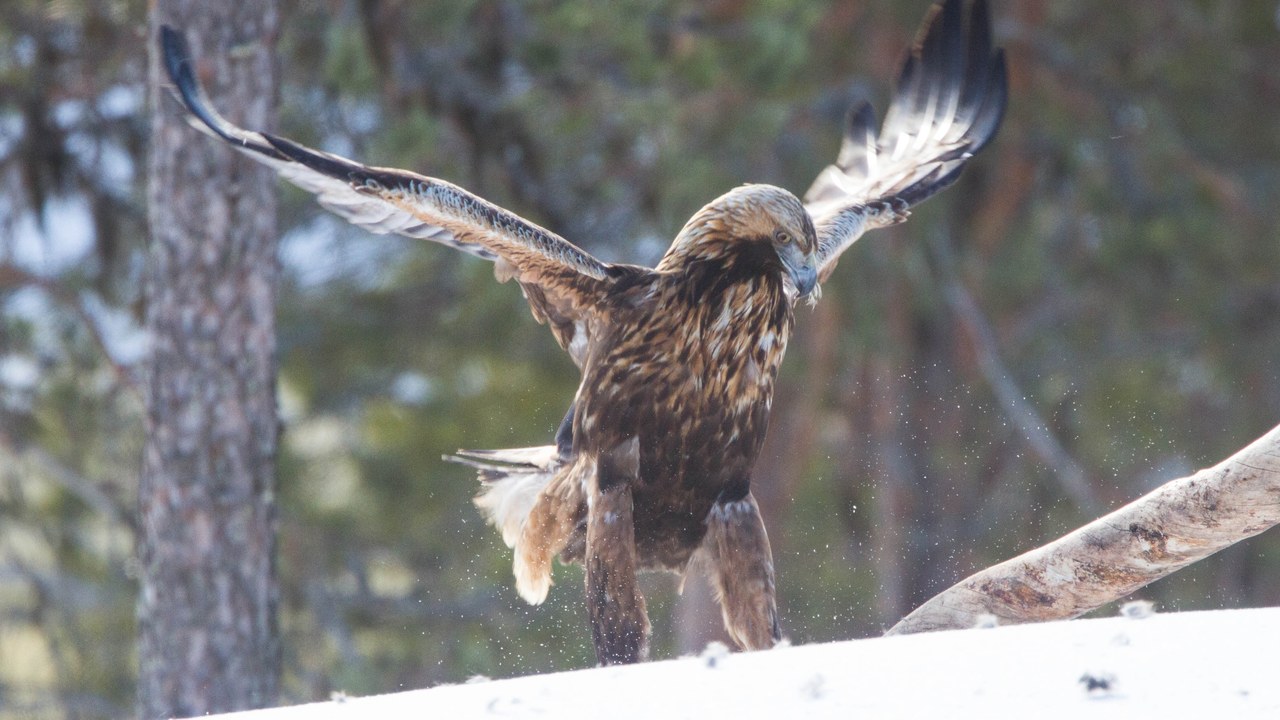
The golden eagle ranks among the swiftest birds when it folds its wings and dives after prey. In such a stoop this powerful raptor is estimated to reach speeds approaching 150 miles per hour. The golden eagle combines broad wings, a heavy build, and formidable talons capable of seizing sizable animals.
Found across the Northern Hemisphere, it hunts rabbits, ground squirrels, and occasionally prey as large as young deer. Pairs build massive stick nests on cliffs and tall trees, returning to them season after season. Revered in many cultures, this eagle remains a symbol of strength and untamed wild places.
6. Brazilian free-tailed bat: Speed Demon Of The Night
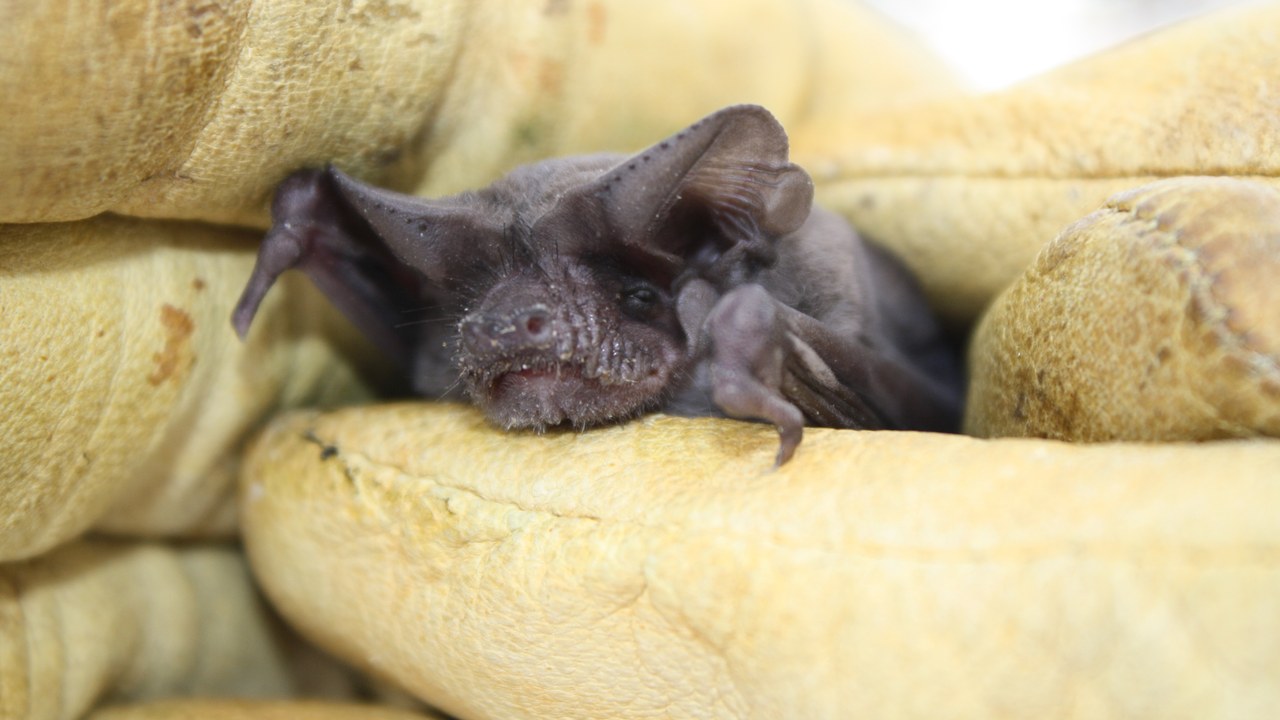
Among the fastest of all mammals in the air, the Brazilian free-tailed bat streaks through the night sky. Studies tracking these bats have logged horizontal flight speeds that rival or exceed those of many birds. The Brazilian free-tailed bat owes its pace to long, narrow wings suited for high-speed, open-air travel.
These bats form some of the largest warm-blooded colonies on Earth, packing millions into a single cave. At dusk they pour out in dense columns to feed on moths and other insects high above the ground. Famous roosts across the American Southwest draw crowds who gather to watch the spiraling nightly exodus.
7. Sooty shearwater: Ocean Wanderer On The Wing
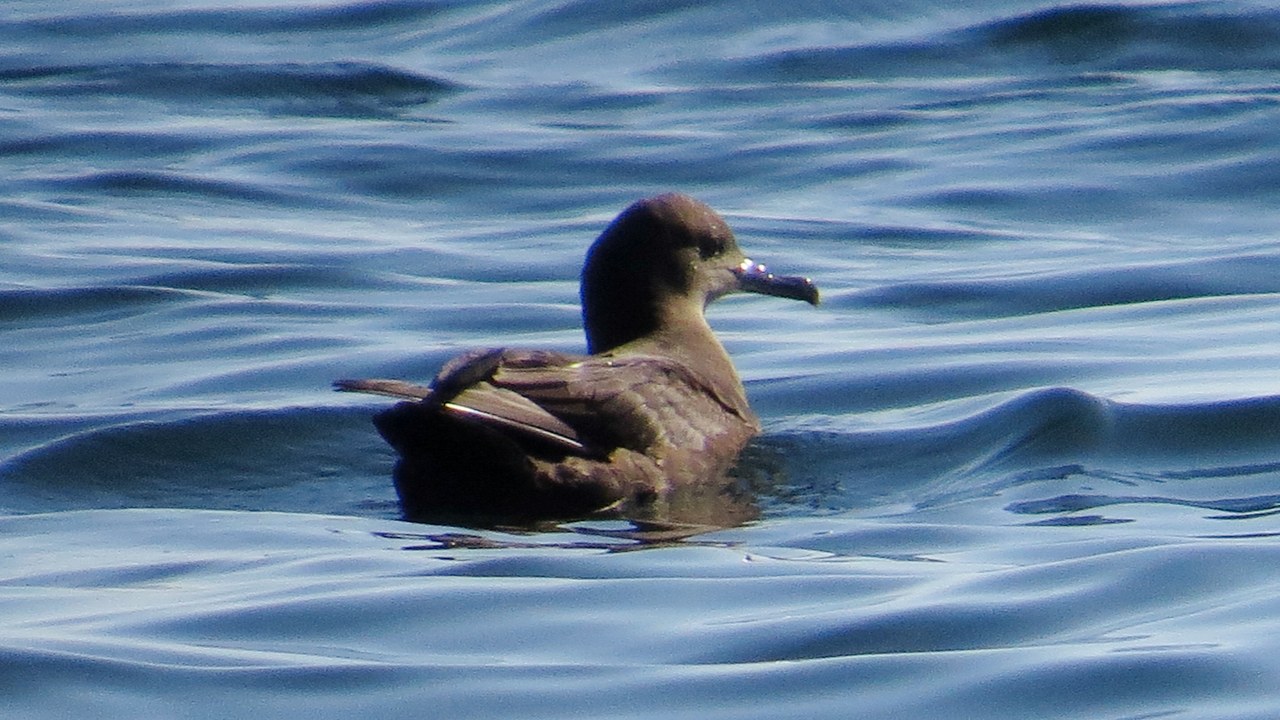
Blending speed with astonishing endurance, the sooty shearwater glides low over the waves on stiff, narrow wings. This seabird undertakes one of the longest migrations known, circling entire ocean basins each year. The sooty shearwater banks and skims just above the surface, using wind and wave to travel efficiently.
Tracking studies have followed individuals covering tens of thousands of miles in a single migratory loop. Dark brown all over, these birds dive beneath the surface to chase fish, squid, and krill. They breed on remote southern islands, then fan out across the Pacific and Atlantic in vast numbers.
8. Black marlin: Heavyweight Of The Open Sea
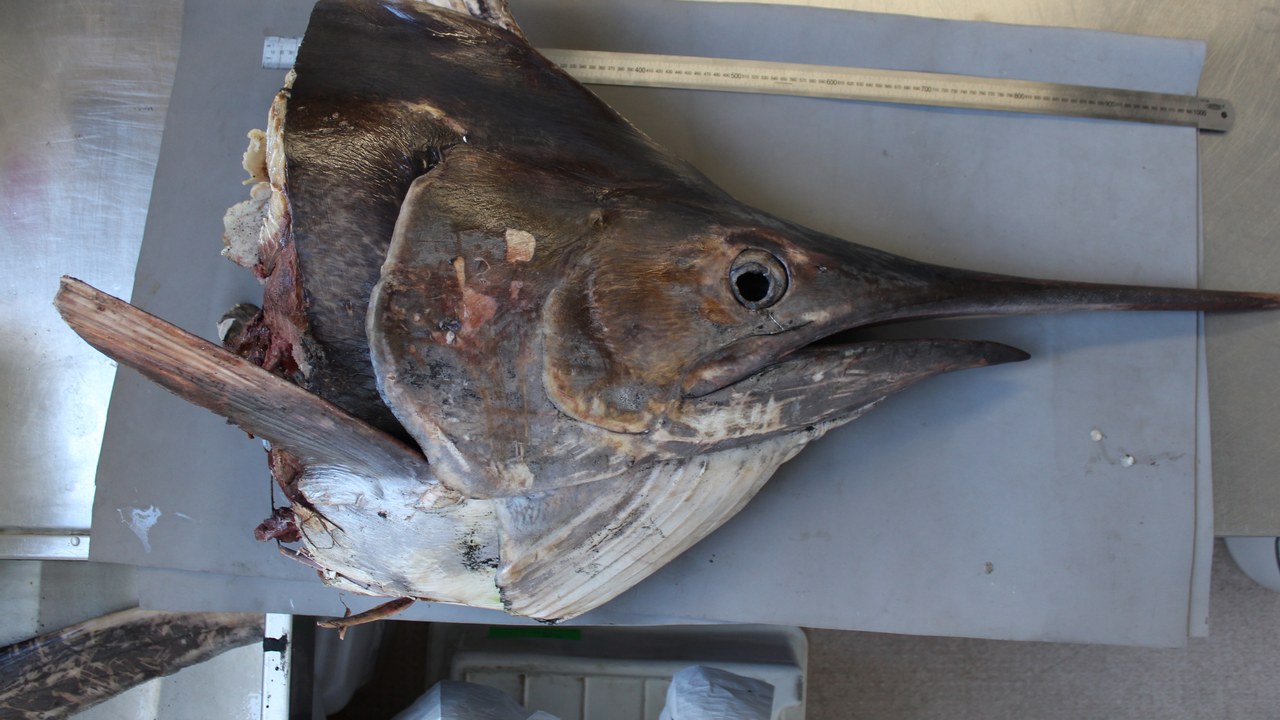
Counting among the ocean’s most powerful billfish, the black marlin is built for explosive bursts of speed. This massive predator can accelerate hard when striking prey or fighting against a fishing line. The black marlin carries a rigid pectoral fin arrangement and a sturdy bill that set it apart from relatives.
Ranging through the warm waters of the Indian and Pacific oceans, it grows to enormous sizes, sometimes topping a thousand pounds. It feeds on fish and squid, using its bill to stun quarry before swallowing. Big-game anglers prize the species for the ferocious, high-leaping battles it delivers once hooked.
9. Shortfin mako shark: The Cheetah Of The Sea
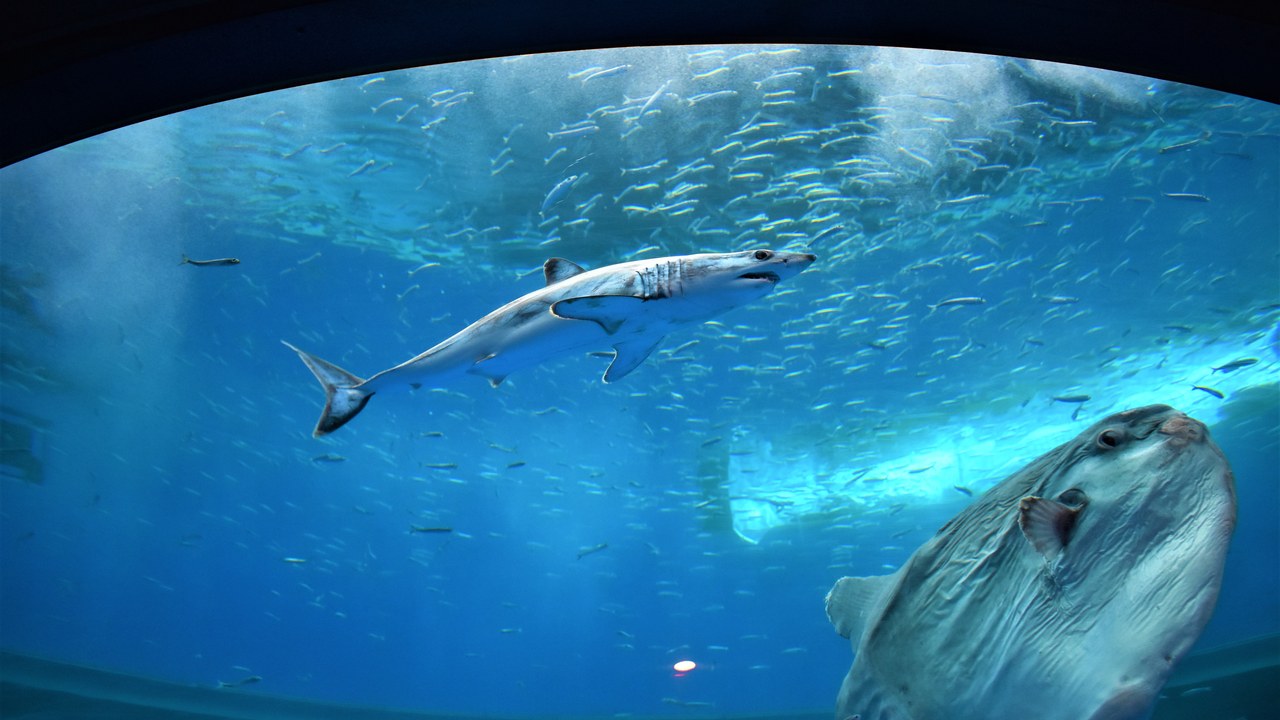
Nothing in the sea outswims the shortfin mako, a sleek torpedo of muscle built for the chase. Capable of short bursts widely reported around 45 miles per hour, it can also leap high out of the water. The shortfin mako shark owes its pace to a warm-bodied physiology that keeps its swimming muscles powered.
Found in temperate and tropical seas around the globe, the mako hunts fast prey like tuna and mackerel. Its speed and spectacular jumps make it a legendary catch, though overfishing has left populations in steep decline. Streamlined scales and a crescent-shaped tail help this shark slice through open water with ease.
More from Morning Overview
- A handful of SUVs keep hitting 300,000 miles, and they share one engine trait
- Supplements now rank as the fifth-leading cause of death from liver disease.
- A study names the one SUV most likely to reach 250,000 miles
- More than 60,000 people flee the Spokane area as complex fires overrun 600 structures
