
Few creatures inspire as much dread as a venomous serpent, and some species carry enough toxin to end a life within hours. From arid outbacks to crowded farmland, these reptiles rank among the most feared animals on Earth. What follows are nine of them, each notorious for the potency, speed, or sheer body count tied to its bite.
1. Inland taipan: Drop For Drop The Most Toxic Bite
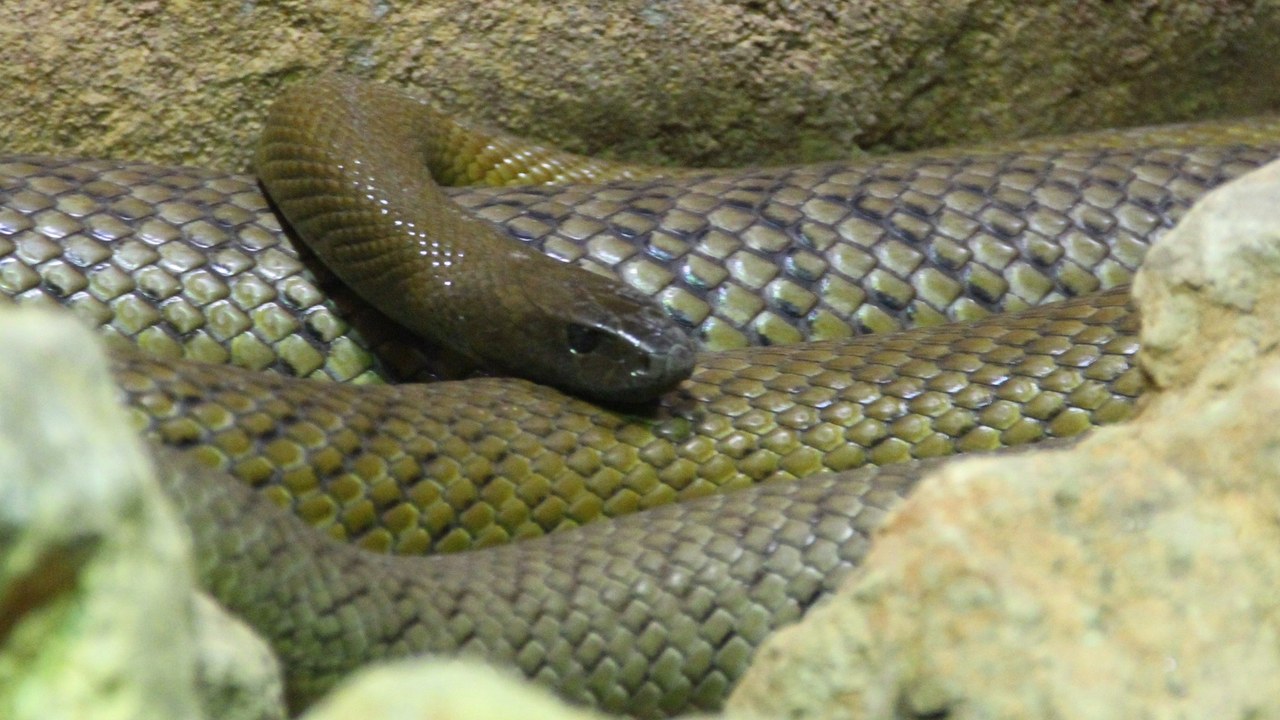
Native to the semi-arid floodplains of central Australia, this serpent produces the most toxic venom of any land snake measured in the laboratory. A single bite delivers enough neurotoxins and procoagulants to kill dozens of adult humans, and the murine LD50 figures cited by the inland taipan record dwarf those of nearly every rival species. Untreated, its bite can prove fatal in under an hour.
Despite that terrifying chemistry, the reptile is shy, reclusive, and rarely encountered, so recorded bites remain vanishingly few. Almost all victims have been herpetologists or keepers, and every documented case reaching medical care has survived thanks to antivenom, a reminder that lethality on paper does not always translate into real-world danger.
2. King cobra: The Longest Venomous Snake Alive
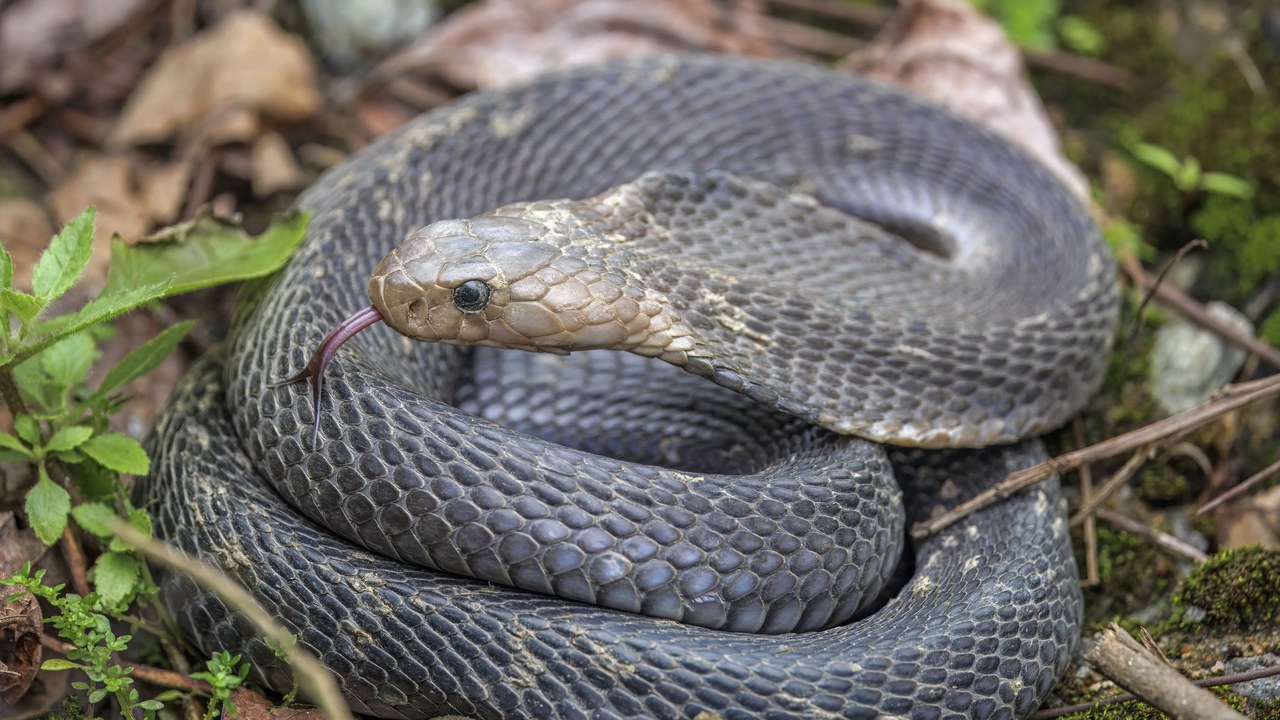
Stretching up to eighteen feet, this reptile is the longest venomous snake in the world and can rear a third of its body off the ground to stare a person in the eye. Its bite injects a massive dose of neurotoxins, and the volume alone is enough to fell an elephant. The species detailed in the king cobra profile hunts other snakes across South and Southeast Asia.
Encounters carry outsized weight because the venom attacks the nervous system fast, causing respiratory failure without prompt treatment. Yet the animal generally avoids people and reserves its full strike for defense, and specialized antivenom now exists. Habitat loss across its range has made sightings rarer in the wild.
3. Black mamba: Fast, Nervous, And Highly Lethal
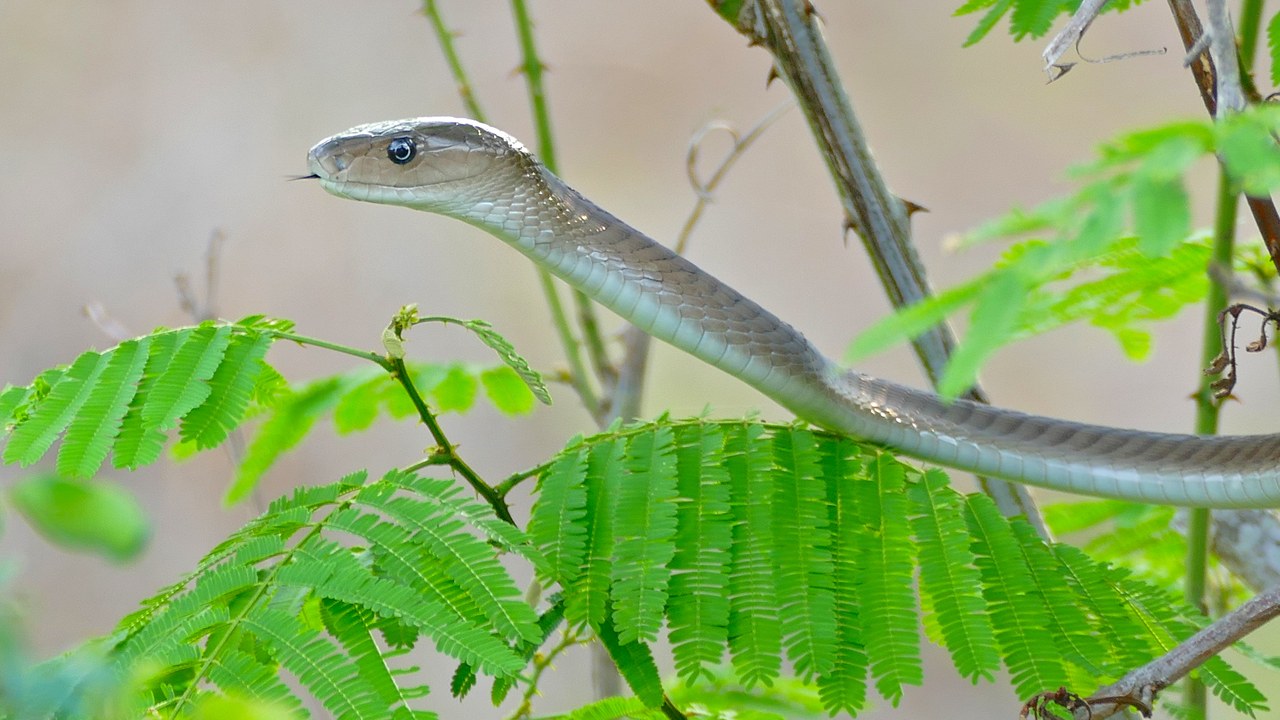
Ranging across sub-Saharan Africa, this slender gray-brown serpent is among the fastest land snakes, capable of moving at roughly twelve miles per hour in short bursts. Its venom is a potent cocktail of neurotoxins and cardiotoxins, and before antivenom a confirmed bite was almost universally fatal. Accounts gathered in the black mamba summary describe collapse within minutes.
The name refers to the inky black lining of its mouth, flashed as a warning when the animal feels cornered. Though it prefers to flee, a threatened mamba can strike repeatedly and deliver large venom loads. Rapid access to antivenom is the difference between life and death, which makes its rural range especially dangerous.
4. Russell’s viper: A Leading Killer Across Rural Asia
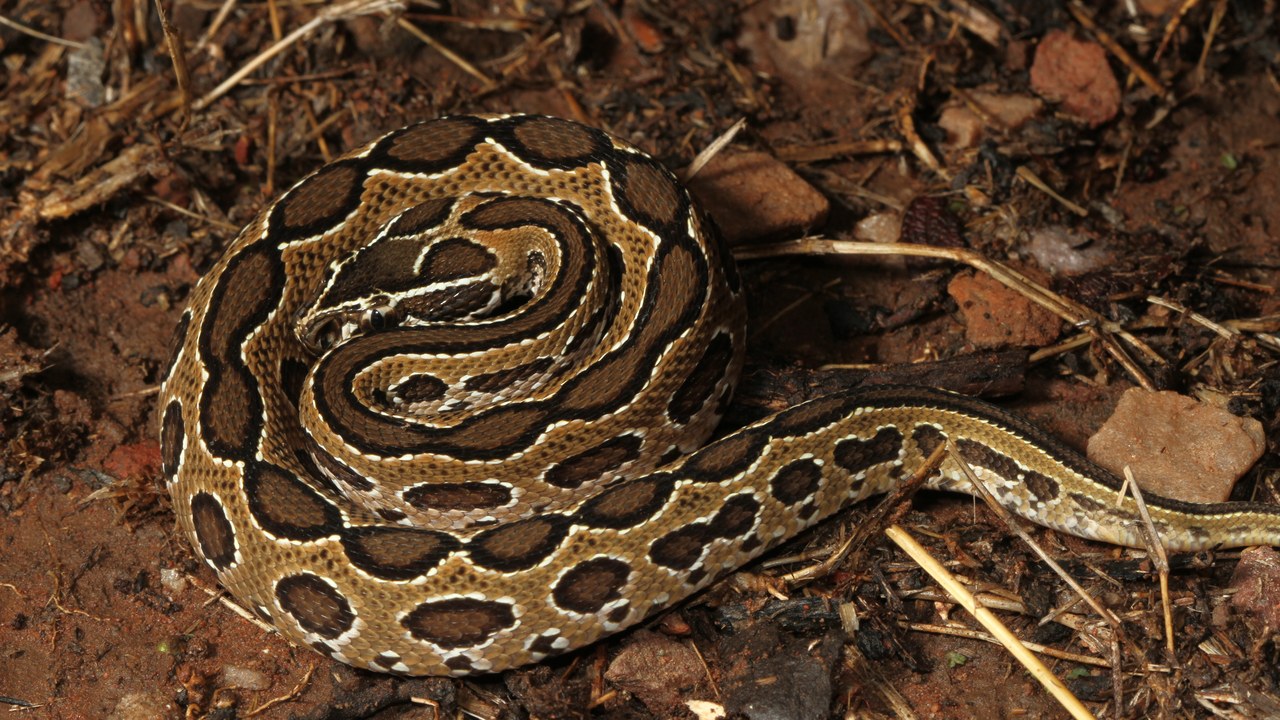
Common throughout farmland in India, Sri Lanka, and Southeast Asia, this heavy-bodied viper causes tens of thousands of deaths and countless amputations every year. Its hemotoxic venom triggers massive internal bleeding, kidney failure, and tissue destruction, and survivors often suffer lasting organ damage. Field data compiled in the Russell’s viper account rank it among the deadliest of all.
Much of its danger comes from proximity, since it thrives in the same fields where barefoot laborers work at dusk. Loud hissing and a fast strike give little warning, and rodents draw it toward villages. Because its bite can devastate before help arrives, it ranks high on the list of medically important snakes.
5. Saw-scaled viper: Small Body, Enormous Death Toll
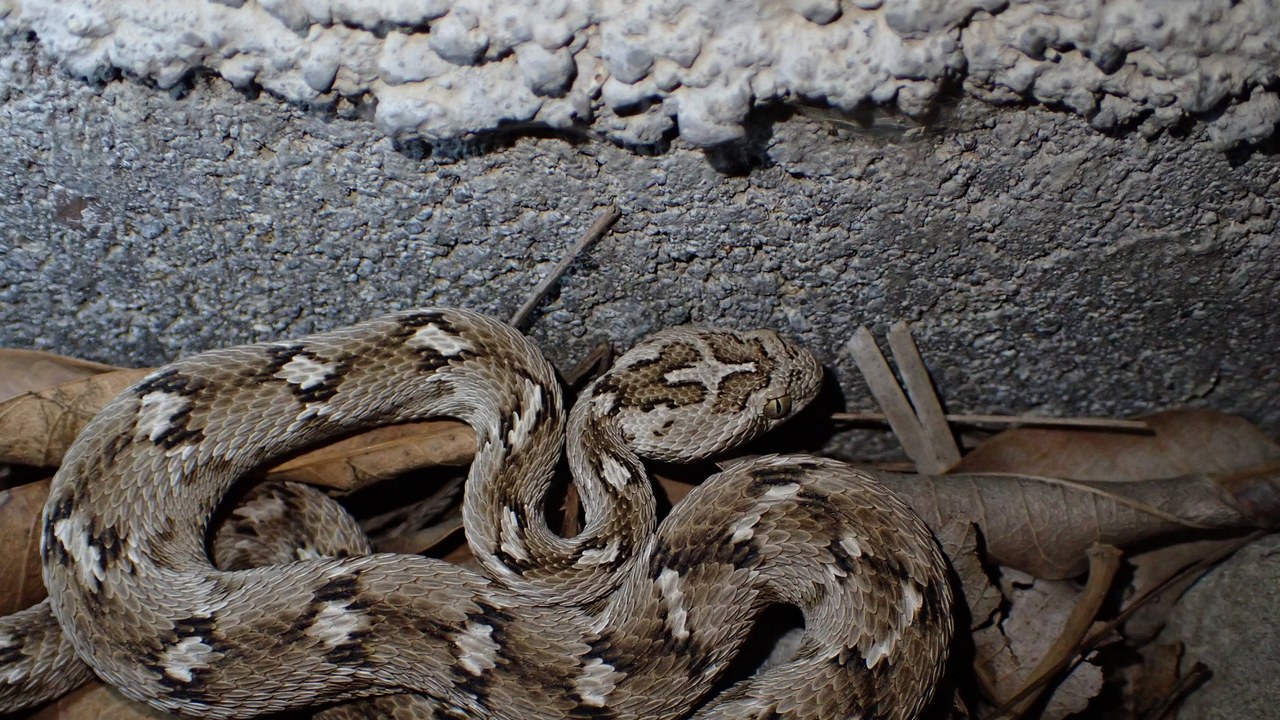
Rarely longer than a forearm, this diminutive viper may be responsible for more human deaths than any other snake on the planet. Its venom disrupts blood clotting so severely that victims can bleed from the gums, wounds, and internally for days. The genus described in the saw-scaled viper genus ranges across dry regions of Africa, the Middle East, and Asia.
When threatened it coils and rubs its serrated scales together, producing a rasping hiss that warns of an imminent strike. It is quick to bite and abundant in exactly the poor, remote areas where antivenom is scarce. That combination of aggression, range, and limited treatment access explains its staggering annual body count.
6. Coastal taipan: A Large Snake With Brutal Neurotoxin
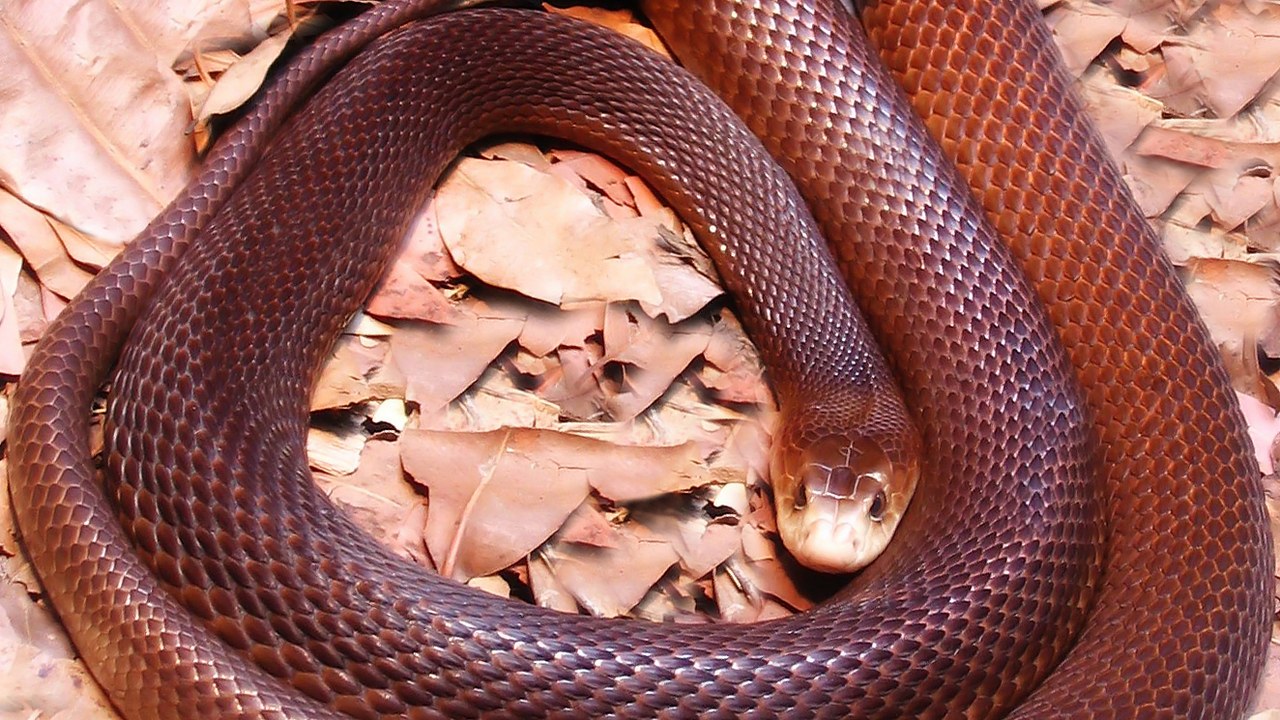
Found along the humid coasts of northern and eastern Australia and New Guinea, this large snake carries one of the most potent venoms of any species, packed with fast-acting neurotoxins and procoagulants. Before an antivenom was developed, a bite was nearly always fatal, killing within hours. The reptile profiled in the coastal taipan entry can exceed six feet.
Nervous and alert, it tends to deliver several rapid bites when cornered rather than a single defensive nip. That behavior injects enough venom to overwhelm the body quickly, attacking nerves and clotting at once. Sugarcane fields and rodent-rich edges bring it near people, so its bite remains a genuine medical emergency across its range.
7. Eastern brown snake: Behind Most Australian Snakebite Deaths
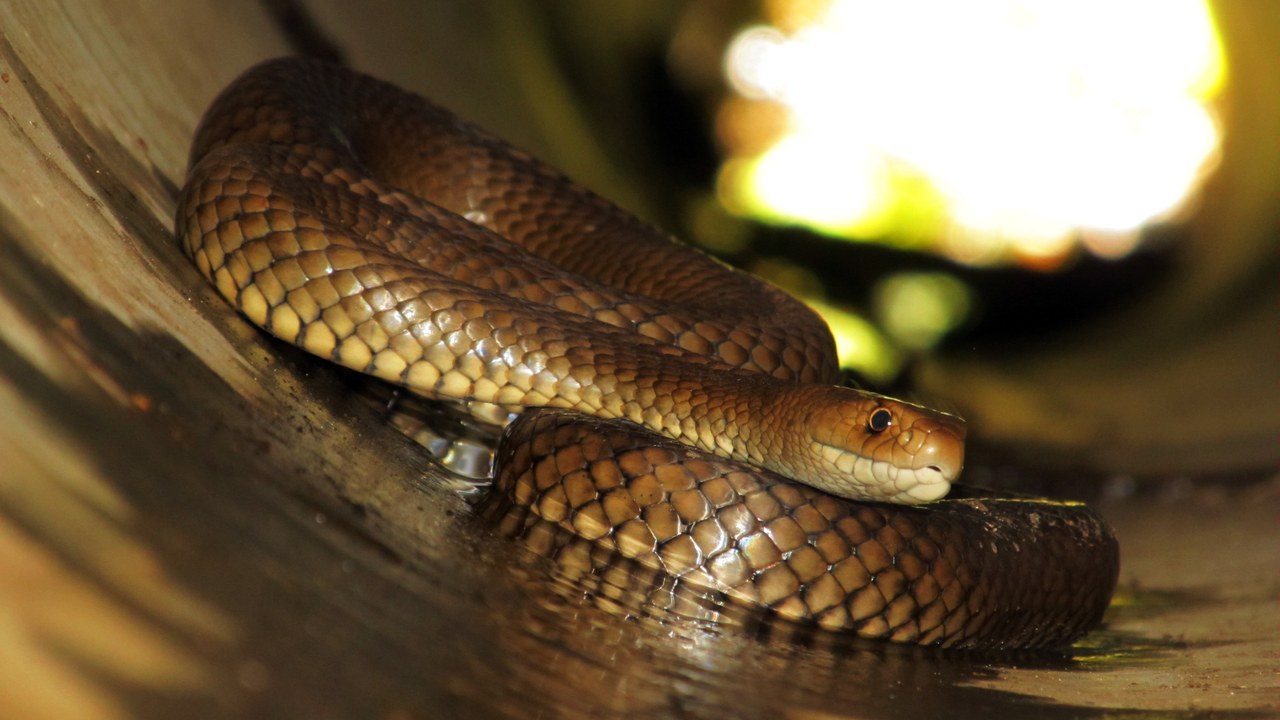
Responsible for the majority of fatal snakebites in Australia, this fast and irritable reptile possesses the second most toxic venom of any land snake. Even a tiny dose can cause catastrophic clotting failure, collapse, and cardiac arrest, sometimes before symptoms are obvious. Records in the eastern brown snake data tie it to numerous deaths.
Its danger is compounded by a fondness for farmland and suburban fringes, where it hunts mice around homes and sheds. When confronted it lifts its body into an S-shape and strikes with speed and persistence. Because the venom can act within minutes, any suspected bite demands immediate first aid and urgent hospital treatment.
8. Boomslang: Rear-Fanged And Quietly Devastating
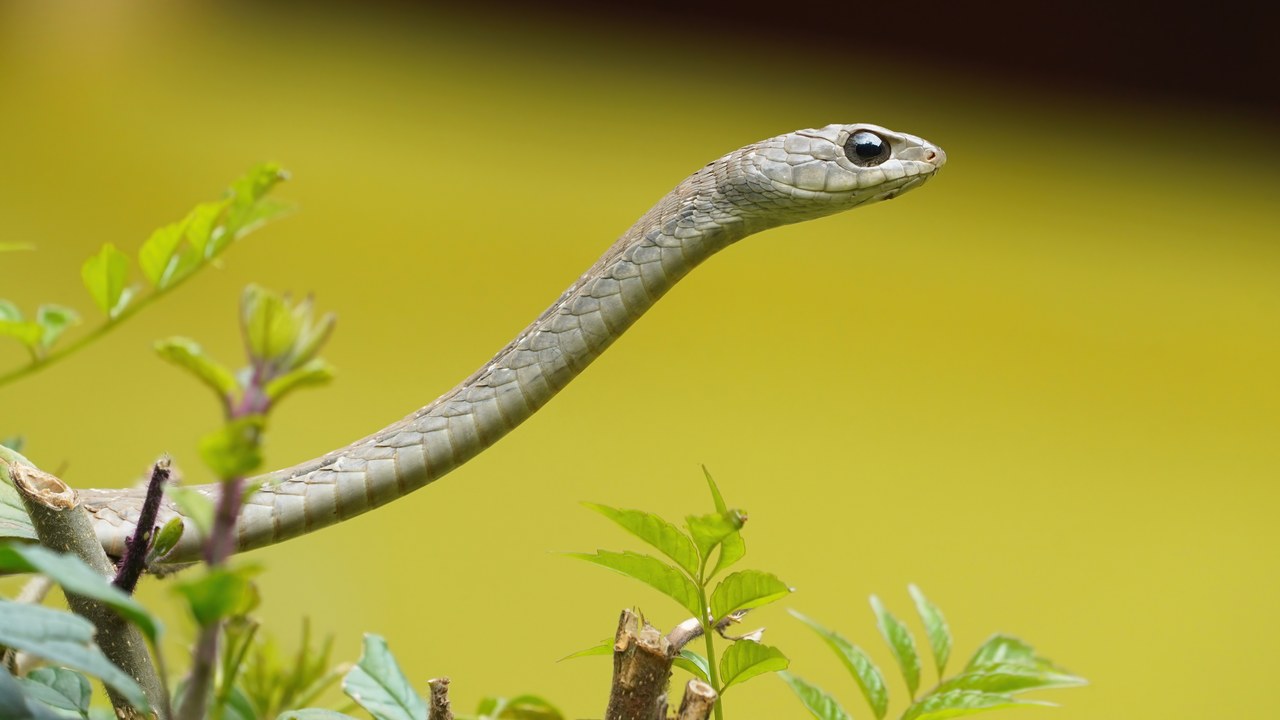
This slender, big-eyed tree snake of sub-Saharan Africa carries hemotoxic venom that sabotages blood clotting, and symptoms can be dangerously delayed for many hours. A famous herpetologist died after dismissing a bite as minor, an episode noted in the boomslang case history. Victims may hemorrhage internally long after the encounter seems harmless.
Because it is a rear-fanged colubrid rather than a front-fanged elapid or viper, its threat was underestimated for decades. The delayed onset lulls victims into skipping treatment until bleeding becomes severe and hard to reverse. Fortunately it is shy and reluctant to bite, so serious envenomations remain rare despite the venom’s fearsome reputation.
9. Tiger snake: A Venomous Neighbor Near Australian Cities
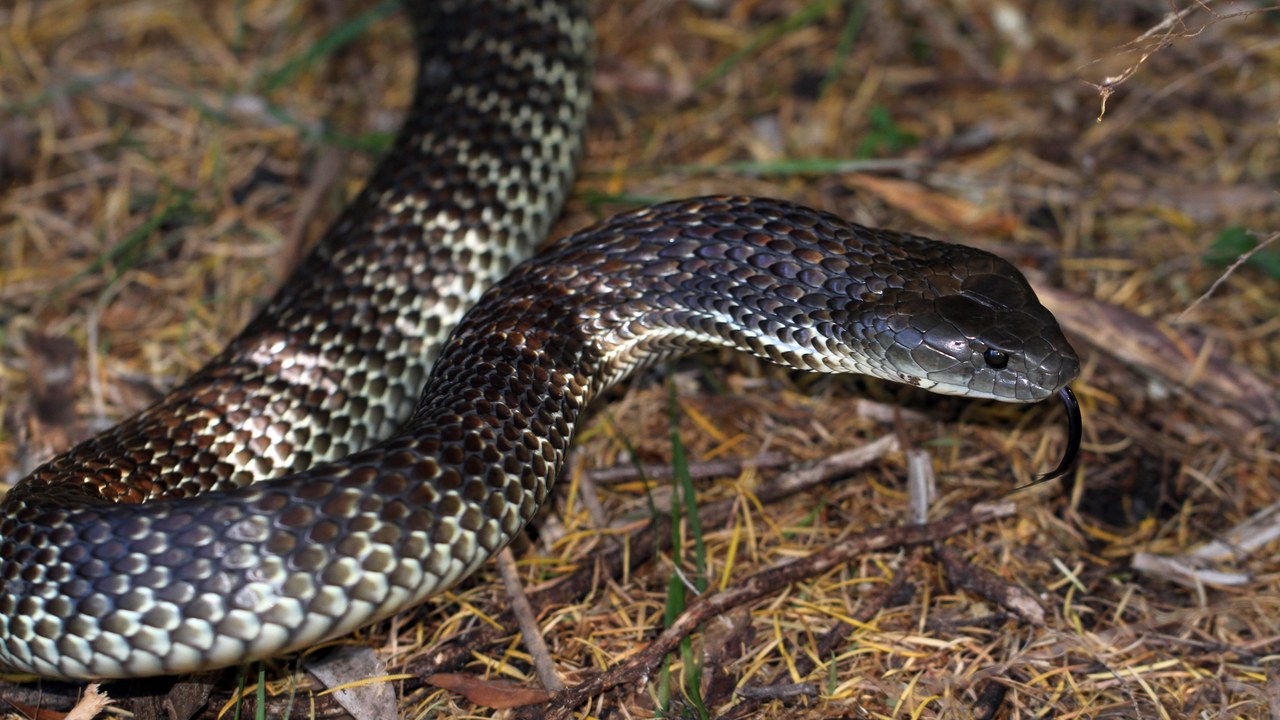
Named for the dark bands often ringing its body, this southern Australian species delivers a powerful venom loaded with neurotoxins, coagulants, and muscle-destroying compounds. Untreated bites historically killed a large share of victims, causing paralysis and kidney damage. The reptile described in the tiger snake overview often lives close to people.
It favors wetlands, creeks, and grassy suburbs, so encounters near homes and waterways are common during warmer months. When threatened it flattens its neck cobra-style and strikes hard, though it will retreat if given room. Reliable antivenom has sharply cut deaths, yet its proximity to dense population keeps it a persistent local hazard.
More from Morning Overview
- A handful of SUVs keep hitting 300,000 miles, and they share one engine trait
- Supplements now rank as the fifth-leading cause of death from liver disease.
- A study names the one SUV most likely to reach 250,000 miles
- More than 60,000 people flee the Spokane area as complex fires overrun 600 structures
