Nuclear power supplies roughly a fifth of the electricity generated in the United States, and most of it comes from a short list of very large stations. Size can be measured two ways, by installed capacity in megawatts or by the number of reactors on one site, and the biggest plants rank high on both. Here are nine of the largest nuclear stations operating in the country.
1. Palo Verde, Arizona: The Desert Plant With No River
Image Credit: Katja Schulz from Washington, D. C., USA – CC BY 2.0/Wiki Commons
Palo Verde sits about 45 miles west of Phoenix and runs three Combustion Engineering pressurized water reactors with a combined net capacity near 3,900 megawatts, which has long made it the country’s top nuclear generator measured by annual electricity output. It is the only large American nuclear station with no lake, river or ocean beside it.
Cooling water arrives instead as treated municipal wastewater piped in from the Phoenix metropolitan area. That arrangement proved a large reactor complex can operate far from open water, and it ties the station’s future to a city’s wastewater flows rather than to a watershed.
2. Browns Ferry, Alabama: Three Reactors On The Tennessee River
Image Credit: Tennessee Valley Authority – Public domain/Wiki Commons
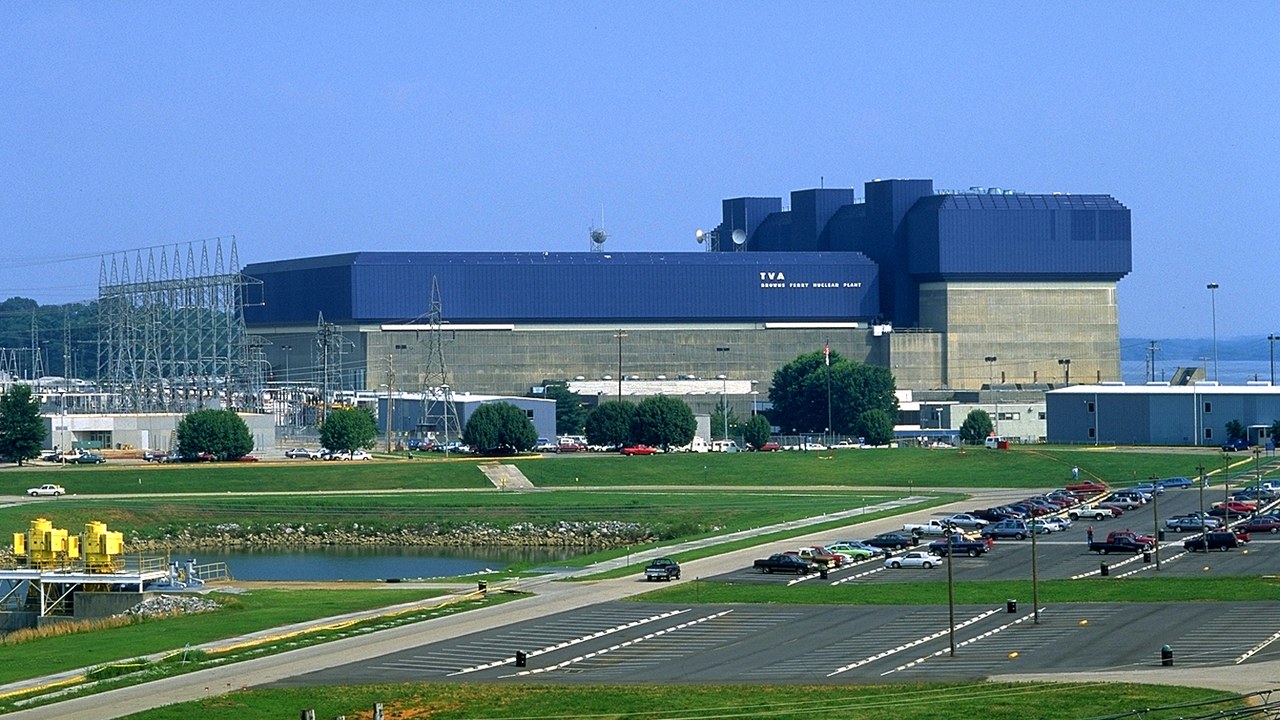
Browns Ferry, operated by the Tennessee Valley Authority near Athens, Alabama, runs three General Electric boiling water reactors totaling roughly 3,300 megawatts, which ranks the Alabama station among the largest nuclear sites in the country by capacity. Unit 1 was the first reactor anywhere to generate more than a gigawatt of electricity.
The site is also where a 1975 fire in a cable-spreading room disabled safety equipment and pushed federal regulators to rewrite fire-protection rules for every American reactor. All three units later returned to service, and their combined output now carries a large share of the baseload power across TVA’s seven-state territory.
3. Vogtle, Georgia: Four Units In Two Eras
Image Credit: Charles C Watson Jr – CC BY-SA 3.0/Wiki Commons
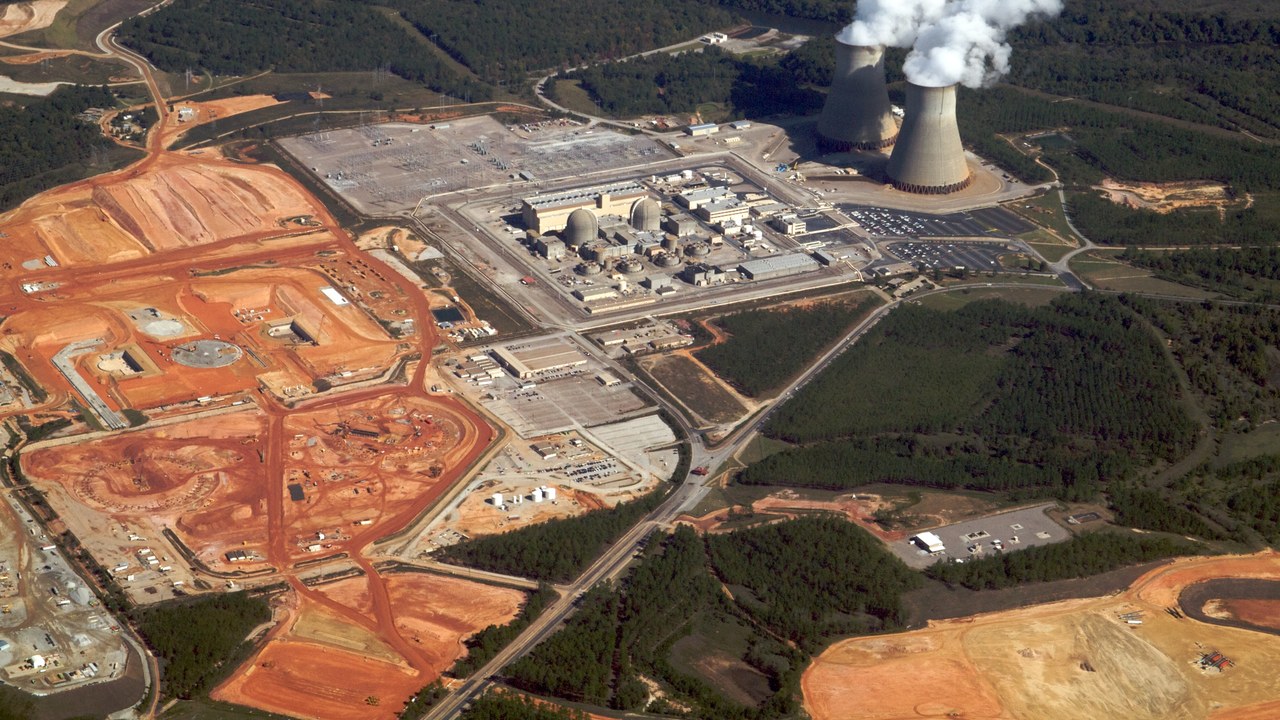
The Vogtle site near Waynesboro, Georgia, is the only American plant with four operating reactors, and the newest two are the first Westinghouse AP1000s built in the United States. Units 3 and 4 entered commercial operation in 2023 and 2024, lifting the Georgia complex to roughly 4,500 megawatts and past every other nuclear station in the country on installed capacity.
The expansion finished years late and billions over its original estimate, a record that now shapes how utilities and regulators discuss new reactor construction. What stands on the Savannah River is four units on one site, licensed to run for decades and delivering power continuously rather than on demand.
4. Peach Bottom, Pennsylvania: Two Uprated Boiling-Water Units
Image Credit: United States Department of Energy, User:Mr. Matté – Public domain/Wiki Commons
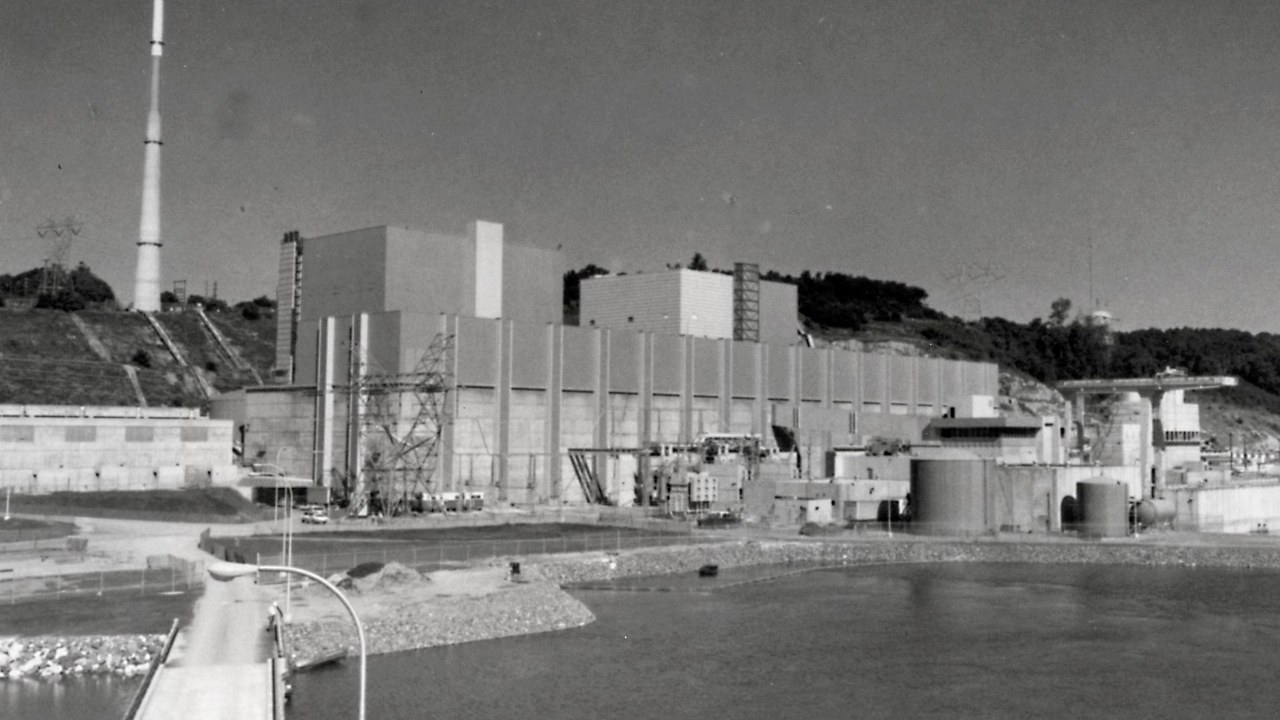
Peach Bottom, in York County on the lower Susquehanna River, operates two General Electric boiling water reactors rated near 1,300 megawatts apiece, giving the York County station roughly 2,600 megawatts of capacity. A third reactor, the experimental high-temperature gas-cooled Unit 1, ran through the late 1960s and was retired in 1974.
Successive power uprates, not new construction, are why the two remaining units climbed to their present ratings; the same reactors were licensed to run harder. Their position near the Maryland line places the output squarely inside the mid-Atlantic wholesale market, where large nuclear units set the floor for overnight supply.
5. Oconee, South Carolina: Three Units Beside Lake Keowee
Image Credit: KudzuVine – CC BY-SA 3.0/Wiki Commons
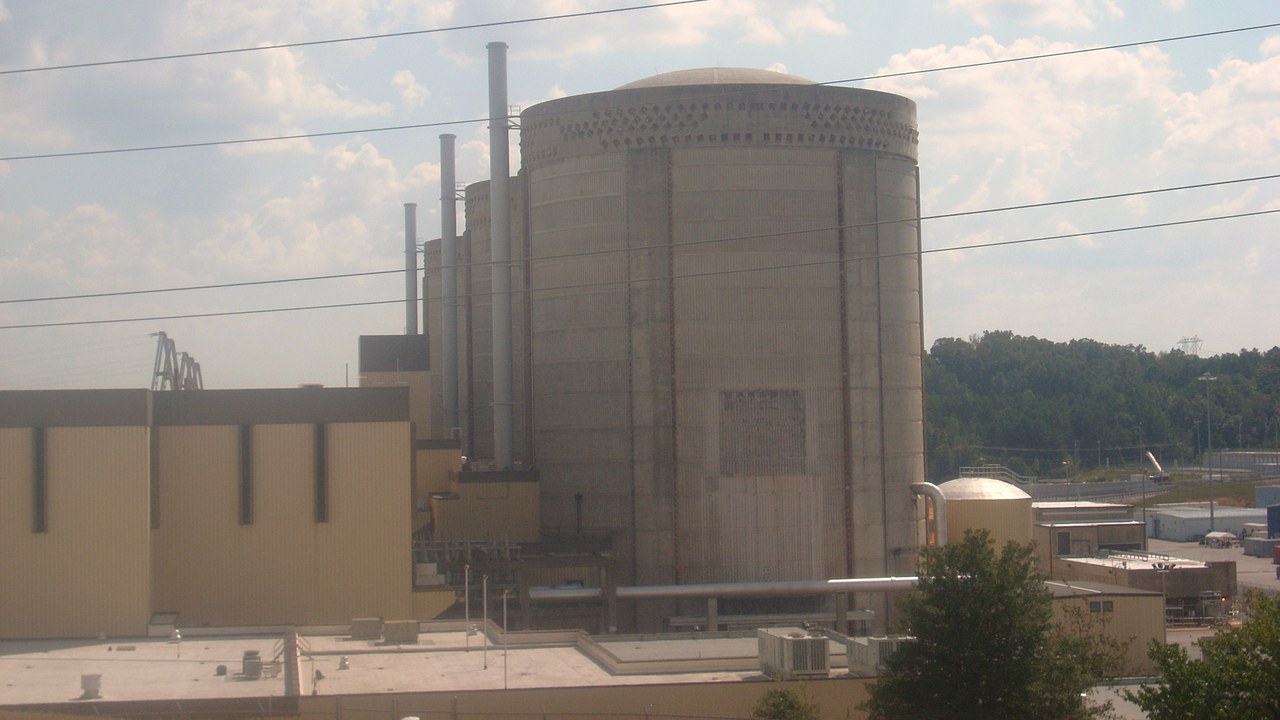
Duke Energy’s Oconee Nuclear Station near Seneca, South Carolina, runs three Babcock and Wilcox pressurized water reactors totaling roughly 2,500 megawatts, making the Oconee site one of the few three-reactor plants operating in the United States. In 2000 it became the first American nuclear plant granted a renewed license extending operation to 60 years.
Cooling comes from Lake Keowee, a reservoir built with the plant, and the adjacent Keowee hydroelectric station can supply emergency power to the reactors without relying on the grid. That nuclear-and-hydro pairing on one site is unusual, and Oconee’s renewal case became the template the rest of the fleet followed.
6. Comanche Peak, Texas: Two Reactors On A Man-Made Lake
Image Credit: Michael Barera – CC BY-SA 4.0/Wiki Commons
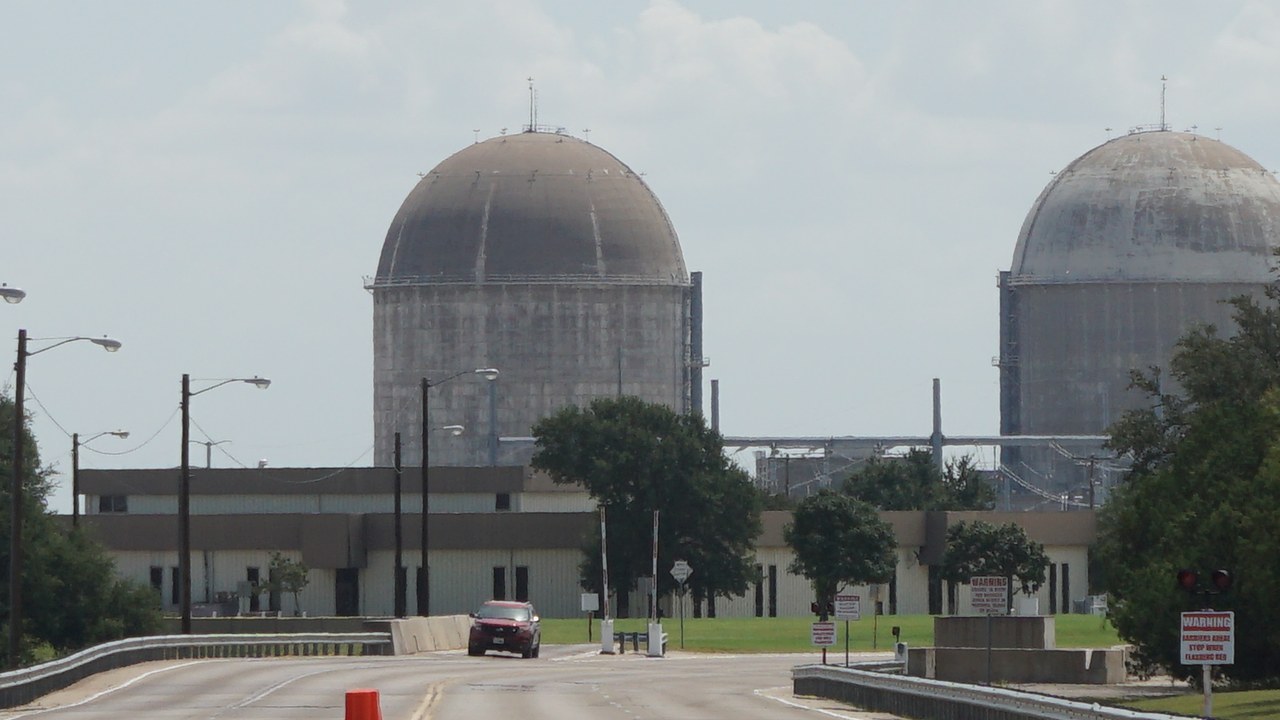
Comanche Peak stands in Somervell County about 40 miles southwest of Fort Worth and runs two Westinghouse pressurized water reactors of roughly 1,200 megawatts each, giving the Somervell County station close to 2,400 megawatts of net summer capacity. Both units entered commercial operation in the early 1990s, near the end of the first American reactor building wave.
Cooling water circulates through a purpose-built reservoir dammed beside the plant instead of the natural-draft towers common at inland sites. Luminant, a Vistra subsidiary, runs both reactors inside the ERCOT grid, where firm around-the-clock capacity matters most during Texas heat waves and winter cold snaps.
7. Susquehanna, Pennsylvania: Cooling Towers Above Luzerne County
Image Credit: Jakec – CC BY-SA 4.0/Wiki Commons
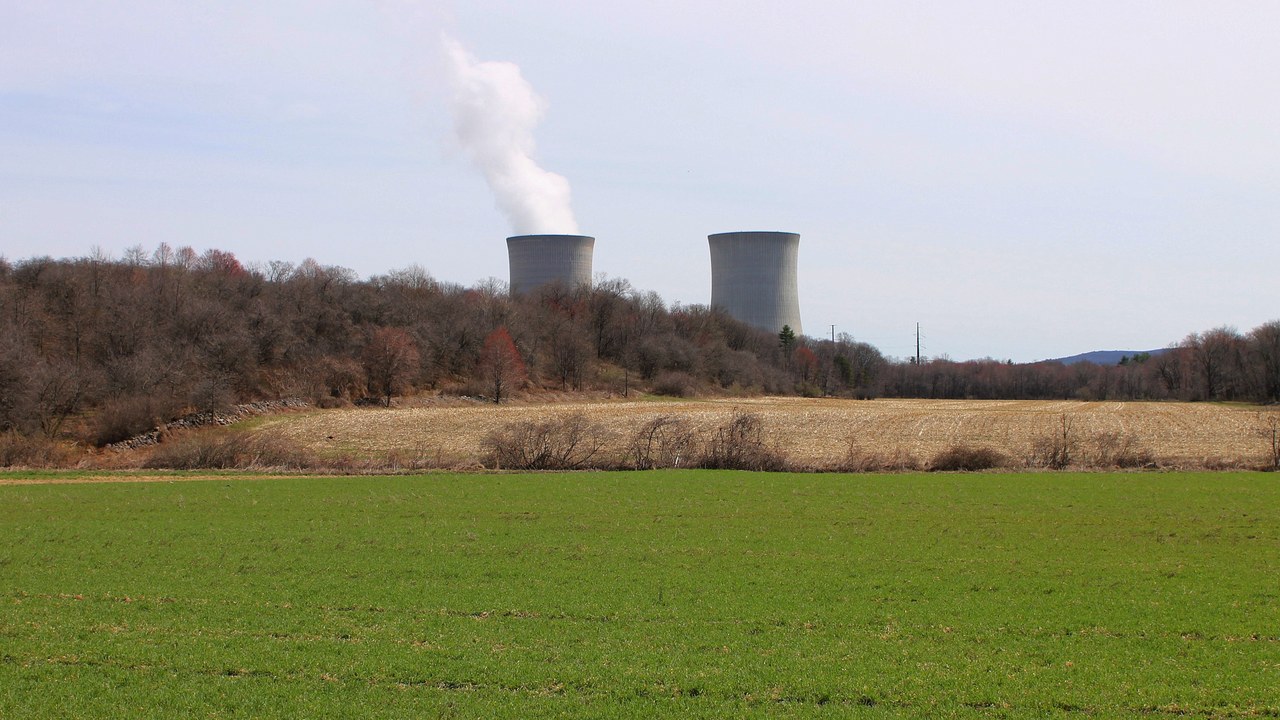
Susquehanna Steam Electric Station in Salem Township, Pennsylvania, runs two General Electric boiling water reactors of roughly 1,250 megawatts each, giving the Luzerne County plant about 2,500 megawatts of capacity. Its two natural-draft cooling towers, visible for miles across the valley, keep most of the waste heat out of the Susquehanna River.
In a boiling water reactor the steam driving the turbine comes straight from the core, a simpler arrangement than the pressurized designs used at most large American plants. Renewed operating licenses allow the two units to run into the 2040s, keeping them among the biggest individual generators in Pennsylvania.
8. Limerick, Pennsylvania: The Plant That Borrows A River
Image Credit: Famartin – CC BY-SA 4.0/Wiki Commons
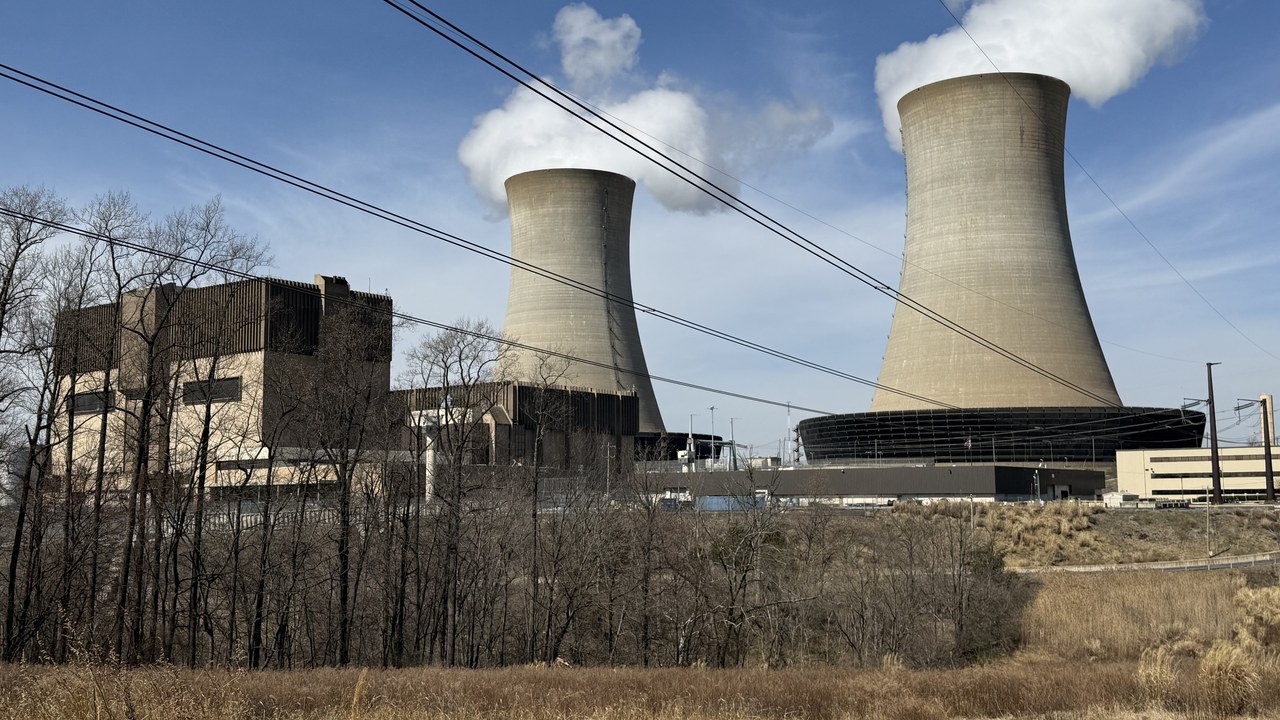
Limerick Generating Station sits beside the Schuylkill River in Montgomery County, about 21 miles northwest of Philadelphia, and operates two General Electric boiling water reactors of roughly 1,130 megawatts each. That gives the Montgomery County plant about 2,300 megawatts of net summer capacity, among the largest of any generating station in Pennsylvania.
The Schuylkill alone cannot feed the two natural-draft cooling towers through a dry summer, so a pumping station and pipeline carry makeup water across the county from the Delaware River. That transfer scheme drew years of litigation and a county referendum before the reactors came online.
9. Byron, Illinois: The Station A State Law Saved
Image Credit: Christopher Peterson – CC BY 2.5/Wiki Commons
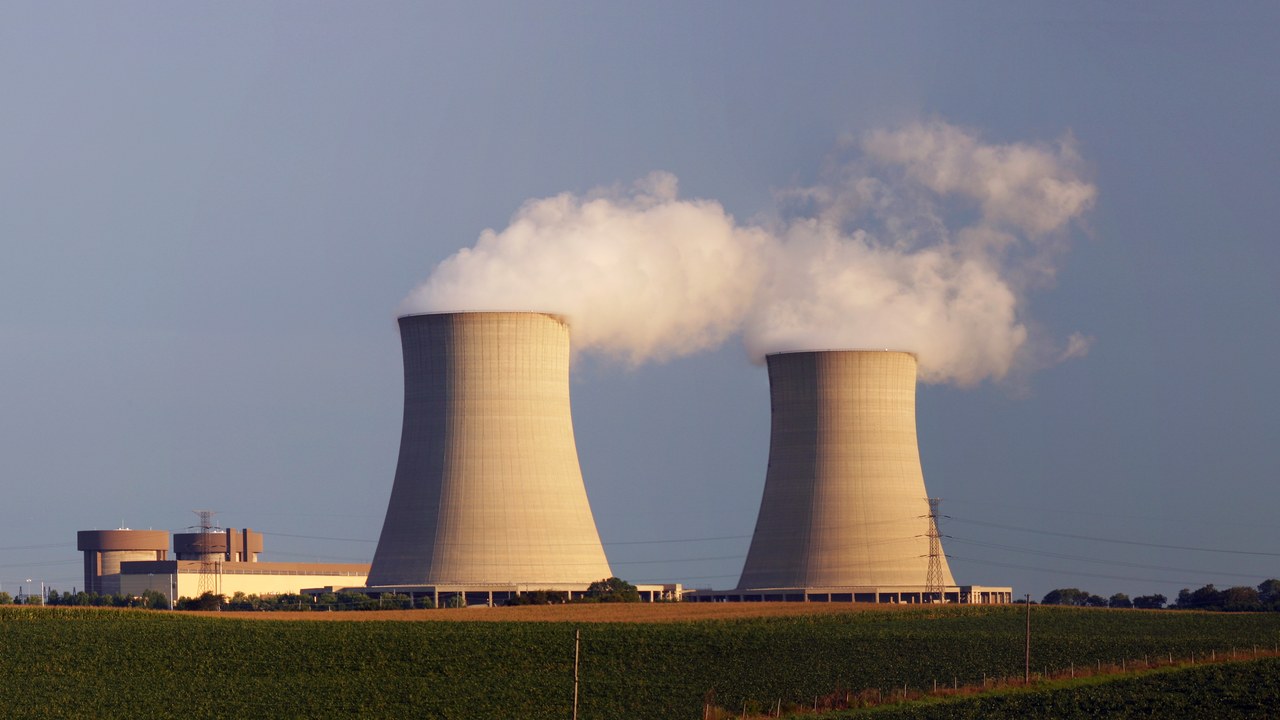
Byron Station in Ogle County runs two Westinghouse pressurized water reactors totaling roughly 2,300 megawatts, and its twin natural-draft cooling towers dominate the surrounding farmland. The Byron units were scheduled to close in 2021 on economic grounds before Illinois legislation providing carbon-mitigation credits kept them operating.
That reversal made Byron the standard illustration of how state policy, rather than reactor performance or fuel cost, now decides whether a large plant keeps running. The station continues feeding carbon-free baseload power into the northern Illinois grid alongside its near-identical sister plant at Braidwood.
More from Morning Overview
Morning Overview is reader-supported. Some links in our articles are affiliate links, and we may earn a commission at no extra cost to you. As an Amazon Associate I earn from qualifying purchases. Full disclosure.