
Moving a battle tank, a satellite, or an entire airliner wing by air takes an aircraft built well past normal airline scale. Military airlifters and dedicated freighters from the United States, Europe and the former Soviet Union have pushed cargo capacity, payload weight and sheer size to their practical limits. Here are nine of the biggest cargo aircraft ever built.
1. Antonov An-225 Mriya: Heaviest Aircraft Ever Flown
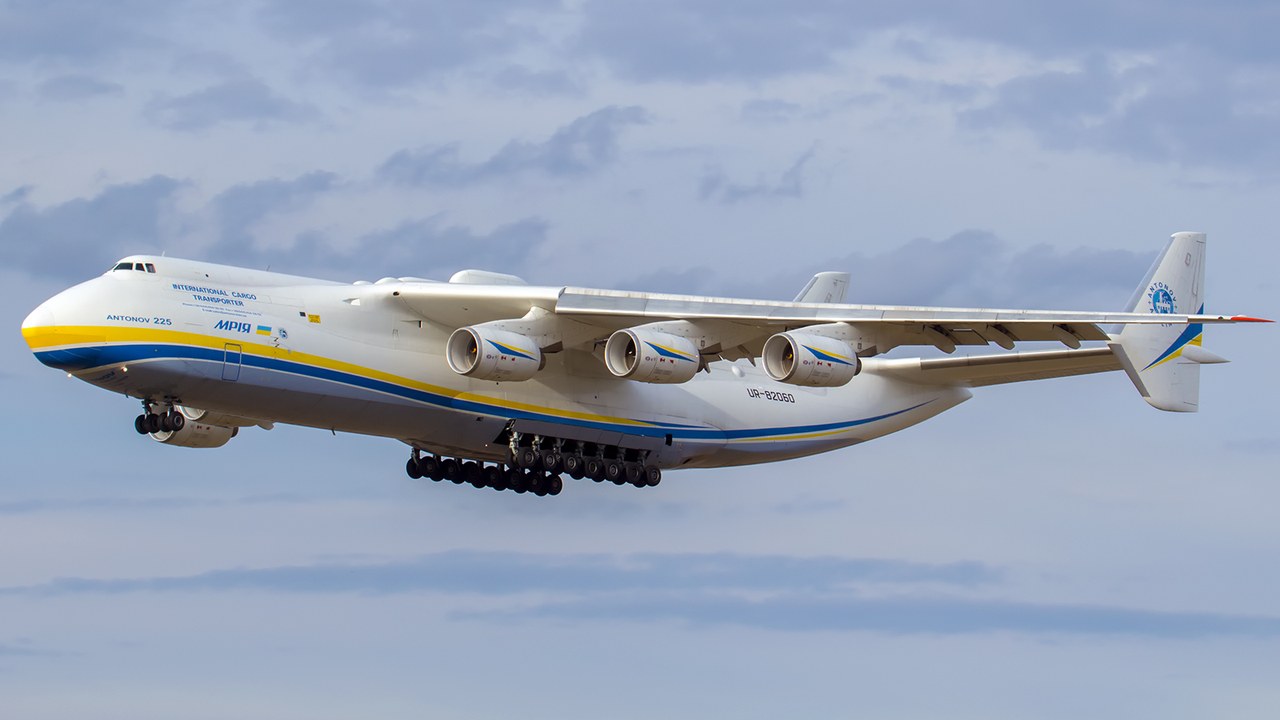
The Antonov An-225 Mriya carried a maximum takeoff weight of 640 tonnes, making it the heaviest aircraft ever to fly and the largest cargo plane the world has seen. Its full specifications and history are recorded in its Wikipedia entry.
Russian forces destroyed the one-of-a-kind aircraft on the ground at Hostomel Airport near Kyiv in 2022, ending its record-setting career for good after decades of moving oversized industrial loads worldwide. Ukraine has discussed rebuilding a second airframe using components originally built for a planned sister ship, though no completed replacement has flown.
2. Antonov An-124 Ruslan: The Backbone Of Heavy Airlift
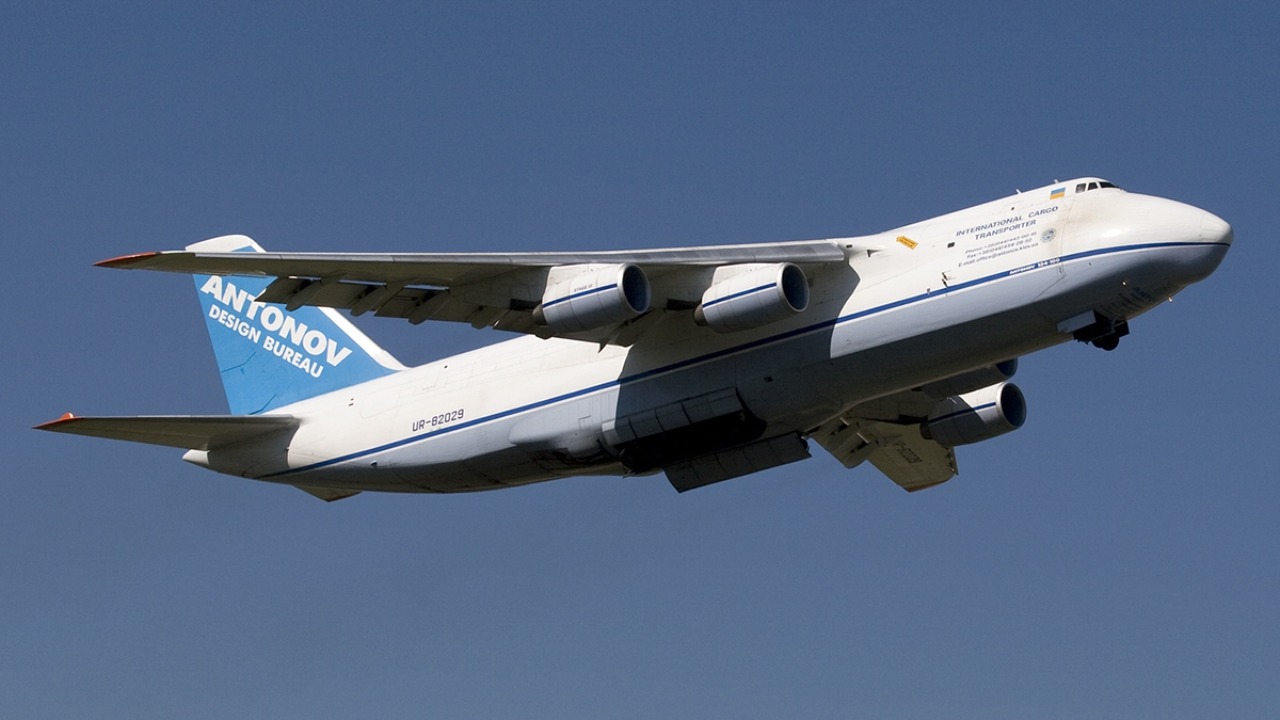
The Antonov An-124 Ruslan carries roughly 150 tonnes of cargo, making it the largest military airlifter still in regular service anywhere in the world. Details on its payload and continued operation appear in its Wikipedia entry.
Commercial operators have chartered the An-124 for decades to move oversized industrial equipment, satellites and disaster relief supplies that no other aircraft can carry into remote airfields. Its rear and nose cargo doors let crews load and unload from both ends of the fuselage at once, cutting turnaround time on urgent charters.
3. Lockheed C-5 Galaxy: Loading From Both Ends At Once
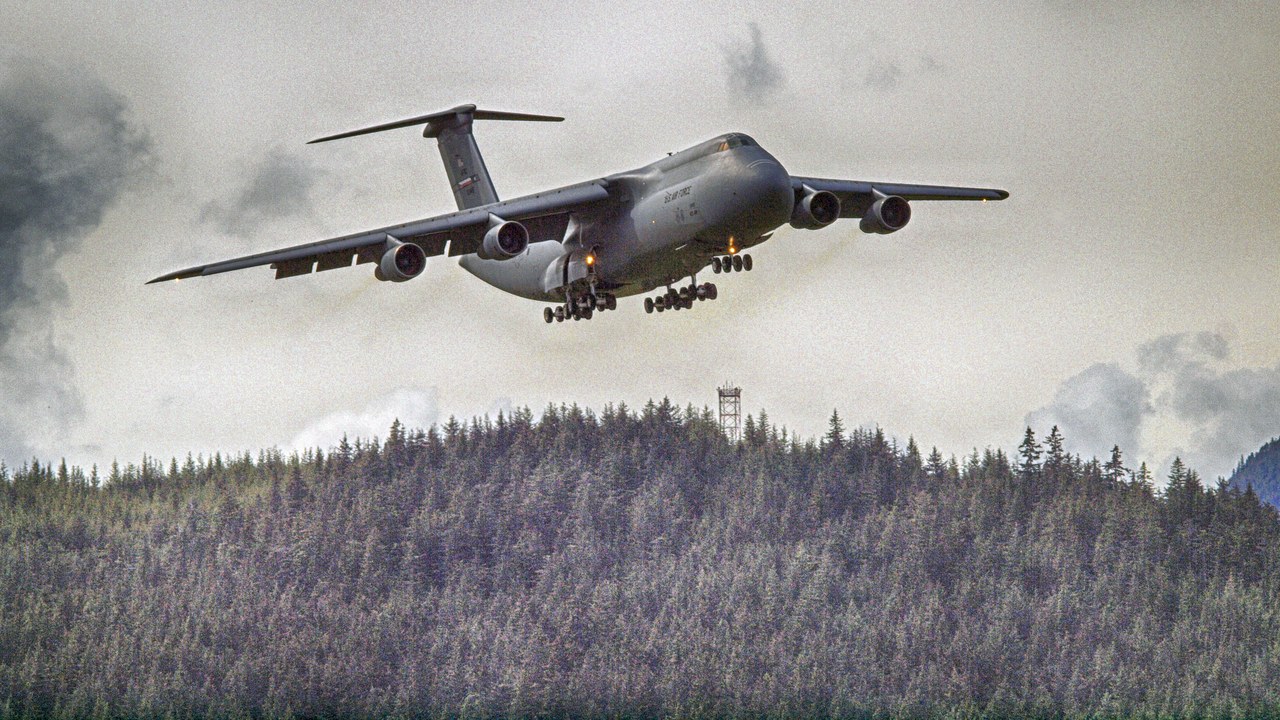
The Lockheed C-5 Galaxy hauls about 122 tonnes and is built with both nose and tail cargo doors, letting ground crews load vehicles through the front while unloading through the back simultaneously. That dual-access design is described in its Wikipedia entry.
The drive-through layout lets the U.S. Air Force move tanks, helicopters and other oversized equipment without repositioning the aircraft between loading stops on a busy ramp. Only a handful of aircraft in the world share that same front-and-rear cargo access, and the Galaxy has carried it since the 1960s.
4. Boeing 747-8 Freighter: The Only Freighter With A Nose Door
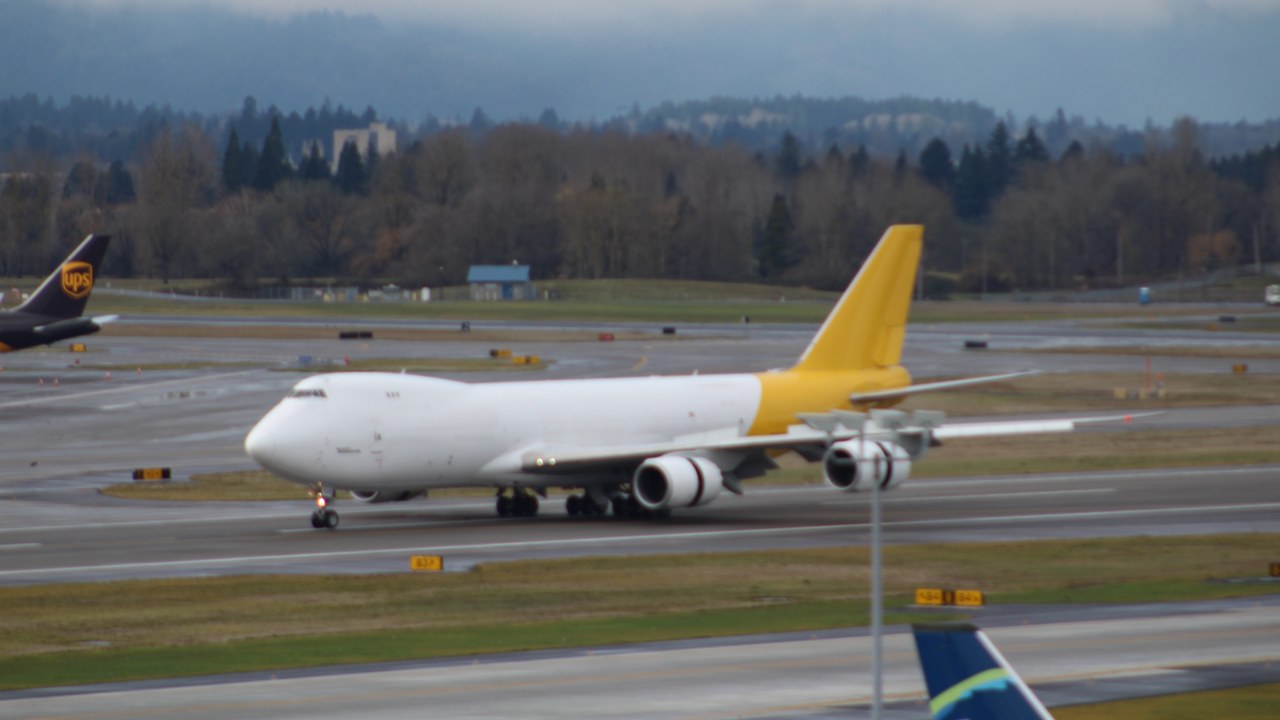
The Boeing 747-8 Freighter carries a maximum payload near 138 tonnes and remains the only production freighter aircraft built with a hinged nose door for straight-in cargo loading. Boeing’s own specifications for the aircraft are published on its 747-8 program page.
That nose-loading feature lets ground crews slide extremely long cargo, like turbine blades or oil-drilling equipment, straight through the fuselage without turning a corner inside the hold. The 747-8 extended the original 747’s four-decade production run into its final commercial freighter form before the line eventually wound down.
5. Boeing C-17 Globemaster III: A Tank Onto A Dirt Strip
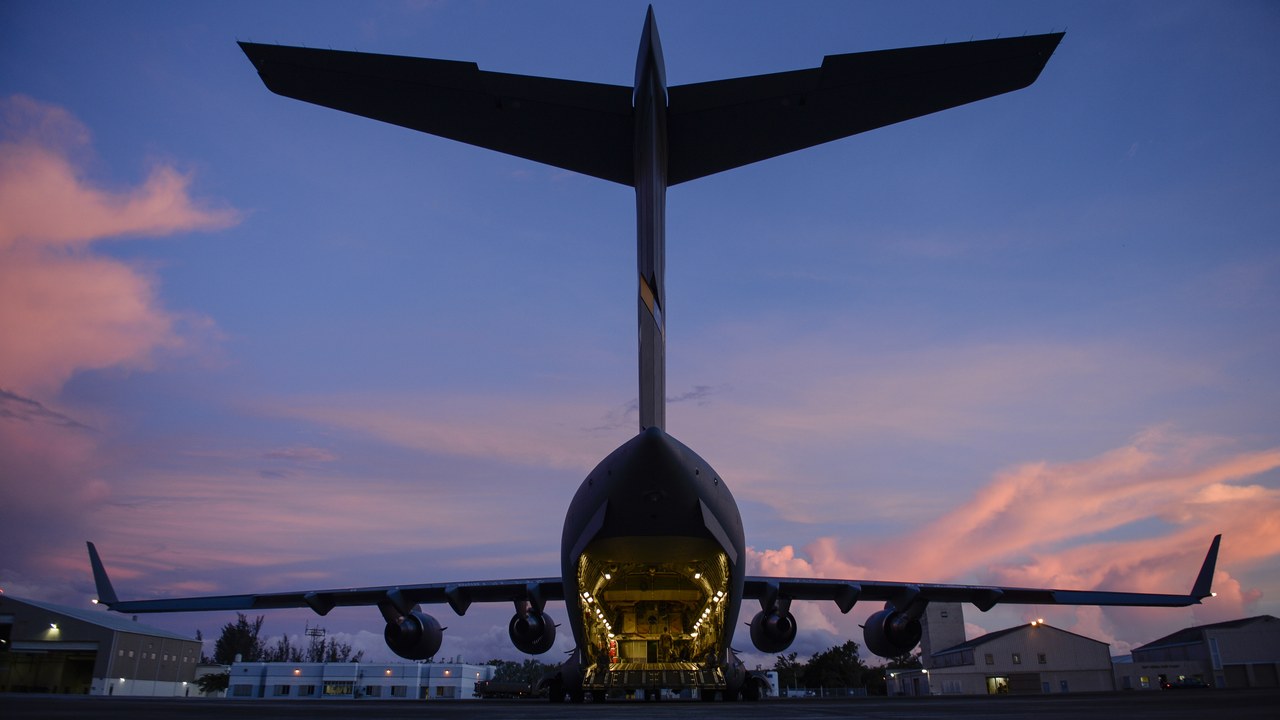
The Boeing C-17 Globemaster III carries about 77 tonnes, a main battle tank included, and can put that load down onto short, unpaved airstrips that larger cargo jets cannot use. Boeing details the aircraft’s short-field capability on its C-17 program page.
That combination of heavy lift and rough-strip landing makes the C-17 the U.S. military’s go-to aircraft for delivering armor close to a front line. It can also reverse under its own power on a runway using reverse thrust, a rare trick for an aircraft this size.
6. Airbus A400M Atlas: Built For Soft, Short Runways
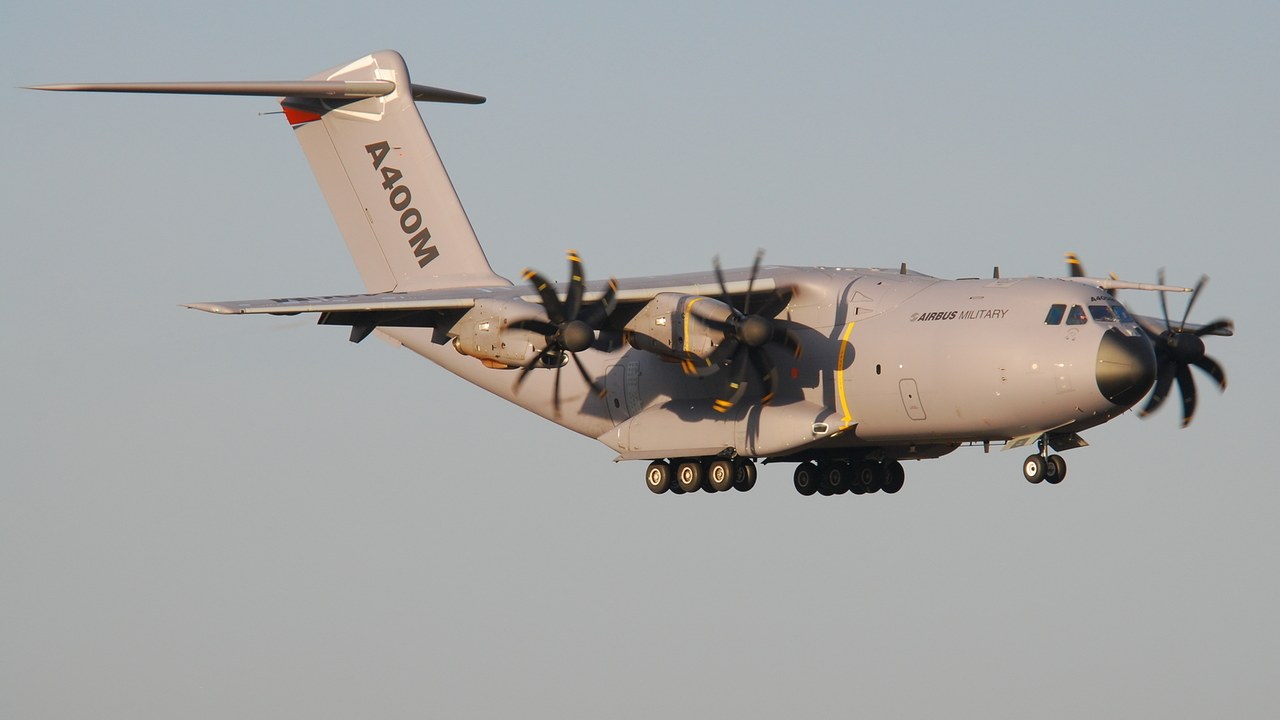
The Airbus A400M Atlas is a turboprop airlifter built to drop 37 tonnes of cargo or troops onto short, soft airstrips that jet-powered transports would sink into or simply cannot reach. Airbus outlines the aircraft’s tactical airlift role on its A400M program page.
Its eight-blade contra-rotating propellers give the aircraft both long range and the low-speed control needed for tight tactical landing zones near a battlefield. Several European air forces now use it to replace older, smaller transport fleets that lacked the same payload and range combination.
7. Airbus BelugaXL: Built To Swallow A Wing
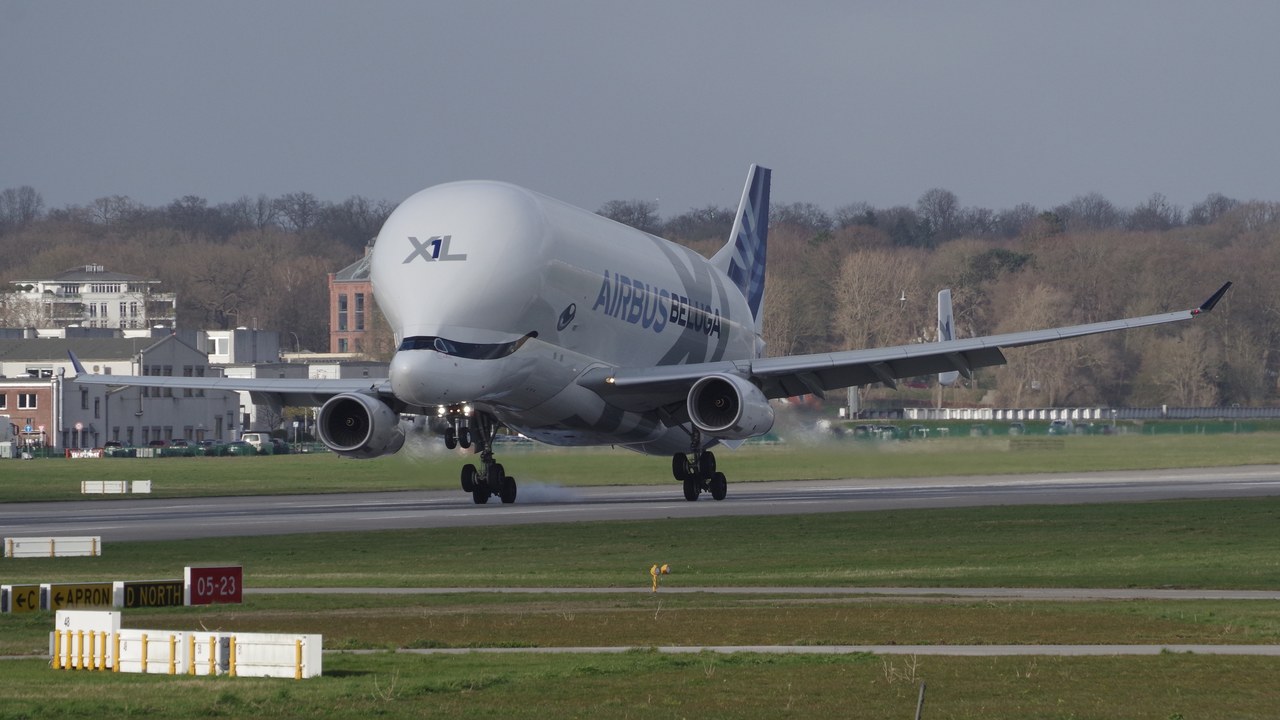
The Airbus BelugaXL is a whale-nosed transport aircraft built specifically to swallow a complete pair of A350 wings inside its oversized, bulging fuselage in a single flight. Airbus describes the aircraft’s mission and dimensions on its BelugaXL program page.
The bulging upper fuselage exists purely to move Airbus’s own aircraft parts between factories scattered across Europe, feeding final assembly lines on a tight schedule. Its unmistakable silhouette has made it one of the most photographed cargo aircraft flying today, instantly recognizable even to non-aviation crowds.
8. Boeing Dreamlifter: Triple The Room Of A Standard 747
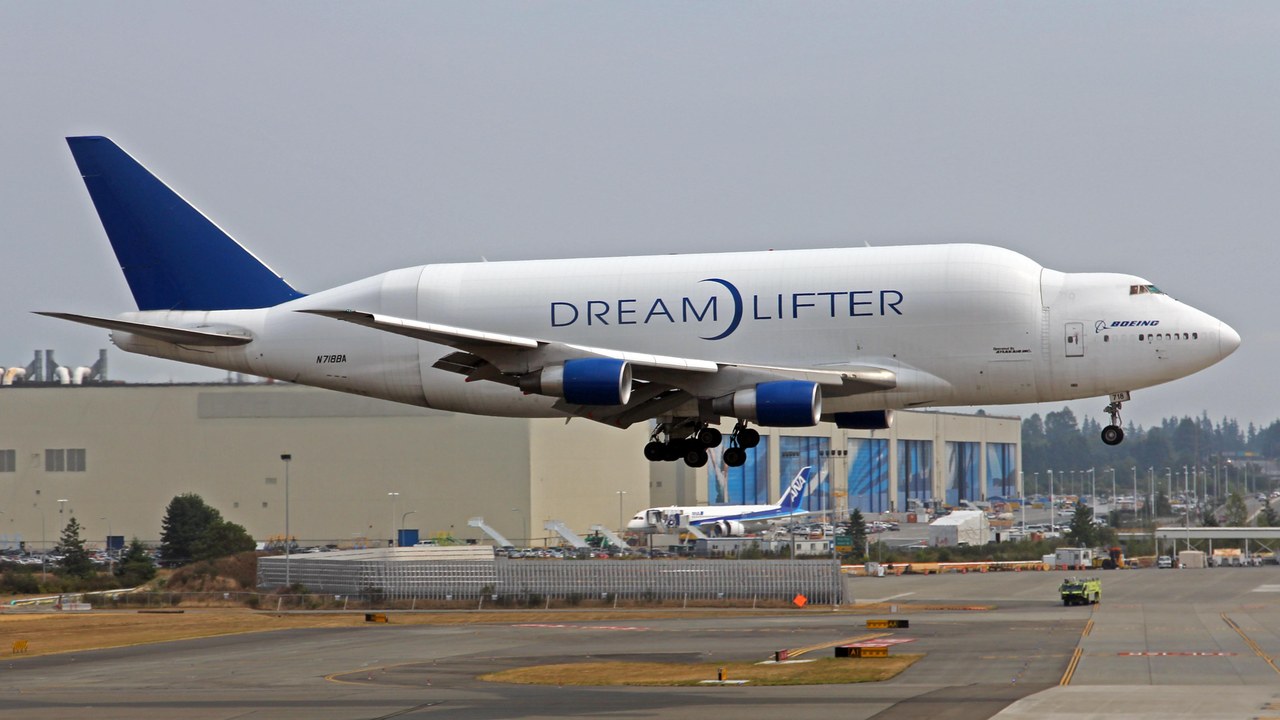
The Boeing Dreamlifter is a bulged 747 with roughly three times the cargo volume of a standard 747-400 Freighter, built specifically to fly finished 787 fuselage and wing sections between suppliers scattered across continents. Its origin and role are detailed in its Wikipedia entry.
Boeing converted four used 747-400 airframes into Dreamlifters rather than building new aircraft, keeping the program’s cost down while still solving a genuine logistics problem. The bulged fuselage swings open at the tail to load entire composite sections in one piece.
9. Antonov An-22 Antei: Still Flying After Six Decades
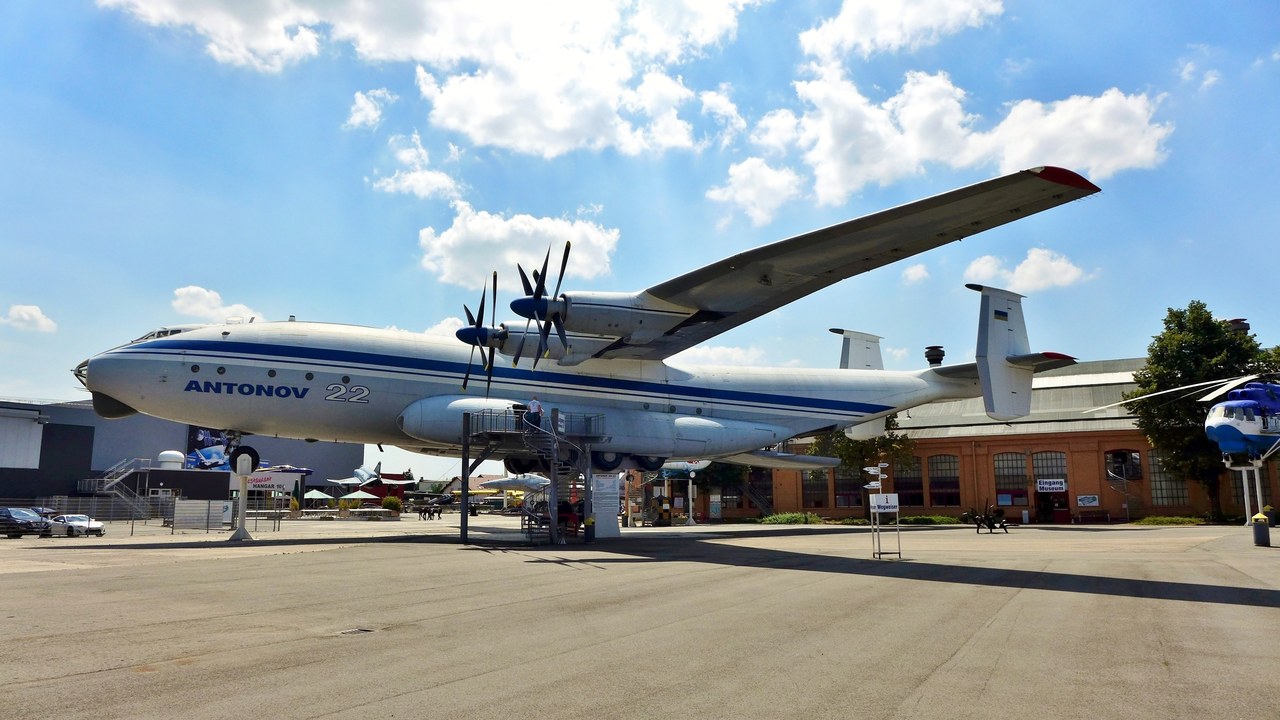
The Antonov An-22 Antei remains the largest turboprop aircraft ever built, first taking to the air in 1965 on four engines driving huge contra-rotating propellers rather than jet power. Its design and service history are recorded in its Wikipedia entry.
Those contra-rotating propellers gave the aircraft unusually short takeoff performance for its size, useful on the rough airstrips of the Soviet Arctic and Siberia during resupply missions. A small number of An-22s remain airworthy today, decades after the type’s original production run ended in the 1970s.
More from Morning Overview
