
Not every minivan earns its reputation for hauling families across decades, and the gap between the best and the rest is wider than most shoppers expect. Reliability records, repair costs, and resale demand separate the true workhorses from the vans best left on the lot. These nine models show which badges tend to keep rolling long after the warranty expires.
1. Honda Odyssey: The Enduring Family Standard
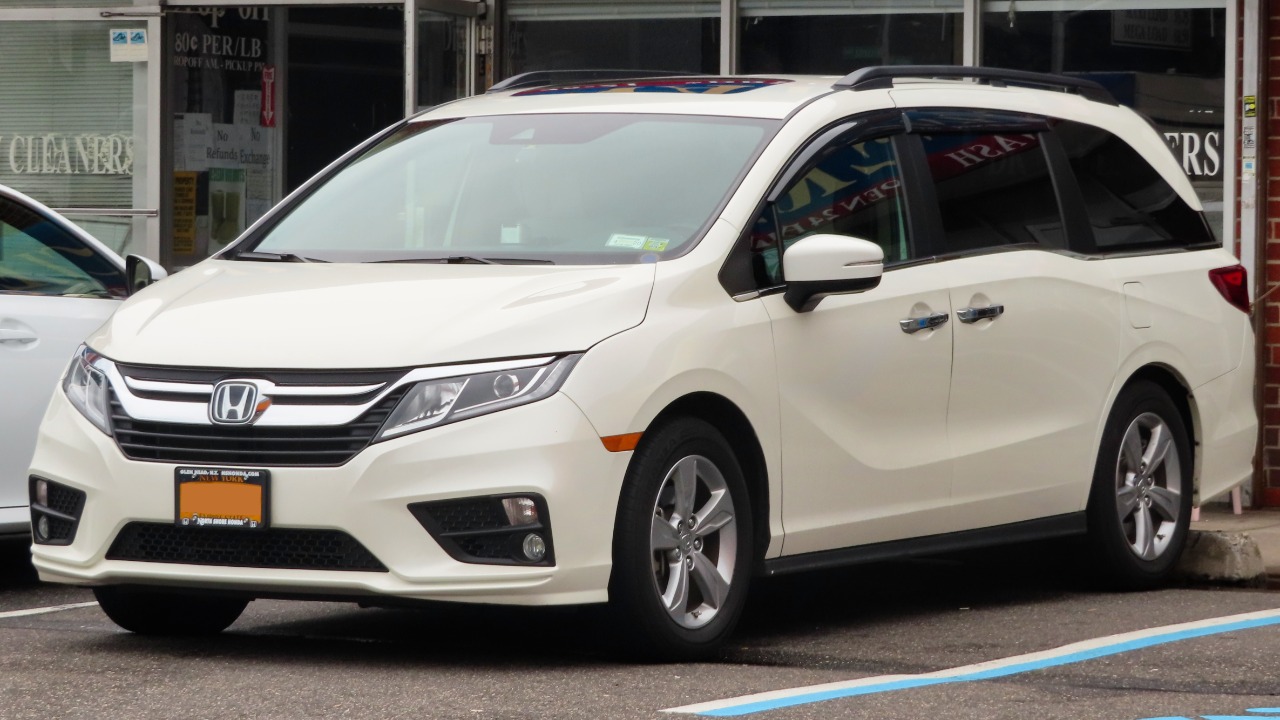
Few vans hold their composure like the Honda Odyssey, a repeat favorite in long-term reliability rankings. Owners routinely report crossing 200,000 miles with the original engine and drivetrain intact, aided by a smooth V6 and a cabin built to survive years of car seats and spills. The family hauler also posts some of the strongest resale numbers in the class.
That durability reshapes the math for used buyers. A higher entry price is often repaid through fewer major repairs and a healthier trade-in value later, making the Odyssey a van that rewards patience rather than draining a household budget over a long ownership stretch.
2. Toyota Sienna: All-Weather Long-Hauler
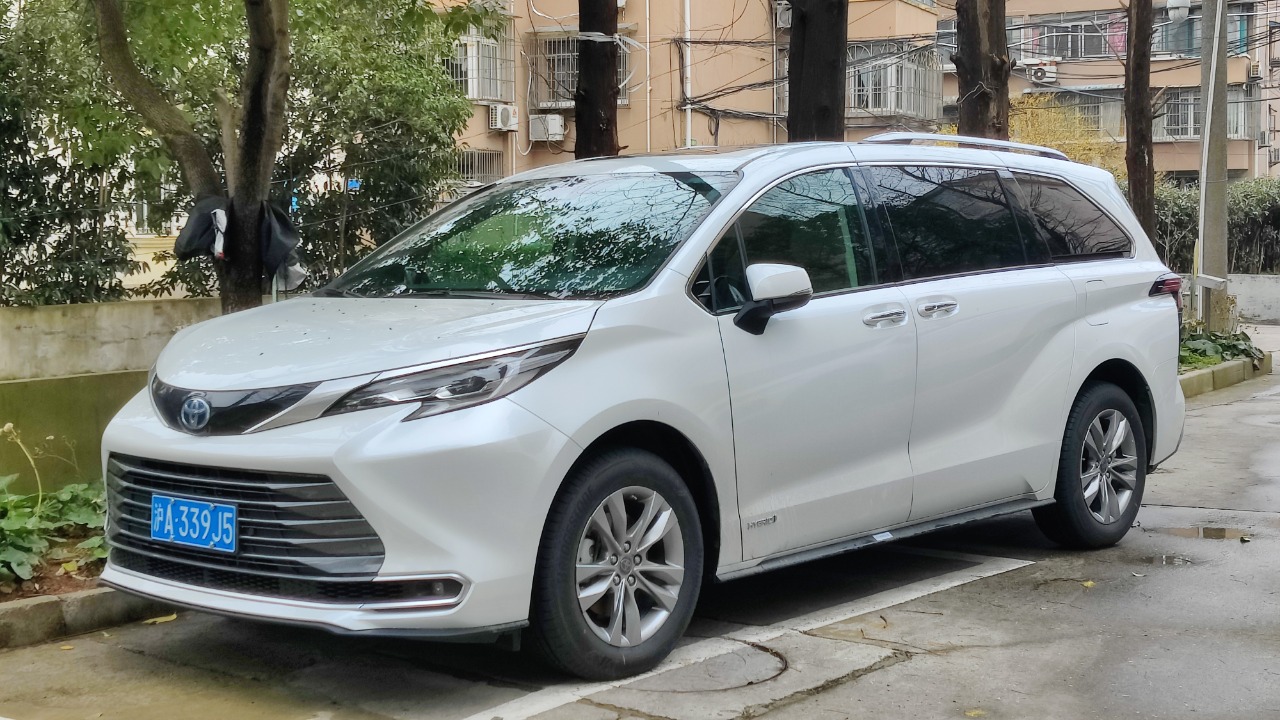
The Toyota Sienna trades on the same reputation that carries the brand’s sedans and trucks, and it delivers. Available all-wheel drive makes it a rare choice for snowbelt families, while conservative engineering keeps major failures uncommon well past the 200,000-mile mark. A modern hybrid drivetrain adds fuel savings without the reliability question marks that plague many rival minivans.
Longevity like that lowers the true cost of ownership. Fewer breakdowns mean fewer tow bills and rental cars, and a Sienna that still runs cleanly at high mileage commands a clear premium whenever it finally reaches the used market.
3. Kia Carnival: The Fast-Rising Newcomer
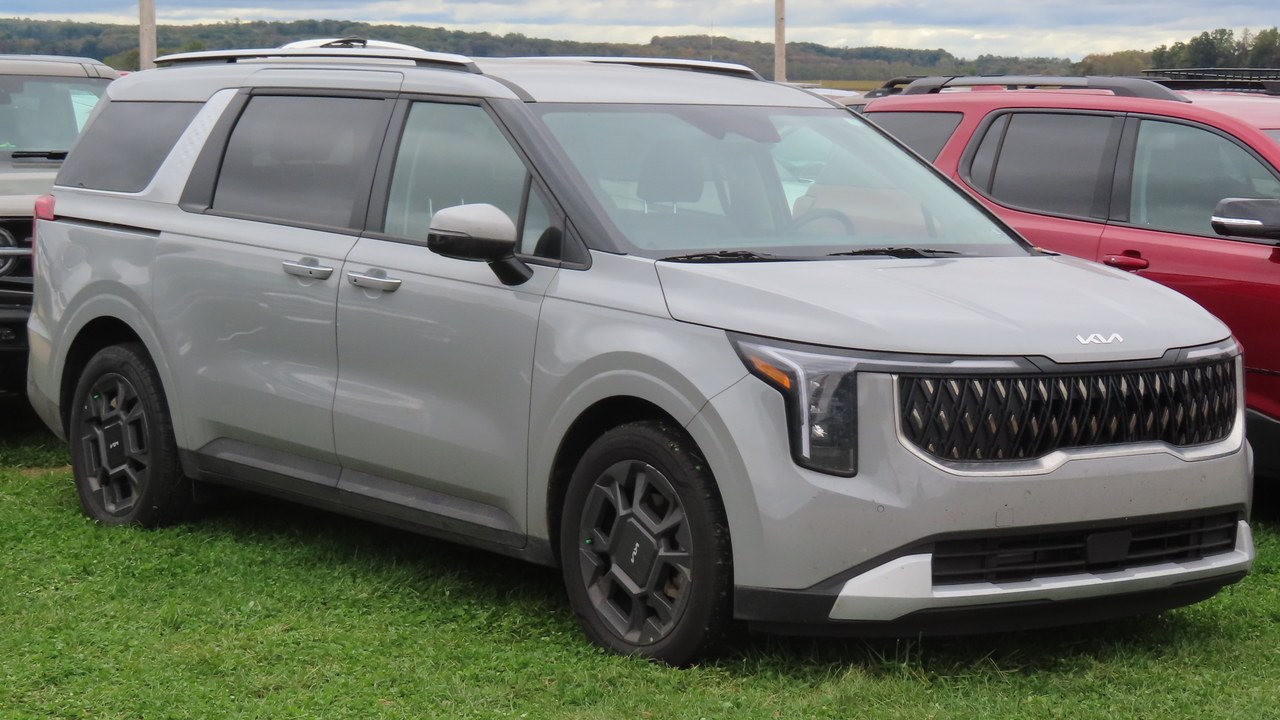
A relative newcomer, the Kia Carnival has climbed reliability charts faster than skeptics predicted. Its SUV-inspired styling hides a genuinely practical van, and early ownership data points to few serious defects across the first several years on the road. A lengthy powertrain warranty gives the boxy people mover an extra cushion that buyers clearly appreciate.
That coverage matters most in the years when repairs usually start piling up. For a household stretching a budget, a van that pairs low early defect rates with long factory protection removes much of the risk that comes with any newer nameplate.
4. Chrysler Pacifica: Comfort With A Catch
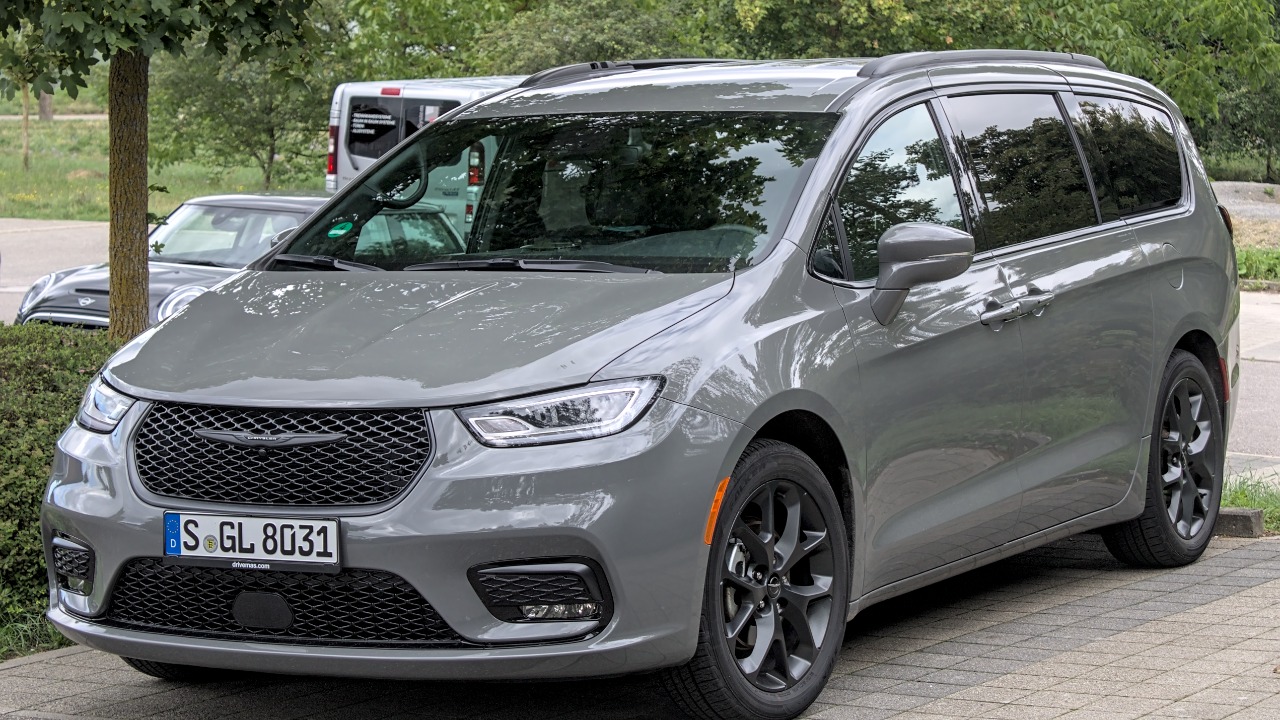
Comfort and features drive the appeal of the Chrysler Pacifica, which offers fold-flat seating and a plug-in hybrid option no rival fully matches. Longevity is the caveat: while many examples run well for years, owners report pricier repairs and more electronic gremlins than the Japanese leaders. Keeping the feature-packed van healthy often means budgeting for the occasional expensive fix.
That tradeoff defines its value. Shoppers gain the roomiest, most flexible cabin in the class, but they should set aside a repair fund rather than assume the low-maintenance ownership that cheaper, simpler vans tend to deliver across a decade.
5. Dodge Grand Caravan: The Everyman Survivor
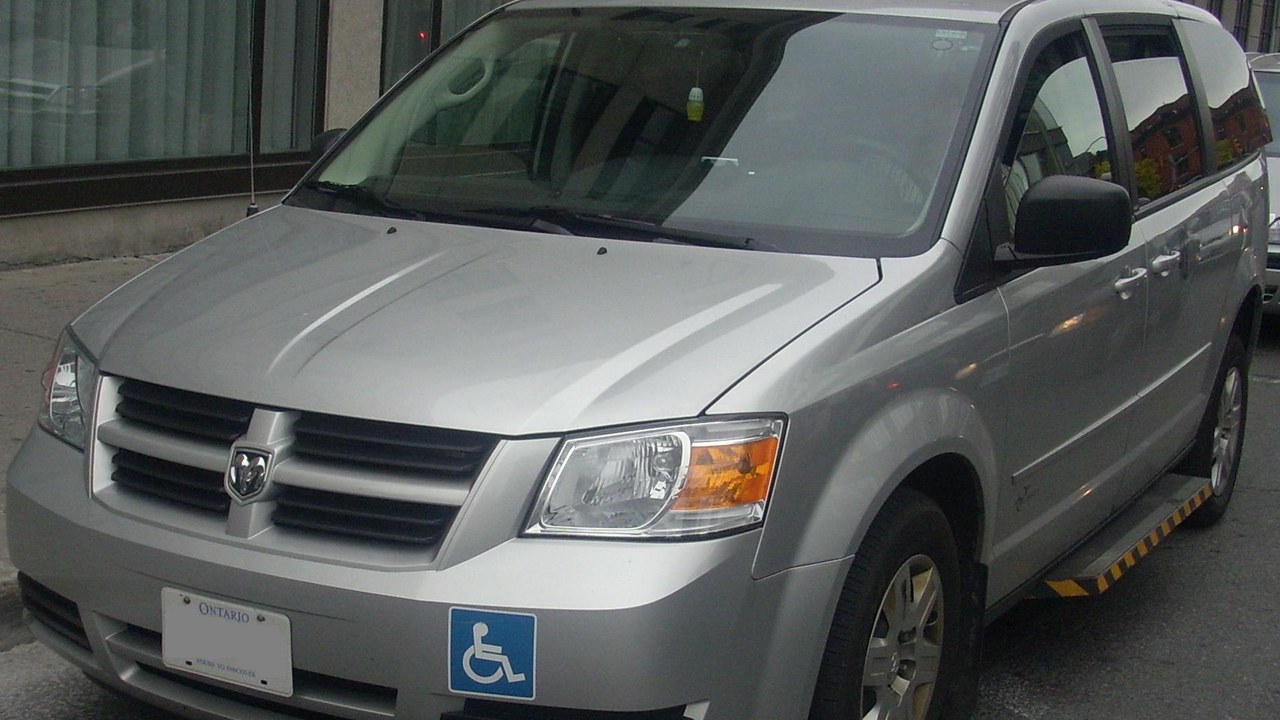
Sheer ubiquity is the secret weapon of the Dodge Grand Caravan. Sold by the millions before its retirement, it left behind a vast supply of cheap parts and mechanics who know it cold, so repairs rarely break the bank. The budget workhorse is far from the most refined van, but it stubbornly keeps going.
For cost-conscious drivers, that affordability outweighs its rougher edges. A transmission or suspension job that would total a rarer van is often routine and low-cost here, letting owners squeeze years of service out of a vehicle bought for very little.
6. Toyota Previa: The Cult Oddball That Lasts
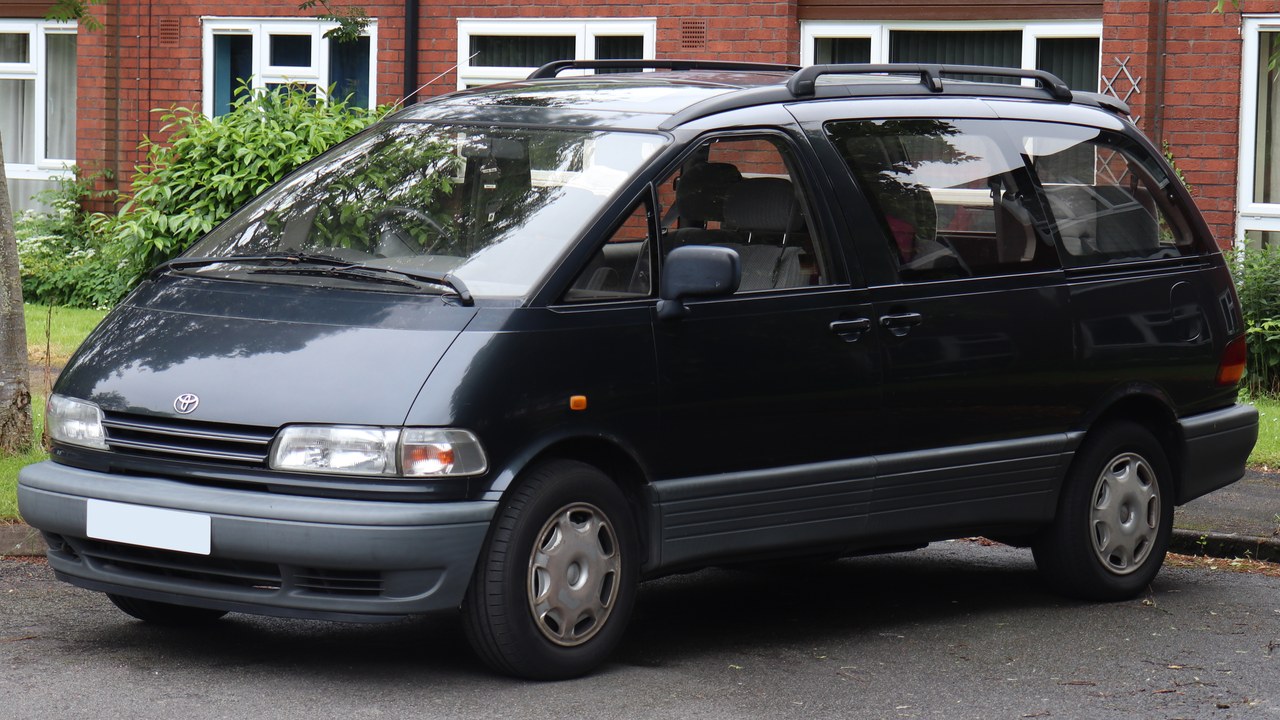
Nothing else looks like the Toyota Previa, with a mid-engine layout and egg-shaped body that still turns heads decades later. That oddball design paired with legendary build quality has made it a cult survivor, and well-kept examples routinely pass 250,000 miles. Parts for the mid-engine oddity can be harder to track down, though.
Scarcity is the price of that longevity. Drivers willing to hunt for components are rewarded with a van that simply refuses to quit, but anyone unprepared for occasional sourcing headaches may find the aging Previa less convenient than a more common nameplate.
7. Nissan Quest: A Middling Middle-Ground Van
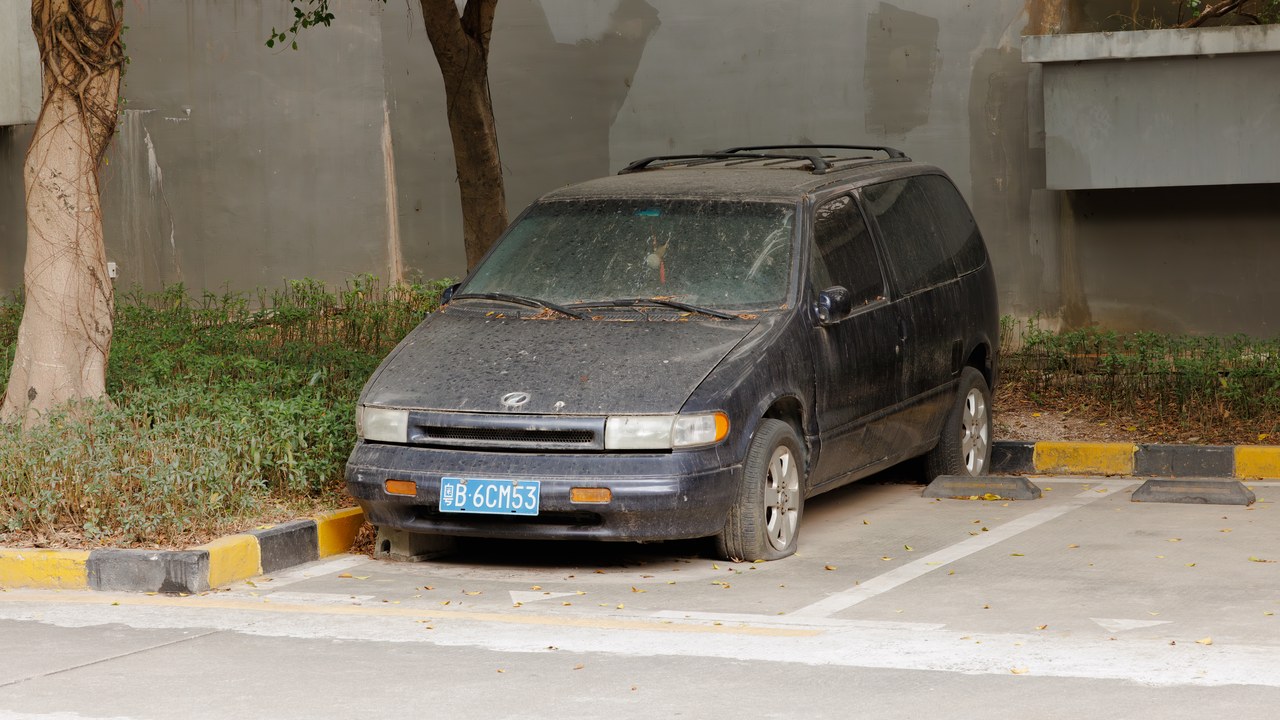
Comfort and distinctive styling define the Nissan Quest, yet its durability record lands squarely in the middle of the pack. Some generations held up well, while others drew complaints over transmissions and electronics that quietly shortened their useful lives. Resale demand for the comfort-focused van has stayed soft as a direct result.
That inconsistency calls for caution. A carefully maintained Quest can still serve a family reliably, but the wide gap between the best and worst examples means service history and a thorough inspection matter far more here than with the segment’s steadier performers.
8. Ford Freestar: The One To Approach Warily
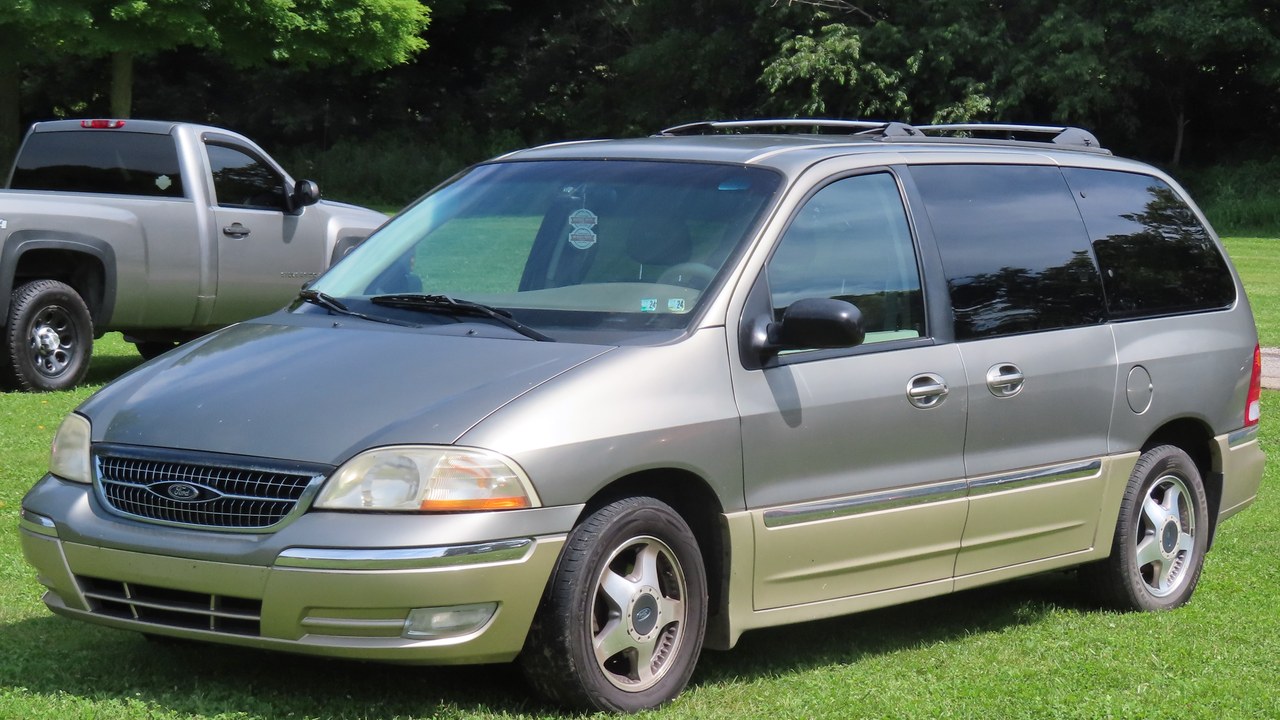
Arriving as a rebadged update of the Windstar, the Ford Freestar never shook that model’s reputation for trouble. Transmission failures and other costly problems dogged the line, and the automaker pulled it from showrooms after only a few model years. Few examples of the short-lived hauler survive in strong condition today.
Its scarcity on the road tells the story. Bargain hunters should weigh the real risk of major repairs against the low purchase price, because a Freestar that needs a transmission can easily cost more to fix than the whole van is worth.
9. Mazda5: The Right-Sized Runner
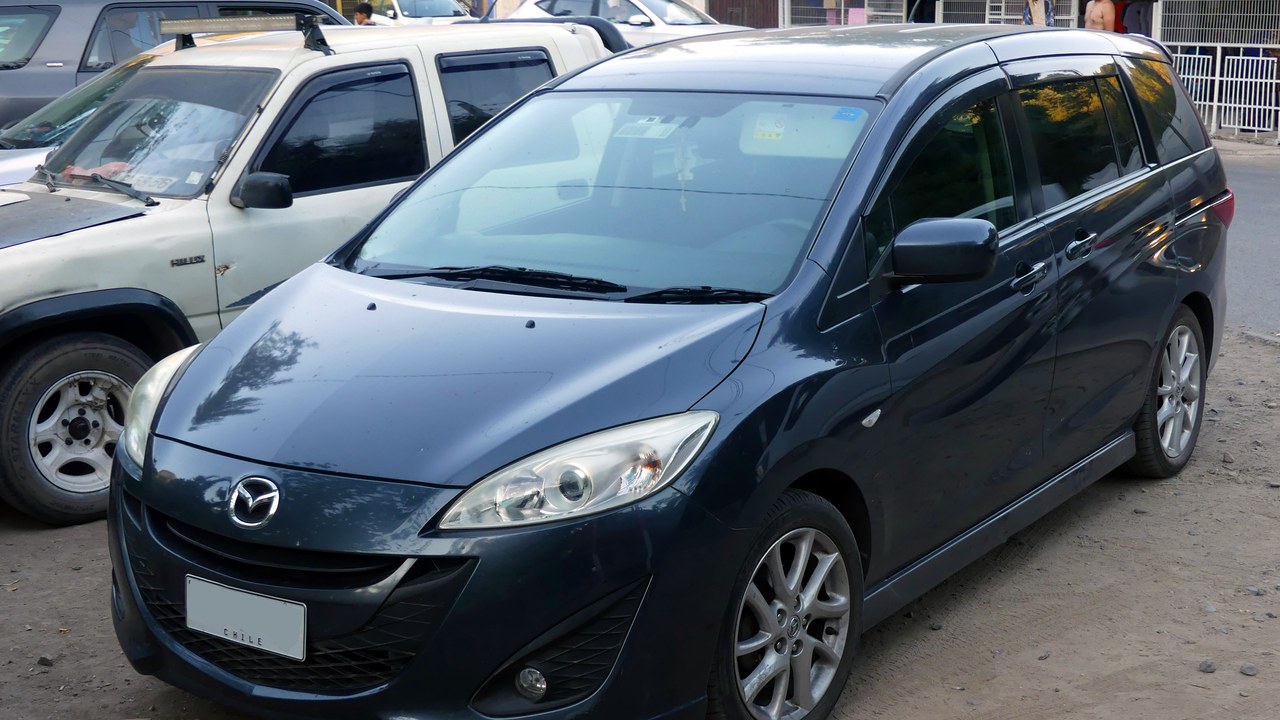
Smaller than the rest, the Mazda5 carved out a niche with sliding doors, three rows, and a footprint closer to a compact car. Its four-cylinder engine and car-like handling won a devoted following, and well-maintained examples hold up dependably over the years. Enthusiasts prize the compact people mover for its everyday efficiency.
That right-sizing is the appeal for buyers who never needed a full-size van. Lower fuel and maintenance costs, plus a loyal owner community that keeps knowledge and parts circulating, help the Mazda5 stay practical long after larger rivals grow expensive to run.
More from Morning Overview
- A handful of SUVs keep hitting 300,000 miles, and they share one engine trait
- Supplements now rank as the fifth-leading cause of death from liver disease.
- A study names the one SUV most likely to reach 250,000 miles
- More than 60,000 people flee the Spokane area as complex fires overrun 600 structures
