
Luxury badges age in two stages: the pampered warranty years, and then the bill. Air springs, twin-turbocharged engines, adaptive dampers and dozens of networked control modules all keep working beautifully right up to the moment a dealer quotes their replacement. Here are nine luxury vehicles that tend to turn into money pits once the factory coverage runs out.
1. BMW 7 Series: The Flagship That Bills Like One

The 7 Series exists to debut whatever BMW has just invented, which is exactly what makes it expensive later. Successive generations introduced iDrive, night vision, active roll stabilization, self-leveling air suspension and twin-turbocharged V8s, and each of those systems arrives as its own control module, sensor set and wiring loom. BMW’s flagship sedan holds on to its complexity long after it stops holding its value.
Depreciation is the trap: a decade-old example sells for a fraction of its sticker while its parts still carry flagship prices. Independent specialists exist, but labor hours climb because reaching one component often means removing several others first.
2. Mercedes-Benz S-Class: Air Springs And A Rolling Server Room
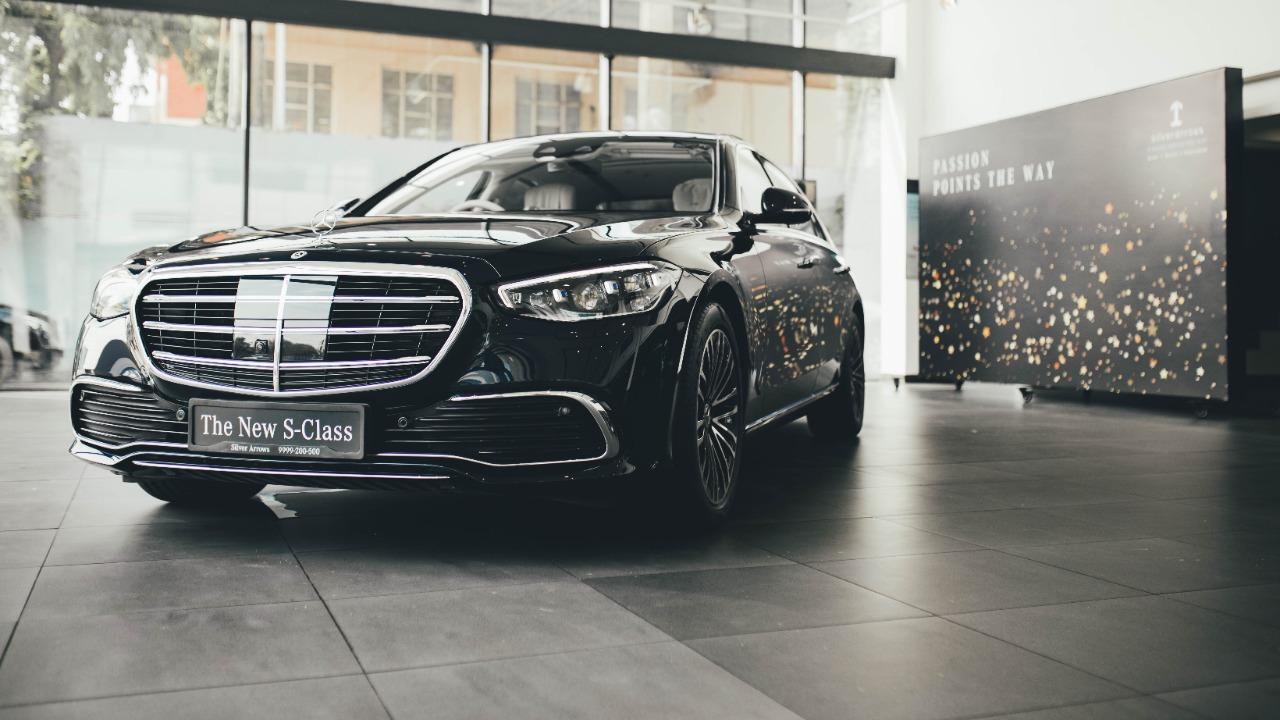
Self-leveling air suspension has been part of the S-Class recipe for generations, and rubber air struts are a wear item rather than a lifetime part. Active body control, the compressor that feeds it and a cabin wired with dozens of networked modules stack the odds further. the Mercedes-Benz S-Class also debuts driver-assistance hardware years before it becomes common, which leaves aging sensors with no cheap aftermarket behind them.
One sagging corner is rarely a corner job, because a failed strut can take the compressor down with it. Buying the cheapest example on the market usually means inheriting the deferred version of every one of those systems at once.
3. Land Rover Range Rover: Luxury Off-Roader With An Electrical Temper
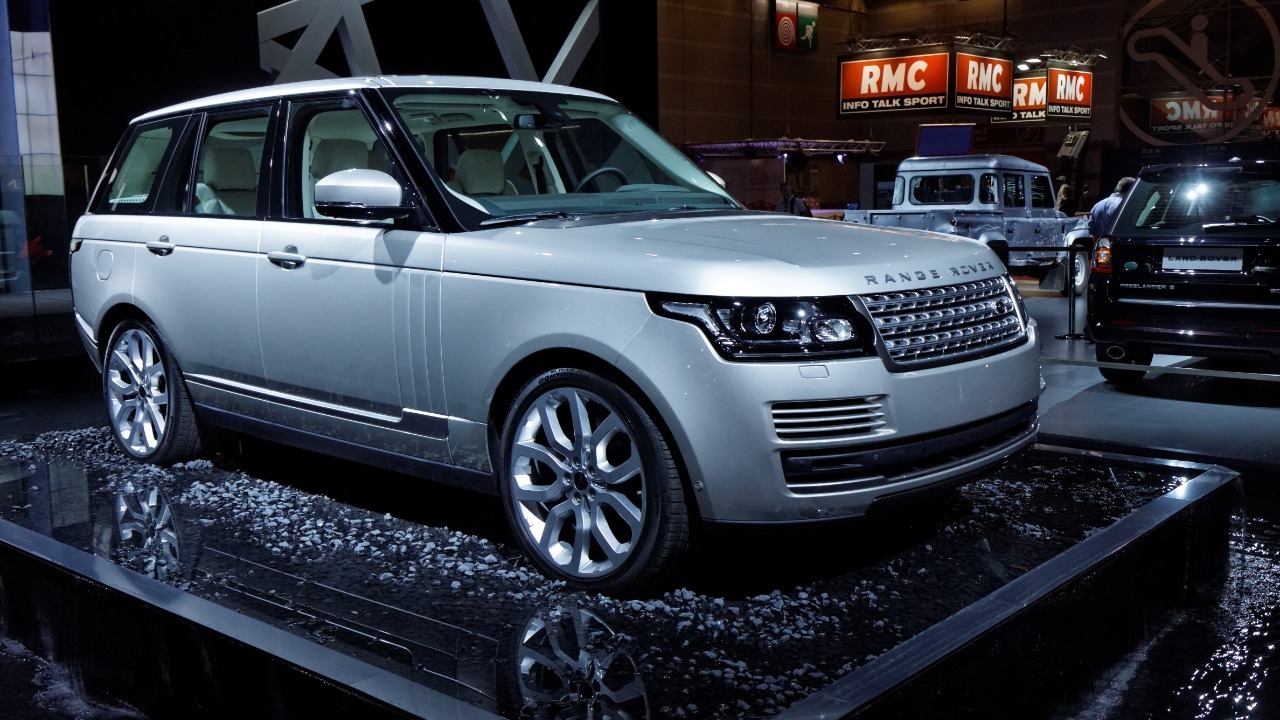
Few vehicles carry more systems per square foot: electronic air suspension, a terrain-response drive controller, an active locking rear differential, multiple screens and a body packed with comfort electronics. the fourth-generation Range Rover moved to an aluminum monocoque and stacked those features higher still. The nameplate’s reputation for electrical gremlins is old enough to be a punchline, and the failures skew electronic rather than mechanical.
That distinction matters at the shop. Chasing an intermittent fault burns diagnostic hours before a single part is ordered, and the parts are priced for a vehicle that cost six figures new. Resale values fall fast enough that one bad month can approach what the truck is worth.
4. Audi A8: Aluminum Body, Specialist Invoices
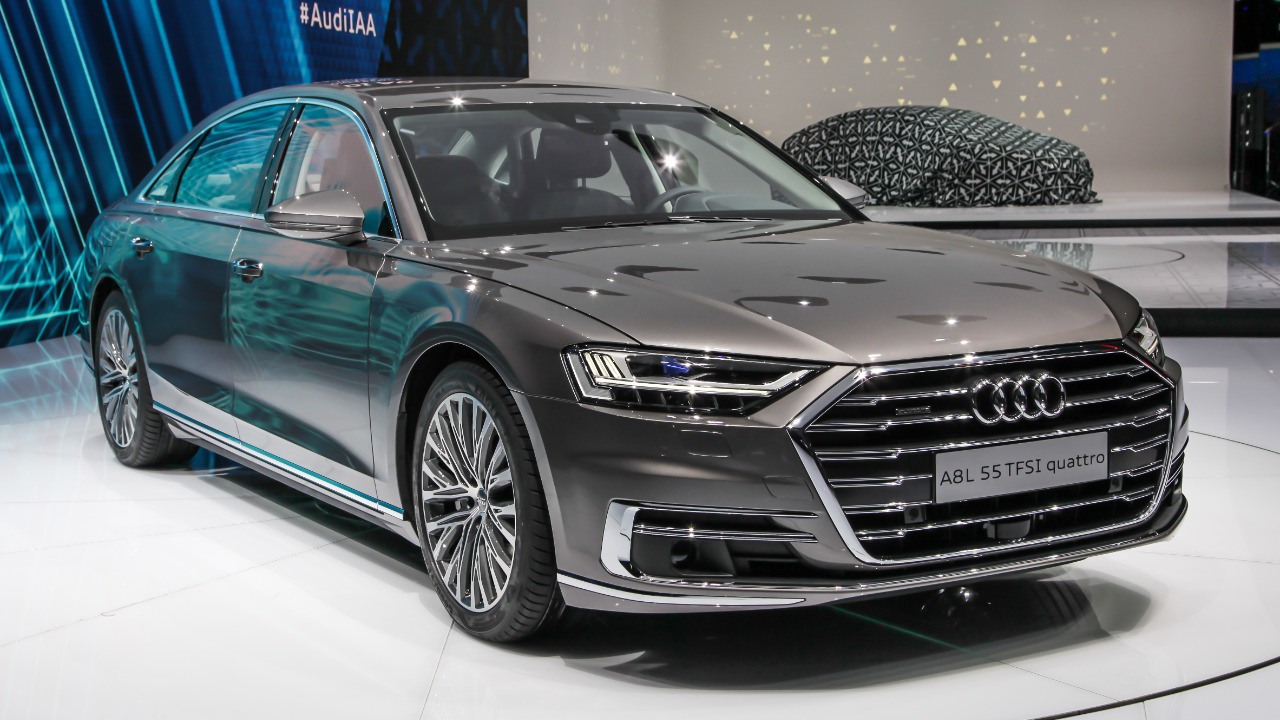
Audi built the A8’s identity on the Space Frame, an aluminum structure that saves weight and resists rust but demands body shops with specific equipment and training. Adaptive air suspension, quattro all-wheel drive and a dense electrical architecture sit on top of it. Audi’s aluminum flagship is cheap to buy secondhand and stubbornly expensive to keep.
Collision work makes the point sharpest: a dent that would be routine on a steel sedan can route the car to a certified aluminum shop at a premium rate. Suspension and electronics repairs follow the same logic, with parts priced against the original sticker rather than today’s.
5. Maserati Ghibli: Exotic Badge, Exotic Estimates

Much of the Ghibli’s architecture is shared with the larger Quattroporte, and its V6 engines were built by Ferrari in Maranello, a pedigree that reads beautifully in a brochure and badly on a repair estimate. Dealer coverage is thin next to the German competition, and steep depreciation puts Maserati’s compact sedan in front of buyers who have never priced one of its services.
Routine maintenance is where the surprise usually lands, since intervals and components are billed at exotic-car rates rather than executive-sedan rates. Finding a shop willing to take the work at all can be its own obstacle away from major metropolitan areas.
6. Jaguar XJ: The Last XJ, Aging Loudly
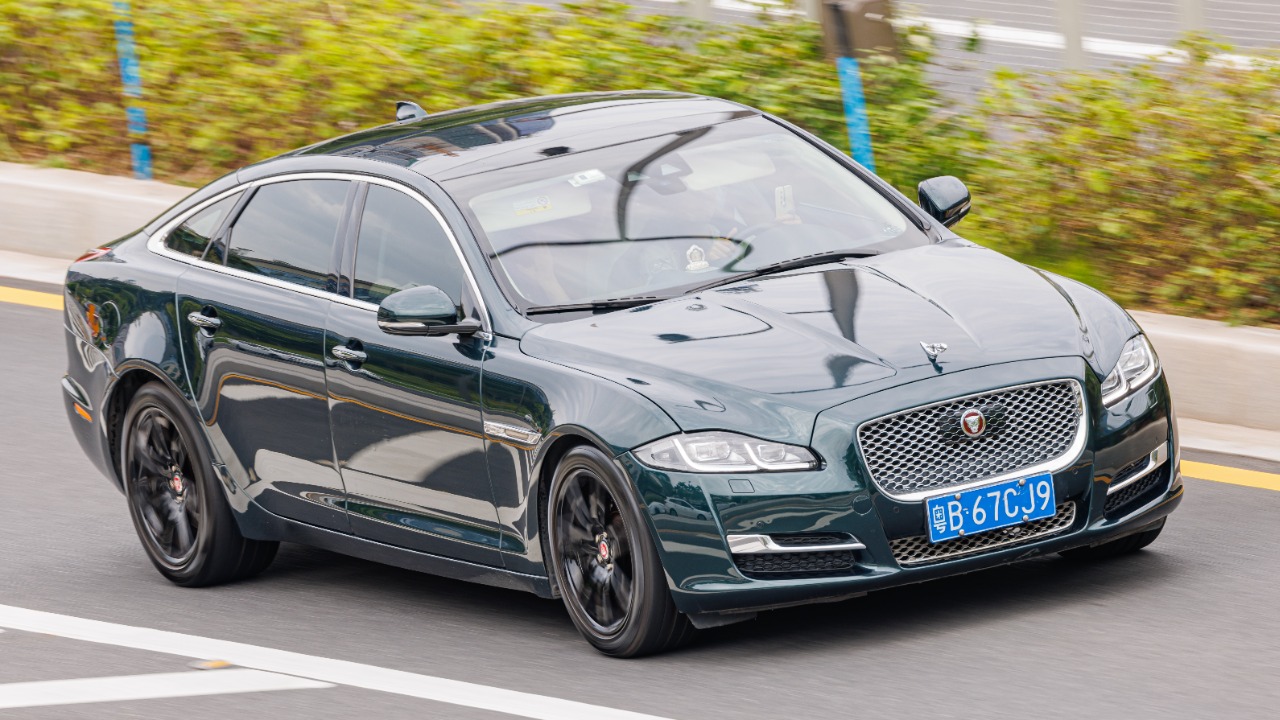
Jaguar’s final XJ wrapped a riveted-and-bonded aluminum structure around supercharged V6 and V8 engines, an air-sprung chassis and a fully digital instrument display that felt like the future at launch. Screens, infotainment units and suspension parts on the X351 generation are now the awkward kind of old technology: too specialized for generic replacements, too recent for a deep salvage network.
Values have slid far enough that a single major repair can exceed what the car would sell for, which is how running examples quietly become donor cars. Bargain stickers attract buyers who rarely budget for the electrical work waiting behind them.
7. BMW X5: Family Hauler With Cooling Anxiety
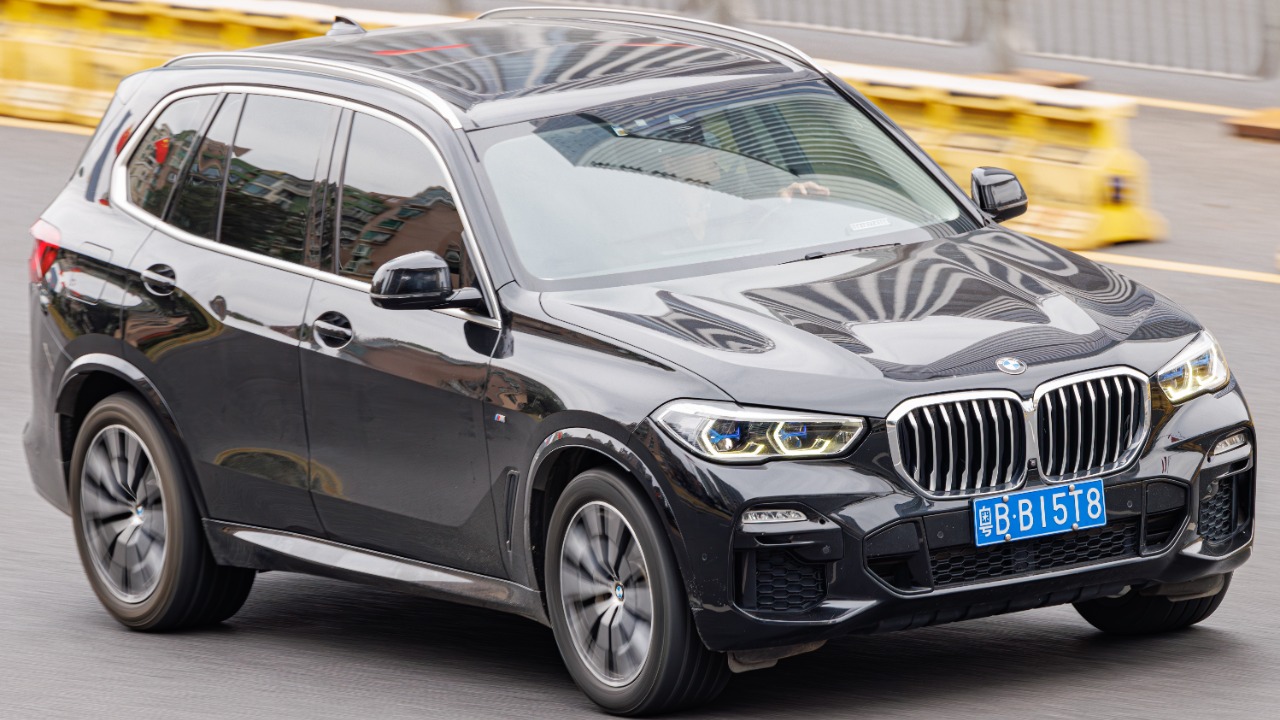
Turbocharged engines and plastic-intensive cooling hardware carry over from BMW’s sedans, but the X5 asks them to move a far heavier body. Water pumps, thermostats, expansion tanks and gaskets have long been treated as wear items rather than lifetime parts here, and an overheating event on a turbo engine escalates fast. Optional air suspension and a transfer case give BMW’s midsize SUV still more to go wrong.
None of that work is exotic, which is the consolation, and independent shops handle it routinely. The damage is cumulative instead: these jobs tend to arrive in the same window of the vehicle’s life, and every one of them is a multi-hour labor entry.
8. Cadillac Escalade: Body-On-Frame Luxury, Full-Size Costs
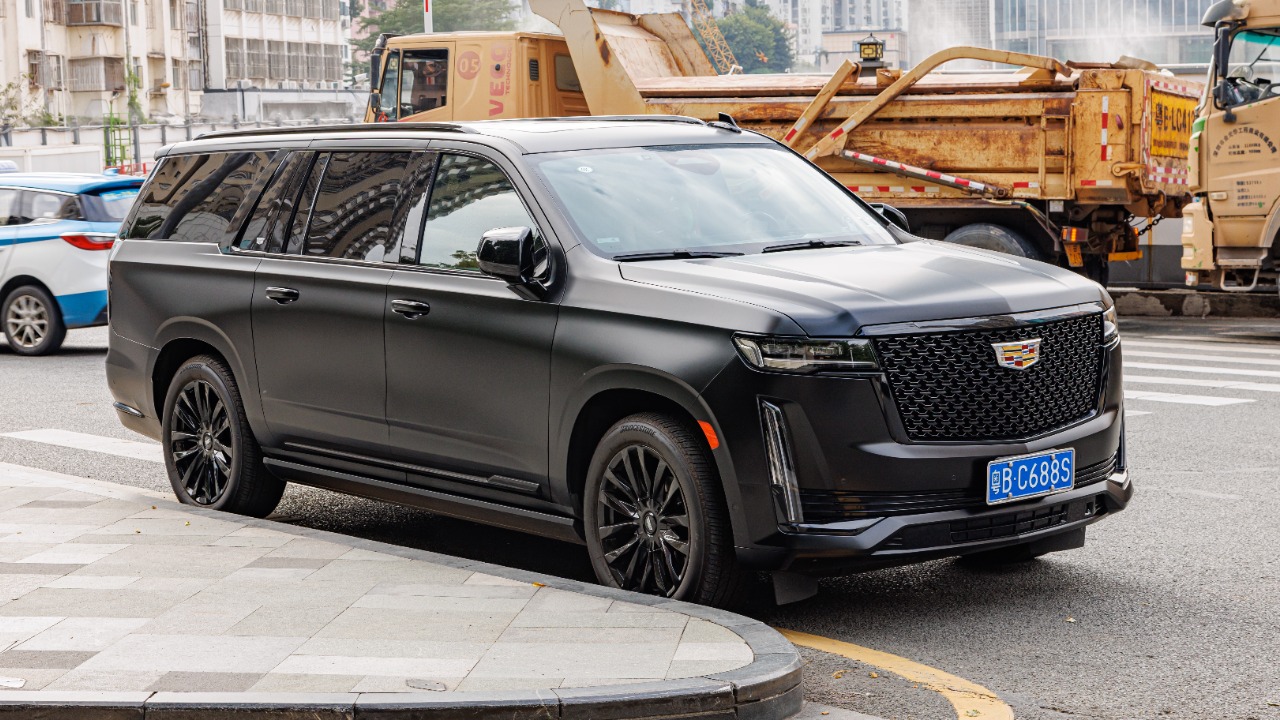
Strip the leather away and the Escalade is a full-size body-on-frame truck, which means both halves of it cost money. Magnetic Ride Control dampers, air-leveling rear suspension, large-displacement V8s and, on recent generations, enormous curved displays all ride on a machine approaching three tons. Cadillac’s full-size SUV also eats tires, brakes and fuel at truck scale.
Shared GM mechanical parts keep some repairs sane, and that is the genuine upside of the platform. The luxury-specific hardware ignores that rule, so a failed magnetic damper or a leaking rear air spring is billed at Cadillac prices instead of Chevrolet ones.
9. Porsche Cayenne: Sports-Car Engineering, SUV Duty Cycle
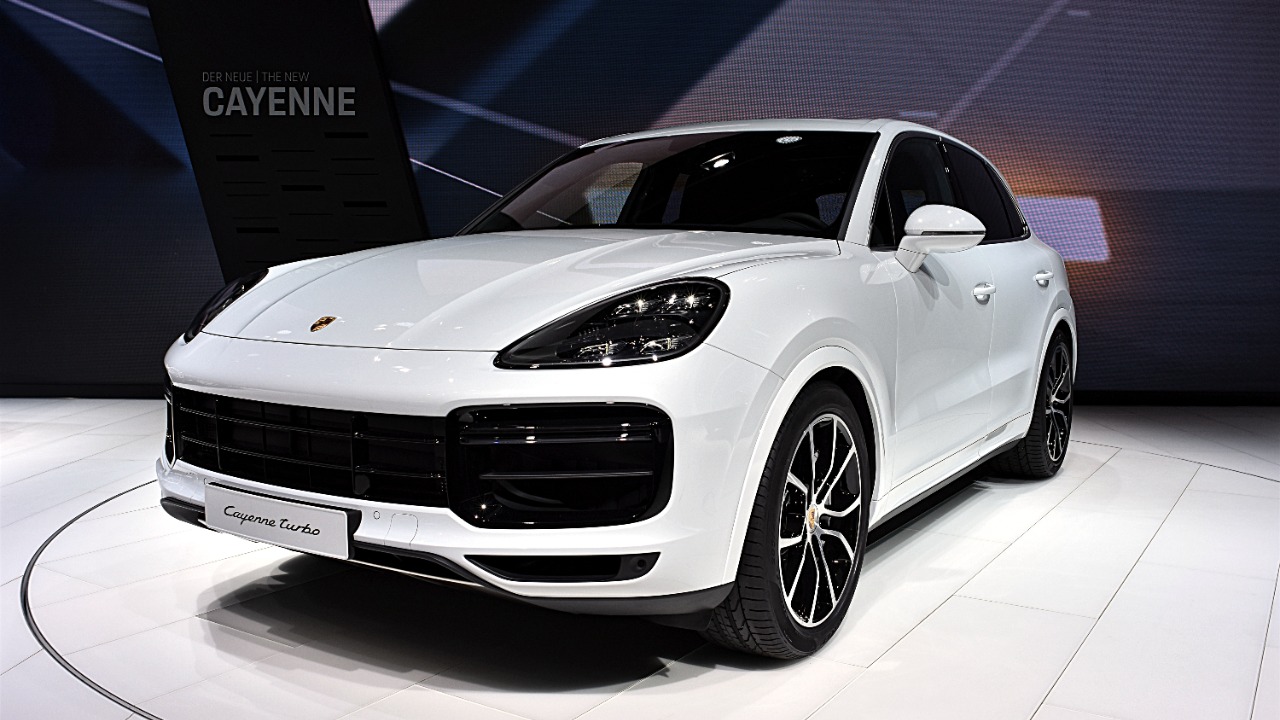
Engineering an SUV to corner like a sports car requires hardware, and that hardware is what eventually bills. Height-adjustable air suspension, active anti-roll bars, oversized brakes and turbocharged V6 and V8 engines all appear on the options sheet, and early V8 versions carried a well-documented reputation for coolant plumbing that did not last. Porsche’s first SUV shares components with Volkswagen and Audi, though the badge rarely shares their prices.
Labor is billed at Porsche rates whether the work happens at a dealer or an independent specialist. An air-sprung example that has sat unused often needs the compressor along with the struts, and the low asking prices on high-mileage cars usually reflect that queue of deferred work.
More from Morning Overview
- A handful of SUVs keep hitting 300,000 miles, and they share one engine trait
- Supplements now rank as the fifth-leading cause of death from liver disease.
- A study names the one SUV most likely to reach 250,000 miles
- More than 60,000 people flee the Spokane area as complex fires overrun 600 structures
