
Luxury SUVs promise comfort and prestige, but that badge on the hood often comes with a painful second price tag. Air suspension failures, turbocharged engines, and dense electronics can turn routine maintenance into four-figure invoices. Shoppers eyeing a used bargain should budget carefully, because these nine luxury SUVs are notorious for draining bank accounts long after the new-car smell fades.
1. Land Rover Range Rover: Mortgage-Sized Repair Bills
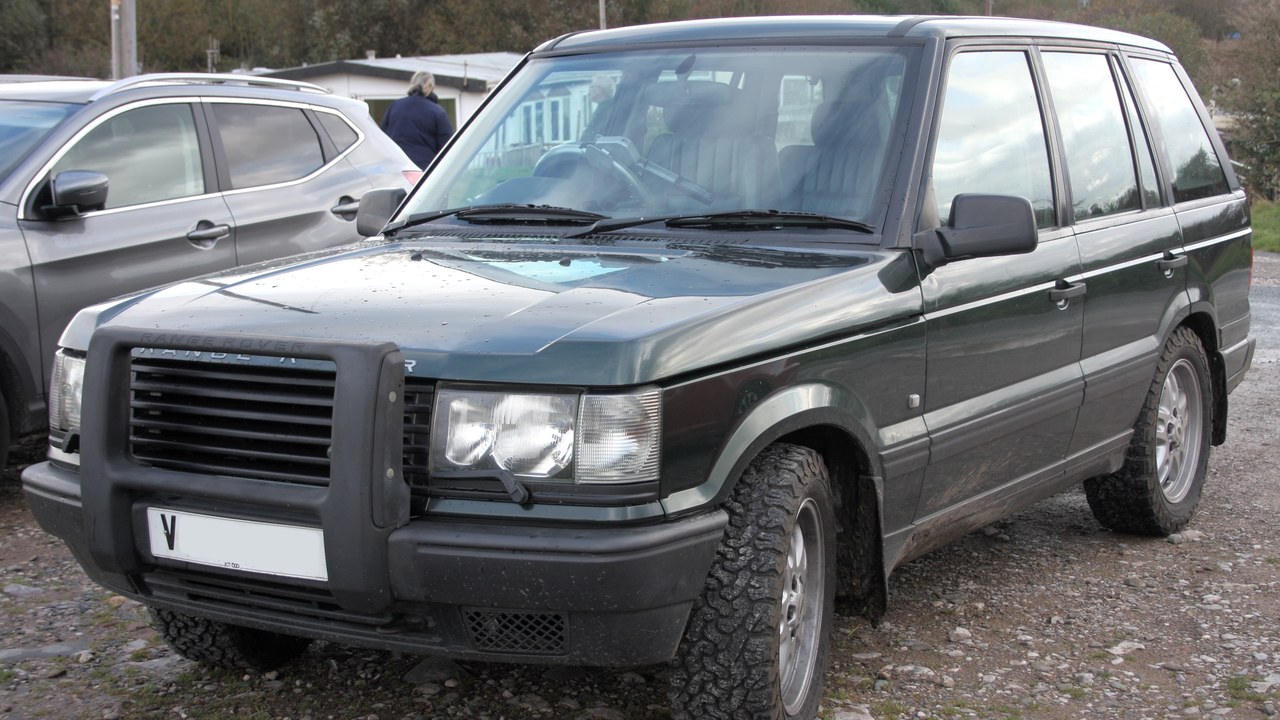
The Range Rover pairs a plush cabin and genuine off-road pedigree with some of the priciest upkeep in the segment, and independent reliability trackers routinely rank the full-size Range Rover among the costliest SUVs to maintain once the factory warranty lapses.
Air suspension components, adjustable ride-height systems, and dense electrical architecture are common failure points, and a single air-strut replacement or suspension-compressor repair can run into four figures. Independent shops often charge more for diagnostic time alone, since the platform’s electronics require specialized tools most general mechanics do not stock. Buyers considering a used model are frequently advised to budget an extended warranty or a dedicated repair fund well beyond what a typical midsize SUV would need.
2. BMW X5: Costly After The Warranty
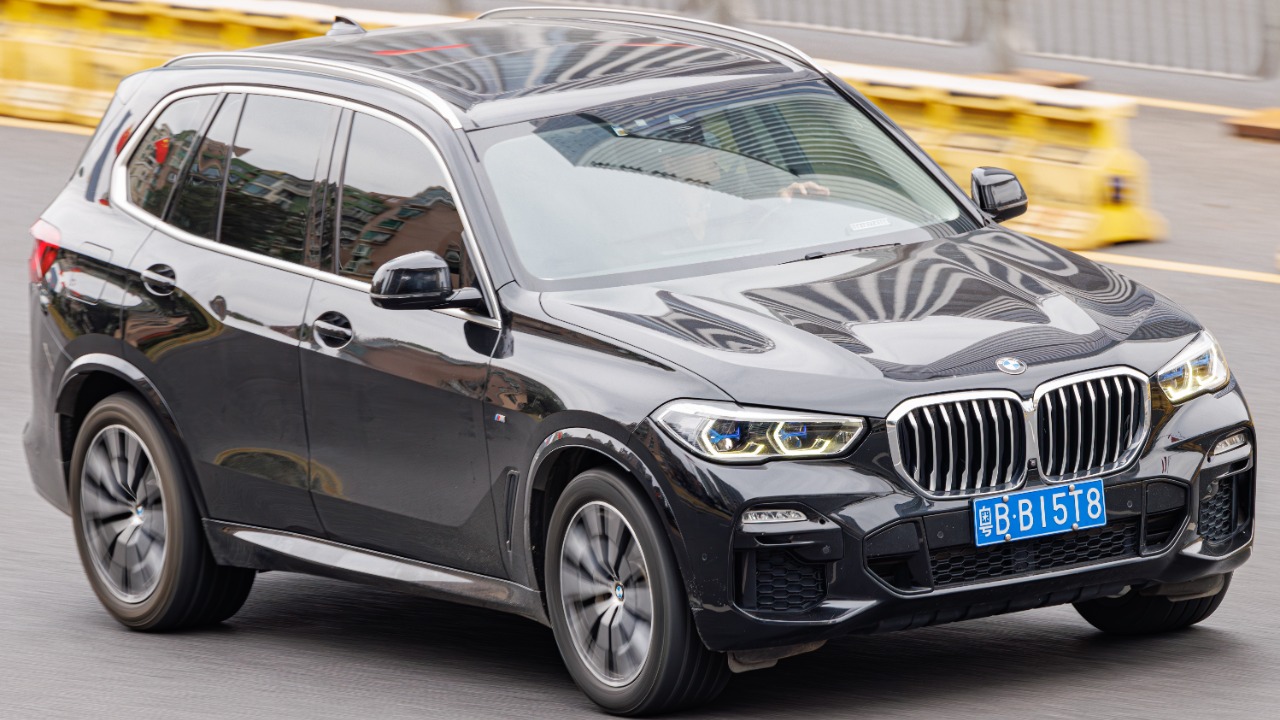
The BMW X5 delivers strong performance and a tech-heavy cabin, but that sophistication turns expensive once the factory coverage runs out and every sensor, motor, and control module becomes an out-of-pocket expense.
Turbocharged engines, adaptive air suspension, and an electronically controlled all-wheel-drive system all add complexity that translates into higher labor bills at the shop. Timing chain issues on some model years and pricey electronic parts, from adaptive headlights to suspension sensors, have pushed owner repair costs well above the segment average. Mechanics familiar with German luxury vehicles often charge premium hourly rates, and parts sourced directly from the dealer rarely come cheap, making an extended warranty a common recommendation for buyers shopping used examples.
3. Mercedes-Benz GLE: Air Suspension Adds Up
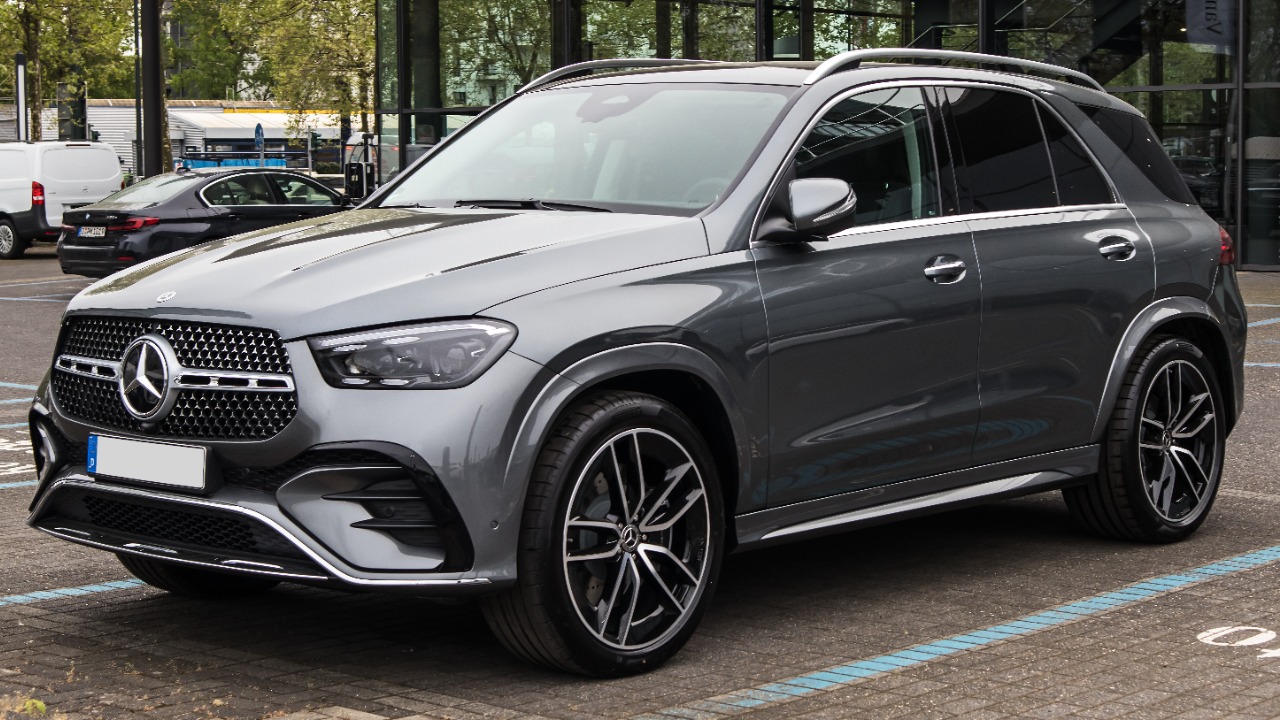
The Mercedes-Benz GLE wraps a smooth ride and a loaded cabin around an air suspension system and a dense network of driver-assist electronics, and both are known for expensive failures once the SUV ages past its warranty period.
Air-strut leaks and compressor failures are among the most common complaints, and replacing a full set of struts can cost thousands of dollars at an independent shop. Sensor-heavy safety systems, adaptive dampers, and a nine-speed automatic transmission add further complexity that most general mechanics are not equipped to diagnose quickly. Owners who skip regular maintenance often find small issues snowball into major repair bills, and resale buyers are typically urged to request a full pre-purchase inspection before committing.
4. Audi Q7: A Pricey German Upkeep
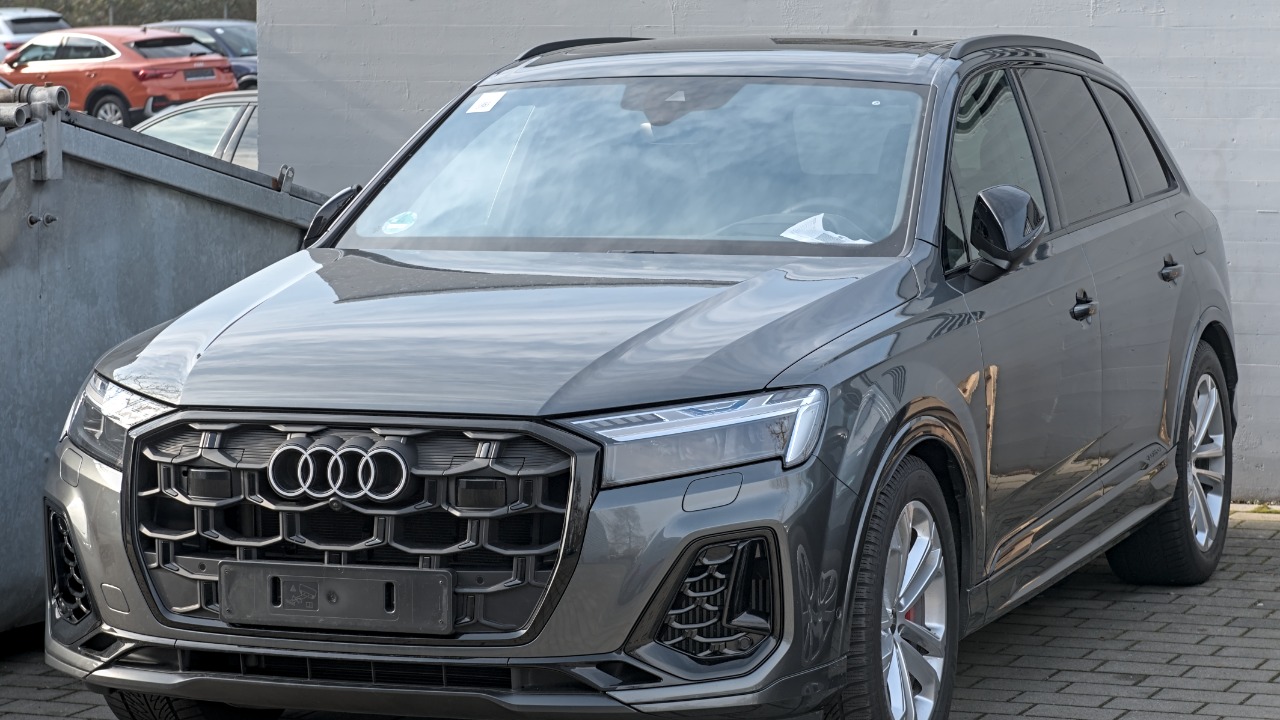
The Audi Q7 offers three rows of upscale comfort and quattro all-wheel drive, but its turbocharged engines and air suspension option carry a reputation for pricey repair visits once the miles start piling on.
Carbon buildup on direct-injection engines, timing chain tensioner wear, and electrical gremlins in the infotainment system are frequently cited owner complaints. The optional air suspension adds another expensive failure point, and a single compressor or strut replacement can rival a monthly car payment. Because Audi parts and factory-trained labor both carry a premium, many independent owners lean on specialist import shops instead of the dealership to keep long-term maintenance costs from spiraling out of control.
5. Land Rover Discovery: Reliability Woes Drain Wallets
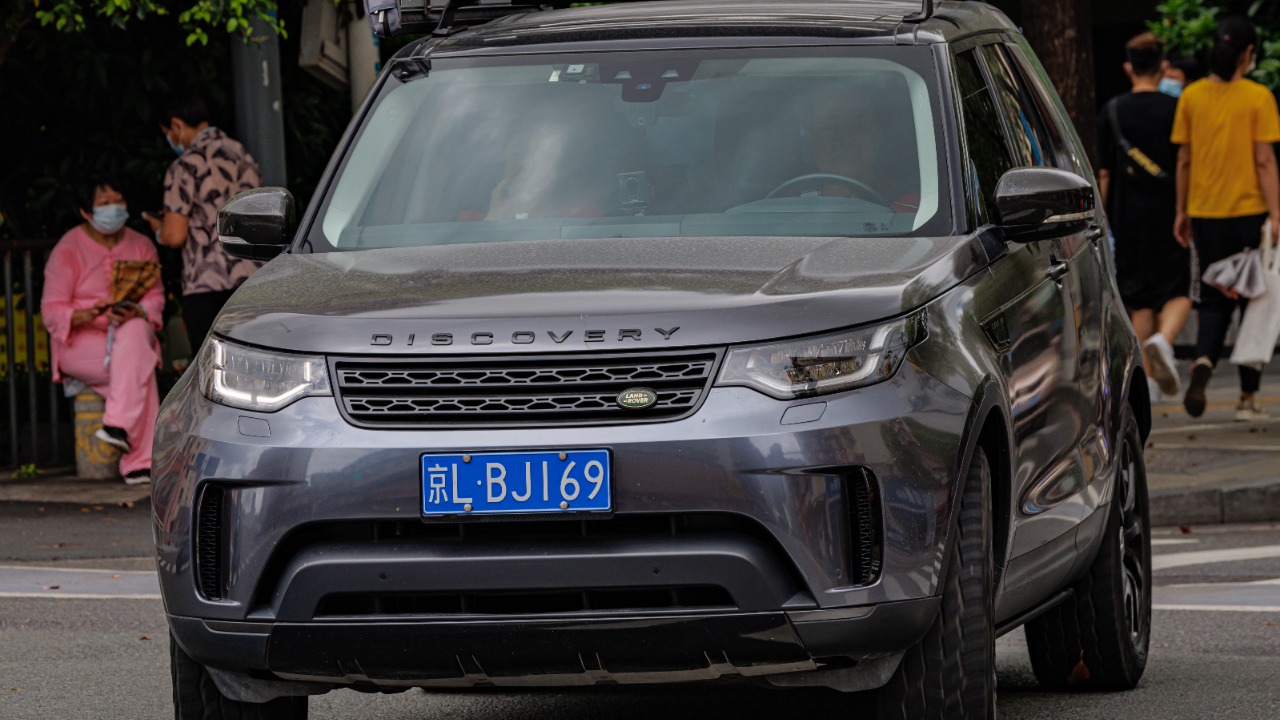
The Land Rover Discovery is built for genuine off-road capability and a spacious three-row cabin, yet it has long carried some of the weakest reliability scores of any luxury SUV on sale, and that unreliability shows up directly in repair bills.
Electrical faults, air suspension failures, and issues with the infotainment and climate systems appear repeatedly in owner surveys and independent reliability studies. Replacement parts are often sourced through a limited dealer network, which keeps prices high and can stretch out repair times for owners who cannot find a specialist shop nearby. Extended warranties are common among Discovery buyers precisely because unplanned repair costs can arrive early and often, sometimes within the first few years of ownership.
6. Cadillac Escalade: Big Rig Bigger Bills
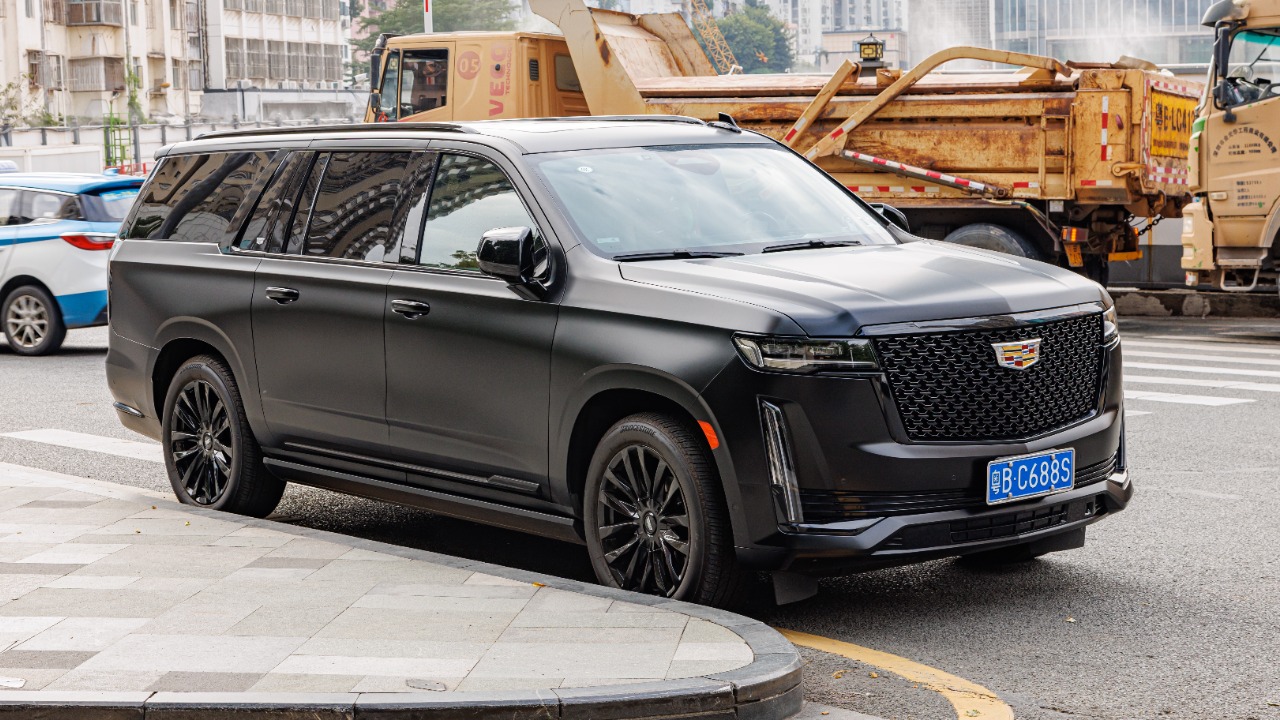
The Cadillac Escalade is a full-size status symbol with a massive cabin and a thirsty V8, and its size and complexity both translate into some of the higher maintenance invoices in the luxury SUV class.
Air ride suspension components, magnetic ride control dampers, and a large-displacement engine all cost more to service than a typical full-size SUV. Brake jobs and tire replacements are pricier simply because of the vehicle’s size and weight, and the air suspension in particular is prone to leaks that can leave the SUV sitting noticeably lower on one corner. Fuel costs add another ongoing expense, since the V8 engine returns some of the weakest mileage figures in its class.
7. Porsche Cayenne: Performance Parts Cost More
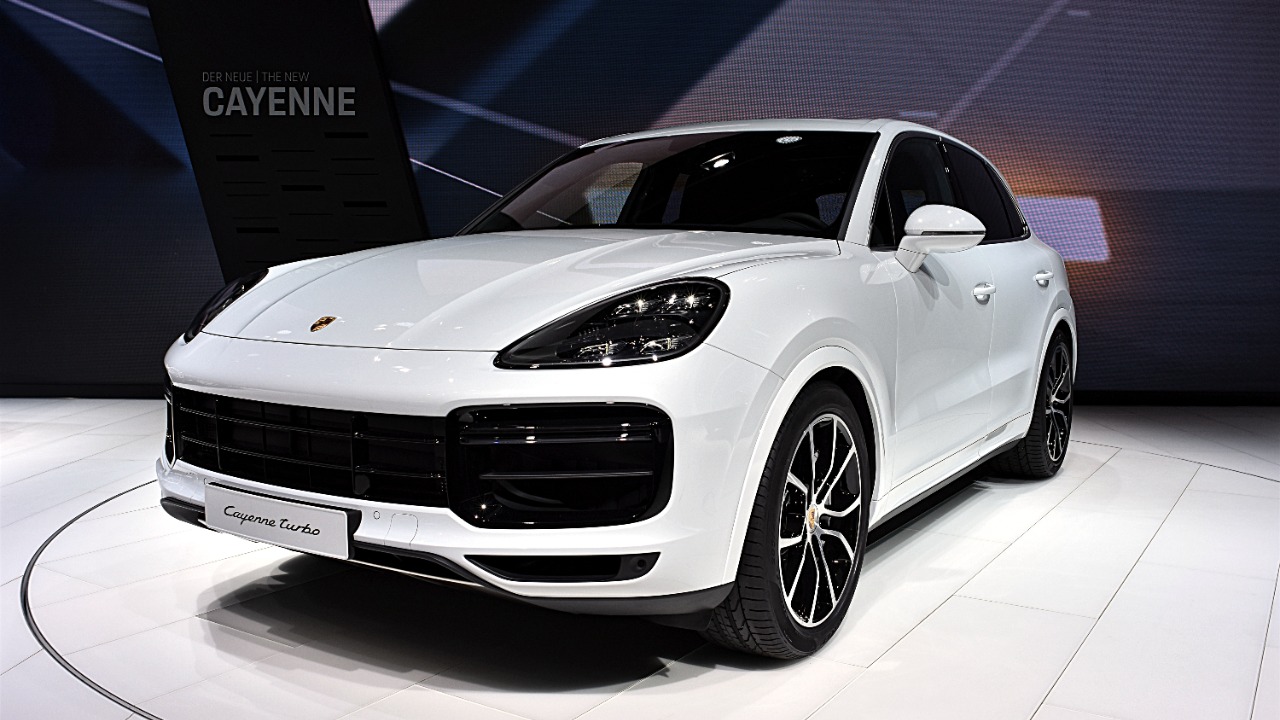
The Porsche Cayenne brings genuine sports-car performance to an SUV body, and every part built to deliver that performance, from brakes to suspension, is priced accordingly once it needs replacing.
Air suspension, high-performance brakes, and a turbocharged or twin-turbo engine all carry Porsche-level parts and labor pricing, and factory-trained technicians rarely come cheap. Routine services such as brake pad and rotor replacements can cost far more than on a typical SUV, and models equipped with the V8 engine face additional wear items tied to their higher performance ceiling. Buyers are commonly advised to budget for a maintenance reserve well beyond what a mainstream luxury SUV would require, especially once the warranty expires.
8. Maserati Levante: Exotic Badge Exotic Bills
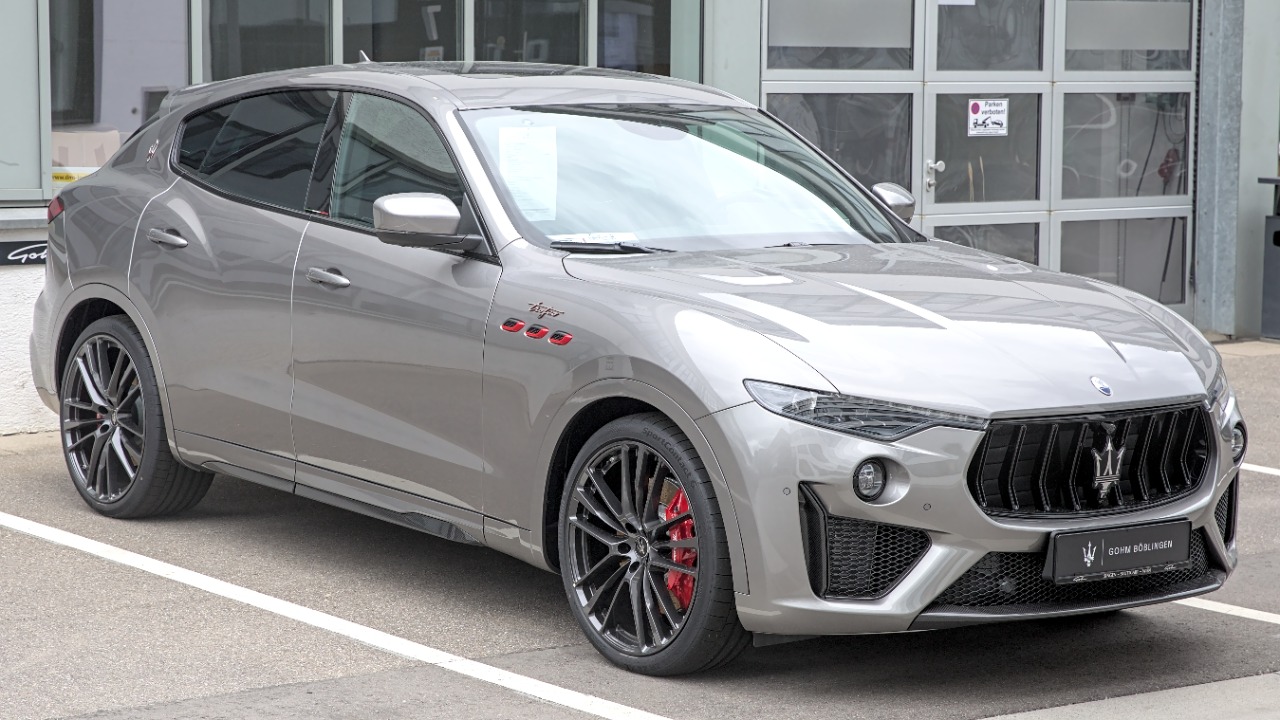
The Maserati Levante pairs an Italian exotic badge with SUV practicality, but that badge comes with exotic-car maintenance pricing, since parts and specialized service are far scarcer than for mainstream luxury brands.
A limited network of factory-trained technicians means routine service often costs more simply because fewer shops can perform it, and parts frequently ship from overseas rather than a nearby warehouse. The twin-turbo V6 engine, shared with several Ferrari and Maserati models, requires specialized fluids and diagnostic equipment that most general repair shops do not stock. Depreciation on used models is steep, but that lower purchase price rarely offsets the ongoing cost of keeping the SUV running reliably for years.
9. BMW X6: Style Tax Plus Upkeep
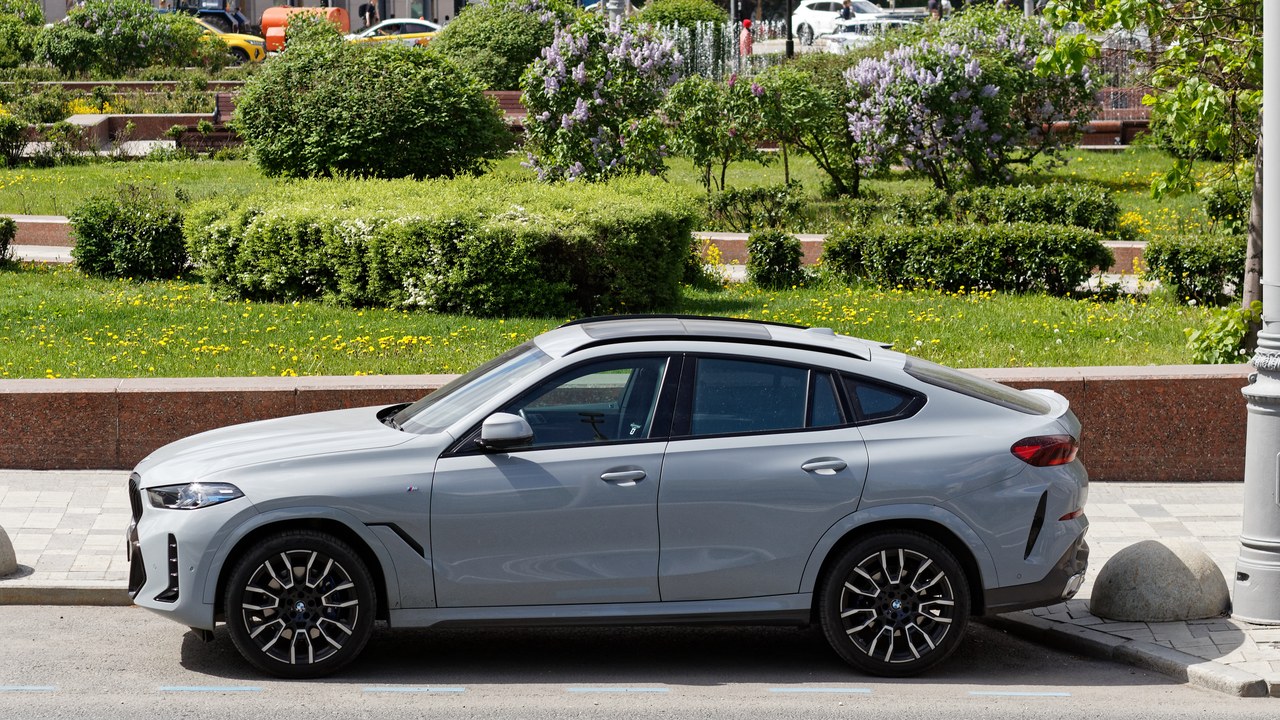
The BMW X6 is essentially the X5 wrapped in a sportier coupe-like roofline, and that styling premium rides on top of the same complex, costly-to-maintain mechanicals that already make the X5 an expensive SUV to own.
Turbocharged six- and eight-cylinder engines, adaptive air suspension, and an all-wheel-drive system share the same failure points and repair costs documented on the X5, while the X6’s lower production numbers can make certain body and trim parts pricier to source. Timing chain concerns on earlier model years and costly electronic components add to the long-term ownership bill. Independent mechanics who specialize in BMWs are generally recommended over dealership service once the factory warranty runs out, largely to control labor costs.
More from Morning Overview
- Long-term use of common heartburn pills is tied to kidney and dementia risk
- A California supervolcano has bulged upward about two and a half feet since 1978
- The FTC is warning about a scam quietly draining thousands from victims
- The NSA is again telling phone owners to switch off one location setting
