
Hydrogen fuel-cell cars spent decades as auto-show concepts before a handful of automakers actually built them for sale or lease. Toyota, Honda and Hyundai pushed passenger versions into California driveways while Toyota and Hyundai separately extended the technology into buses and heavy trucks. This gallery profiles nine hydrogen vehicles that reached real production, not just a concept stand.
1. Toyota Mirai: Federally Listed, Retail Ready
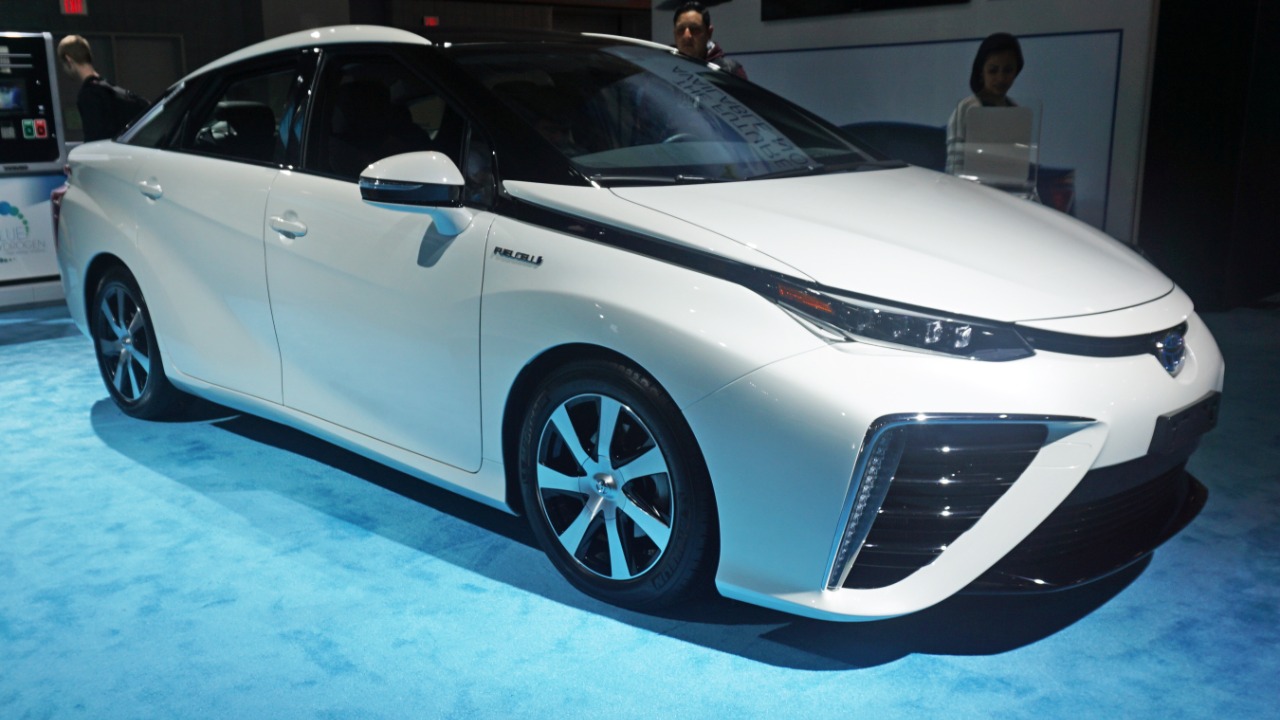
The Mirai appears on the federal government’s own comparison of retail hydrogen fuel-cell cars, per fueleconomy.gov’s fuel-cell vehicle listing, alongside the handful of other models actually sold to US customers rather than leased in small pilot batches.
Getting a federal fuel-economy listing at all separates the Mirai from most hydrogen concepts, which never reach the paperwork stage a real retail sale requires. Toyota has now sold two full generations of the car, longer than most rivals have managed to keep a single fuel-cell model on sale.
2. Hyundai Nexo: Counted Among California’s Fleet
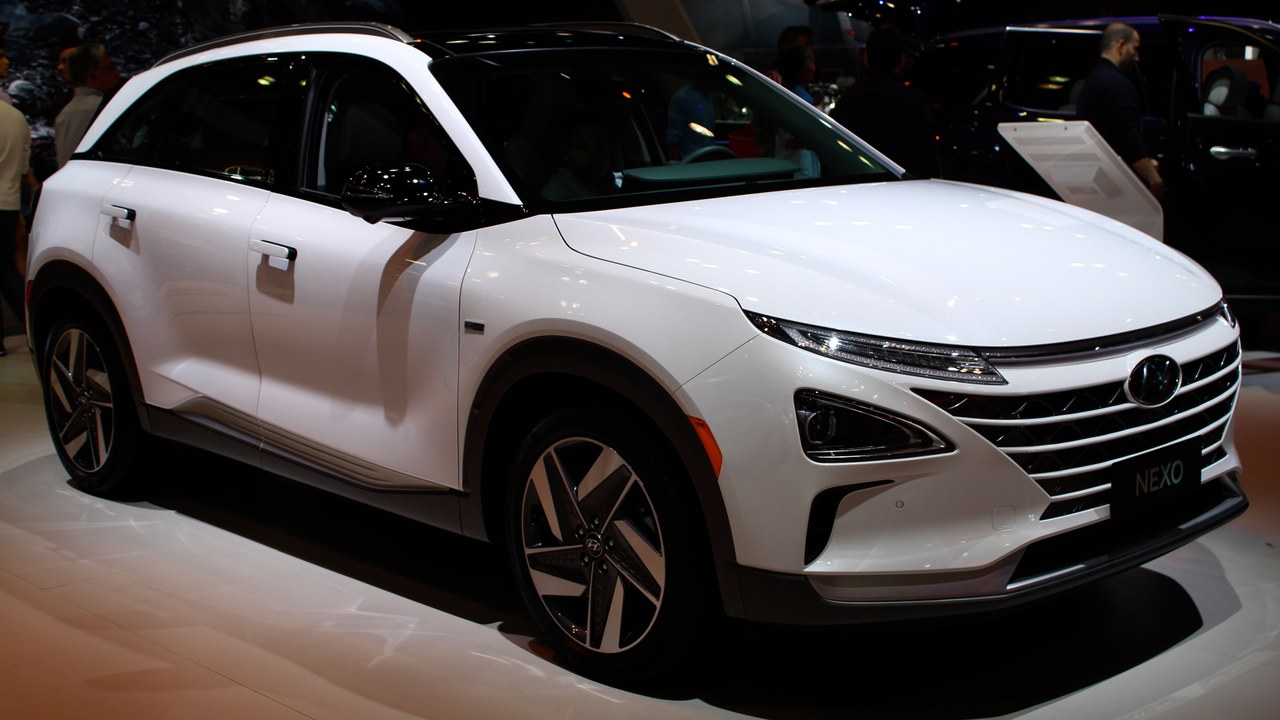
The Department of Energy’s Alternative Fuels Data Center counts the Nexo among fuel-cell models offered for sale or lease in California, according to AFDC’s fuel-cell availability page, one of a short list that actually reached dealer lots.
California remains the only state with enough hydrogen stations to support the Nexo in meaningful numbers, which is why its availability is tracked state by state rather than nationally. Hyundai built the Nexo as a dedicated fuel-cell SUV rather than a converted gasoline model, unlike several of its rivals.
3. Honda Clarity Fuel Cell: Tallied On California’s Roads
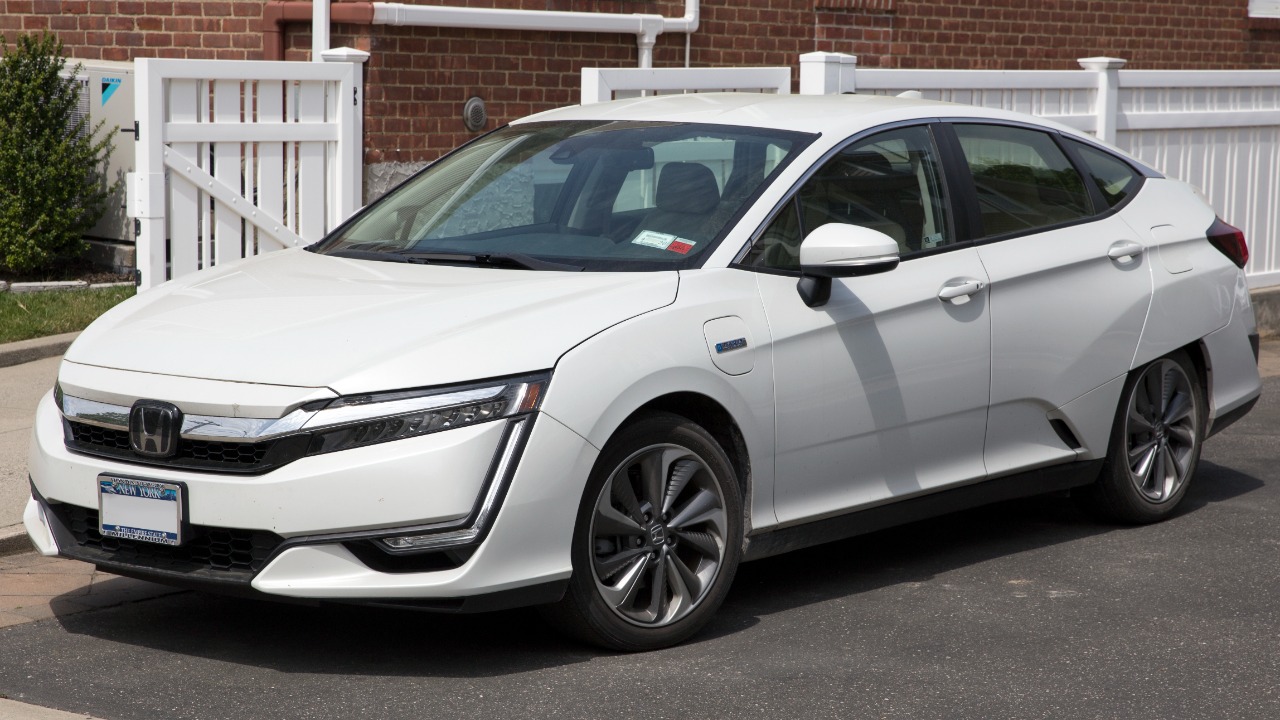
California’s own air resources board tallies the Clarity Fuel Cell among FCEVs actually registered on state roads, a count CARB’s deployment report keeps to track progress toward the state’s zero-emission targets.
A regulator counting registrations, rather than a manufacturer counting press releases, is a stronger signal that a fuel-cell model made it into real driveways. Honda offered the Clarity nameplate across fuel-cell, plug-in hybrid, and pure electric versions, making the fuel-cell model one of three closely related cars built from a single shared body and dashboard.
4. Honda CR-V e:FCEV: Built In Ohio, First Of Its Kind
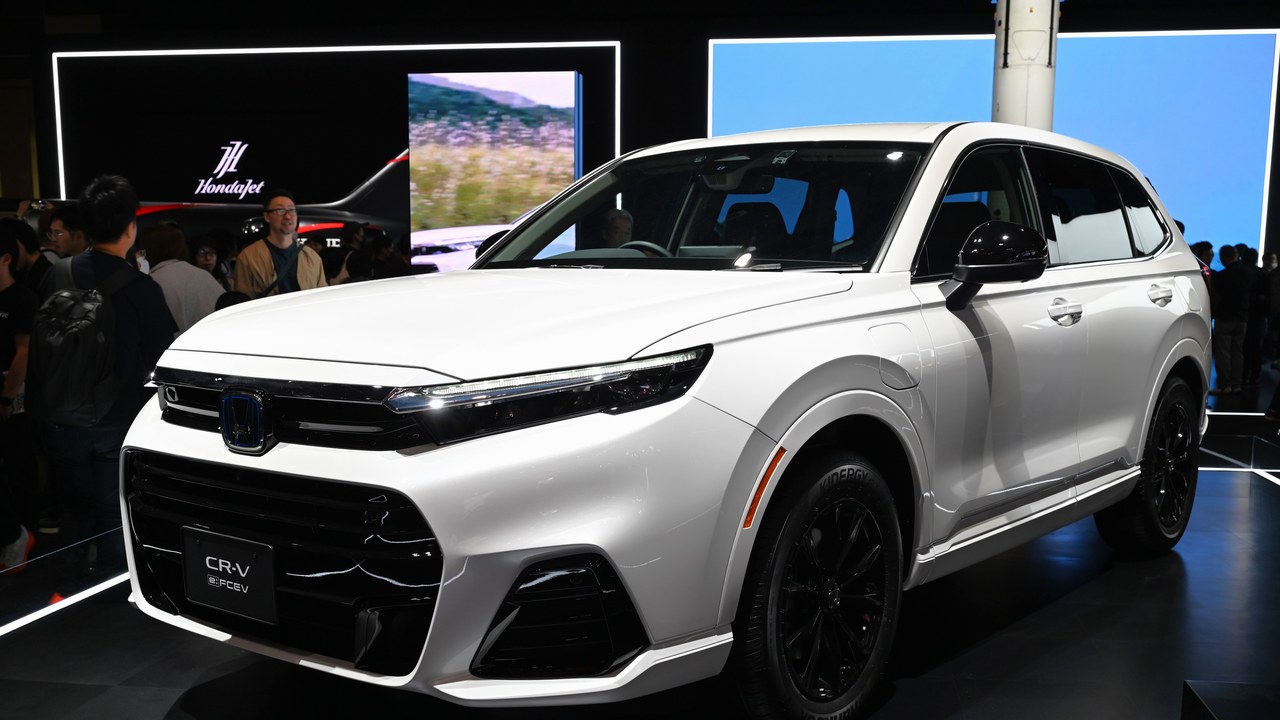
Honda built the CR-V e:FCEV in Marysville, Ohio, calling it America’s first production plug-in hydrogen fuel-cell electric vehicle in Honda’s own reveal announcement, pairing a fuel-cell stack with a plug-in battery pack.
Adding a plug to a fuel-cell car is a hedge: owners without easy access to a hydrogen station can still cover short trips on battery power alone. Building it on an existing US assembly line, rather than importing it, also let Honda skip the shipping and homologation delays that slow most fuel-cell launches.
5. Hyundai ix35 FCEV: Assembly Line Before The Mirai
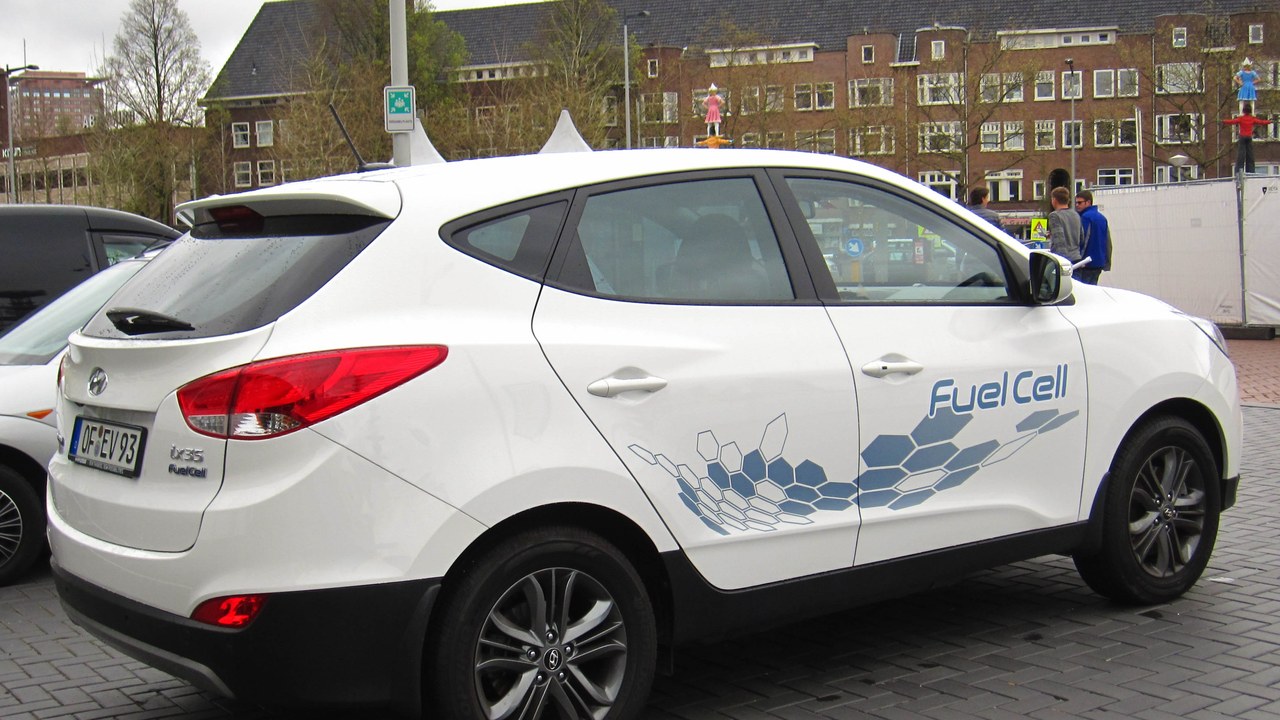
Hyundai put the ix35 FCEV on a real assembly line in 2013, beating the Mirai to series production by roughly two years, a head start the car’s Wikipedia entry credits as a fuel-cell first.
Being first to a factory line mattered less commercially than being first to real infrastructure, and Hyundai spent the next decade building both in parallel. The ix35 FCEV sold in far smaller numbers than the Mirai that followed it, mostly to government and corporate fleets rather than individual buyers, since public hydrogen stations were still rare.
6. Mercedes-Benz GLC F-Cell: A Fuel Cell Plus A Plug
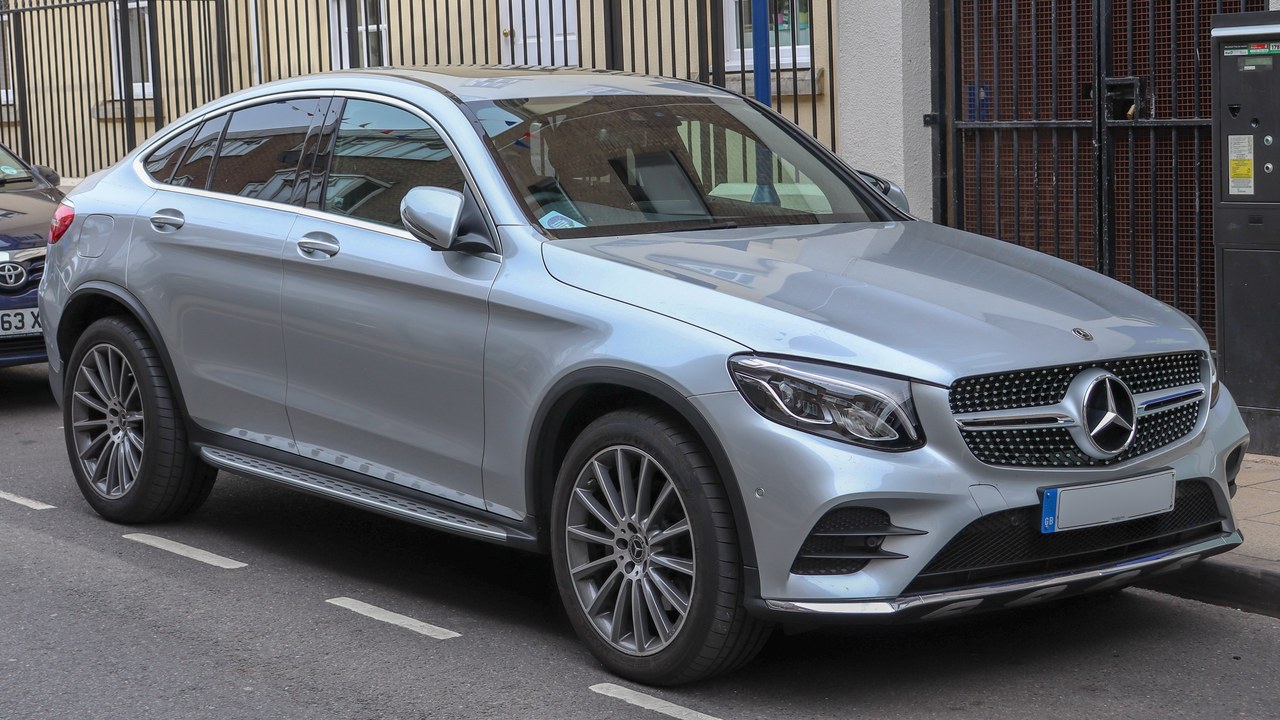
Mercedes-Benz built a limited run of the GLC F-Cell pairing a hydrogen stack with a plug-in battery, a hybrid approach the GLC-Class’s Wikipedia entry notes was never sold outside a small leasing program.
Keeping the run limited let Mercedes test the technology in real driveways without committing to the hydrogen-station buildout a full launch would have demanded. Mercedes discontinued the F-Cell within a few years, shifting its zero-emission development budget toward battery electric models instead of building out a second fuel-cell generation, a shift most German automakers made around the same time.
7. Honda FCX Clarity: Leased In California First
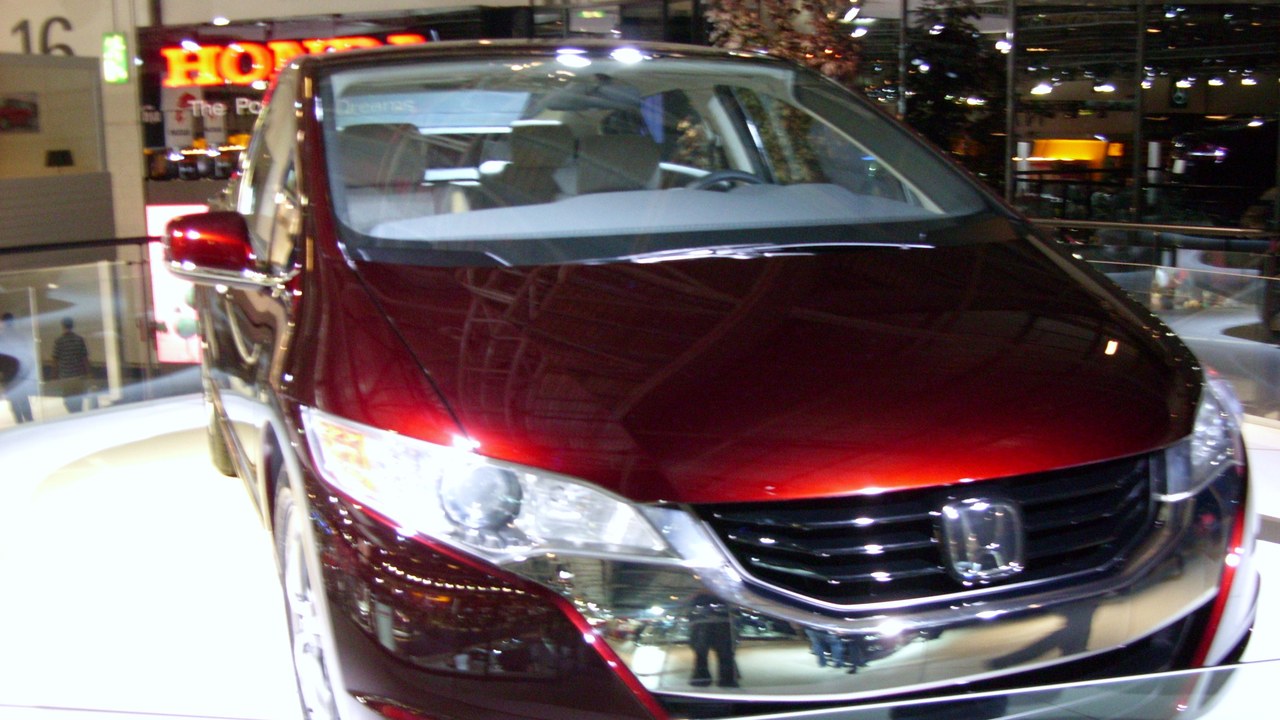
Honda leased the FCX Clarity to California customers starting in 2008, a launch the car’s Wikipedia page calls the first purpose-built fuel-cell car offered to the public rather than kept as a research prototype.
Leasing instead of selling let Honda recover the cars for study once each lease ended, which is standard practice for hydrogen models even today. Only a few hundred FCX Clarity units ever reached customers, all clustered near the handful of hydrogen stations Southern California had built at the time, limiting where a lease even made sense.
8. Toyota Sora: Hydrogen Reaches Public Transit
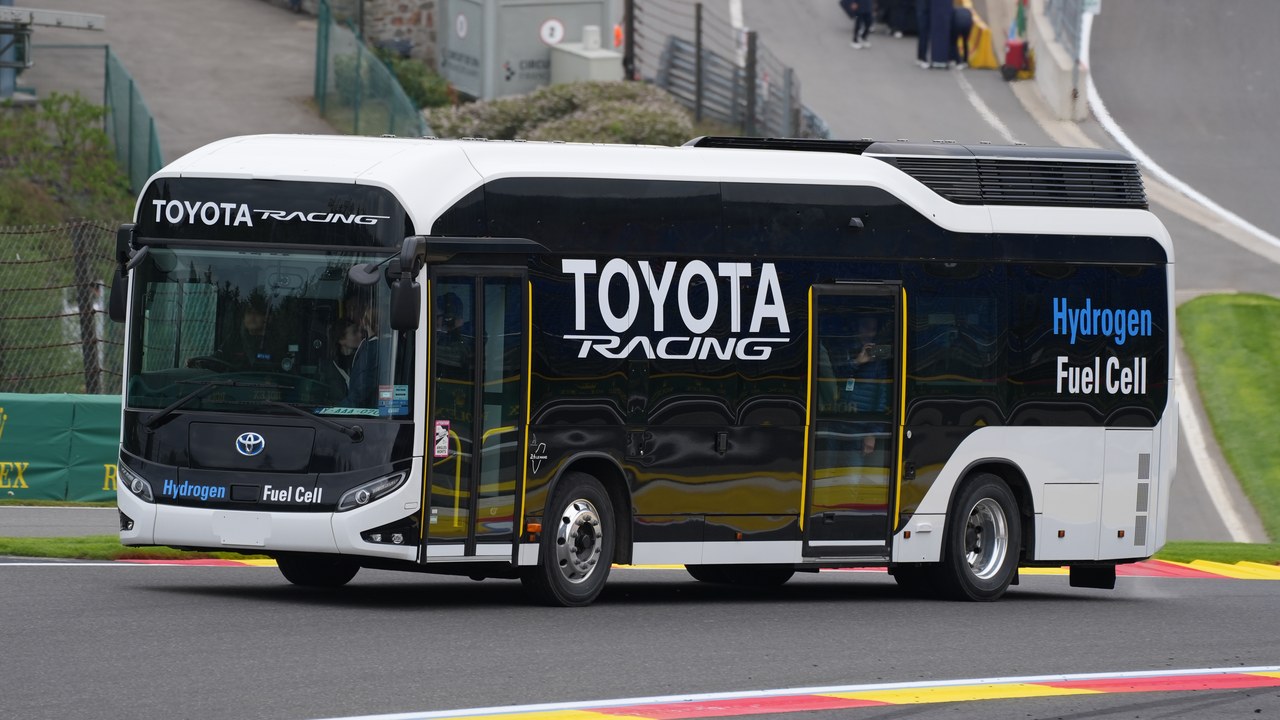
Toyota moved its hydrogen city bus into series production in 2018 for Japanese transit fleets, according to the Sora’s Wikipedia entry, extending fuel-cell technology from passenger cars into daily public transportation.
A bus running fixed routes and returning to the same depot every night is a far easier hydrogen-refueling problem to solve than a passenger car driven anywhere at any time. Tokyo put a fleet of Sora buses into public service in time for the 2020 Olympics, using the games as a global showcase for the technology.
9. Hyundai Xcient Fuel Cell: The First Mass-Produced Hydrogen Truck
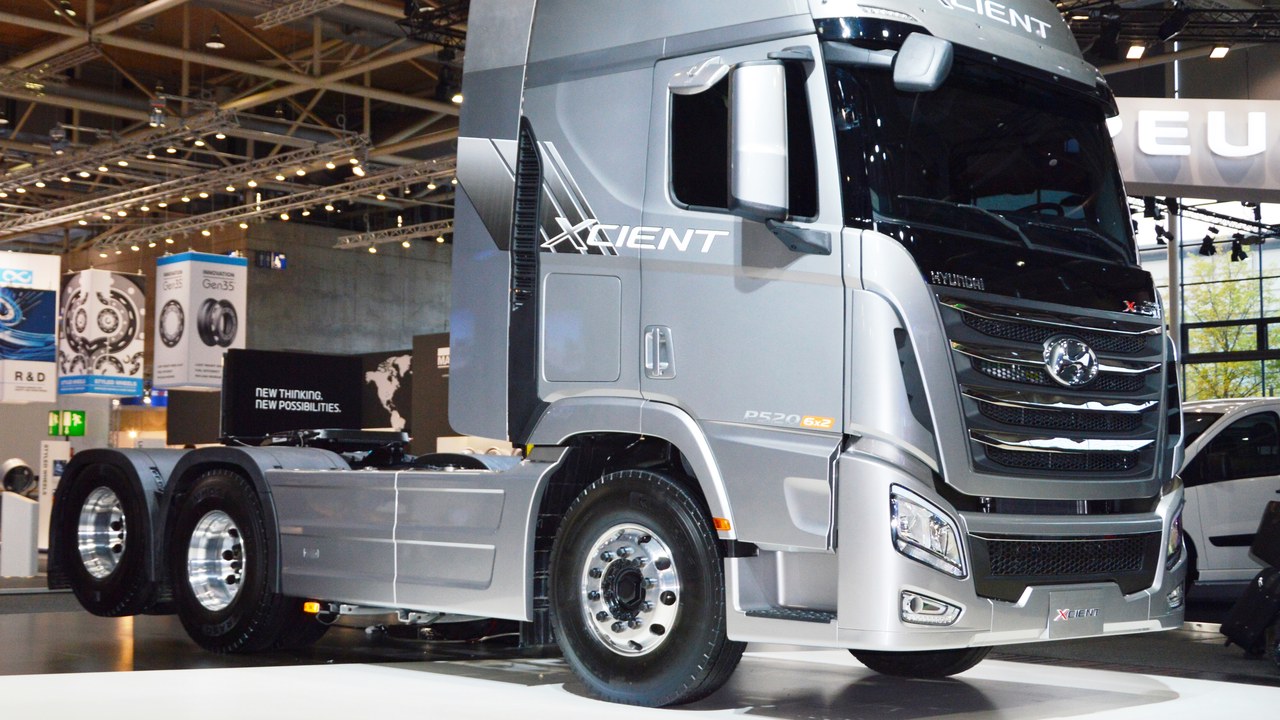
Hyundai billed the Xcient as the first mass-produced hydrogen heavy truck, delivering units to Switzerland starting in 2020, a rollout the truck’s Wikipedia entry ties to Swiss carbon-tax incentives for zero-emission freight.
Switzerland’s dense refueling corridors made it a practical proving ground for heavy trucks in a way most other countries still can’t match. Hyundai leased the trucks to Swiss logistics firms rather than selling them outright, keeping the automaker responsible for fueling infrastructure and maintenance through the early years of a rollout still expanding across Europe.
More from Morning Overview
- Supplements now rank as the fifth-leading cause of death from liver disease.
- The NSA is again telling phone owners to switch off one location setting
- Four U.S. startups fired up their first small nuclear reactors, aiming to power AI data centers on-site
- 11 engines built to run well past 200,000 miles
