
Toyota’s reputation rests heavily on two sedans, yet the company’s lineup has produced plenty of other memorable cars, minivans and sports models. Some earned their place through firsts in Toyota’s own history, while others stand out for ratings and reliability studies. Here are twelve Toyotas that deserve attention beyond the usual pair.
Tech news worth reading: Get Techpresso, the daily email with the most interesting tech news and insights, read by 400,000+ professionals from Google, Apple and OpenAI.
We may earn a commission if you sign up.
1. Toyopet Crown: First Sedans In America
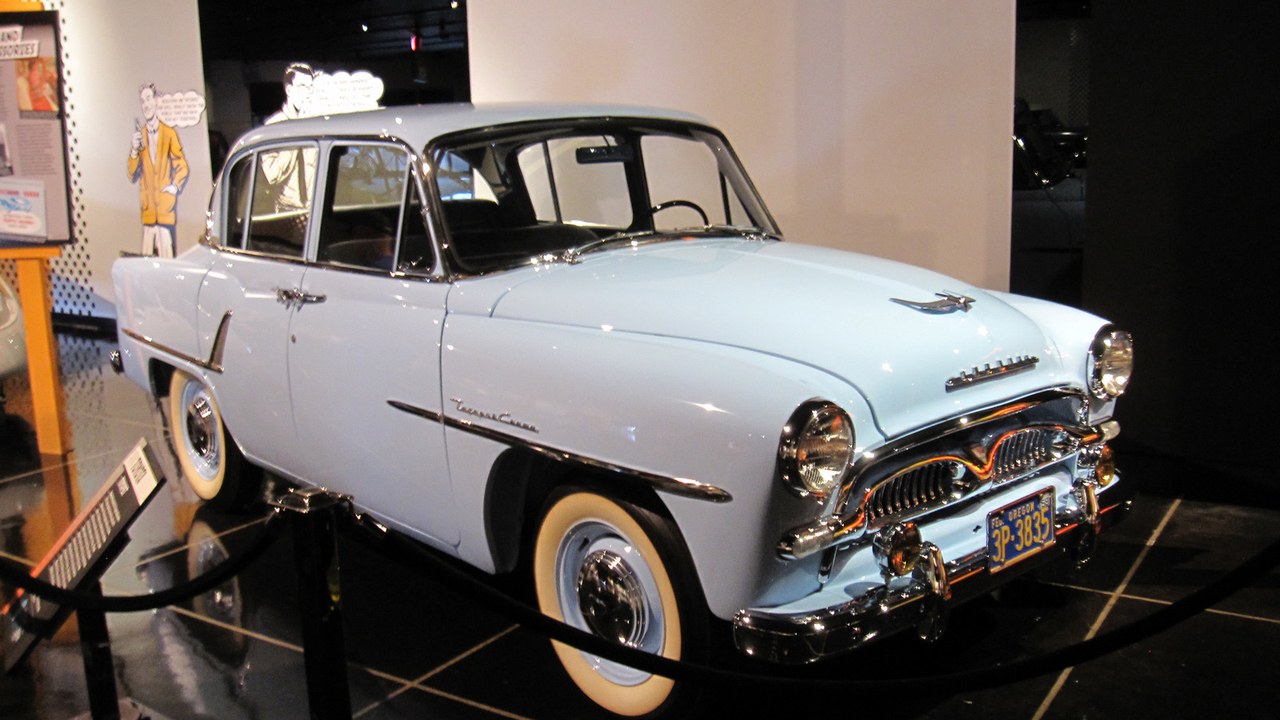
Two Toyopet Crown sedans arrived in the United States in 1957, and the first five dealers offered the model for sale in 1958, according to Toyota USA timeline.
The Crown marked the start of Toyota’s American story, long before the brand became a household name. The timeline shows how small the beginning was: in 1959 the company sold 1,028 vehicles through 97 dealers, a modest base for a business that later grew enormously.
2. Toyota Corona: Predecessor To The Camry
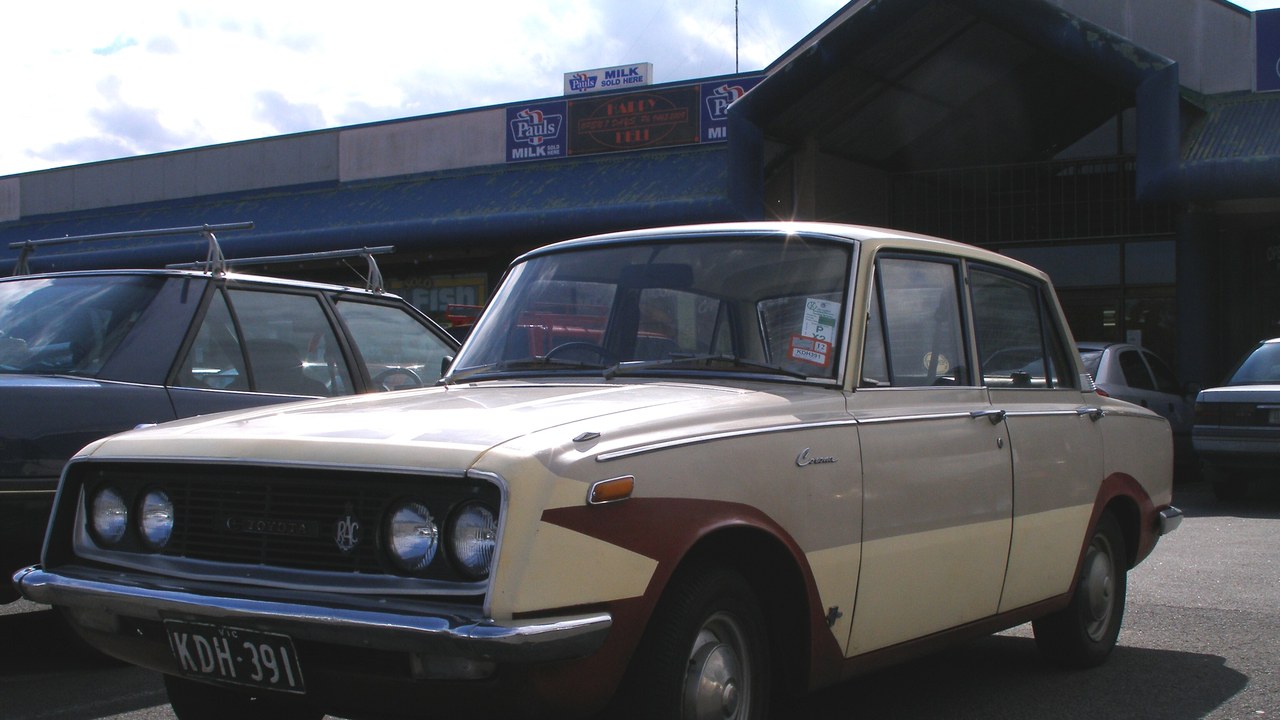
Toyota began selling the Corona sedan in the U.S. in 1965 through a network of 384 dealers, and the Camry replaced it in 1983, per the Toyota USA history.
The Corona is the direct ancestor of the nameplate that now dominates Toyota’s sedan lineup, which makes it a useful reference point for anyone tracing how the brand grew. Its 384-dealer network was a large step up from the five dealers that offered the Crown in 1958.
3. Toyota 2000GT: Japan’s First Supercar

Toyota calls the 2000GT Japan’s first and most collectible supercar in its history of Toyota cars.
The claim comes from Toyota itself, so it reads as the company’s own framing rather than an independent ranking. Even with that caveat, the coupe remains the car most often cited when enthusiasts discuss how Japanese automakers first entered the performance-car conversation, and its collectibility is the main reason it appears here. Toyota’s own wording carries no sales figures or speeds here, so the appeal is historical rather than statistical.
4. Toyota Celica: Seven Generations Deep
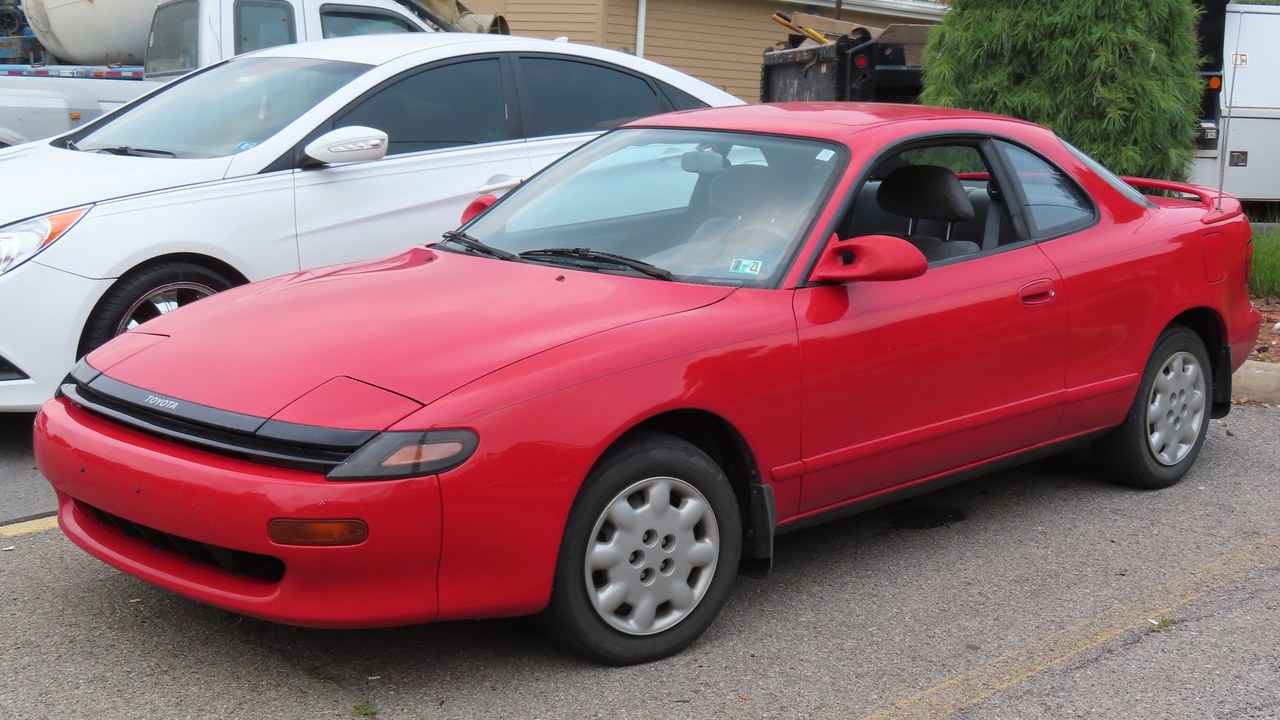
Toyota’s own history traces a seven-generation, 35-year run for the Celica, as laid out on Toyota UK magazine.
That longevity makes the Celica one of the brand’s most durable sporty nameplates. The same source says the Supra began as a Celica GT, so the model also serves as a family tree for a later performance flagship, and Toyota’s U.S. timeline marks the Celica Supra’s introduction in 1981. Few nameplates in the company’s catalog lasted as many generations, which gives used buyers a wide range of model years to consider.
5. Toyota MR2: Mid-Engine Two-Seater
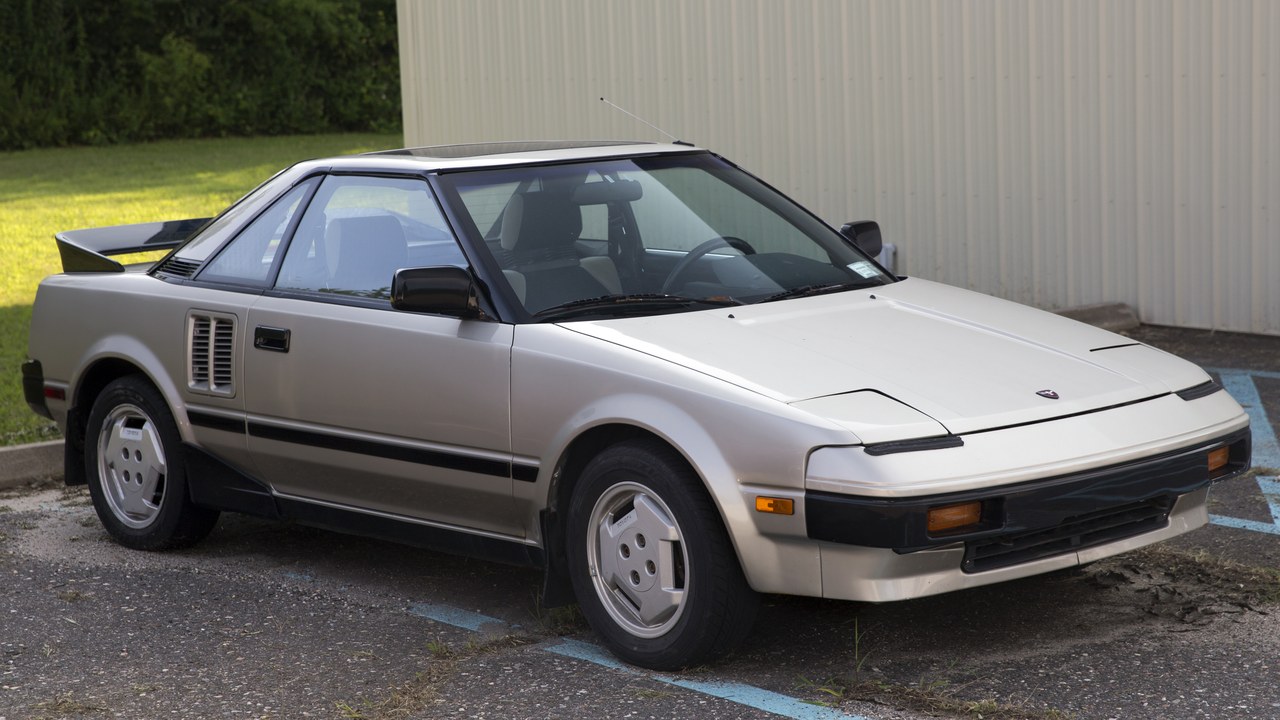
Toyota says its mid-engine two-seater, the MR2, is as popular today as when it launched in 1983, according to the Toyota UK history.
Toyota’s UK page uses that 1983 launch date, while U.S. sales are noted as beginning for the 1985 model year. The distinction is worth remembering for American buyers hunting for an early example, since the car arrived in the States later than in its home market. Toyota’s own phrasing is a statement about enduring appeal, not a sales figure, and the page offers no numbers to back it up.
6. Toyota Previa: Egg-Shaped Pioneer
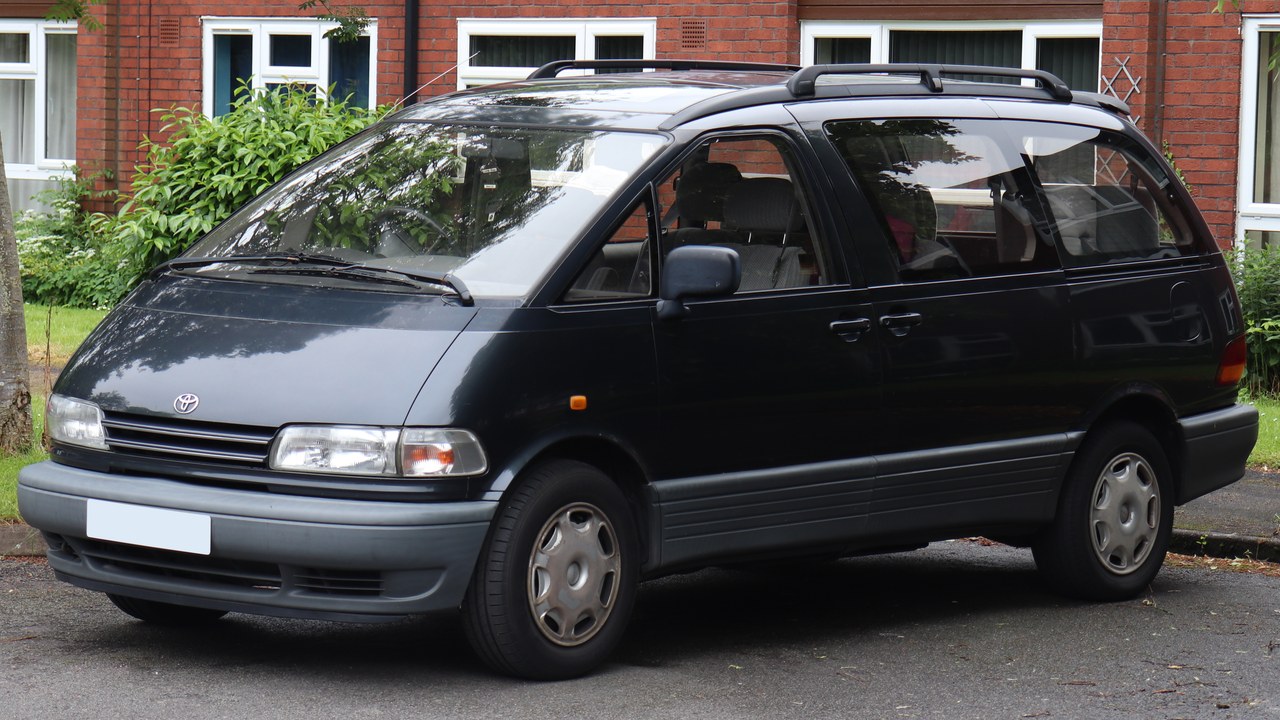
Toyota bills the egg-shaped Previa as the world’s first MPV with a mid-mounted engine, as described in its heritage feature.
The unusual layout set the van apart from front-engine rivals, and the rounded styling made it unmistakable on the road. Because the claim comes from Toyota, it is best treated as the manufacturer’s own description, but it highlights a design that is rarely seen in family vehicles. A mid-mounted engine is an unusual choice for a family van, which is why the claim is the main reason the Previa is remembered.
7. Toyota Avalon: Rare Long-Haul Sedan
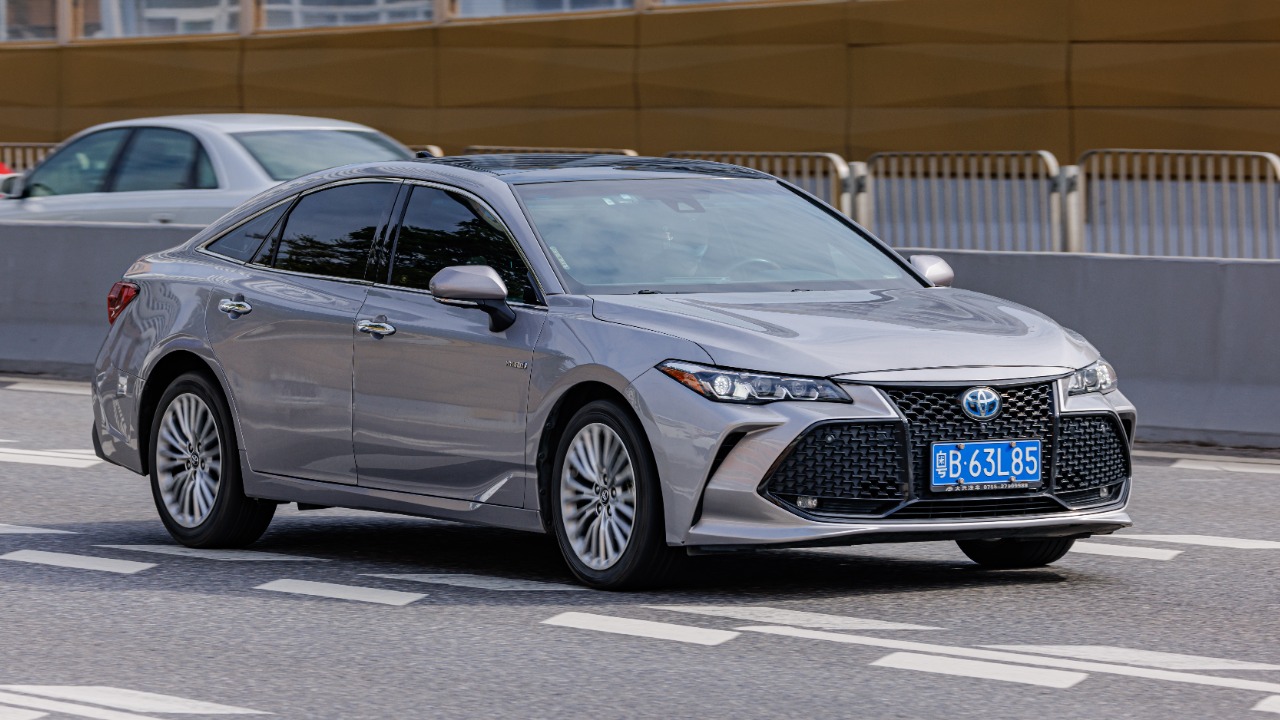
iSeeCars found a 23.2% chance that an Avalon reaches 250,000 miles, among the longest-lasting cars in its longest-lasting cars study.
The odds mean most examples still fall short of that mark, so a high figure is relative rather than guaranteed. For used-car shoppers, the number suggests the full-size sedan has more staying power than most cars, though maintenance history matters more than any model-wide statistic. The study also puts the Avalon in the group of longest-lasting models, so the result is a favorable sign for the nameplate overall.
8. Toyota Sienna: Best Buy Minivan
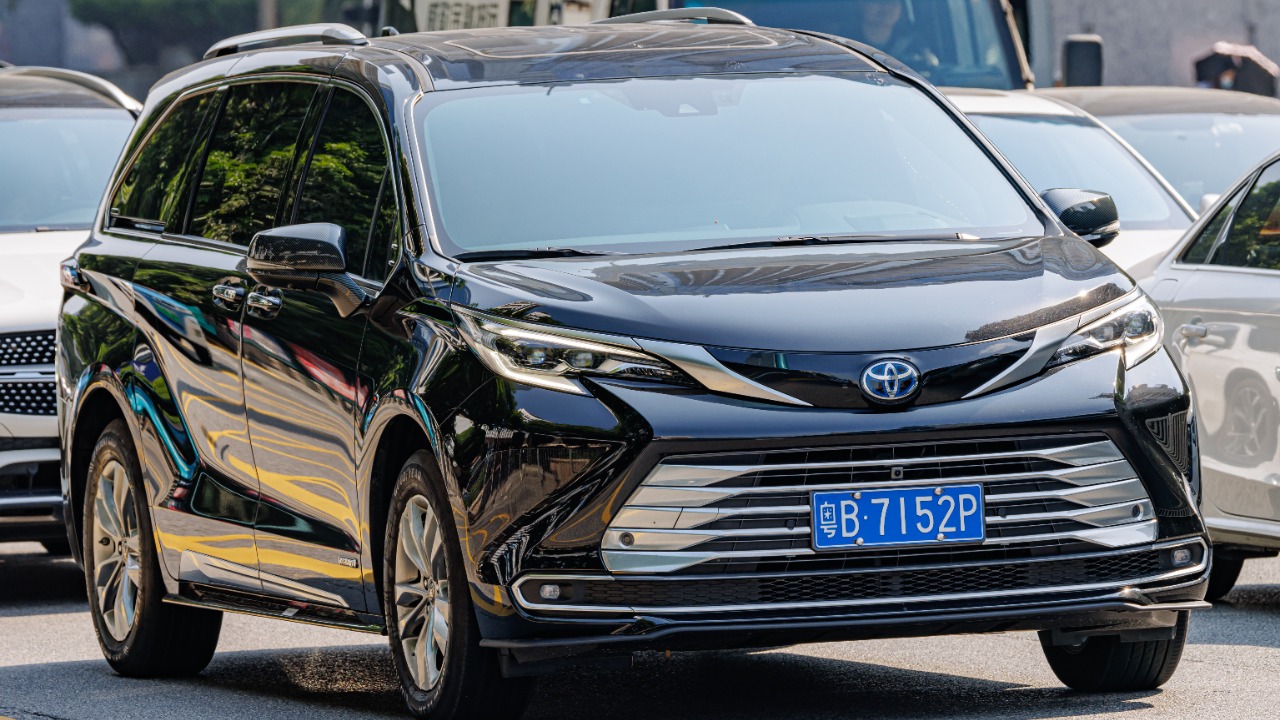
Kelley Blue Book named the Sienna its 2026 Best Buy minivan, citing known reliability, in its Best Buy Awards announcement.
A Best Buy designation weighs value against the competition, so the award speaks to the whole ownership picture rather than to a single strength. Families shopping the category should still compare trims and pricing, but the recognition places the Sienna at the front of the minivan field this year. Reliability is a sensible deciding factor for a vehicle that often carries a household’s daily load of passengers and cargo.
9. Toyota Prius: Hybrid Arrives In America
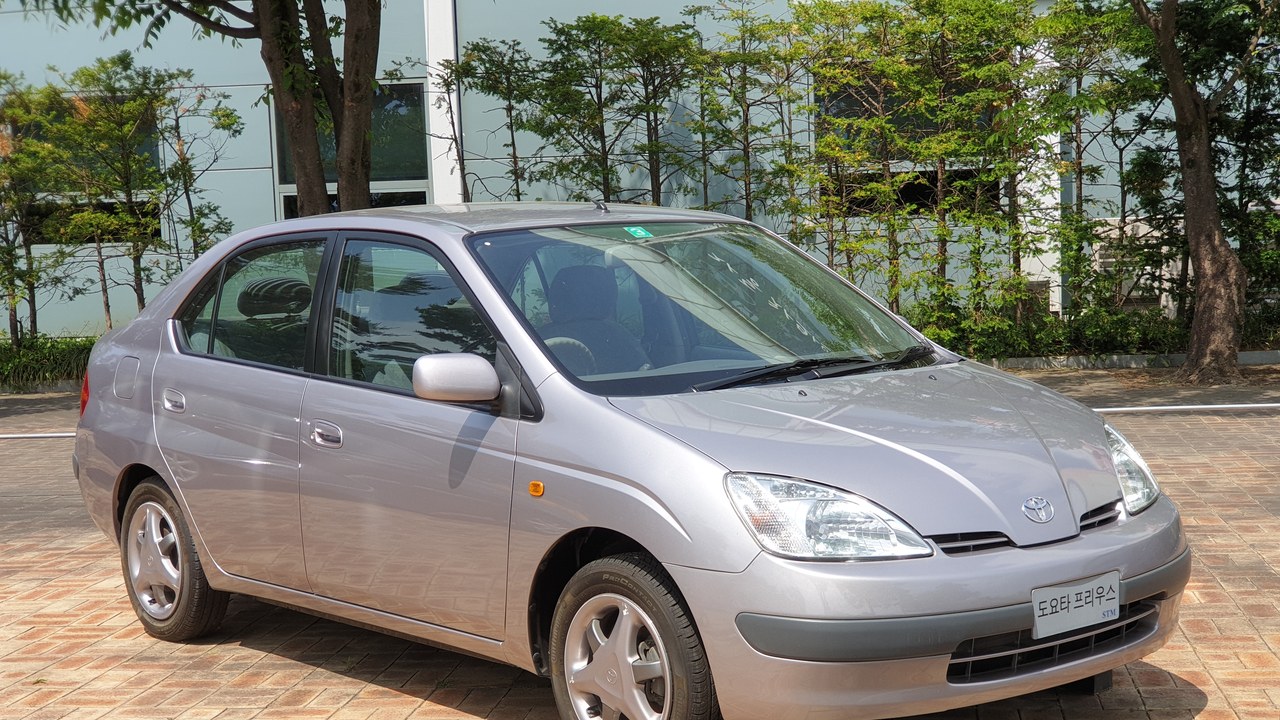
Toyota’s U.S. timeline marks 2000 as the year the Prius hit the road in America, as recorded in the Toyota USA timeline.
Toyota UK’s heritage page goes further and calls it the first mass-produced hybrid. Together the sources frame the Prius as a turning point, and the same timeline notes that hybrid sales reached 3 million in 2016, which shows how far the idea traveled from that first arrival. For many buyers, that arrival remains the moment a gasoline-electric car stopped being a curiosity and became an option at American dealers.
10. Toyota Matrix: A Serious Recall Warning
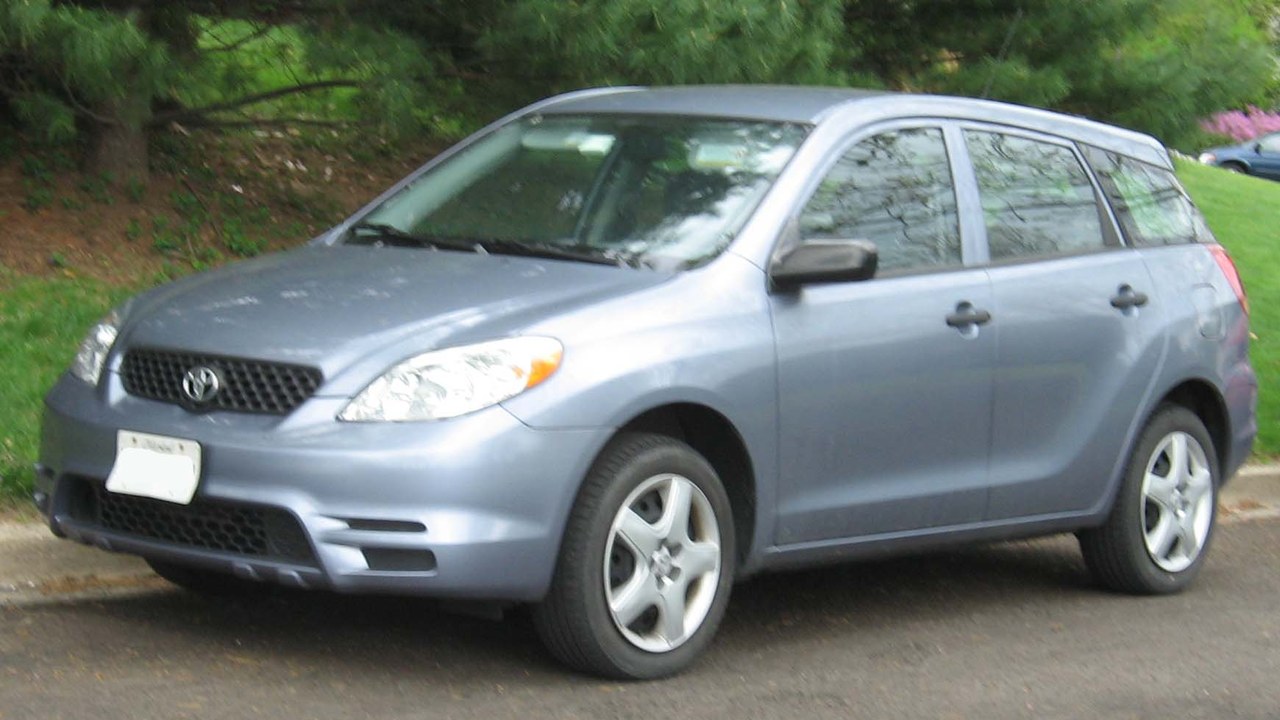
NHTSA lists certain 2003-2004 Matrix models under its Takata air bag Do Not Drive warning.
That entry is a safety caution, not a compliment, and it earns the hatchback a place here as a reminder for owners of older cars. Anyone with an affected Matrix should check the vehicle’s status with NHTSA and a dealer before driving, because the warning applies to specific model years only. The warning is specific to certain model years, so checking a car’s identification number is the only reliable way to know whether it applies.
11. Toyota Yaris: Cheapest To Repair
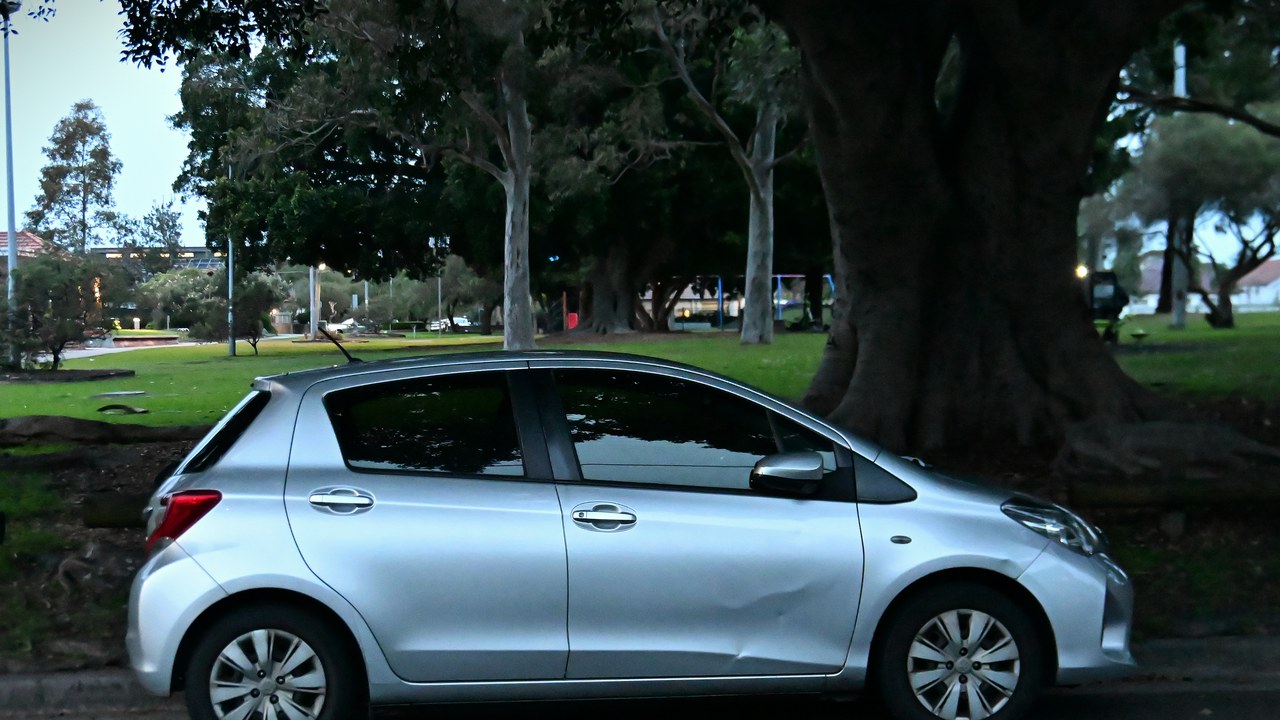
RepairPal puts the Toyota Yaris at an average annual repair cost of $333, ranking it first of 21 subcompact cars in its Yaris versus Fit comparison.
Low repair costs matter most to buyers who plan to keep a small car for years, since upkeep can outweigh purchase price over time. The figure is an estimate for the category rather than a promise for any one car, but the top ranking among subcompacts is a strong sign.
12. Toyota GR86: Built By Subaru
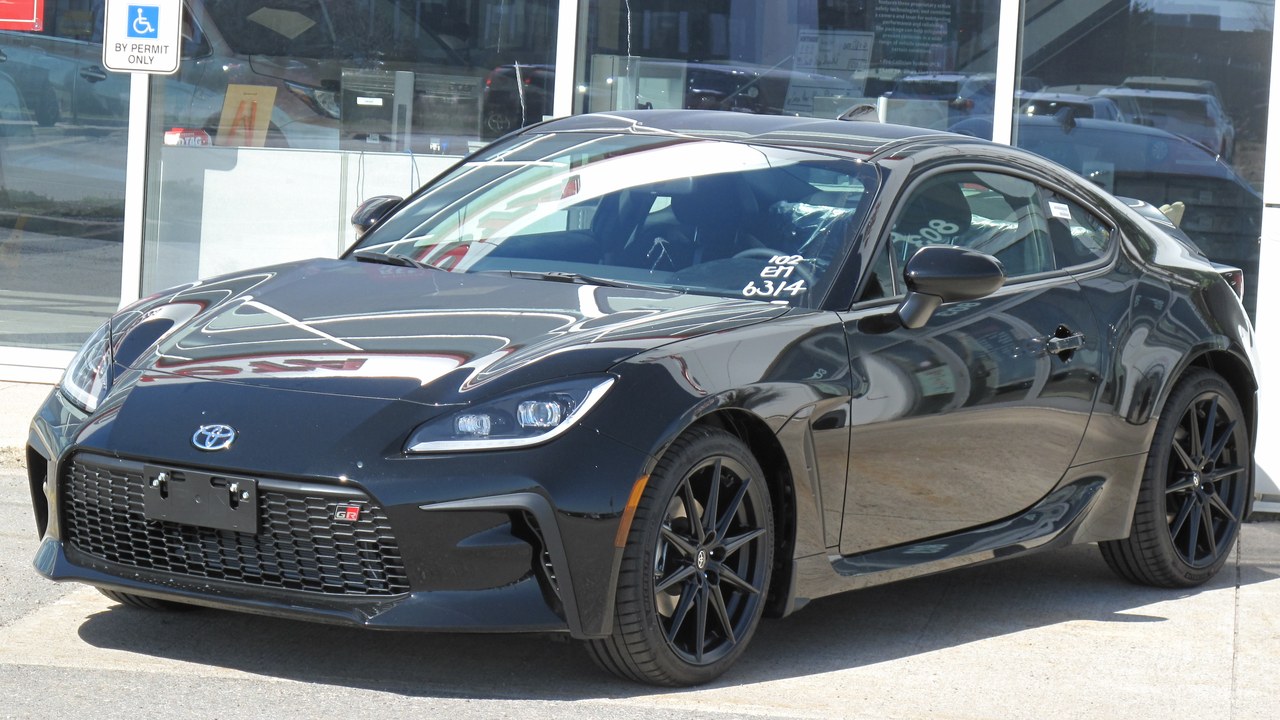
Developed with Subaru and built at Subaru’s Gunma plant, the GR86 grew to a 2.4-liter engine from 2.0 liters, according to the Toyota Global Newsroom.
The partnership explains why a Toyota-badged sports car comes from a rival brand’s factory. For enthusiasts, the larger displacement was the headline change, and it reflects how the rear-drive coupe has evolved since the original 86 launched. The Subaru connection also means the car is mechanically a close relative of a rival brand’s sports coupe, which is unusual for a Toyota.
Tech news worth reading: Get Techpresso →
We may earn a commission if you sign up.
More from Morning Overview
- Seven of Earth’s nine planetary boundaries are breached, and all seven are worsening
- The NSA says three phone features should be off whenever you aren’t using them
- Hurricane Hunter radar shows four warning signs that a tropical cyclone is about to strengthen, a University of Miami study found
- Tropical Storm Rachel is dumping up to 12 inches on four Mexican states on its way to major hurricane strength
