
Since the late 1940s, automakers have fought over the title of fastest production car, and the figure to beat has climbed by about 180 mph. Some claims came from official runs, others from magazine tests or company boasts, so the details matter as much as the numbers. Here are twelve cars that each took a turn at the top, in roughly chronological order.
AI, explained every day: The Deep View is the go-to daily newsletter for 600,000+ founders, knowledge workers and professionals who want to stay up to date with artificial intelligence.
We may earn a commission if you sign up.
1. Jaguar XK120: Postwar Speed Benchmark
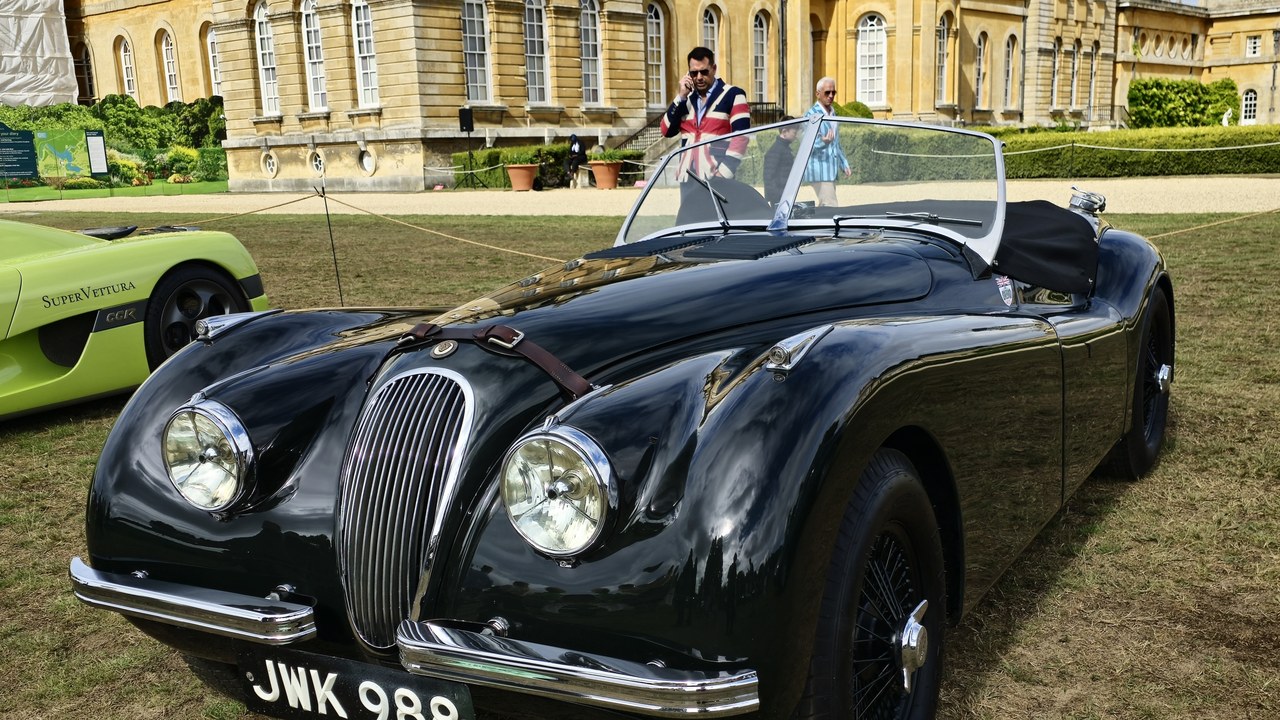
The Jaguar XK120 took the world’s-fastest production car crown in 1949 with a top speed of 124.6 mph, according to Jalopnik history of fastest cars.
Other coverage of the era rounds the figure down to 120 mph, so the exact number depends on the source. Either way, the roadster set the baseline for every challenger that followed, and collectors still prize it as the car that started the race. The gap between the two figures is a reminder that early speed claims were rarely measured to modern standards.
2. Mercedes-Benz 300 SL Gullwing: First Past 150 Mph
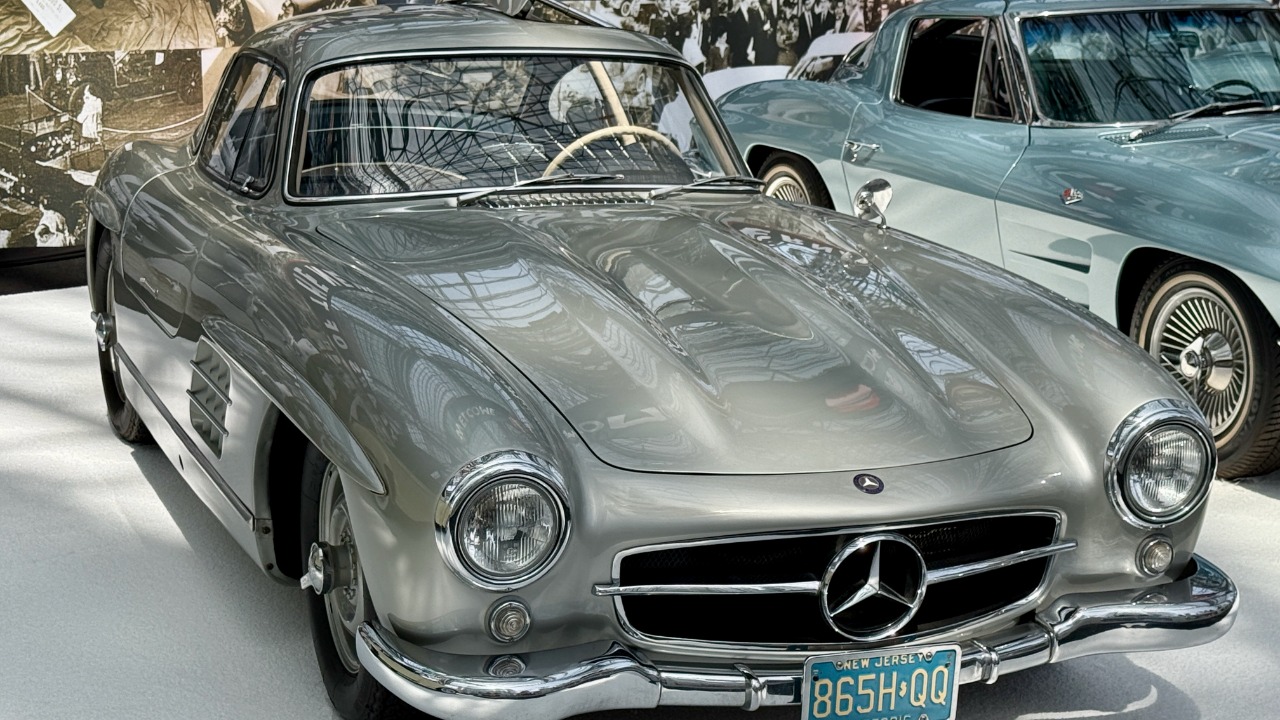
The 1954 Mercedes-Benz 300 SL Gullwing was the first production car to top 150 mph, as noted in Sports Car Digest coverage of the Petersen Automotive Museum’s record exhibit.
Its upward-opening doors made it instantly recognizable, but the speed was the real headline. The 150 mph mark gave the coupe a lasting reputation as a benchmark road car, and the exhibit treats it as an early step in the timeline that began with the 1949 Jaguar.
3. Lamborghini Miura: Billed As The Fastest
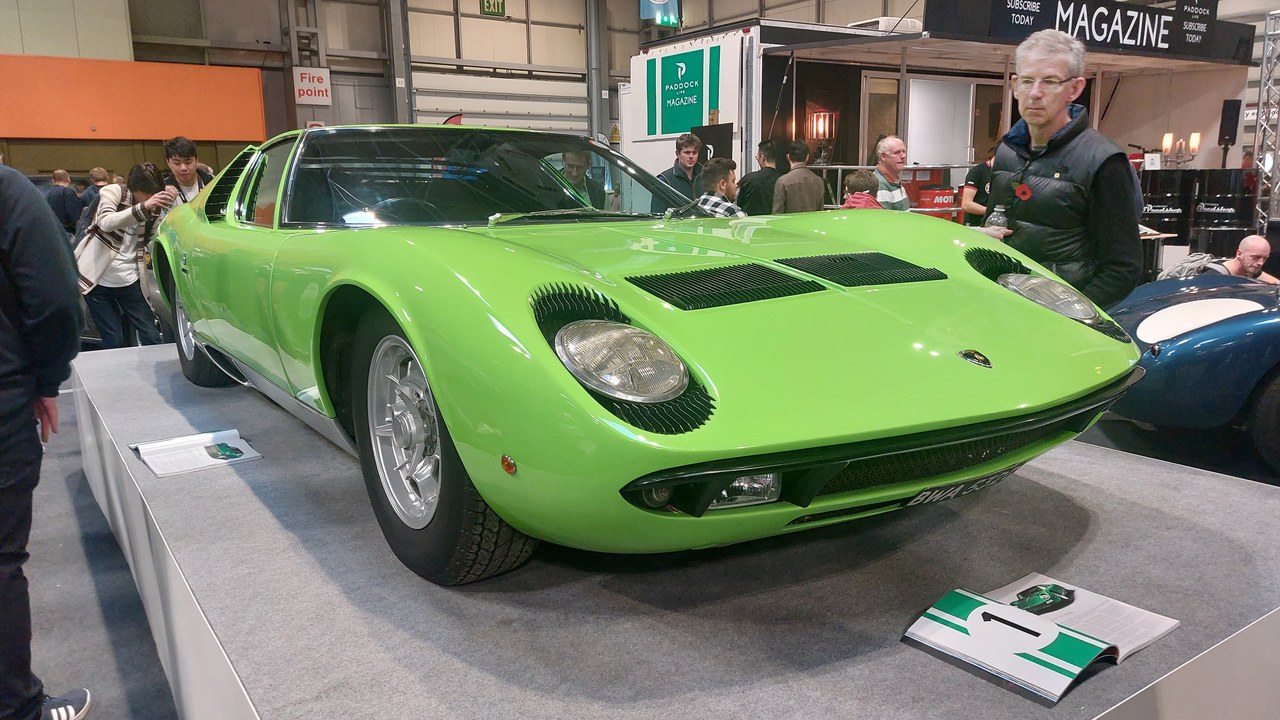
Lamborghini describes the Miura, which debuted at the Geneva Motor Show in March 1966, as the fastest car in the world. Its transverse 4-litre V12 produced 350 CV in P400 form.
The company’s page gives no verified top speed, so the title is best read as a marketing claim rather than a certified record. Even so, the mid-engine layout became a template for later supercars, and a Miura P400 appears among the cars in the Petersen exhibit.
4. Ferrari 365 GTB/4 Daytona: A Magazine Test Result
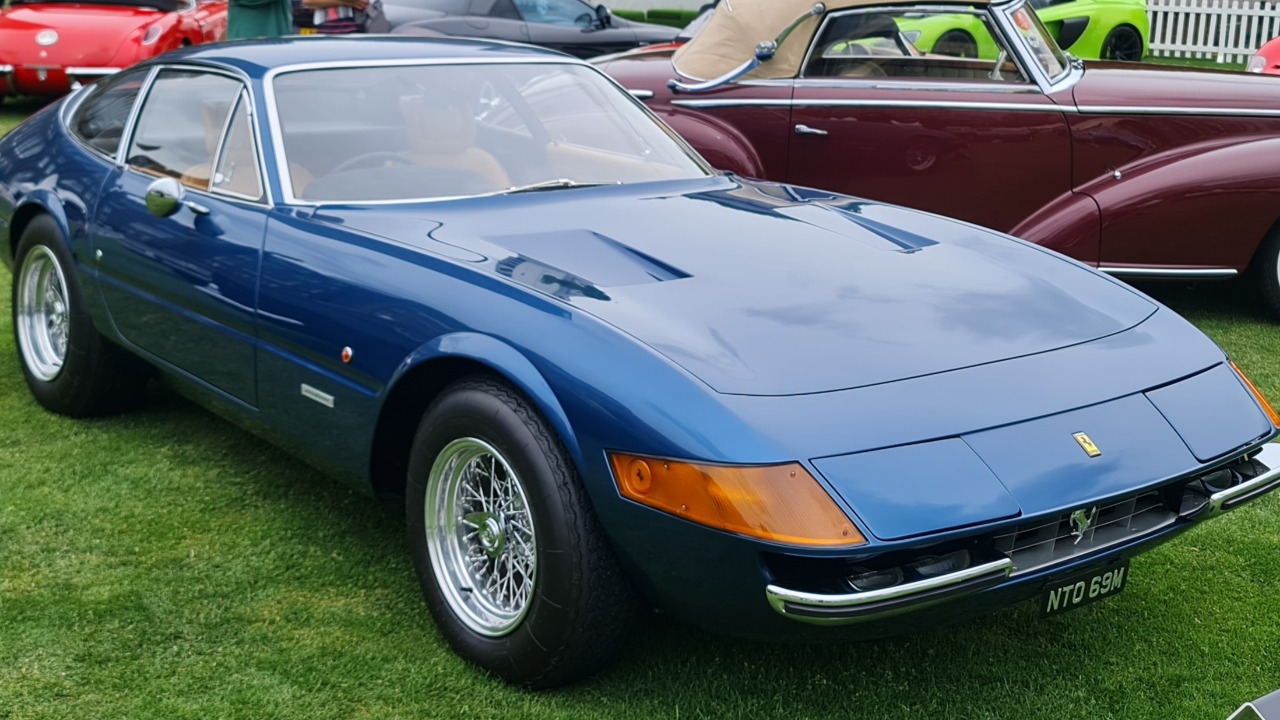
Auto Motor und Sport clocked the Ferrari 365 GTB/4 Daytona at 280 km/h, about 174 mph, at the top end in its 1973 road test.
That figure comes from a single magazine test rather than a sanctioned record run, so it is a snapshot of what the front-engine coupe could do on a test day. The Daytona also appears in the Petersen exhibit’s lineup, which confirms its place in the story of the title.
5. Porsche 959: Crown For A Year
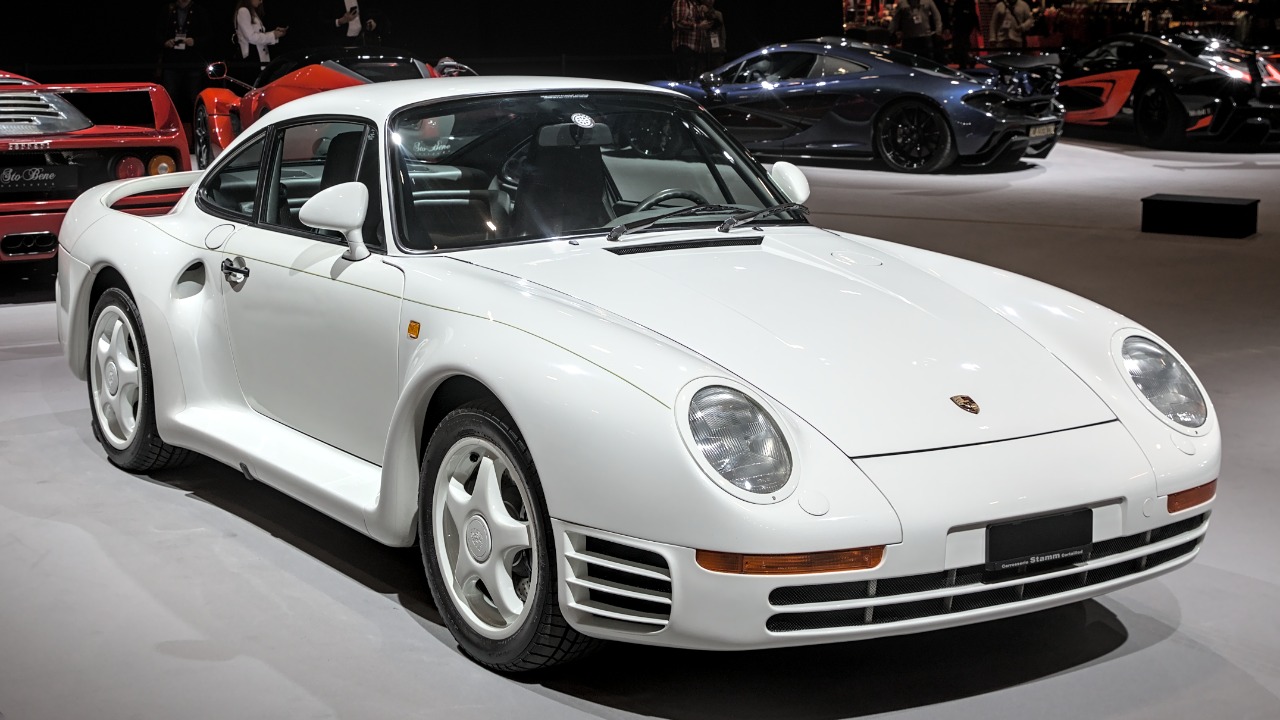
Porsche took the fastest-production-car crown in 1986 at 195 mph with the 959, according to Jalopnik timeline of records.
The 959 pushed the mark up by roughly 34 mph from the Iso Grifo A3/L 327’s 161 mph listed in the same history, which shows how quickly the late-1980s race accelerated. Its title lasted only about a year. Its brief reign shows how short a lead could be once Ferrari and others answered.
6. Ferrari F40: Claimed Two-Hundred Mark
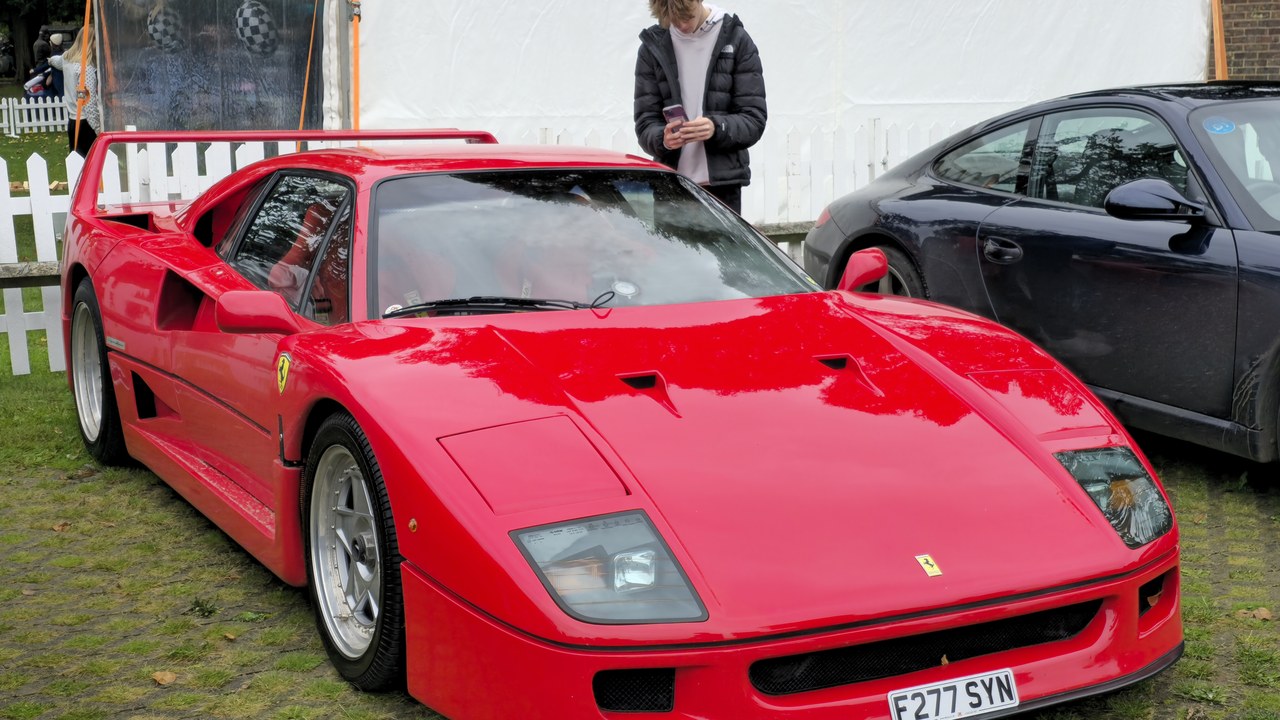
The 1987 Ferrari F40 claimed a top speed of 201 mph, per the Jalopnik history.
The word claimed is important, because the figure was a manufacturer number rather than an independently verified run. Sports Car Digest credits the RUF CTR with being the first production car to break 200 mph, so the F40’s crossing of that line is contested. Both cars remain central to the 200-mph story. Buyers and historians alike treat that distinction as part of the car’s legend rather than a flaw.
7. McLaren F1: King Of The Nineties
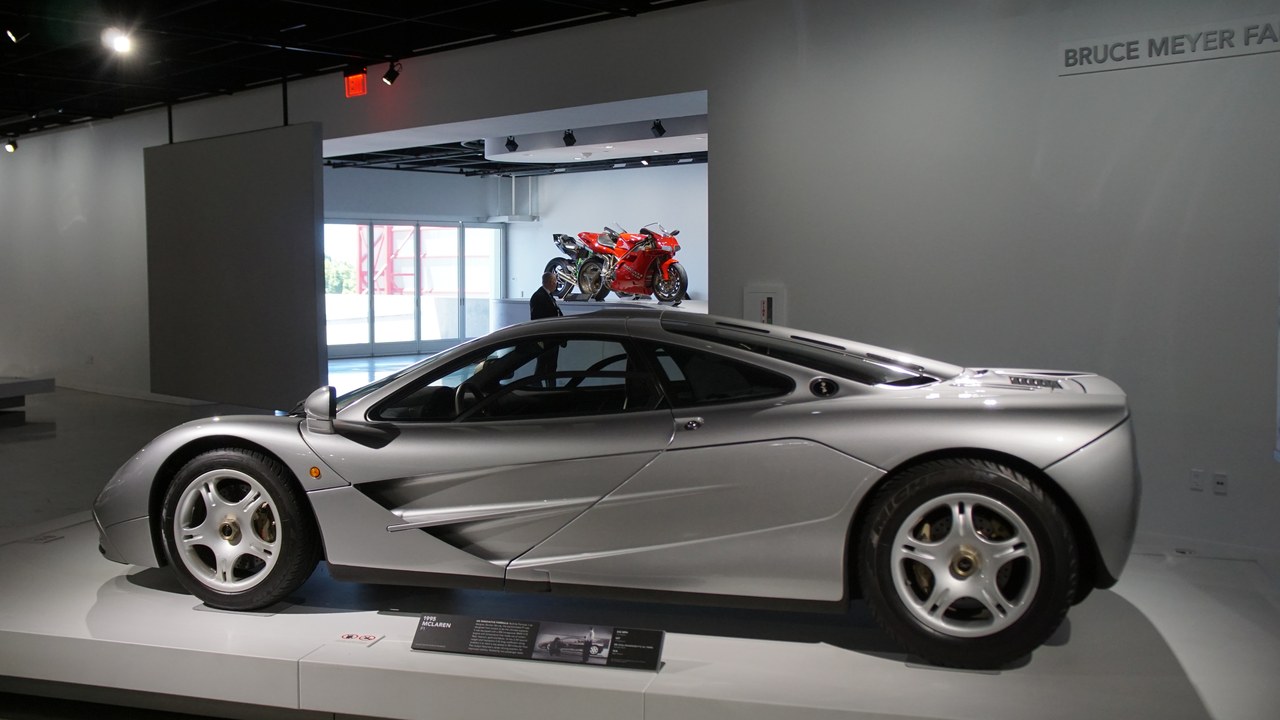
The McLaren F1 made its mark with an officially accepted 231 mph run, or 240 mph with the rev limiter disabled, which made it king of the 1990s according to Jalopnik account of records.
That gap between the official and unrestricted figures is worth keeping in mind when comparing it with rivals. The F1 added about 30 mph to the Ferrari’s claim of 201 mph, and its mark stood until the Veyron arrived in 2005.
8. Bugatti Veyron 16.4: Unofficial Record Holder
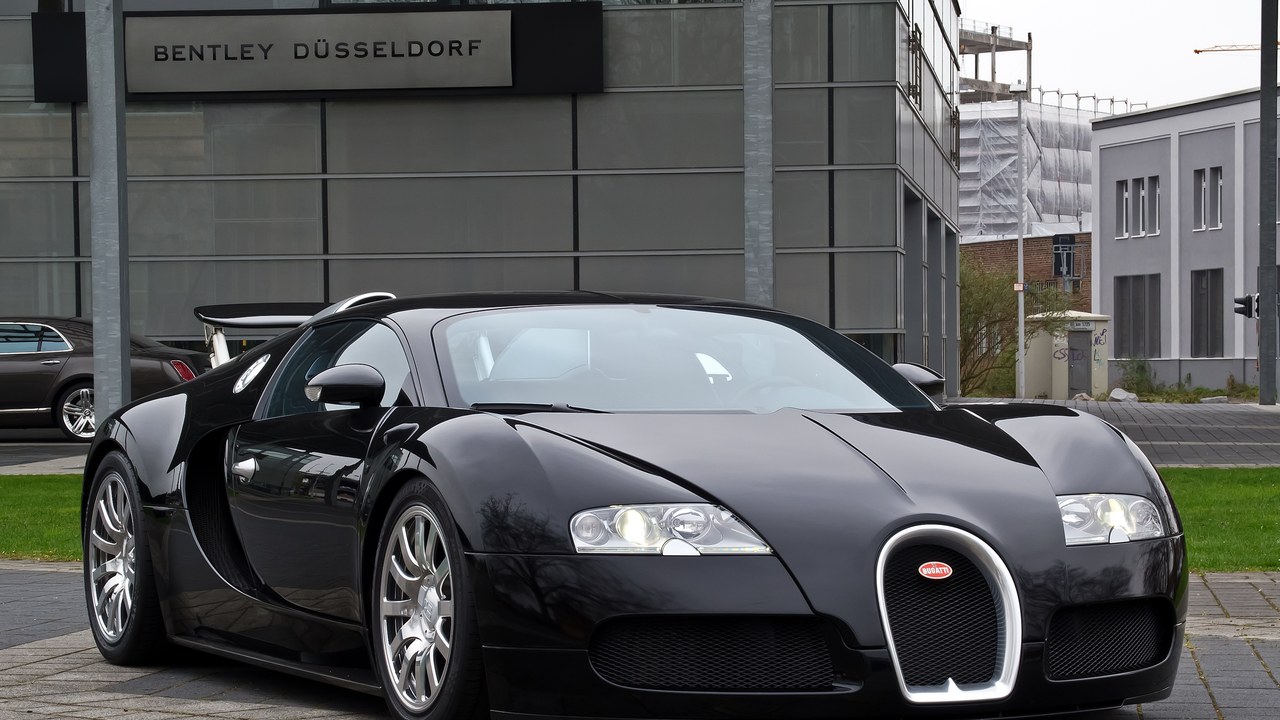
The $1.6 million Bugatti Veyron 16.4 held the unofficial production-car record of 253 mph, as reported by NBC News.
Jalopnik’s history gives the 2005 figure as 253.81 mph, and the Veyron Super Sport is credited with 267 mph in the Petersen coverage. The word unofficial matters, because the claim predates the Guinness-verified run that the SSC Ultimate Aero made in 2007. The Veyron’s $1.6 million price also shows how far the cost of leading the table had climbed by then, compared with earlier challengers.
9. SSC Ultimate Aero: Guinness-Verified Challenger
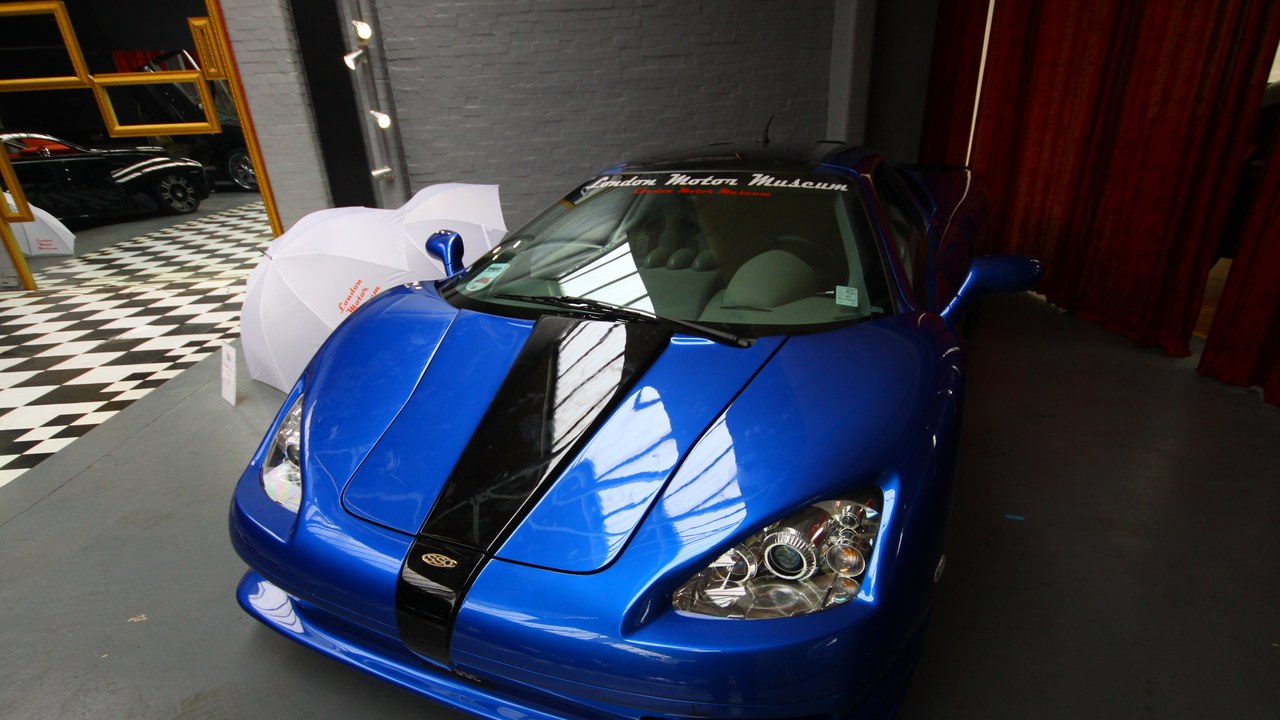
The SSC Ultimate Aero was Guinness-verified at an average of 256.18 mph on a closed Washington State highway on Sept. 13, 2007, as detailed by NBC News reporting. Its price was about $600,000.
The average came from two directional runs of 257.41 and 254.88 mph, measured with Dewetron GPS equipment. The car cost far less than the $1.6 million Veyron it overtook, which made the result a notable win for a small American builder against a major automaker’s flagship.
10. Koenigsegg Agera RS: Two-Way Record Run
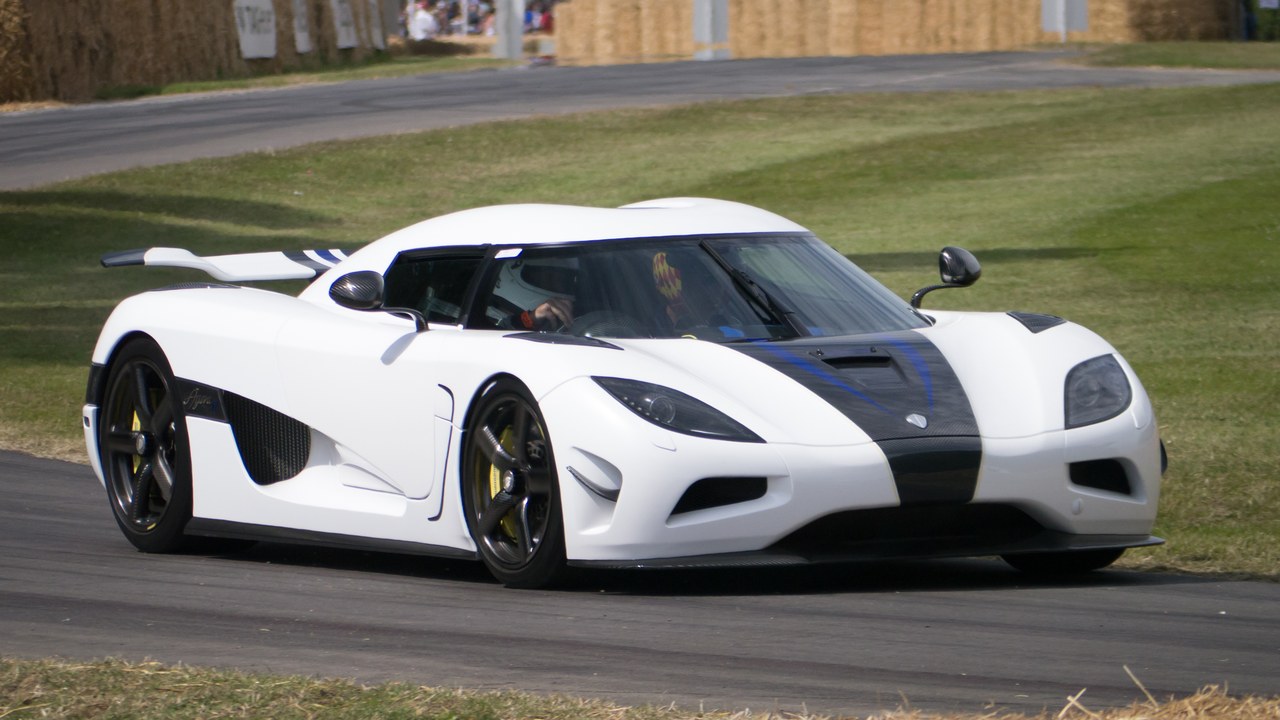
The Koenigsegg Agera RS recorded a two-way average of 277.9 mph, or 444.6 km/h, on a closed Nevada highway between Las Vegas and Pahrump in November 2017, as Top Gear reported.
Two-way averaging cancels wind and slope effects, so this figure is a stricter measure than a single pass. The Hennessey Venom GT’s 270.49 mph in 2014 was a one-way run at Kennedy Space Center, which is why the Agera RS result is treated as the tougher benchmark.
11. SSC Tuatara: Disputed Current Record
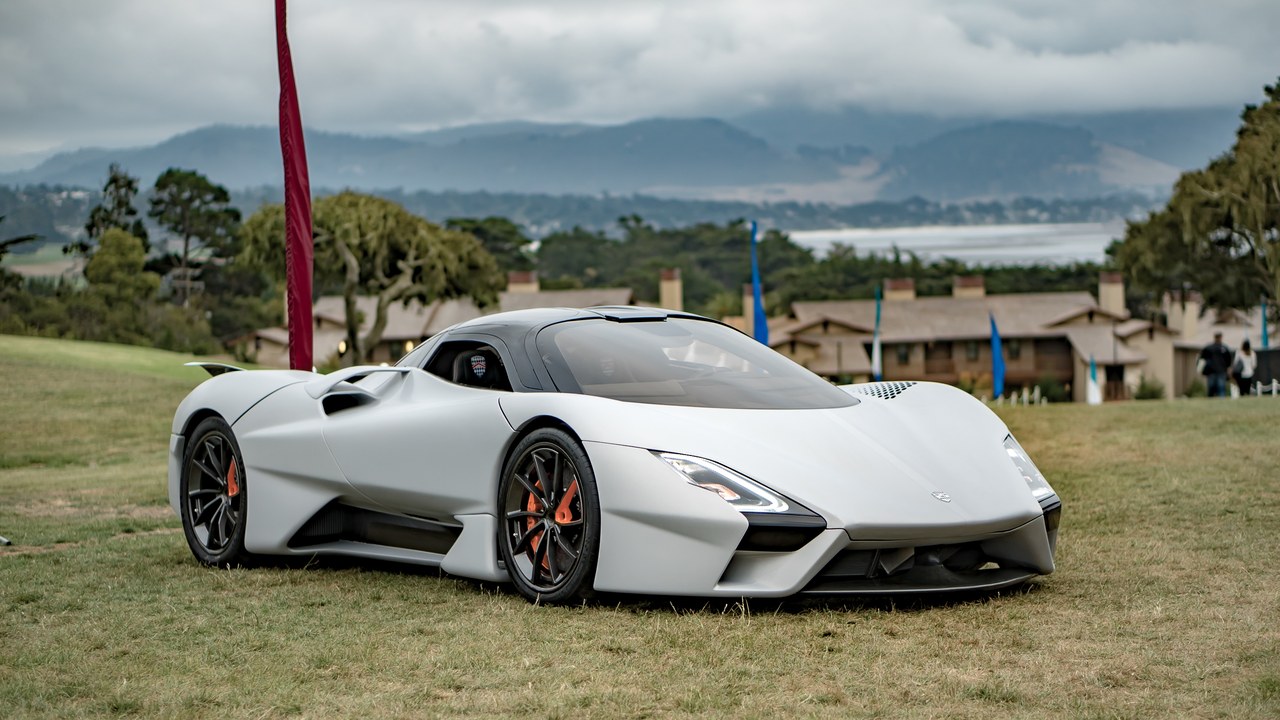
The SSC Tuatara is called the current record holder in Petersen exhibit coverage, with a top speed of 282 miles per hour.
That status sits uneasily beside the Bugatti Chiron’s 304.773 mph run elsewhere on this list, which was a one-way pass by a pre-production car and is not a conventional production-car record. The Tuatara’s standing reflects the coverage’s own wording, and record rules and definitions differ. Neither the 282 mph nor the 304.773 mph figure is directly comparable, since one is described as a record and the other as a single pass.
12. Bugatti Chiron Super Sport 300+: Beyond Three Hundred
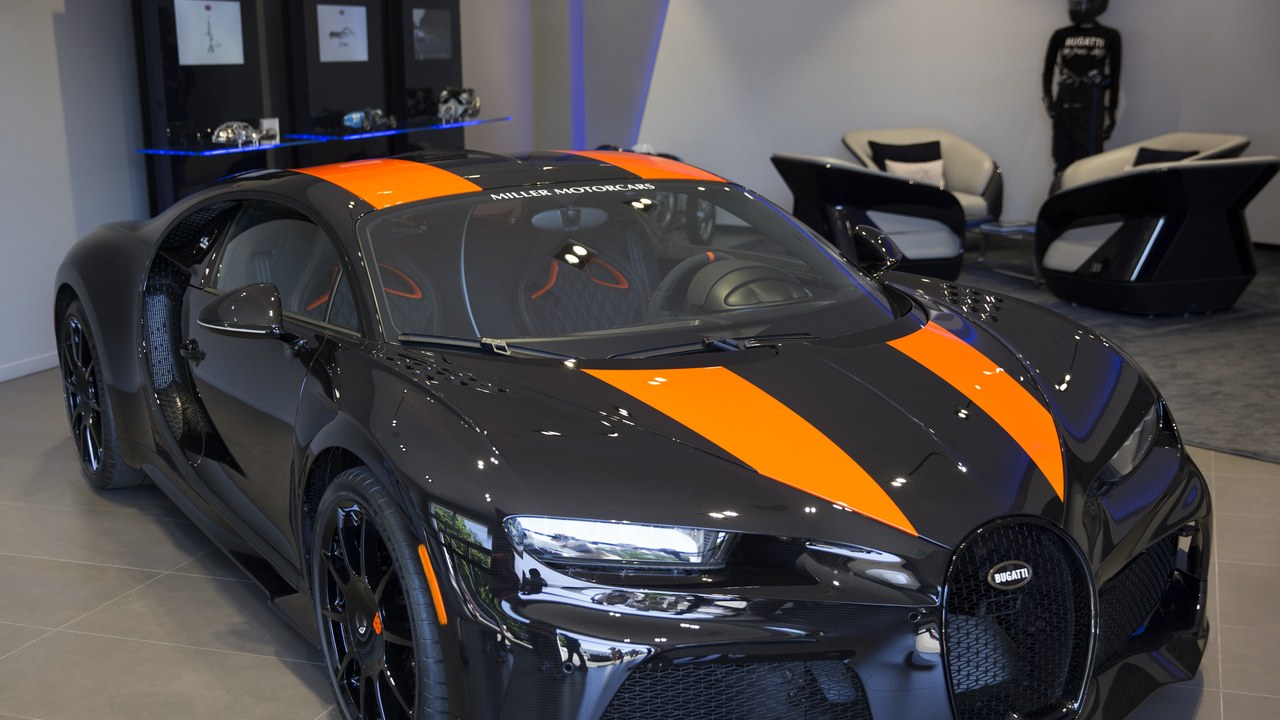
A pre-production Chiron derivative hit a TÜV-certified 304.773 mph, or 490.484 km/h, at Ehra-Lessien on Aug. 2, 2019, driven by Andy Wallace, according to the Bugatti newsroom release.
It gave Bugatti its 300-mph headline, but it was a single direction on a test track using a pre-production car, so it is not a conventional two-way production record. That caveat explains why other cars on this list can still claim an official title.
AI, explained every day: Get The Deep View →
We may earn a commission if you sign up.
More from Morning Overview
- Lake Powell sank to a record 3,517 feet, nearing the level that stops Glen Canyon Dam’s turbines
- Seven of Earth’s nine planetary boundaries are breached, and all seven are worsening
- The NSA says three phone features should be off whenever you aren’t using them
- Hurricane Hunter radar shows four warning signs that a tropical cyclone is about to strengthen, a University of Miami study found
