
Odometers on work trucks tell a different story than the ones on commuter cars. A three-quarter-ton diesel that spends its life towing trailers and hauling equipment is often just getting started when a sedan would be scrapped. Here are nine trucks and haulers with the engines, frames and axles that owners and fleets trust to keep going.
1. Ford F-250 Super Duty: The Fleet Benchmark
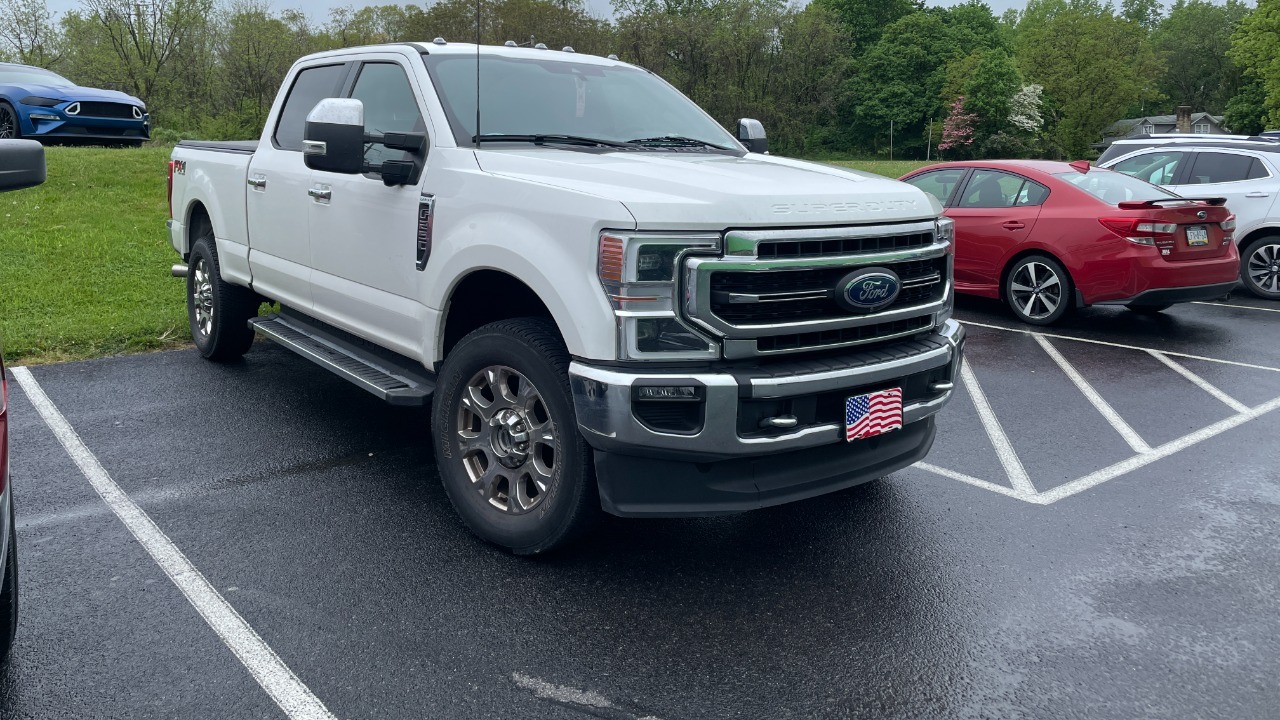
Ford separated its heavy-duty trucks from the F-150 in 1998, giving them a thicker frame, bigger axles and a cab structure meant for constant load. The Super Duty lineup has offered Power Stroke diesel engines in every generation since, and the F-250 anchors the three-quarter-ton end of that range. Contractors, municipalities and utility fleets buy them by the dozen.
That fleet demand is why very high odometer readings are common rather than remarkable: parts supply is deep and independent shops know the platform cold. Longevity still depends on maintenance, and several diesel model years carry well-documented emissions-system headaches worth researching before buying used.
2. Ram 2500: Cummins Country
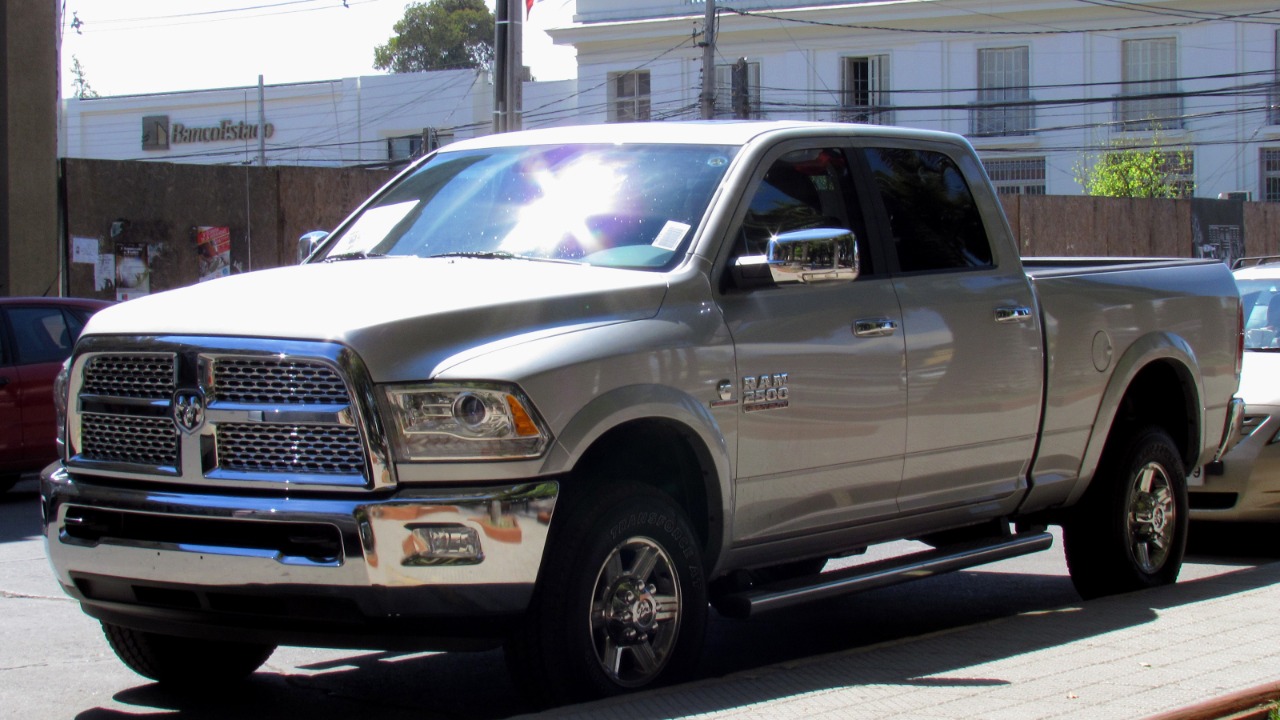
Chrysler’s decision to drop a Cummins inline-six diesel into its full-size pickup in 1989 changed how buyers thought about the brand. The Ram pickup line has kept that engine family ever since, and the 2500 is where most Cummins buyers land. It is a commercial-grade design shared with industrial and medium-duty applications, not a passenger-car block stretched into truck duty.
That heritage explains the marathon-mileage reputation, though the engine outlasting the truck around it is a real pattern. Transmissions, front suspension components and rust are the usual limiting factors, so an odometer reading alone says little about what a used example has left.
3. Chevrolet Silverado 2500 HD: Duramax And Allison
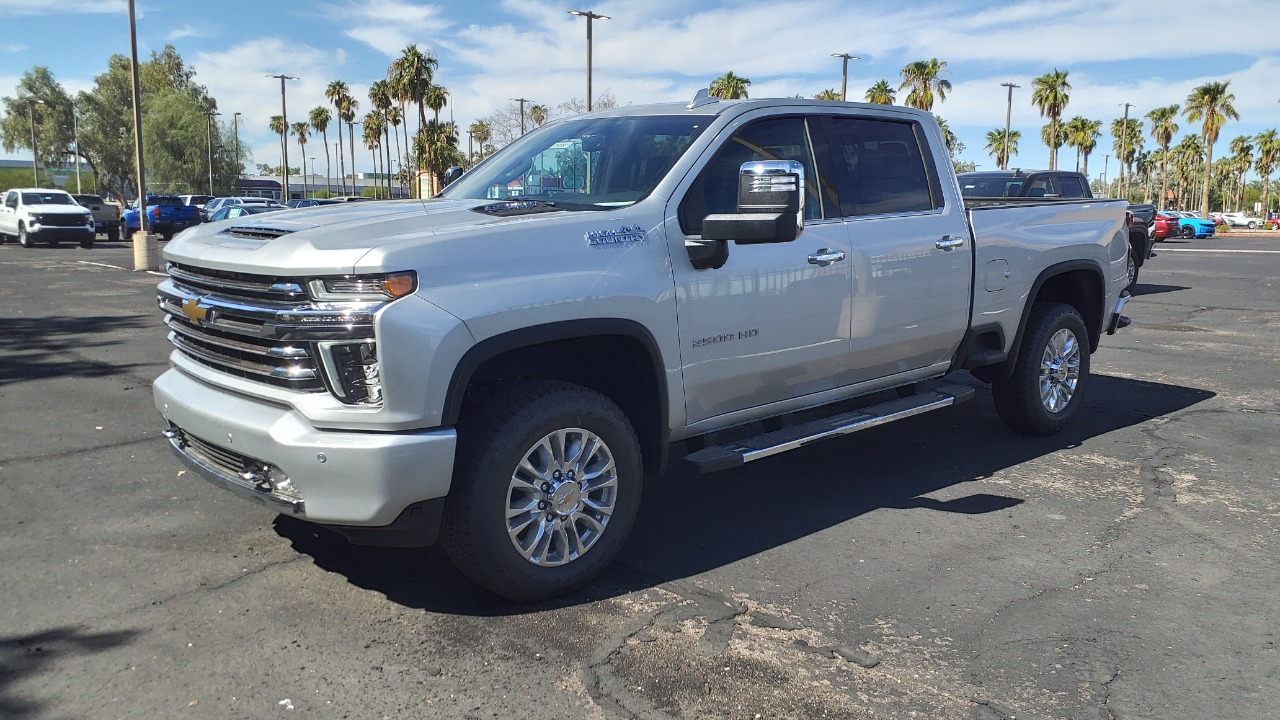
General Motors introduced the Silverado name in 1999 and split off a genuinely heavier HD line instead of badging up the half-ton. The Silverado model history runs through several HD generations built around the Duramax V8 diesel and an Allison automatic transmission, a pairing refined for more than two decades. Allison is a commercial transmission maker, and that lineage shows under sustained towing.
Buyers treat the Duramax and Allison combination as the durable choice, and heavy trailer work is exactly what it was engineered around. Early Duramax injector trouble and ordinary diesel maintenance costs are the counterweight; skipping fuel filters or fluid changes shortens the life of all of it.
4. GMC Sierra 2500 HD: Same Bones, Different Badge
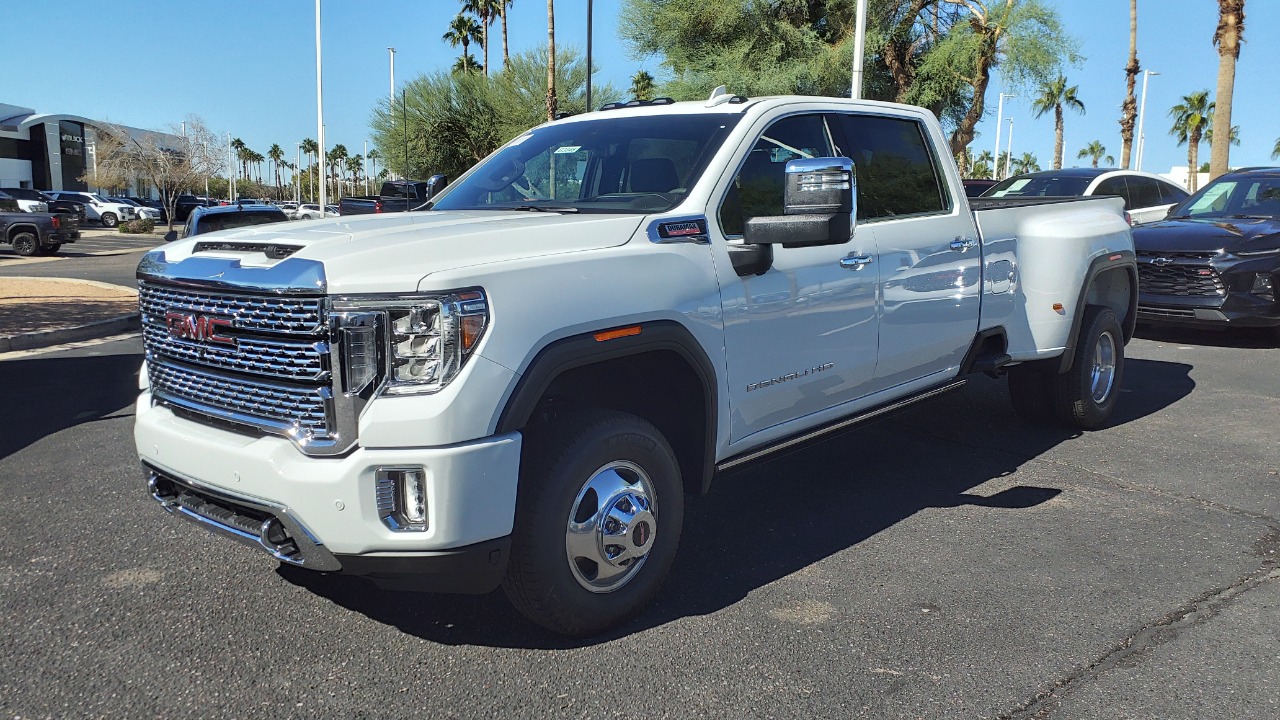
Sierra is GMC’s version of the Silverado, sharing frames, powertrains and most hardware while differing in grille, trim and interior appointments. The GMC Sierra lineage traces back to the C/K trucks, and the 2500 HD carries the identical Duramax and Allison combination its Chevrolet twin uses. Denali trim aside, choosing between the two is choosing a badge, not a different truck.
That matters for longevity because the mechanical track record and parts availability transfer directly. Sierra HDs often carry higher trim levels and higher used prices, which can mean a softer life, or simply a more expensive repair bill when a shared component eventually gives out.
5. Ford F-350: One Ton Of Margin
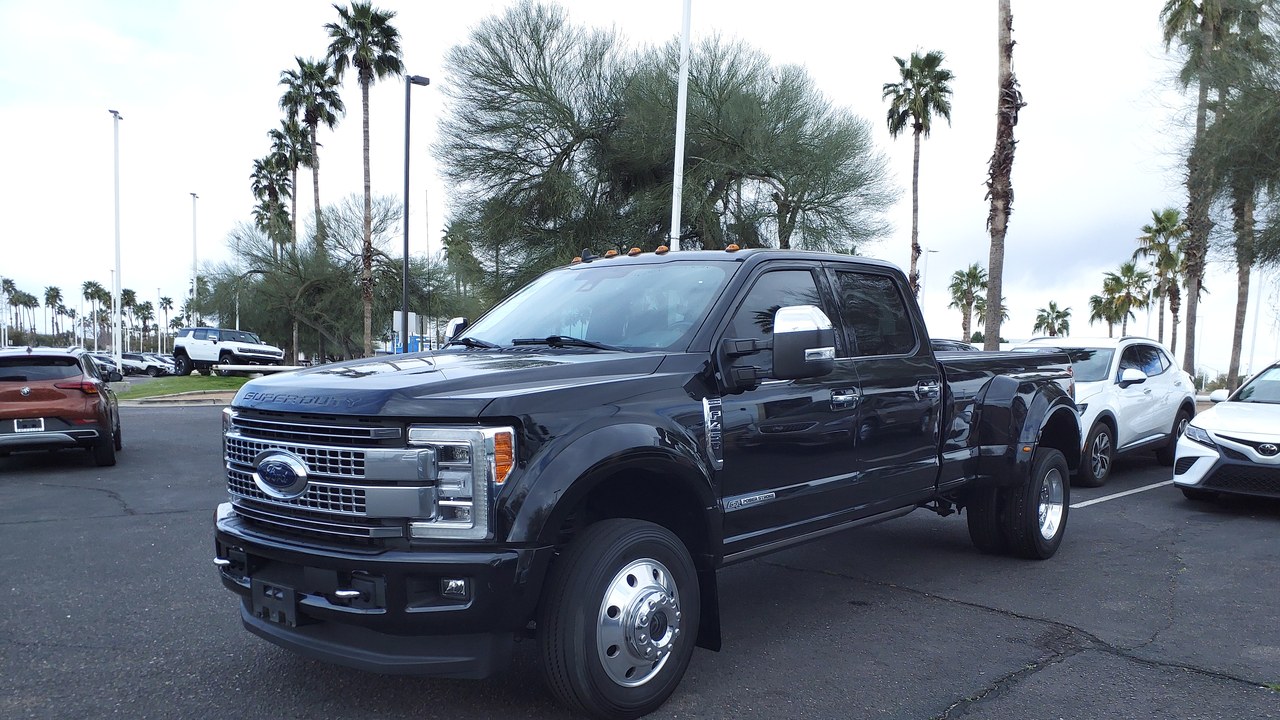
Stepping up from the F-250 to the one-ton F-350 buys heavier springs, a stouter rear axle and, in dually form, four rear tires. Ford positions it within the Super Duty family for gooseneck trailers, service bodies and truck campers that would flatten a lighter pickup. Engine choices are shared with the F-250, but the chassis underneath is rated for meaningfully more weight.
Running a truck below its rating is the least glamorous durability strategy there is, and it works. An F-350 pulling loads an F-250 could technically handle simply stresses less of everything. The tradeoff is ride quality and, on duallys, tires and parking that owners either accept or resent.
6. Ram 3500: Torque Without Apology
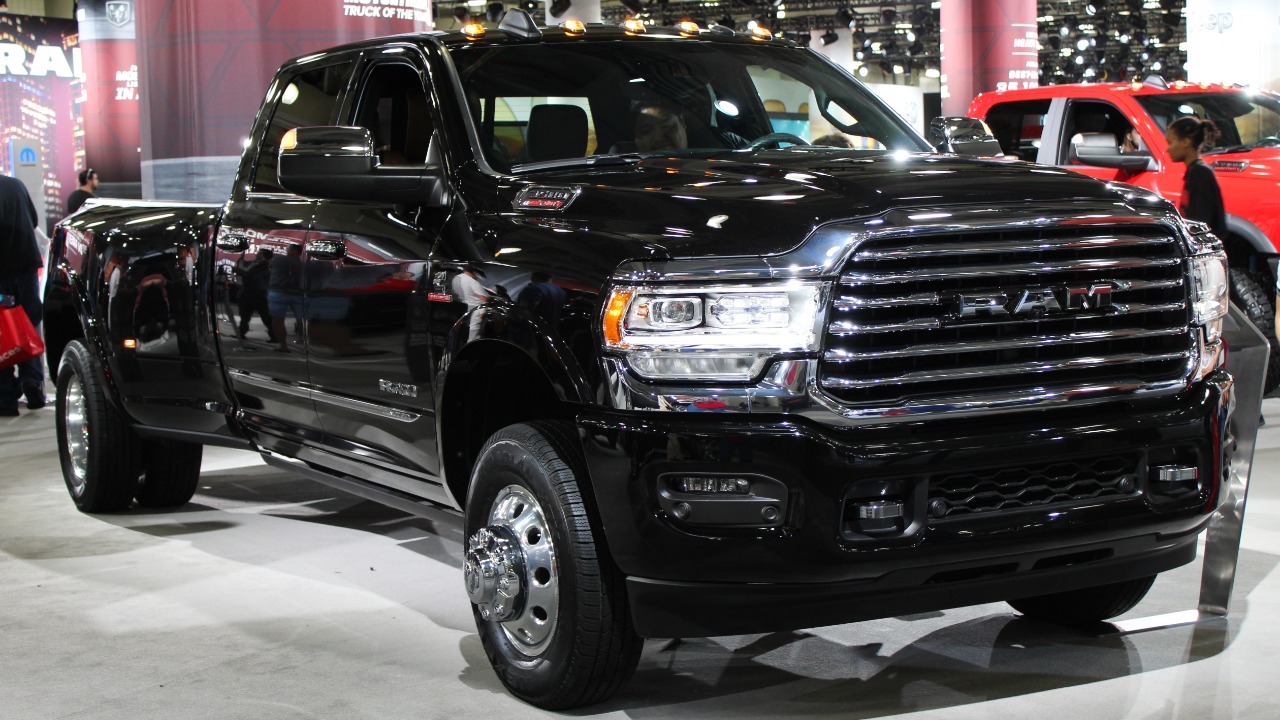
Ram’s one-ton sits at the top of the Ram truck range, sold in single-rear-wheel and dually configurations and aimed at fifth-wheel and gooseneck towing. High-output Cummins versions have pushed torque figures to the front of the class, and Ram has repeatedly traded the segment’s towing-capacity crown with Ford and General Motors. Commercial chassis-cab variants share the same underpinnings.
Those chassis-cab and fleet versions are a useful signal: the platform is specified for constant commercial work, not occasional weekend towing. Big torque numbers also punish driveline parts, so a heavily modified truck is a different proposition from a stock one, whatever the odometer shows.
7. Ford Excursion: The Hauler That Refuses To Retire
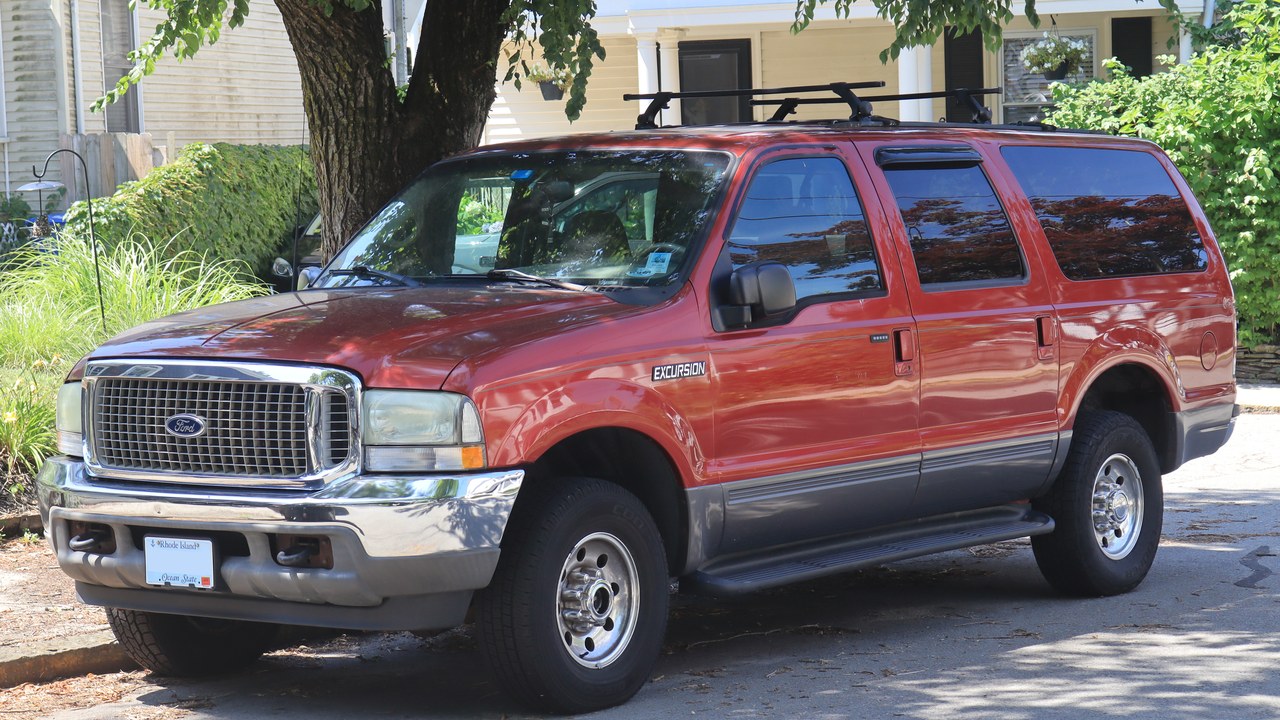
Built from 2000 to 2005, the Excursion used Super Duty underpinnings, making it a full-size SUV with a pickup’s frame, axles and an available 7.3-liter Power Stroke diesel. Ford dropped it as fuel prices climbed and demand for enormous SUVs cooled, but the hardware underneath was never the weak point. Nine seats and serious towing capacity came with the concept.
Two decades on, clean diesel examples still command strong money because nothing quite replaced them. The catch is age rather than engineering: rust, tired suspension and twenty-year-old electronics are what actually end these trucks, and body panels are far harder to source than mechanical parts.
8. Chevrolet Silverado 3500 HD: Maximum Load
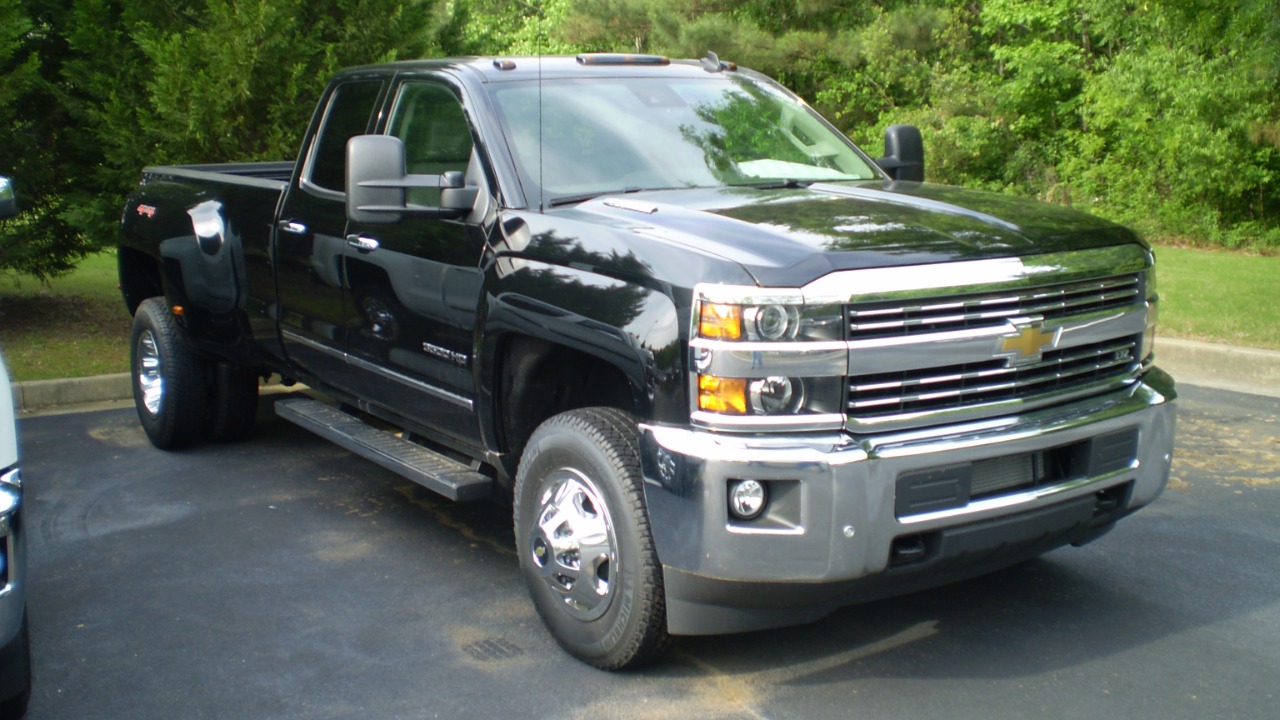
At the top of the Silverado truck family sits the 3500 HD, offered as a dually and as a chassis cab for service bodies, flatbeds and tow rigs. It carries the same Duramax and Allison hardware as the 2500 while adding axle capacity, heavier rear springs and higher trailer ratings. Fleet and commercial buyers make up a large share of the market.
Trucks bought as tools tend to get serviced on schedule, part of why high-mileage examples turn up regularly at auction. It cuts both ways: a former work truck may come with detailed maintenance records and a hard, uninterrupted life behind it. Inspection matters more than the odometer.
9. Toyota Tundra: The Half-Ton Outlier
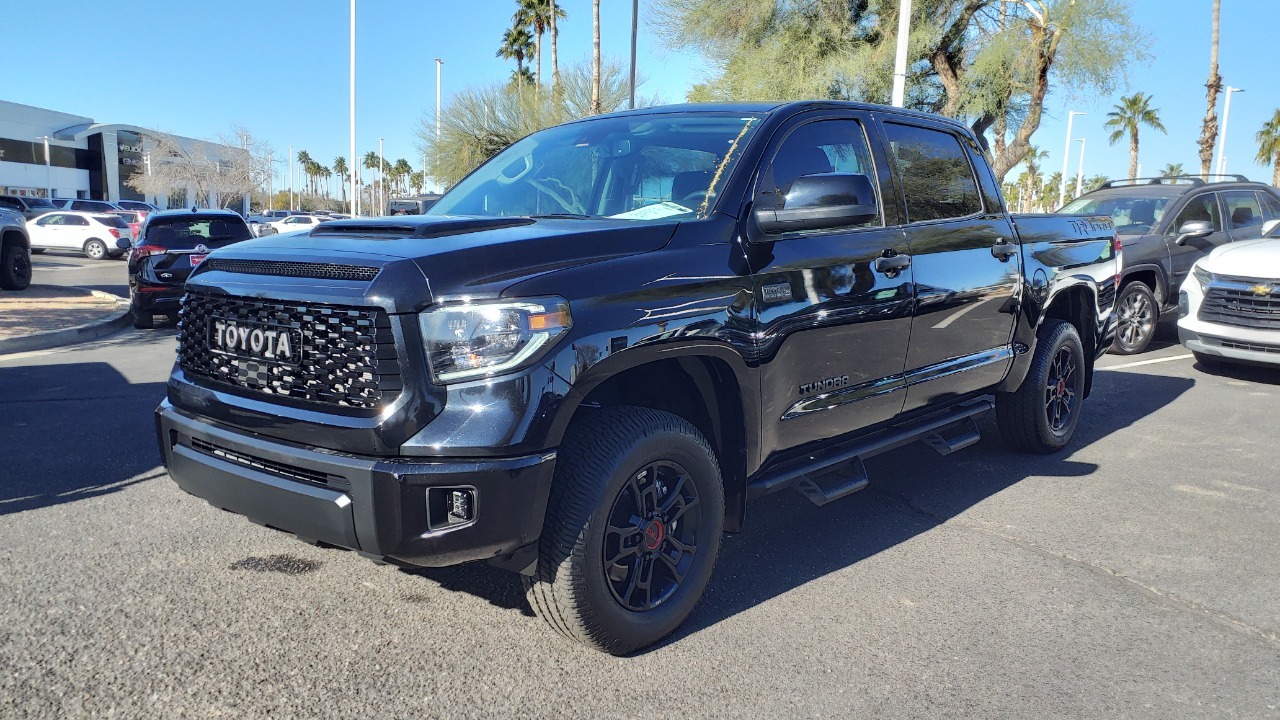
Every other entry here outranks the Tundra on payload and towing, which makes its presence a statement about engines rather than ratings. Toyota has assembled the full-size Tundra pickup in Texas since 2007, and the 5.7-liter V8 generation built its name on accumulating enormous mileage with routine maintenance. One widely reported example passed a million miles before Toyota bought it back to tear down.
That reputation belongs to the powertrain, not the spec sheet. A Tundra will not do an F-350’s job, and frame corrosion triggered major recalls on earlier trucks. For an owner who mainly wants something that starts every morning for fifteen years, it has earned its place here.
More from Morning Overview
- A Colorado wildfire forced level-three ‘leave now’ orders across Ouray County
- A skeleton beneath Petra’s Treasury was found clutching a chalice that resembles the Holy Grail
- 8 SUVs mechanics are quietly steering buyers away from in 2026
- Researchers pulled 8,080 pounds of invasive python from one Florida county
