
Some pickup trucks earn a reputation for running long after their odometers roll past six figures, built around simple, heavy-duty engines that tolerate years of hard work. Diesel-equipped heavy-duty trucks and a handful of stubbornly simple gas-powered classics show up again and again in owner accounts of trucks that refuse to quit. Here is a look at nine pickups known for going the distance.
1. Toyota Tundra (first generation): The V8 That Refuses To Quit
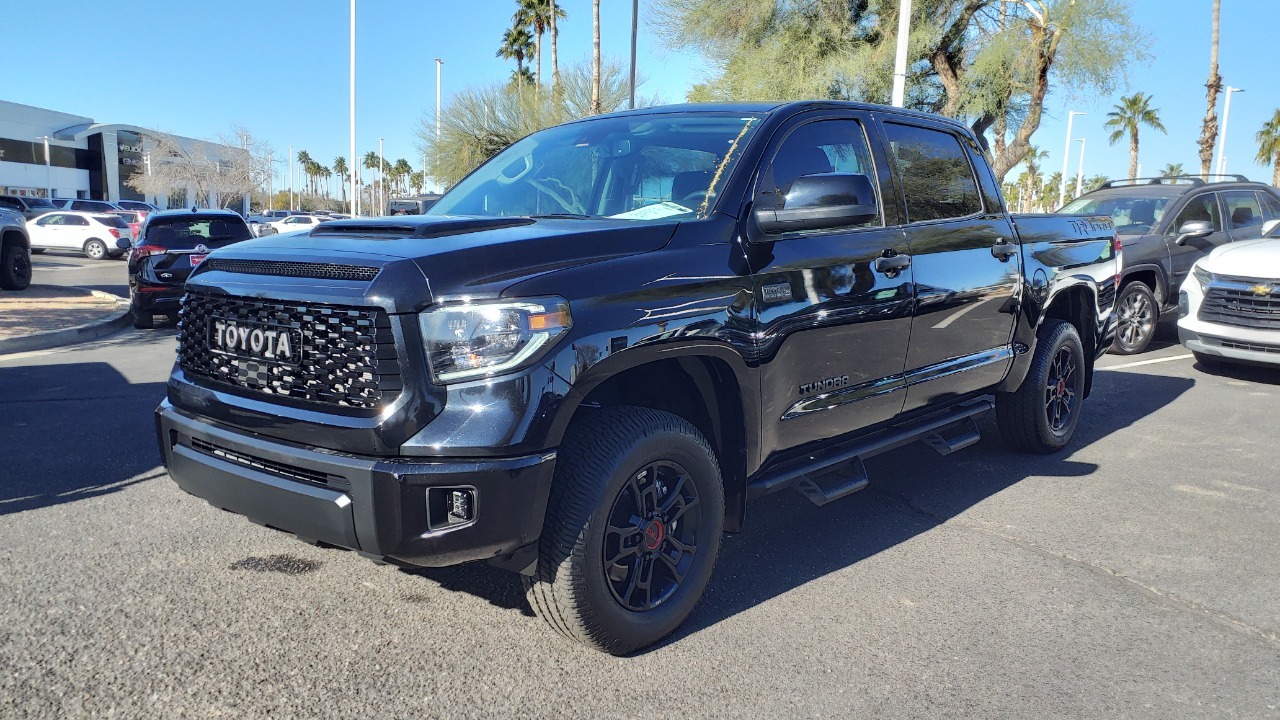
Toyota’s first-generation full-size pickup, sold from 1999 through 2006, built its name on the iForce V8 engine and a drivetrain that Toyota carried over largely unchanged for years, and long-term owners and used-vehicle reliability studies routinely single out that generation as one of the platform’s most likely to see extremely high odometer readings with only routine maintenance.
The truck’s main weakness was frame rust in colder climates, serious enough that Toyota ran a buyback and frame-replacement program, so a well-preserved example from a dry region tends to be the safer bet for anyone chasing that kind of longevity.
2. Ford F-250 Super Duty: Built Around A Diesel Workhorse
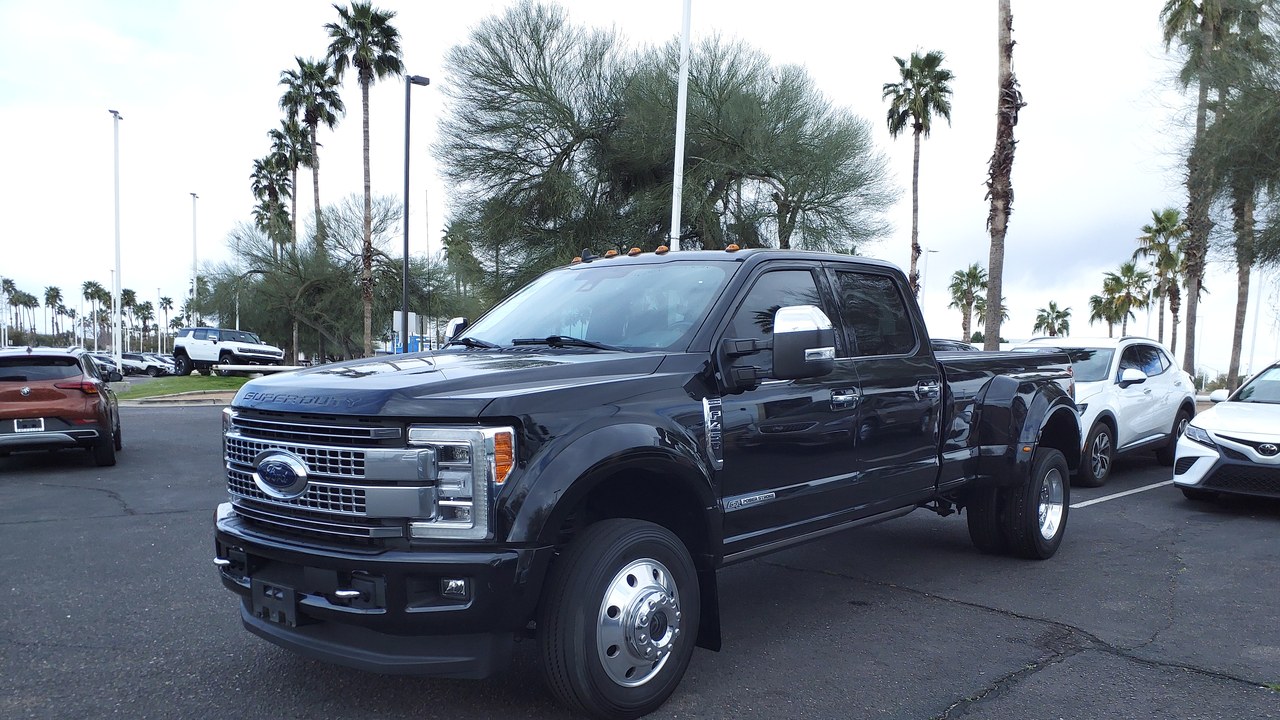
The F-250 sits in Ford’s Super Duty lineup, and the version most associated with going the distance is the one ordered with a Power Stroke diesel, an engine family designed from the outset for towing, plowing, and commercial fleet duty rather than daily commuting. Fleet buyers and owner forums alike treat six-figure mileage as a starting point rather than a milestone for a well-maintained example.
That reputation comes with a catch: the diesel’s longevity depends heavily on regular fluid changes, injector care, and keeping emissions systems clean, so a neglected truck can develop expensive problems long before a cared-for one shows its age.
3. Ram 2500: The Cummins Legend Lives On
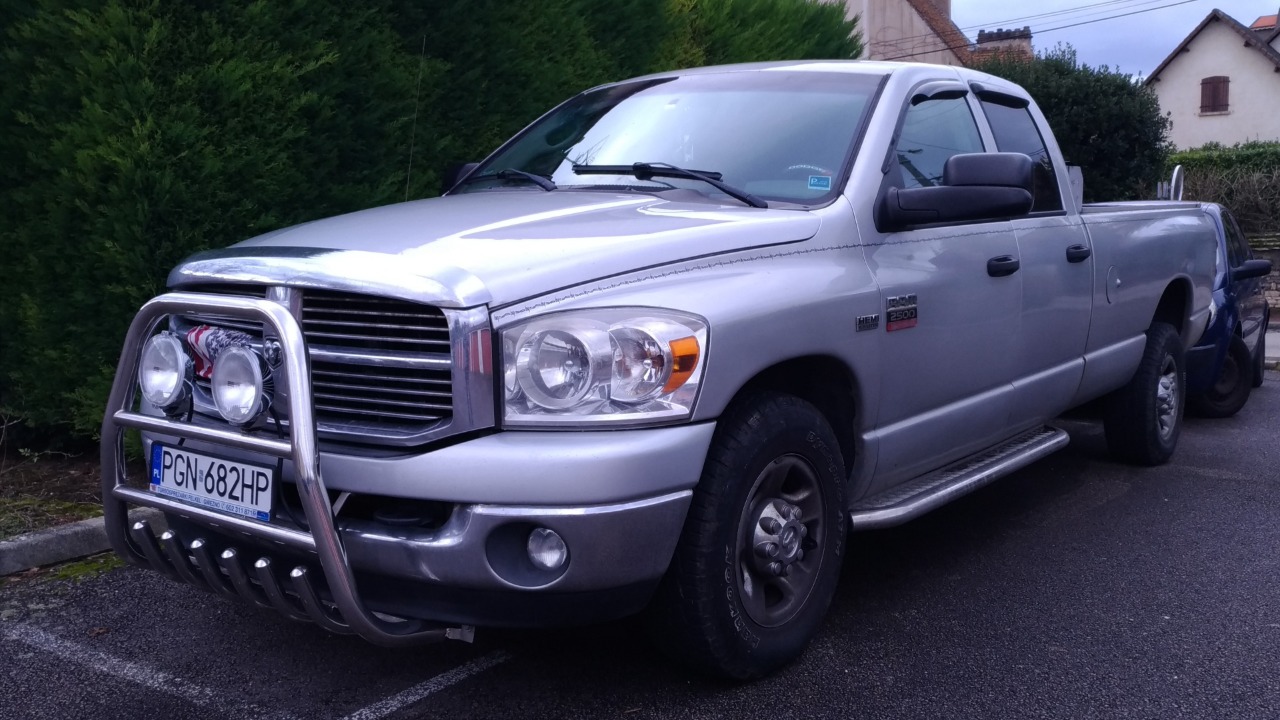
Ram’s three-quarter-ton pickup built its longevity reputation almost entirely on the Cummins inline-six diesel, an engine borrowed from medium-duty trucking applications and detuned for pickup use, which is part of why owners and mechanics talk about it lasting well past what most gas engines manage. Trucking and farm operations have leaned on the combination for decades specifically because it tolerates hard, repetitive work.
Earlier, simpler versions of the engine, built before tighter emissions controls added more components to fail, are usually the ones enthusiasts point to first, though later Cummins trucks still carry much of that same reputation for durability.
4. Chevrolet Silverado 2500HD: A Heavy-Duty Frame Made For Work
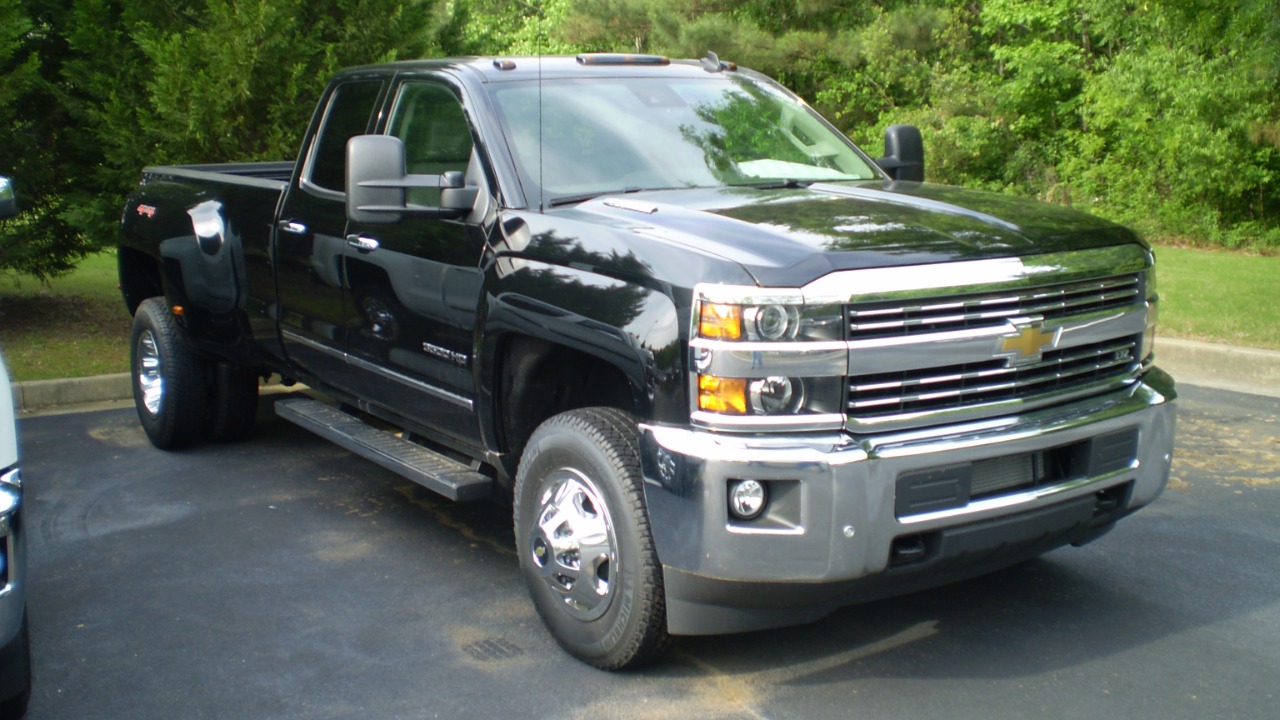
Chevrolet’s heavy-duty Silverado shares its bones with GM’s commercial truck lineup, and the Duramax diesel engine offered across most of its history has become known as a durable option for owners who tow trailers, haul equipment, or run the truck as a daily work vehicle for years on end. The heavier-duty frame, axles, and cooling systems built into the 2500HD trim also help it absorb stress that would wear down a lighter half-ton faster.
As with any diesel workhorse, the payoff depends on upkeep, since skipped maintenance on the fuel system or transmission can shorten a truck’s life regardless of how tough the underlying platform was designed to be.
5. GMC Sierra 2500HD: GM’s Other Duramax Workhorse
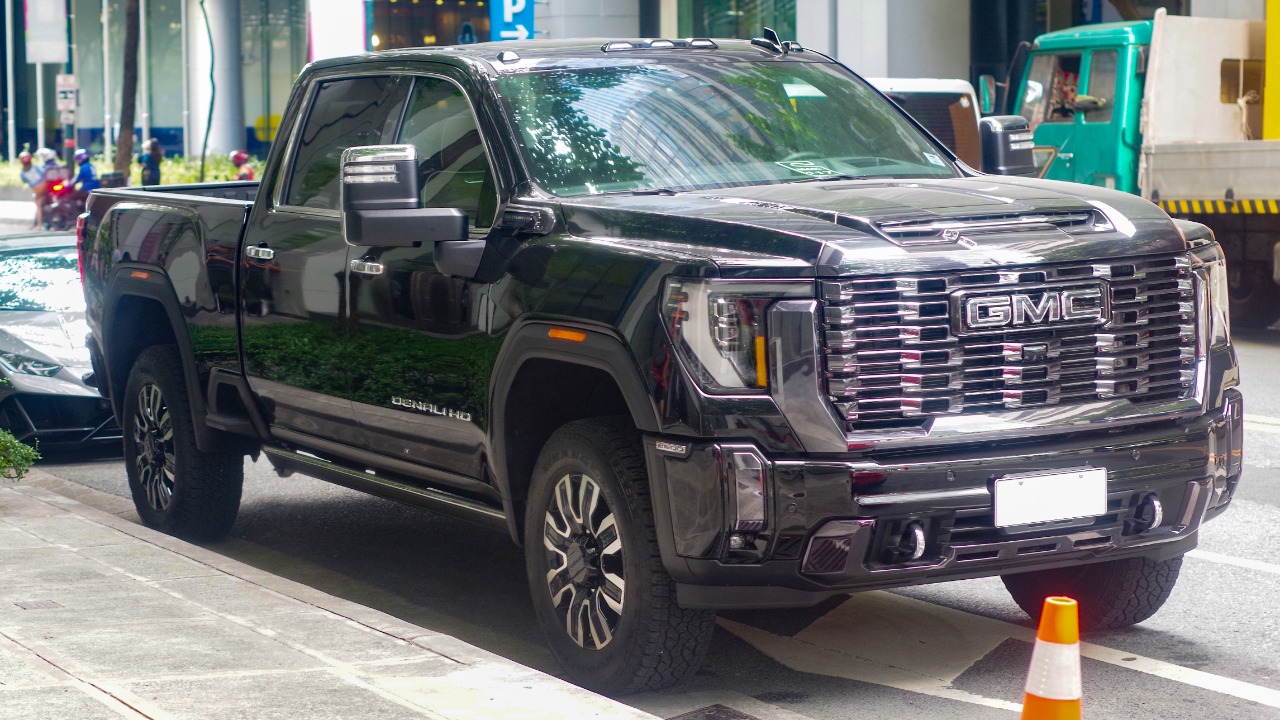
The Sierra 2500HD is built on the same platform as the Silverado HD and is effectively a mechanical twin under a different badge, sharing the same heavy-duty frame, available Duramax diesel, and running gear that has made GM’s three-quarter-ton trucks a fixture in trades and farm fleets. Buyers who want the Chevrolet’s reputation with a different trim and interior package tend to land on the Sierra instead.
Because the two trucks are engineered together, the same maintenance habits that keep a Silverado HD running for hundreds of thousands of miles apply just as directly to the Sierra, and the used-truck market treats them as interchangeable in terms of long-term durability.
6. Ford F-150 (older generations): Simple Trucks That Keep Running

Older, pre-aluminum-body versions of Ford’s half-ton pickup built a reputation for being straightforward to keep alive, with a steel-body F-150 from the 2000s and earlier offering fewer electronics and simpler repairs than the trucks that followed. Owners frequently point to the 4.6-liter and 5.4-liter V8 engines from that era as capable of running for a very long time when the timing chain and cooling systems are kept in good order.
The tradeoff is that these older trucks lack the fuel economy, crash safety, and towing capacity of newer F-150s, so their longevity appeal is mostly about low cost of ownership and easy roadside fixes rather than modern performance.
7. Chevrolet C/K: The Square-Body That Won’t Quit

Chevrolet’s C/K line, especially the boxy square-body pickups built through the 1970s and 1980s, has become something of a folk legend among truck owners precisely because of how many are still on the road decades after they left the factory. Basic carbureted or early fuel-injected small-block V8 engines, combined with a large enthusiast parts network, mean a well-kept example can keep running almost indefinitely with routine repairs.
Rust and worn-out suspension components are the more common failure points on surviving trucks, which is why the healthiest examples tend to come from drier climates or from owners who have already replaced the usual wear items.
8. Nissan Frontier: A Midsize Truck Nissan Barely Changed
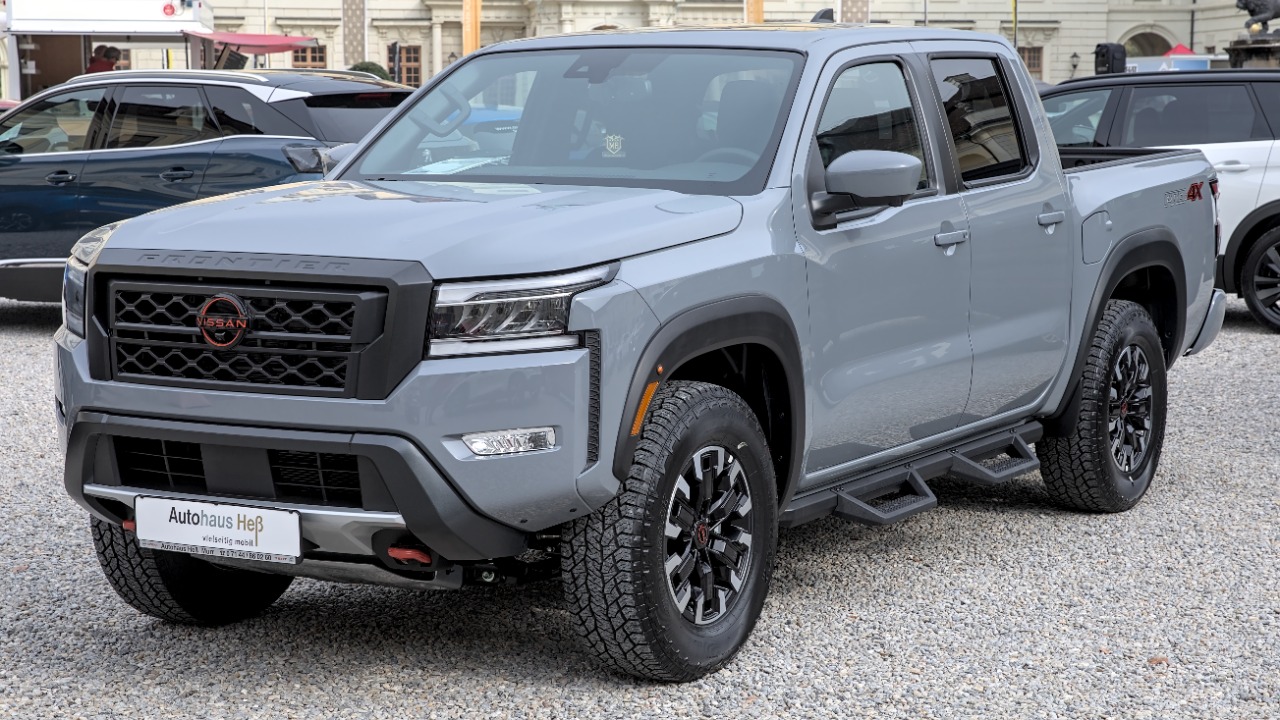
The previous-generation Frontier ran largely the same platform and the same VQ40 V6 engine for well over a decade with only minor updates, a level of mechanical consistency that is unusual in the modern truck market and one reason owners describe the truck as nearly impossible to wear out. Its low-tech approach, body-on-frame construction, and part-time four-wheel-drive system trade refinement for the kind of simplicity that tends to age well.
That long production run also means replacement parts stayed cheap and plentiful for years, which made keeping an older Frontier on the road less expensive than doing the same with trucks that changed platforms more often.
9. Ford F-350: A One-Ton Truck Built To Outwork Smaller Rigs
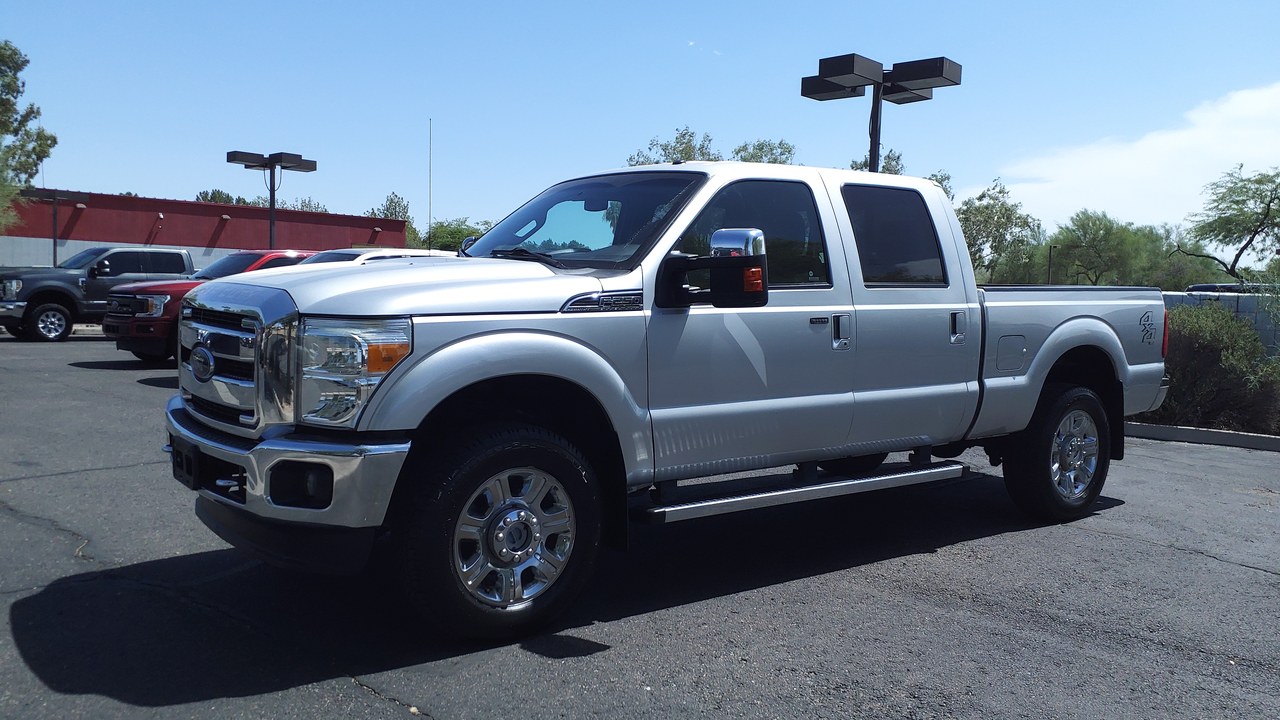
The F-350 is Ford’s one-ton Super Duty pickup, built on the same heavy platform as the F-250 but rated for even greater towing and payload capacity, which is why it shows up so often in commercial fleets, ranching operations, and heavy-trailer setups where a truck is expected to work every day for years. Diesel-equipped versions inherit the same Power Stroke reputation for high-mileage durability as their smaller Super Duty siblings.
Because these trucks are so often bought for genuine work rather than daily commuting, the highest-mileage survivors tend to be the ones that were maintained on a strict commercial service schedule rather than driven lightly and neglected.
More from Morning Overview
- Long-term use of common heartburn pills is tied to kidney and dementia risk
- A California supervolcano has bulged upward about two and a half feet since 1978
- The FTC is warning about a scam quietly draining thousands from victims
- The NSA is again telling phone owners to switch off one location setting
