
Full-size pickups all promise the same things: towing, payload, and a decade of hard use. They diverge sharply once the warranty expires, and reliability rankings are where that divergence shows up, separating the trucks that age quietly from the ones that generate repair bills. Here are nine full-size pickups ranked from most to least dependable.
1. Toyota Tundra: The Reliability Benchmark
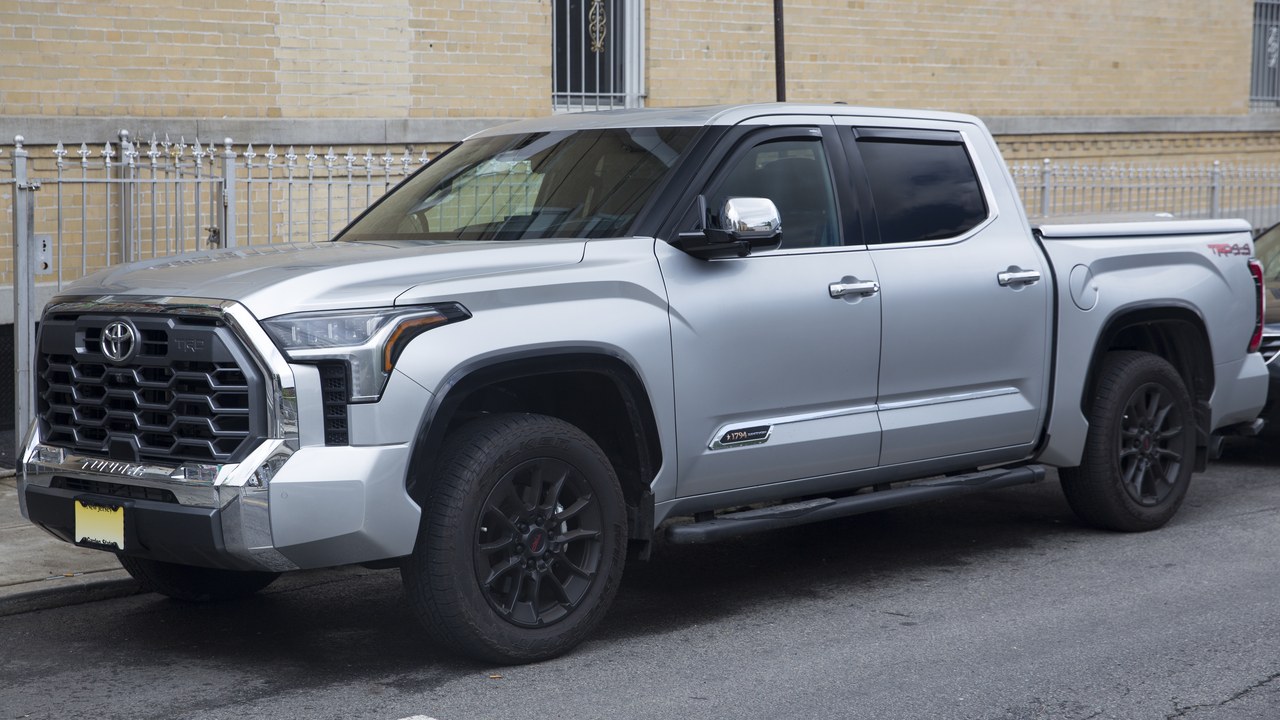
Toyota’s full-size truck sits at the head of the order, and the reason is less about the Tundra itself than the engineering culture behind it. Consumer Reports has repeatedly placed Toyota among the most reliable car brands, a ranking built on owner-reported trouble across entire model lineups rather than a single flattering test drive. That consistency is what carries the Tundra.
The cost of that reputation shows up at the dealership. Strong resale keeps used Tundras expensive relative to comparable domestic trucks, so the durability premium gets paid twice, once new and again secondhand. Buyers chasing maximum truck for the money tend to look elsewhere.
2. Ford F-150: Best Seller, Middling Marks
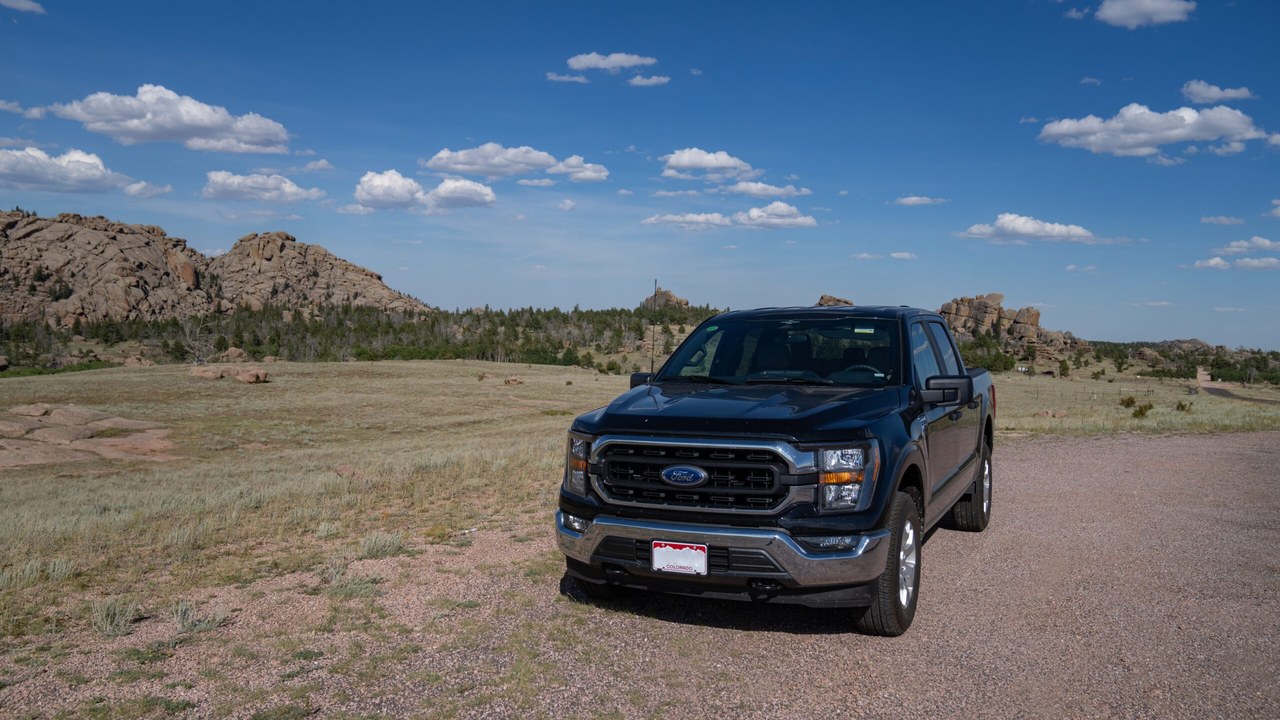
Volume and dependability are not the same measure, and the F-150 proves it. Decades as America’s best-selling pickup have given Ford enormous scale in parts, dealers and drivetrain variants, yet the truck lands mid-pack when owners report what has actually broken. Breadth of configuration is part of the problem: turbocharged V6s, hybrid drivetrains and heavy electronics content all add failure points a simpler truck never carries.
Mid-pack is not a warning, though. Ubiquity means independent shops know the truck, parts stay cheap and plentiful, and a repair rarely means waiting on a dealer. The practical risk sits in the option sheet rather than the badge.
3. Chevrolet Silverado 1500: Squarely Average
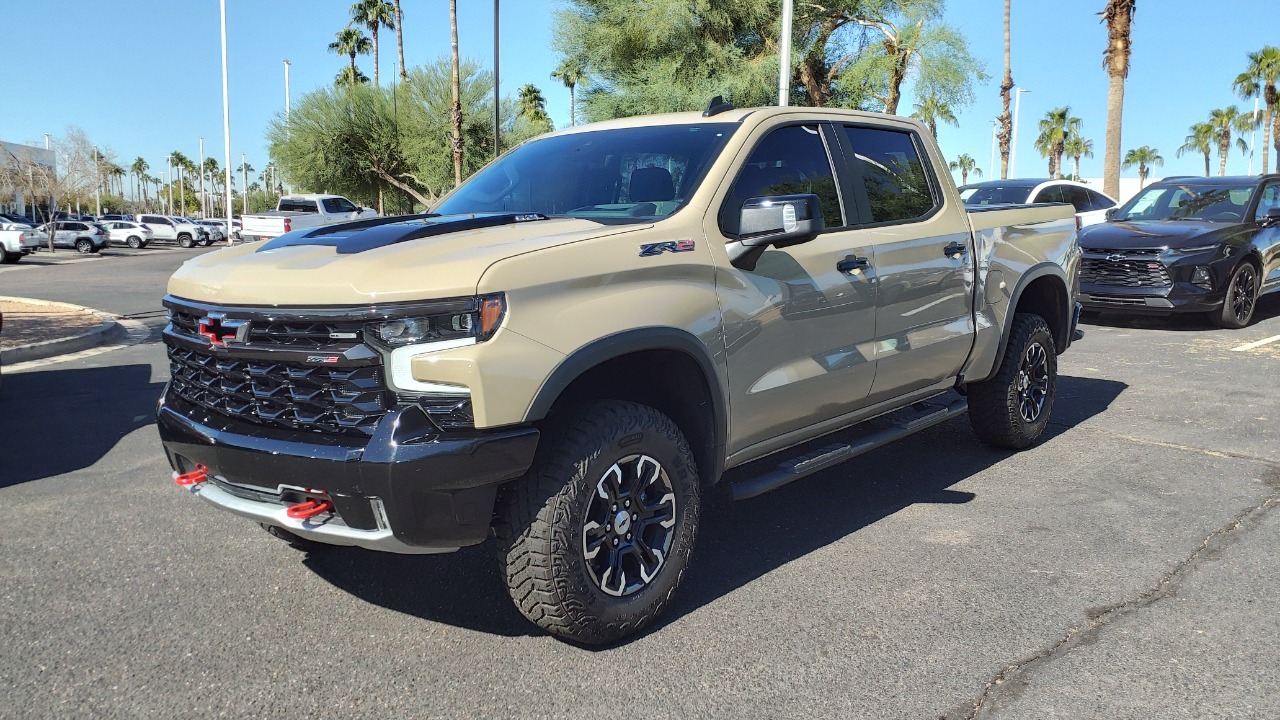
Average is the honest word for this truck’s reliability record. Chevrolet builds the Chevrolet Silverado line in enormous numbers across a wide spread of cabs, beds, engines and trim levels, and the aggregate result lands close to the middle of the full-size field rather than at either end. Nothing about the truck is fragile; nothing about it is exceptional either.
Averages hide variation, which matters when shopping used. Powertrain choice does more to determine an individual truck’s fate than the nameplate does, so maintenance records on a specific example are worth more than any lineup-wide score. Well-kept trucks routinely outlast neglected ones by years.
4. GMC Sierra 1500: Same Bones, Same Score
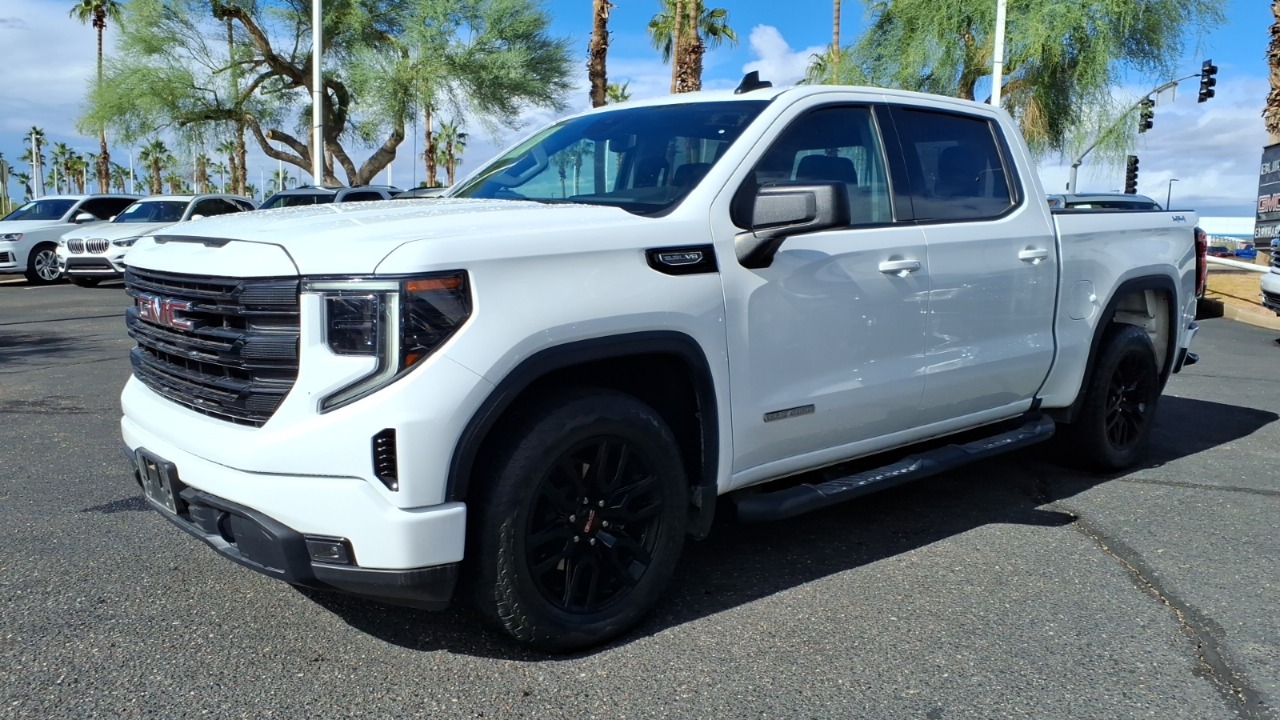
Badge engineering cuts both ways. The GMC Sierra 1500 shares its platform, frame and engines with the Silverado, so it inherits the same middling reliability marks alongside the same hardware. What separates the two is trim: richer interiors, more chrome and a Denali range that pushes into luxury pricing. None of that changes what happens under the truck when a component wears out.
For a buyer, the shared platform is useful information. Repair procedures, parts and known weak points carry over directly from the Chevrolet, which widens the pool of shops and salvage inventory. The premium paid over a Silverado buys appearance and equipment, not longer service life.
5. Ram 1500: Comfort With A Catch
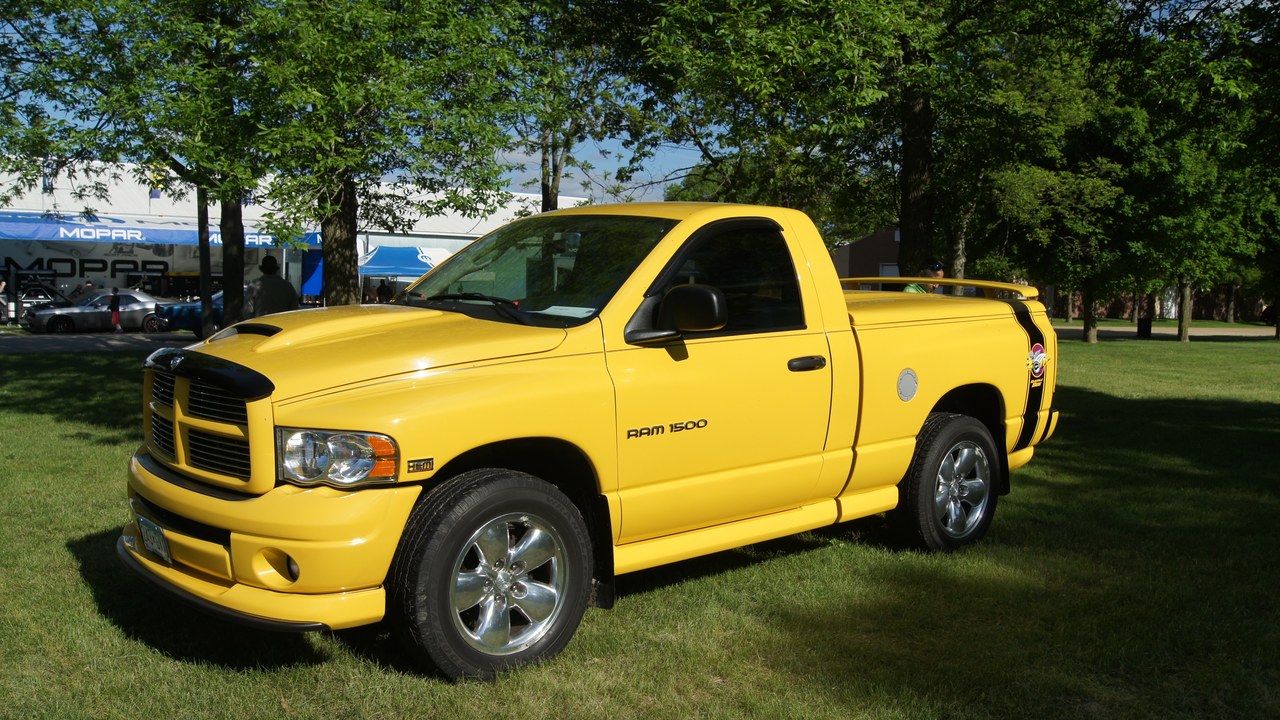
Ride quality made this truck a favorite, and reliability complaints keep it out of the top tier. Coil-spring and available air rear suspension give the Ram pickup line road manners closer to a large sedan than a work truck, a genuine engineering advantage over leaf-sprung rivals. The same sophistication adds components that can fail, and owner-reported trouble has followed.
That trade is worth weighing honestly. Drivers who spend hours a day in the seat may accept the risk for the comfort; anyone buying a truck to work it hard has cheaper-to-own options. Air suspension in particular is a repair worth budgeting for on a high-mileage example.
6. Nissan Titan: The Quiet Dependable
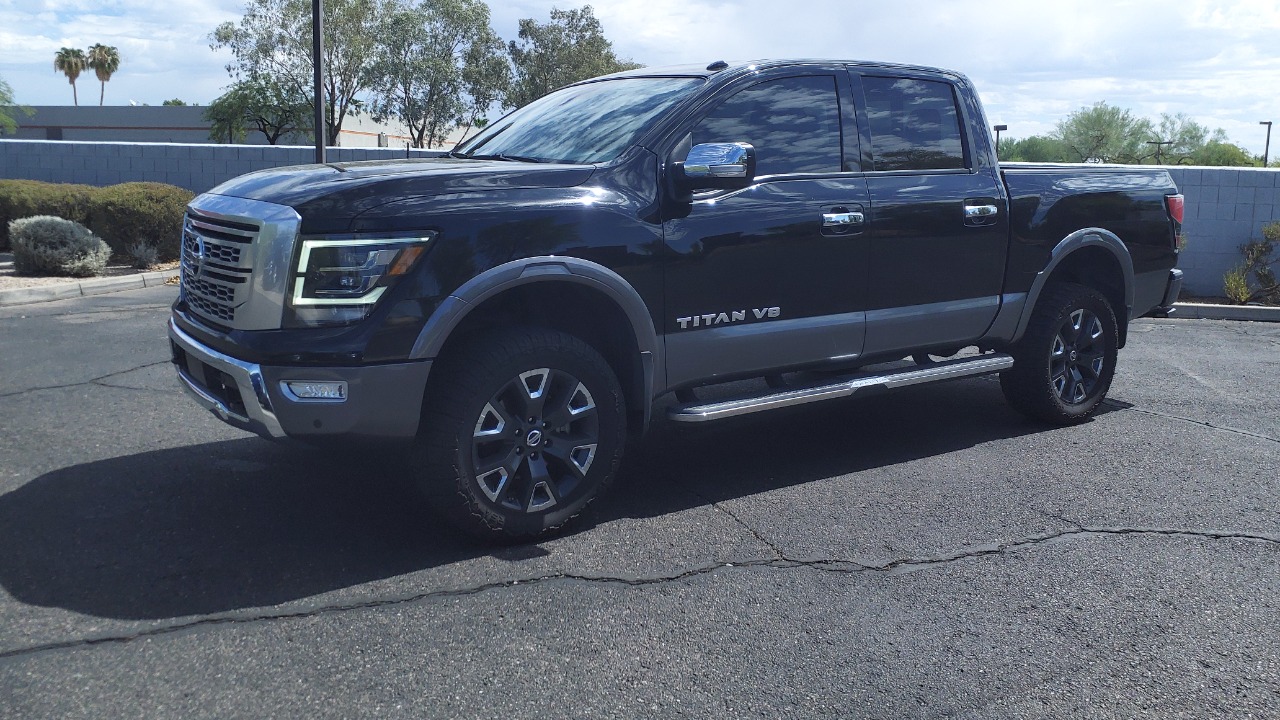
Low sales and solid mechanicals defined this truck’s run. Nissan kept the Nissan Titan simple where rivals chased complexity, pairing a naturally aspirated V8 with a conventional automatic instead of turbocharging or hybrid assistance, and dependability followed from that restraint. Buyers never showed up in the numbers the segment demands, and the truck stayed a fringe choice throughout its life.
Scarcity is the practical drawback. Fewer trucks on the road means thinner dealer support, a smaller aftermarket and slower resale, all of which offset the mechanical simplicity that made the Titan appealing. Patient used shoppers can turn that unpopularity into a discount.
7. Ford F-250 Super Duty: Built For The Long Haul
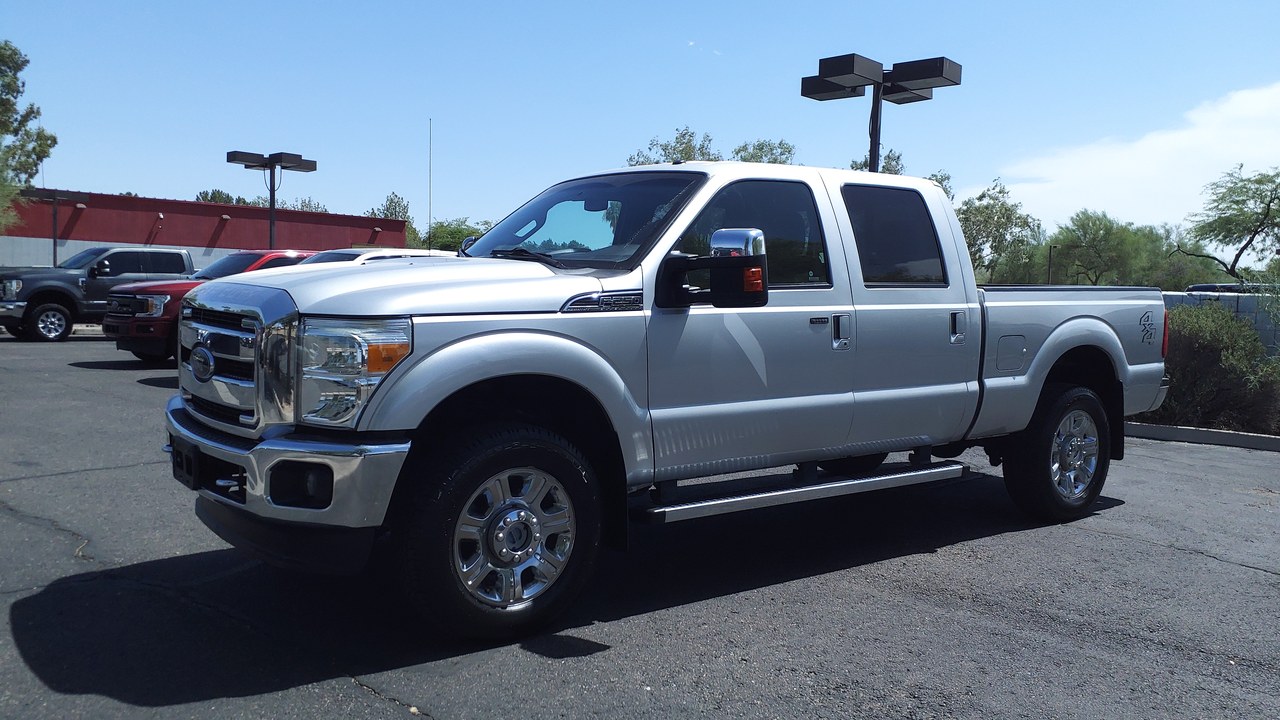
Heavy-duty trucks are judged by a different standard, and the F-250 earns a following on it. Ford’s Super Duty line is engineered around sustained load rather than occasional towing, with heavier frames, axles and cooling than any half-ton carries, and high-mileage examples remain common in commercial fleets. Longevity under that kind of use is the reputation the truck trades on.
Durability does not mean cheap. Heavy-duty parts cost heavy-duty money, diesel maintenance intervals are expensive, and a truck bought for a job it never does simply burns fuel. The Super Duty rewards owners who actually load it and punishes those who do not.
8. Ram 2500: Towing First, Dependability Second
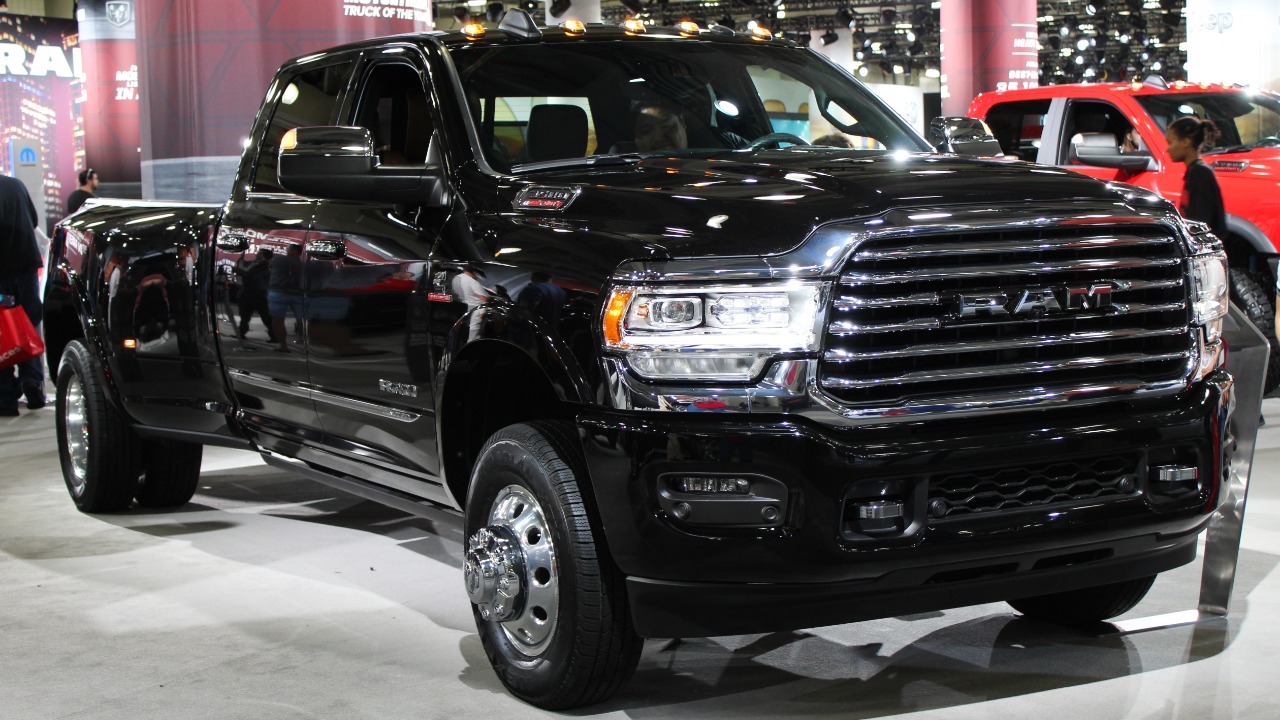
Towing capability is what sells this truck, and the Cummins inline-six diesel is why. Buyers of Ram’s heavy-duty trucks tend to shop the engine before the badge, and that motor’s reputation for pulling hard over long distances outweighs the reliability complaints attached to the rest of the package. Grievances tend to cluster around the equipment surrounding that engine rather than the engine itself.
The calculation depends entirely on use. A truck that spends its life hitched to a trailer justifies the diesel premium and the repair exposure; one that commutes empty pays for capability it never uses. Deferred maintenance on a diesel escalates faster than on a gasoline half-ton.
9. Chevrolet Silverado HD: Rounding Out The Field
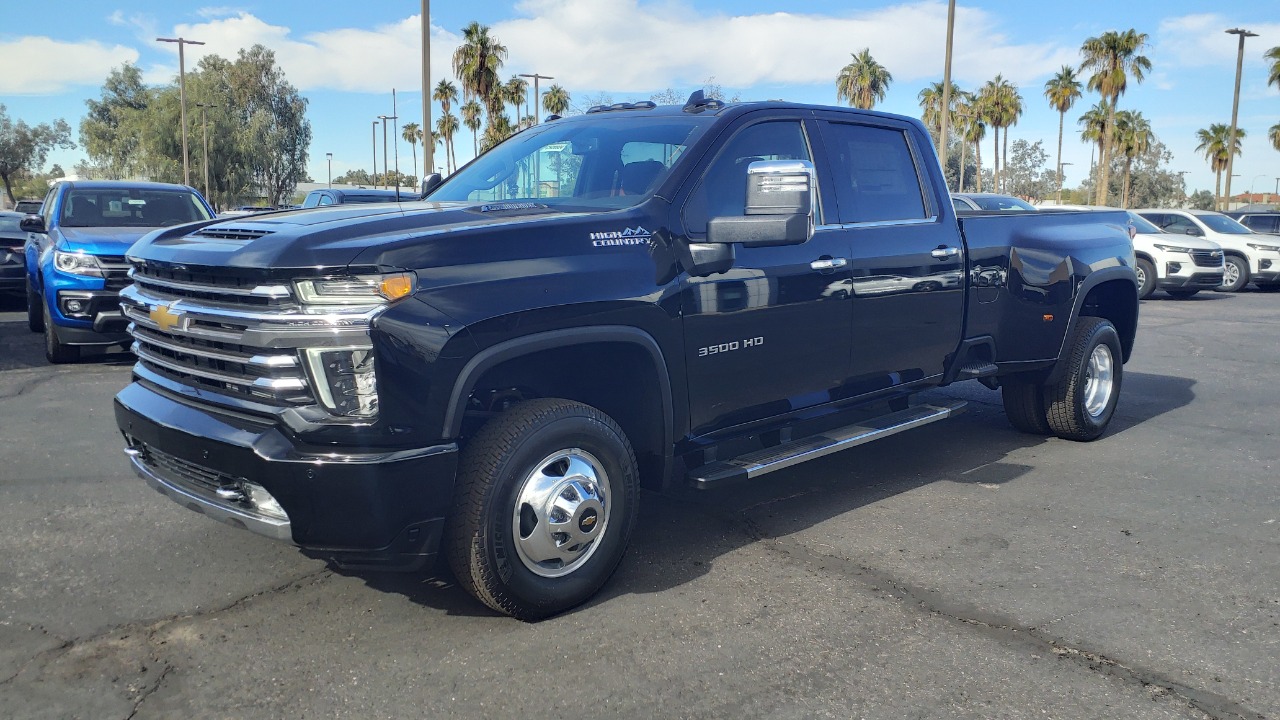
Closing the field is GM’s heavy-duty entry, built on the same commercial logic as its rivals. The HD versions of Chevrolet’s Silverado lineup get a reinforced frame, larger brakes and a choice between a big-displacement gasoline V8 and a Duramax diesel, hardware aimed at fifth-wheel and gooseneck loads. Reliability marks track close to the rest of the GM truck range rather than standing apart.
Heavy-duty ownership carries its own economics. Registration, insurance and tires all cost more than a half-ton’s, and the gasoline V8 exists precisely for owners who tow occasionally and would never recover the diesel’s upcharge. Matching the truck to the actual load remains the decision that matters most.
More from Morning Overview
- The NSA is again telling phone owners to switch off one location setting
- A handful of car transmissions are so tough mechanics say they almost never fail
- A handful of SUVs keep hitting 300,000 miles, and they share one engine trait
- Supplements now rank as the fifth-leading cause of death from liver disease.
