
Few pickups have changed as much as Ford’s smallest truck since its debut in the early 1980s. Along the way came an electric version, a dedicated off-road package, a production shutdown and an eventual comeback. Here are ten Ford Rangers that mark the biggest turning points in that long history.
AI, explained every day: The Deep View is the go-to daily newsletter for 600,000+ founders, knowledge workers and professionals who want to stay up to date with artificial intelligence.
We may earn a commission if you sign up.
1. 1983 Ford Ranger: Cheap Starting Point
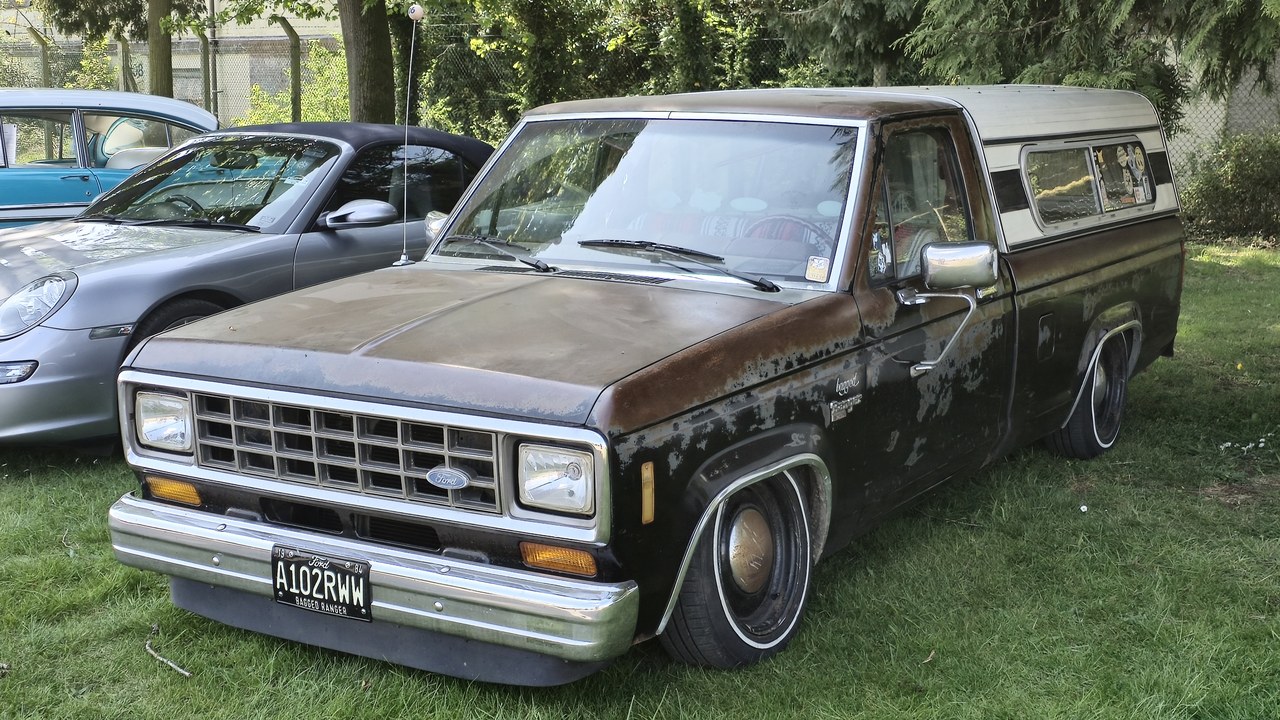
The first Ranger was introduced for 1983 and first built at Louisville on January 18, 1982. According to Wikipedia history of the Americas Ranger, it was priced at just $6,203.
That figure frames everything that followed, since later trucks in this story cost several times as much. It also shows how modest the original compact pickup was, a plain work vehicle aimed at ordinary buyers who wanted something affordable and simple to run and fix. Adjusting for the decades since is a useful exercise for anyone curious about how truck pricing has climbed.
2. Ford Ranger EV: Electric Experiment
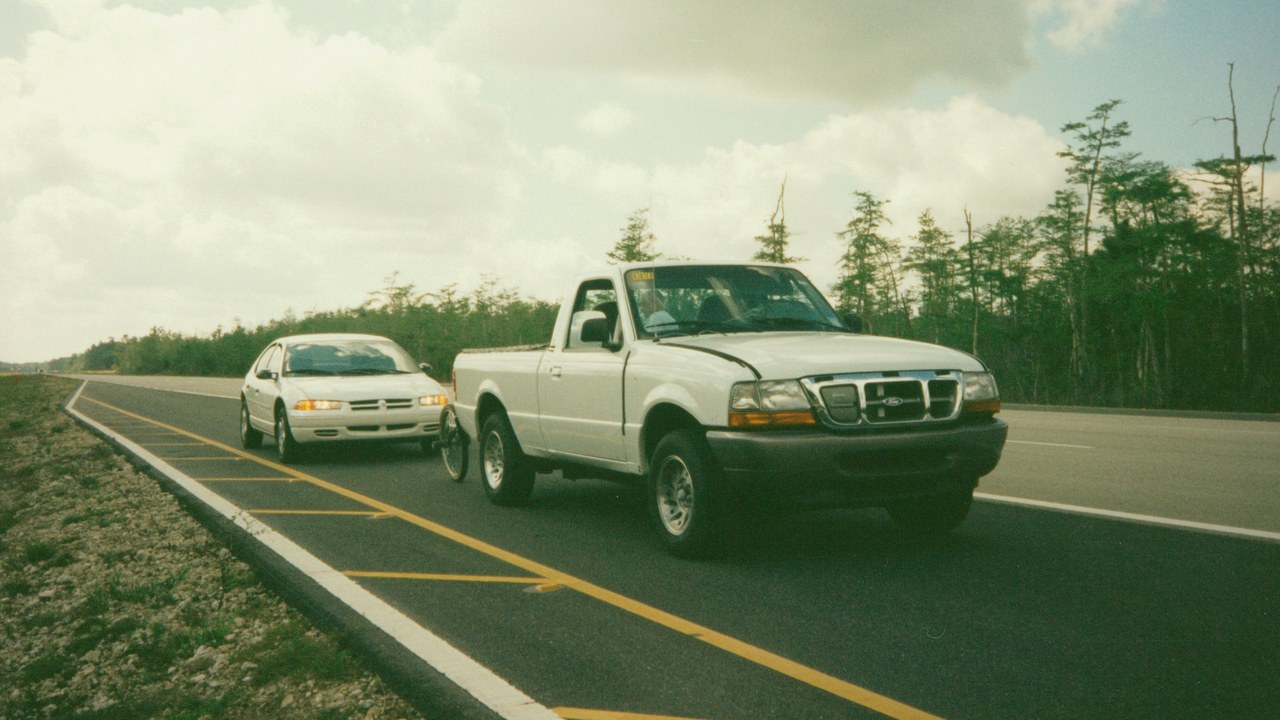
Ford built just 1,500 battery-powered Ranger EVs, produced from 1998 to 2002, according to Wikipedia history of the Americas Ranger. The small run marked an early electric experiment on a familiar compact pickup body.
Production that limited makes the EV a rarity today. Anyone who finds one is looking at a piece of early electrification history on a familiar compact pickup body, though battery support and parts availability would be practical concerns for any prospective owner. The low build count also means few reference points exist for judging a fair asking price, so patience pays off.
3. Ranger FX4 Off-Road: Trail Package Takes Off
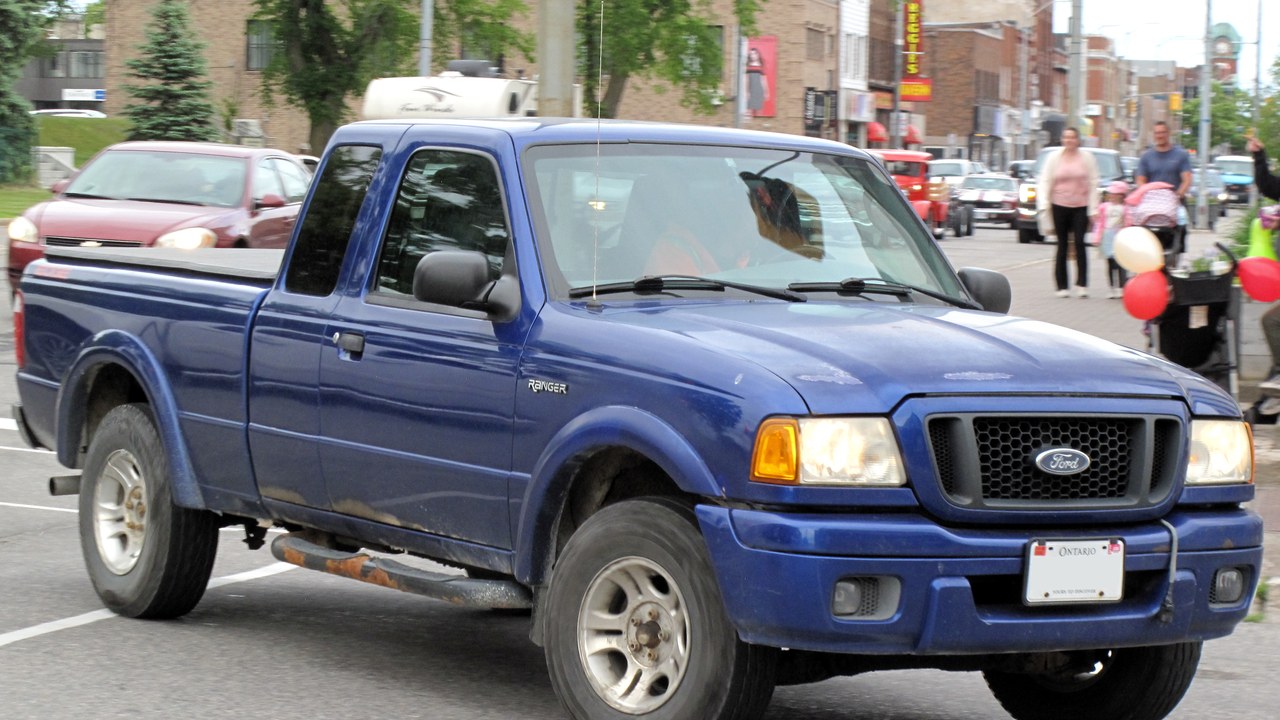
Introduced as the Ranger FX4 for 2002, the off-road package proved popular. Wikipedia history of the Americas Ranger reports that 45,172 FX4 Off Roads were built from 2003 to 2009.
Those numbers suggest buyers wanted more capability and a tougher look than a base truck offered. With so many built, used examples should be fairly easy to find, so condition, rust and maintenance records should guide the choice more than the badge itself does. Verified trail hardware and an honest service history are worth more than any decal on the fender.
4. Last Ranger of 2011: Production Ends
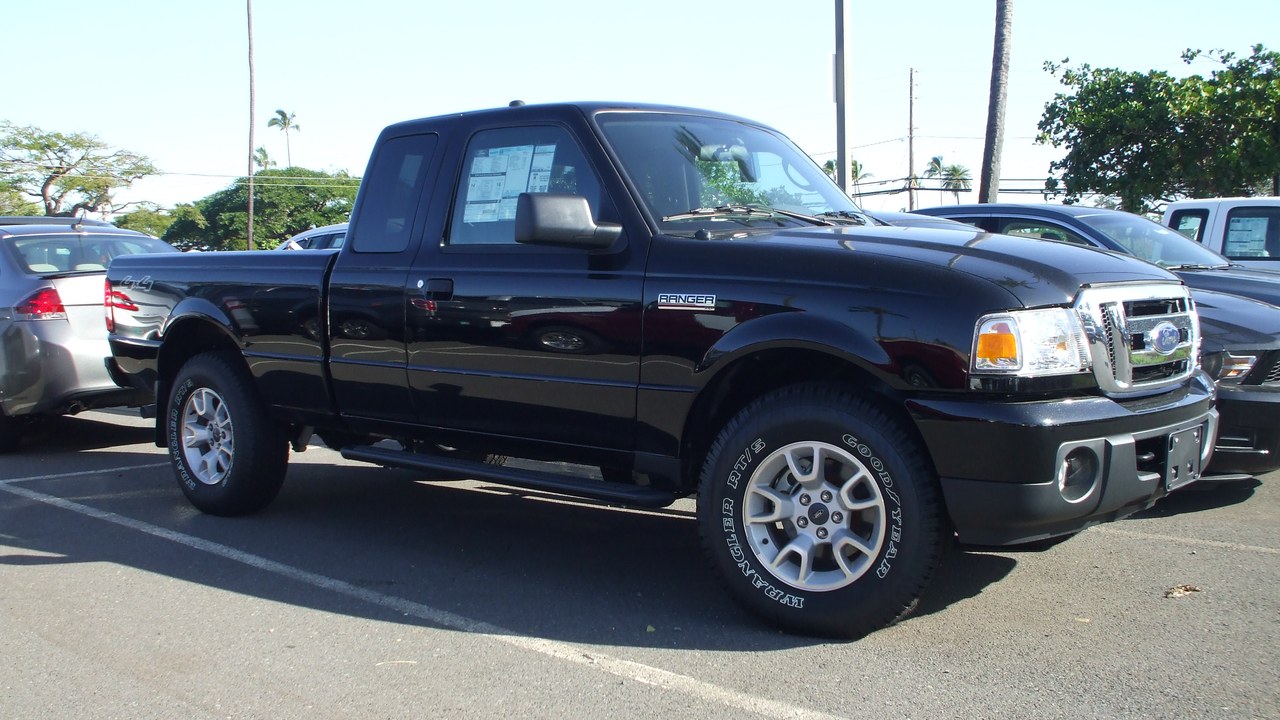
The final 2012 Ranger was produced on December 16, 2011. As Wikipedia history of the Americas Ranger explains, that ended 86 years of production at Twin Cities Assembly and all U.S. compact pickup building.
A plant with that long a history ending its pickup work was a notable moment for American truck manufacturing. The change left shoppers with few small domestic pickups to choose from, and the gap lasted until the nameplate returned years afterward. The date also gives collectors a tidy marker for the end of the classic compact era.
5. 2001 Ranger 4.0-liter: More Power Arrives
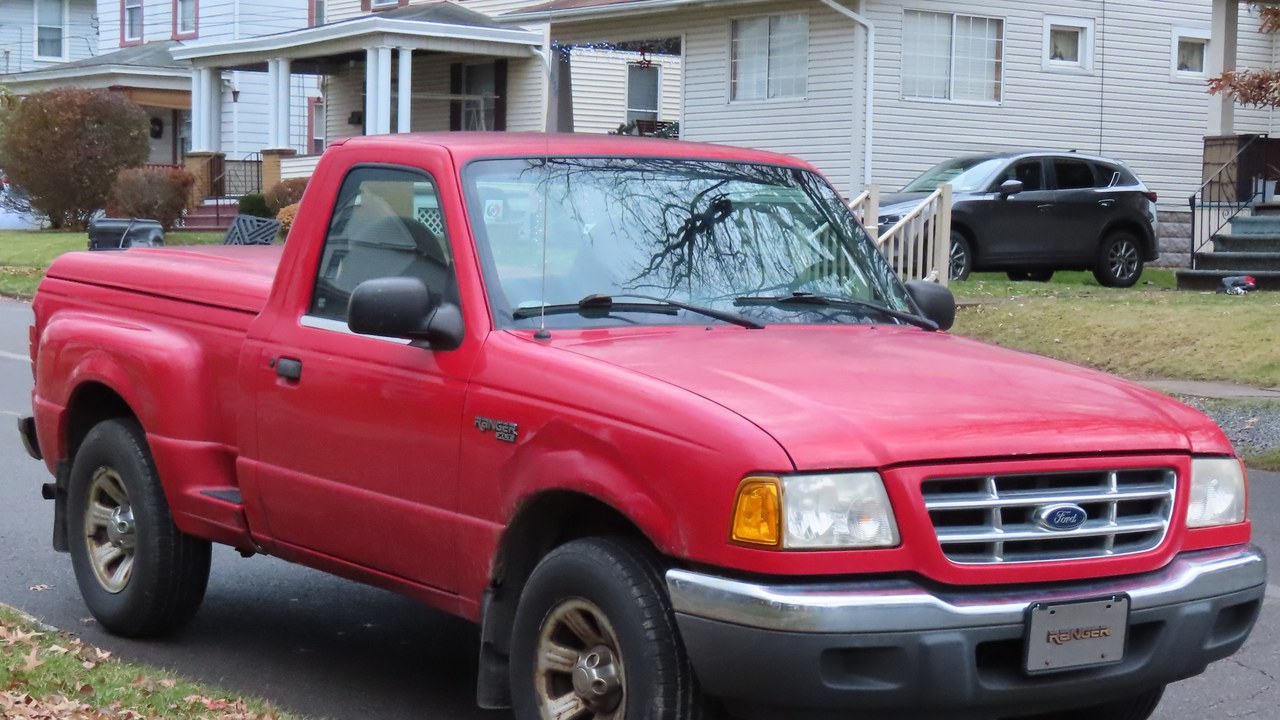
For the 2001 model year, a more potent 4.0-liter V6 replaced the larger V6 in the Ranger. J.D. Power’s Ranger history says the engine generated 210 horsepower.
The change gave the truck a firmer claim on towing and hauling duty than the engine it replaced. Shoppers comparing used Rangers should confirm which engine a particular truck has before agreeing a price, since power varied across the lineup in those years. A quick look at the engine code or the window sticker settles the question and avoids surprises after purchase.
6. 1998 Ranger redesign: Longer And Smoother
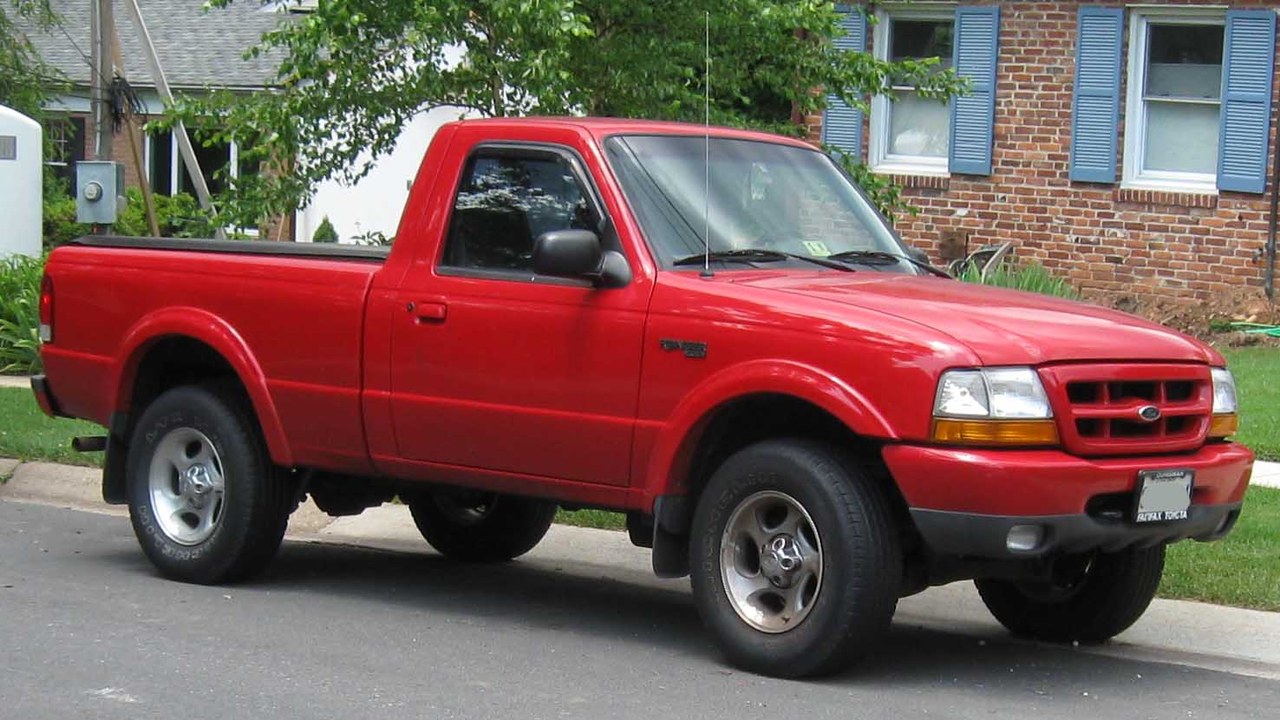
Ford entered 1998 with a redesigned Ranger. According to J.D. Power’s Ranger history, the update brought a lengthened wheelbase, rack-and-pinion steering and a Flareside bed option.
Rack-and-pinion steering and extra length point to a truck tuned for everyday driving as much as for work. The Flareside bed option kept some of the traditional look that classic pickup fans liked, so buyers could choose style as well as function. Anyone shopping used should check the bed condition closely, since that styling feature is hard to replace if damaged.
7. Ranger Flareside Splash: Flashy Sub-Model
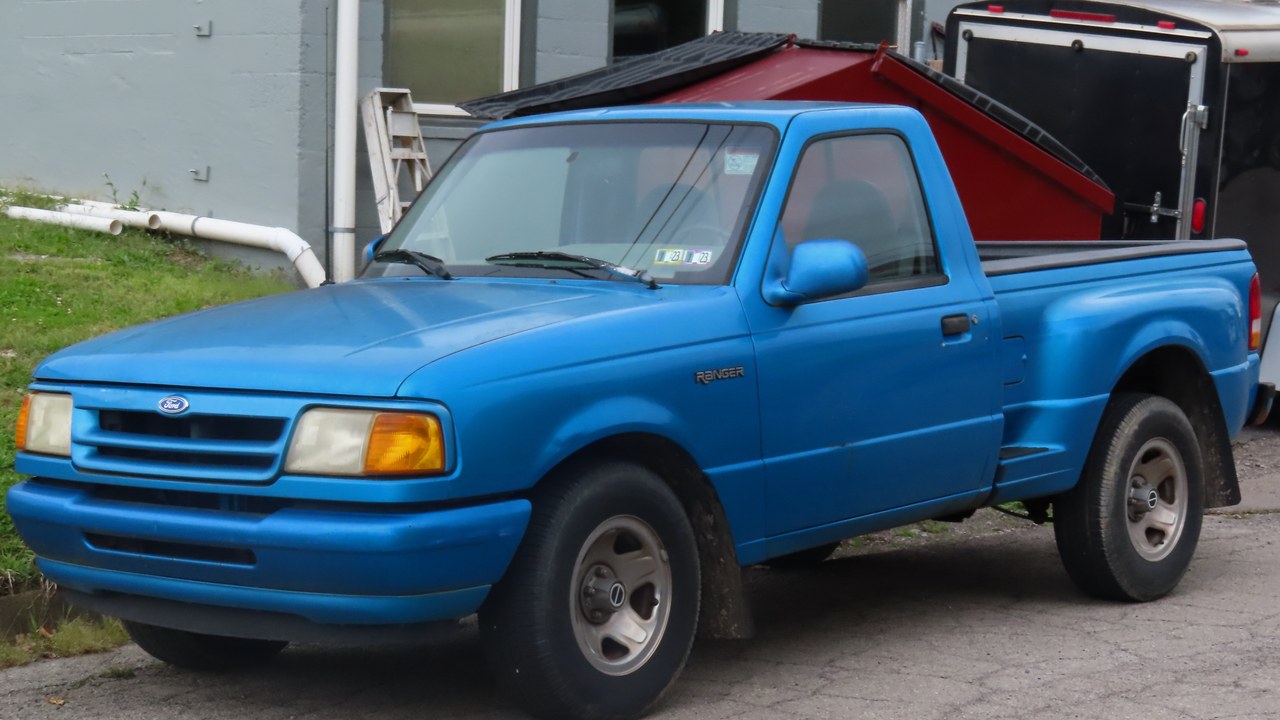
The Flareside Splash was a flashy Ranger sub-model introduced for 1993 around the Flareside bed. J.D. Power’s Ranger history lists it as discontinued in 1999.
Its run of roughly six years makes the Splash a niche pick in the Ranger story. Collectors tend to prize such short-lived trims, so documentation of the original package, including paint and bed details, can add real value when one changes hands. Sellers who keep the paperwork tend to find that serious buyers respond to it.
8. 2019 Ranger return: The Comeback
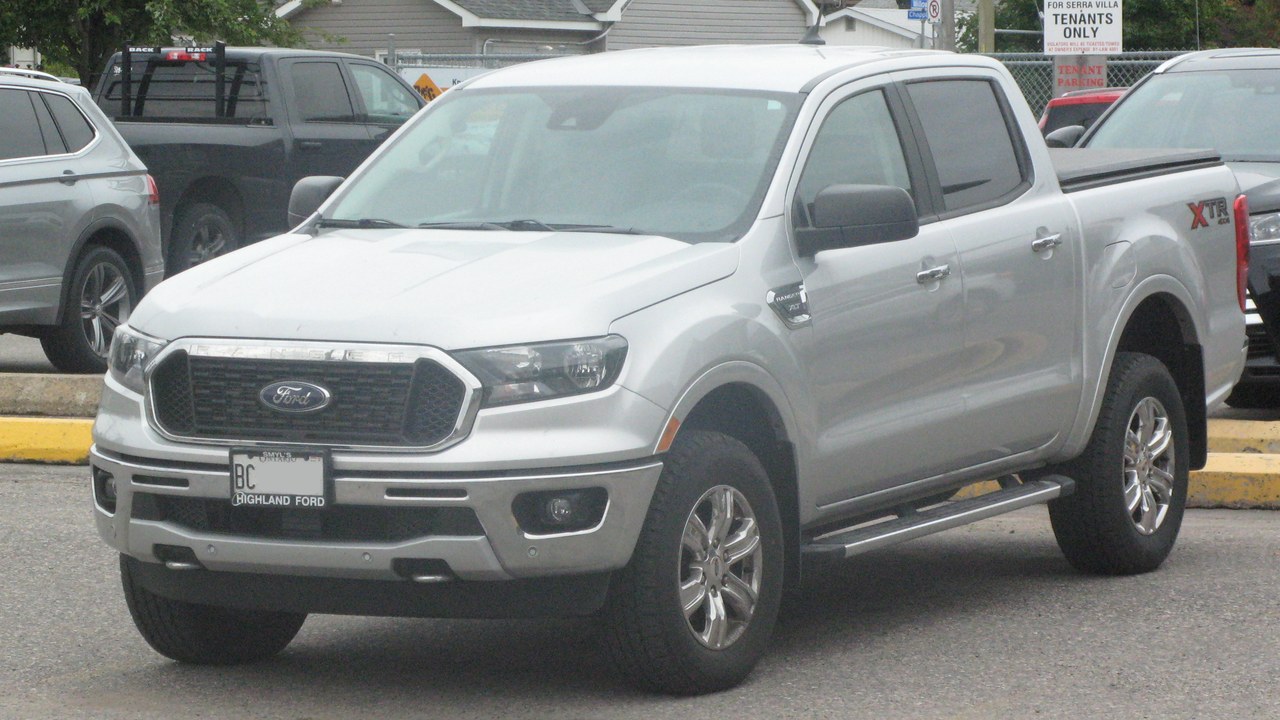
Ford retired the truck in 2011, then brought the Ranger back to the U.S. mid-size market for 2019. J.D. Power’s Ranger history notes the return came with a 2.3-liter EcoBoost engine.
The newcomer sat in the mid-size class instead of the old compact one, and it arrived with a modern turbocharged engine. Buyers who missed the Ranger during the gap finally had a Ford option in that segment again, after years of looking elsewhere. For shoppers cross-comparing, the turbo four makes a useful reference point against rival mid-size trucks.
9. Ranger Raptor: Desert Runner

The first Ranger Raptor sold in the U.S. is described by Hagerty’s review of the Ranger Raptor as pumping out 405 horsepower and 430 lb-ft of torque on premium fuel. The engine is a twin-turbo 3.0-liter V6.
Pricing starts at $58,555 including destination. That puts the Raptor far above the original truck’s sticker and makes it the performance flagship of the lineup. Buyers should expect to budget accordingly, and note that the engine calls for premium fuel. The twin-turbo V6 gives the truck real performance credentials, yet that capability comes at a price premium.
10. 2024 Ranger: Crew Cab Only
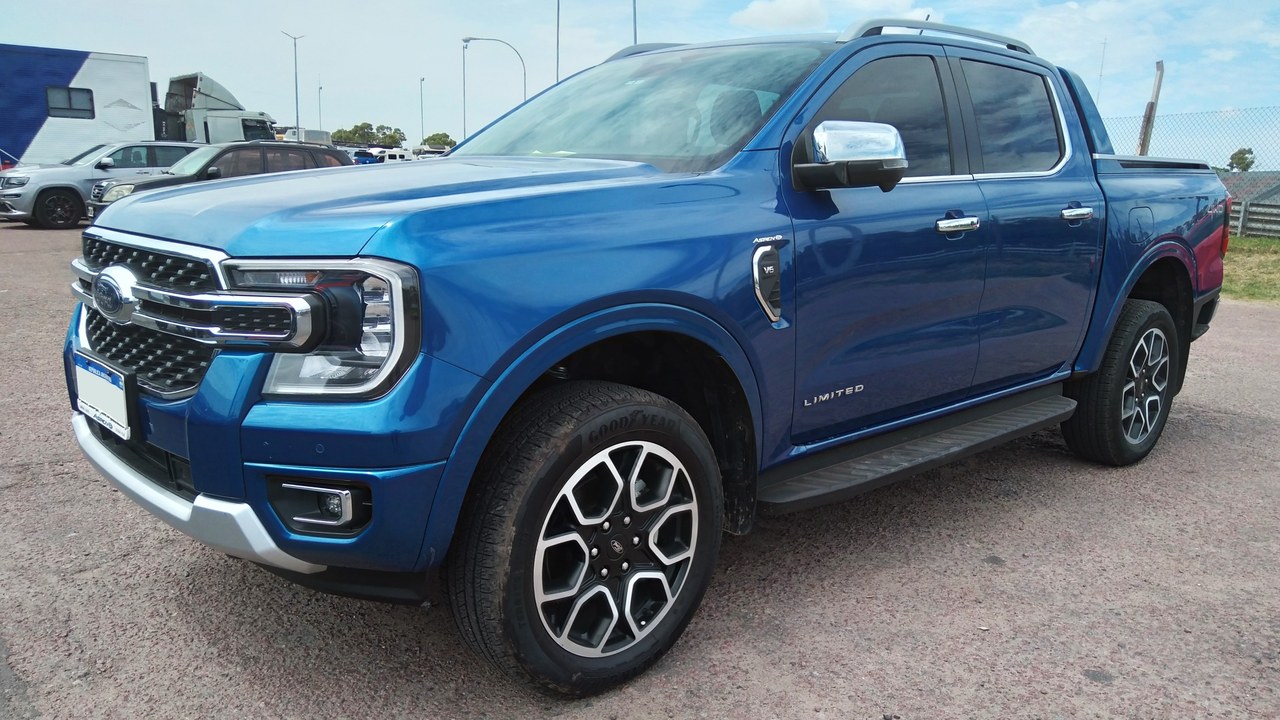
The redesigned 2024 Ranger is sold only as a crew cab. As The Drive’s report on the redesigned truck describes, the 2.3-liter EcoBoost remains the standard engine, making 270 horsepower and 310 pound-feet of torque.
The base XL starts at $34,160. Buyers wanting a smaller cab or a wider choice of body styles will not find it here, since the lineup has narrowed around the crew cab. Those who need the extra seating get it standard, while others pay for space they may not want.
AI, explained every day: Get The Deep View →
We may earn a commission if you sign up.
More from Morning Overview
- Lake Powell sank to a record 3,517 feet, nearing the level that stops Glen Canyon Dam’s turbines
- Seven of Earth’s nine planetary boundaries are breached, and all seven are worsening
- The NSA says three phone features should be off whenever you aren’t using them
- Hurricane Hunter radar shows four warning signs that a tropical cyclone is about to strengthen, a University of Miami study found
