
Charging speed, not just range, decides how far an electric car really takes its owner in a day. The difference comes down to battery voltage, thermal management, and whether the vehicle can hold a high rate long enough to matter at a public station. These nine electric vehicles stand out for pulling power quickly enough to turn a stop into a short break.
1. Lucid Air: The 900-Volt Range Leader
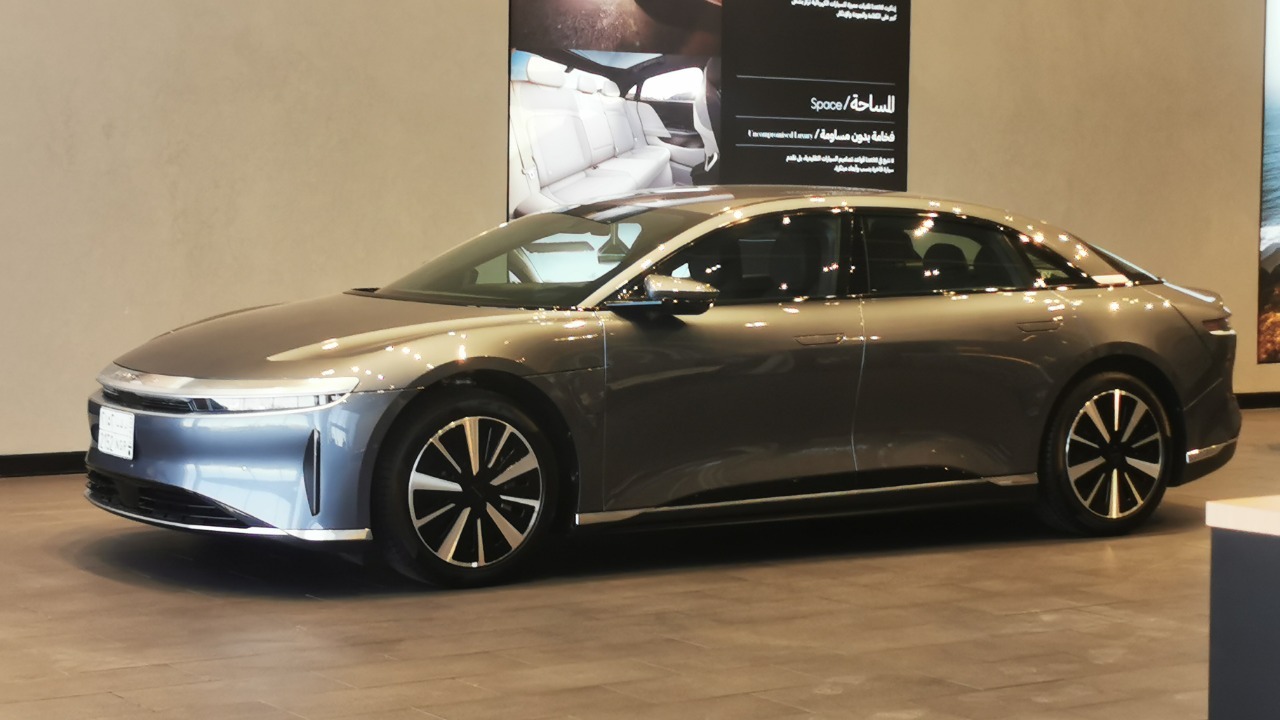
The Lucid Air runs a 900-volt electrical architecture, among the highest voltage in any production car, and its Wunderbox charging hardware uses that headroom to accept very high direct-current power. Lucid states the sedan can recover hundreds of miles of range in roughly twenty minutes when connected to a fast enough charger. Pairing a large battery with a high-voltage system keeps stops short on long trips.
Real-world speed still depends on the station, because few public chargers deliver the peak the Air is engineered to take. Where the hardware lines up, the payoff is a meaningfully shorter break rather than a wholly different driving day.
2. Porsche Taycan: The 800-Volt Pioneer
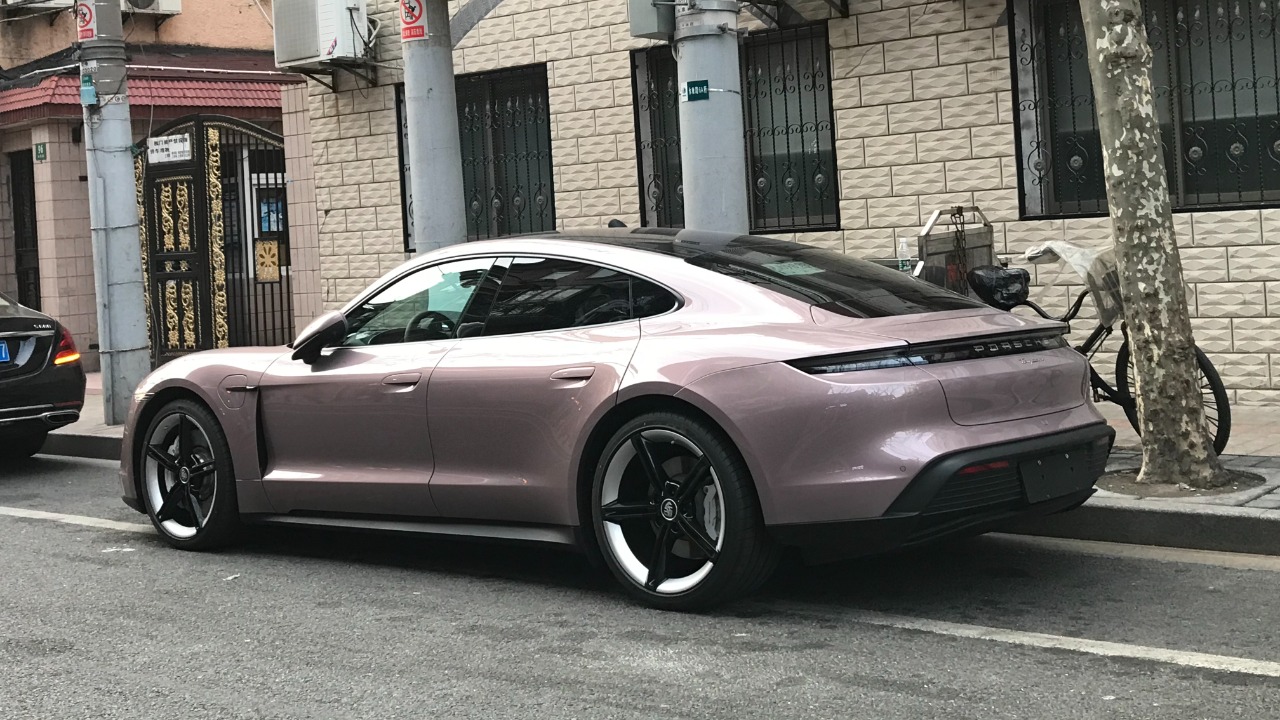
The Porsche Taycan was the first mainstream production car built on an 800-volt system, a choice that let it draw high sustained power years before rivals followed. Under favorable conditions the Taycan can charge from ten to eighty percent in well under half an hour, and later versions lifted the peak rate further. Its steadiness across repeated fast charging helped set the template others copied.
That consistency matters most to drivers who charge often, since the car holds a strong rate across a wide window rather than spiking briefly and tapering. The trade-off is cost, as the engineering behind the speed sits inside a premium sports sedan.
3. Hyundai Ioniq 5: The E-GMP Benchmark

The Hyundai Ioniq 5 brought 800-volt charging to a mainstream price on the E-GMP platform, and it remains one of the quickest chargers in its class. On a compatible high-power charger it can climb from ten to eighty percent in under twenty minutes in ideal conditions. The tall crossover body also makes that speed practical for families rather than reserved for luxury buyers.
The result is an everyday electric car that treats a road-trip stop as a coffee break instead of a long wait. Cold weather and busy stations can slow the peak, so the headline figure describes a best case rather than a guarantee.
4. Kia EV6: The Shared Fast-Charging Hardware
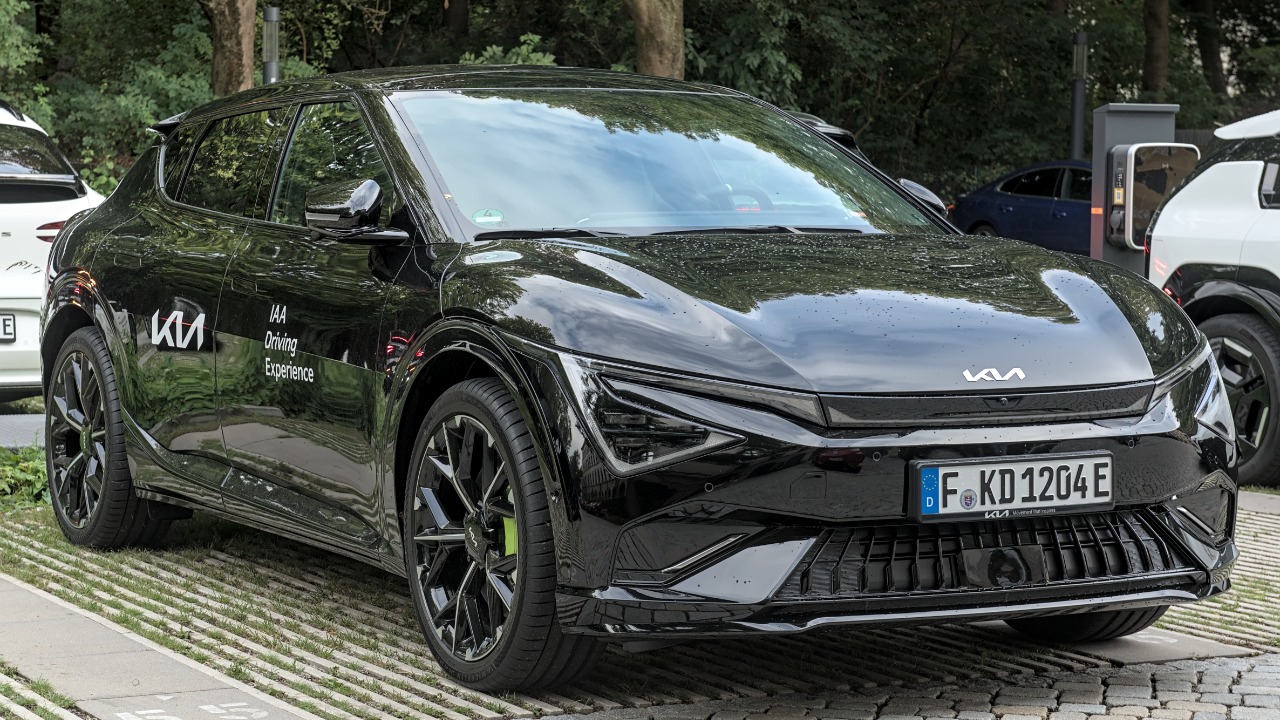
The Kia EV6 shares the same 800-volt E-GMP underpinnings as its Hyundai cousin, so it posts nearly identical fast-charging numbers. Kia quotes a ten-to-eighty-percent top-up in roughly eighteen minutes when the vehicle meets a charger capable of delivering the full rate. A sportier shape and firmer tuning separate it from the Ioniq 5 without giving up any charging advantage.
For a buyer choosing between the two, the decision comes down to styling and driving feel rather than how long a stop takes. The high-voltage architecture is the shared reason both cars sit near the front of this list.
5. Genesis GV60: The Luxury Fast Charger
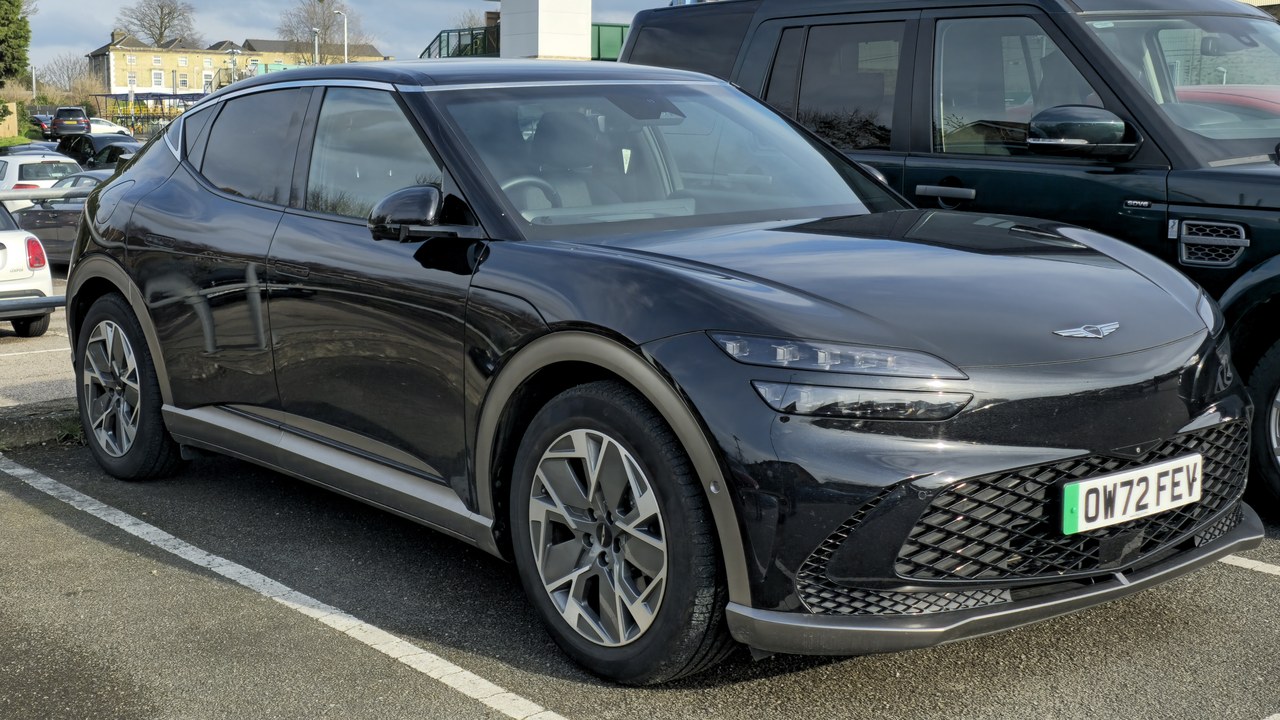
The Genesis GV60 takes the same 800-volt E-GMP hardware and wraps it in a more upscale crossover, keeping the rapid ten-to-eighty-percent charging that defines the platform. It can add a large share of its range in under twenty minutes on a suitable charger, matching its mechanical siblings closely. Genesis pairs that speed with a plusher cabin and standard equipment aimed at luxury shoppers.
The appeal is getting platform-leading charging without the bare-bones feel of a value model. Buyers pay a premium for the trim and refinement, not for any meaningful gain in how quickly the battery fills.
6. Kia EV9: The Three-Row Quick Charger
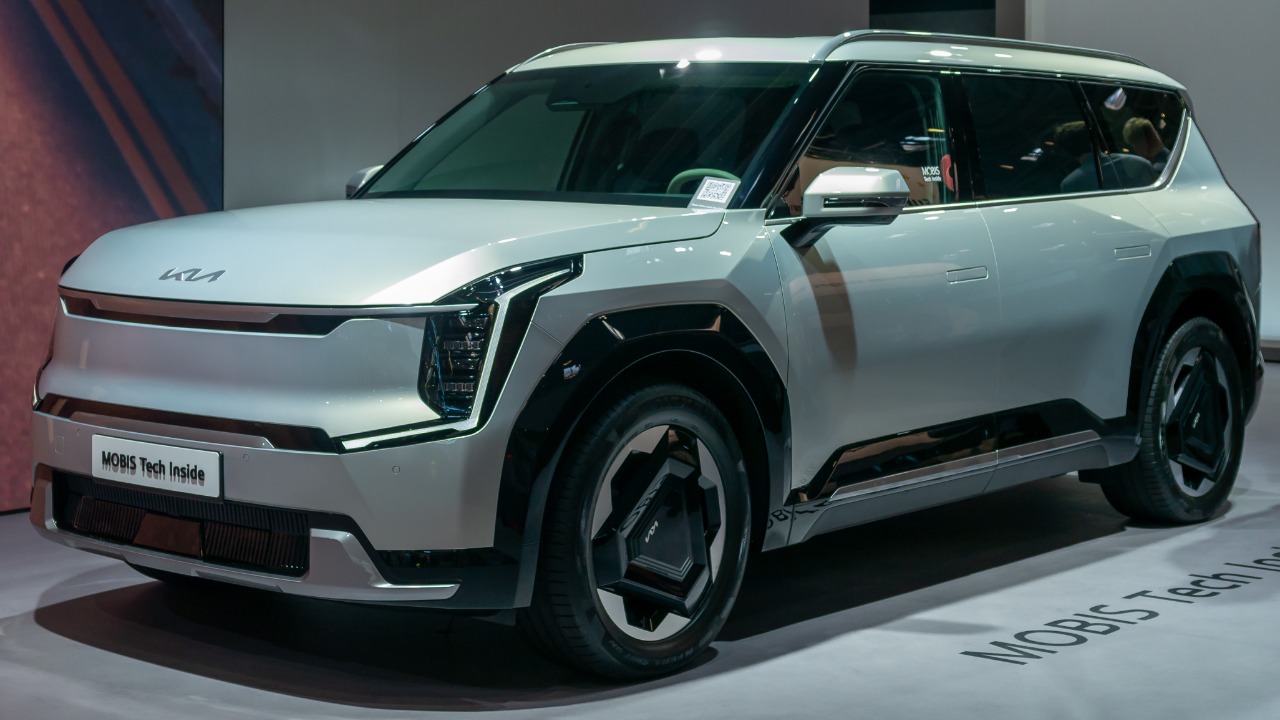
The Kia EV9 proves the 800-volt advantage scales up, carrying a large three-row body and a big battery on the same fast-charging architecture. Despite the added size, Kia says it can recover a substantial range in a short window on a high-power charger. That keeps a family-hauling electric SUV from becoming tied to long stops on longer journeys.
A bigger pack naturally takes more minutes to reach eighty percent than a compact car, so the raw stop is longer even at a high rate. The advantage shows up as fewer and shorter breaks than a slower-charging rival of the same size would demand.
7. Tesla Model 3: The Network Advantage
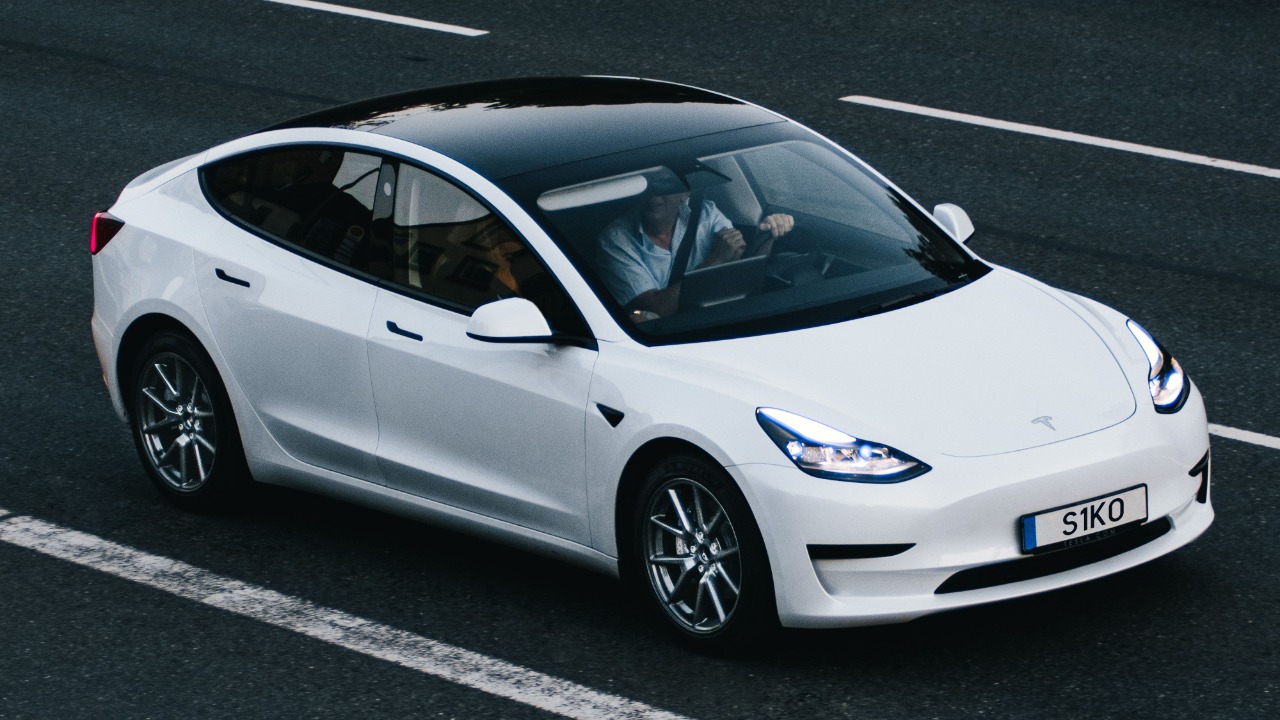
The Tesla Model 3 does not use the highest voltage here, yet it earns a place through the Supercharger network, which delivers quick and dependable charging at scale. Peak rates reach up to 250 kilowatts on the newer stations, and the car pre-conditions its battery on the way to a stop. Reliable access is what turns a strong figure into consistent real-world speed.
For many drivers, a charger that simply works on the first try beats a higher theoretical peak reached only occasionally. That everyday dependability is the reason the Model 3 competes with cars carrying more advanced electrical hardware.
8. Hyundai Ioniq 6: The Efficient Streamliner
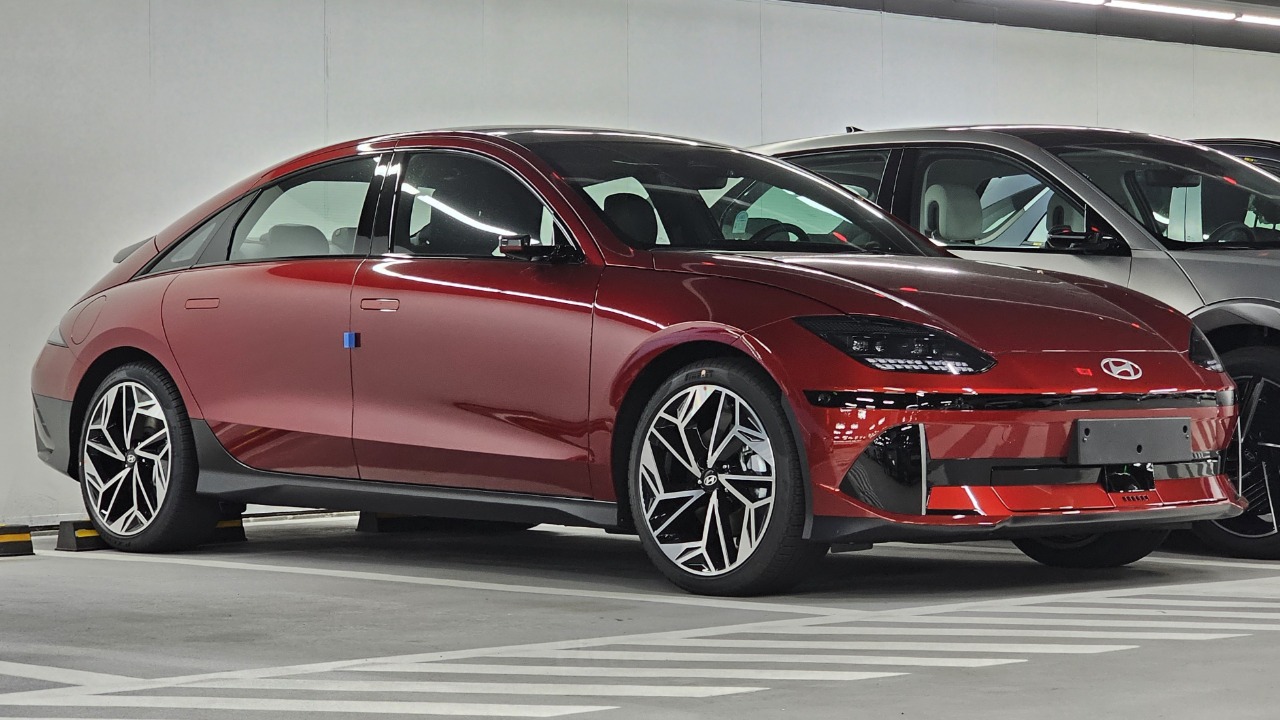
The Hyundai Ioniq 6 combines the platform’s 800-volt speed with an unusually slippery sedan body, so each minute of charging buys more miles than a boxier shape would. Like its siblings, it can move from ten to eighty percent in under twenty minutes on a capable charger. Low aerodynamic drag then stretches that added energy further down the road.
The efficiency angle changes the math, because fast charging and low consumption compound into longer real-world range between stops. That makes the Ioniq 6 one of the more practical long-distance choices rather than just one of the quickest to fill.
9. GMC Hummer EV: The High-Power Heavyweight

The GMC Hummer EV uses General Motors’ Ultium battery system, which can reconfigure to a high-voltage arrangement and accept very large amounts of charging power. GMC has claimed the truck can add roughly a hundred miles of range in about ten minutes at a sufficiently powerful station. That capability offsets the enormous battery a vehicle this heavy requires.
The peak power is impressive, but the sheer pack size means a full charge still takes real time even at a high rate. The strength is topping up quickly enough to keep a massive electric truck usable on longer drives.
More from Morning Overview
- A California supervolcano has bulged upward about two and a half feet since 1978
- The FTC is warning about a scam quietly draining thousands from victims
- The NSA is again telling phone owners to switch off one location setting
- A handful of car transmissions are so tough mechanics say they almost never fail
