
Long before Tesla’s Model S reshaped the market, American drivers could already buy or lease plug-in cars, some of them quirky and many in tiny numbers. Their stories show how stop-and-start the early electric era really was. Here are ten early electric cars that Americans drove.
1. 1974 Sebring-Vanguard CitiCar: A Stubby Wedge Sells Out
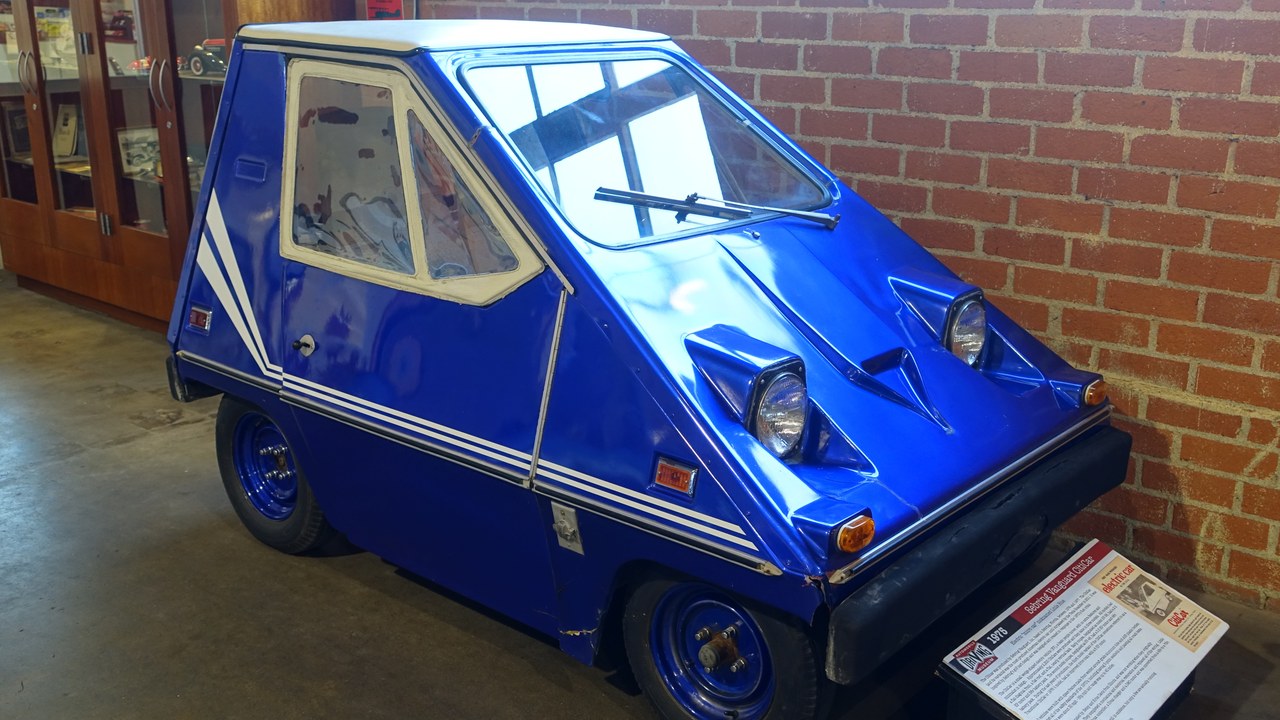
Built from 1974 to 1982, the Sebring-Vanguard CitiCar sold 4,444 units including variants and offered roughly 40 miles of range. The wedge-shaped two-seater is described as the most popular electric car of its time in the post-war years.
Its modest range and compact body made it a city runabout in the plainest sense. The CitiCar shows that demand for electric transport existed in the 1970s, even if the technology of the day limited what buyers could realistically ask of it, and collectors now value its oddball charm.
2. General Motors EV1: Built From the Ground Up
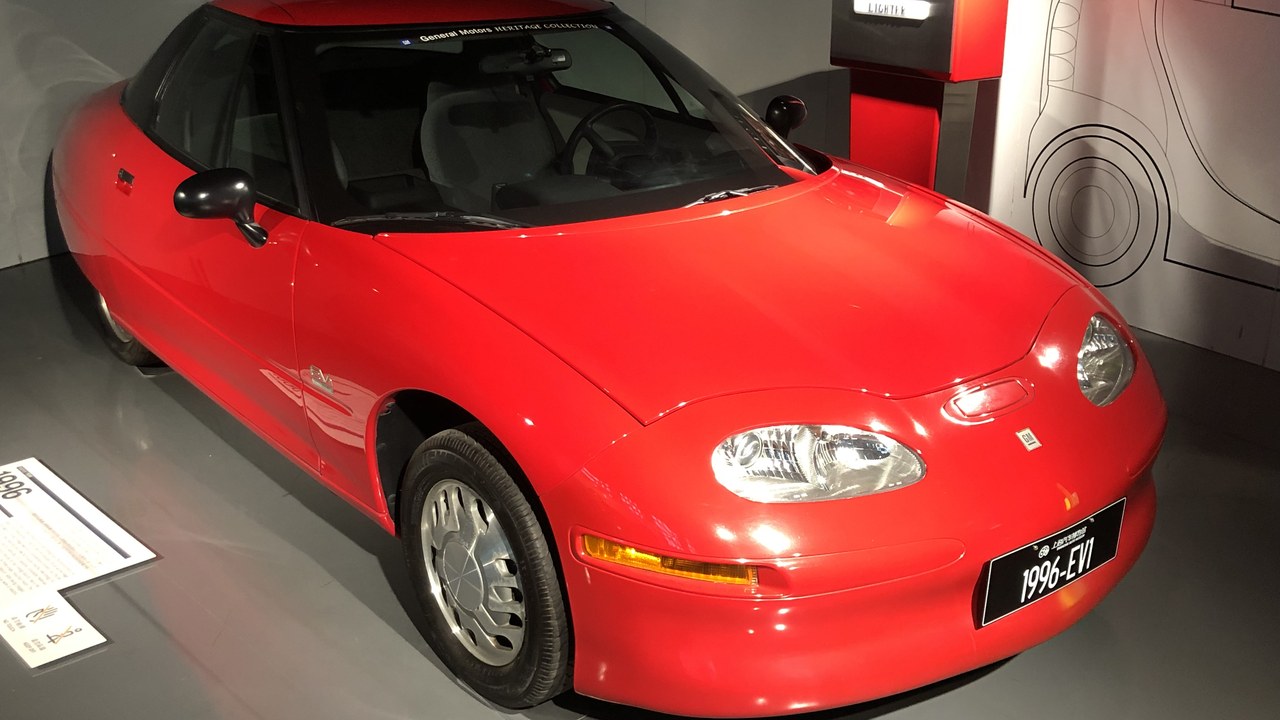
GM designed the EV1 from the ground up with an 80-mile range and 0-50 mph in seven seconds, then discontinued it in 2001 over high costs. The Energy Department’s history of the electric car records those details and presents the car as a serious engineering effort.
Starting from a clean sheet gave the EV1 performance that converted gasoline cars rarely matched in that period. Its end after a short run remains one of the most debated chapters in electric vehicle history, and cost was the stated reason.
3. Honda EV Plus: A Mandate Baby
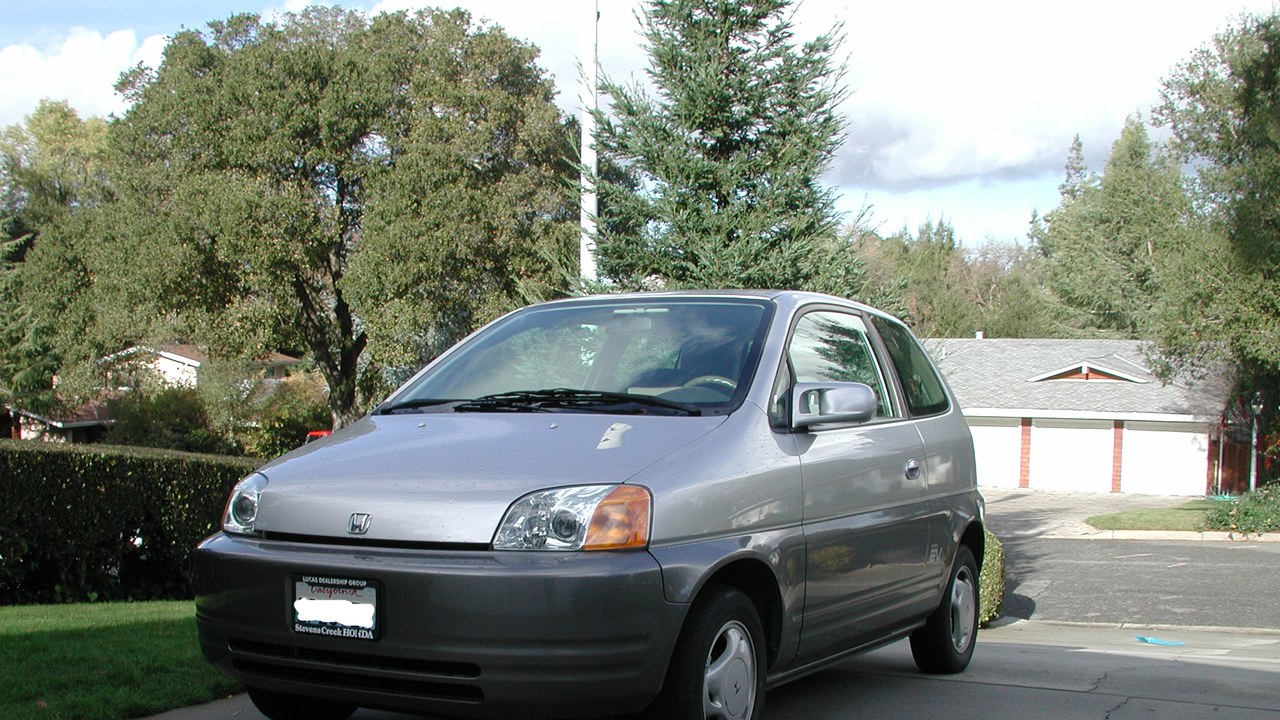
Introduced under California’s zero-emission vehicle mandate, the 1997-99 Honda EV Plus was built in only about 300 units with 80 to 110 miles of range. Few cars of the era were so directly a response to regulation rather than to showroom demand.
Output that small makes the EV Plus a rarity today, and an instructive one. Automakers built it because rules required them to, which explains why the program stayed so limited and why few drivers ever saw one on the road.
4. Toyota RAV4 EV: Leased to the Government
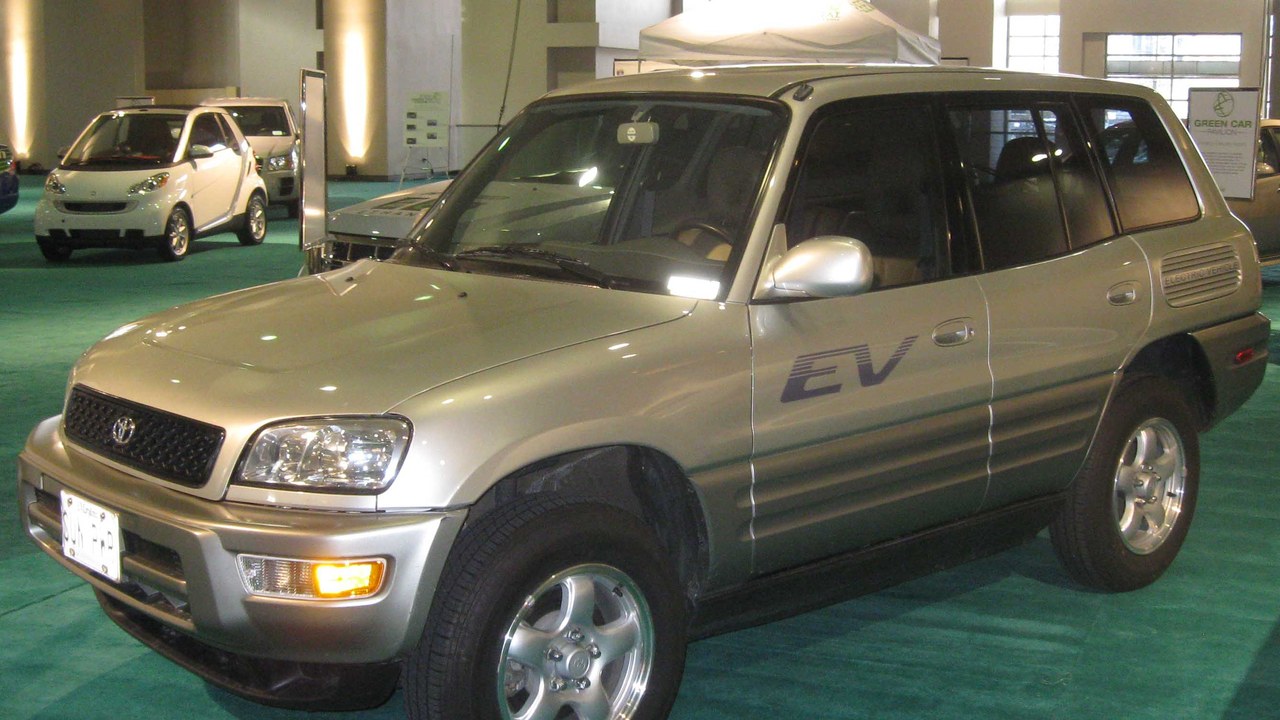
Toyota built 1,900 RAV4 EVs from 1997 to 2002 with about 87 miles of range, leasing most to California government and business users. The program put an electric sport-utility vehicle into real fleet service at a time when such machines were rare.
The RAV4 EV proved that a familiar body style could carry an electric drivetrain. Fleet use gave the automaker a chance to collect practical experience, since business and agency drivers could put a steady workload on the vehicles.
5. Ford Ranger EV: The One-Dollar Pickup
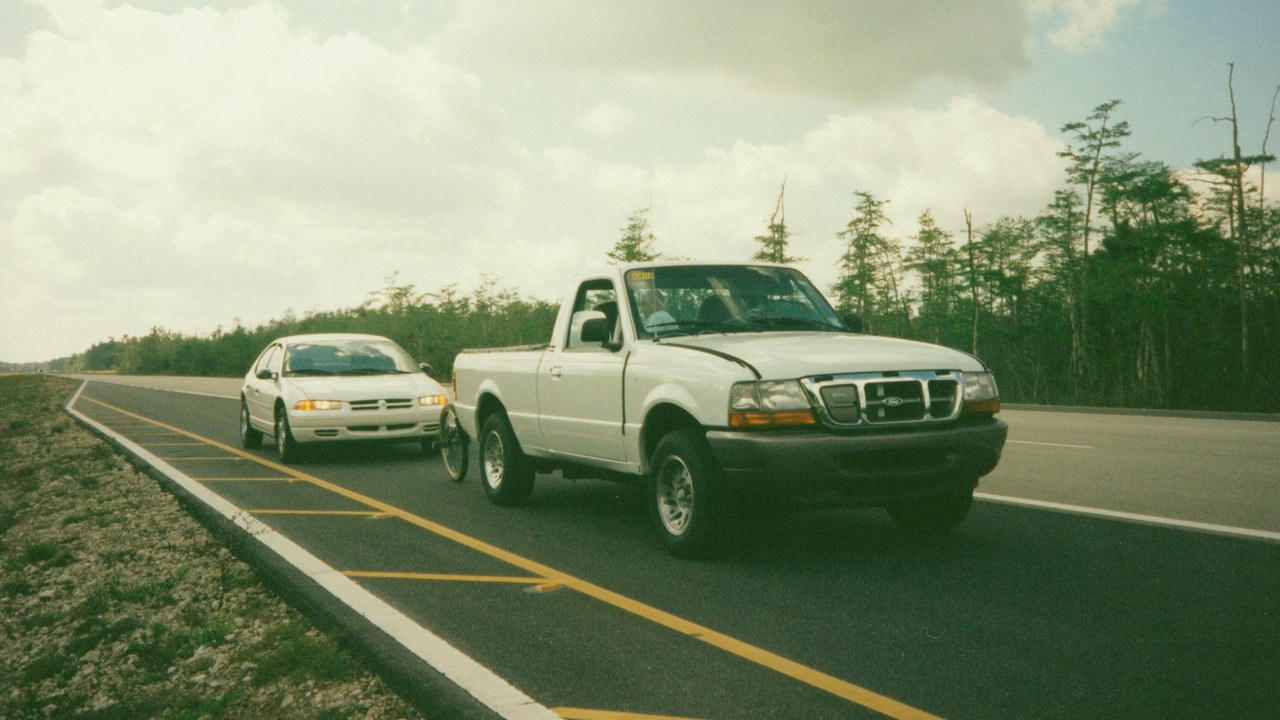
Ford built about 1,500 electric Ranger pickups from 1998 to 2002; after public pressure, some lessees were allowed to buy theirs for $1. That outcome is among the stranger footnotes of the period, given how rarely a maker lets a leased vehicle go so cheaply.
The episode shows how attached some drivers became to cars they had expected to hand back. A small-truck platform also proved that electric power could work in a work-oriented vehicle, not just in compact commuter cars.
6. Tesla Roadster: The Roadster That Changed Minds
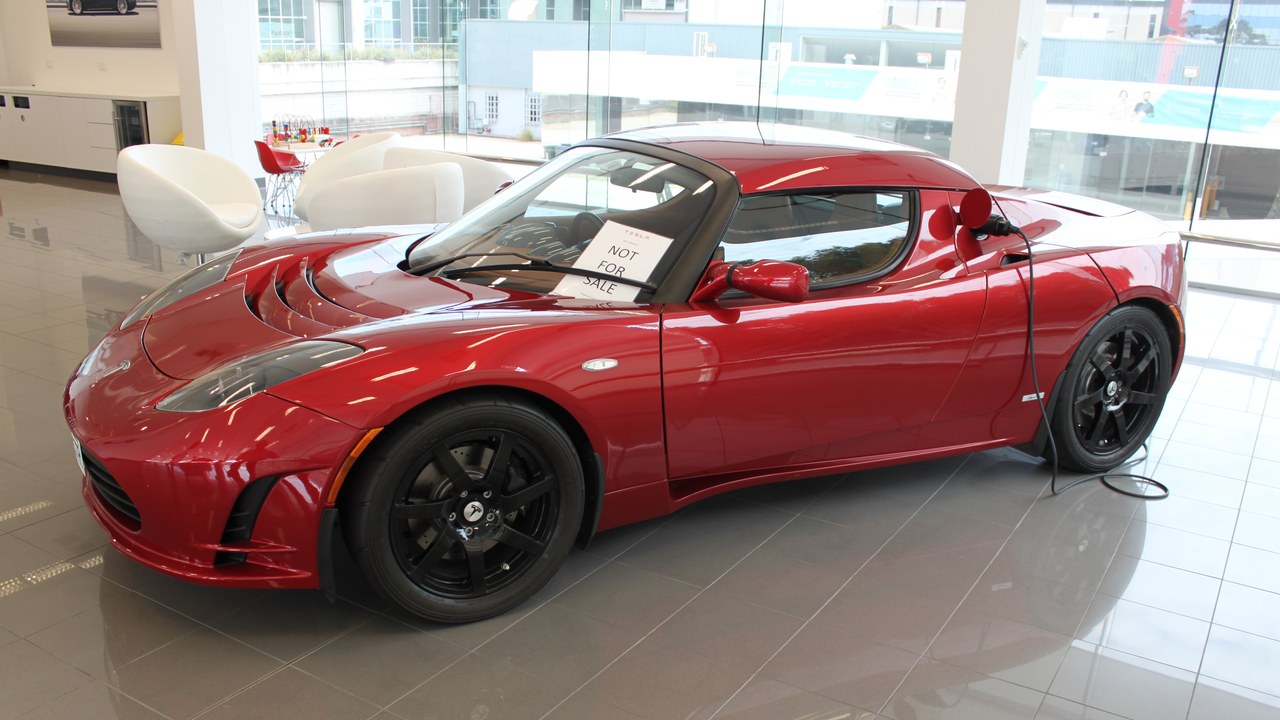
Tesla’s 2008-2012 Roadster had a rated 220 miles of range, and about 2,500 were built before U.S. orders stopped in August 2011. That rating sat far above the range figures of the earlier electric cars on this list, including the 80-mile EV1.
That distance made the Roadster a statement piece for the company and the industry, and a clear break from the short-range cars before it. It served as a stepping stone toward the more mainstream Tesla models that came afterward.
7. Smart fortwo electric drive: A Tiny Two-Seater
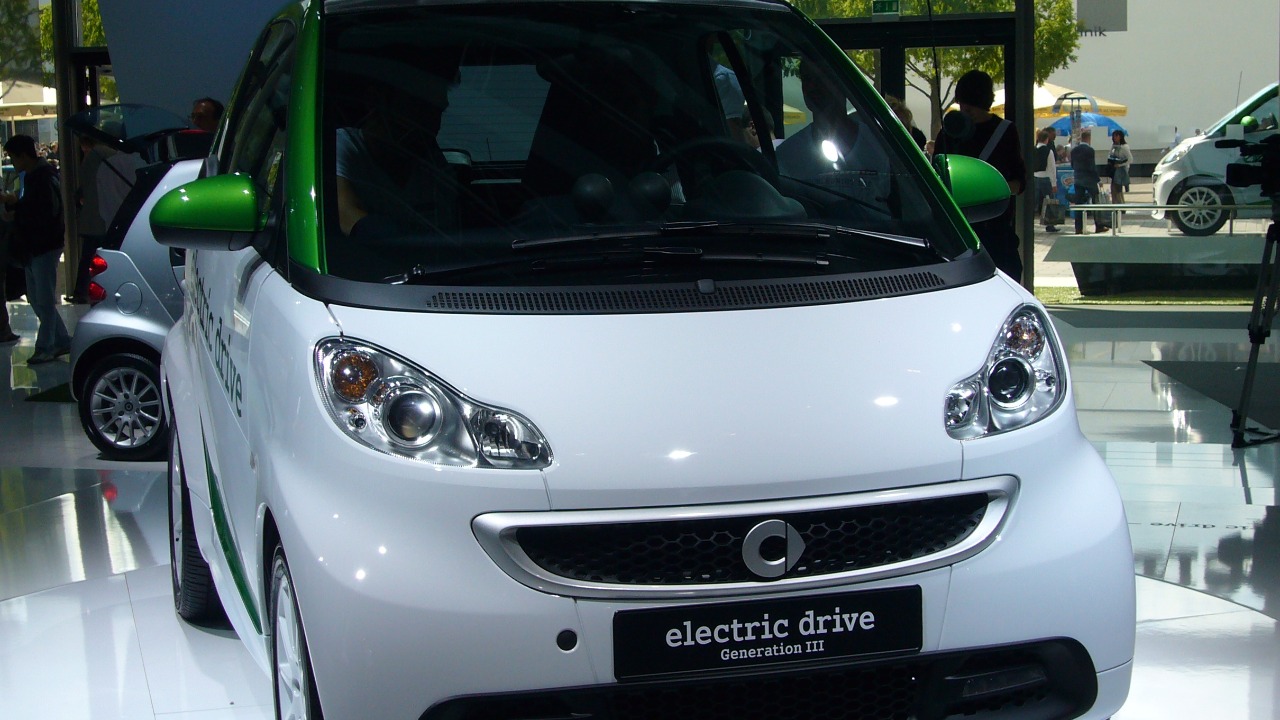
The two-passenger Smart ED was among 23 plug-in electric models on the U.S. market when the Energy Department chronicled EV history. Its place on the list shows how crowded the field had become by the time the agency wrote its account.
Small size suited urban errands, and the car stood for the idea that electrification could shrink as well as stretch. Its listing alongside so many rivals shows the market was maturing, though the source offers little beyond the model’s inclusion.
8. Nissan Leaf: Mainstream at Last
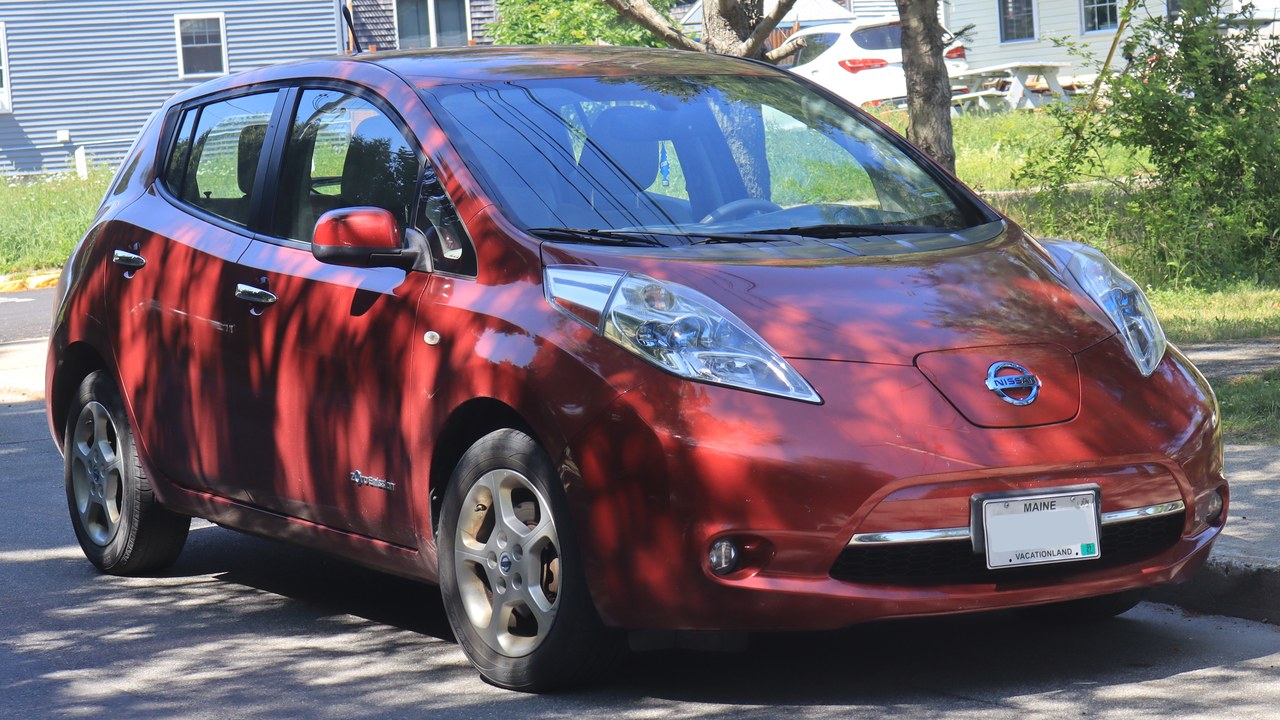
Arriving in late 2010, the Leaf was an all-electric car powered only by an electric motor, the Energy Department notes. That description set it apart from the hybrids and plug-in hybrids that were also reaching dealers around the same time.
The Leaf offered buyers a conventional hatchback rather than a novelty. For many Americans it became the first electric car they could realistically picture owning, which is why the headline names it as the endpoint of this early era, and why it often anchors discussions of the period.
9. Chevrolet Volt: Battery First, Gas Backup
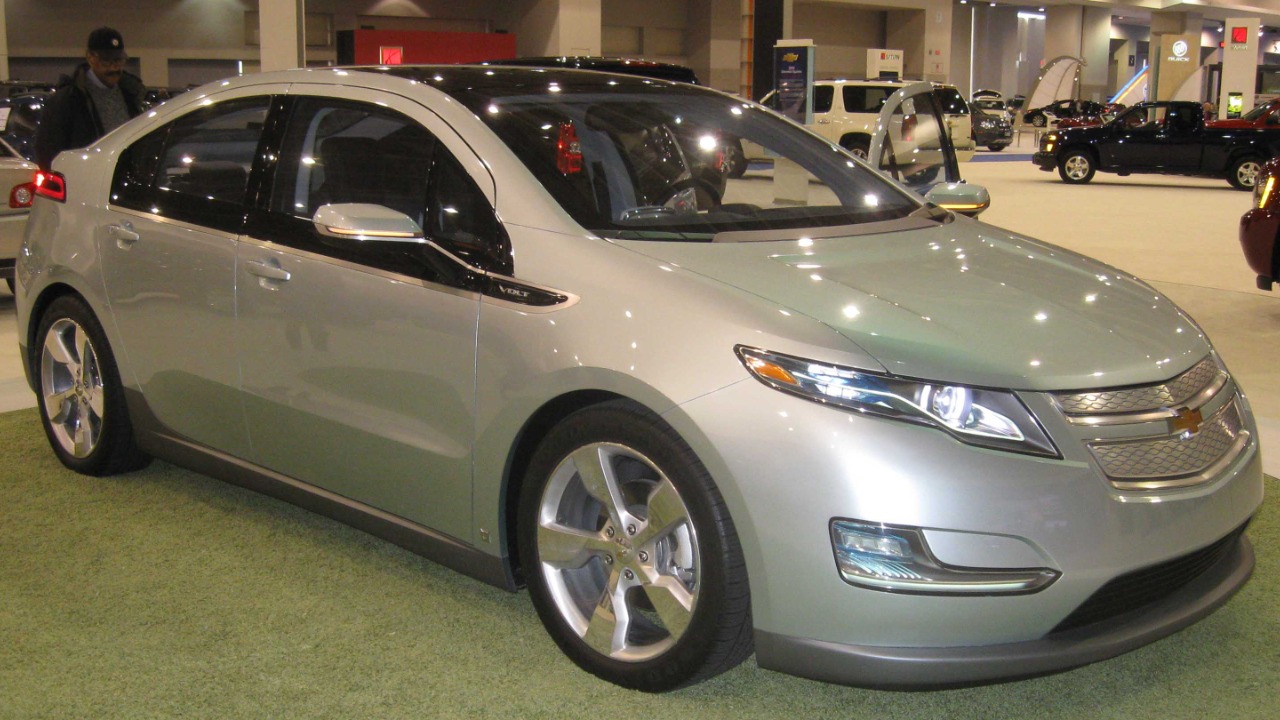
GM introduced the Volt to run on battery power with a gasoline-generator backup, the Smithsonian’s National Museum of American History recounts. The design aimed to cut worries about running out of charge, a fear that held back many early electric cars.
The Volt’s approach appealed to drivers who liked electric driving but wanted a safety net on longer trips. It stands as a bridge between conventional cars and fully electric ones, and its layout remains a distinctive piece of engineering.
10. Mitsubishi i-MiEV: The Pricey Import
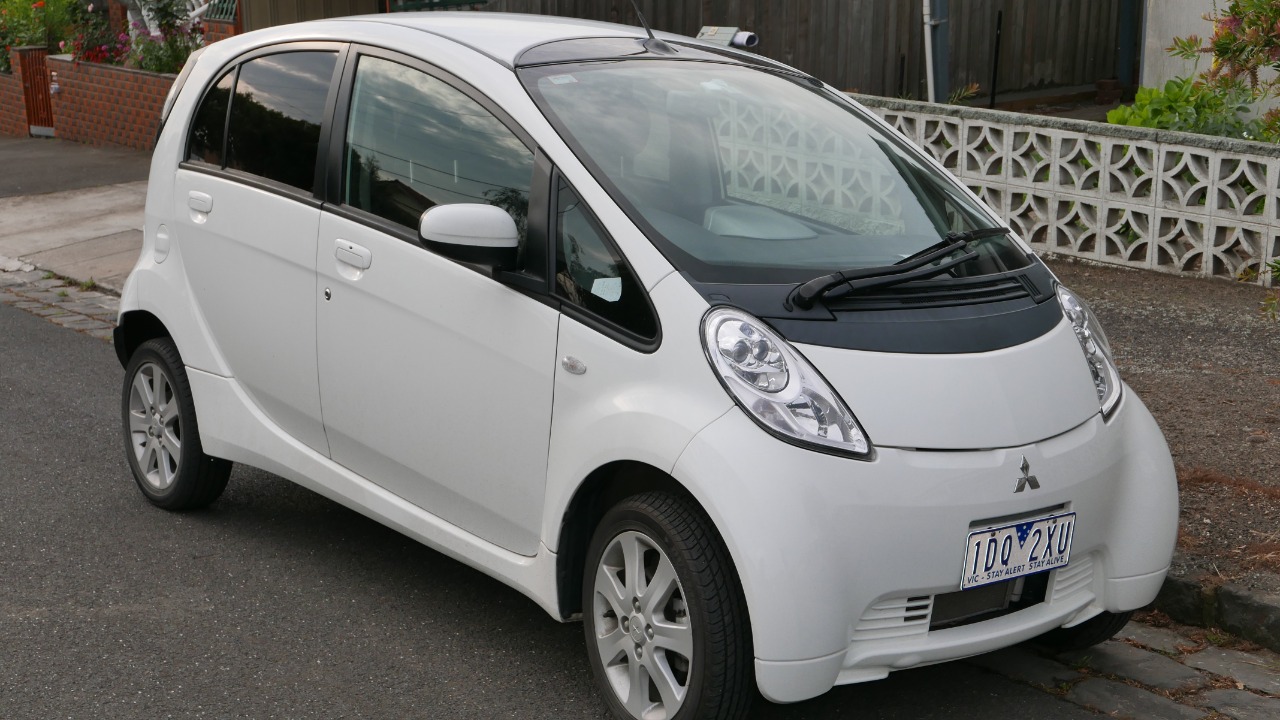
The Mitsubishi electric hatchback, the MiEV, reached U.S. buyers in December 2011 as a 2012 model with a 62-mile EPA range and a $29,125 base price. Those numbers made it a pricey proposition for a car with such a short stated range, and a hard sell next to competing models.
Shoppers weighing range against cost found the figures tough to justify. The MiEV remains a useful reminder that early adoption often meant paying a premium for compromise, and that a short range made every mile count when planning a trip.
More from Morning Overview
