
Electric cars tend to disappear from showrooms far more quietly than they arrive. Some were compliance models built in small numbers for a handful of states, and others were converted versions of gasoline cars that ran out of runway once purpose-built platforms took over. Here are nine electric cars automakers have quietly discontinued.
1. Chevrolet Bolt: Retired at the Top of Its Sales
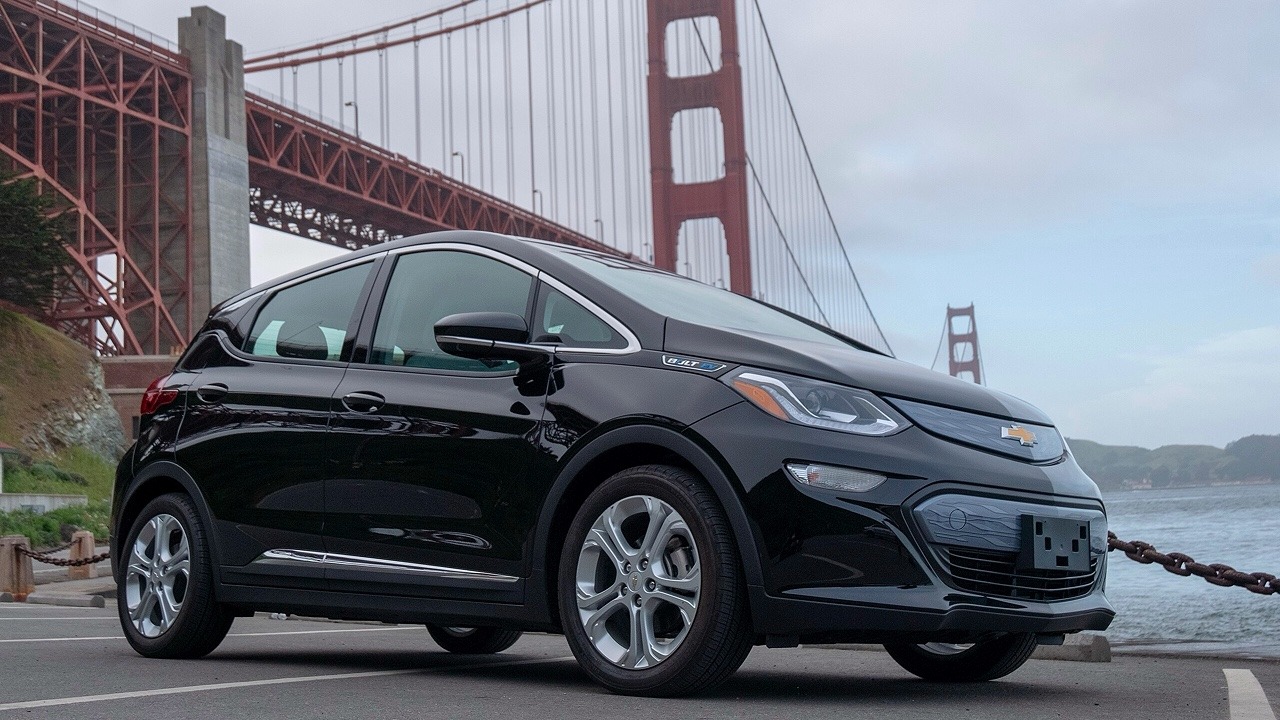
General Motors ended production of the Chevrolet Bolt at its Orion Assembly plant in Michigan at the close of 2023, shutting down a car that had spent years as the cheapest long-range electric vehicle on the American market. The affordable electric hatchback left the lineup while it was still finding buyers, a casualty of the company’s plan to move everything onto its newer Ultium battery architecture.
The retirement proved temporary. GM has since committed to a next-generation Bolt built on that newer platform, so anyone weighing a used example is shopping a discontinued car whose badge will outlive it.
2. Ford Focus Electric: The Converted Compact Nobody Replaced
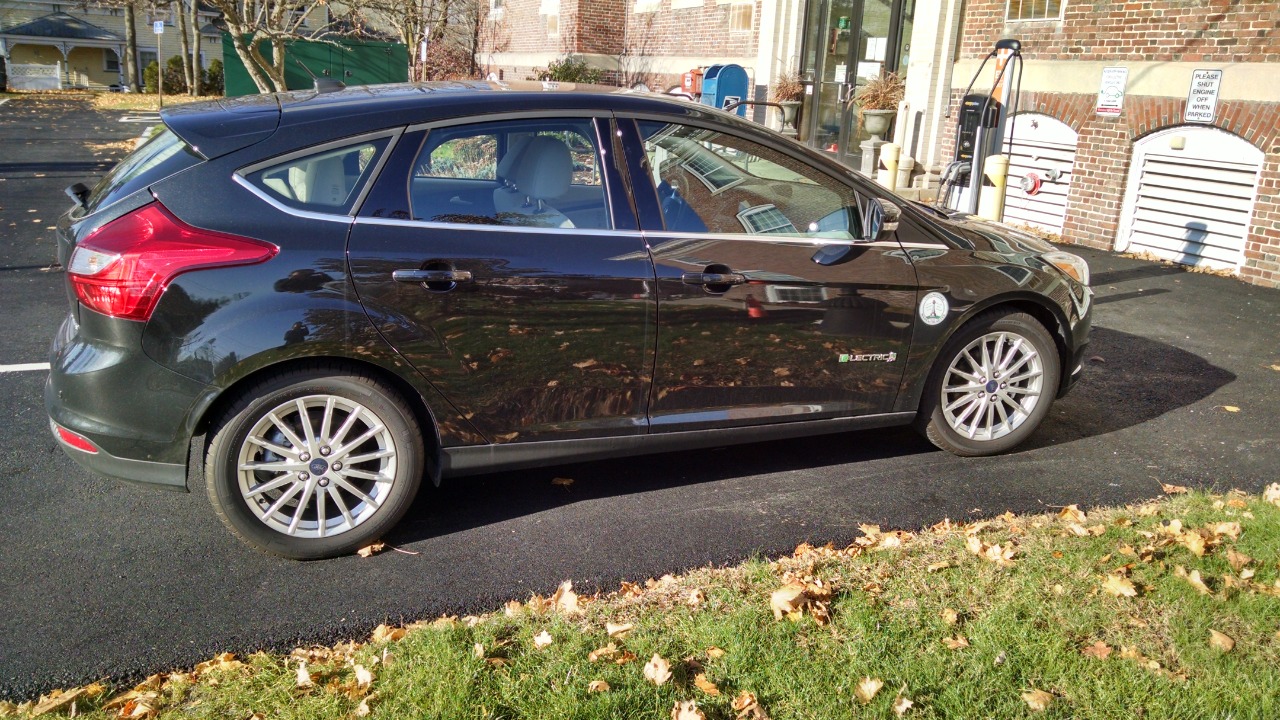
Ford’s first modern battery-electric passenger car arrived in 2011 as a converted version of the gasoline Focus, sharing its body, its cabin and most of its hardware. Production of the battery-powered Focus ended in 2018 after years of modest sales, and Ford never fielded a direct replacement in the same compact class.
Early cars were held back by short range and a trunk largely consumed by the battery pack. Ford’s electric ambitions resurfaced instead under famous nameplates, the Mustang Mach-E and the F-150 Lightning, leaving the small-car segment vacant.
3. Volkswagen e-Golf: Traded Away for the ID Family
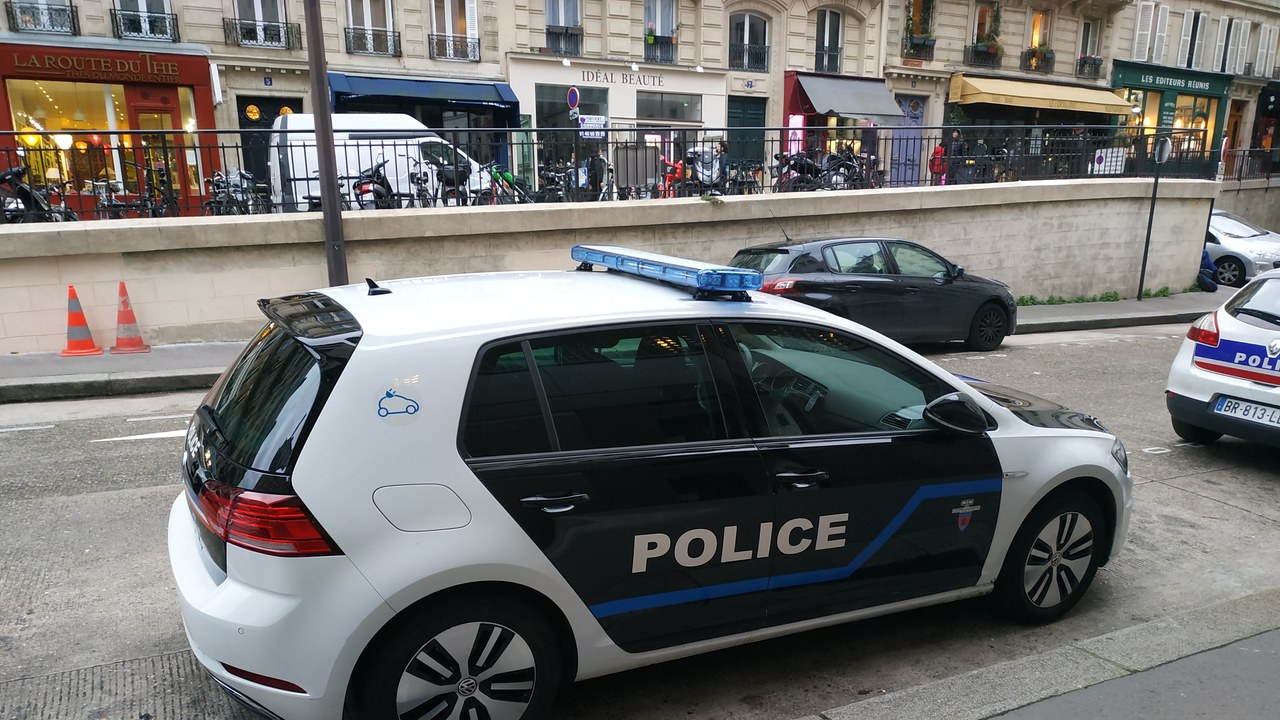
Volkswagen sold the e-Golf as a deliberately unremarkable electric that asked buyers to give up almost nothing familiar about a Golf. The company retired the electric Golf variant in 2020 rather than re-engineer it, redirecting the money into the purpose-built ID range that followed.
The reasoning was structural. A platform designed around an engine bay limits how much battery a car can physically carry, and Volkswagen wanted a dedicated architecture instead. Owners kept a solidly built hatchback, though its modest range reads as dated beside anything newer.
4. BMW i3: Carbon Fiber Was Too Expensive

BMW wrapped the i3 around a carbon-fiber-reinforced plastic passenger cell mounted on an aluminum chassis, an expensive approach no mainstream rival attempted to copy. The company stopped building the carbon-bodied city car in 2022 after roughly nine years, closing out one of the strangest electric vehicles of its generation.
Tall, narrow proportions and rear-hinged coach doors made it polarizing, and an optional gasoline range extender muddied the pitch further. Used examples trade cheaply now, but the composite structure complicates collision repair and pushes some damaged cars toward an early write-off.
5. Honda Clarity: Three Powertrains, One Quiet Exit
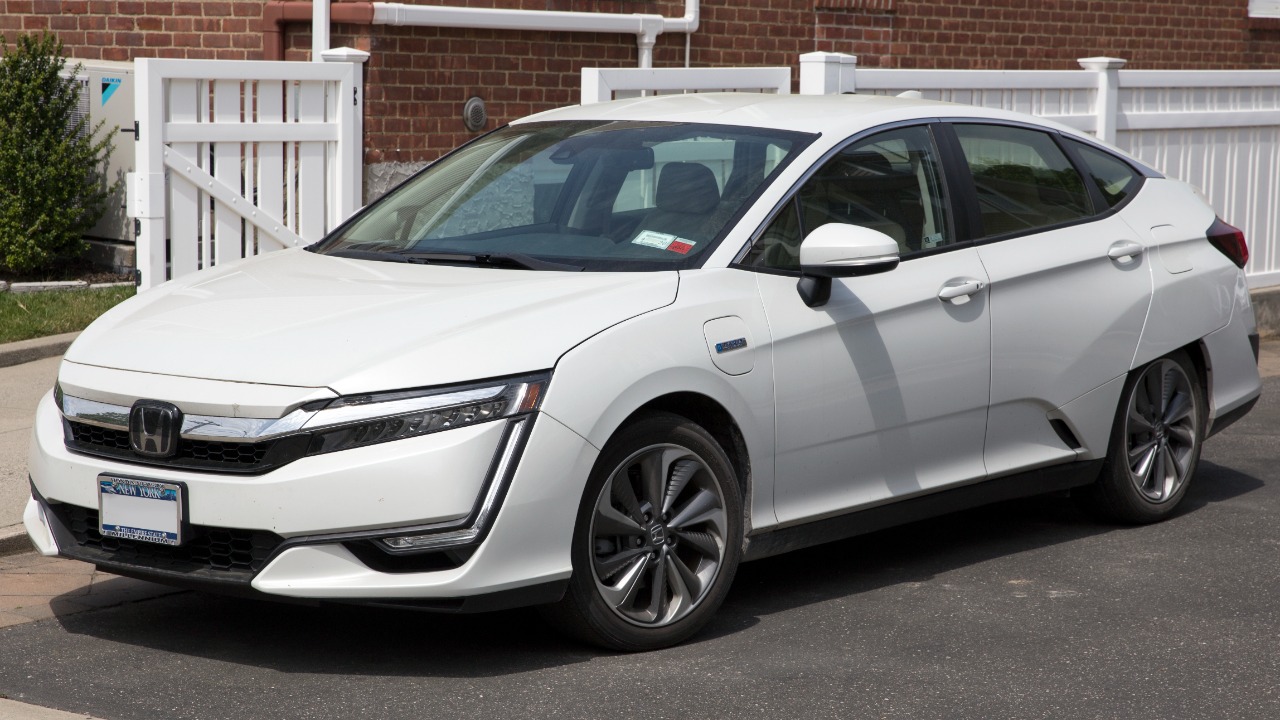
Honda offered the Clarity in three versions at once, battery electric, plug-in hybrid and hydrogen fuel cell, and the pure electric was the shortest-lived of them. The electric Clarity sedan was leased rather than sold, in only a couple of states, and Honda wound down the wider Clarity line in North America in 2022.
Range was the fatal weakness; the battery car trailed rivals badly and made sense mainly as a cheap lease. Honda’s serious electric push arrived later through partnerships, which left the Clarity looking like an experiment rather than a foundation.
6. Fiat 500e: Sold at a Loss on Purpose
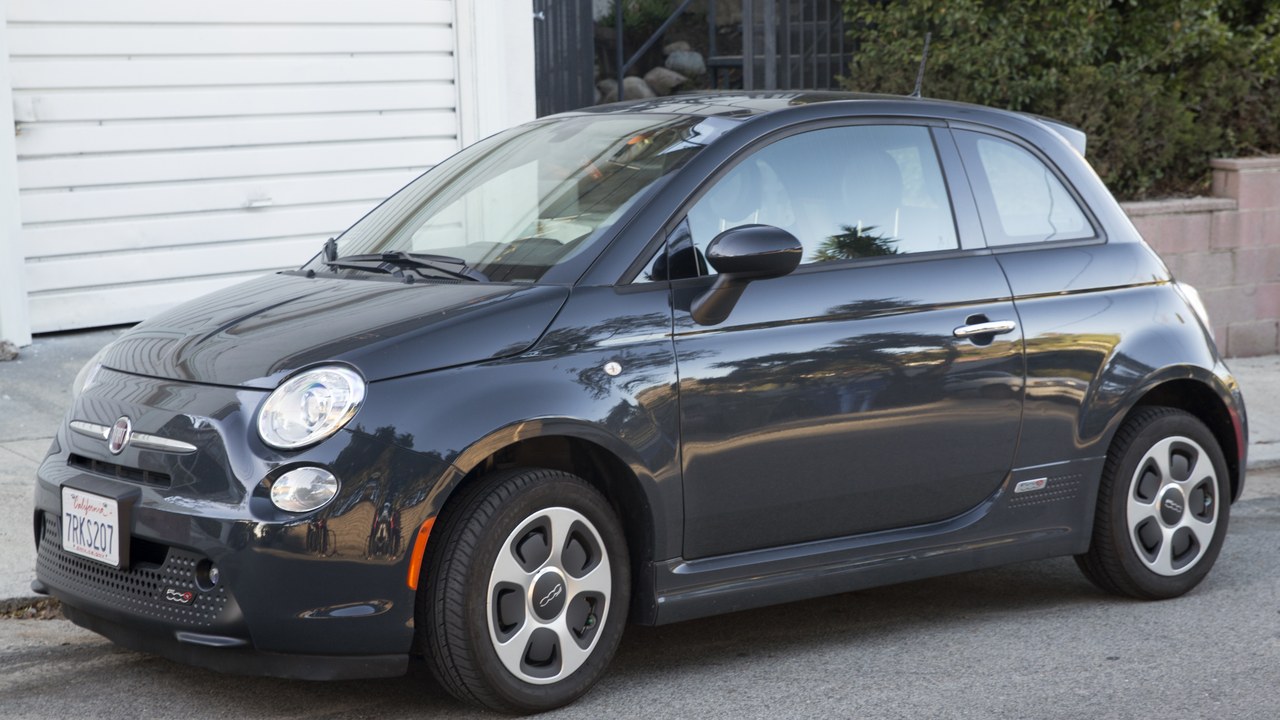
Fiat put the first electric 500 on sale in California and Oregon in 2013, a compliance exercise its own chief executive publicly admitted lost money on every copy sold. The original electric 500 was pulled from the United States before the decade was out and vanished from showrooms with no fanfare.
The nameplate later returned as a fully redesigned car developed in Europe, so the discontinuation applied to the first generation rather than the concept. Anyone buying an early example gets a short-range city runabout backed by a thin dealer network.
7. Hyundai Ioniq Electric: Efficiency Outlasted by a Sub-Brand
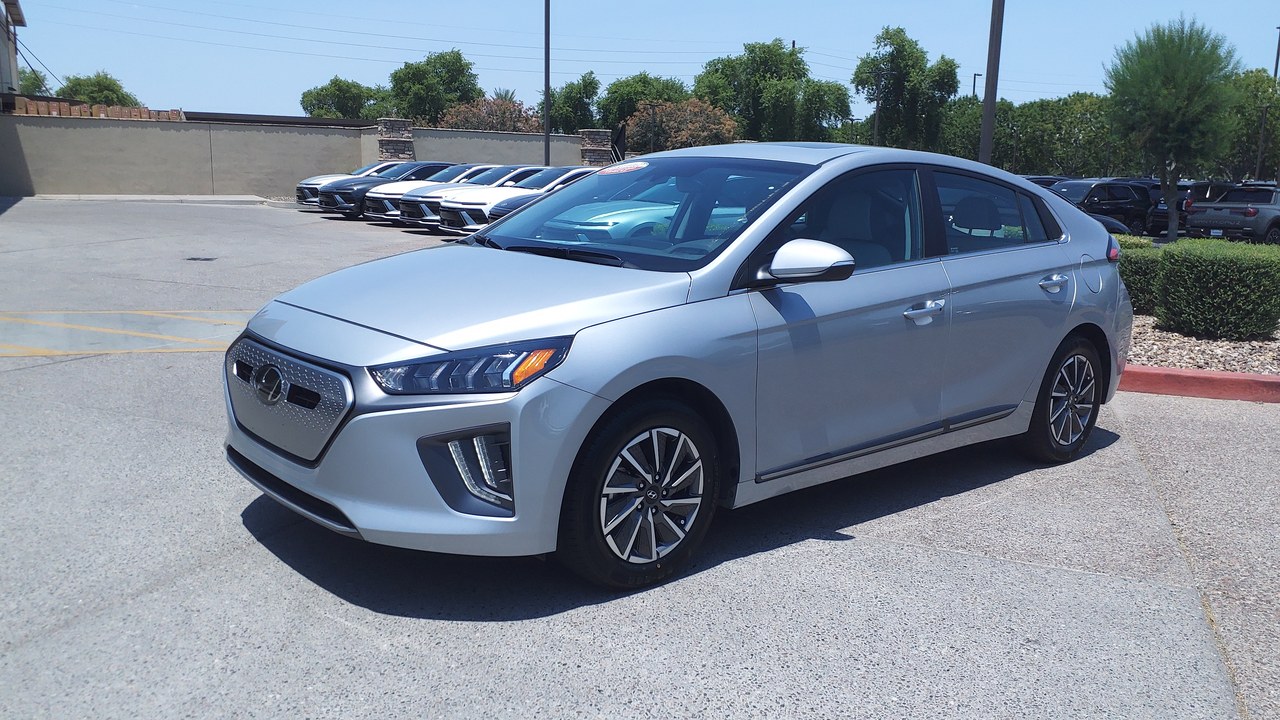
Hyundai sold the Ioniq as a single body offered with three powertrains, and the battery-electric version was the quiet standout. Sharing a shell with its hybrid and plug-in siblings held costs down, while a slippery profile and low weight let the compact electric liftback post some of the lowest energy consumption figures of any car sold in America, drawn from a battery smaller than its rivals carried.
Hyundai then retired the car in favor of the dedicated Ioniq 5 and turned the name into an entire sub-brand. Used buyers get a frugal commuter cheaply, but range on the early cars sits well under 200 miles and charging speed lags badly behind anything built on a purpose-designed electric platform.
8. Smart EQ Fortwo: Electric Only, Then Gone Entirely
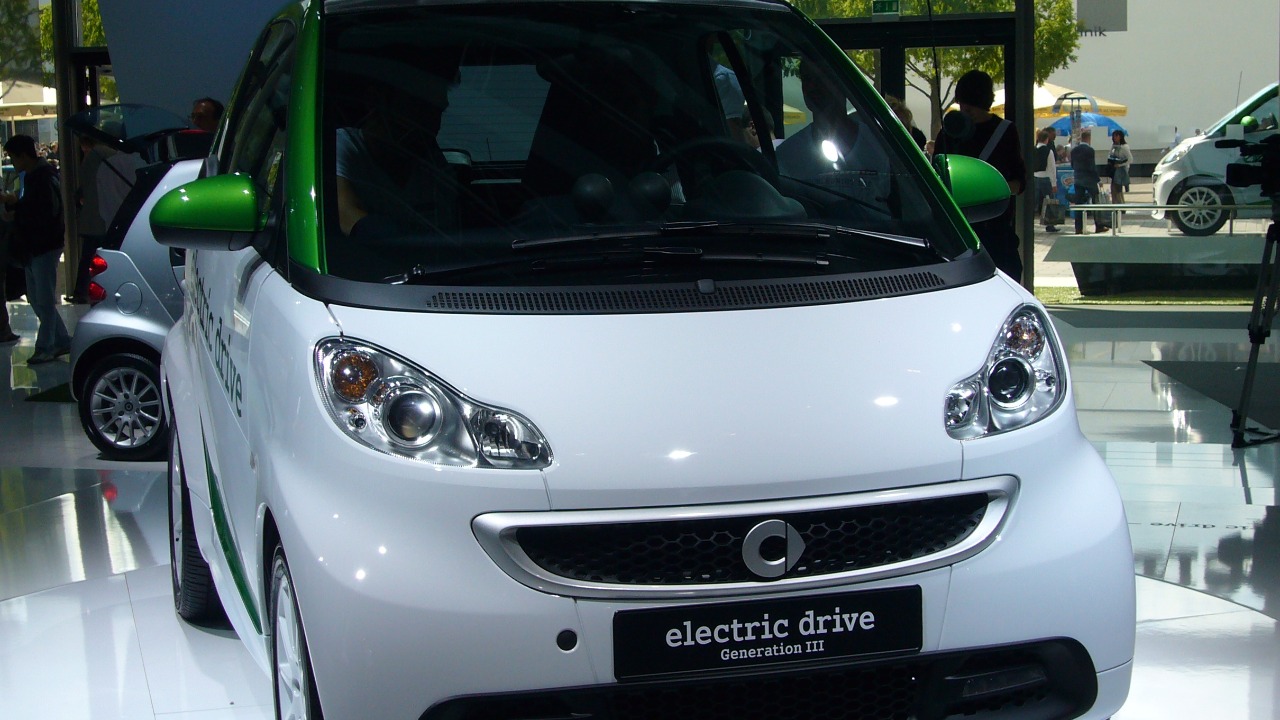
Smart made its two-seat city car electric-only in the United States for its final years, dropping gasoline altogether before the brand withdrew from the market after the 2019 model year. The electric Fortwo microcar disappeared from American dealers while continuing to be sold overseas.
Its tiny footprint solved a parking problem few American drivers actually had, and range was short even by the standards of its own era. Smart continues abroad as a joint venture building larger electric crossovers, none of which are offered to buyers here.
9. Mini SE: Short Range by Design
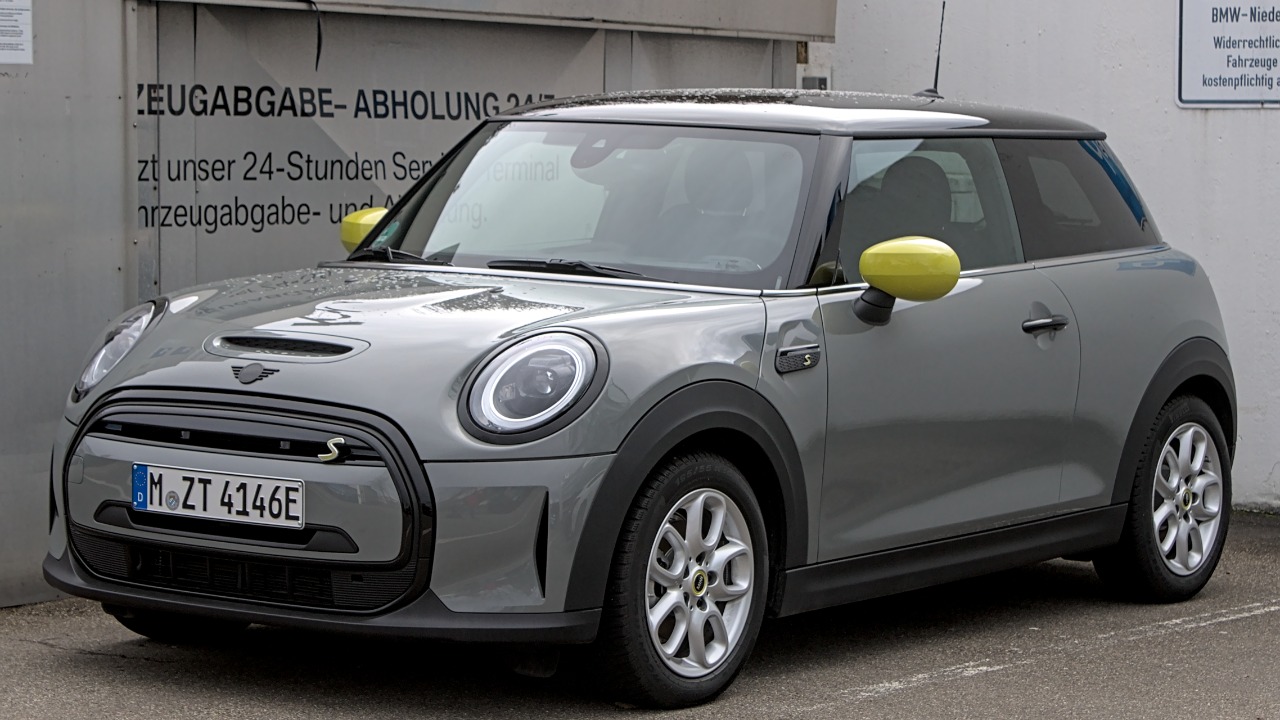
The first electric Mini used the existing hardtop body and a battery small enough to keep the car light and sharp, at the cost of one of the shortest ranges on sale. Mini ended the first electric hardtop and replaced it with a new generation riding on a purpose-built platform developed with a Chinese partner.
That successor carries a far bigger battery and much more range, which makes the original a genuinely different proposition. Its appeal was always handling and size rather than distance, and used prices tend to reflect that narrow brief.
More from Morning Overview
