
American driveways in the 1970s were full of trucks built for work rather than weekends, and most were used hard and then discarded. Decades later, the survivors sit under auction lights while restoration shops keep long waiting lists for parts. Collected here are nine trucks and four-wheel-drives from that decade whose reputations have only grown.
1. Chevrolet K5 Blazer: The Roof That Came Off
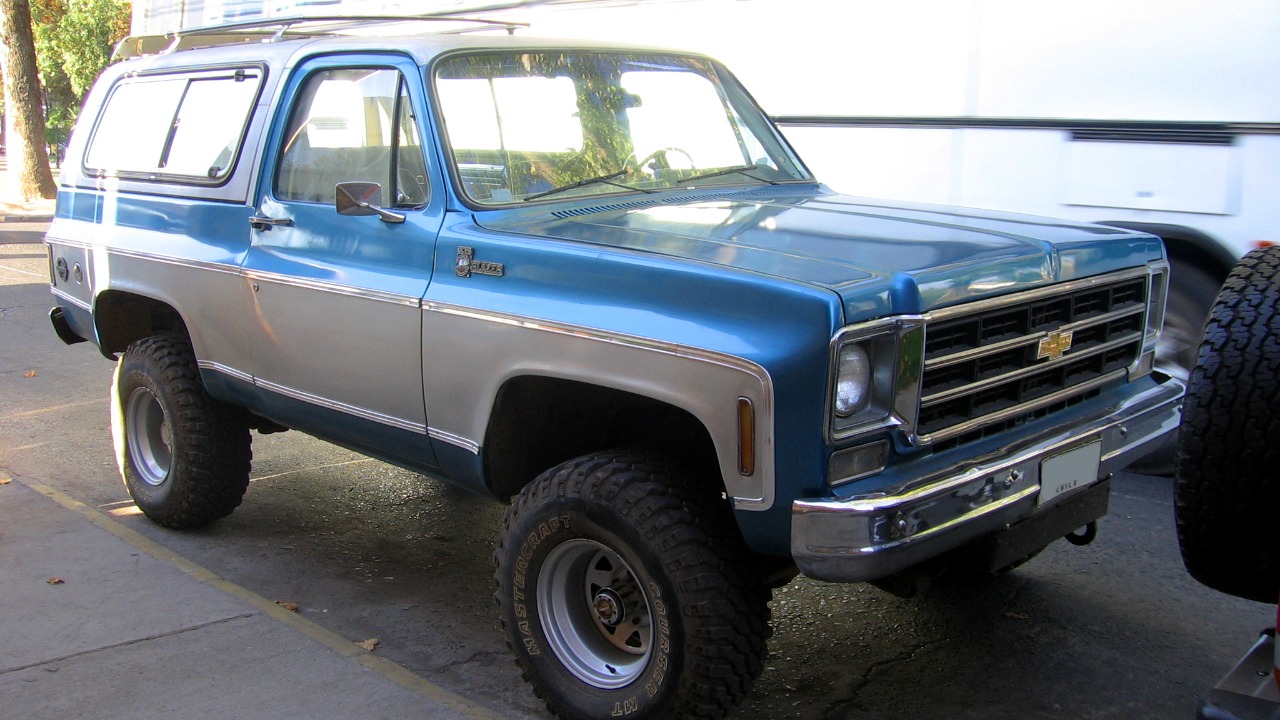
Chevrolet shortened its full-size pickup chassis to build the first K5 Blazer for 1969, and a second generation followed from 1973 through 1991. Through the 1975 model year the truck carried a full-length removable fiberglass roof, so the entire body opened up behind the windshield frame.
A half-cab layout arrived for 1976, with a permanent steel structure over the front seats and a lift-off panel only above the rear. Collectors treat the earlier full-convertible trucks as the ones to own, and clean examples are unusual because water tended to find every seam where the top met the body.
2. Ford Bronco: Small Before It Grew
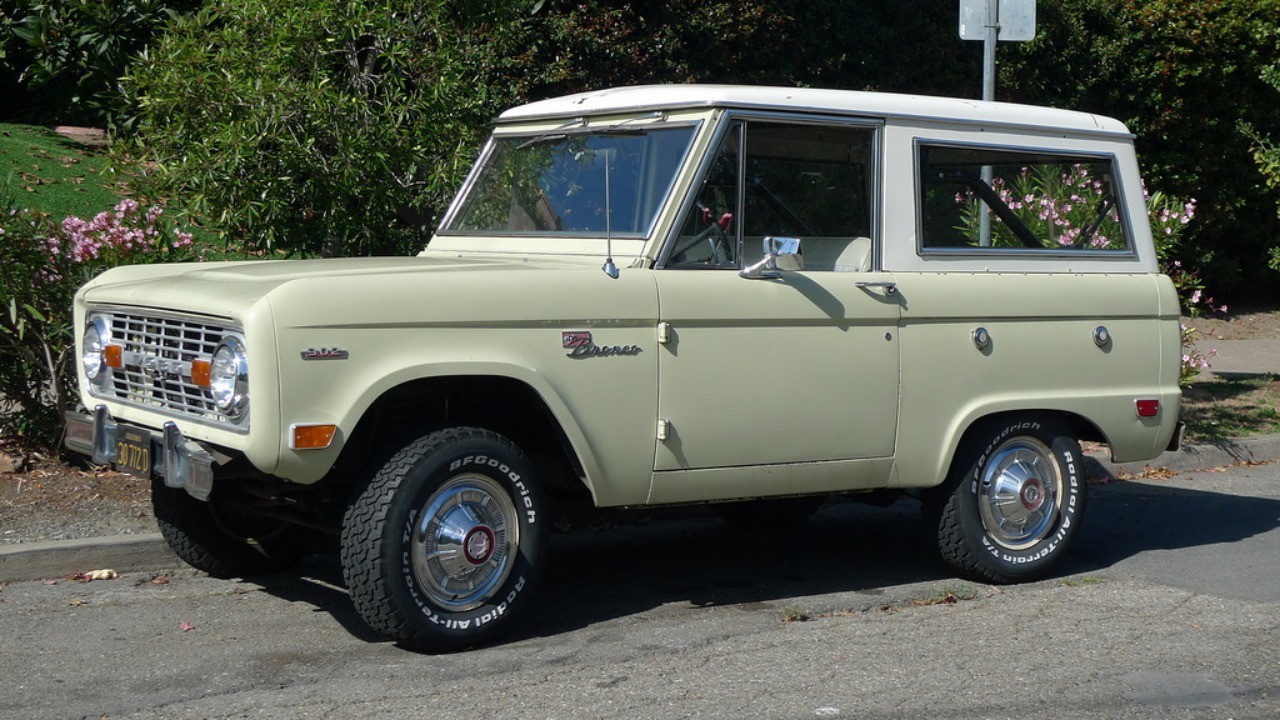
Ford built the original short-wheelbase Bronco from 1966 to 1977 on a purpose-designed 92-inch chassis instead of a cut-down pickup frame. Three body styles launched the line, but the doorless roadster was dropped after 1968 and the half-cab pickup after 1972, leaving only the wagon.
For 1978 the Bronco grew into a full-size truck sharing F-Series architecture, which ended the compact era outright. That break is why the early trucks carry such standing among four-wheel-drive collectors, and why the rare first-generation body styles draw the most attention at specialist sales.
3. International Harvester Scout: The Company Quit First
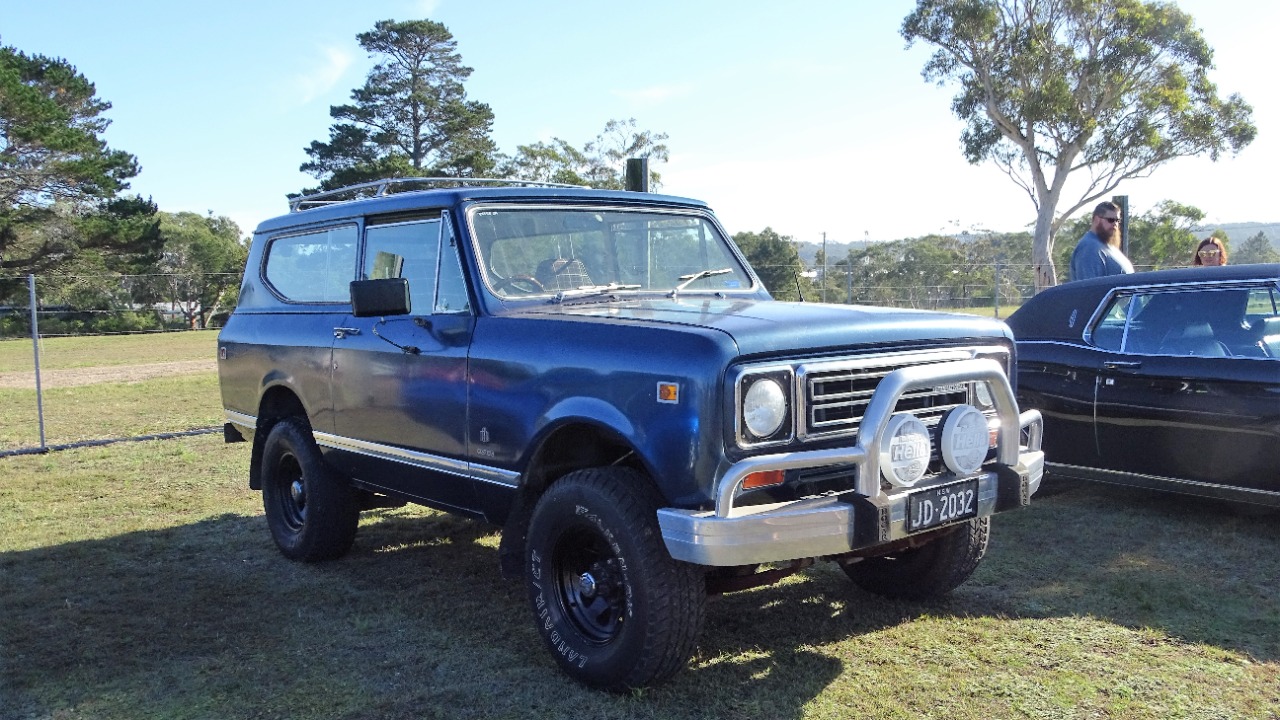
International Harvester replaced the Scout 800 with the Scout II in late 1971, moving to a 100-inch wheelbase and a longer body with a removable rear top. Four-cylinder, six-cylinder and V8 engines were catalogued, and a Nissan-supplied diesel joined the options list in the mid-1970s.
Production ended in 1980 when International left the light-truck business entirely, so no direct successor ever appeared. Parts support fell to independent specialists, which built the unusually organized restoration community the model is known for today and keeps well-sorted trucks in steady demand.
4. Dodge Power Wagon: Two Trucks, One Badge
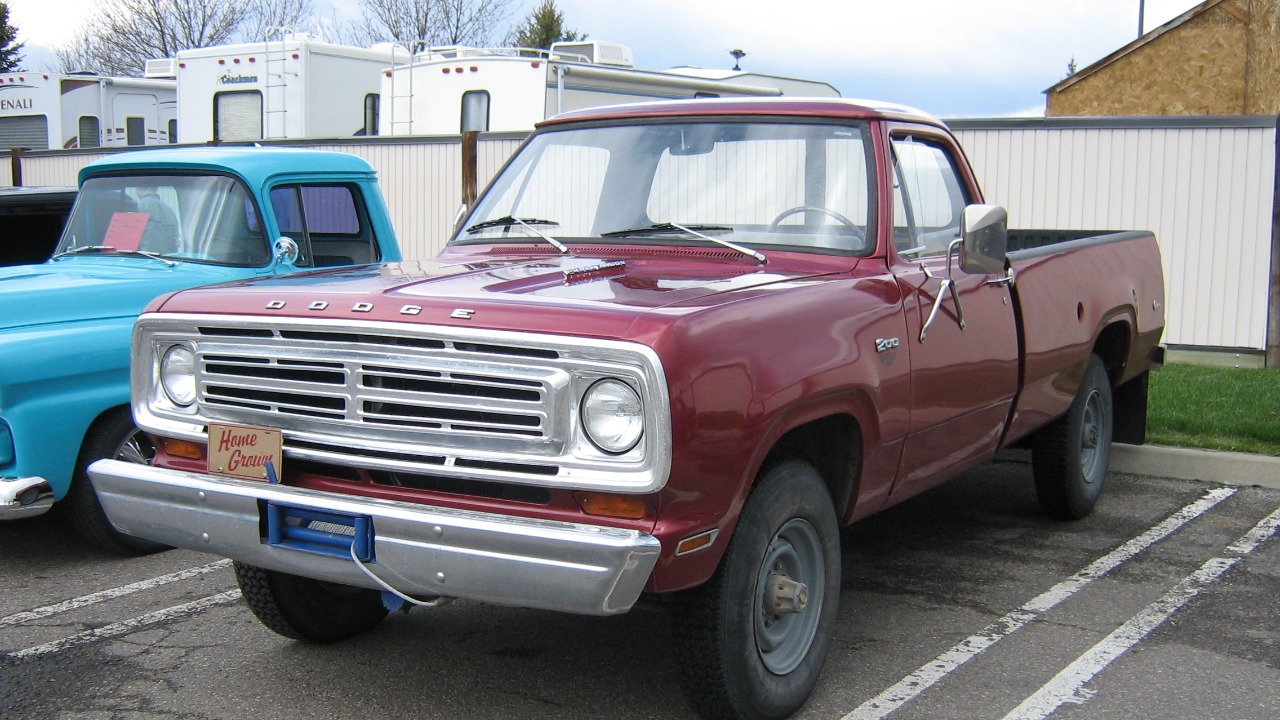
Dodge applied the Power Wagon name to two very different trucks. The flat-fender civilian model, derived from a wartime weapons carrier, left the American market after 1968 and continued in export production into the 1970s, while the badge moved onto the W-series four-wheel-drive pickups sold through the decade.
Which of the two a listing means matters, since they share little beyond a name. Seventies W-series trucks are the accessible entry point, with six-cylinder and V8 engines and a solid front axle, while surviving flat-fenders sit firmly in specialist territory.
5. Toyota Hilux: Tough Everywhere but the Bodywork

Toyota’s second-generation Hilux ran from 1972 to 1978 and the third from 1978 to 1983, growing steadily in size and comfort while keeping a leaf-sprung ladder frame. Four-wheel drive did not arrive until 1979, built around a part-time transfer case and solid axles.
Rust, more than mechanical failure, thinned the North American survivors, since beds and cab corners corroded long before the engines tired. That imbalance explains why straight bodies command attention out of proportion to the truck’s modest original price, particularly the earliest four-wheel-drive versions.
6. Datsun Truck: The First Extended Cab
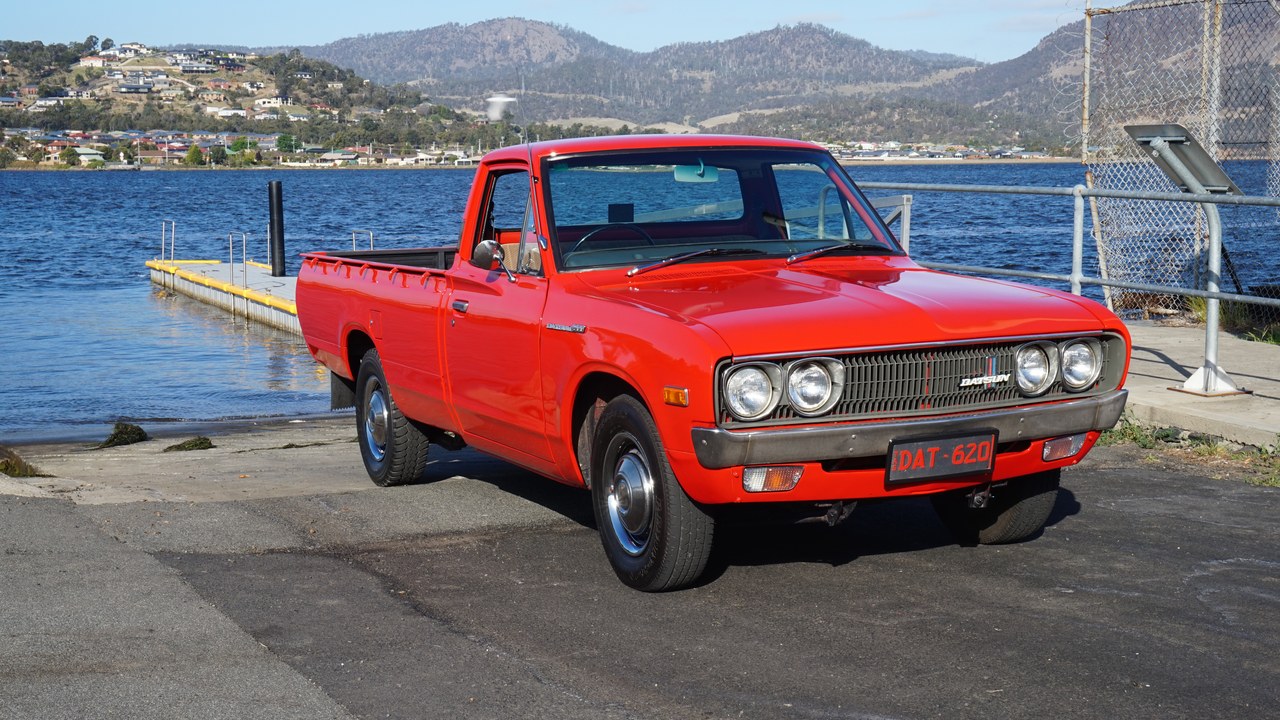
The 620-series Datsun pickup was sold from 1972 to 1979, and in 1977 it introduced the King Cab, an extended cab with storage behind the seats that no other compact truck in North America offered at the time. A four-cylinder engine and light curb weight kept running costs low.
Cheap purchase prices meant these trucks were worked until they fell apart, and few were preserved. Interest has since caught up with them through the lowered mini-truck scene and among buyers priced out of early Hiluxes, which makes an unmodified 620 harder to find than the production numbers suggest.
7. Ford F-Series: The Crease Down the Side
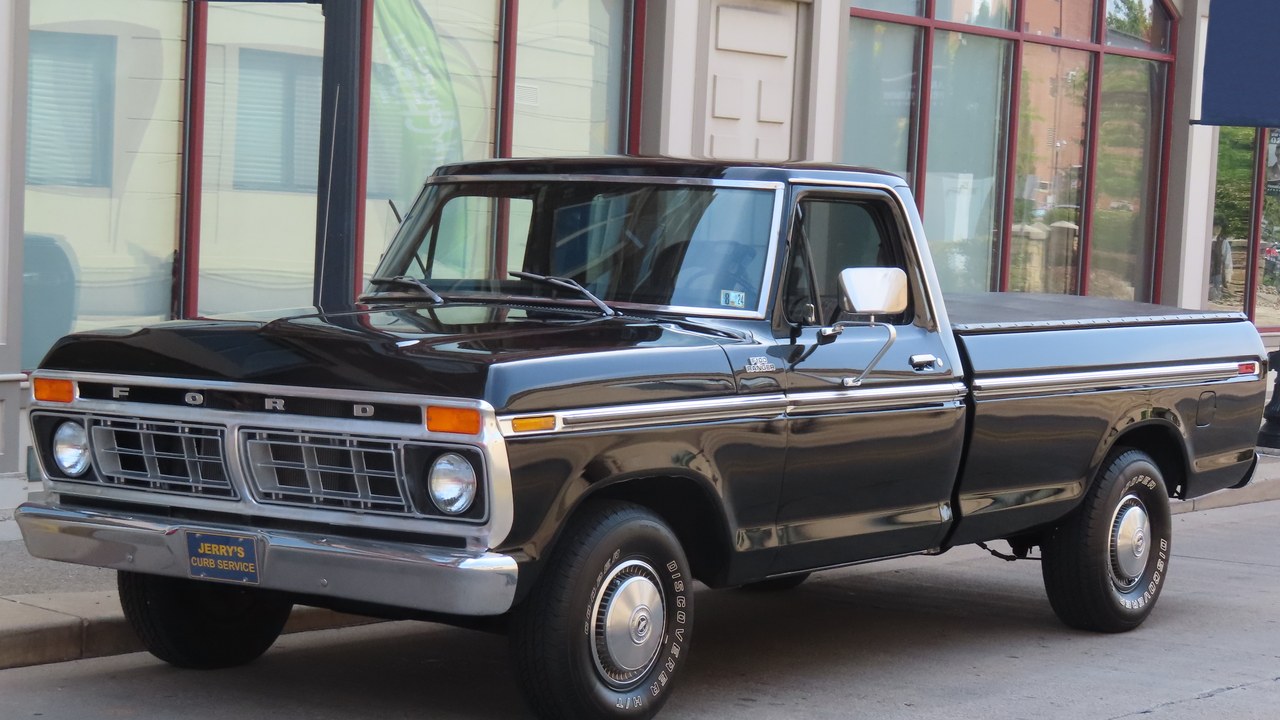
Ford’s sixth-generation F-Series pickups covered 1973 to 1979 and are known by the crease stamped down each flank. The F-150 joined the range for 1975, slotted between the F-100 and F-250 partly to sidestep emissions rules that applied to lighter vehicles, and a SuperCab body arrived the year before.
Short-bed two-wheel-drive F-100s in that shape have become the shop-truck of choice for restorers, helped by parts availability that few 1970s vehicles can match. Ranger and Ranger XLT trim, with its brightwork and woodgrain dash, draws attention that plain work-spec trucks rarely see.
8. Chevrolet C/K: Everyone’s Restomod Starting Point
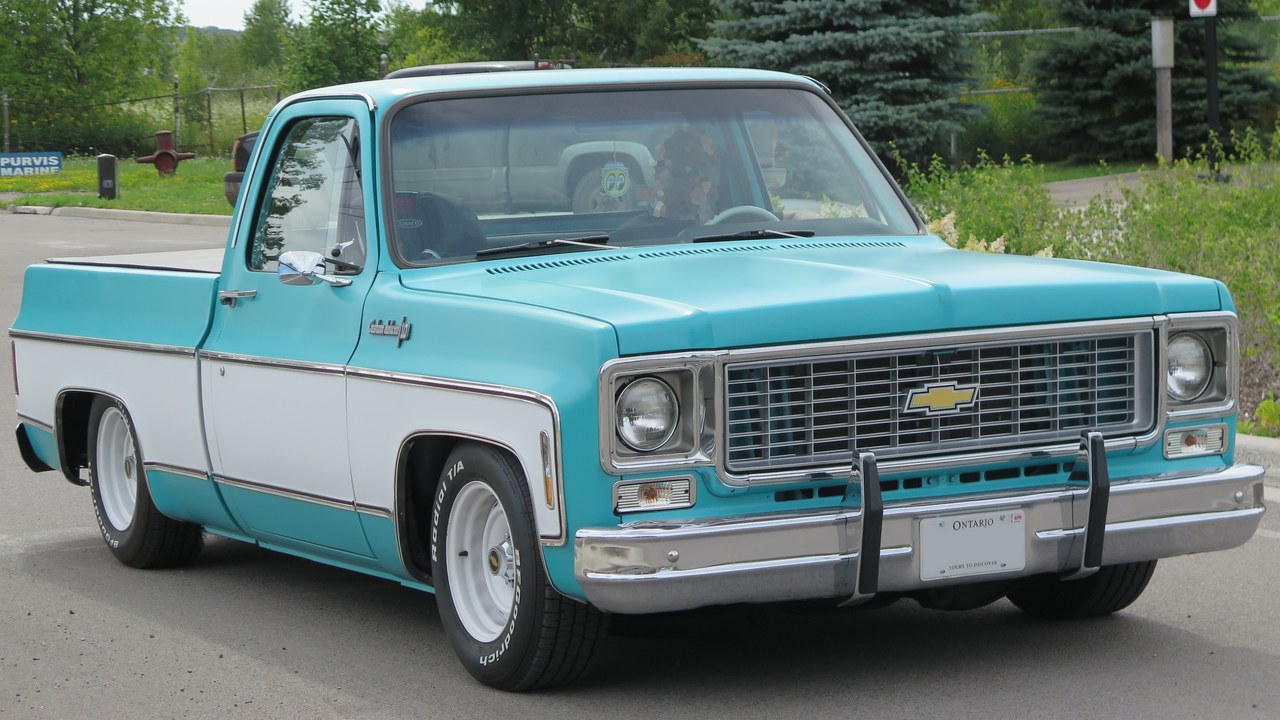
The third-generation Chevrolet C/K arrived for 1973 and gave the square-body its name, with a curved windshield, a wider cab and the option of a full four-door crew cab. Half-ton C10 and K10 models carried inline-sixes and small-block V8s, and production of the pickups stretched into 1987.
A long production run left plenty of donor trucks and a deep aftermarket, which is exactly why the square-body became the default platform for restomod builds. Original, unmodified 1970s C10s are the harder find now, because so many have been cut up in pursuit of something faster.
9. Jeep Gladiator (SJ): The Badge That Disappeared
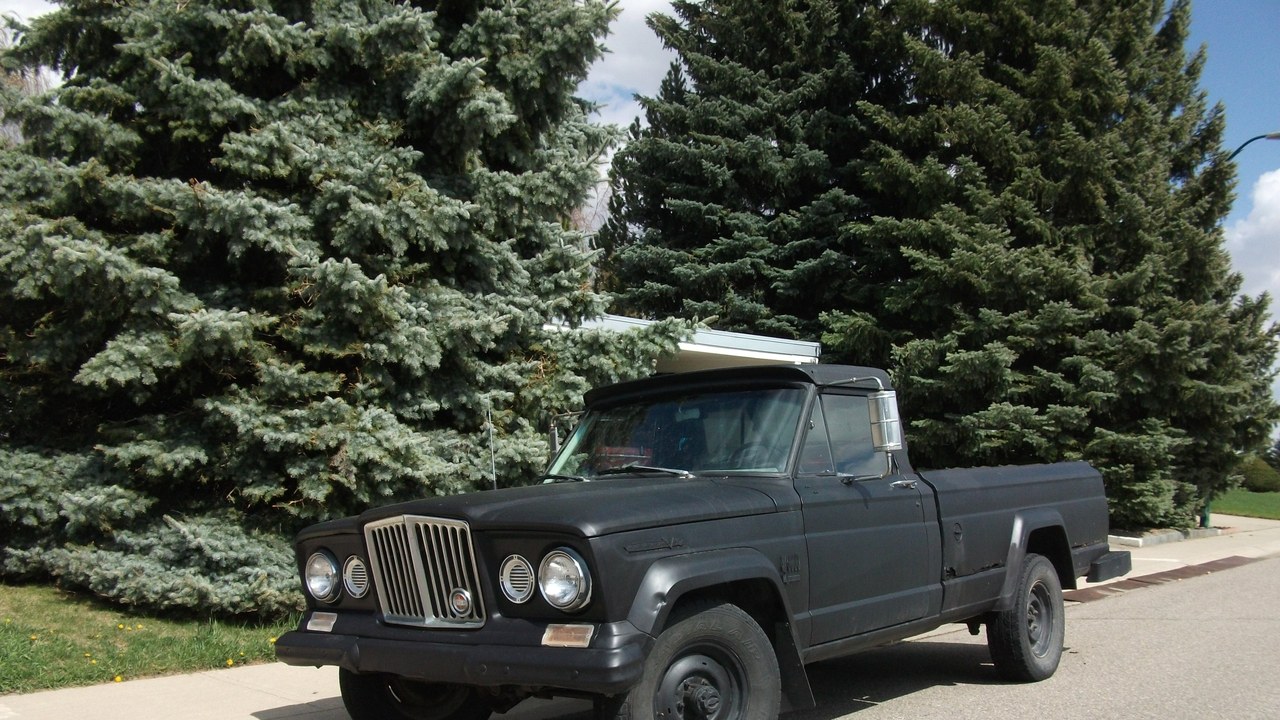
Kaiser launched the SJ-series Jeep pickup as the Gladiator in 1962, and the name was retired after 1971 when American Motors renamed the line J-series. J10 and J20 designations followed for 1974, covering half-ton and three-quarter-ton ratings on a full-size platform that ran until 1988.
Anything from the decade itself therefore wears J-series badging rather than the Gladiator script, a detail listings often blur. Quadra-Trac full-time four-wheel drive, offered from 1973, and the AMC V8s underneath give the seventies trucks a following separate from the earlier Kaiser-era examples.
More from Morning Overview
- Card skimmers hidden on gas pumps and ATMs are draining accounts, and here’s the tell
- The FBI says hackers are hijacking outdated home routers, and it named the models to check
- Older Teslas are wearing out in ways early owners never saw coming
- A common childhood virus is now tied to multiple sclerosis years later
