
Long before they became driveway favorites, many of today’s most recognizable off-roaders started out answering orders from armies, police forces or wartime governments. Willys, Toyota, Volkswagen and Mercedes-Benz all built rugged trucks for state customers first, only adapting the same hardware for private buyers once the original contracts had proven it out. Here are nine civilian vehicles that trace their roots back to military machines.
1. Jeep CJ-2A: First Civilian Jeep
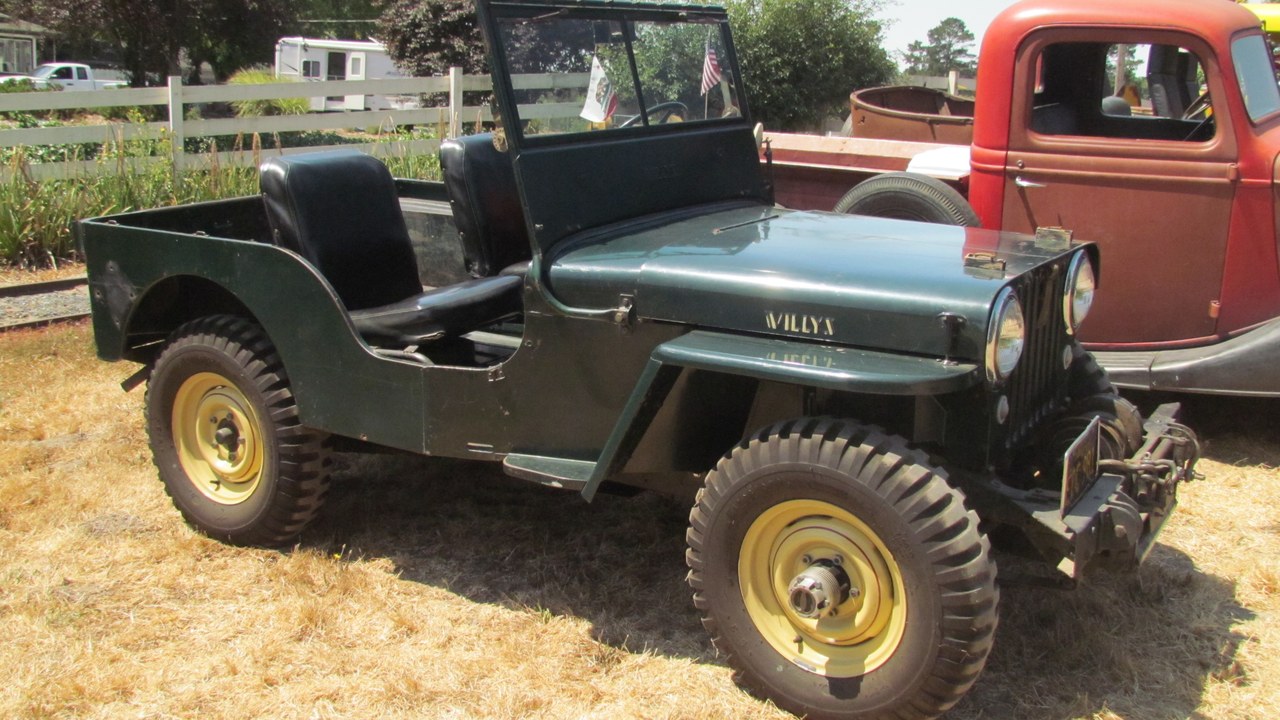
Willys built the first civilian Jeep, the CJ-2A, in 1945, adapting it directly from the wartime Willys MB according to a Stellantis heritage release covering the brand’s own history of the model.
Willys and Ford had built hundreds of thousands of MBs for the U.S. Army during the Second World War, so when the CJ-2A reached farms and dealerships it arrived with a simple four-wheel-drive chassis that had already been tested in combat conditions across multiple continents. That wartime pedigree is part of why the CJ-2A is still considered the founding vehicle of the modern Jeep brand, decades after Willys and Ford stopped building the original military MB for the Army.
2. Dodge Power Wagon: Army Chassis For Sale
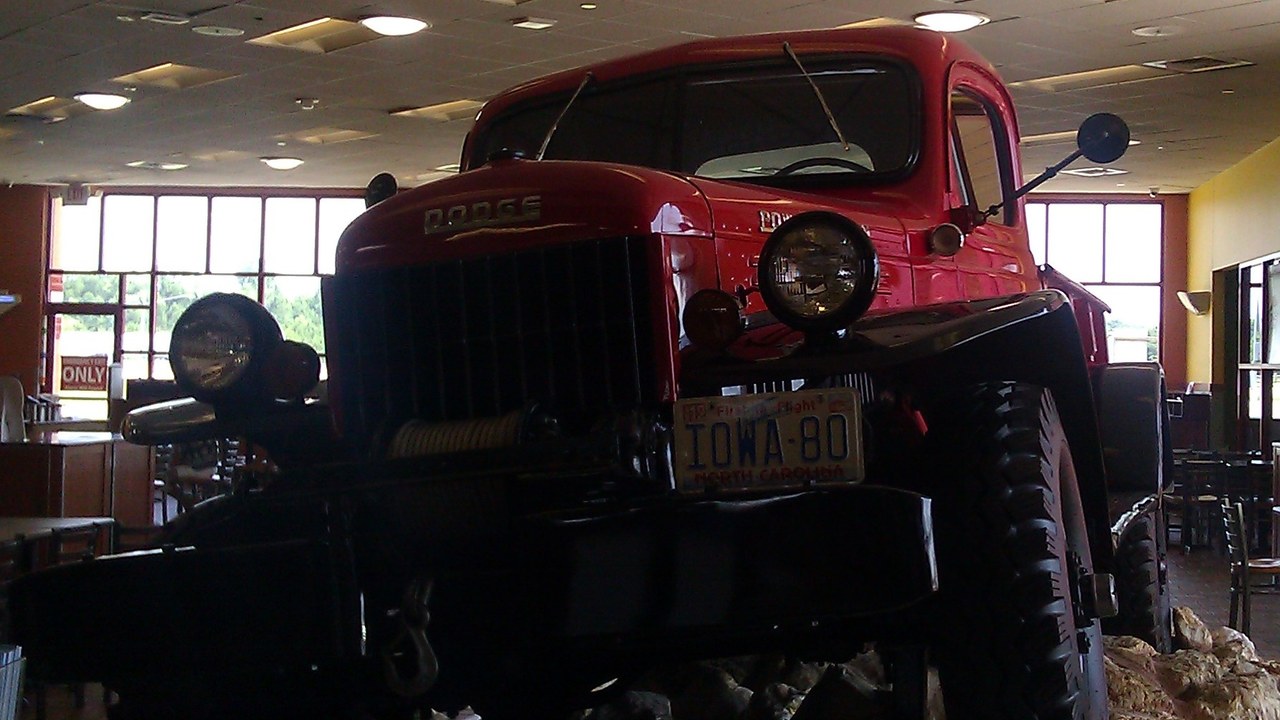
Dodge launched the Power Wagon for civilians in 1946 using the Army’s WC-series chassis largely unchanged, according to a Military.com history of the truck’s wartime origins.
Farmers, utility crews and contractors got a genuine wartime four-wheel-drive platform wrapped in what was essentially a 1930s-style civilian cab, years before other American automakers offered anything comparable, and the Power Wagon name stuck around on Dodge and Ram trucks for decades afterward. The Power Wagon name later carried over onto later generations of Dodge and Ram pickups, long after the original military WC-series chassis it borrowed from had been retired from active service entirely.
3. Toyota Land Cruiser (Toyota Jeep BJ): Toyota’s Five-Month Prototype
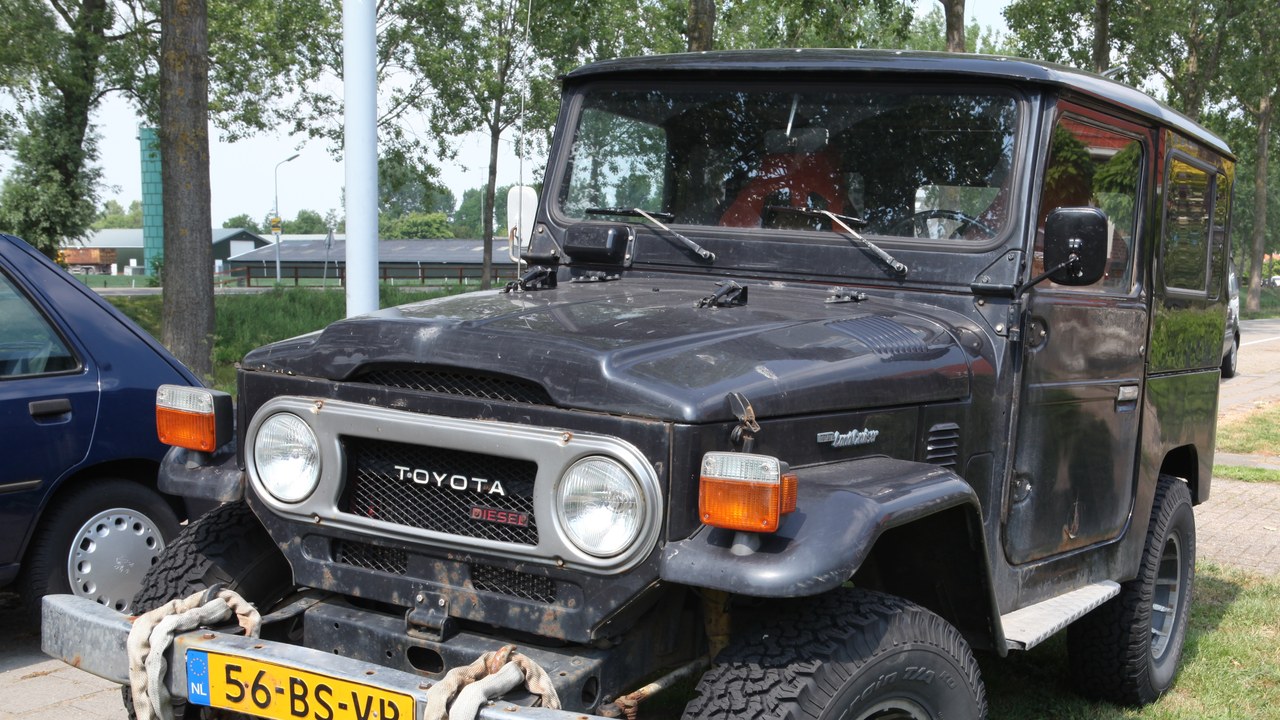
Toyota built its BJ prototype in just five months after a 1950 request from U.S. Armed Forces and Japan’s Police Reserve Force, according to Toyota’s own company history, before the truck was renamed Land Cruiser in 1954.
Toyota did not actually win that original military order, but the quarter-ton, four-wheel-drive truck it engineered to answer the request became the direct foundation of the Land Cruiser line that Toyota still builds and sells around the world today, decades after the prototype’s debut. Land Cruiser has since grown into one of the longest-running nameplates in the auto industry, built continuously across multiple continents even though its earliest prototype answered a request Toyota technically did not win.
4. Mitsubishi Jeep: Half-Century Willys Copy
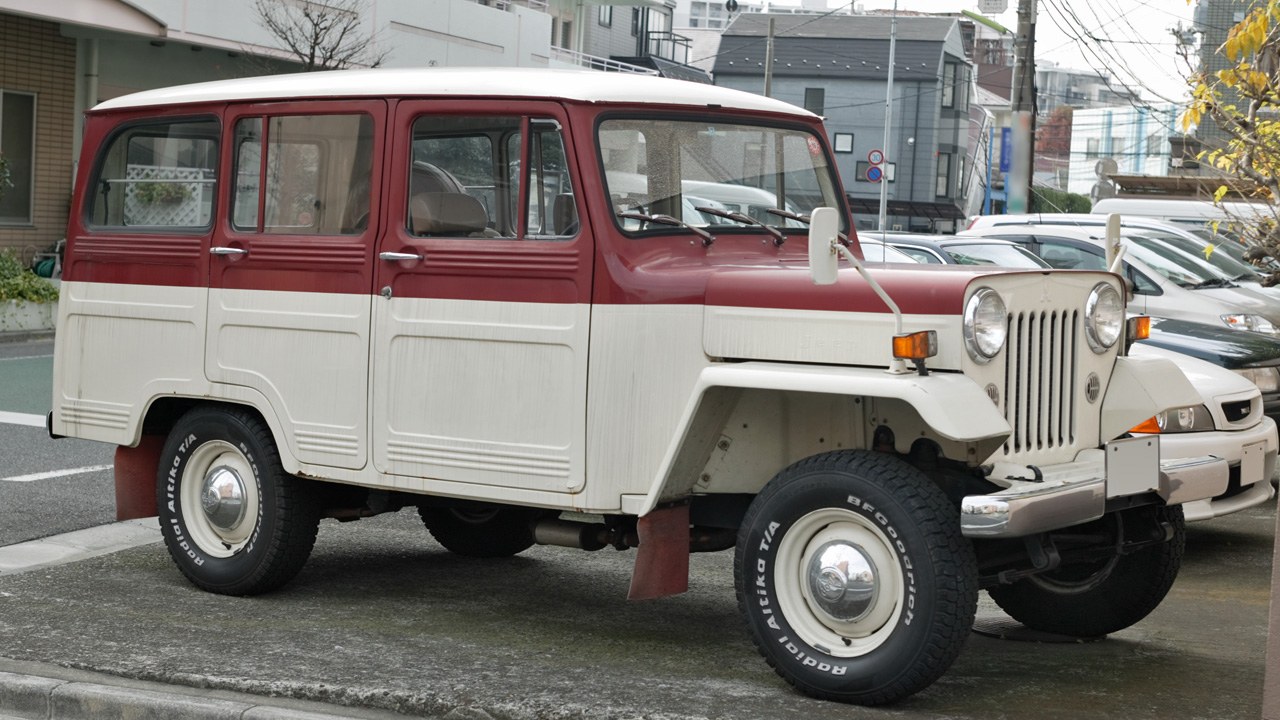
Mitsubishi kept building its licensed version of the wartime Willys Jeep from 1953 until 1998, selling roughly 200,000 units in that span according to The Drive.
Long after American Jeeps had moved on through several redesigns, Japanese buyers could still walk into a showroom and order a boxy, mechanically simple vehicle rooted in a 1940s military blueprint, a run that lasted nearly half a century before Mitsubishi finally ended production for good. That nearly half-century production run makes the Mitsubishi-built Jeep one of the longest-lived direct descendants of the original wartime Willys design sold anywhere in the world under any brand name.
5. Volkswagen Type 181 (The Thing): West German Army Order
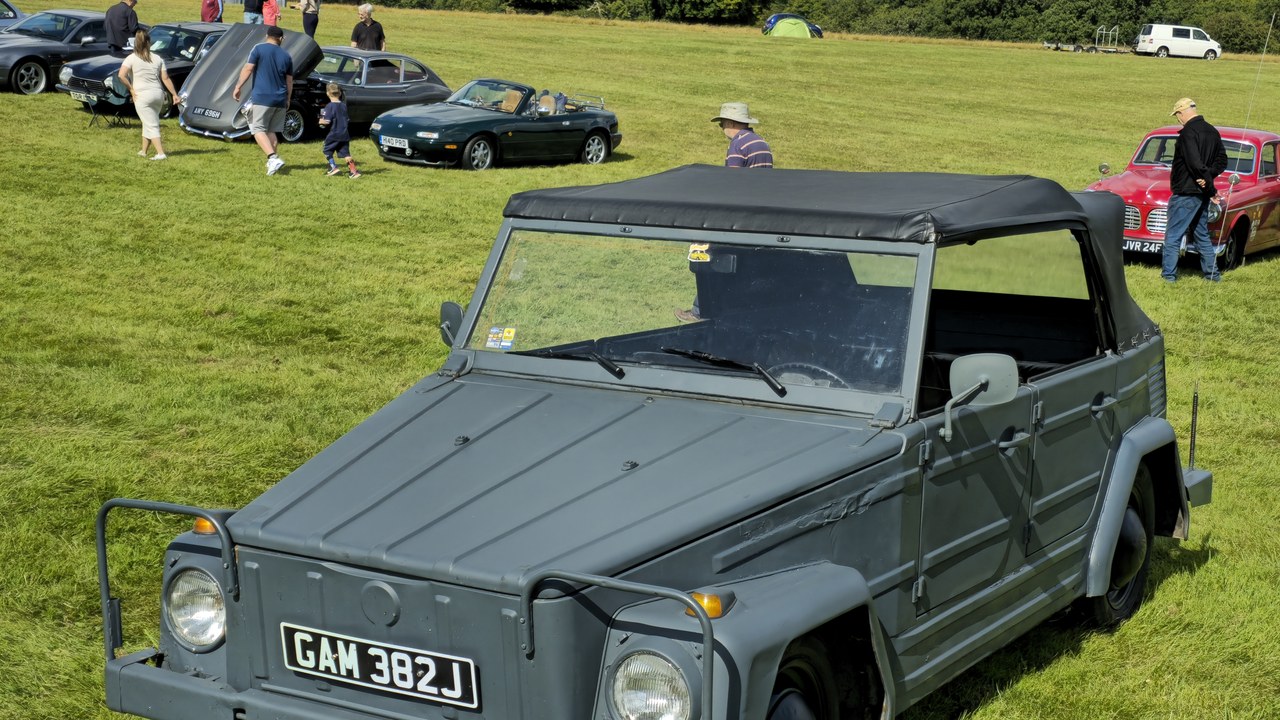
West Germany’s armed forces commissioned Volkswagen to replace the aging DKW Munga off-roader, according to Volkswagen’s own newsroom history, and the resulting design became the Type 181.
Americans later imported the same boxy, doorless, canvas-topped vehicle as a beach-cruiser novelty nicknamed The Thing, marketed with little acknowledgment of its origin as a purpose-built military replacement vehicle for West Germany’s own army, which had specified nearly every dimension of its simple body. Volkswagen’s own newsroom history frames the Type 181 primarily as a military commission, even though most Americans who bought The Thing years later never associated it with West Germany’s armed forces at all.
6. UAZ-469: Soviet Army Successor
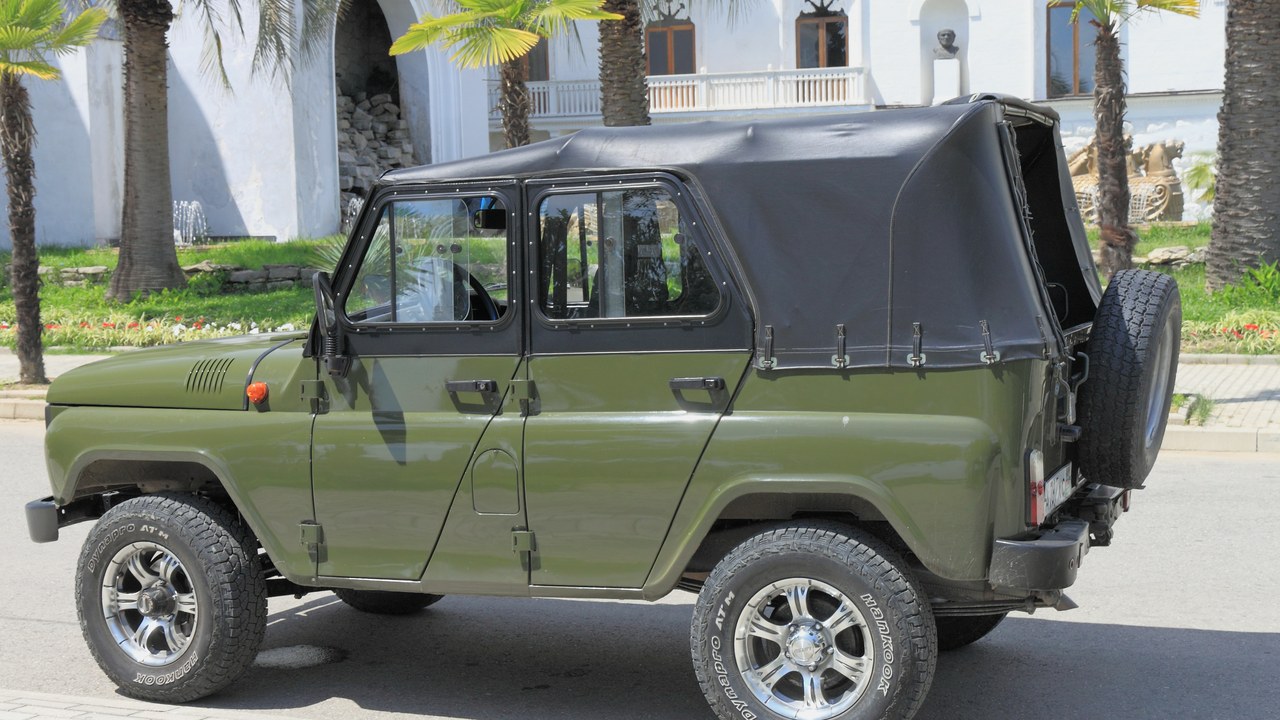
The Soviet Army ordered UAZ in 1956 to design a successor to the aging GAZ-69 off-roader, per Wikipedia’s UAZ-469 entry, which sets out the vehicle’s military commissioning in detail.
Its civilian descendant, the UAZ Hunter, is still built today across former Soviet territories, giving the original military-ordered design one of the longest production runs of any vehicle on this list, decades after the first UAZ-469 prototypes rolled off the line for army evaluation. Its continued production under later UAZ ownership shows how durable a military specification can be, outlasting the Soviet government that originally placed the order for a GAZ-69 successor back in 1956.
7. Steyr-Puch Pinzgauer: Alpine Military Workhorse
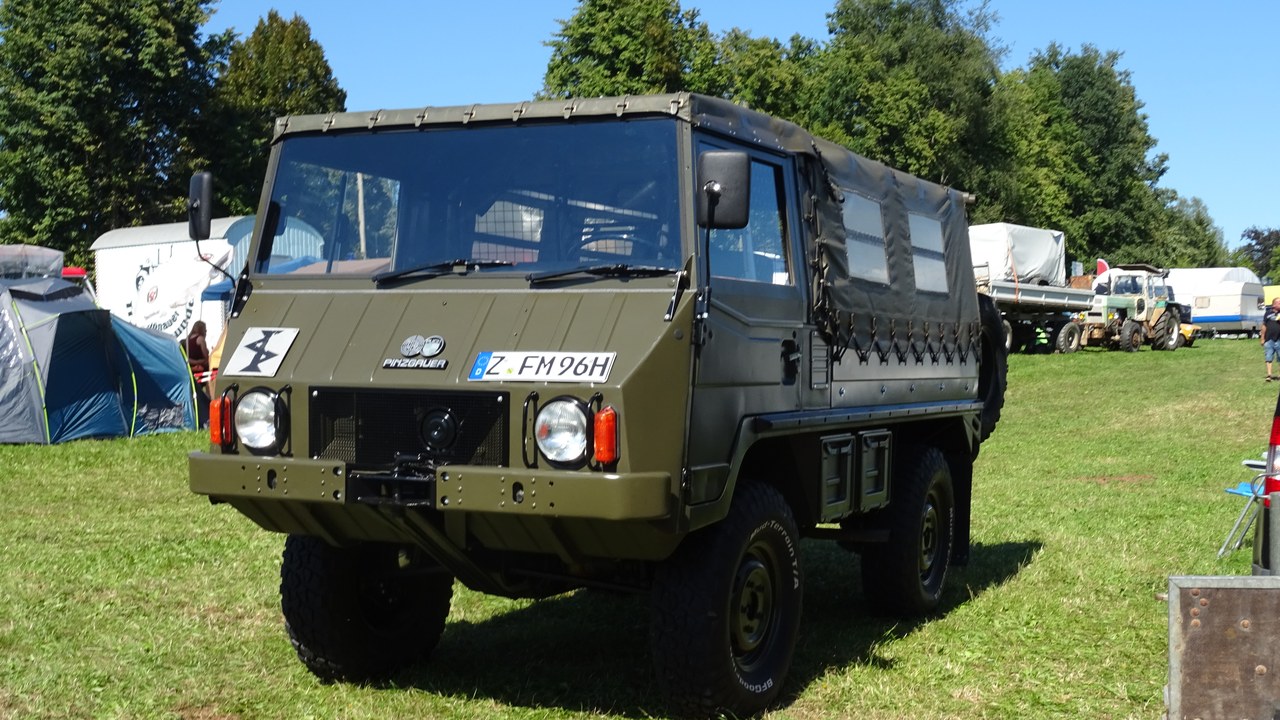
Developed in the late 1960s, the Pinzgauer was adopted by the Austrian and Swiss militaries before being sold worldwide, according to Wikipedia’s Pinzgauer entry on the vehicle’s history.
Civilian buyers around the world converted the same rugged chassis into campers, farm trucks, ambulances and fire engines, stretching one military-born design across dramatically different jobs far removed from the alpine army routes it was originally built to climb for Austrian and Swiss forces. Few other vehicles on this list were pressed into such a wide range of civilian roles, from mountain rescue to farm work, after starting life as dedicated alpine army equipment for two neutral countries.
8. Mercedes-Benz G-Class: State And Private Buyers
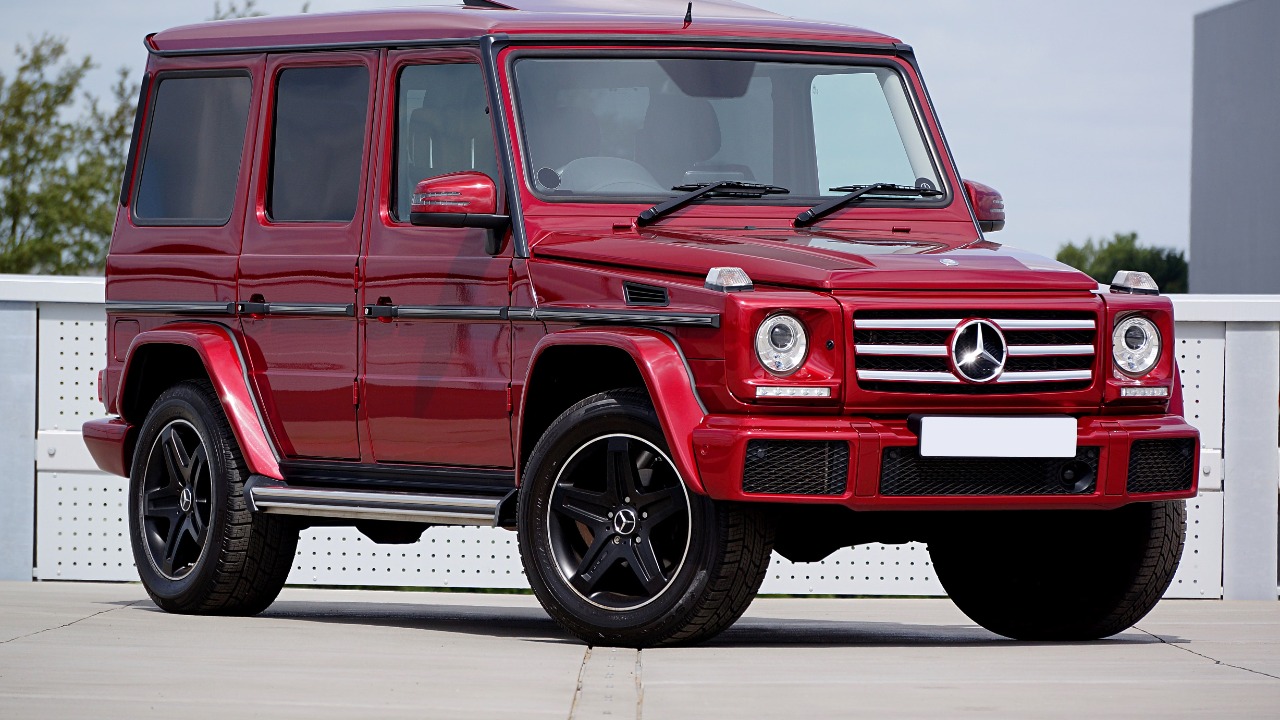
Mercedes co-developed the G-Class with Steyr-Daimler-Puch starting in 1972 for state customers and private buyers alike, according to Mercedes’ own development history, and Germany’s army later took delivery of 12,500 ‘Wolf’ versions.
That dual-track origin lets Mercedes market the G-Class today as a boxy luxury status symbol in cities worldwide without erasing the military contracts that helped shape its development, since the same underlying platform still equips German federal army units decades after the original agreement was signed. The same underlying G-Class platform still equips German federal army units today, decades after Mercedes and Steyr-Daimler-Puch first agreed to build it for both state and private customers side by side.
9. Hummer H1: Humvee Goes Civilian
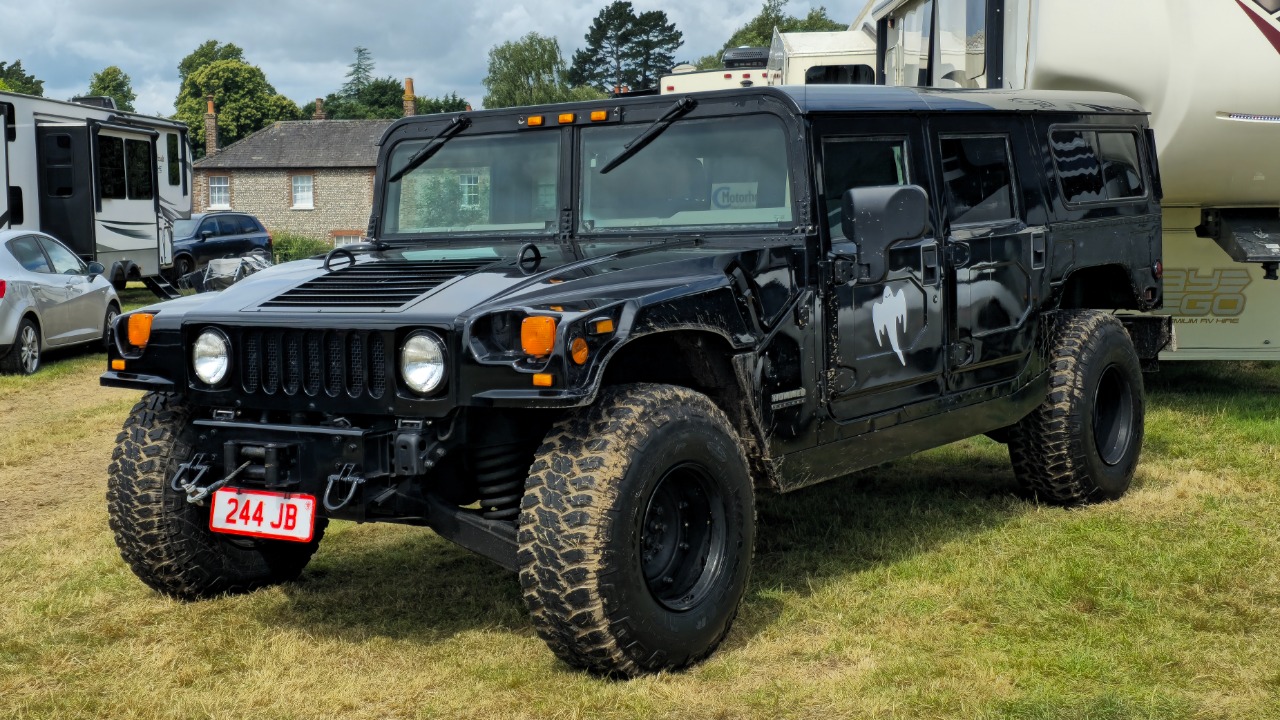
AM General turned the Army’s Humvee into the civilian Hummer in 1992, introducing it as ‘the world’s most serious 4×4’ per the company’s own heritage page covering that launch.
The H1’s boxy proportions, portal axles and central tire inflation system all came straight off the military HMMWV with minimal alteration, making it the most literal military-to-civilian conversion on this entire list, years before GM eventually acquired the Hummer brand name and built smaller models. GM eventually acquired the Hummer brand name and built smaller H2 and H3 models, but the original H1 remains the version built with the fewest changes from its military Humvee source vehicle.
More from Morning Overview
- Hackers are hijacking outdated home routers, and the FBI named the models to check
- Older Teslas are wearing out in ways early owners never saw coming
- Early electric-car owners are hitting battery and screen failures no one warned them about
- A magnitude 5.3 quake struck off the Oregon coast this week
