
A transmission failure is the repair that turns an affordable used car into a write-off, and some models reach that point long before the engine gives any trouble. Continuously variable units, dry dual-clutch gearboxes and a few early automatics account for most of the pattern. Here are nine cars whose transmissions built a reputation for failing early.
1. Nissan Sentra: The CVT That Defined The Problem
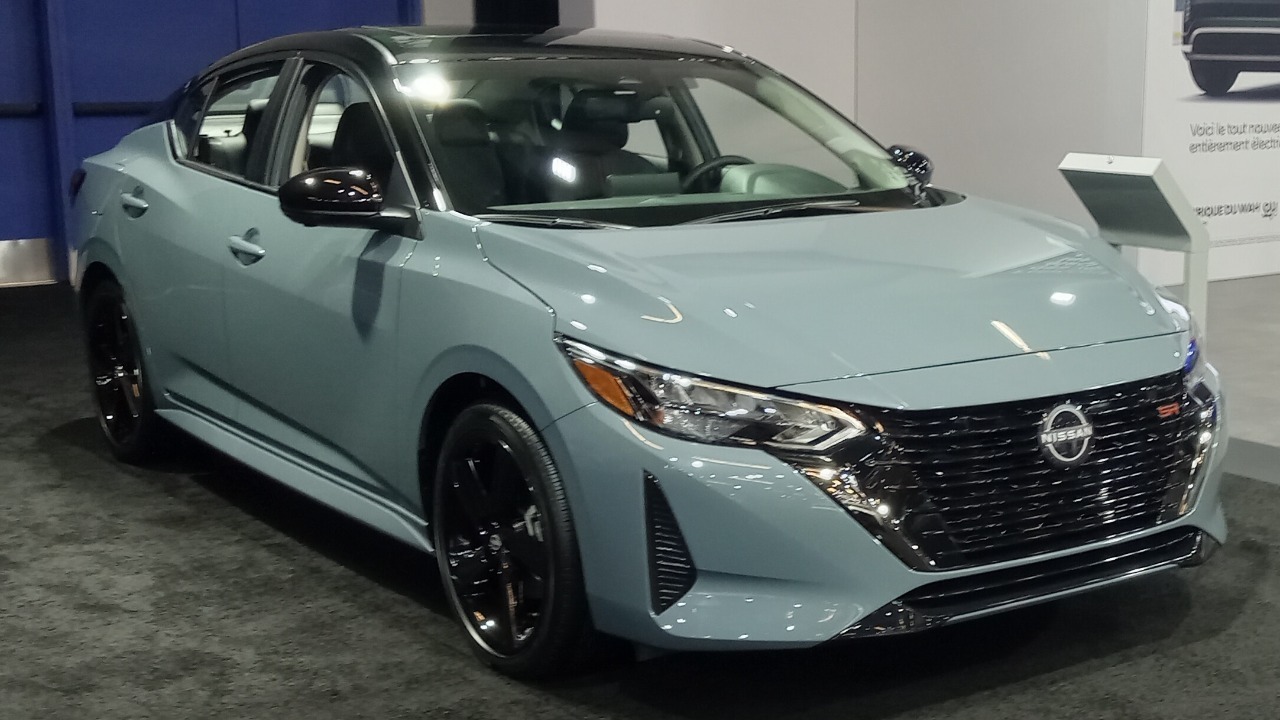
Nissan’s switch to a Jatco-built continuously variable transmission put a belt-and-pulley unit into one of the highest-volume compacts sold in North America, and the juddering, whining and sudden loss of drive that followed became the defining complaint against the compact Nissan Sentra. Extended coverage on the transmission, granted well past the standard powertrain warranty after class-action litigation, is the clearest admission that failures were arriving early.
A replacement unit often costs more than an older Sentra is worth, so many are traded or scrapped rather than repaired. Shoppers should check whether the extended coverage window has lapsed and treat a documented fluid-change history as the price of entry.
2. Nissan Altima: Stranded Before Six Figures
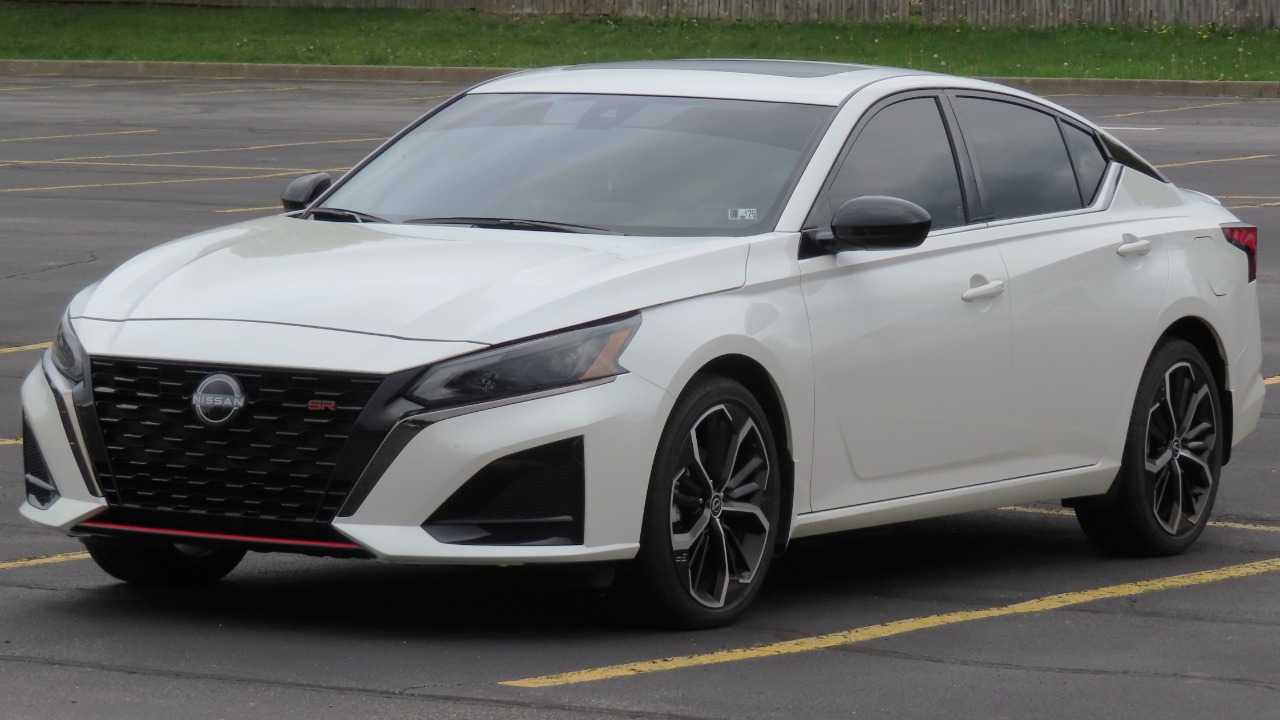
Shudder under light throttle, a rising drone and acceleration that simply stops arriving are the symptoms owners describe most often in Nissan’s midsize Altima, and they tend to surface long before the odometer reaches six figures. The same Jatco CVT family sits behind the pattern, and repeated class actions produced warranty extensions across several model generations rather than a single bad year.
That breadth matters on the used market, because a low-mileage example carries no guarantee of a healthy transmission. Overheating in stop-and-go traffic accelerates the wear, and a specialist CVT rebuilder is often the only alternative to a factory replacement.
3. Nissan Rogue: Heat, Shudder And Limp Mode

Heat is the particular weakness here: sustained climbing, towing or crawling traffic can push CVT fluid temperature high enough to trigger a protective limp mode that cuts power without warning. Complaints filed against the Nissan Rogue crossover repeat the same sequence of shudder, hesitation and eventual replacement, and the model’s popularity multiplied the number of owners living through it.
An auxiliary cooler and disciplined fluid intervals help, though neither was standard on early examples. Because the failure tends to announce itself mid-journey rather than in a driveway, the practical risk includes a tow bill on top of the transmission bill.
4. Ford Focus: The PowerShift Reckoning

Ford’s DPS6 PowerShift gearbox chased a dual-clutch’s efficiency without wet clutches, and the dry clutch packs shuddered, slipped and burned out on the Ford Focus within a few years of ordinary driving. Ford extended transmission coverage to seven years or 100,000 miles, issued repeated software and hardware fixes, and ultimately settled class-action litigation covering hundreds of thousands of cars.
Repeat clutch replacements were common enough that some cars went through a third assembly before the extended warranty expired. Resale values fell accordingly, and a manual-gearbox example is now the safer purchase for anyone drawn to the chassis.
5. Ford Fiesta: A Smaller Car, The Same Flaw
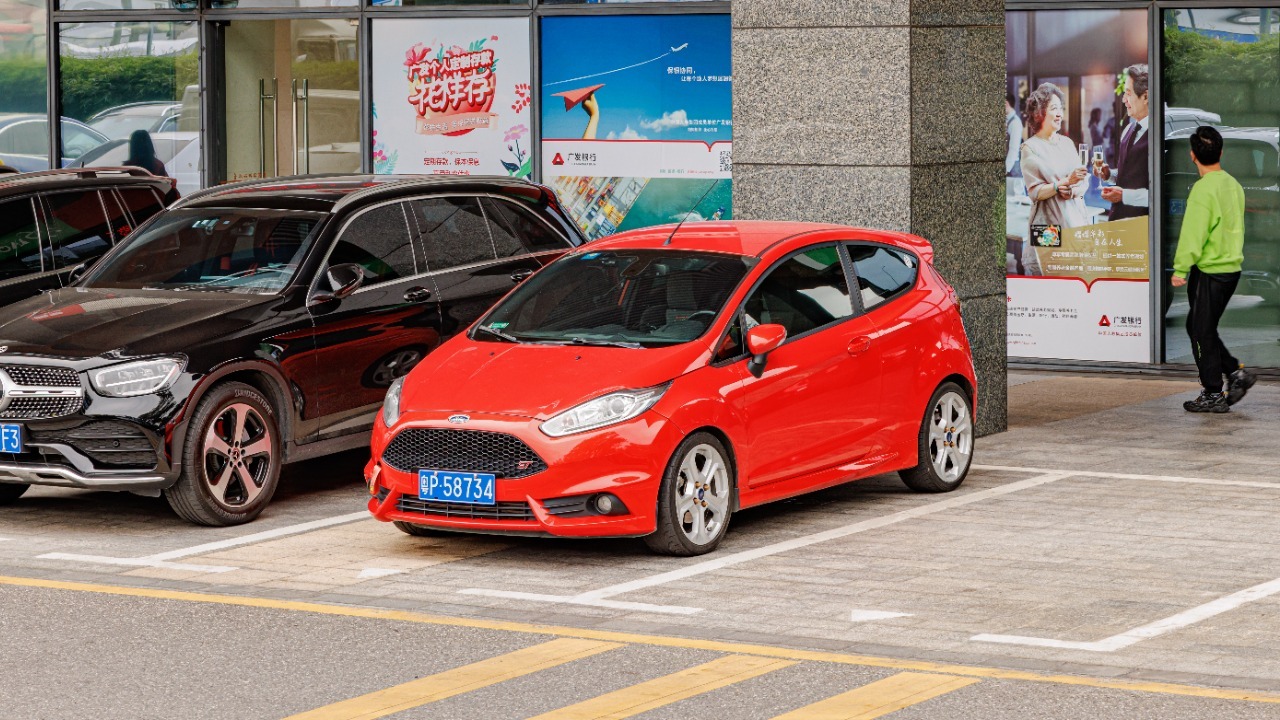
That same PowerShift unit went into the subcompact Ford Fiesta, where less mass did nothing to spare the clutches from the low-speed slipping that destroyed them. Symptoms arrived as a lurching launch and a vibration felt through the floor, and internal company documents surfaced during litigation showed the flaws were understood well before the cars reached showrooms.
Fiesta owners gained the same extended coverage and the same settlement, yet the subcompact’s low resale value made a post-warranty repair even harder to justify. Confirming a documented clutch or control-module replacement is the fastest way to gauge the risk on a survivor.
6. Jeep Cherokee: Nine Speeds, Early Complaints
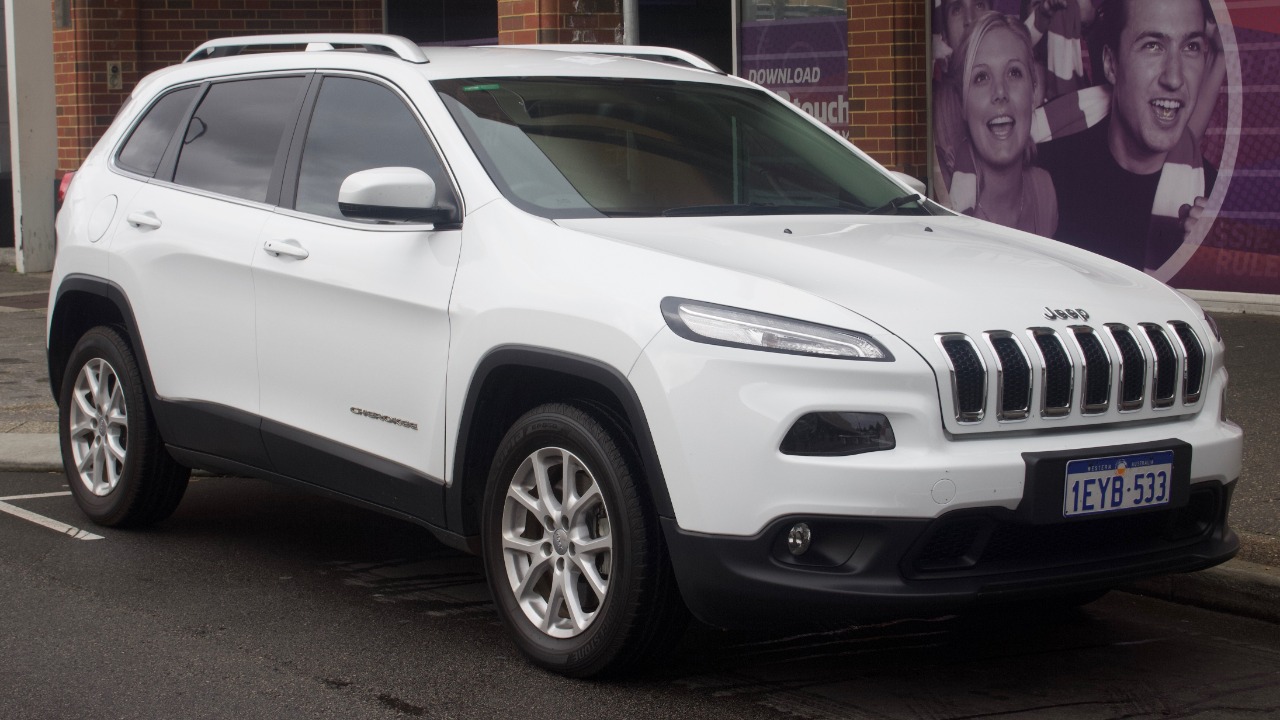
The ZF-designed nine-speed automatic that launched with the Jeep Cherokee arrived late and then arrived rough, drawing reports of harsh downshifts, hunting between ratios and hesitation from a standstill. Deliveries were held back for calibration work, and a run of software flashes and service actions followed through the model’s opening years.
Later calibrations improved behaviour markedly, so the worst reputations belong to the earliest build dates. Checking a used example’s service history for whether those updates were ever applied is worth the effort, since the work was free and frequently skipped.
7. Chevrolet Cruze: Shudder On The Road To High Mileage
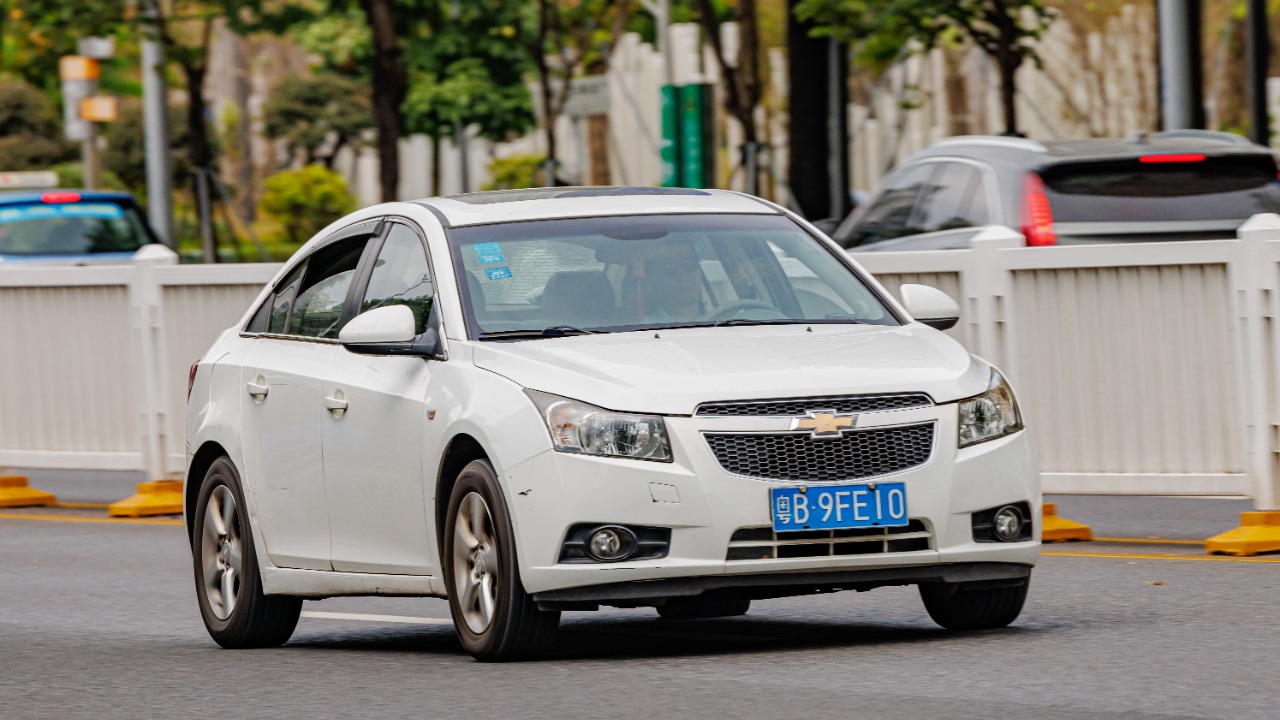
Owner complaints about the Chevrolet Cruze cluster around its six-speed automatic, where shudder under light load, delayed engagement and slipping tend to appear as the car crosses into high mileage. The compact was built in enormous numbers and sold heavily into rental and first-car duty, so many examples reach the used market with hard, poorly recorded lives behind them.
A fluid and torque-converter service costs a fraction of a rebuild, yet the maintenance schedule invites owners to skip it entirely. On a car this cheap to buy, the repair quote routinely exceeds trade-in value, which pushes tired examples toward the scrapyard.
8. Mini Cooper: A Sealed Unit With No Rebuild

Early automatic versions of the Mini hatchback used a continuously variable transmission that proved both fragile and effectively disposable, since the sealed unit was filled with lifetime fluid and almost no independent shop would rebuild it. Failure arrived as slipping, a refusal to engage drive, or a warning light followed by no forward motion at all.
Replacement meant a remanufactured or salvaged gearbox at a price that regularly exceeded the car’s value. Later automatics from conventional suppliers behaved far better, making the transmission type the single most important detail to identify before buying an older example.
9. Honda Odyssey: The Minivan Warranty Extension
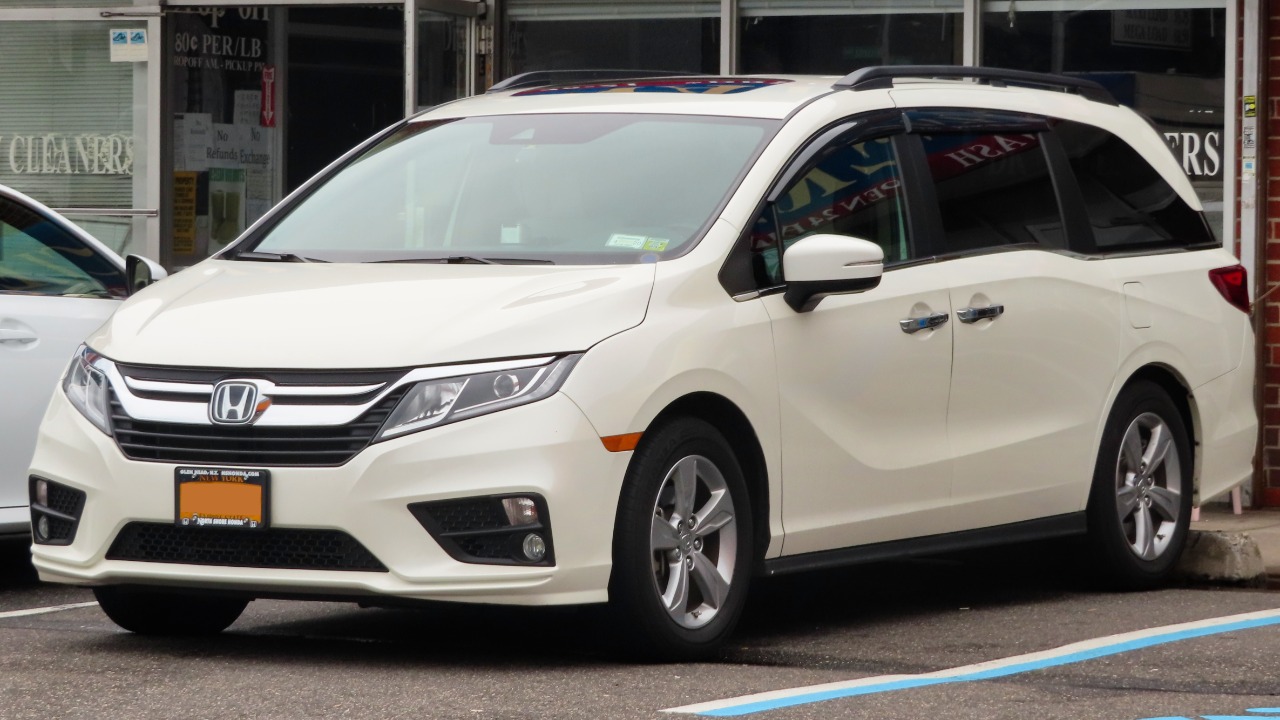
A reputation for durability did not protect the Honda Odyssey minivan, whose five-speed automatic became one of its era’s most notorious failures, typically surrendering second gear and then the whole unit. Honda extended transmission warranties to seven years or 100,000 miles and recalled affected vehicles for a fix, an unusual concession from a company that rarely admits a design fault.
Heat and the weight of a fully loaded van accelerated the process, and towing shortened it further. Surviving examples have usually been rebuilt at least once, so a receipt for that work is worth more than a low odometer reading.
More from Morning Overview
- More than 60,000 people flee the Spokane area as complex fires overrun 600 structures
- 11 engines built to run well past 200,000 miles
- Card skimmers hidden on gas pumps and ATMs are draining accounts, and here’s the tell
- The FBI says hackers are hijacking outdated home routers, and it named the models to check
