
Long before modern engineering, ancient builders raised structures so precise and so massive that specialists still argue over how the work was organized, moved, or planned. Some sites predate agriculture itself, while others hid extensions that only satellite surveys or excavation revealed centuries later. Here are nine ancient sites where real questions remain open for researchers today.
1. Göbekli Tepe: Stone Circles That Predate Farming
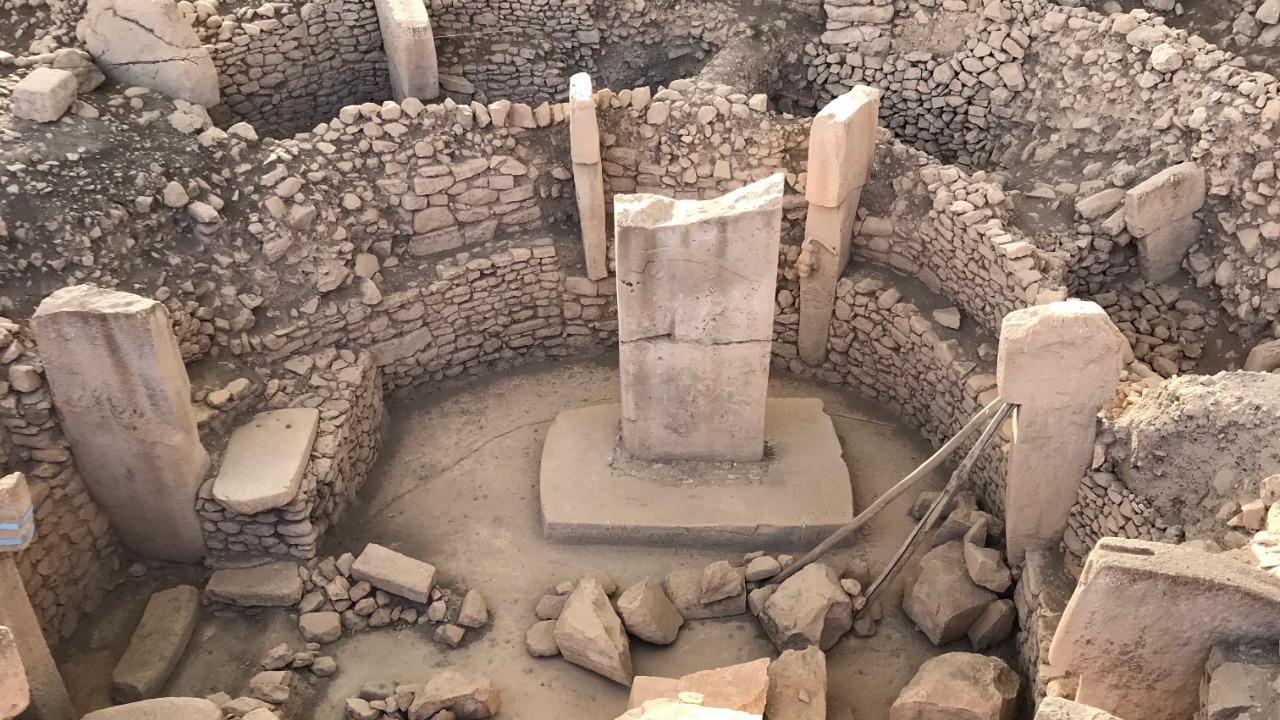
Radiocarbon dating places Göbekli Tepe’s oldest enclosures at roughly 9600 BCE, meaning hunter-gatherers with no metal tools, wheels, or domesticated draft animals quarried, carved, and raised T-shaped limestone pillars weighing up to ten tons apiece. Archaeologists still debate how a population without permanent farming settlements could organize labor at that scale, since no comparable pre-agricultural construction project has been found anywhere else.
Excavator Klaus Schmidt proposed the site helped drive the shift toward settled farming rather than following it, and researchers now debate whether the enclosures served scattered hunter-gatherer bands as shared ritual gathering points. Why the pillars were deliberately buried under rubble around 8000 BCE remains unexplained.
2. Stonehenge: The Unsolved Stone-Moving Problem
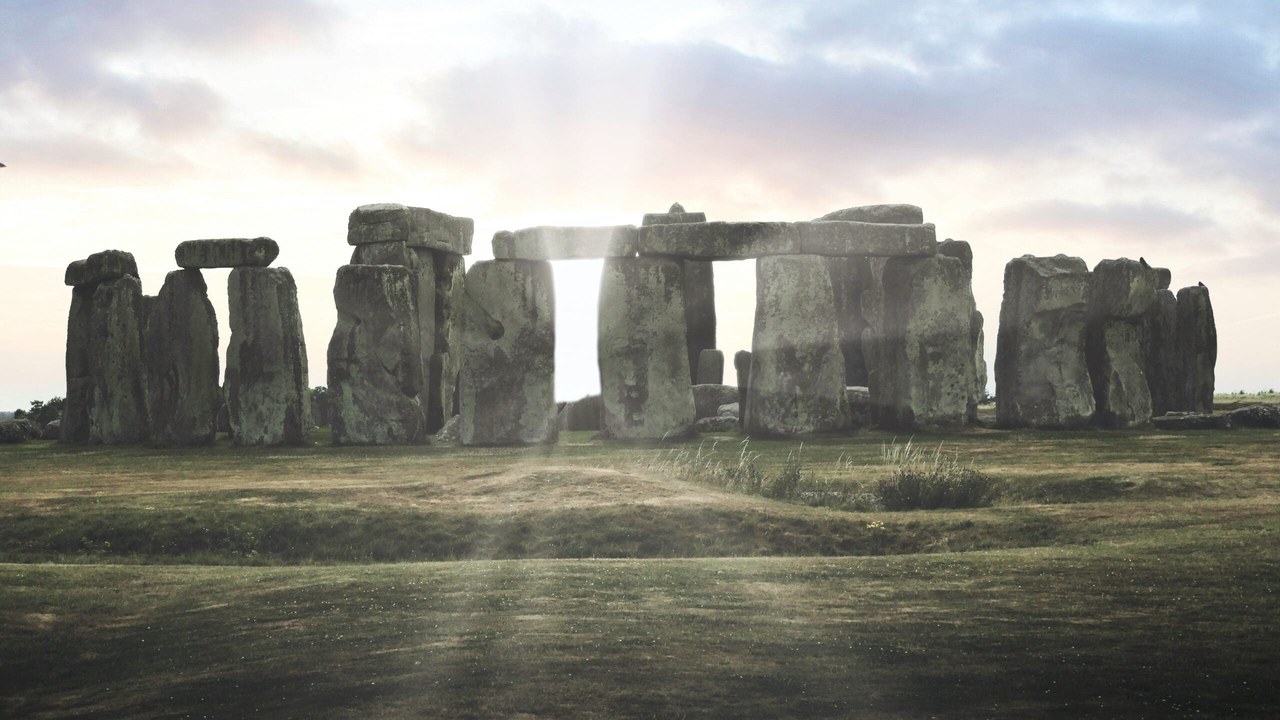
Stonehenge’s largest sarsen stones weigh up to 25 tons and were hauled roughly 15 miles from West Woods in Wiltshire, while its smaller bluestones traveled some 150 miles from the Preseli Hills in Wales. Researchers have proposed sledges, log rollers, and greased trackways, but no single method has been confirmed, and a 2024 study tracing the six-ton Altar Stone’s origin to northern Scotland only deepened the transport puzzle.
Most archaeologists favor human-powered methods over the long-discredited idea of glacial transport, though the exact technique used for stones of that mass is still debated. Why the Altar Stone came from so far away, and how Neolithic builders moved it without wheeled vehicles, remains an open question.
3. Baalbek: Stones Too Heavy To Explain
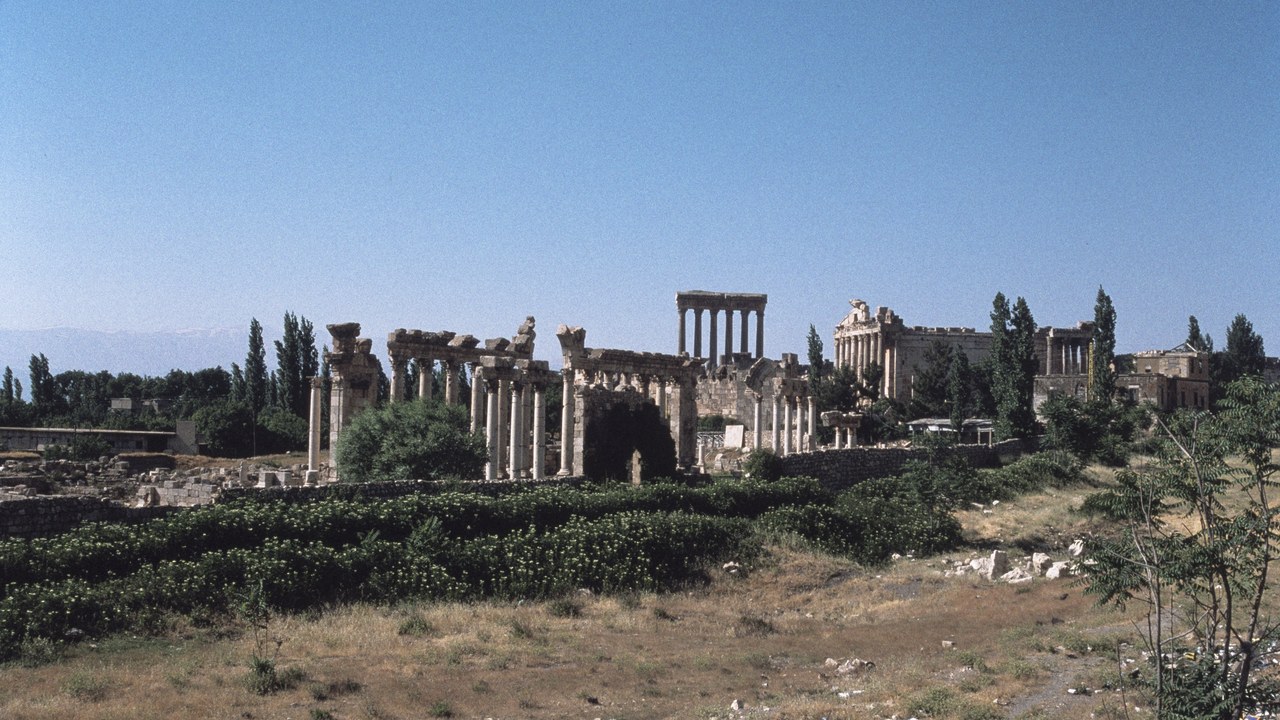
The Roman-era temple platform at Baalbek rests on three foundation blocks known as the Trilithon, each weighing roughly 800 tons, and a nearby unfinished quarry stone called the Stone of the Pregnant Woman weighs close to 1,000 tons. No Roman text describes how engineers cut, moved, and set stones that large, so historians studying Roman construction techniques can only reconstruct the likely method from sledges, ramps, and levers used elsewhere.
Most scholars think the blocks were dragged on sledges over lubricated wood tracks and levered into place using earthen ramps, since the platform predates cranes capable of lifting that mass. The precise engineering sequence, and why the largest stone was left in the quarry, is still argued over.
4. Great Sphinx of Giza: No Inscription Names Its Builder
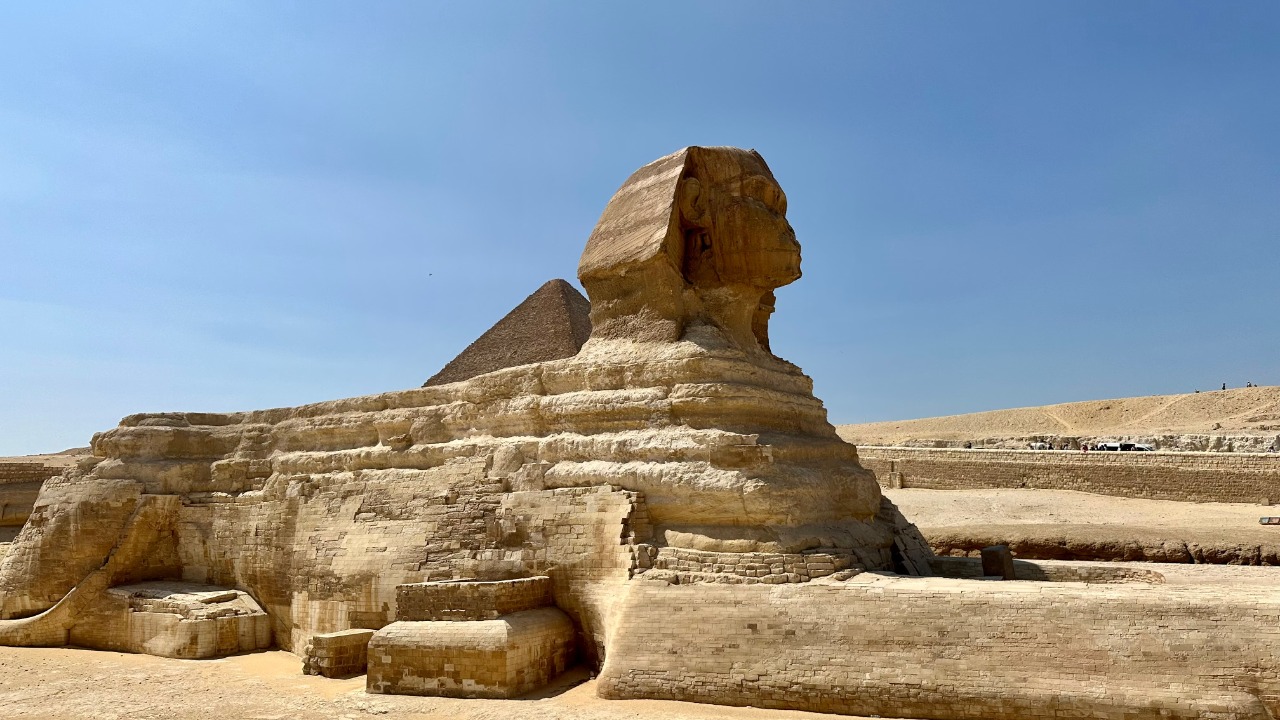
Most Egyptologists date the Great Sphinx to the reign of the Fourth Dynasty pharaoh Khafre, around 2500 BCE, based on its position beside his pyramid and stylistic similarities to his statues. But no inscription from the period names the ruler who ordered it built, so some researchers argue the earlier pharaoh Khufu, or his son Djedefre, may have commissioned the limestone monument instead.
Fringe claims that the Sphinx is far older, based on disputed weathering patterns, are not accepted by mainstream archaeology, which points to quarry evidence and dynastic construction records instead. The exact identity of its builder remains the genuine open question.
5. Newgrange: Who Exactly Is Buried Inside
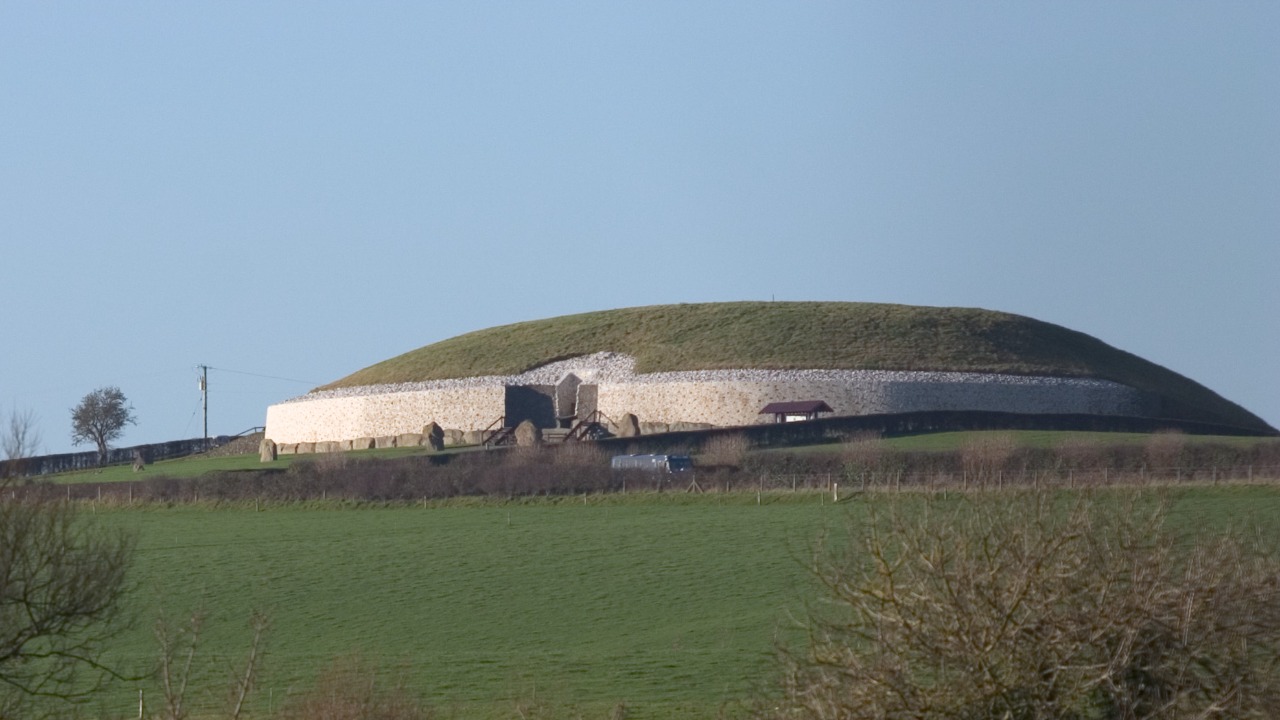
Newgrange in Ireland was built around 3200 BCE, predating both Stonehenge and the Egyptian pyramids, and its passage aligns so precisely with the winter solstice sunrise that light floods the inner chamber for about seventeen minutes each year. Archaeologists have recovered only fragmentary cremated remains inside, so the number of people buried there, and their status among their community, is still debated among researchers studying the passage tomb’s construction.
Engineers still debate how a Neolithic community without metal tools coordinated the decades-long project, from quarrying kerbstones to aligning the roof-box within centimeters. The mound’s precise ceremonial purpose beyond burial is likewise unresolved.
6. Teotihuacan: The Builders Nobody Can Name
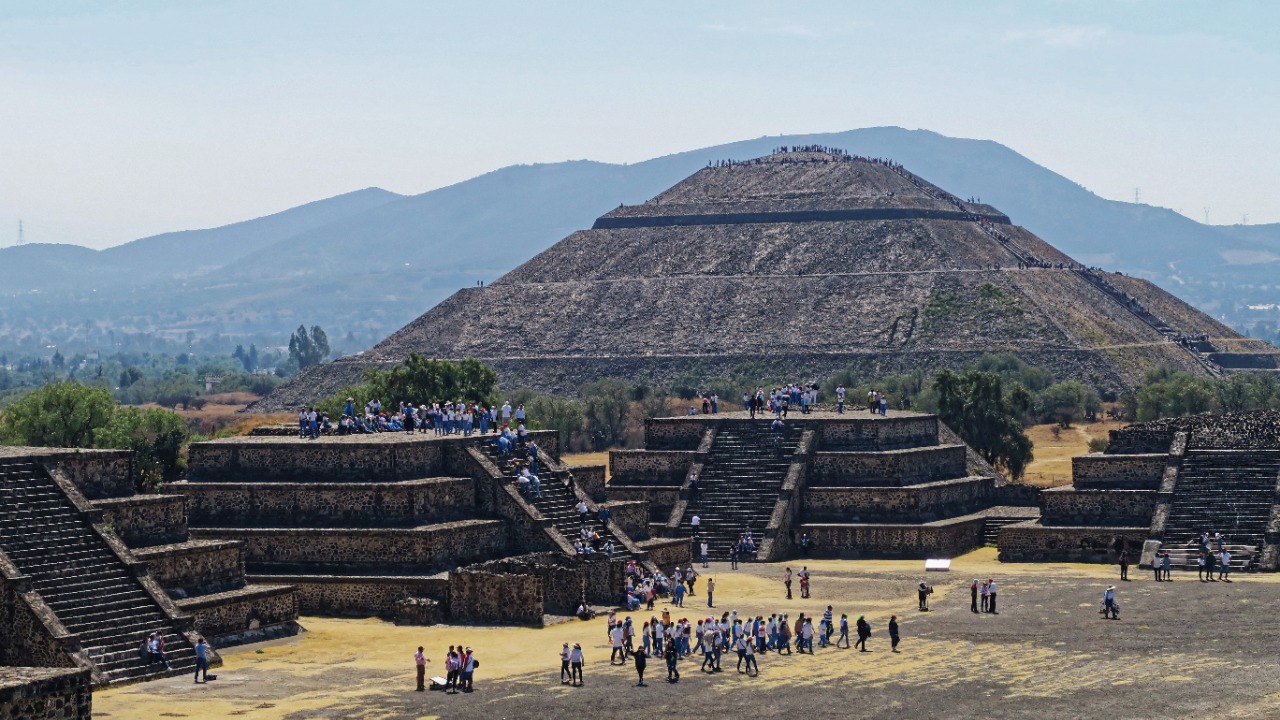
At its peak around 450 CE, Teotihuacan may have housed 100,000 to 200,000 people, making it one of the largest cities in the ancient world, yet it had already been abandoned for centuries by the time the Aztecs discovered its ruins and gave it its current name. No deciphered writing system survives to identify the ethnic or linguistic group that actually founded and ruled the ancient city.
Proposed builders range from Nahua and Otomi groups to Zapotec or Mixtec migrants, and most specialists now think the population was multi-ethnic rather than a single culture. Which group held political power, and why the city was later burned and abandoned, are still argued over.
7. Angkor Wat: The City That Was Hiding In The Jungle
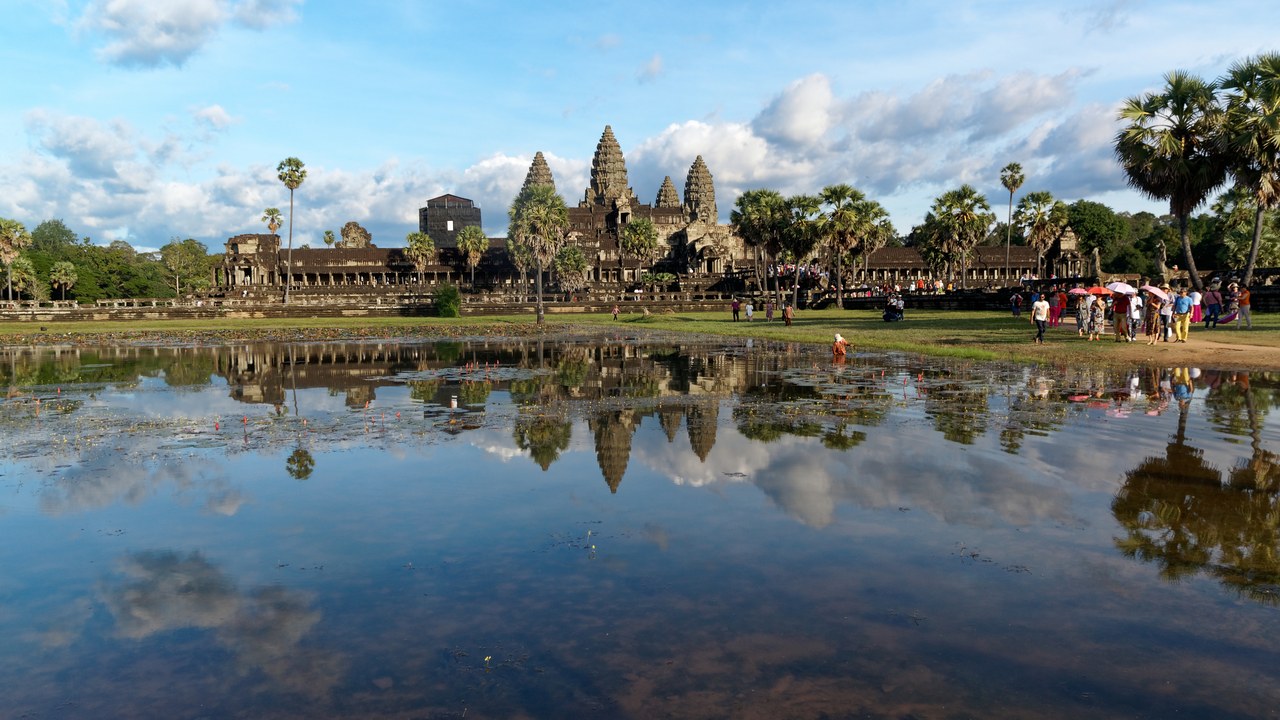
Angkor Wat is the largest religious monument on Earth by land area, but airborne laser scans published since 2012 revealed that the temple sat inside a sprawling city of canals, roads, and residential neighborhoods that extended for miles beyond what earlier ground surveys had mapped. Researchers are still working out how large the surrounding Khmer capital actually grew at its height.
The city’s decline in the fifteenth century is likewise debated, with drought and flood cycles, political fragmentation, and a shift toward coastal trade all proposed as contributing causes rather than any single confirmed event.
8. Machu Picchu: Royal Retreat Or Something Else
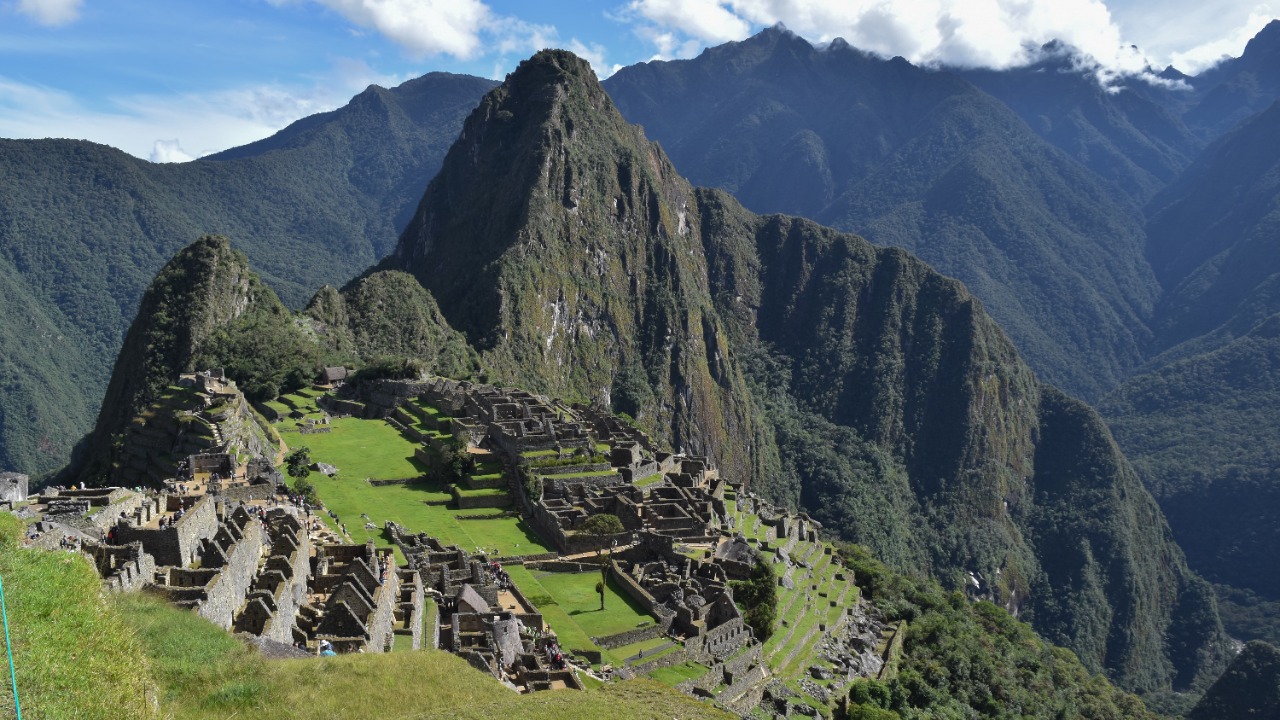
When Hiram Bingham publicized Machu Picchu in 1911, he called it a lost refuge of the last Inca rulers, but that theory has since been largely set aside by scholars. Documentary and archaeological evidence now points to the site as a royal estate built for the Inca emperor Pachacuti in the fifteenth century, though its exact function as retreat, religious sanctuary, or administrative center is still debated.
Researchers also disagree on how large its year-round population was, since it may have functioned seasonally rather than as a permanent settlement. The Spanish never recorded the site, so its abandonment during the conquest era is pieced together from indirect evidence.
9. Petra: A People Who Left Few Records
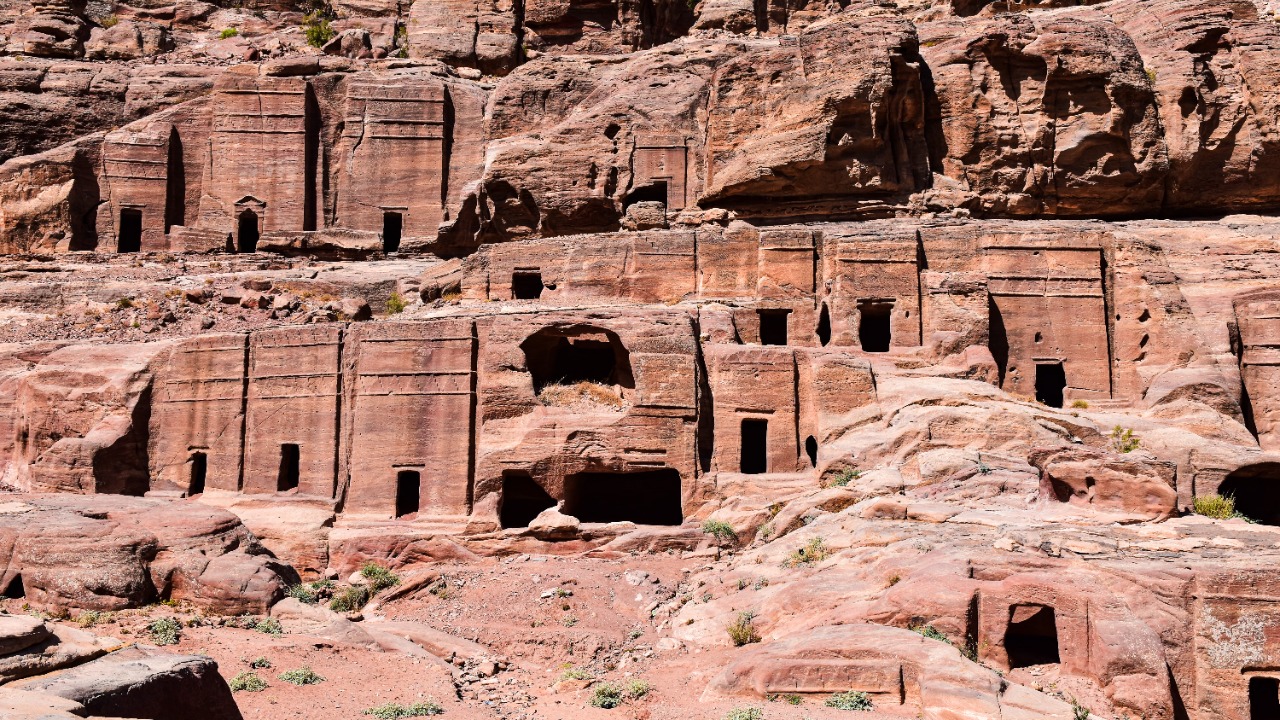
Petra’s elaborate rock-cut facades were carved by the Nabataeans, an Arab trading people who controlled the incense and spice routes across the region beginning around the fourth century BCE, but they left behind few written histories of their own. Archaeologists estimate that as much as 85 percent of the ancient city remains unexcavated, so much of daily life there is reconstructed from tombs and inscriptions rather than direct records.
Their sophisticated system of cisterns, dams, and channels shows advanced water management in a desert environment, but exactly how the Nabataean state organized itself before Rome annexed it in 106 CE remains only partly understood.
More from Morning Overview
- The largest genetic study of fibromyalgia found new risk factors rooted in the nervous system
- Toyota grabbed six of the ten spots on Consumer Reports’ most-reliable-cars list
- Evacuations spread as the Gann Fire chews through 10,000 acres of California’s Gold Country
- Pythons keep spreading across Florida, and one county alone pulled out four tons of them
