
Compact crossovers promise easy practicality, yet several have built reputations around one expensive component that keeps giving out. Cooling systems, continuously variable transmissions and small turbochargers account for many of the worst cases, joined by oil-hungry engines and glitchy electronics. Here are eight crossovers and SUVs, each tied to the single part it is best known for wrecking.
1. Ford Bronco Sport: Cooling Loop Casualty
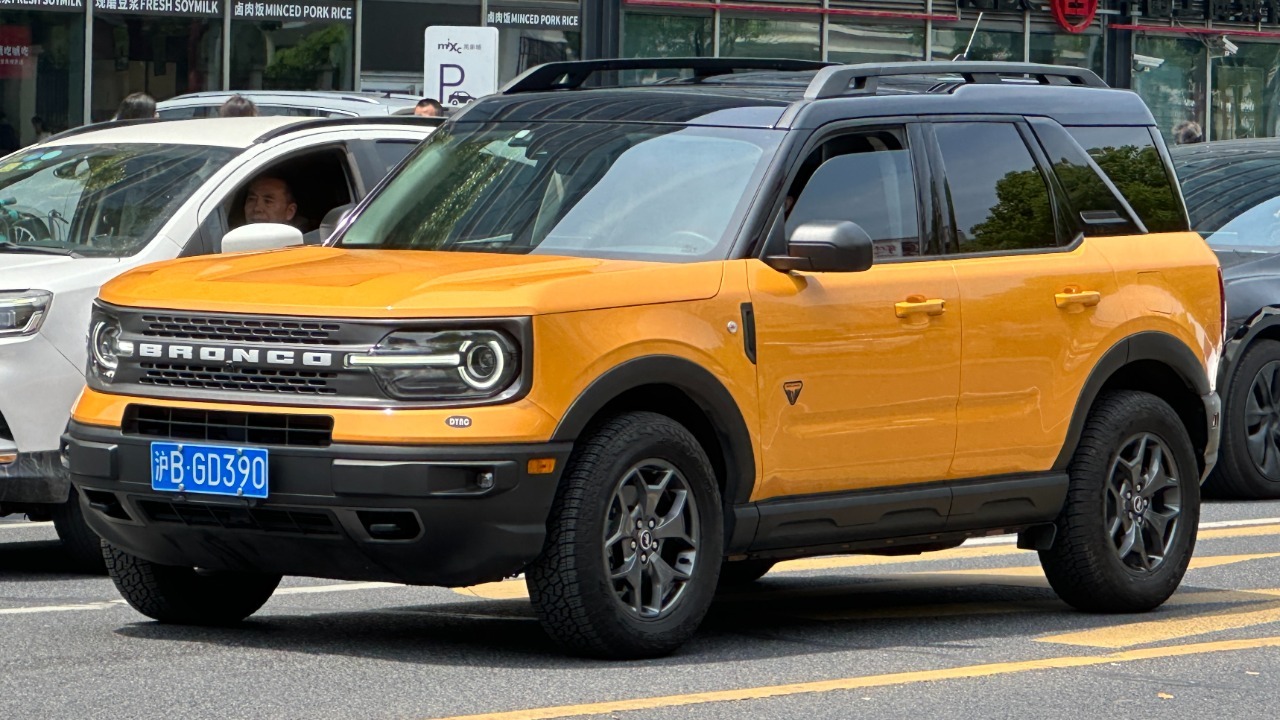
Ford’s compact off-roader lands in the D tier of a compact SUV reliability ranking because its EcoBoost engines, the 1.5-liter three-cylinder above all, have a history of coolant leaks, water-pump failures and head-gasket problems. All three faults hit the same cooling loop, so a small seep can snowball into an overheated engine.
Used buyers should have the cooling system pressure-tested and ask for records of any pump or gasket work. Low coolant that goes unnoticed is the usual route from a minor leak to a repair bill that rivals the vehicle’s remaining value. Overheating also tends to compound, since a warped head or damaged gasket can turn a coolant fix into major engine work.
2. Nissan Rogue: Turbo Three-Cylinder, Weak CVT
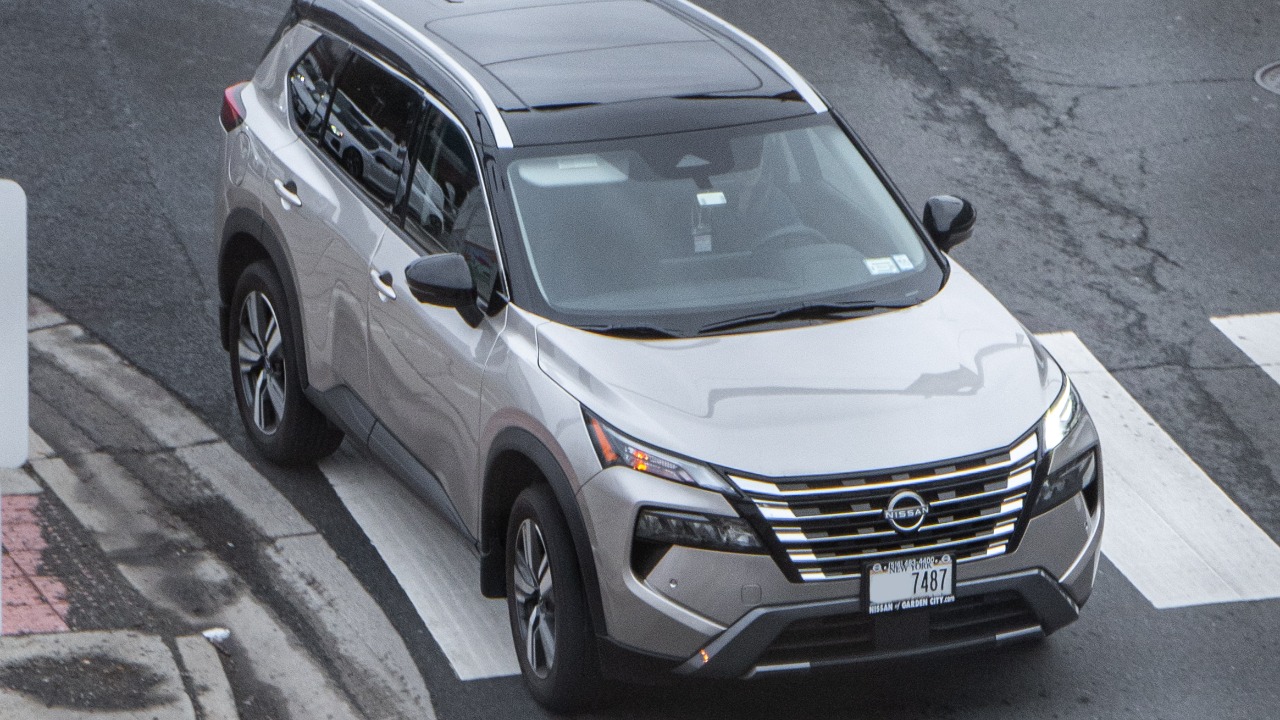
The Rogue’s 1.5-liter turbocharged three-cylinder has faced multiple recalls tied to potential engine failure, and its CVT remains a known weak point, according to the same reliability ranking of compacts. Owner complaint data agrees on the gearbox: transmission problems are the model’s biggest category, with 1,391 complaints logged.
Shoppers should favor proof of completed recalls and regular transmission-fluid service over low mileage alone. Shudder or hesitation under light throttle is the classic early warning that the CVT needs attention before it fails outright. The pairing of a turbo engine and a CVT means both major drivetrain components carry known risk, which narrows the margin for deferred maintenance on any example.
3. Volkswagen Tiguan: Boost Gone Early
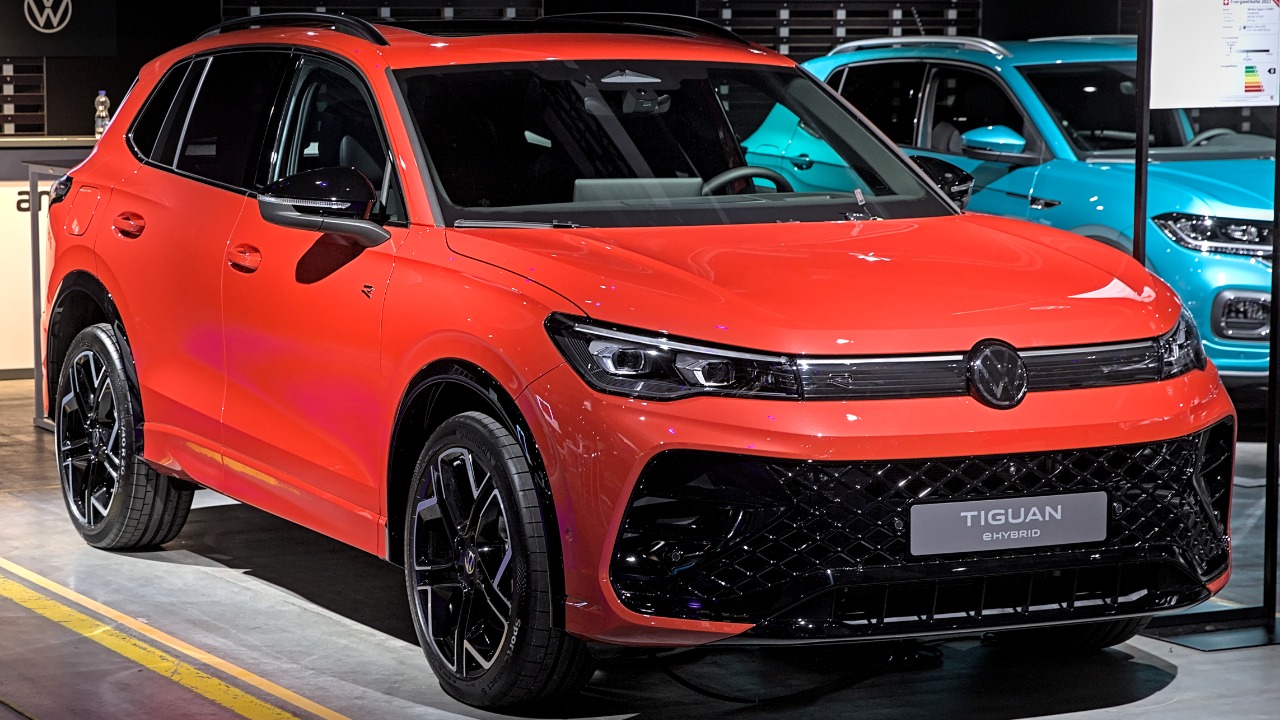
Owners of the compact Volkswagen have reported turbocharger failures, sometimes very early in ownership, as the same compact ranking points out. A small boosted engine runs hot and spins fast, so a failing turbo can bring oil leaks, lost power and a large bill well before the odometer looks high.
A used Tiguan deserves a cold-start check for smoke or rattling, plus proof of on-time oil changes. An extended warranty that explicitly lists the turbocharger is worth weighing against the repair risk. Early failures matter most because a turbo replaced shortly after purchase can erase the cost advantage of a smaller, supposedly efficient engine.
4. GMC Terrain: Equinox Twin, Same Faults
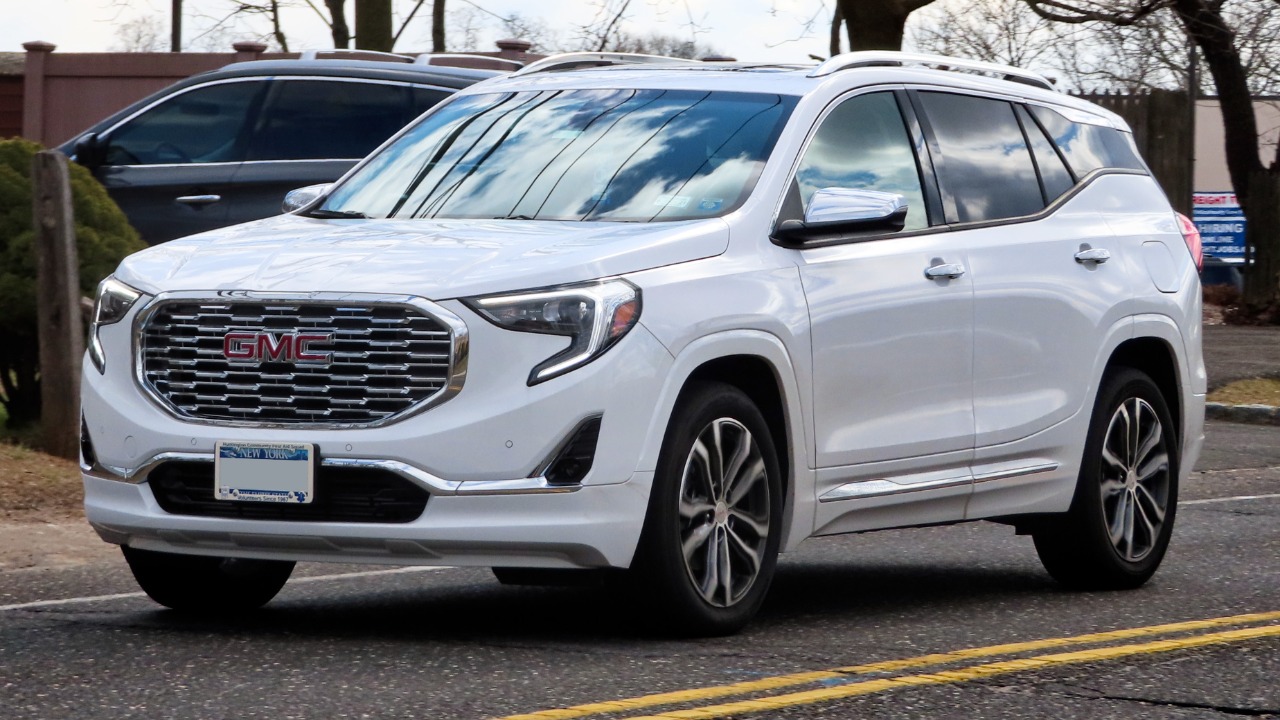
Consumer Reports owners describe the Terrain suffering what its Equinox twin does: transmission-computer faults, fluid leaks that require the transmission to be removed, and body-control-module problems, as detailed in a Consumer Reports owner survey. Shared underpinnings mean shared weaknesses, and these repairs are labor-heavy.
Anyone considering one should read the Equinox complaint history as well, since the two fail alike. Testing every electronic function on a drive is wise, because body-module faults tend to appear as odd, intermittent glitches. Fluid leaks that force the transmission out of the vehicle are the costliest item on that list, since the labor alone can dwarf the price of the failed seal.
5. Genesis GV70: Luxury Badge, Lowest Marks
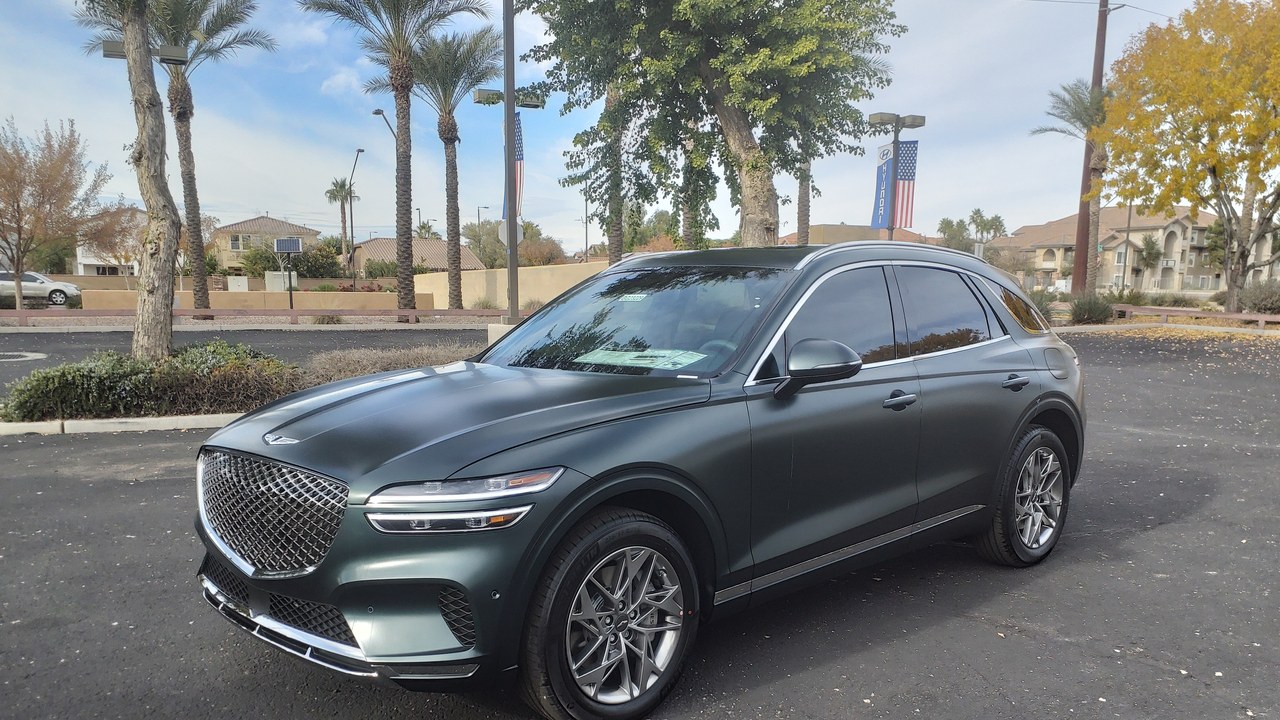
Within the luxury compact class, the GV70 is the worst rated in the Consumer Reports data, with owners citing fuel-pump, drive-system, climate-control and body-hardware faults. A premium badge and a long feature list did not translate into trouble-free ownership in that dataset.
The rating argues for scrutinizing a GV70 before purchase rather than assuming a long warranty absorbs every annoyance. Climate and hardware faults in particular cost time at the dealer even when the repair itself is free. Fuel-pump and drive-system complaints are the more serious entries, because either can leave an owner stranded rather than merely annoyed by a rattle.
6. Chevrolet Blazer EV: Electric Rated Worst
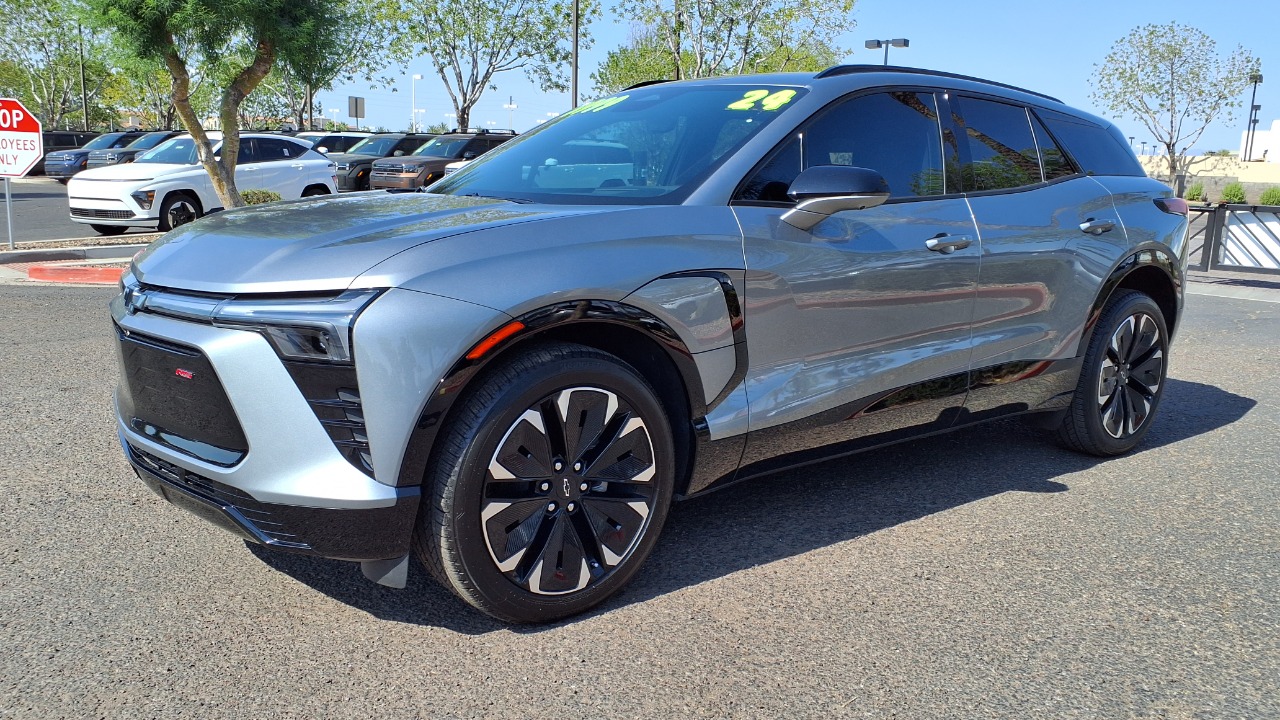
Chevrolet’s electric crossover is rated worst among all-electric models in the Consumer Reports survey. Owners flagged battery-system, climate-control, electrical-accessory and in-car-electronics faults, along with recurring noises and leaks, a spread suggesting trouble well beyond a single bad component.
Prospective buyers should confirm that every software update and battery-related campaign has been applied. Because the faults center on electronics, a dealer check of infotainment and charging behavior is worthwhile before signing. Among all-electric models in that survey, the Blazer EV sits at the bottom, a notable result for a vehicle whose main selling point is simplicity of drivetrain.
7. Audi Q7: Thirsty Engine, Fatal End

The 2017 Q7 burns as much as a quart of oil every 600 to 1,000 miles, with engine failure as the end point, according to a least-reliable used SUVs list. Consumption at that rate can leave the engine low between routine services without any warning until damage is already under way.
Owners and used buyers should check the dipstick often and keep a log of every top-up. A seller who cannot say how much oil the engine drinks between changes is a red flag for this model year. Because engine failure is the stated end point, regular oil checks between services are the cheapest protection an owner has against a catastrophic outcome.
8. Jeep Grand Cherokee: Fire Risk and Stalls
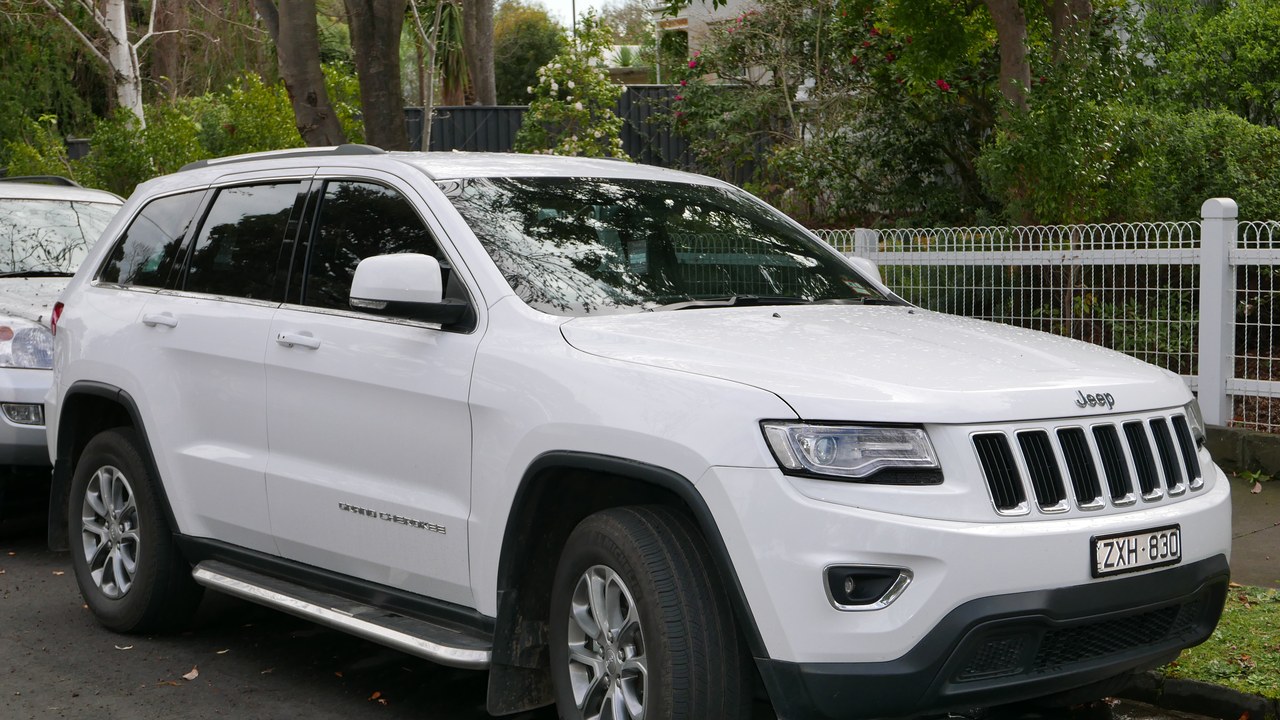
The 2011 model drew more than 1,600 NHTSA complaints over an alternator that can overheat into a fire hazard and a fuel-pump relay that stalls the engine, per a used SUV warning list. A stall at speed removes engine-driven assistance, while an overheating alternator raises a far more serious danger.
Anyone eyeing a 2011 should verify that every related recall repair was completed. Intermittent no-start or stalling entries in the service record deserve a hard look before money changes hands. Together those two defects cover both fire and loss of power, which is why the relay and alternator history belongs on any pre-purchase checklist.
More from Morning Overview
- Common allergy, bladder and sleep pills tied to sharply higher dementia odds
- The second-largest U.S. reservoir just fell to its lowest level ever recorded
- Security experts still urge phone owners to switch off one location-tracking setting
- The FBI warns a new phishing trick can hijack your account without your password
