
Automakers rarely admit a design flaw, yet settlements, recalls and warranty extensions leave a paper trail that tells the story anyway. Rusting frames, burning oil, failing steering parts and electrical faults each appear below, tied to specific model years and documented figures. Here are eight SUVs whose factory problems cost owners money and cost manufacturers more.
1. Toyota Sequoia: Rust Bill Reached Billions
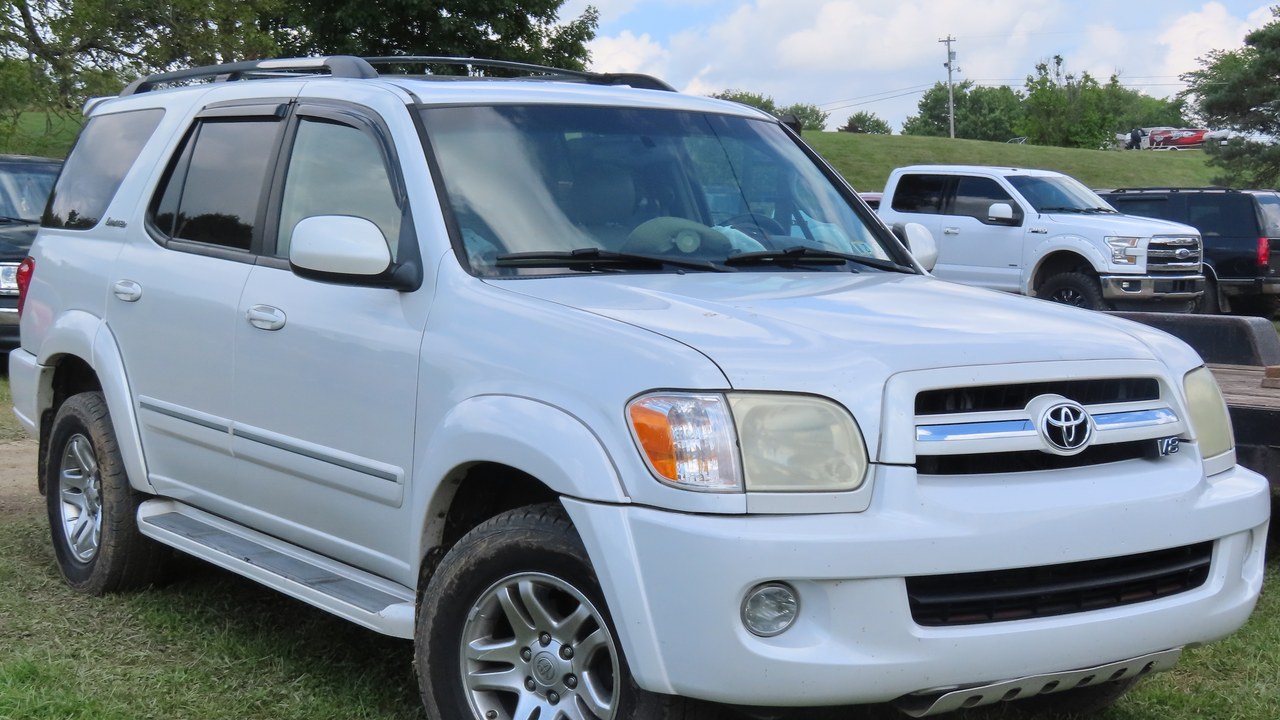
Frame corrosion on 2005 to 2008 trucks fed Toyota’s rust settlement worth up to $3.4 billion across roughly 1.5 million vehicles, which works out to about $15,060 each. The deal also covered the 2005 to 2010 Tacoma and 2007 to 2008 Tundra, so the Sequoia shared the bill with Toyota’s pickups.
That settlement was not a recall, and Toyota admitted no liability. For owners and used buyers, the practical lesson is that a rust-weakened frame can make a big, long-lived SUV uneconomical to keep. Inspecting the frame rails before purchase matters more than checking mileage or service records on any of these years.
2. Ford Escape: Subframes That Rusted Through
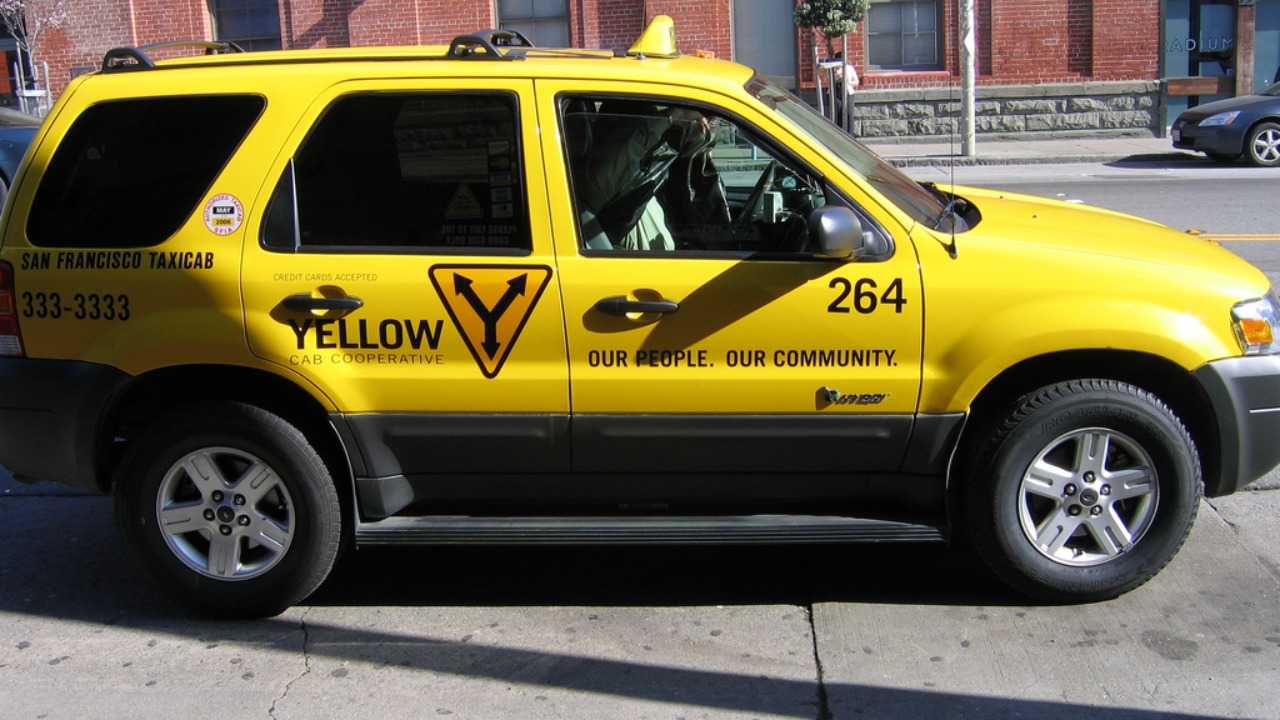
Nearly 386,000 of the 2001 to 2004 models were recalled because the subframe can rust until a control arm separates from the body, according to a Monitor recall report. When that happens, steering control is hampered, which turns slow corrosion into a sudden handling hazard.
The recall covered a compact crossover that many families bought as cheap commuter transport. Cars from rust-prone regions deserve the closest scrutiny, since road salt speeds the decay. Buyers of any surviving first-generation example should confirm the recall repair was done and look underneath for flaking metal near the front suspension mounts.
3. Toyota RAV4: Thirsty Four-Cylinder
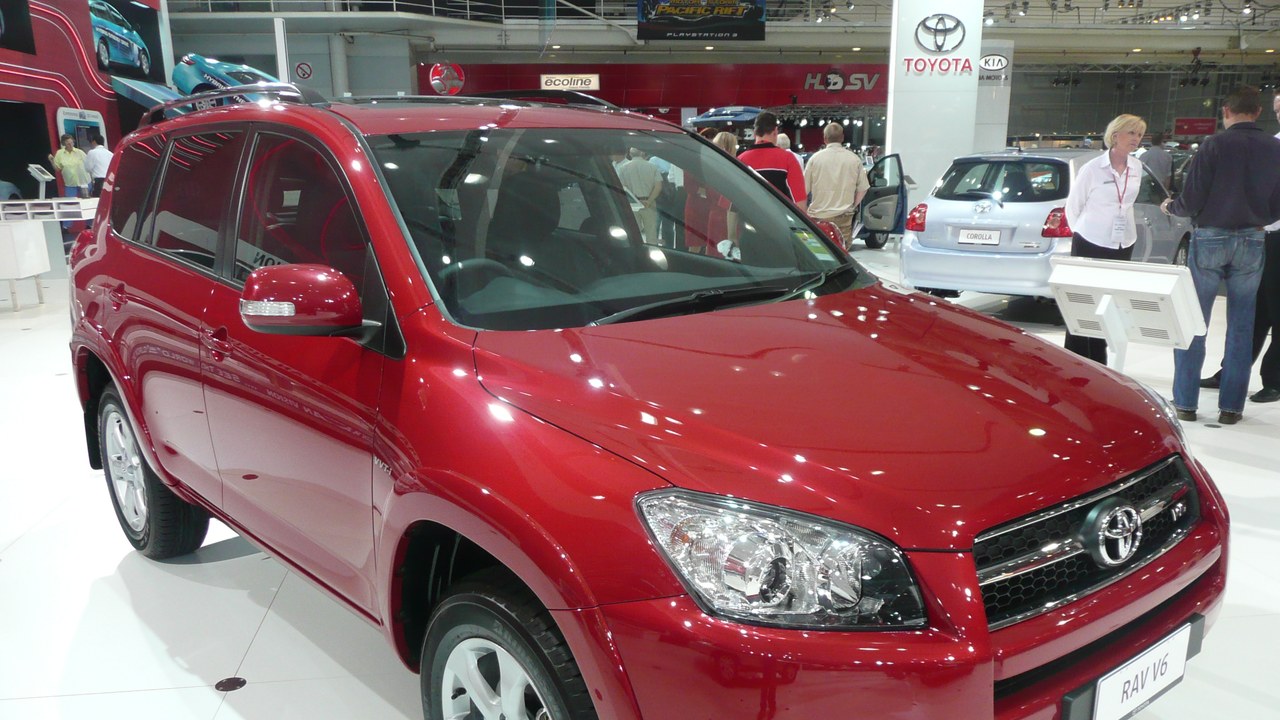
The 2006 RAV4 drew 109 NHTSA engine complaints, reported at an average of 66,833 miles. Owners describe severe oil burning on the 2AZ-FE engine, with reports as extreme as a quart every 500 to 600 miles.
Many complaints reference Toyota’s oil-consumption warranty enhancement, known as ZE7, which had already expired for numerous owners. One owner faced a $5,000 engine bill after the coverage lapsed, a steep price for a compact SUV that many households bought as sensible, economical transportation. Anyone shopping for a used example should check oil level history, ask about repairs done under that enhancement, and budget for a possible engine replacement.
4. Toyota FJ Cruiser: Frame Rust Dents the Legend
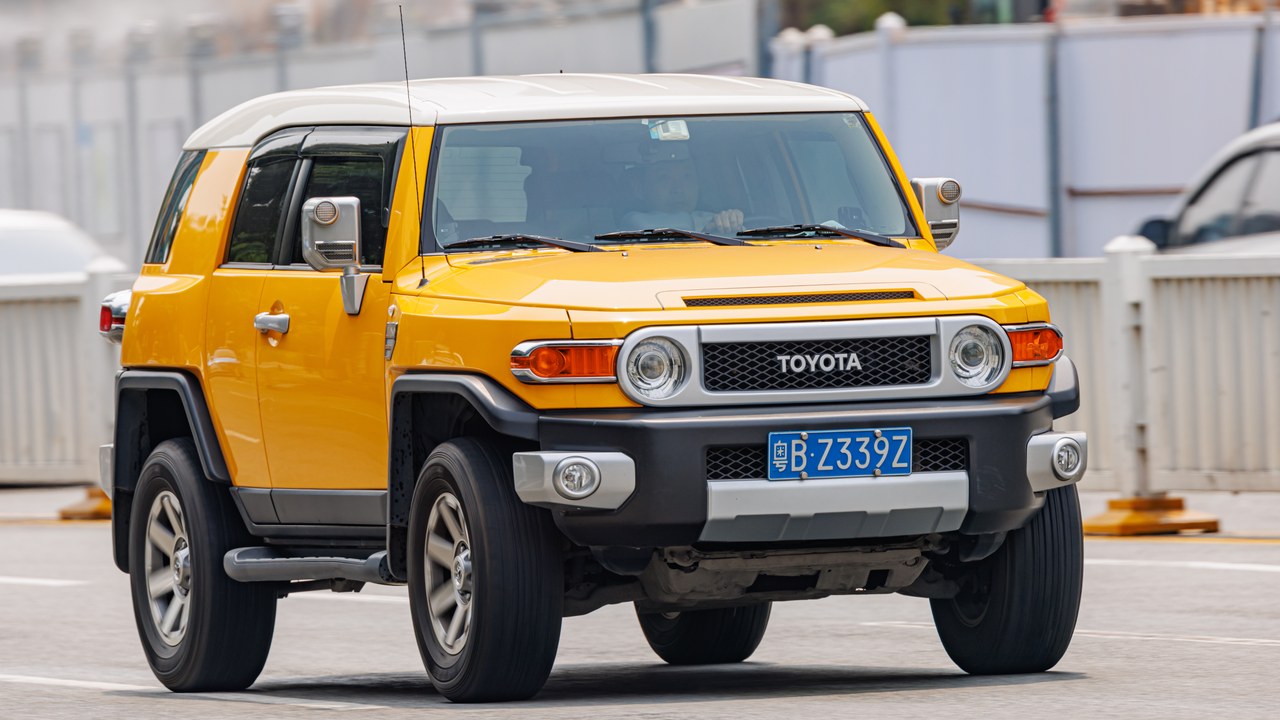
Frame rust ranks as the third most-reported FJ Cruiser problem, with the 2007 model hit worst. Complaints cluster at an average of 113,000 miles, well into the period when many owners expect a Toyota to keep going, and body and paint trouble forms the largest complaint category overall.
A retro-styled off-roader earns its reputation on trails, and trail use means salt, mud and moisture lodged against bare steel. Shoppers considering one should inspect the frame closely, especially on 2007 examples and anything from snowy states, before trusting the mileage on the odometer or the vehicle’s off-road image.
5. Hyundai Santa Fe: Three Recalls and a Class Action
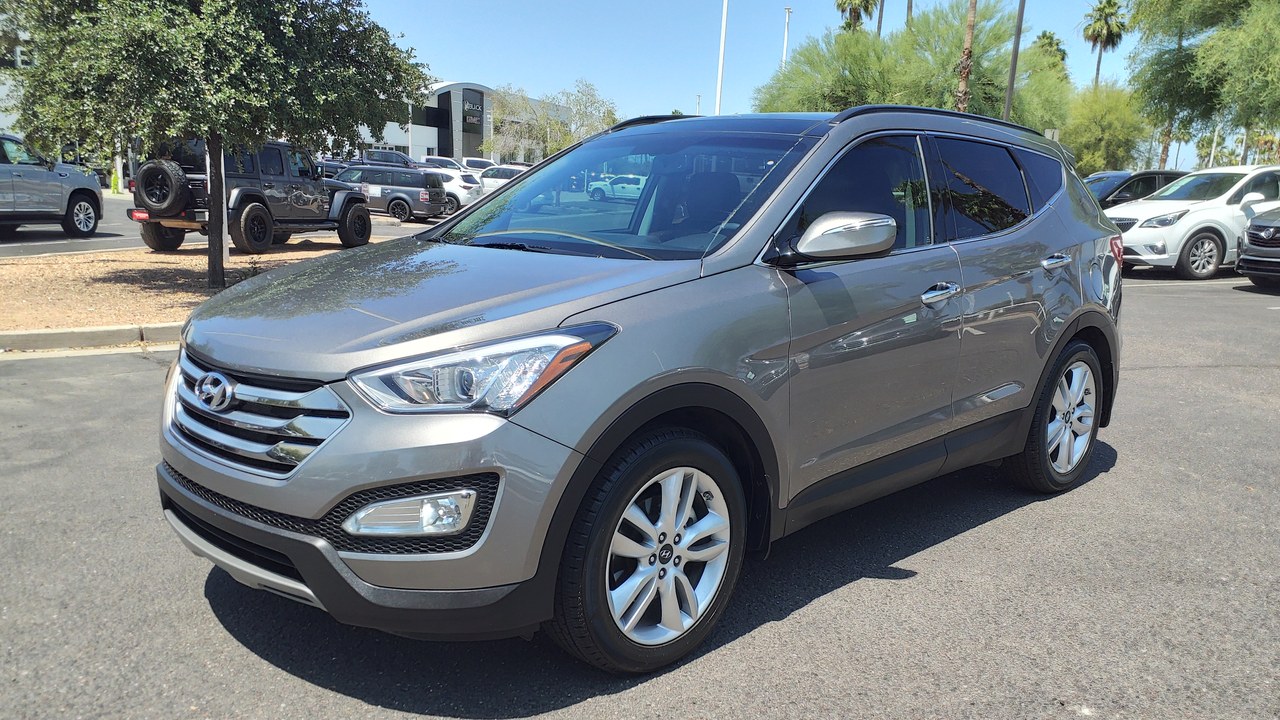
The 2013 model ran to three recalls, more than 600 complaints and a class action, according to a least-reliable used SUV list. The troubles span oil consumption, outright engine failure and a steering coupler that disintegrates, which means problems reached both the powertrain and the steering.
Failure of the engine in a vehicle this popular can strand a family far from home, and a failing steering coupler affects control directly. Used buyers should pull the VIN’s recall history, confirm the repairs were completed, and keep careful oil-level records, because consumption problems tend to worsen quietly between services.
6. Jeep Grand Cherokee: Fire Risk and Fuel Pump Failures
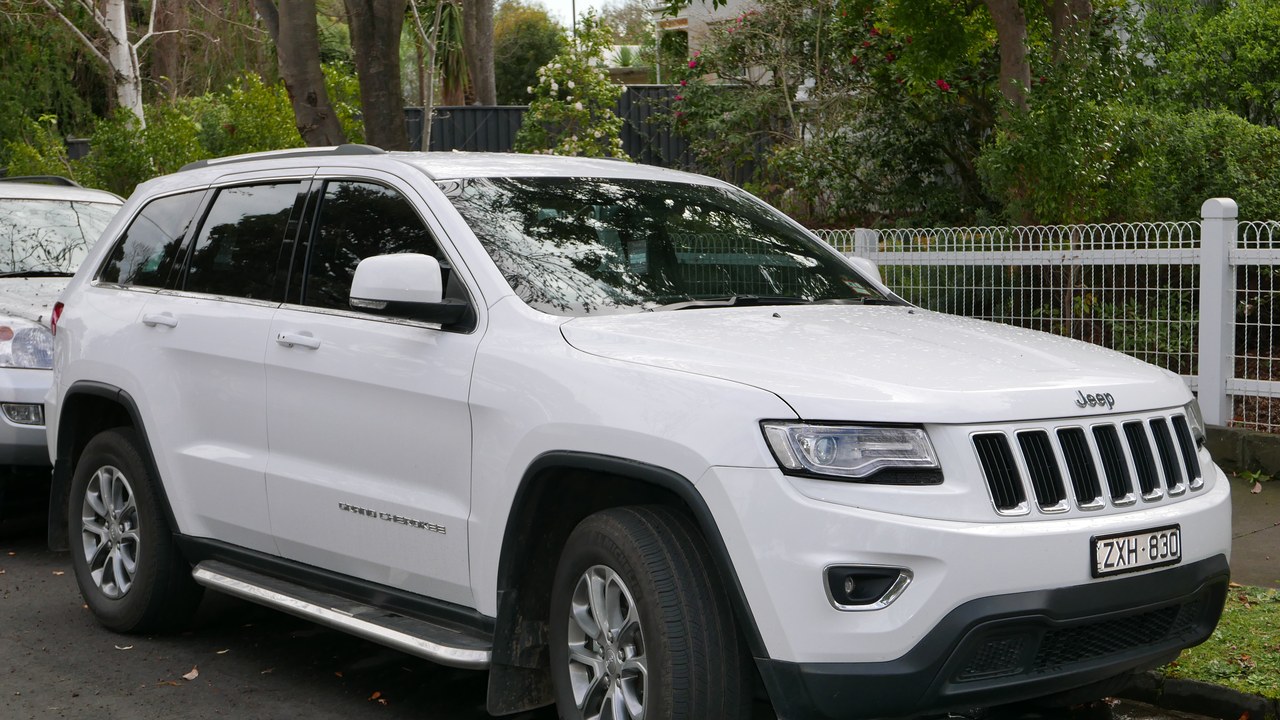
More than 1,600 complaints on the 2011 model covered an alternator that can overheat into a fire hazard and a relay that kills the fuel pump, per a list of risky used SUVs. The two faults sit in different systems, yet both can end a trip abruptly.
A stalled engine in traffic is dangerous, and an overheating electrical component raises the stakes further. Prospective owners should look for completed recall work, listen for early signs of alternator trouble, and treat any history of unexplained stalling as a reason to walk away from a used example.
7. Ford Explorer: Water Pump Inside the Engine
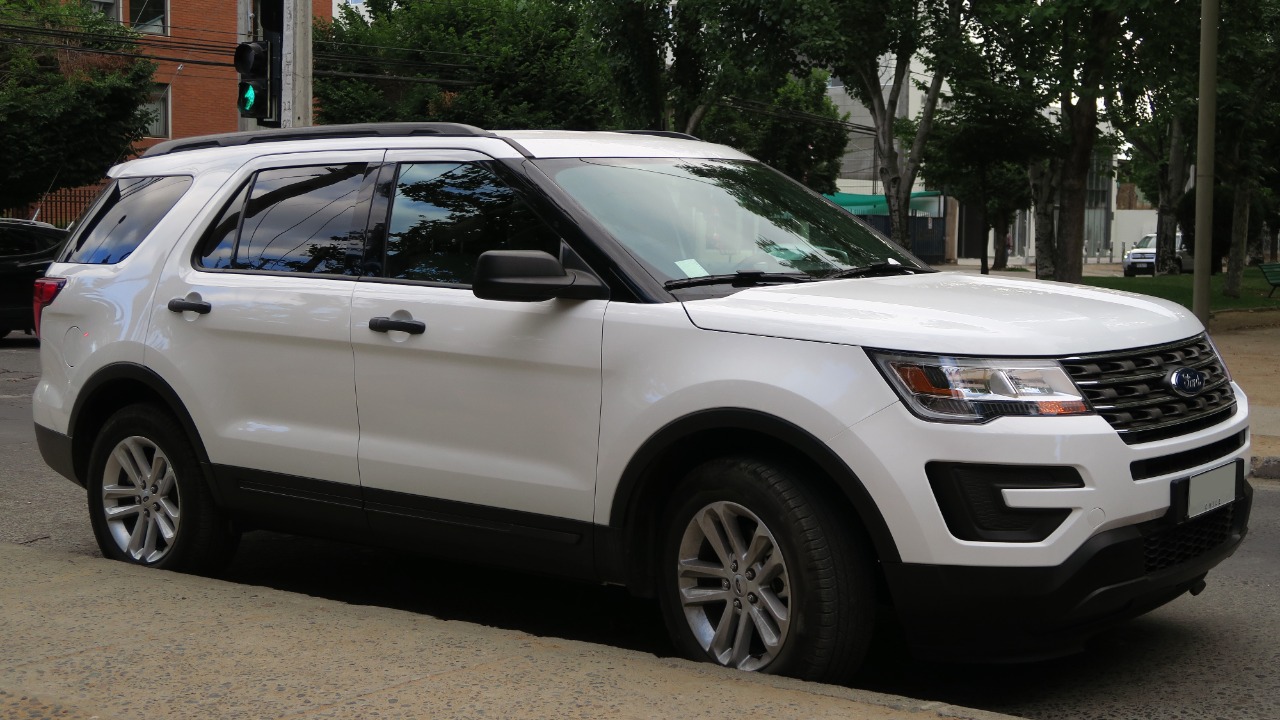
The 2016 model carries 14 recalls and over 2,300 complaints, according to a used SUV warning roundup. They span water-pump leaks inside the engine, fuel and exhaust leaks and trim that lets go, so the defects touched cooling, fuel, exhaust and body hardware all at once.
An internal coolant leak is especially costly because it can mix fluids and force a major repair. Exhaust leaks bring fumes toward the cabin, which is a safety issue rather than a nuisance. Buyers should verify that every open recall was handled and ask whether the water pump has already been replaced.
8. Chevrolet Equinox: Leaks That Pull the Transmission
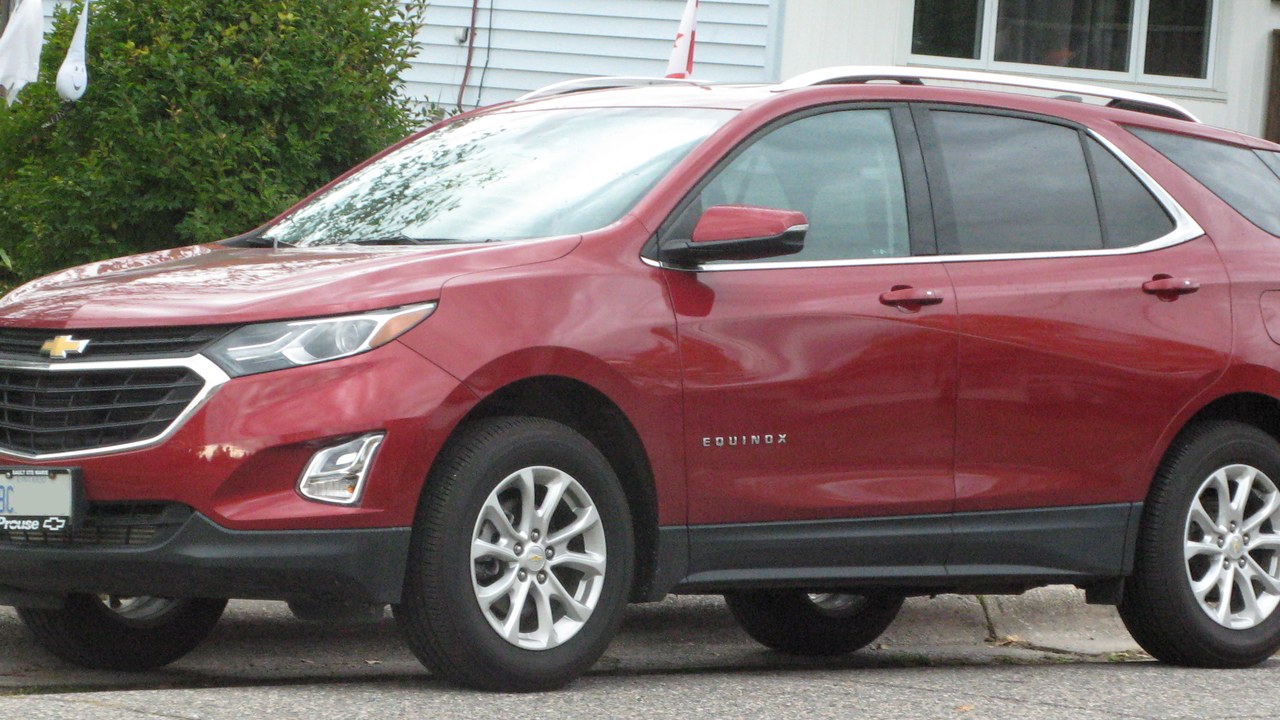
Consumer Reports owner data flagged fluid leaks so bad that the transmission has to come out, plus repeat body-control-module failures, in a Consumer Reports owner survey. Pulling a transmission to chase a leak is among the more expensive labor jobs a family crossover can demand.
A faulty body control module can disrupt lighting, locks and other electronics, and repeat failures suggest the first repair does not always hold. Shoppers should request service records showing any leak repairs, test every electrical function on a drive, and compare prices against rivals with cleaner owner-reported histories.
More from Morning Overview
- The second-largest U.S. reservoir just fell to its lowest level ever recorded
- Security experts still urge phone owners to switch off one location-tracking setting
- The FBI warns a new phishing trick can hijack your account without your password
- The NSA says three phone features should be off whenever you aren’t using them
