
Federal safety regulators keep a running docket of open defect probes, and several of them now reach vehicles that are common on American roads. The cases range from engines that can seize to brake assist that can fade and suspensions that can fail. Here are twelve vehicles under active NHTSA scrutiny, each with the specific complaint driving the review.
1. 2021-2026 Chevrolet Silverado 1500 (6.2L L87 V8): Seizure Risk
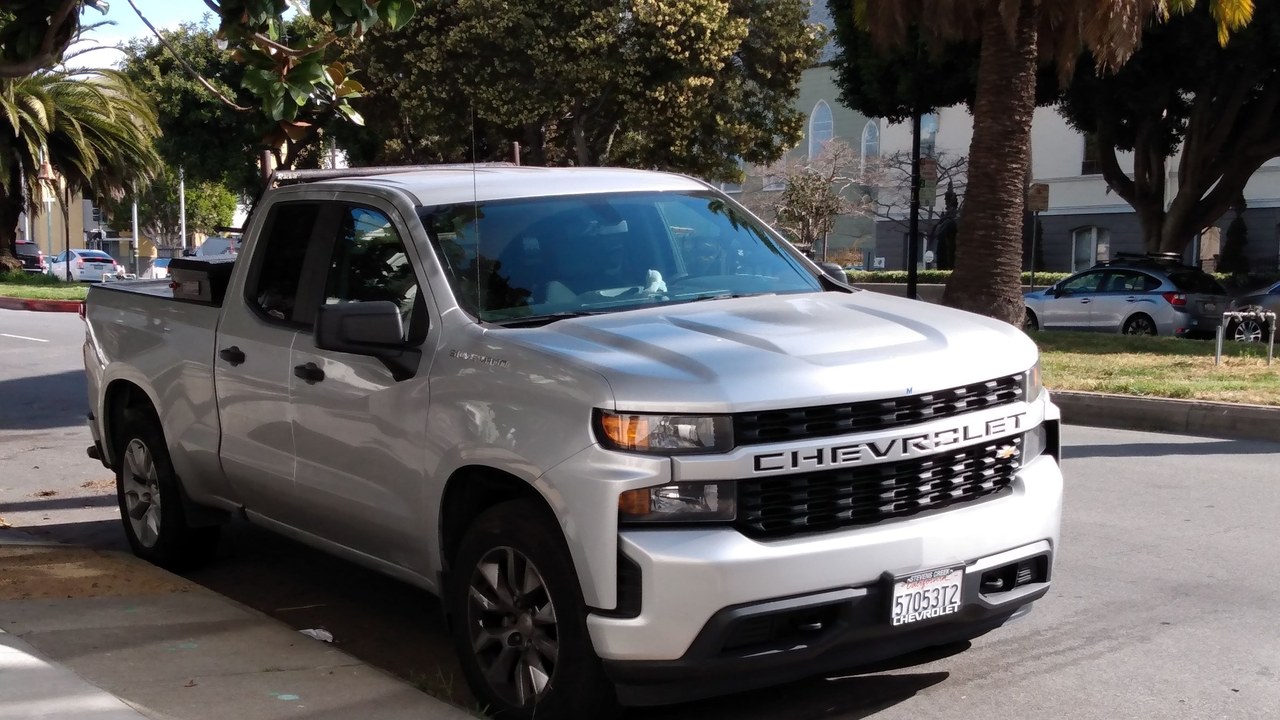
NHTSA’s expanded engine probe now covers 997,743 trucks and SUVs from 2021-2026 that share the 6.2-liter L87 V8. Investigators are examining engines that can seize with little warning, a failure that leaves a full-size pickup without power on the road. Silverado 1500 sits beside Sierra, Tahoe, Suburban, Yukon and Escalade models.
Owners of L87-equipped trucks should keep up with oil service and watch for recall notices. An engineering analysis is a step short of a recall, so no remedy has been mandated, but the escalation signals that regulators see the failure pattern as serious.
2. Chevrolet Traverse: Brake Assist Loss
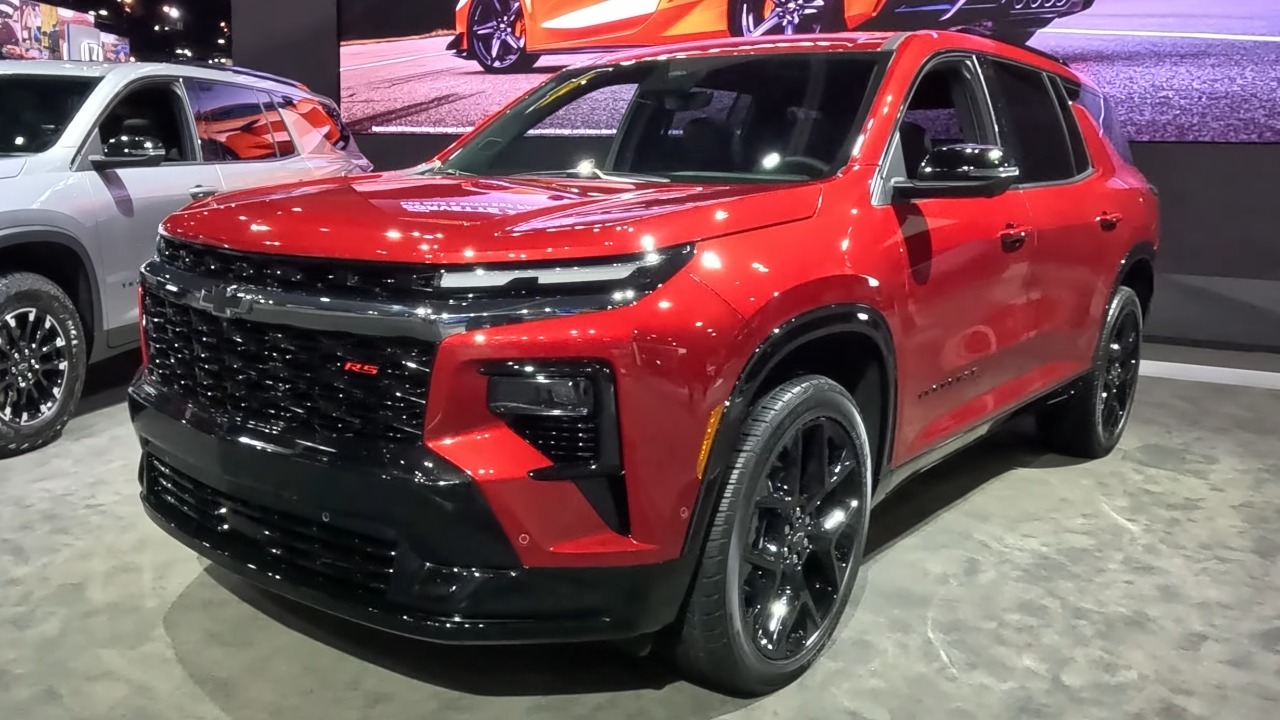
The Traverse appears among the vehicles in NHTSA’s eBoost brake analysis, an engineering analysis covering about 1.16 million GM-built vehicles. The agency tallied 745 incidents and 21 crashes tied to the eBoost brake system, which supplies power assist when the driver presses the pedal.
Brake assist problems are felt as a suddenly stiff pedal and longer stopping distances. Traverse owners should check for open recalls and report any unusual pedal feel to NHTSA, since the complaint volume is what drives these probes forward and can lead to a formal recall.
3. Buick Enclave: Spindle Fracture
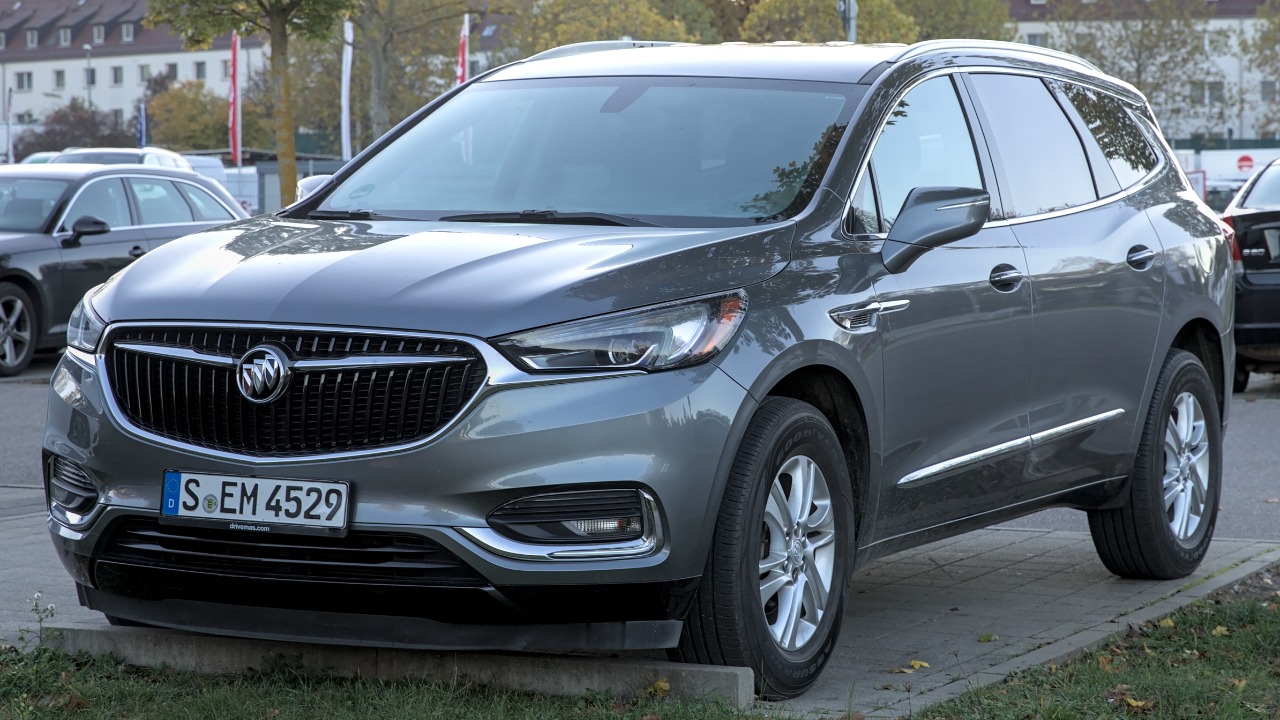
The Enclave is included in the eBoost brake probe, which was opened on Aug. 21, 2026. The concern is a fractured spindle that could knock out ABS, brake assist and stability control together, stripping away several safety systems at once.
Losing that trio of aids does not remove the brakes entirely, but it makes hard stops far less controlled, especially on wet or slick roads. Enclave owners should stay alert for dash warnings and recall mail while the analysis continues.
4. Honda Prologue: Borrowed Brakes
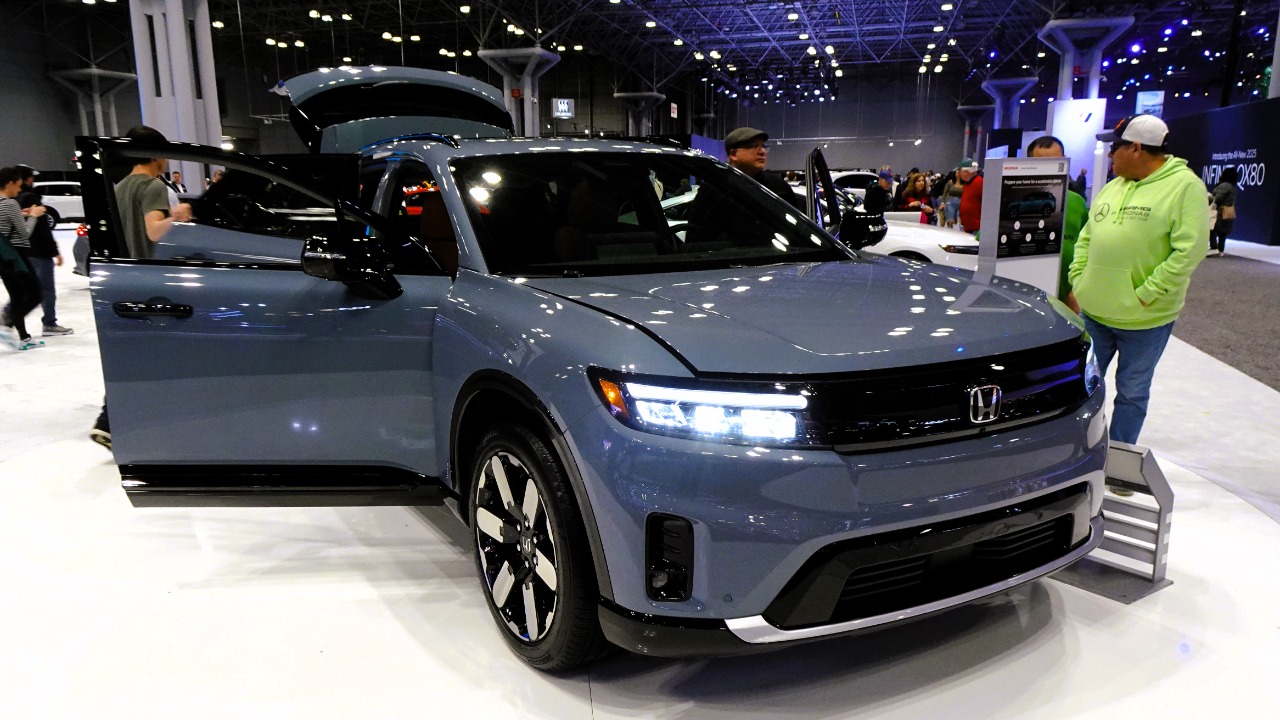
Honda’s electric SUV is built by GM, so the Prologue is swept into the same brake investigation covering about 1.16 million vehicles. The shared eBoost hardware is the link, not anything Honda designed.
The case shows how platform sharing spreads a defect across brands that shoppers treat as unrelated. Prologue owners should not assume a Honda badge puts the vehicle outside a GM-driven investigation, and should check the VIN against any recall notice once one is issued.
5. Chevrolet Colorado: Sudden Brake Loss
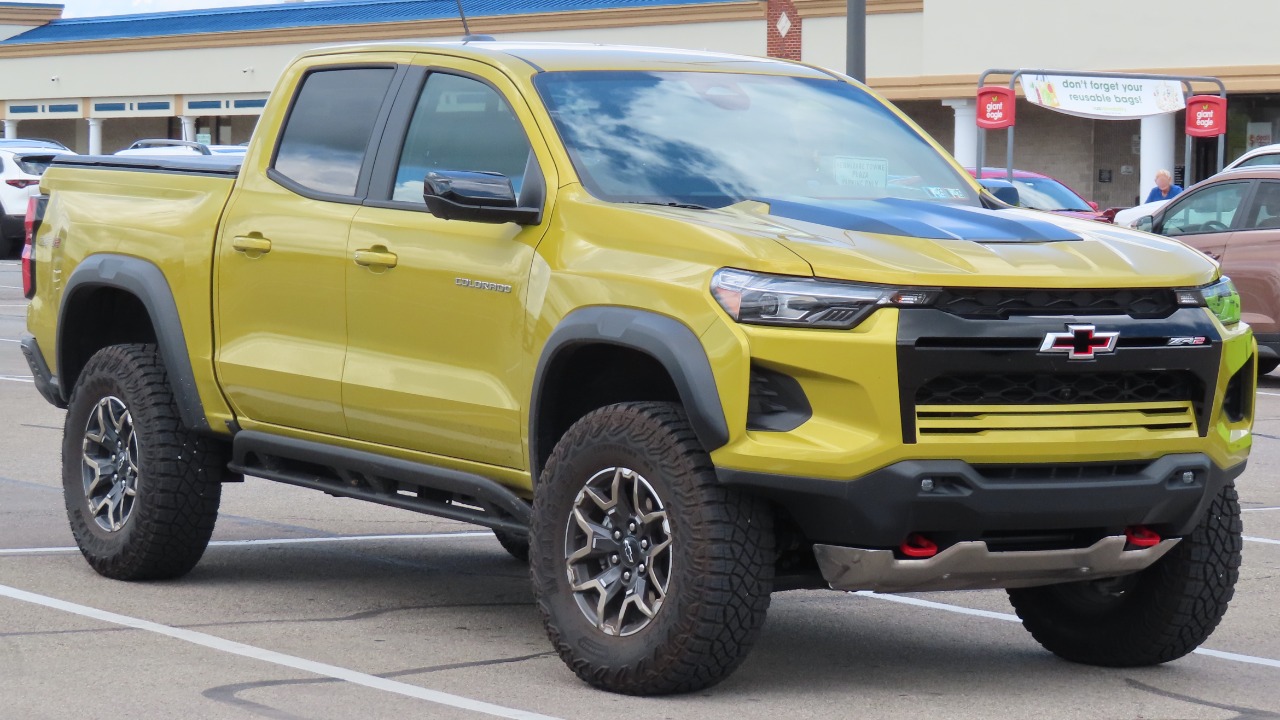
The pickup is listed in the expanded EA26006 probe, labeled EA26006 and covering about 1,164,820 vehicles. The allegation is a sudden loss of brake assist, the power boost that makes ordinary pedal pressure enough to slow a heavy truck.
Colorado owners, especially those who tow or haul, should treat any hard pedal as a warning sign and report it. Because the analysis is still open, the fix, the final scope and any recall timeline remain undecided.
6. GMC Acadia: Injuries Logged
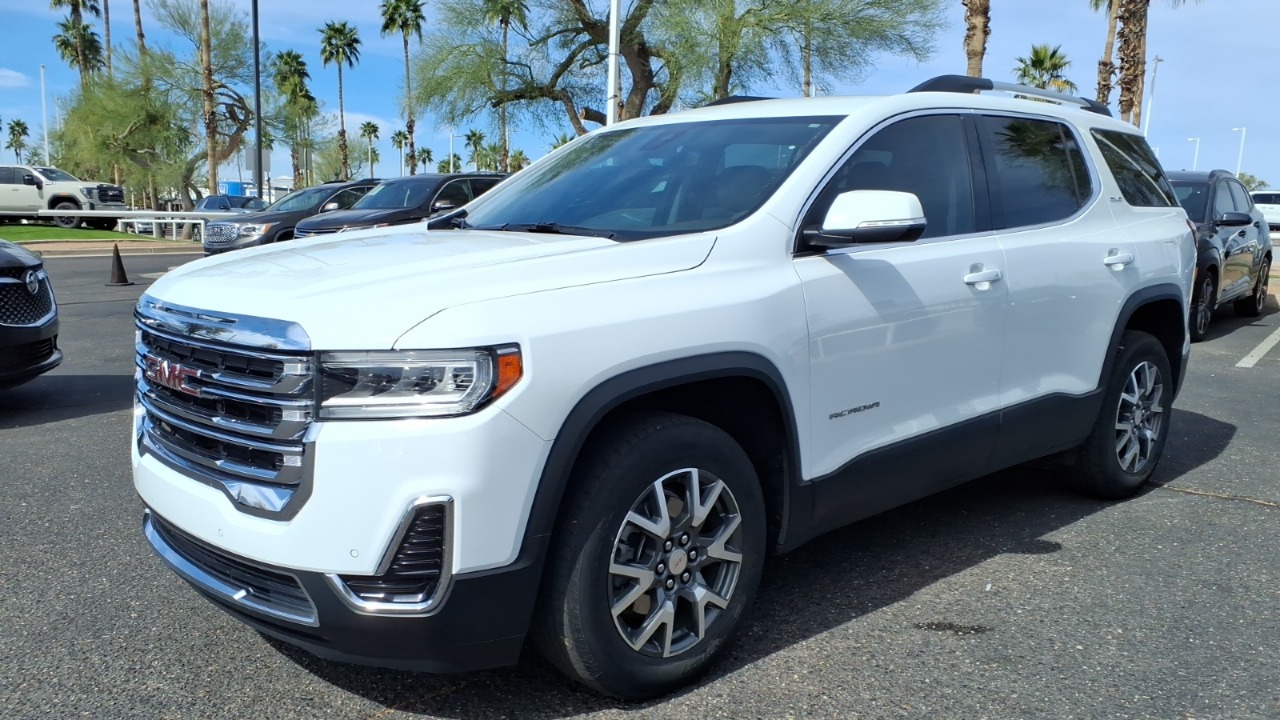
The Acadia is part of the same EA26006 brake probe that is documented at 745 incidents and six injuries. The probe centers on the eBoost brake system used across several GM crossovers and trucks.
Six injuries is a modest count beside the size of the fleet, yet analyses at this stage often grow as more complaints arrive. Acadia drivers who notice a stiff pedal or warning lights should document the date and conditions and file a report, because those records feed the investigation.
7. Cadillac Lyriq: Resume Cites 2023
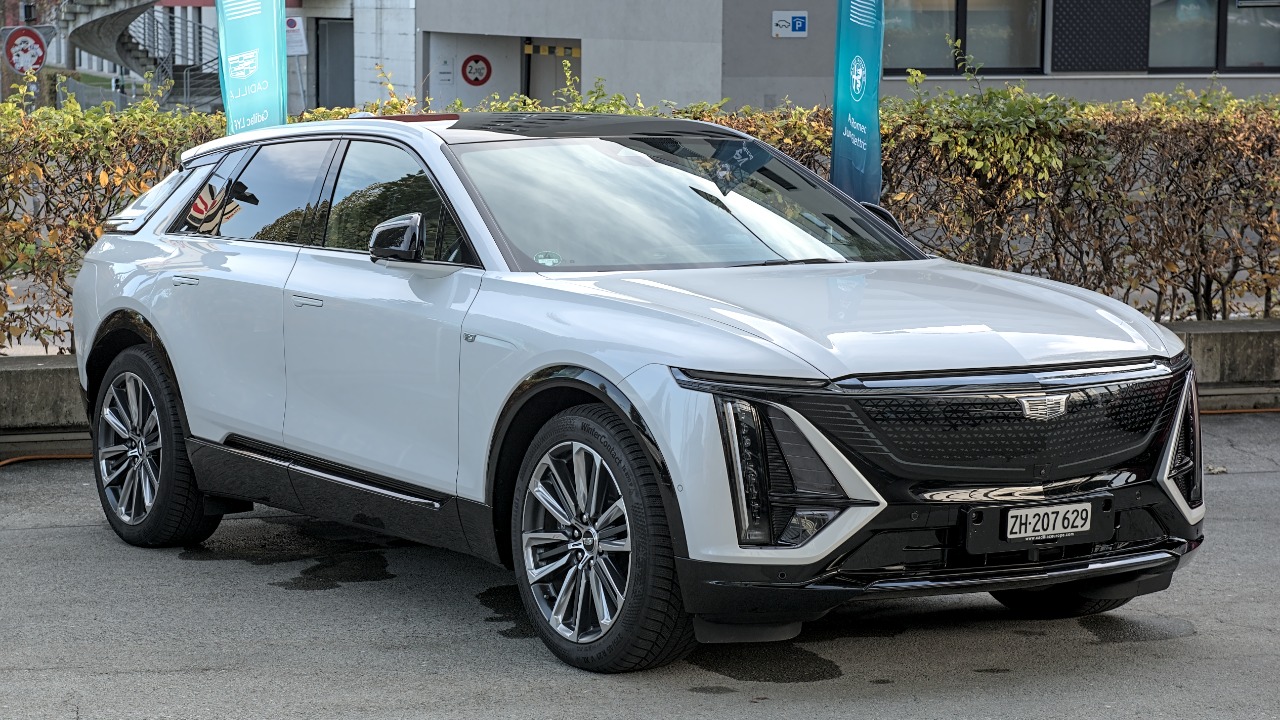
NHTSA’s own EA26006 resume names loss of brake assist in 2023 Lyriqs and lists a population of 1,164,820 vehicles. It makes the electric Cadillac one of the clearest examples of the eBoost concern.
Because the primary document is the regulator’s own description of the problem, it carries more weight than press summaries. Lyriq owners should watch for a recall notice and use the VIN lookup on the NHTSA site, noting that the resume describes an open inquiry rather than a final finding.
8. 2024 Ford Maverick Hybrid: Hybrid Brake Review
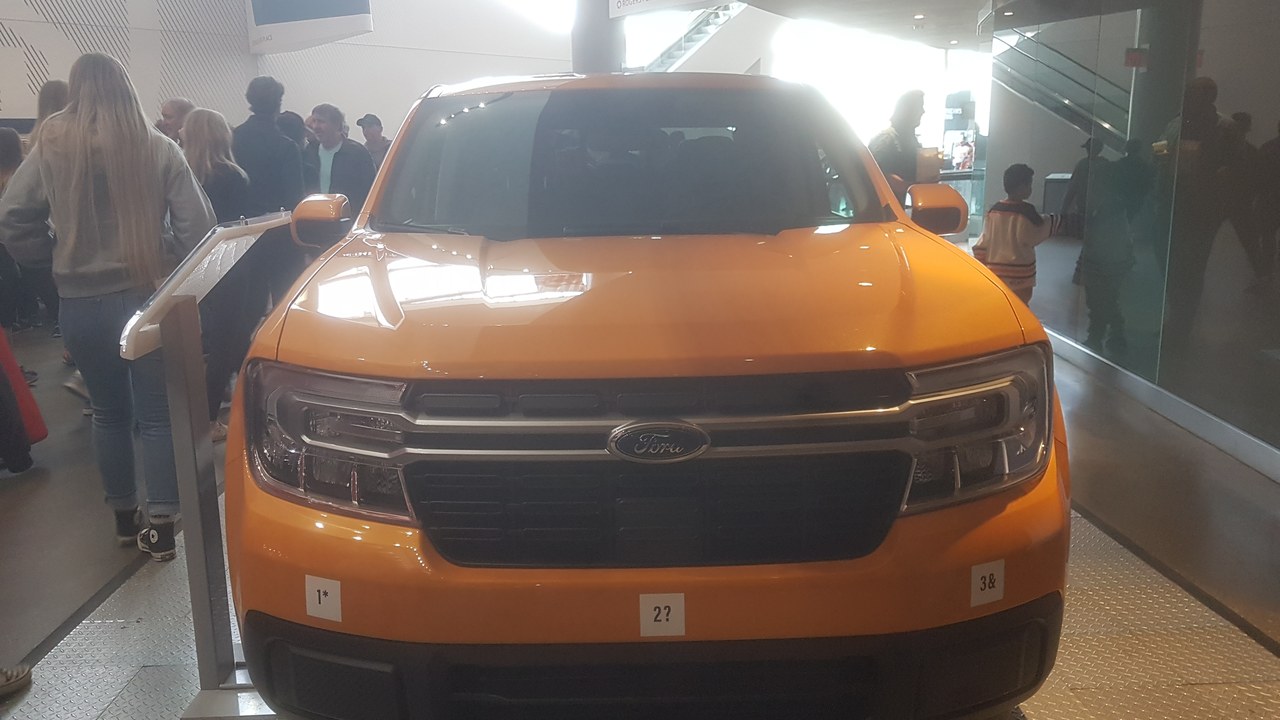
NHTSA opened DP26007 on Aug. 24, 2026, to review brake-loss claims involving 82,040 Maverick hybrids. The petition-stage review covers 82,040 hybrid pickups and cites one alleged collision.
A defect petition is the earliest rung of the process, and many never reach a recall. For Maverick Hybrid owners, the practical step is to report any sudden loss of braking performance, which strengthens the record the agency uses to decide whether to escalate.
9. 2015-2018 Ford Edge: Coolant In Cylinders
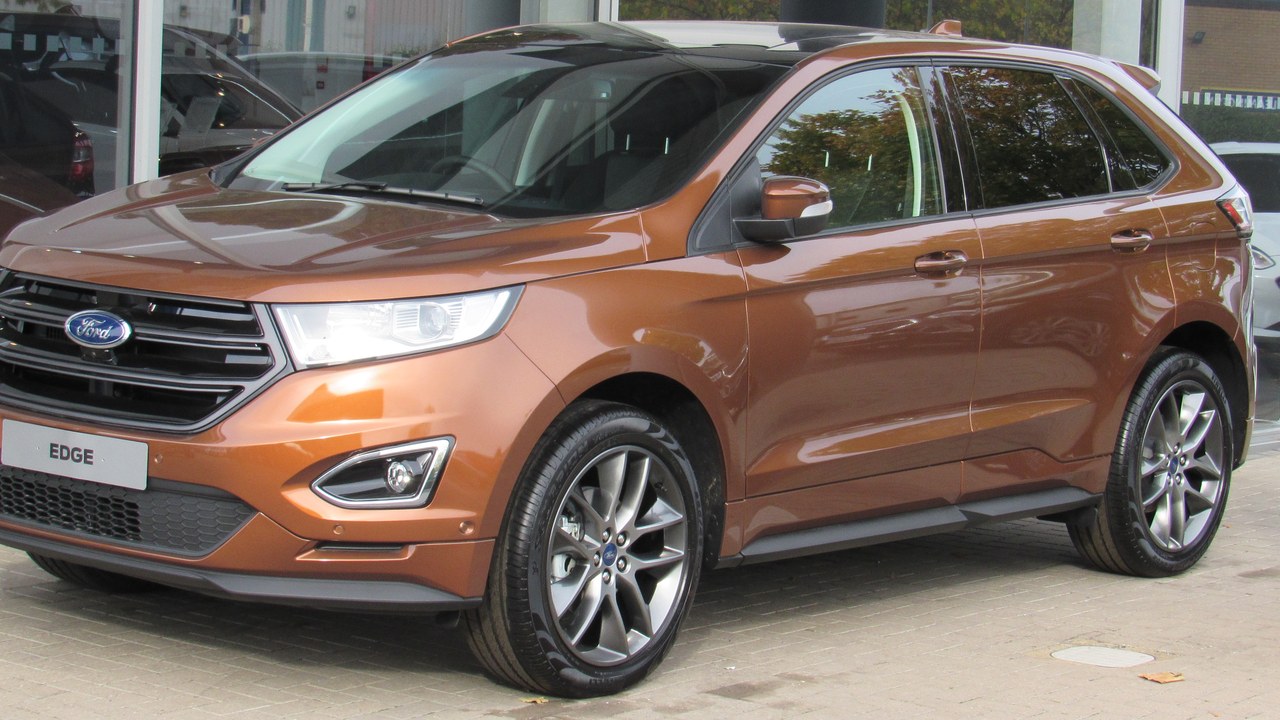
Probe DP26008 targets coolant intrusion allegations, with 499,603 Edges equipped with the 2.0-liter EcoBoost under review. The allegation is coolant intruding into the engine, and 1,563 incidents have been reported.
Coolant leaking into combustion chambers can foul plugs, cause misfires and in bad cases damage the engine. Edge owners should watch for a falling coolant level and white exhaust smoke, and have a mechanic look at any unexplained loss rather than topping it off indefinitely.
10. Toyota Grand Highlander: Heat Exchanger Damage
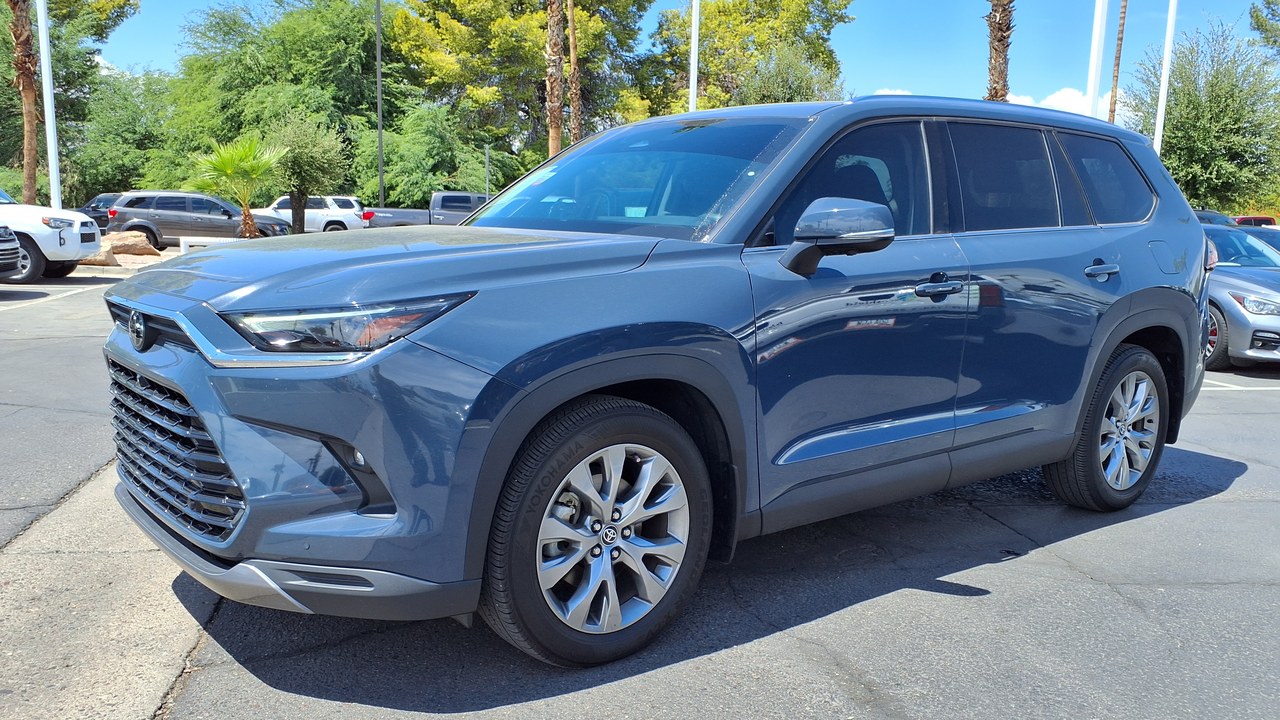
About 87,000 Grand Highlanders from the 2024-2026 model years are under review in heat-exchanger damage. The suspected problem is damaged heat exchanger hardware that can cause sudden loss of propulsion while traveling at speed.
A three-row family hauler losing drive power on a highway is a hazard to everyone nearby. Grand Highlander owners should heed any warning message, pull over safely, and check recall status, since the review could still lead to a service campaign.
11. 2021-2023 Tesla Model Y: Suspension Complaints
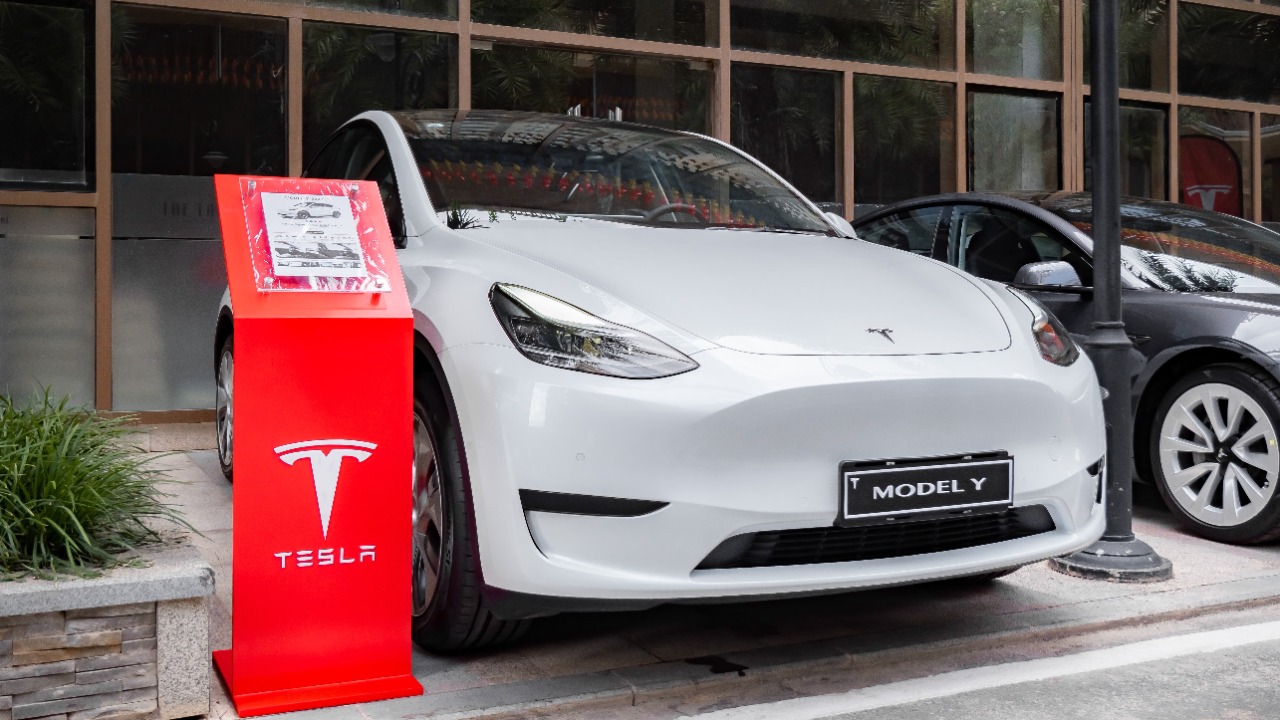
The Model Y falls inside the PE26006 suspension probe, a suspension probe numbering about 1.2 million Teslas, and the 2021-2023 Model Ys are named specifically. The agency opened it after 156 complaints.
Suspension faults can change steering feel or handling without much warning. Owners of those model years should have control arms and related parts inspected if they hear clunks or notice drift, and report problems, because complaint counts shape whether a preliminary evaluation advances.
12. 2014-2017 Ford Fiesta (1.0L EcoBoost): Engine Seizure
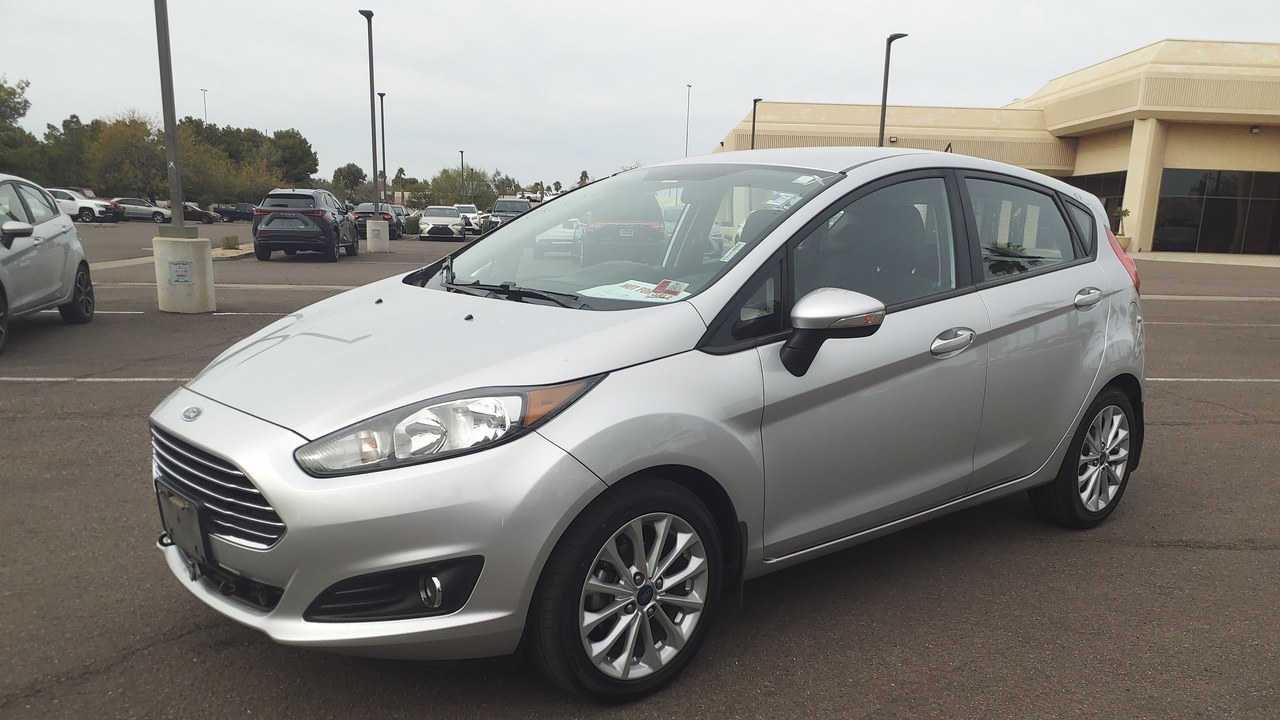
Engineering analysis EA26004 covers 135,551 Ford vehicles with the 1.0-liter EcoBoost, and EA26004 documentation describes complaints of sudden loss of power or seizure without warning. The 2014-2017 Fiesta is among the affected cars.
An engine that seizes at speed removes both power and, eventually, power steering assistance. Fiesta owners should keep oil changes current and report stalling episodes, noting that the analysis is the step that precedes a recall decision and has not yet produced one.
More from Morning Overview
- The second-largest U.S. reservoir just fell to its lowest level ever recorded
- Security experts still urge phone owners to switch off one location-tracking setting
- The FBI warns a new phishing trick can hijack your account without your password
- The NSA says three phone features should be off whenever you aren’t using them
