
Engine trouble rarely arrives quietly, and these cars show how it plays out through class settlements, federal investigations and unusually generous warranty extensions. Some face seizure and fire risks, others connecting-rod failures, and several simply drink oil faster than owners expect. Here are twelve used models whose engines made the paper trail that buyers should read before signing.
1. Kia Soul (2012-2019): Seizure Risk
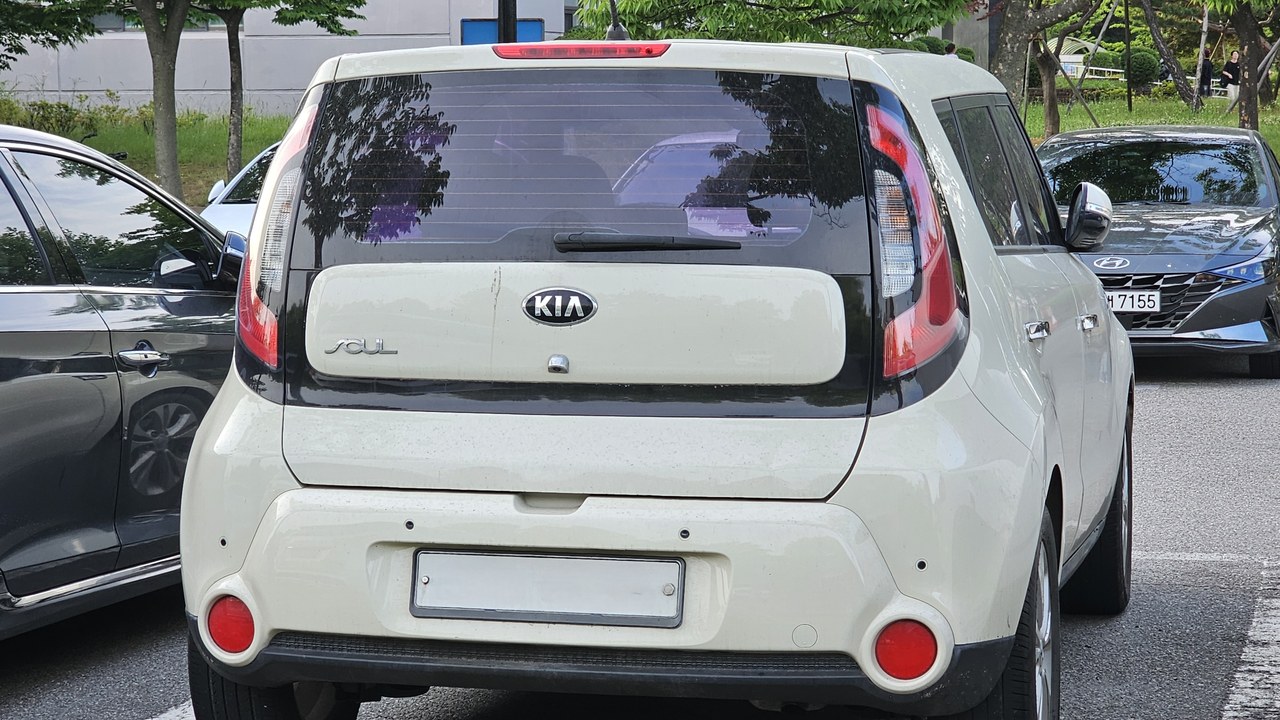
The second-generation Soul is covered by a Hyundai-Kia engine settlement agreement over engines described as prone to seizure, stalling, failure, and possibly catching fire. Few phrases sound grimmer for a small urban hatchback marketed on personality and low running costs.
Anyone shopping for a used Soul from this period should check the VIN against the settlement terms and ask for engine service records. A documented oil-change history and any knock-sensor update is worth more than a clean cabin or a low asking price.
2. Hyundai Veloster (2012-2017): Gamma Engine Exposure
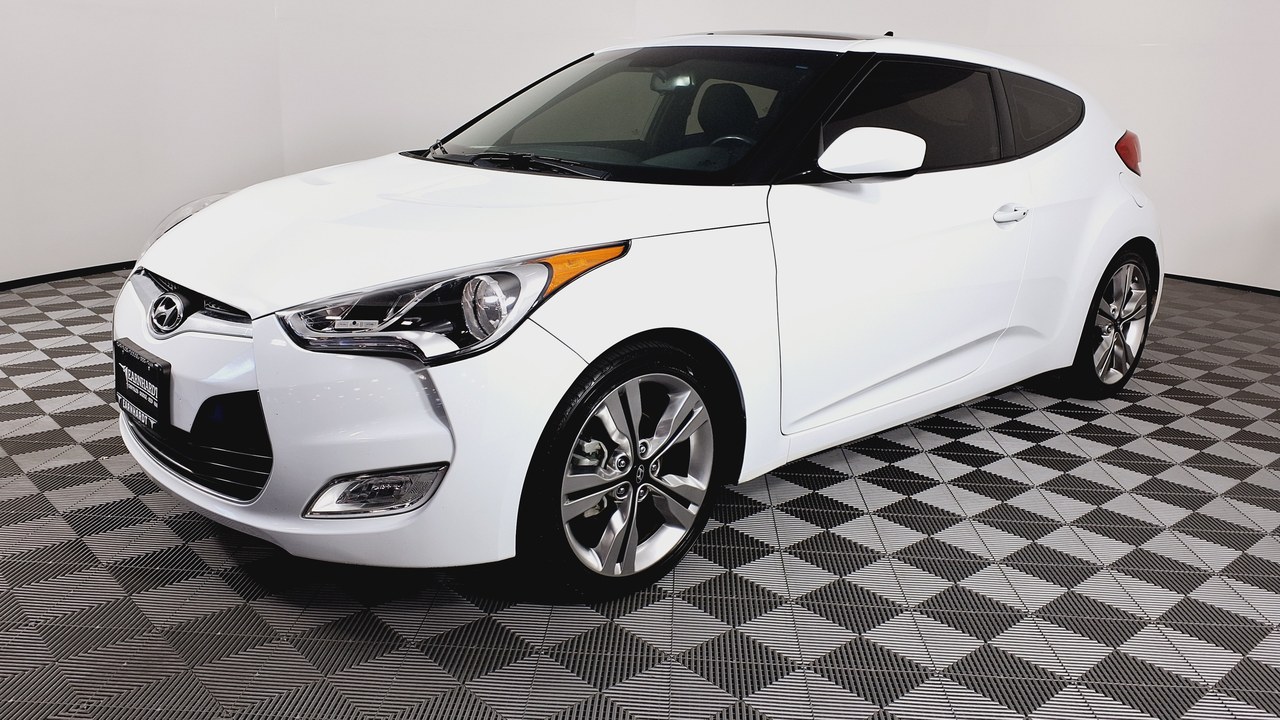
The Veloster’s Gamma four-cylinder falls inside the same Hyundai-Kia deal, and the settlement is where the headline warranty figure originates. Cars that received the knock-sensor update gained powertrain protection stretching to 15 years or 150,000 miles, far beyond the original coverage.
The extension is tied to that update, so a used buyer needs proof the work was done before the cutoff. Without paperwork, a quirky three-door coupe can still carry an expensive engine problem into a second or third owner’s driveway.
3. Kia Forte (2010-2018): Two Engine Families
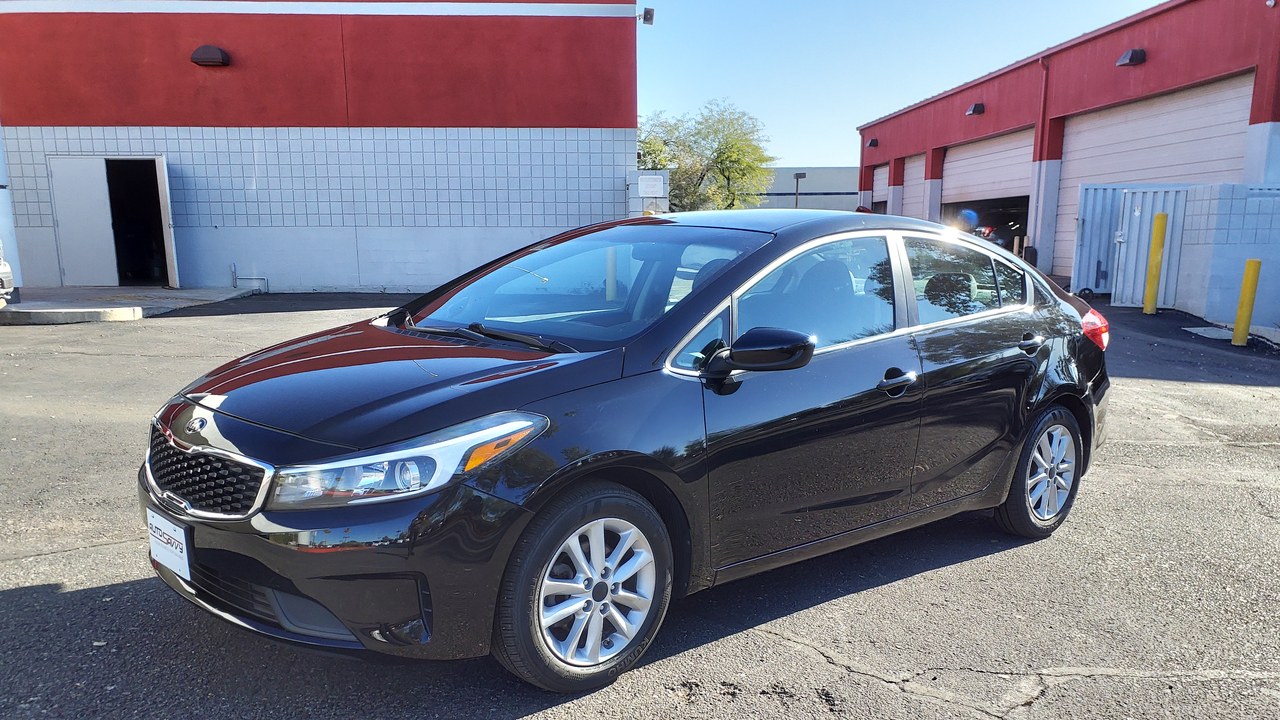
Kia’s compact sedan appears with both Theta II and Nu engines on the settlement list, so exposure runs across most of its long production run. Owners who paid for repairs out of pocket qualify for full reimbursement of repairs, which changes the math on an old repair invoice.
Shoppers should confirm which engine a given Forte carries and whether past failures were repaired under warranty. Saved receipts from earlier owners can matter as much as the odometer, because reimbursement depends on documentation rather than memory.
4. Kia Optima Hybrid (2011-2020): Hybrid, Same Worry
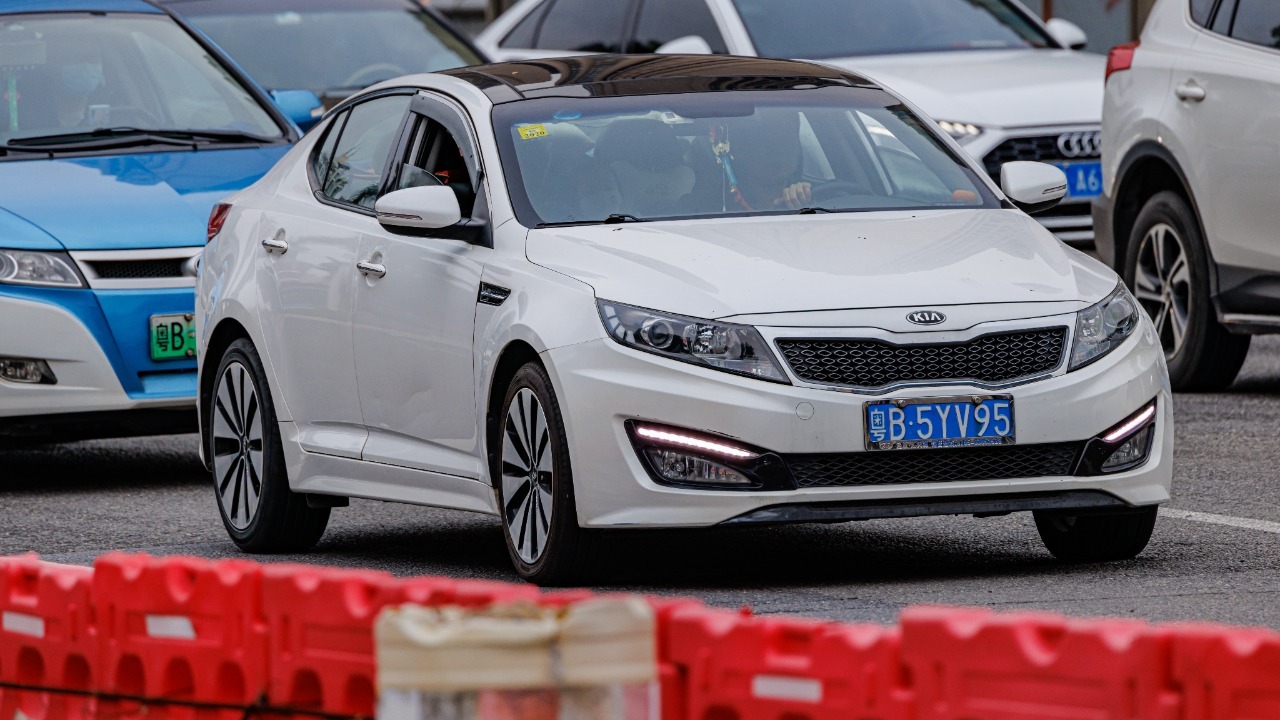
The hybrid version of the midsize sedan is not exempt, since both Theta II and Nu Optima Hybrids appear on the settlement coverage list for these engines. A battery pack and electric motor offer no protection against a gasoline engine that wears out early.
A used hybrid often looks like a bargain on fuel savings, but that case weakens quickly with a failed engine. Buyers should check recall completion, the settlement status of the VIN, and whether the engine was ever replaced or inspected by a dealer.
5. Acura TLX (2018-2020): Rod Failure Probe
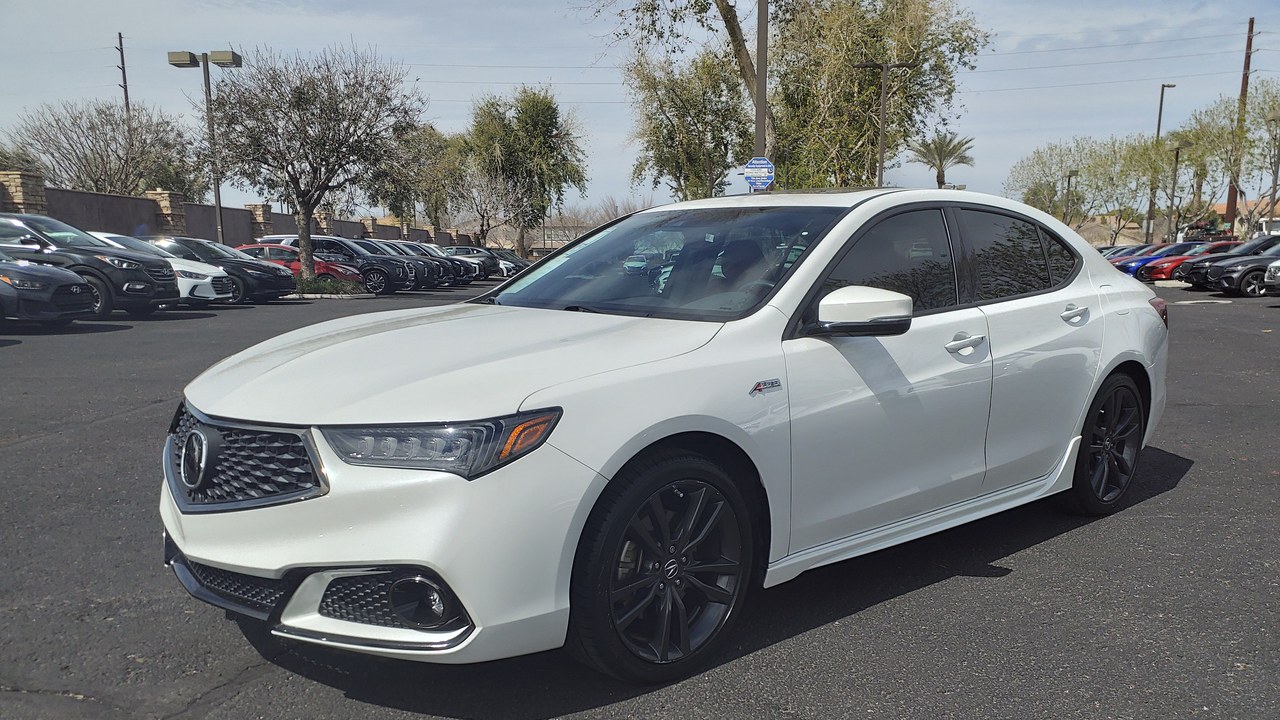
Federal regulators escalated an investigation into J35 V6 connecting-rod failures, and the sedan is named among as many as 1,410,806 vehicles in the NHTSA engine probe. A thrown rod usually ends an engine’s life without much warning, which is why the agency took the step.
Owners of affected cars should watch for new recalls and listen for knocking or oil-pressure warnings. Shoppers should treat service history as essential, since a sedan of this size loses most of its value if the engine needs replacement.
6. Honda Odyssey (2018-2020): Minivan In The Probe
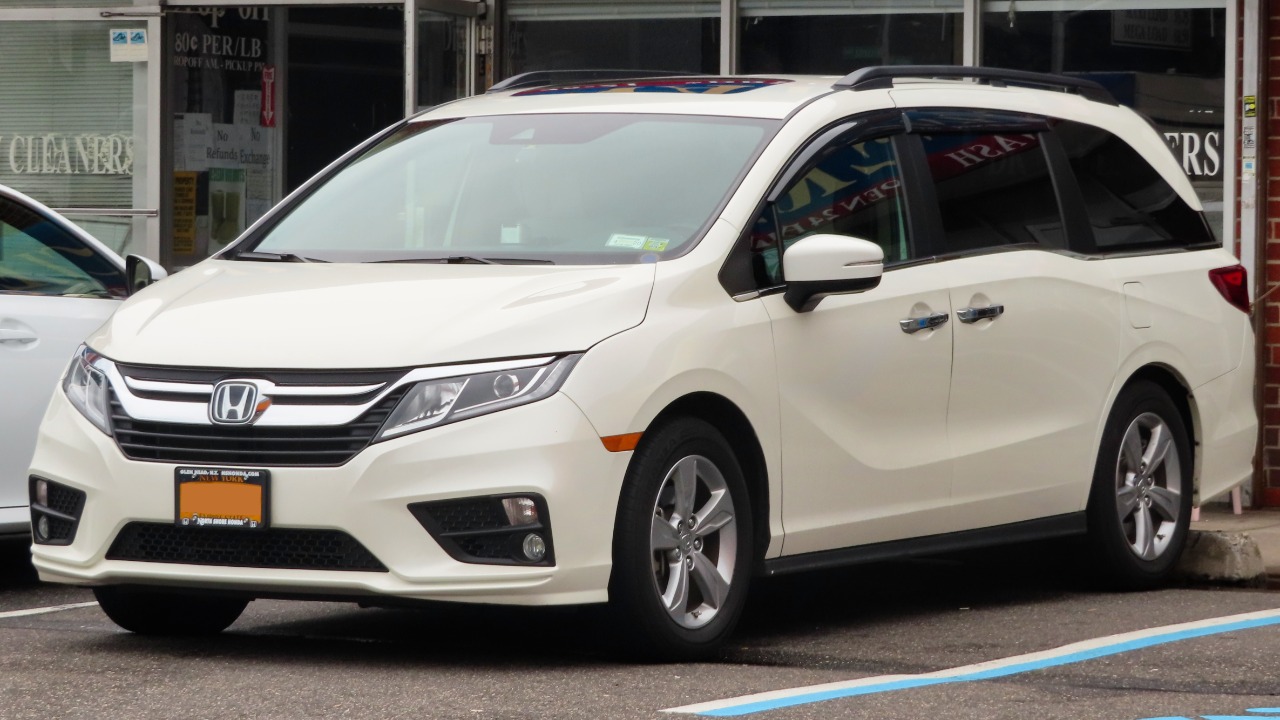
Honda’s family minivan shares the J35 V6 and lands in the same federal inquiry that covers up to 1,410,806 vehicles, as the J35 investigation report details. Connecting-rod failure is the concern, and a seized engine in a loaded minivan is rarely a cheap fix.
Parents eyeing a used Odyssey of this era should confirm open recalls and ask how the van was maintained. The investigation could still widen or lead to action, so a pre-purchase inspection and a clear warranty position are worth the effort.
7. BMW 550i: Troubled N63 V8
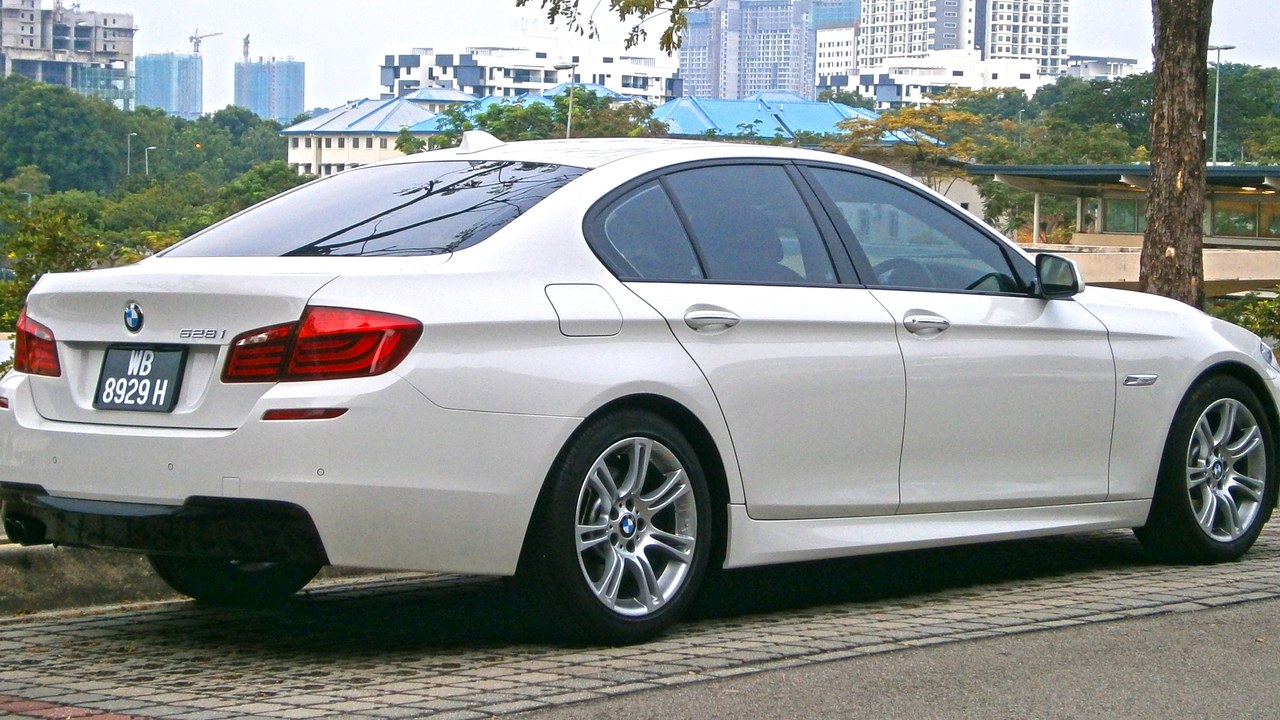
The 550i carries BMW’s twin-turbo N63 V8, an engine that prompted a 2014 Customer Care Package addressing timing-chain stretch and injectors, as the N63 engine history records. Class-action suits followed, which put the engine’s reputation permanently in question among enthusiasts.
Used buyers face a performance sedan whose engine can cost more to repair than the car is worth once out of warranty. Records showing timing-chain and injector work are the strongest evidence of a healthy example, and a specialist inspection is close to mandatory.
8. Toyota Matrix (2009-2011): Oil-Burning 2AZ-FE
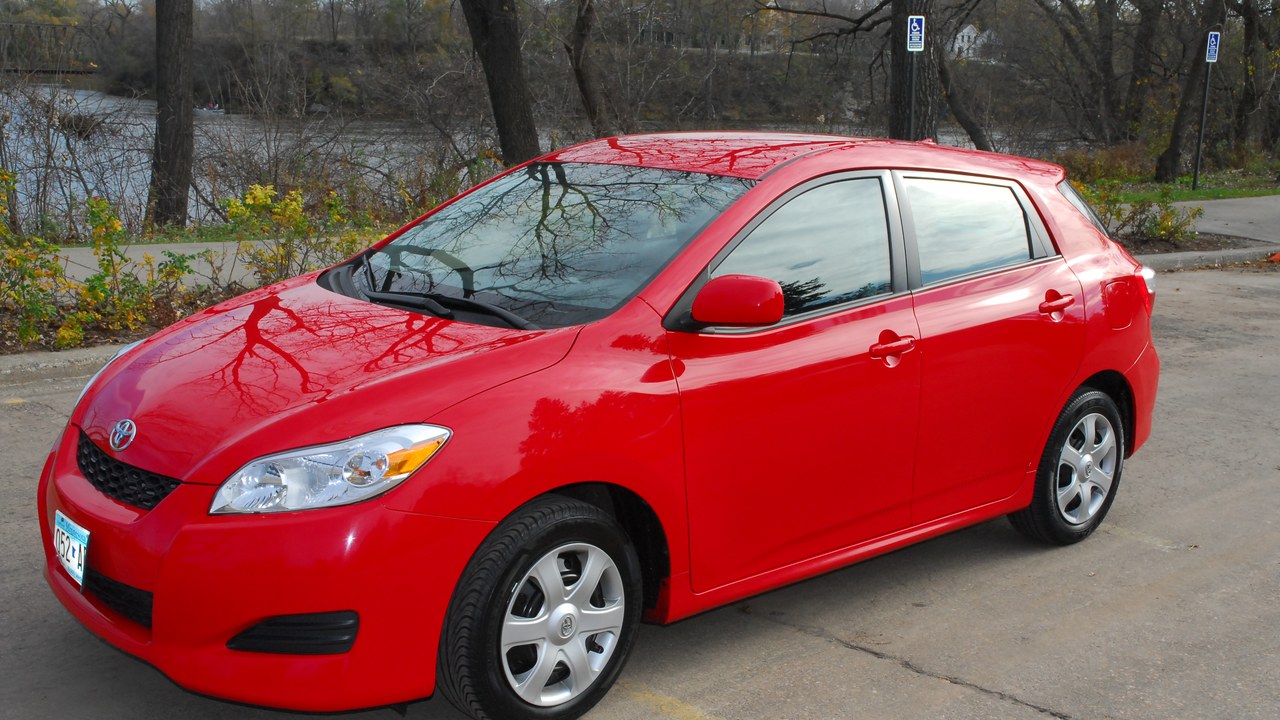
The Matrix runs the 2AZ-FE four-cylinder, which drew oil-burning complaints and a 2015 Toyota extended-warranty notice, according to the 2AZ-FE engine overview. A hatchback known for dependability earned an unexpected asterisk because of how this engine consumed oil between changes.
Owners should check the dipstick often, because running low on oil can turn a nuisance into engine damage. Shoppers should ask whether the extended coverage was ever used and whether pistons or rings were previously replaced.
9. Scion tC (2005-2010): Piston-Ring Problem
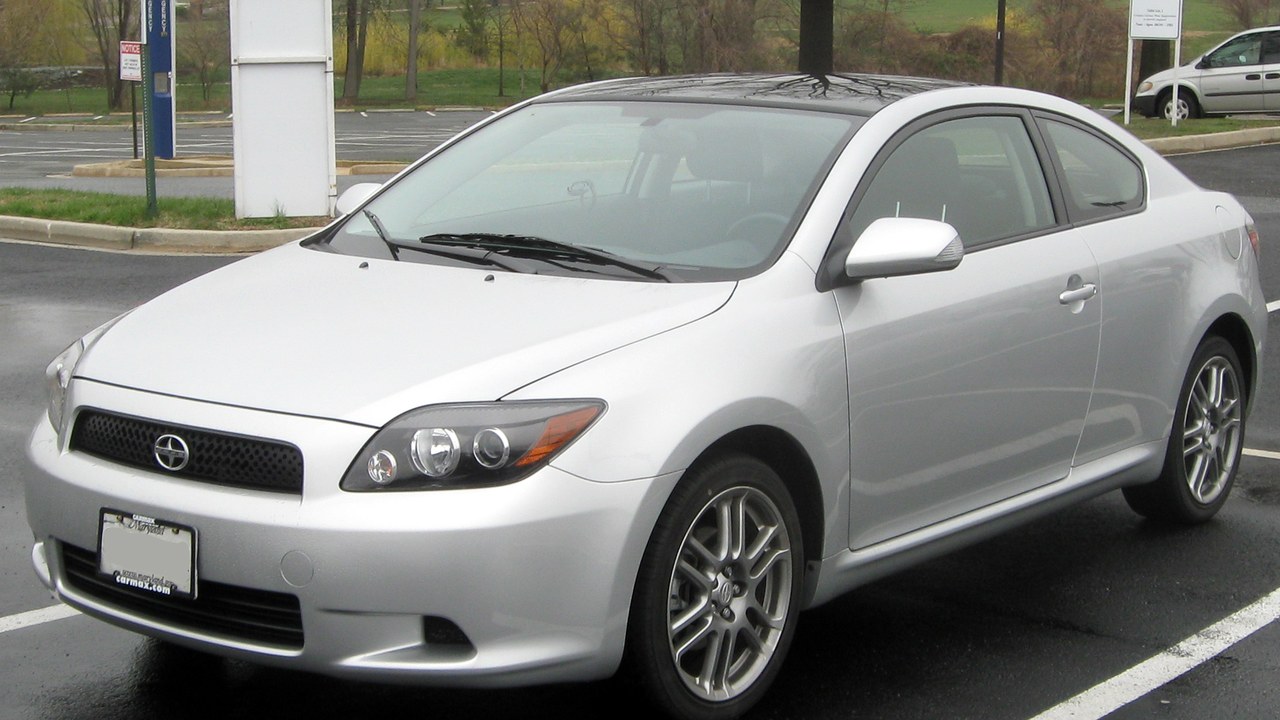
The sporty coupe shares the 2AZ-FE engine, and the same oil-consumption problem is tied to piston-ring design and several class actions, as the Toyota AZ engine article summarizes. A cheap, fun two-door hardly looks like the sort of car with a notorious engine.
Anyone considering a used tC should test for oil consumption, not just listen for a smooth idle. Low oil between changes is the telltale sign, and a documented history of top-ups or ring repairs deserves a close read before any deal.
10. 2012 BMW M5: Worst Oil-Burner
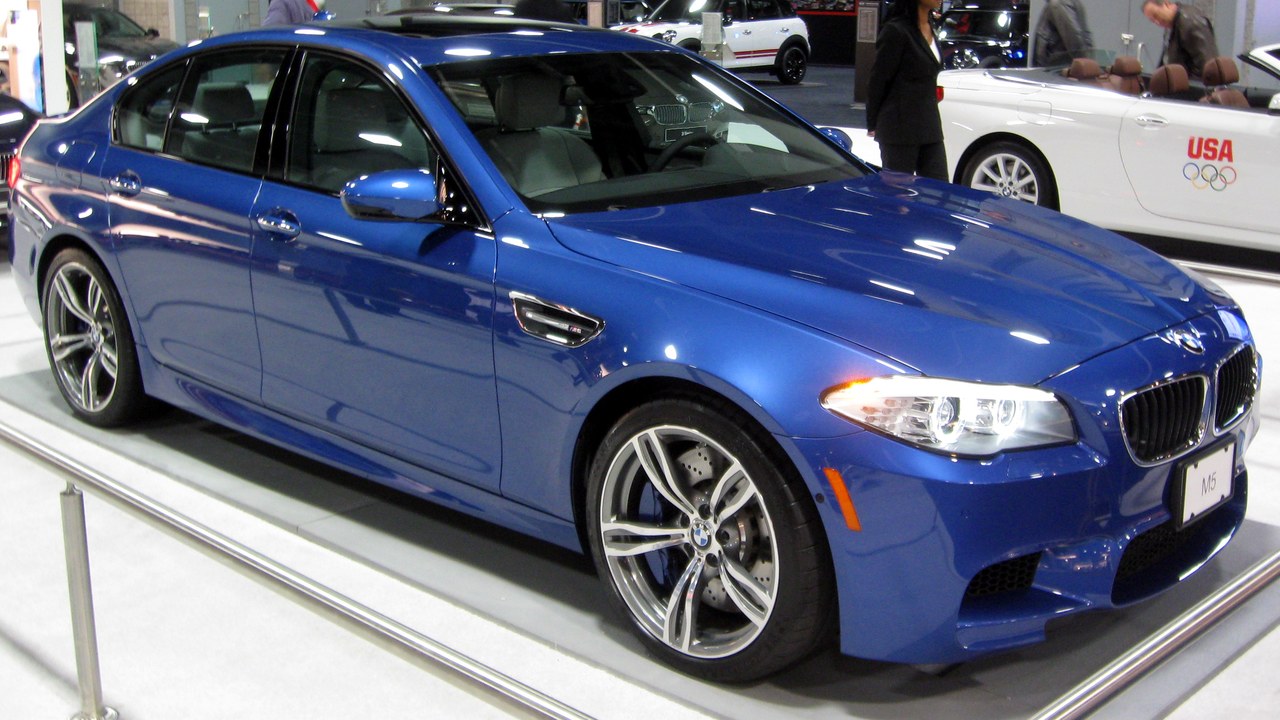
Consumer Reports calls it the worst oil-burner on its used-car oil list, with more than half of 2012 cars affected. For a high-revving V8 sedan that costs a fortune to fix, that is an unusually grim statistic.
A used M5 should arrive with full oil-consumption records and a specialist inspection before any money changes hands. Buyers drawn by the performance numbers should budget for engine trouble, because the odds in that model year are poor.
11. Mini Cooper: Thirsty Little Hatch
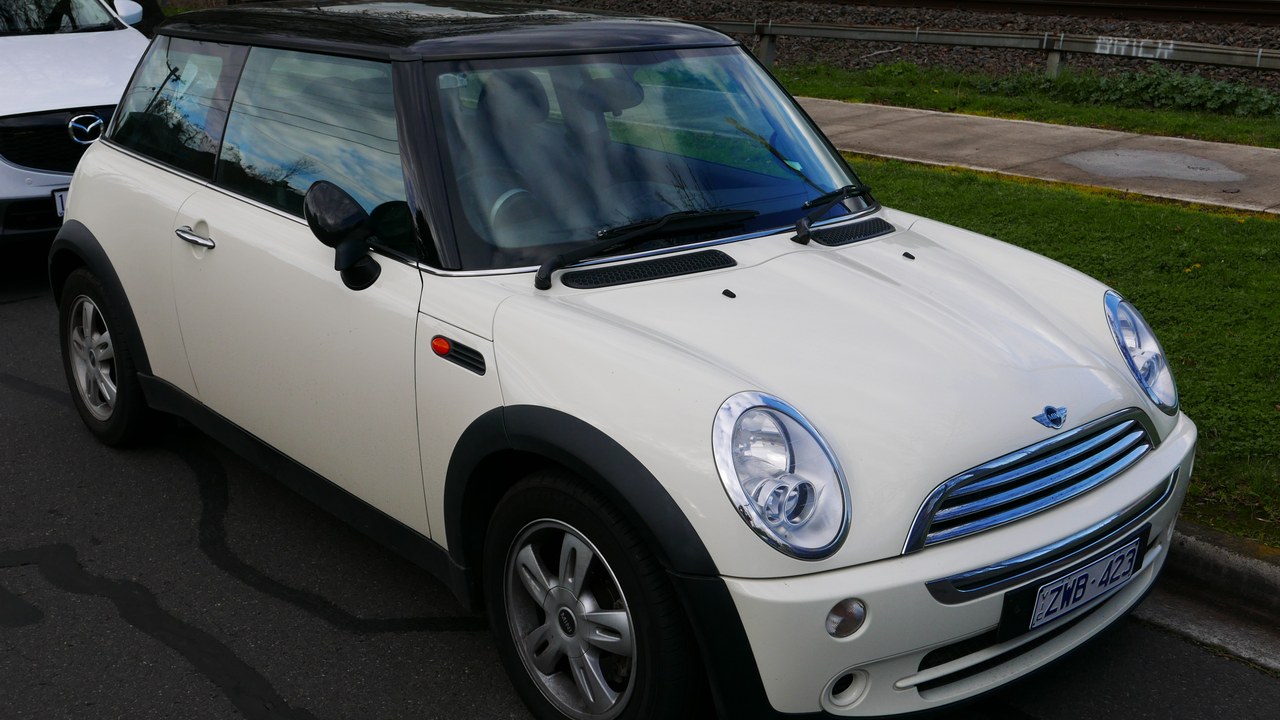
The Mini Cooper appears on Consumer Reports’ list of oil burners, a surprising entry for a small, fashionable hatchback. Excess consumption between changes can quietly drain an engine and lead to damage before any warning light appears.
Shoppers should check the oil level during a test drive and ask about top-ups, since some owners never notice a slow loss. Service records from a Mini specialist carry weight, and a pre-purchase inspection is cheap insurance against an expensive surprise.
12. Subaru Legacy: Quiet Oil Drinker
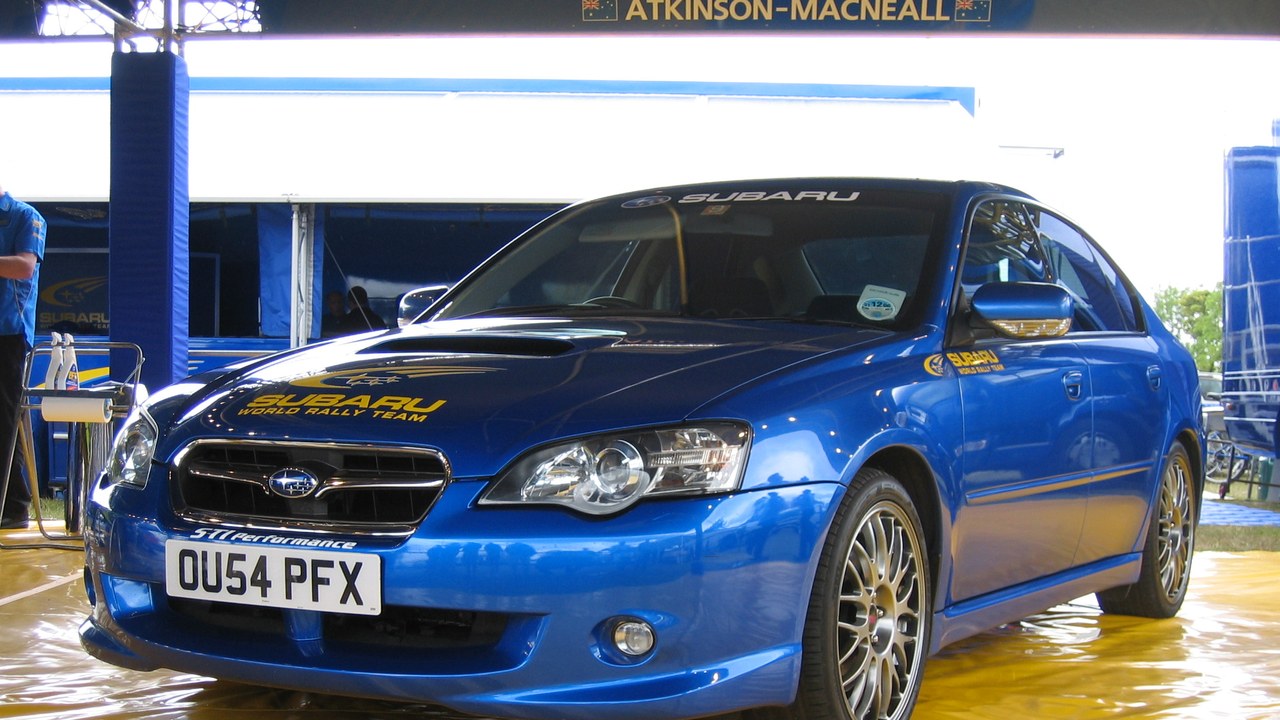
Consumer Reports flags the Legacy among used cars that burn oil, a charge that sits awkwardly with the sedan’s reputation for durability. The list places it beside much flashier names, which shows how common the problem can be.
Buyers should treat the dipstick as key evidence, checking it cold and again after a drive. Regular top-ups beat trusting a service interval, and a documented history of consumption is worth more than a spotless exterior or a fresh detail.
More from Morning Overview
- Common allergy, bladder and sleep pills tied to sharply higher dementia odds
- The second-largest U.S. reservoir just fell to its lowest level ever recorded
- Security experts still urge phone owners to switch off one location-tracking setting
- The FBI warns a new phishing trick can hijack your account without your password
