
Commercial vans live a harder life than almost anything else on the road, running daily routes, idling for hours and hauling weight that would flatten a family car. The ones fleets keep reordering are the ones that survive that punishment long past the odometer readings most private owners ever see. Here are eight work vans built to rack up 300,000 miles.
1. Ford Transit: The Fleet Standard Bearer
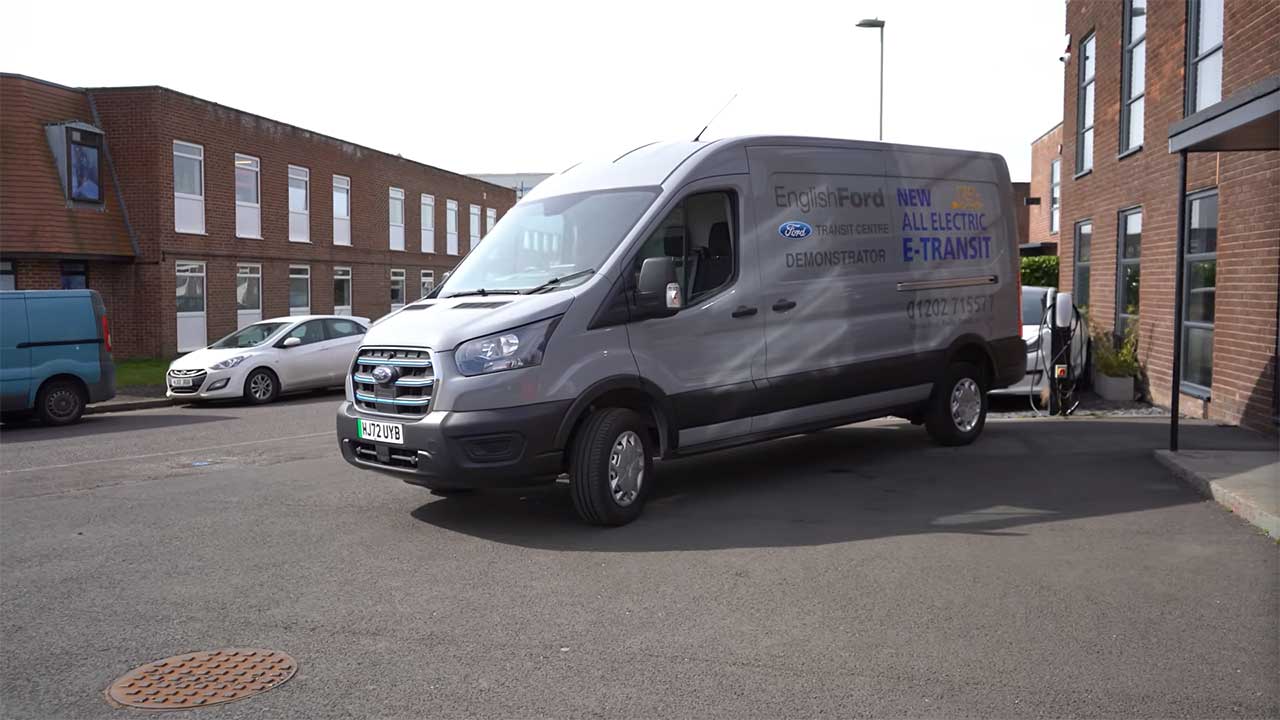
Ford’s global van reached North America mid-decade and became the default choice for delivery, trade and shuttle operators almost immediately. The Ford Transit range covers multiple roof heights and body lengths plus cargo, crew, passenger and cutaway forms, all on a purpose-built commercial chassis rather than a stretched minivan floorpan.
Sheer sales volume is the practical advantage for a buyer chasing high mileage. A van this common has dealer service coverage and aftermarket parts in every market, so a worn example rarely sits idle waiting on a backordered component. The trade-off is competition for good used stock, because fleet buyers hold onto the clean ones.
2. Ford E-Series: Body-On-Frame Holdout

Decades of production without a ground-up redesign turned the Econoline into one of the least complicated vehicles a fleet can buy. Sales of the E-Series cutaway chassis continue for ambulance, shuttle bus, box truck and motorhome bodies, built around a separate ladder frame and a large-displacement V8 rather than a downsized turbo engine.
Simplicity is what keeps these vans in service. Mechanics have been working on the same layout for generations, replacement parts are cheap and plentiful, and a damaged body can be re-mounted on a sound frame. Buyers should still expect the fuel economy and cabin ergonomics of an older design.
3. Mercedes-Benz Sprinter: The Diesel Distance Runner

Parcel carriers, plumbers and camper converters all gravitate toward the same tall German van for one reason: its turbodiesel drivetrain was engineered for European commercial duty cycles. The Sprinter’s diesel lineage underpins a stand-up cargo bay, long wheelbase options and a chassis regularly upfitted into refrigerated, service and RV bodies.
Longevity here comes with a bill. Diesel emissions hardware, injectors and specialist labor cost more than the domestic alternatives, and independent shops willing to touch one are thinner on the ground. Operators who budget for scheduled maintenance get the miles; those who defer it discover the repair rates the hard way.
4. Ram ProMaster: Front-Drive Load Floor
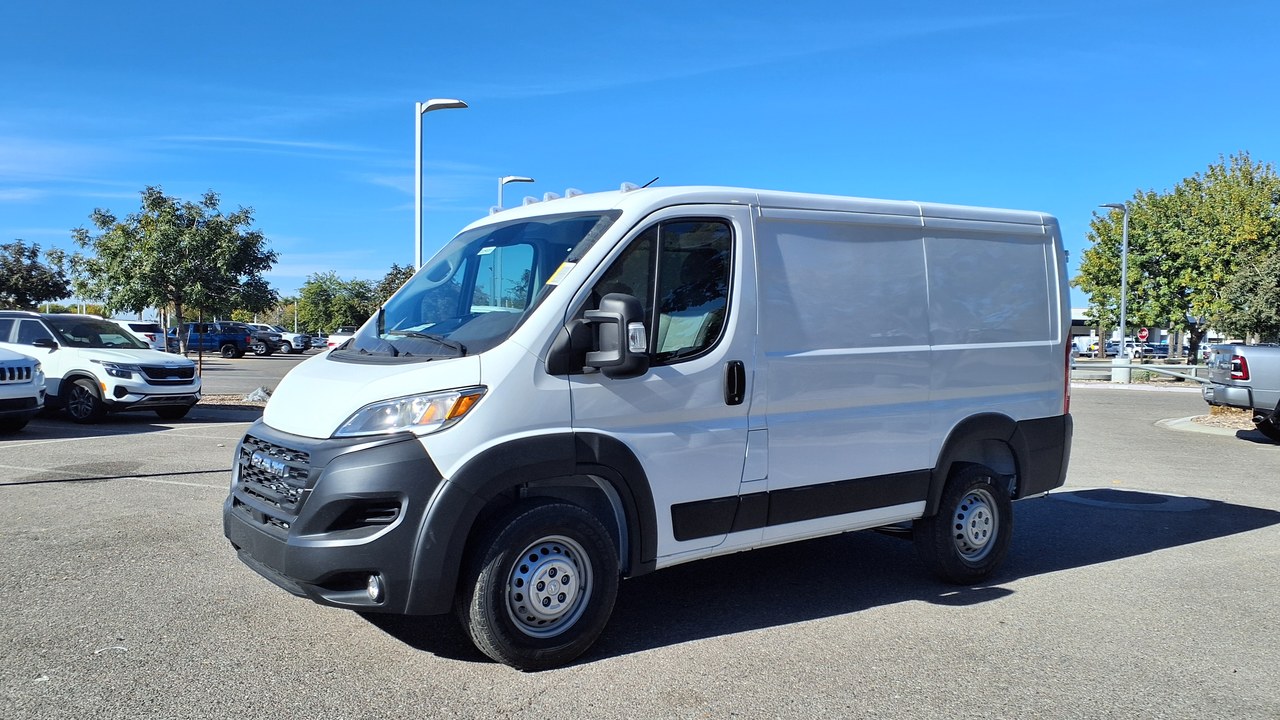
Front-wheel drive is unusual in a full-size American work van, and it is exactly what makes this one useful. Derived from Fiat’s long-running Ducato, the ProMaster’s low load floor removes the rear axle hump, widens the cargo box between the wheel arches and cuts the step-in height couriers repeat hundreds of times a day.
That layout suits the stop-start urban routes that grind up conventional vans. Fewer driveline components sit under the cargo area, and the platform has been produced in enormous numbers overseas, which keeps the design mature. Payload-heavy, unpaved or towing-focused work still favors a rear-drive van.
5. Chevrolet Express: Simple By Design
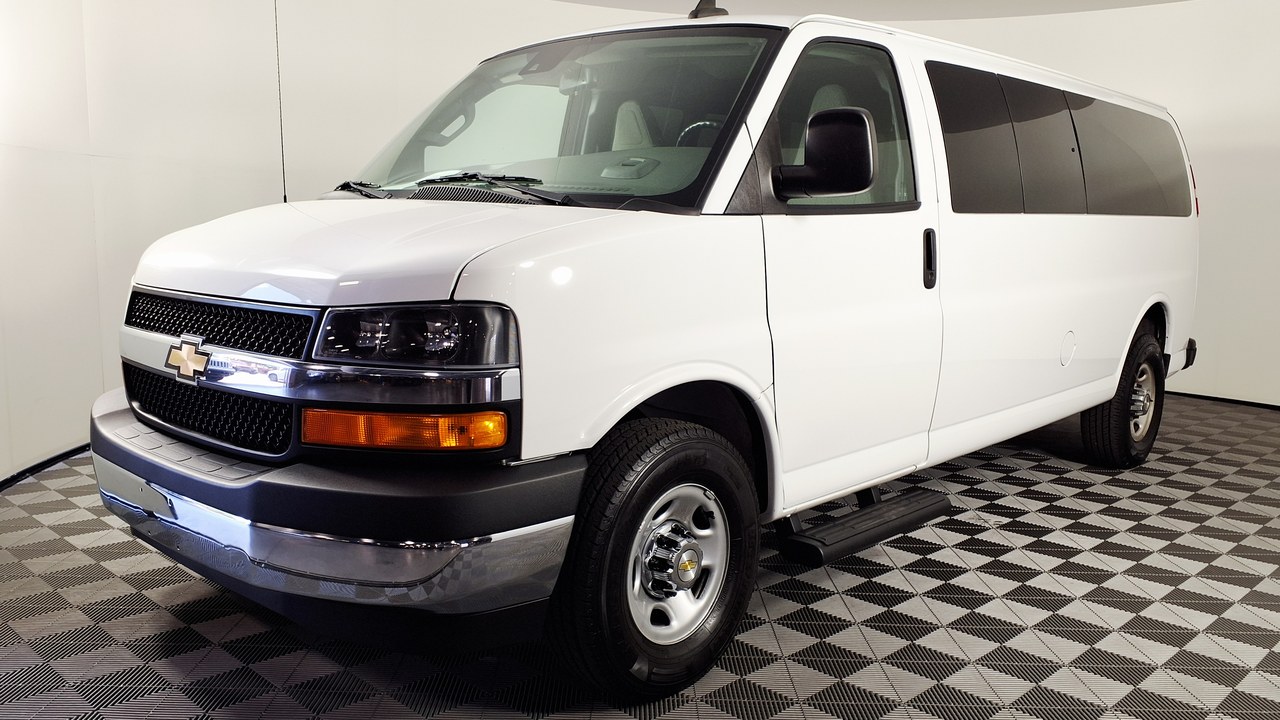
General Motors kept its full-size van on a body-on-frame architecture and a pushrod V8 long after most rivals moved to unibody European designs. The Express van platform shares truck components, accepts standard upfitter bodies, and carried the same basic structure through an unusually long production run with incremental updates.
Fleet managers value that predictability. Technicians already know the engine family, common wear parts are inexpensive, and an aging van can be economically returned to service instead of retired. The cabin, ride quality and driver-assistance features are the obvious compromise against newer competitors.
6. GMC Savana: The Badge-Engineered Twin
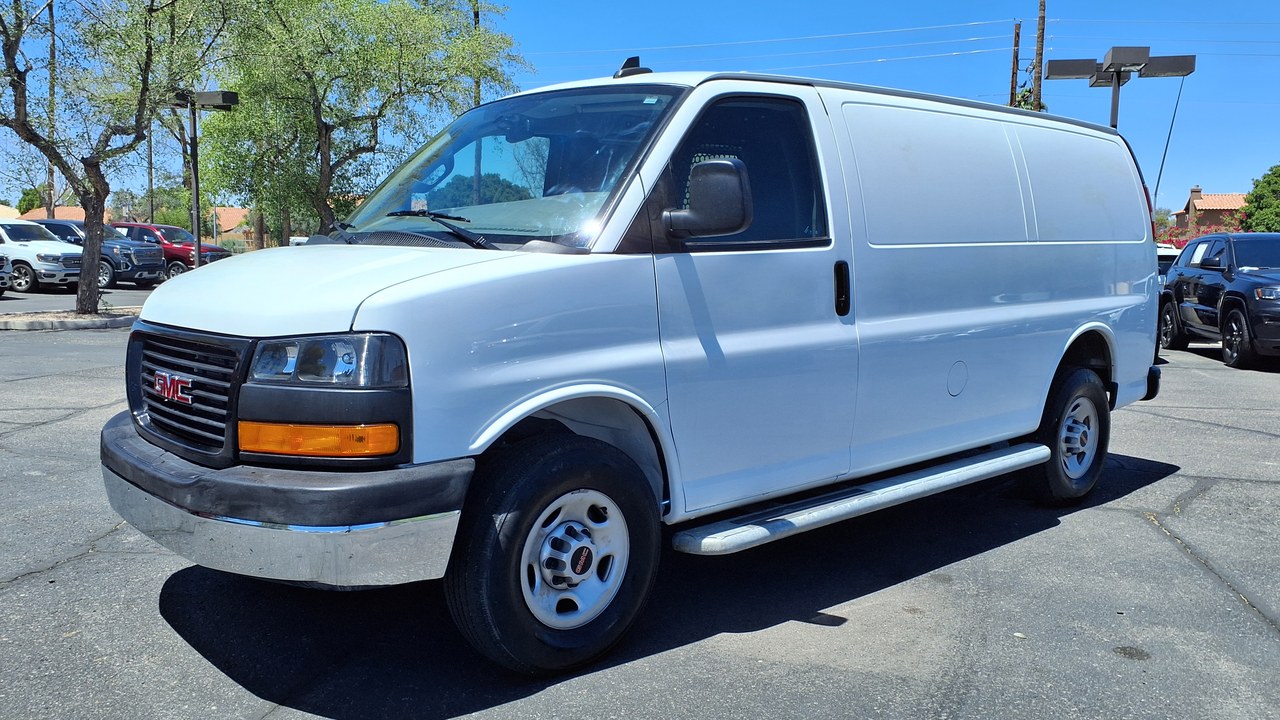
Mechanically, this is the same van as the Chevrolet, assembled alongside it and sold through a different dealer network. The Savana and Express pairing share frames, powertrains, cargo dimensions and upfitter mounting points, so any service bulletin, aftermarket shelving kit or replacement panel that fits one fits the other.
For a buyer, the twin badges effectively double the used supply of one durable design. Shopping both nameplates widens the search radius and often turns up a lower price on the less-advertised GMC. Verify the specific engine and rear axle ratio rather than assuming two similar-looking vans are configured identically.
7. Nissan NV: Truck Bones Under A Box
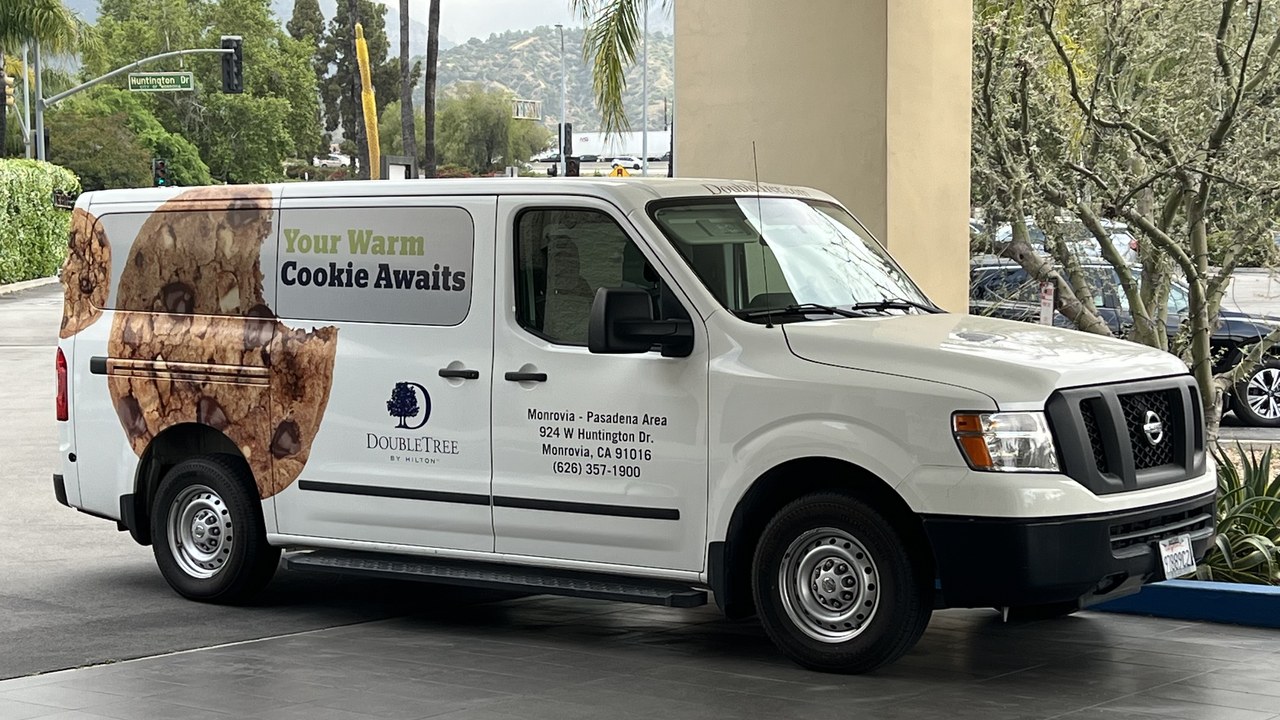
Nissan entered the American full-size van market by borrowing heavily from its pickup. The NV’s truck-derived hardware paired a ladder frame with V6 and V8 engines already proven in the Titan, wrapped in a tall cargo body aimed squarely at contractors rather than at family passenger duty.
North American production has since ended, which reframes the van as a used-market proposition. Engine and driveline parts remain widely available because they were shared with a pickup sold in far greater numbers, while van-specific body panels and trim are harder to source. Inspect the interior fittings before the drivetrain.
8. Ford Transit Connect: The Compact Mile Eater
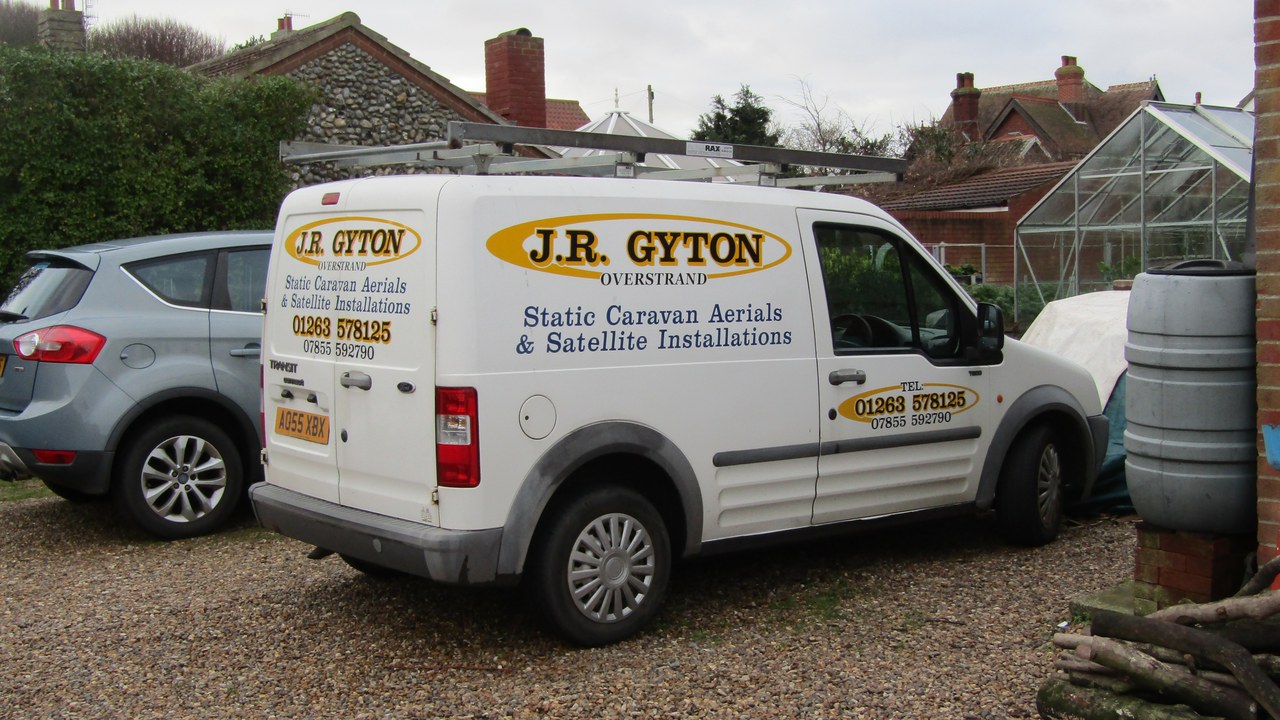
Not every high-mileage work van is a full-size one. Built as a small unibody commercial vehicle, the Transit Connect cargo layout gave locksmiths, florists, telecom crews and mobile technicians a lockable box on a car-sized footprint, with sliding side doors and a load bay sized for parts rather than pallets.
Short urban routes stack mileage quickly, and this van accumulates it on modest fuel and cheap tires. Ford has since wound down North American sales, leaving a deep used pool at low prices. Payload and towing limits are the boundary: overload one and the durability argument collapses.
More from Morning Overview
- The NSA is again telling phone owners to switch off one location setting
- A handful of car transmissions are so tough mechanics say they almost never fail
- A handful of SUVs keep hitting 300,000 miles, and they share one engine trait
- Supplements now rank as the fifth-leading cause of death from liver disease.
