
Pickup beds and cargo bays are easier to use when a rear closure does more than simply lift or drop. Automakers have turned that overlooked edge into a step, work surface, side-opening door, split hatch, or temporary deck. Here are eight vehicles whose rear gates create more than one path into the load space.
1. Honda Ridgeline: One Gate, Two Motions
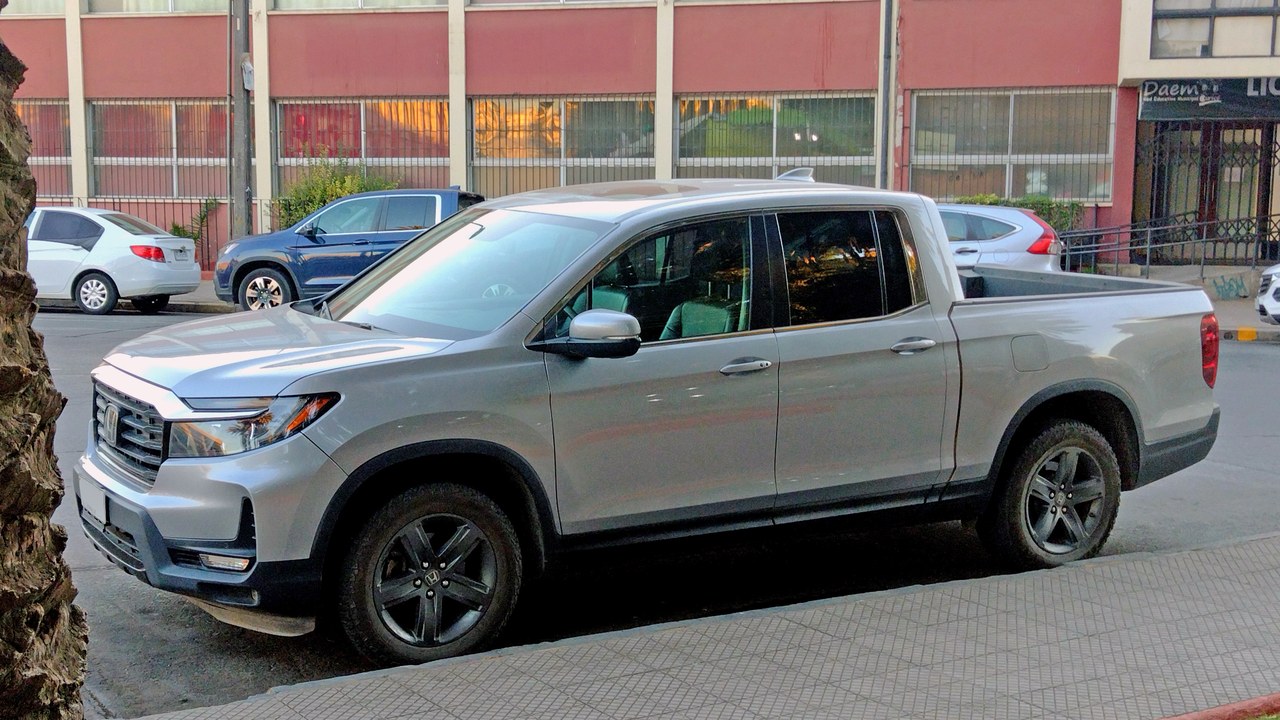
The Honda Ridgeline makes its dual-action tailgate the defining trick: the panel drops in the familiar pickup manner or swings sideways like a door. That second motion changes the approach to the bed, reducing the need to lean across a lowered panel when cargo sits near the rear edge.
The arrangement adds genuine utility without asking owners to learn a complicated sequence of panels and latches. A conventional drop still supports loading long or bulky objects, while the side swing creates a closer standing position for groceries, tools, or smaller equipment. The same opening therefore adapts to very different cargo jobs while preserving the basic shape of a midsize pickup bed.
2. GMC Sierra: A Tailgate Built in Layers
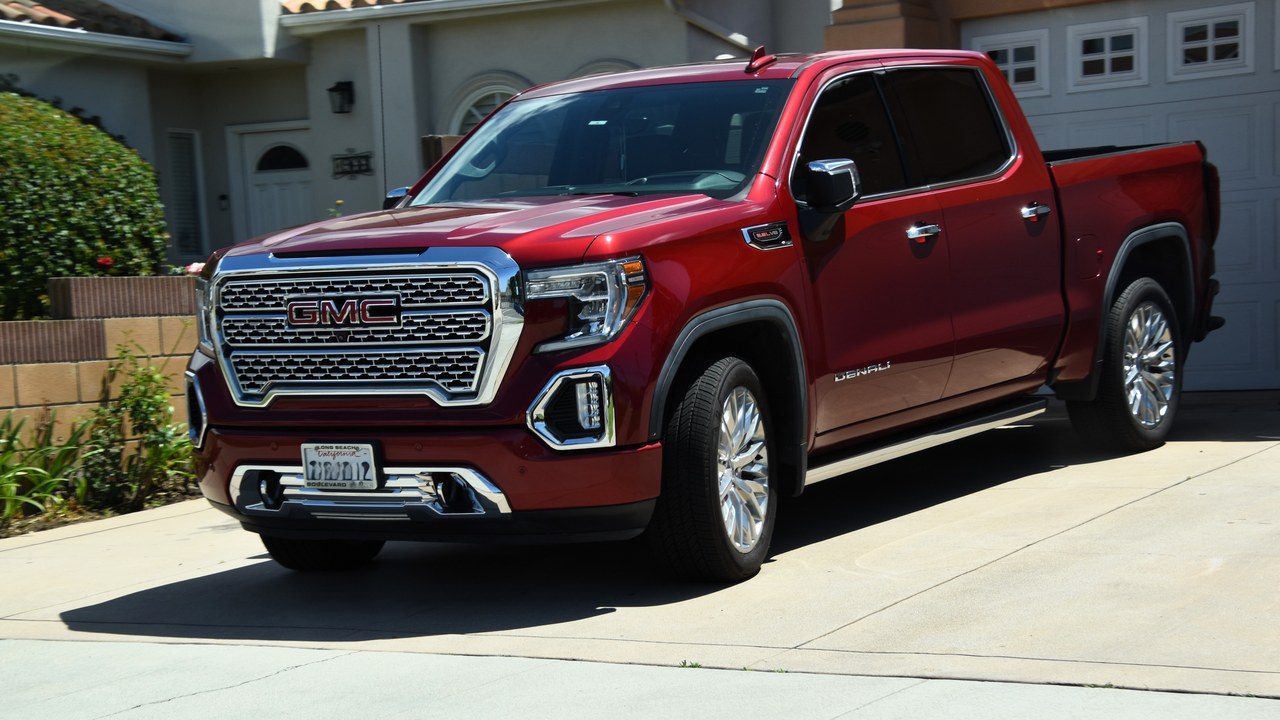
The GMC Sierra turns the rear panel into a small system rather than a single hinged slab. Its MultiPro tailgate folds into several useful forms, including steps, work surfaces, and load stops. Each configuration changes how the bed edge behaves, allowing the same hardware to support access, organization, and stationary tasks.
That versatility matters most when the truck alternates between work and everyday hauling. A step can ease the climb into the bed, a flat surface can support paperwork or tools, and a load stop can help manage longer material. The mechanism is more elaborate than an ordinary tailgate, but the benefit is a cargo opening that performs several practical roles without requiring separate accessories.
3. Ram 1500: A 60/40 Split at the Rear
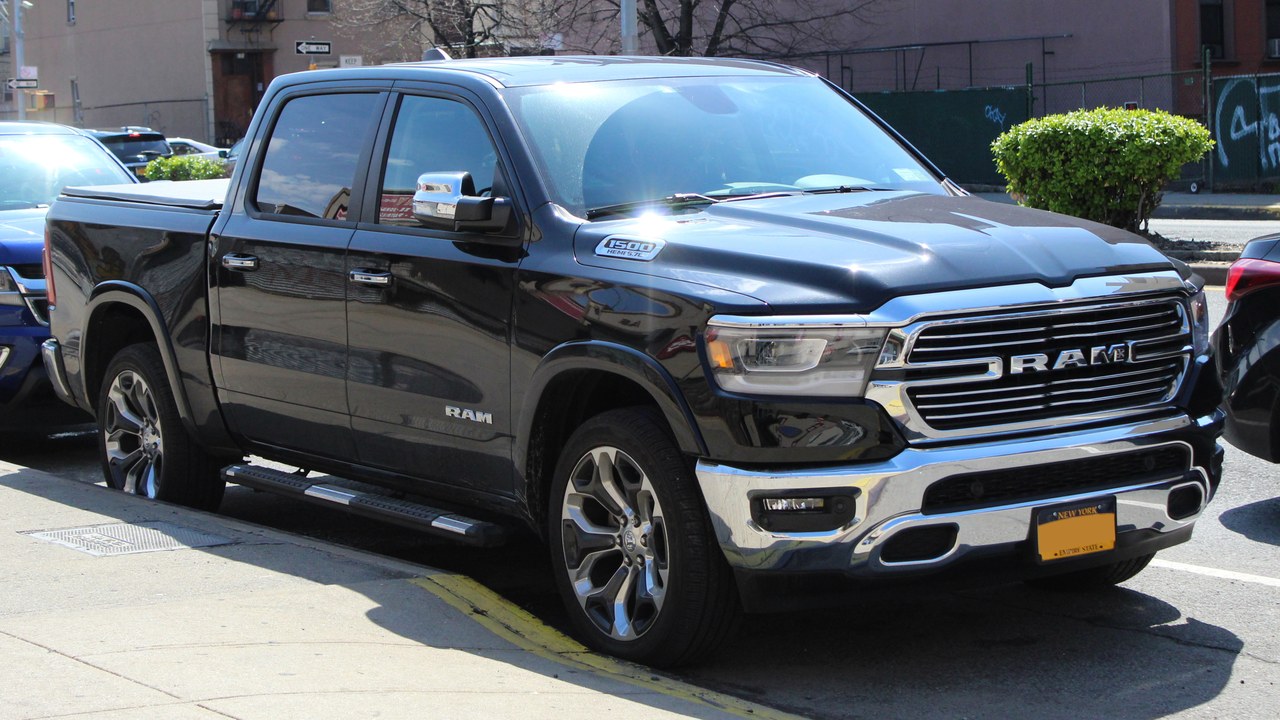
The Ram 1500 keeps a normal drop-down motion but adds a second way through the cargo opening. Its multifunction tailgate can open in a 60/40 split, with the two sections moving outward like doors. The design leaves the familiar full-width panel available while creating a closer, more direct route to the bed.
Side-hinged access can be useful when a trailer connection or a tight loading position makes a lowered tailgate awkward to reach across. The uneven split also permits one section to open while the other remains closed, depending on the cargo job. Ram therefore adds flexibility without abandoning the traditional function expected from a pickup, making the alternate motion an option rather than a permanent compromise.
4. Ford F-150: A Door Inside the Tailgate
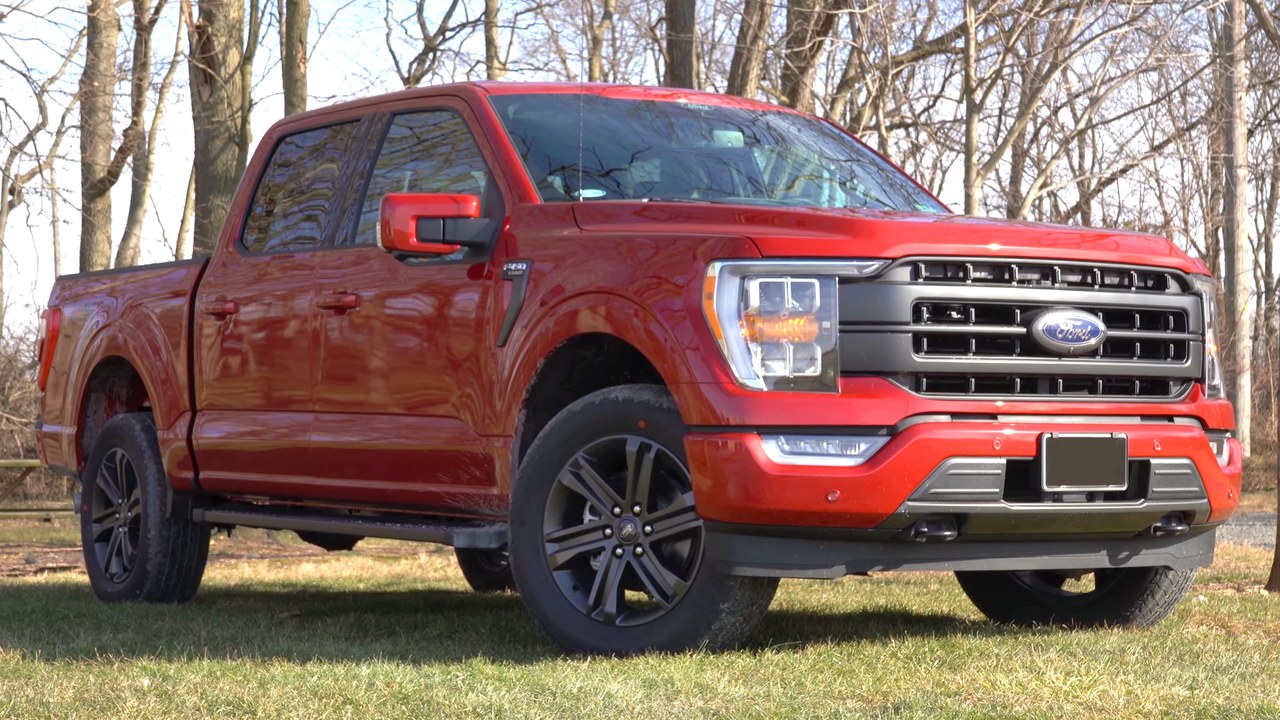
The Ford F-150 approaches multi-direction access with a door nested inside the larger rear panel. The Pro Access tailgate creates a center section that swings outward, while the complete tailgate retains its normal drop-down function. That smaller opening brings a person closer to cargo without moving the entire panel into a horizontal position.
The center-door layout is especially relevant when the truck is hitched, because a full tailgate may have limited clearance around trailer hardware. It also reduces the reach required for objects placed near the back of the bed. Ford’s solution preserves the broad loading surface of a conventional tailgate while adding a second motion tailored to quick access and constrained spaces.
5. Honda Element: A Hatch Split Horizontally
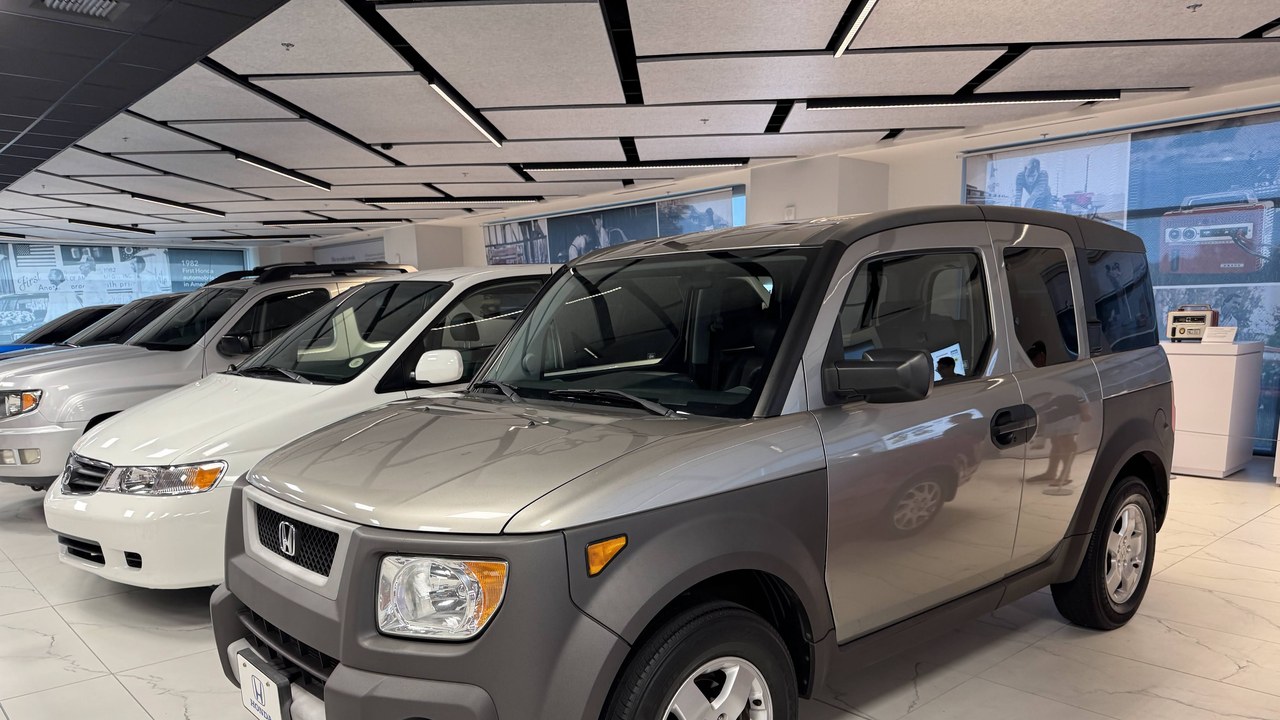
The Honda Element uses two horizontal pieces to manage its tall, boxy cargo opening. Its split rear hatch lifts at the top and drops at the bottom, creating both overhead clearance and a low platform at the cargo edge. Either section changes the opening independently, giving the compact utility vehicle more than a simple liftgate.
The lower panel can provide a useful ledge for staging bags or equipment before it moves farther into the cabin. Keeping the upper section separate also limits how much rear space the vehicle needs compared with one very large door. The layout suits the Element’s practical character, turning a straightforward rectangular opening into a more adaptable place for loading, unloading, or briefly organizing cargo.
6. Mini Clubman: Twin Doors Instead of a Hatch

The Mini Clubman replaces a single upward-swinging hatch with two narrow rear doors. Those side-hinged barn doors meet in the middle and open outward in opposite directions, splitting the cargo entrance vertically. The layout gives the wagon a distinctive silhouette while allowing one half of the rear opening to move at a time.
A divided opening can suit curbside loading because a smaller door requires less effort and exposes less of the cargo area for a quick handoff. Opening both sides restores the broad access needed for larger objects. The tradeoff is a center seam across the rear view, yet the two-door arrangement remains a functional design choice rather than a decorative imitation of older utility vehicles.
7. Land Rover Discovery: A Two-Piece Loading Platform
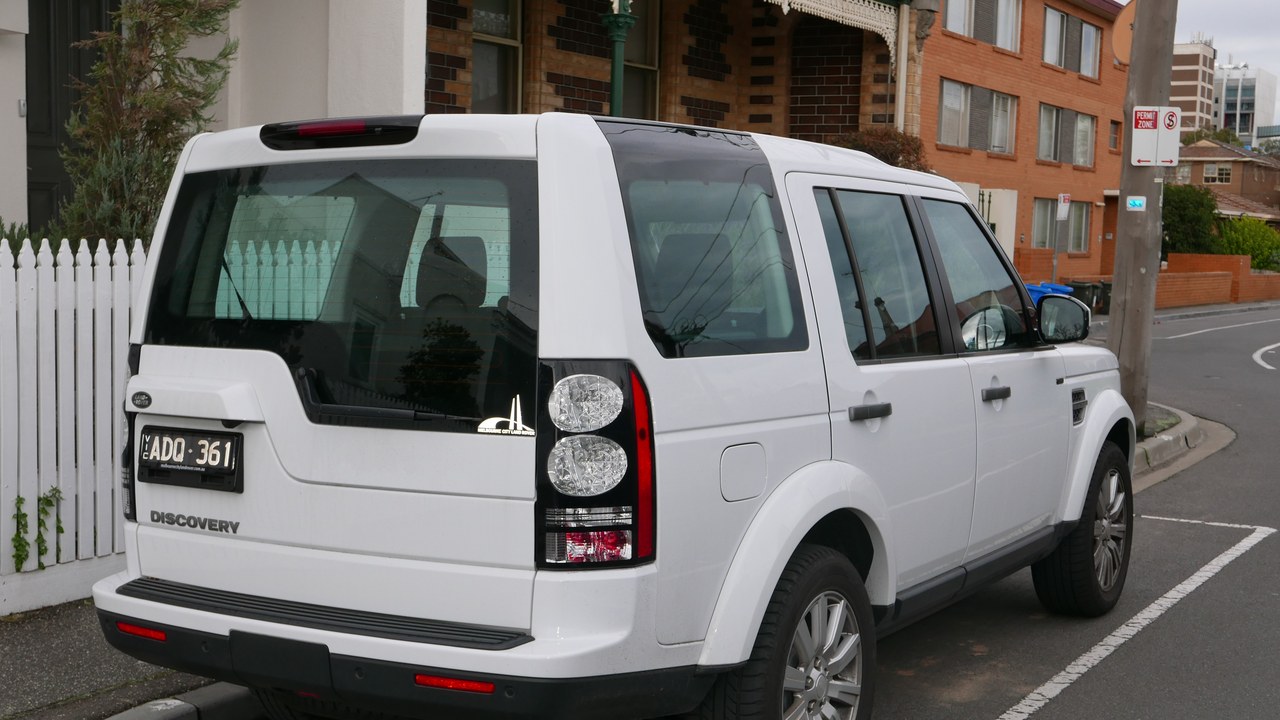
Older Land Rover Discovery models divided the cargo closure into an upper hatch and a lower panel. The two-piece rear gate lifted above the opening while the bottom section folded down into a short loading platform. That pairing created overhead access and a sturdy horizontal edge instead of relying on one large door.
The lower platform could help bridge the gap between the bumper and cargo floor, making bulky equipment easier to stage before sliding it inside. It also provided a convenient place to sit when the vehicle was parked. The design added another latch and seam, but it matched the Discovery’s utility focus by making the rear opening useful even before cargo crossed the threshold.
8. Toyota Crown Estate: A Deck Extends the Cargo Floor

The Toyota Crown Estate adds a deployable surface at the rear rather than stopping with the liftgate itself. Its fold-out deck extension carries the cargo floor past the bumper and creates a temporary seat at the opening. The feature changes the load edge from a fixed boundary into a surface that can support people or gear.
A level extension can simplify the transition between the cargo bay and the area behind the vehicle, particularly during outdoor stops or equipment setup. When folded away, the Crown Estate returns to the compact rear profile expected from a road vehicle. The idea treats the tailgate area as usable space in its own right, not merely as the doorway through which cargo passes.
More from Morning Overview
- The FBI tells phone owners to delete these toll-payment texts draining accounts nationwide
- Herbal supplements are landing Americans in the hospital with liver damage, doctors warn
- Long-term use of common heartburn pills is linked to kidney and dementia risk
- 9 pickup trucks with a reputation for falling apart after 100,000 miles
