
Long before every van was marketed as a rolling lounge, a few vehicles let occupants turn their seats away from the windshield. The hardware could convert a parked cabin into a conversation area, dining space or compact living room. Each example treats interior orientation as part of the vehicle’s utility rather than a fixed assumption.
1. Volkswagen ID. Buzz: Seats Turn Inward
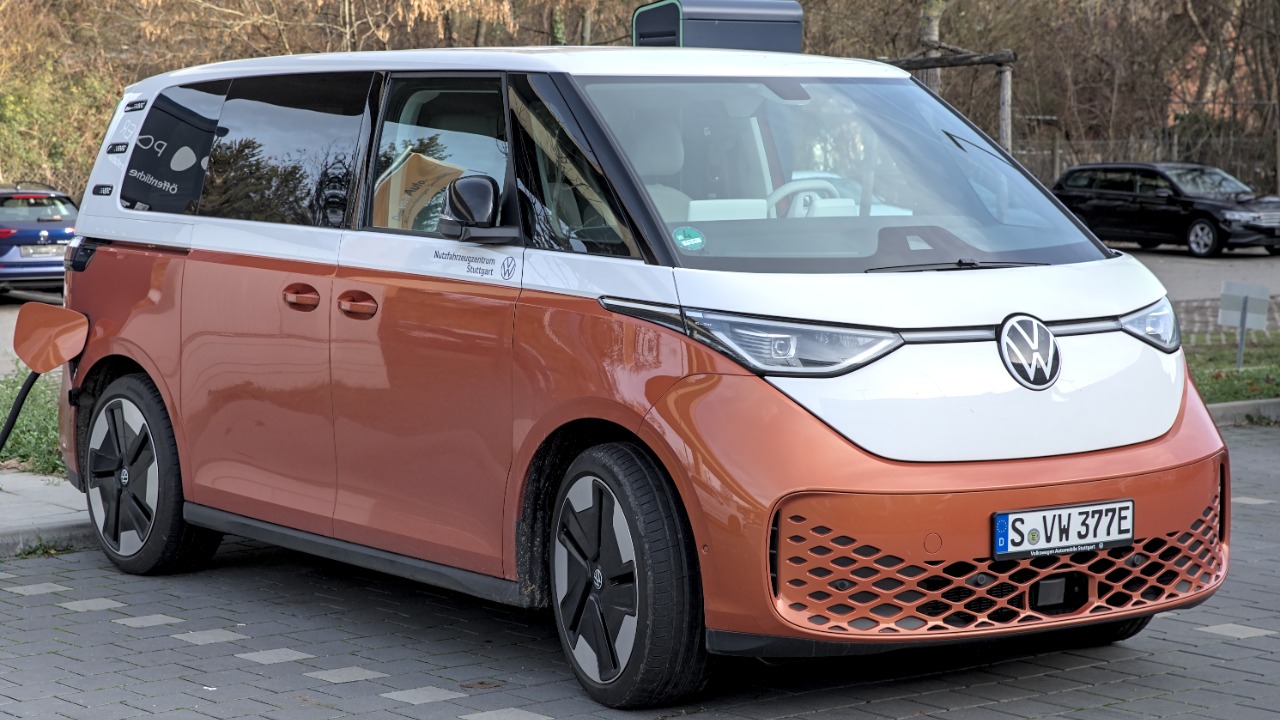
The Volkswagen ID. Buzz is a natural place to begin. Long-wheelbase versions offer rear seats that rotate toward one another. This is the documented feature that connects the example to the gallery’s central idea.
A swivel mechanism lets one seat serve both travel and stationary-living roles, provided it locks securely for motion and has enough surrounding space to rotate without colliding with trim. That makes the feature easy to notice, but its lasting importance comes from how consistently it addresses the underlying problem. In short, the rotating-seat layout does real work even when the machinery or biology behind it stays out of sight.
2. Chrysler Town & Country: Swivel ‘n Go
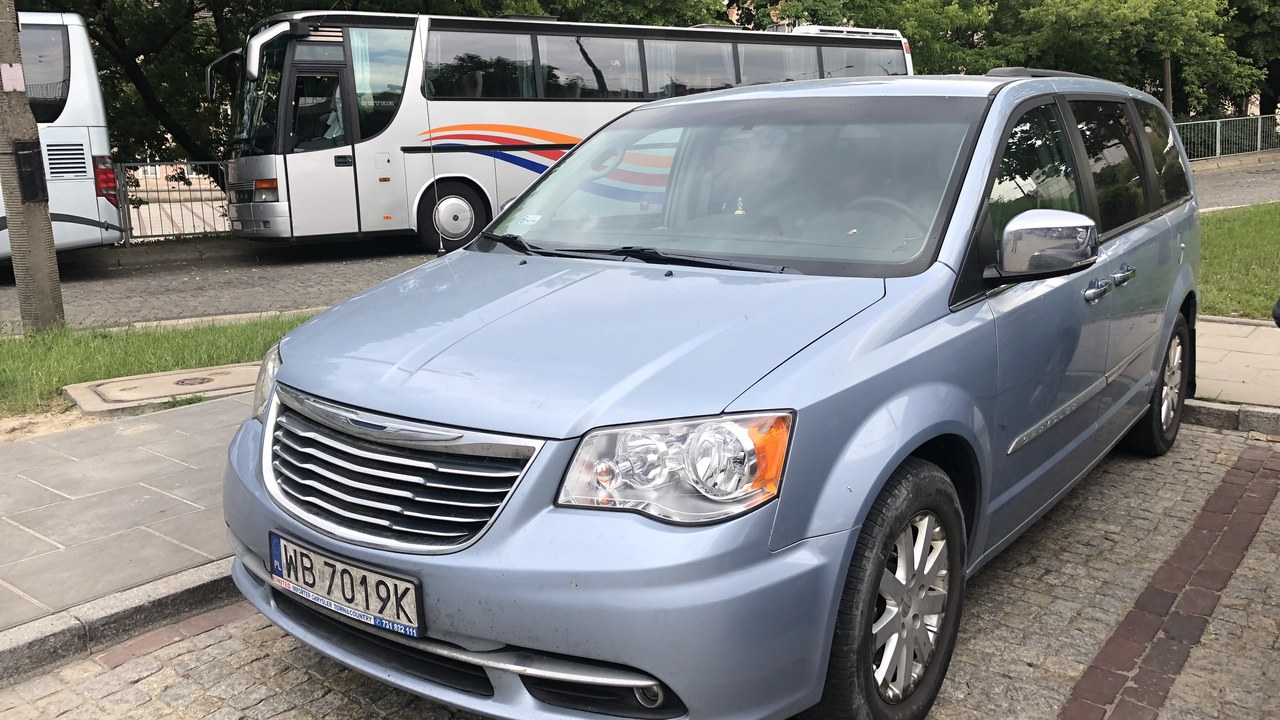
In the Chrysler Town & Country, the unusual idea is central rather than incidental. Swivel ’n Go chairs turned the second row to face the third. This is the documented feature that connects the example to the gallery’s central idea.
A swivel mechanism lets one seat serve both travel and stationary-living roles, provided it locks securely for motion and has enough surrounding space to rotate without colliding with trim. The benefit is inseparable from the compromise, which is why the layout deserves more attention than a novelty or styling flourish. In short, the rotating-seat layout does real work even when the machinery or biology behind it stays out of sight.
3. Renault Espace: The Early Mobile Lounge
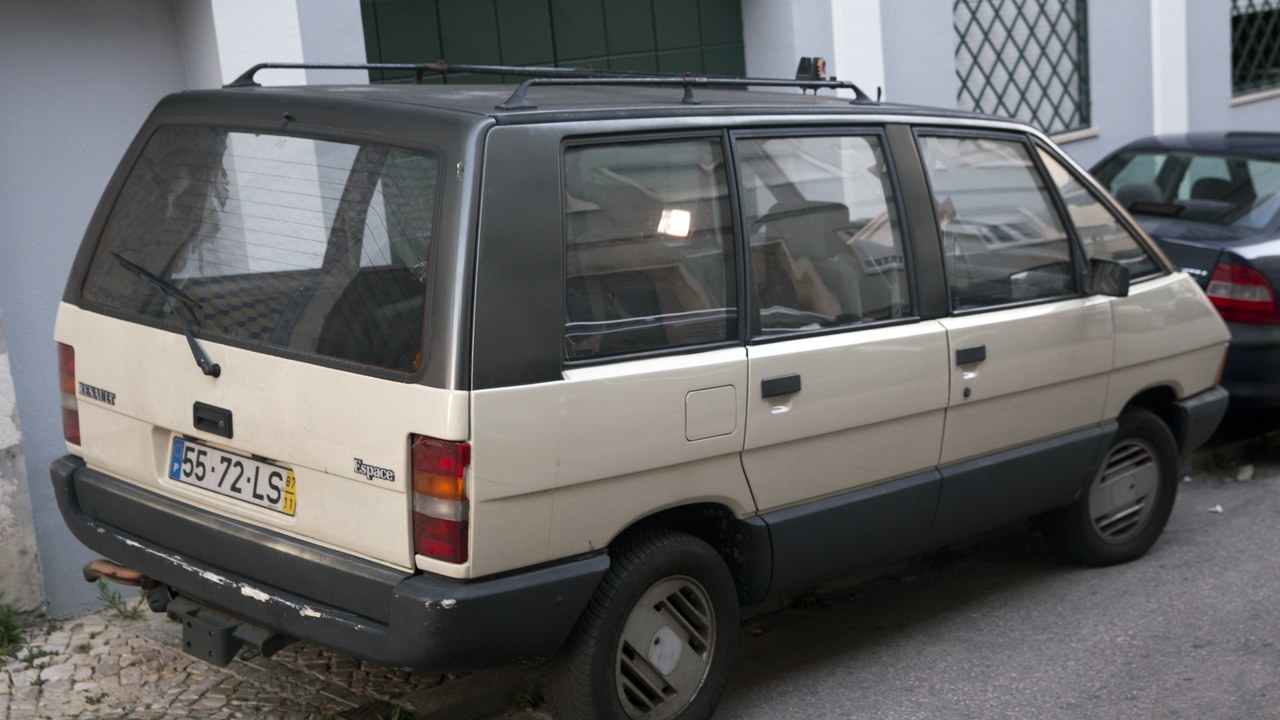
The case for including the Renault Espace starts with one defining detail. Early cabins used rotating front seats for a lounge layout. This is the documented feature that connects the example to the gallery’s central idea.
A swivel mechanism lets one seat serve both travel and stationary-living roles, provided it locks securely for motion and has enough surrounding space to rotate without colliding with trim. Seen in context, the choice is a practical response to packaging and use, not an isolated fact from a specification sheet. In short, the rotating-seat layout does real work even when the machinery or biology behind it stays out of sight.
4. GMC Motorhome: Cab Meets Living Area
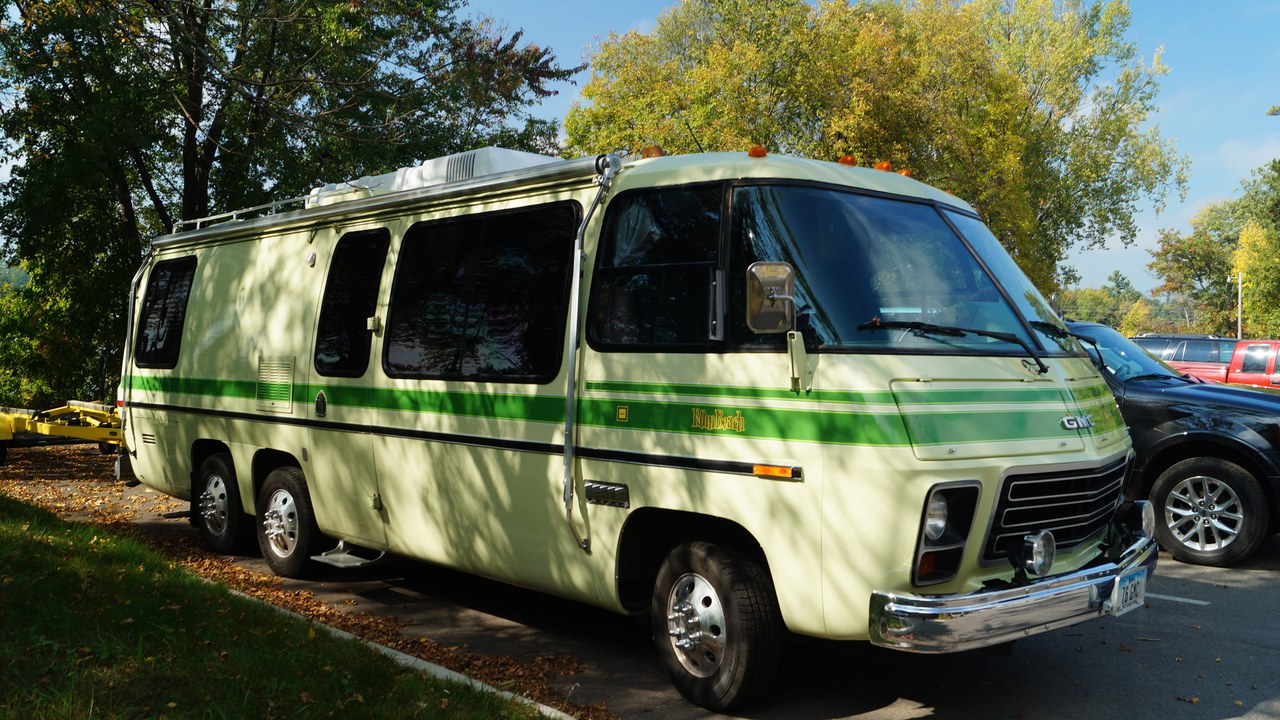
Look past the familiar outline of the GMC Motorhome and the engineering choice becomes clear. Captain’s chairs could turn into the living area when parked. This is the documented feature that connects the example to the gallery’s central idea.
A swivel mechanism lets one seat serve both travel and stationary-living roles, provided it locks securely for motion and has enough surrounding space to rotate without colliding with trim. Its value appears in ordinary operation, where the design changes what the user, operator or observer can do and perceive. In short, the rotating-seat layout does real work even when the machinery or biology behind it stays out of sight.
5. Kia Carnival: Market Specific Lounge Seats
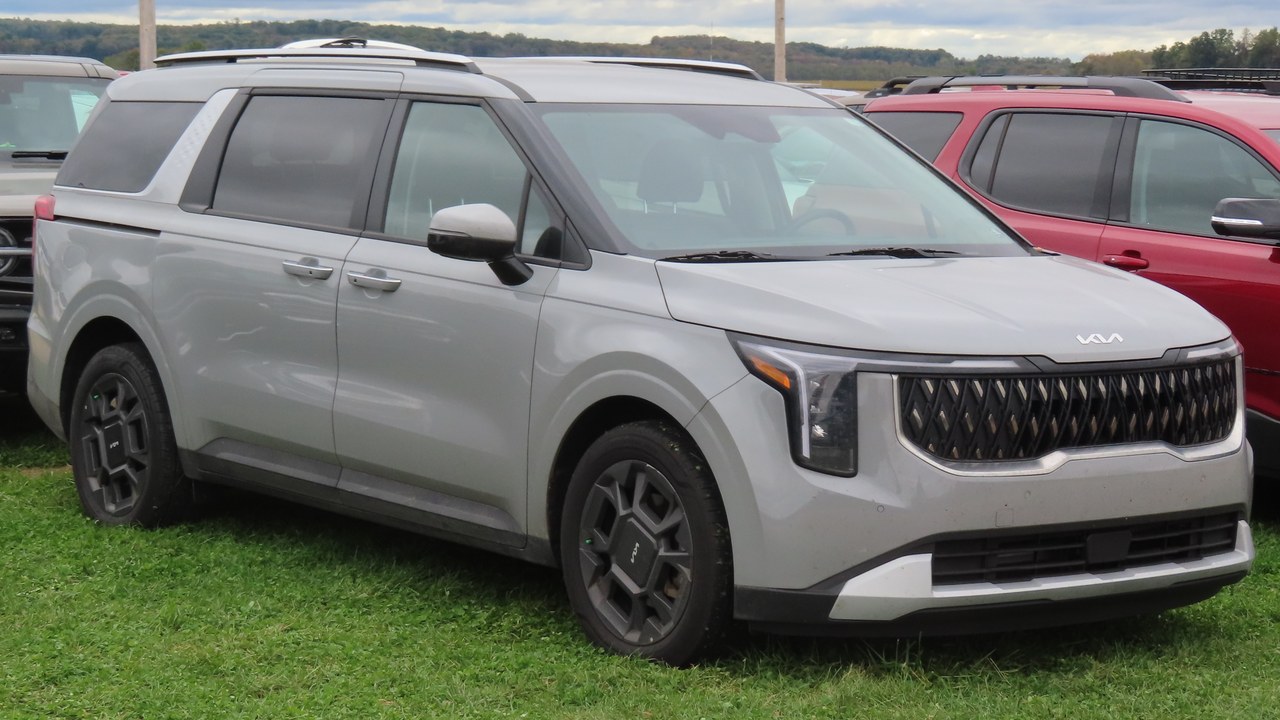
The Kia Carnival approaches the same challenge from a distinctive direction. Market-dependent lounge seats rotate or recline for rear passengers. This is the documented feature that connects the example to the gallery’s central idea.
A swivel mechanism lets one seat serve both travel and stationary-living roles, provided it locks securely for motion and has enough surrounding space to rotate without colliding with trim. The result is memorable because the visible feature and the less obvious functional consequence are tightly connected. In short, the rotating-seat layout does real work even when the machinery or biology behind it stays out of sight.
6. Toyota Granvia: Face To Face Travel
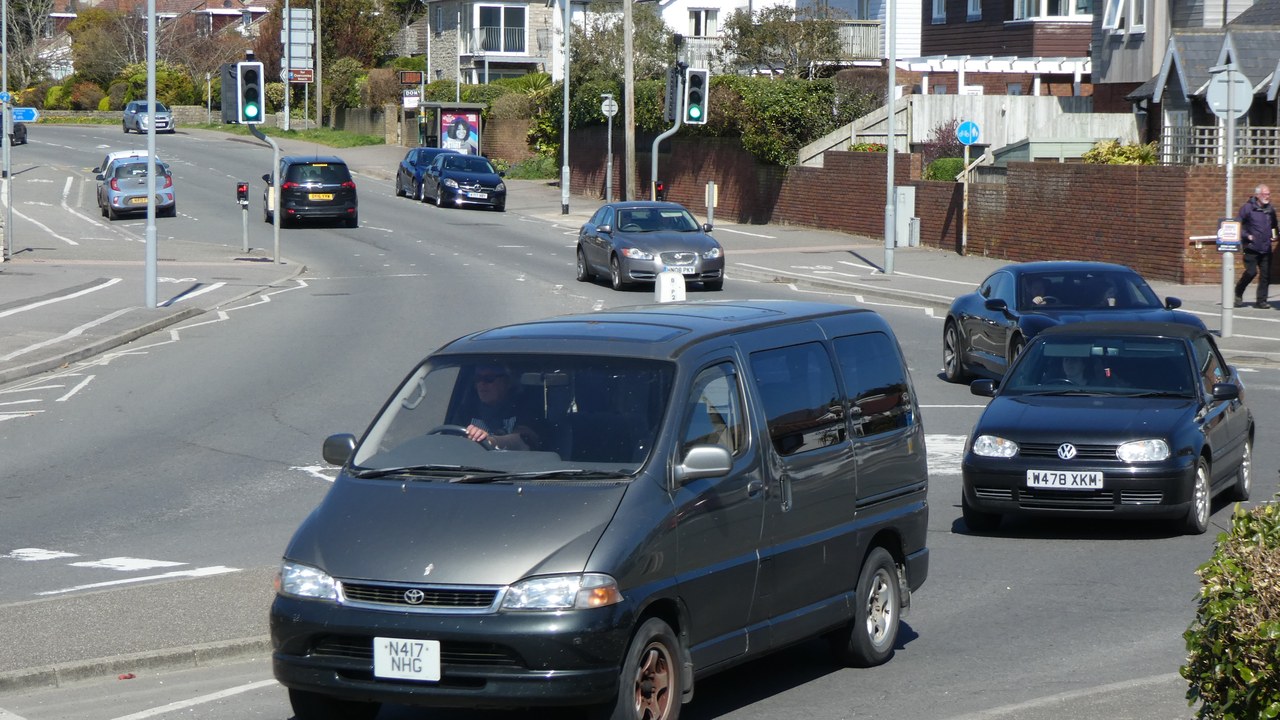
With the Toyota Granvia, the feature is part of the underlying package. Luxury rear captain’s chairs pivoted for face-to-face travel. This is the documented feature that connects the example to the gallery’s central idea.
A swivel mechanism lets one seat serve both travel and stationary-living roles, provided it locks securely for motion and has enough surrounding space to rotate without colliding with trim. It also shows why similar goals can produce different hardware: the surrounding vehicle, habitat or mission sets the constraints. In short, the rotating-seat layout does real work even when the machinery or biology behind it stays out of sight.
7. Nissan Elgrand: A Rotating Middle Row
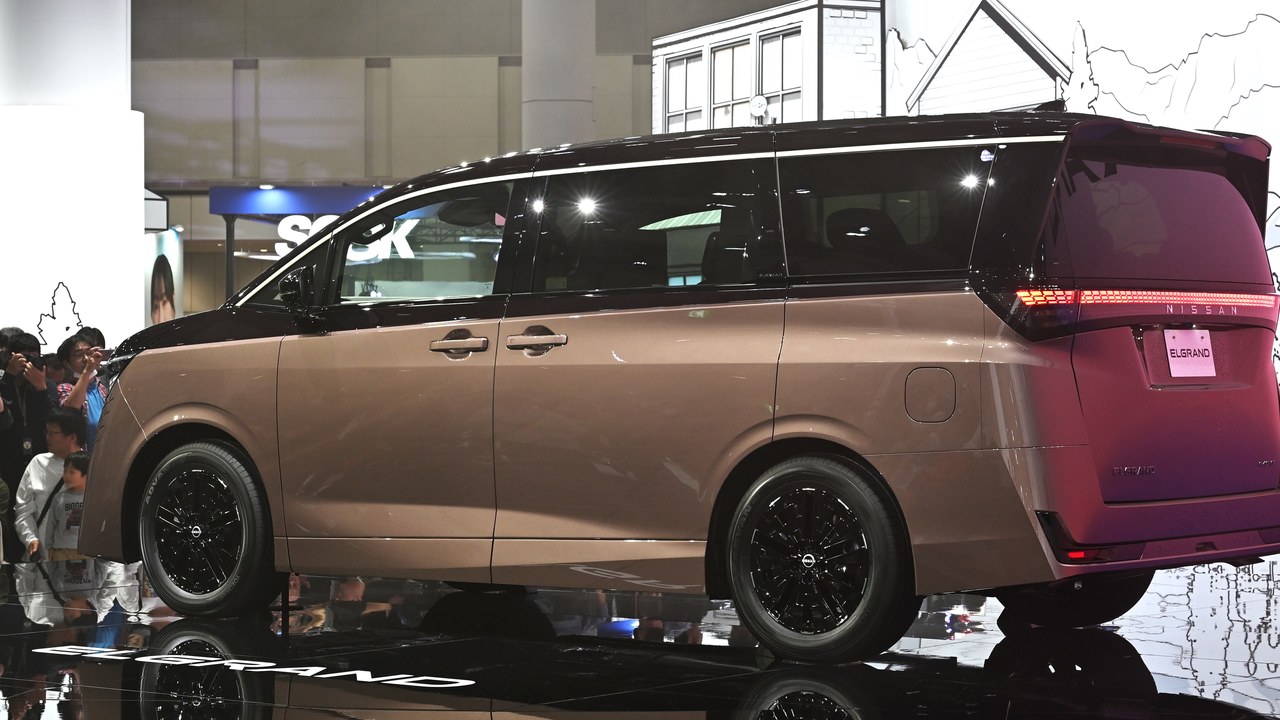
The Nissan Elgrand earns its spot through a particularly direct version of the idea. Swiveling middle-row seats created a mobile lounge. This is the documented feature that connects the example to the gallery’s central idea.
A swivel mechanism lets one seat serve both travel and stationary-living roles, provided it locks securely for motion and has enough surrounding space to rotate without colliding with trim. That distinction keeps the example precise; it belongs here for a working capability, not merely a resemblance to the others. In short, the rotating-seat layout does real work even when the machinery or biology behind it stays out of sight.
8. Ford Transit Custom Nugget: Camper Chairs Join Dinner
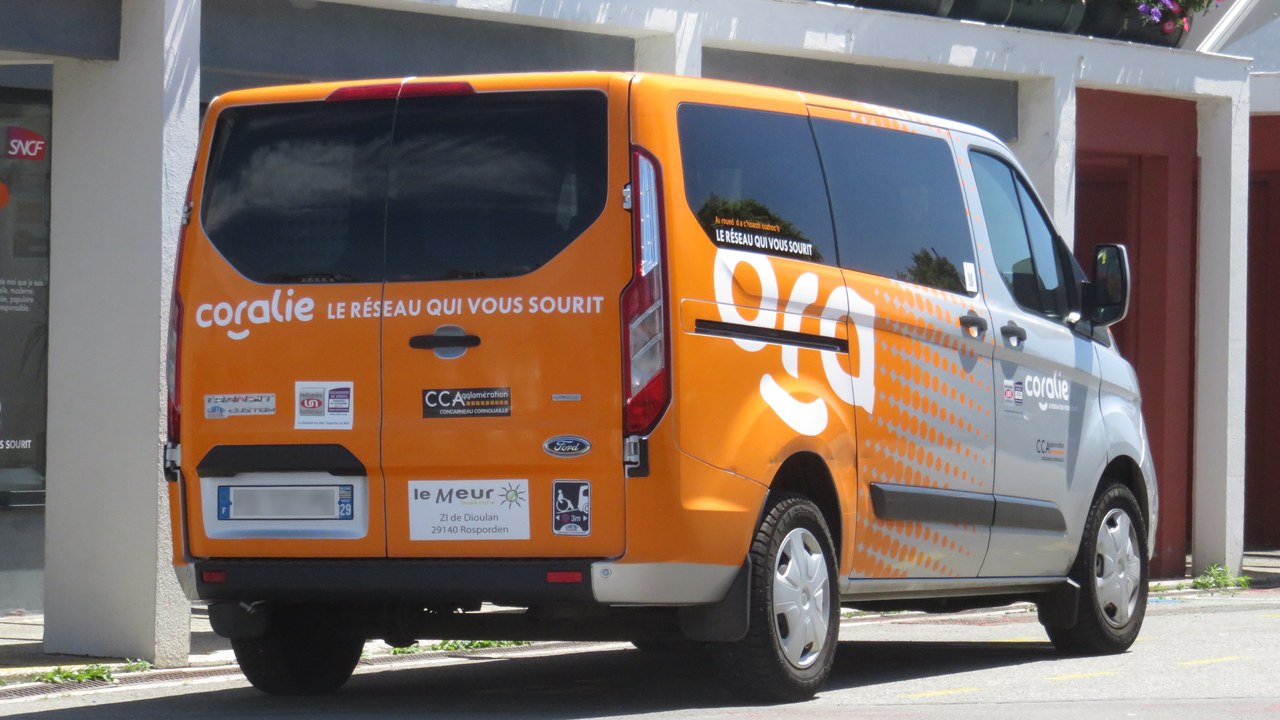
The final example, the Ford Transit Custom Nugget, broadens the pattern. Rotating cab seats become part of the camper dining area. This is the documented feature that connects the example to the gallery’s central idea.
A swivel mechanism lets one seat serve both travel and stationary-living roles, provided it locks securely for motion and has enough surrounding space to rotate without colliding with trim. Together with the earlier examples, it shows a coherent principle expressed through very different forms and operating conditions. In short, the rotating-seat layout does real work even when the machinery or biology behind it stays out of sight.
More from Morning Overview
- Card skimmers hidden on gas pumps are draining accounts, and there’s a quick way to spot them
- The NSA warns one messaging setting can clone your texts to a stranger
- Security experts still urge phone owners to switch off one location-tracking setting
- Automakers are quietly dropping the stop-start feature many drivers love to hate
